
Guest Post by Nicole Rubin
Busy parents juggling work and wellness, remote workers glued to a desk, and homeowners interested in wellness remodeling often want a dedicated space that supports better routines at home. The core tension is clear: home remodeling for wellness can easily produce a cramped, overly specialized “gym” that steals usable space and ends up ignored. A multipurpose wellness space solves this by using flexible room design to support movement, recovery, and calm without forcing the rest of the home to revolve around one activity. Done well, one adaptable room can strengthen physical and mental well-being.
Understanding a Multipurpose Wellness Room
A multipurpose wellness room works because it is designed for three jobs at once: movement, recovery, and calm. The space stays usable when you define clear zones, choose gear that stores fast or changes function, and add simple cues that signal “slow down” when you need it.
This matters because your routines change day to day, and the room has to keep up. When stress is high, a space that supports reset habits becomes more valuable, especially since 21% of U.S. adults experienced a mental illness in the past year. A flexible setup reduces friction, so you actually use it.
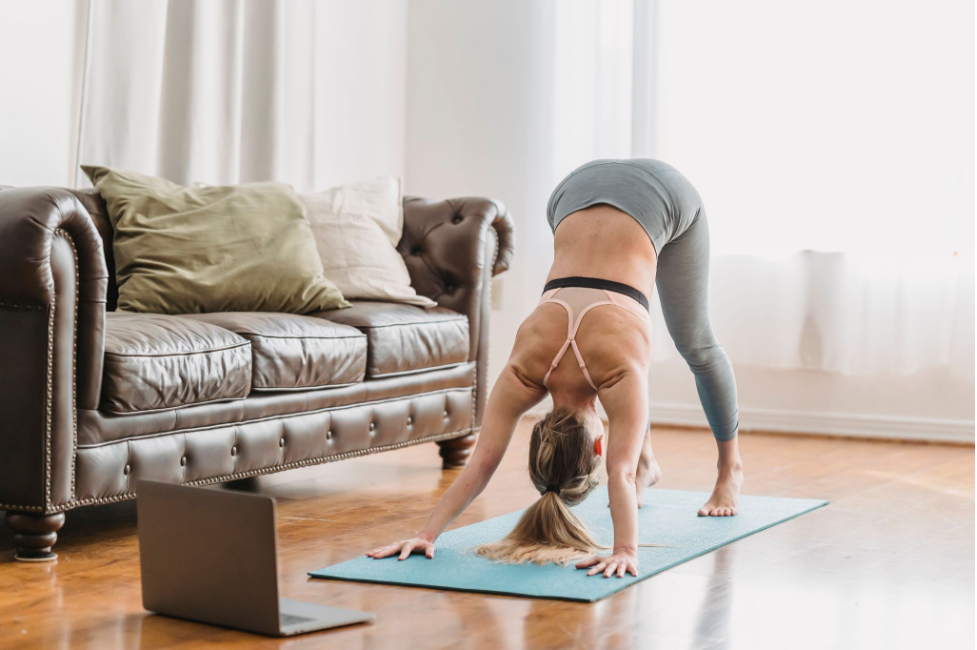
Picture a spare room with an open mat area, a wall shelf for bands and a foldable bench, plus a corner chair for breathing or stretching. After a workout, you pivot into mobility work without dragging equipment around. The lighting and clutter level help your brain shift gears. Comfort also depends on steady airflow and temperature during training and recovery.
Improve Airflow and Temperature for Better At-Home Workouts
A flexible wellness room works best when the space feels consistently comfortable no matter how you use it. Upgrading your HVAC system can make a noticeable difference in day-to-day training and recovery by improving air circulation and keeping temperatures steadier during sweaty workouts or quiet relaxation. Better ventilation also helps manage humidity, which can leave a room feeling sticky and uncomfortable, and it can reduce the buildup of common indoor allergens, supporting a cleaner-feeling environment that’s easier to breathe in year-round. If your remodel plans include replacing components, order HVAC parts only from reputable suppliers so you get quality materials that hold up over time and are compatible with your system.
Plan a Clutter-Free Wellness Room: Layout, Storage, Lighting, Materials
A flexible wellness room should feel like a normal, calming room first, and a training space second. The goal is to make setup fast, keep traffic flow clear, and avoid “permanent gym” visuals that encourage clutter.
Start with zoning and a clear circulation path: Sketch the room and reserve a 30–36 inch walkway from the door to any closet, window, or thermostat so you’re not stepping over gear. Then create 2–3 zones: a “movement zone” (open floor), a “recovery zone” (mat + bolster + low table), and a “utility zone” (storage + laundry/cleaning). This layout keeps workouts compatible with the airflow and temperature improvements you invested in, because vents and returns won’t be blocked by equipment.
Design the room around a “park-it” wall for gear: Choose one wall as the home base for everything that moves, bands, blocks, small weights, rollers, straps, so items don’t migrate to corners. A simple rule is “nothing on the floor when you’re done,” which makes cleaning easier and reduces trip hazards. Storage ideas that prioritize vertical space help you keep frequently used items at hand height while pushing rarely used items higher.
Use concealed storage to make multipurpose feel intentional: Add closed cabinetry, a storage bench, or ottomans with lift tops so the room can shift from training to reading to meditation in under two minutes. If you’re remodeling, consider a shallow (12–16 inch) built-in on one side of the room; it holds a surprising amount without shrinking the movement zone. Label bins by routine (strength, mobility, recovery) so setup is grab-and-go.
Plan layered lighting for focus and downshift: Build three layers: ambient (general overhead), task (a brighter, aimed light for form checks or cleaning), and low-glare accent (lamps or wall lights for recovery). Many wellness rooms fail because the only option is a harsh overhead fixture; layering different types of lighting lets you switch between “energize” and “calm” without changing the room. Put key lights on separate switches or dimmers so you can preset “workout” and “wind-down” modes.
Choose durable, soothing materials that handle sweat and cleaning: Aim for easy-wipe paint in a washable finish, scuff-resistant baseboards, and flooring that tolerates moisture (sealed wood, quality vinyl, cork, or rubber tiles in the workout zone). If you use an area rug, pick a low-pile option with a pad so it doesn’t bunch under dynamic movement. Keep the wall décor minimal and calming, one mirror for form, one focal element for relaxation, so the room looks like a living space, not a storage unit.
Protect your mechanicals and acoustics as part of the layout: Don’t place tall shelving in front of supply vents, returns, or a mini-split head; it undermines the ventilation and temperature control that make training comfortable. Add simple sound control, thick curtains, a bookcase, or acoustic panels, especially if your wellness space shares a wall with bedrooms. This keeps the room pleasant to use more often, which matters more than any single piece of equipment.
Wellness Room Remodel: Common Questions Answered
Q: How much should I budget for a flexible wellness remodel?
A: Start by separating “must-haves” (flooring, lighting, basic storage) from “nice-to-haves” (custom built-ins, premium speakers). Set aside 10 to 20 percent for surprises like subfloor repairs or adding outlets. If your budget is tight, phase the project so the room is usable after the first round.
Q: What should I prioritize first if I can only change a few things?
A: Prioritize safety and usability: smooth, easy-clean floors, good ventilation, and lighting that can go bright or calm. Storage comes next because clutter is what makes a room feel like a permanent gym. If you need motivation, remember that respondents reported wellness is important, so you are investing in something many people value.
Q: How do I handle a small room, low ceilings, or shared use as an office or guest space?
A: Choose foldable or wall-storing equipment and keep the center floor open for movement. Use a compact bench or ottoman that doubles as seating and hidden storage. Add a door hook or narrow cabinet to keep gear from spreading into living areas.
Q: How can I keep the space clean, odor-free, and safe?
A: Pick wipeable finishes, keep disinfecting wipes and a small hamper in the room, and set a “shoes off” rule if possible. Use washable slipcovers or a dedicated towel for mats and benches. A weekly reset, five minutes to put everything away and mop high-sweat areas, prevents buildup.
Q: Can the room stay flexible as my routines change over time?
A: Yes, if you design around activities instead of specific gear. Plan for an open area that works for strength, yoga, stretching, and meditation, then store specialized items out of sight until needed. A quick test with a few household members can reveal pinch points, and we generally recommend 5 participants for strong feedback without overthinking it.
Draft a Practical Wellness Space Plan That Lasts
It’s easy to want a room that does everything, strength, mobility, recovery, calm, yet end up with a space that feels cramped or unused. The fix is thoughtful space planning: design around core activities, plan for change, and balance integrated fitness and relaxation instead of chasing perfect equipment or finishes. When that mindset guides home remodeling outcomes, the room supports routines day after day and delivers long-term wellness benefits without constant rework. Design for repeatable habits, not occasional motivation. Measure the room, list your non-negotiable activities, and sketch a phased remodel plan that fits your timeline and budget. That small start is how sustainable wellness design becomes a steady source of resilience, health, and performance at home.