
Marijuana-based Drug Reduces Fibromyalgia Pain
February 18, 2008
Science Daily/American Pain Society
Patients with fibromyalgia treated with a synthetic form of marijuana, nabilone, showed significant reductions in pain and anxiety in a first-of-its-kind study, published in The Journal of Pain.
Fibromyalgia syndrome has no cure, is difficult to diagnose, and effective pain management strategies are a must to help patients cope with the disease. An estimated 12 million Americans have fibromyalgia, which is characterized by widespread muscle and joint pain and myriad other symptoms. The condition is far more prevalent in women and the incidence increases with age, reaching 7 percent among women 65 years and older.
Forty subjects were selected for the nabilone trial, conducted by researchers at the University of Manitoba Rehabilitation Hospital. They were divided into nabilone and placebo groups and were treated for four weeks. The authors noted this was the first randomized, controlled-access trial to evaluate nabilone for pain reduction and quality-of-life improvement in fibromyalgia patients. Nabilone is one of two oral marijuana-based compounds, known as cannabinoids, available in Canada and is approved for treatment of nausea and vomiting during chemotherapy.
Results of the Manitoba study showed the nabilone group had significant reductions in pain and anxiety, measured by comparisons with baseline scores on the visual analogue scale for pain, the Fibromyalgia Impact Questionnaire (FIQ) and the FIQ anxiety score. From the data, the study concluded nabilone has significant benefits for pain relief and functional improvement in fibromyalgia patients. Although the improvement was significant, none of the nabilone-treated subjects had complete relief of their fibromyalgia symptoms.
The drug was well tolerated by treated patients, which the authors characterized as reassuring since fibromyalgia patients are sensitive to most medications and have difficulty tolerating side effects. The downside, however, is cost. In Canada, nabilone would cost about $4,000 for a year's supply.
https://www.sciencedaily.com/releases/2008/02/080217214547.htm
Smoking Marijuana Impairs Cognitive Function in MS Patients
February 14, 2008
Science Daily/American Academy of Neurology
People with multiple sclerosis (MS) who smoke marijuana are more likely to have emotional and memory problems, according to new research.
"This is the first study to show that smoking marijuana can have a harmful effect on the cognitive skills of people with MS," said study author Anthony Feinstein, MPhil, PhD, of the University of Toronto. "This is important information because a significant minority of people with MS smoke marijuana as a treatment for the disease, even though there are no scientific studies demonstrating that it is an effective treatment for emotional difficulties."
Feinstein noted that MS itself can cause cognitive problems. "In addition, cognitive problems can greatly affect the quality of life for both patients and their caregivers," he said.
For the study, researchers interviewed 140 Canadian people with MS. Of those, 10 people had smoked marijuana within the last month and were defined as current marijuana users. The marijuana users were then each matched by age, sex, the length of time they had MS, and other factors to four people with MS who did not smoke marijuana.
The researchers then evaluated the participants for emotional problems such as depression, anxiety and other psychiatric disorders. They also tested the participants' thinking skills, speed at processing information, and memory.
The study found marijuana smokers performed 50 percent slower on tests of information processing speed compared to MS patients who did not smoke marijuana. There was also a significant association between smoking marijuana and emotional problems such as depression and anxiety.
People with MS have higher rates of depression and suicide compared to the general population. "Since marijuana can induce psychosis and anxiety in healthy people, we felt it was especially important to look at its effects on people with MS," Feinstein said.
This research was published February 13, 2008, in the online edition of Neurology®, the medical journal of the American Academy of Neurology. The study was supported by a grant from the Canadian Institutes for Health Research.
https://www.sciencedaily.com/releases/2008/02/080213160851.htm
Regular Marijuana Use Increases Risk of Hepatitis C-related Liver Damage
January 29, 2008
Science Daily/American Gastroenterological Association
Patients with chronic hepatitis C (HCV) infection should not use marijuana (cannabis) daily, according to a study published in Clinical Gastroenterology and Hepatology, the official journal of the American Gastroenterological Association (AGA) Institute. Researchers found that HCV patients who used cannabis daily were at significantly higher risk of moderate to severe liver fibrosis, or tissue scarring. Additionally, patients with moderate to heavy alcohol use combined with regular cannabis use experienced an even greater risk of liver fibrosis. The recommendation to avoid cannabis is especially important in patients who are coinfected with HCV/HIV since the progression of fibrosis is already greater in these patients.
"Hepatitis C is a major public health concern and the number of patients developing complications of chronic disease is on the rise," according to Norah Terrault, MD, MPH, from the University of California, San Francisco and lead investigator of the study. "It is essential that we identify risk factors that can be modified to prevent and/or lessen the progression of HCV to fibrosis, cirrhosis and even liver cancer. These complications of chronic HCV infection will significantly contribute to the overall burden of liver disease in the U.S. and will continue to increase in the next decade."
This is the first study that evaluates the relationship between alcohol and cannabis use in patients with HCV and those coinfected with HCV/HIV. It is of great importance to disease management that physicians understand the factors influencing HCV disease severity, especially those that are potentially modifiable. The use and abuse of both alcohol and marijuana together is not an uncommon behavior. Also, individuals who are moderate and heavy users of alcohol may use cannabis as a substitute to reduce their alcohol intake, especially after receiving a diagnosis like HCV, which affects their liver.
Researchers found a significant association between daily versus non-daily cannabis use and moderate to severe fibrosis when reviewing this factor alone. Other factors contributing to increased fibrosis included age at enrollment, lifetime duration of alcohol use, lifetime duration of moderate to heavy alcohol use and necroinflammatory score (stage of fibrosis). In reviewing combined factors, there was a strong (nearly 7-fold higher risk) and independent relationship between daily cannabis use and moderate to severe fibrosis. Gender, race, body mass index, HCV viral load and genotype, HIV coinfection, source of HCV infection, and biopsy length were not significantly associated with moderate to severe fibrosis.
Of the 328 patients screened for the study, 204 patients were included in the analysis. The baseline characteristics of those included in the study were similar to those excluded with the exception of daily cannabis use (13.7 percent of those studied used cannabis daily versus 6.45 percent of those not included). Patients who used cannabis daily had a significantly lower body mass index than non-daily users (25.2 versus 26.4), were more likely to be using medically prescribed cannabis (57.1 percent versus 8.79 percent), and more likely to have HIV coinfection (39.3 percent versus 18.2 percent).
The prevalence of cannabis use amongst adults in the U.S. is estimated to be almost 4 percent. Regular use has increased in certain population subgroups, including those aged 18 to 29.
Hepatitis is an inflammation of the liver. Hepatitis C is the most common form of hepatitis and infects nearly 4 million people in the U.S., with an estimated 150,000 new cases diagnosed each year. While it can be spread through blood transfusions and contaminated needles, for a substantial number of patients, the cause is unknown. This form of viral hepatitis may lead to cirrhosis, or scarring, of the liver. Coinfection of hepatitis C in patients who are HIV positive is common; about one quarter of patients infected with HIV are infected with hepatitis C. The majority of these patients, 50 to 90 percent, were infected through injection drug use. Hepatitis C ranks with alcohol abuse as the most common cause of chronic liver disease and leads to about 1,000 liver transplants yearly in the U.S.
https://www.sciencedaily.com/releases/2008/01/080128140840.htm
Cannabinoids May Inhibit Cancer Cell Invasion
December 27, 2007
Science Daily/Journal of the National Cancer Institute
Cannabinoids may suppress tumor invasion in highly invasive cancers, according to a study published online December 25 in the Journal of the National Cancer Institute.
Cannabinoids, the active components in marijuana, are used to reduce the side effects of cancer treatment, such as pain, weight loss, and vomiting, but there is increasing evidence that they may also inhibit tumor cell growth. However, the cellular mechanisms behind this are unknown.
Robert Ramer, Ph.D., and Burkhard Hinz, Ph.D., of the University of Rostock in Germany investigated whether and by what mechanism cannabinoids inhibit tumor cell invasion.
Cannabinoids did suppress tumor cell invasion and stimulated the expression of TIMP-1, an inhibitor of a group of enzymes that are involved in tumor cell invasion.
“To our knowledge, this is the first report of TIMP-1-dependent anti-invasive effects of cannabinoids. This signaling pathway may play an important role in the antimetastatic action of cannabinoids, whose potential therapeutic benefit in the treatment of highly invasive cancers
Separating the Therapeutic Benefits of Cannabis from its Mood-altering Side-effects
November 30, 2007
Science Daily/Queen Mary, University of London
Scientists from Queen Mary, University of London, have discovered a new way to separate the therapeutic benefits of cannabis from its mood-altering side-effects.
Cannabis contains a chemical called THC, which binds to, and activates, proteins in the brain known as ‘CB1 cannabinoid receptors’. Activating these receptors can relieve pain and prevent epileptic seizures; but it also causes the mood-altering effect experienced by people who use cannabis as a recreational drug.
Now, Professor Maurice Elphick and Dr Michaela Egertová from Queen Mary’s School of Biological and Chemical Sciences may have found a way of separating out the effects of cannabis – a discovery which could lead to the development of new medicines to treat conditions such as epilepsy, obesity and chronic pain. The research is described in the December issue of the journal Molecular Pharmacology.
Working in collaboration with scientists based in the USA*, they have identified a protein that binds to the CB1 receptors in the brain. But unlike THC, this ‘Cannabinoid Receptor Interacting Protein’ or CRIP1a, suppresses the activity of CB1 receptors.
Professor Elphick explains: “Because CRIP1a inhibits the activity of the brain’s cannabinoid receptors, it may be possible to develop drugs that block this interaction, and in turn enhance CB1 activity. This may give patients the pain relief associated with CB1 activity, without the ‘high’ that cannabis users experience.”
Leslie Iversen FRS, Professor of Pharmacology at the University of Oxford and author of The Science of Marijuana, commented on the new findings: “This interesting discovery provides a completely new insight into the regulation of the cannabinoid system in the brain - and could offer a new approach to the discovery of cannabis-based medicines in the future.”
“CB1 Cannabinoid Receptor Activity Is Modulated by the Cannabinoid Receptor Interacting Protein CRIP1a” is published online in the December issue of Molecular Pharmacology.
The Elphick laboratory in the School of Biological & Chemical Sciences at Queen Mary is supported by grants from UK research councils (BBSRC, MRC) and the Wellcome Trust.
https://www.sciencedaily.com/releases/2007/11/071129151109.htm
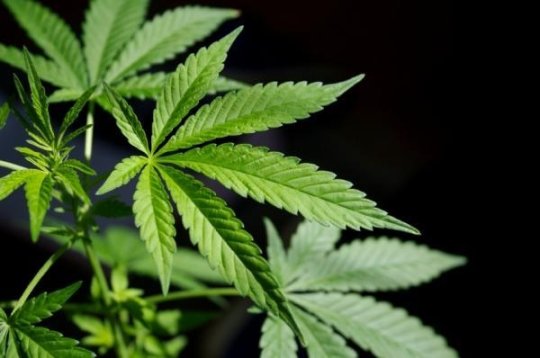
Marijuana Compound Shows Promise in Fighting Breast Cancer
CBD, a compound found in Cannabis sativa, could be the first non-toxic agent to show promise in treating metastatic forms of breast cancer. Credit: iStockphoto
November 26, 2007
Science Daily/California Pacific Medical Center
A compound found in cannabis may prove to be effective at helping stop the spread of breast cancer cells throughout the body. The study is raising hope that CBD, a compound found in Cannabis sativa, could be the first non-toxic agent to show promise in treating metastatic forms of breast cancer.
The study, by scientists at the California Pacific Medical Center Research Institute, is raising hope that CBD, a compound found in Cannabis sativa, could be the first non-toxic agent to show promise in treating metastatic forms of breast cancer.
“Right now we have a limited range of options in treating aggressive forms of cancer,” says Sean D. McAllister, Ph.D., a cancer researcher at CPMCRI and the lead author of the study. “Those treatments, such as chemotherapy, can be effective but they can also be extremely toxic and difficult for patients. This compound offers the hope of a non-toxic therapy that could achieve the same results without any of the painful side effects.”
The researchers used CBD to inhibit the activity of a gene called Id-1, which is believed to be responsible for the aggressive spread of cancer cells throughout the body, away from the original tumor site.
“We know that Id-1 is a key regulator of the spread of breast cancer,” says Pierre-Yves Desprez, Ph.D., a cancer researcher at CPMCRI and the senior author of the study. “We also know that Id-1 has also been found at higher levels in other forms of cancer. So what is exciting about this study is that if CBD can inhibit Id-1 in breast cancer cells, then it may also prove effective at stopping the spread of cancer cells in other forms of the disease, such as colon and brain or prostate cancer.”
However, the researchers point out that while their findings are promising they are not a recommendation for people with breast cancer to smoke marijuana. They say it is highly unlikely that effective concentrations of CBD could be reached by smoking cannabis. And while CBD is not psychoactive it is still considered a Schedule 1 drug.
This study was recently published in the journal Molecular Cancer Therapeutics.
The study was primarily funded by the California Breast Cancer Research Program.
https://www.sciencedaily.com/releases/2007/11/071123211703.htm
Marijuana-like Brain Chemicals Work as Antidepressant
November 7, 2007
Science Daily/University of California - Irvine
American and Italian researchers have found that boosting the amounts of a marijuana-like brain transmitter called anandamide produces antidepressant effects in test rats.
Led by Daniele Piomelli, the Louise Turner Arnold Chair in Neurosciences and director of the Center for Drug Discovery at the University of California, Irvine, the researchers used a drug they created, called URB597, which blocks anandamide degradation in the brain, thereby increasing the levels of this chemical.
“These findings raise the hope that the mood-elevating properties of marijuana can be harnessed to treat depression,” Piomelli said. “Marijuana itself has shown no clinical use for depression. However, specific drugs that amplify the actions of natural marijuana-like transmitters in the brain are showing great promise.”
The researchers administered URB597 to chronically stressed rats which showed behaviors similar to those seen in depressed human patients. After five weeks of treatment, the stressed rats treated with the drug were behaving similarly to a comparison group of unstressed animals.
URB597 works by inhibiting FAAH, an enzyme in the body that breaks down anandamide. Dubbed “the bliss molecule” for its similarities to the active ingredient in marijuana, anandamide is a neurotransmitter that is part of the brain’s endocannabinoid system and it has been shown in studies by Piomelli and others to play analgesic, anti-anxiety and antidepressant roles. It also is involved in regulating feeding and obesity. Blocking FAAH activity boosts the effects of anandamide without producing the “high” seen with marijuana.
Piomelli and colleagues at the Universities of Urbino and Parma in Italy created URB597. A patent was issued in 2007. The European pharmaceutical company Organon holds the license to the patent and will begin clinical studies on the drug in 2008, according to Piomelli.
Marco Bortolato, Regina Mangieri, Jin Fu, Janet Kim and Oliver Arguello of UC Irvine; Andrea Duranti, Andrea Tontini and Giorgio Tarzia of the University of Urbino; and Marco Mor of the University of Parma also participated in the study. It was supported by the National Institute on Drug Abuse, the University of California Discovery Program and the National Alliance for Research on Schizophrenia and Depression.
https://www.sciencedaily.com/releases/2007/11/071105120556.htm
Cannabis: Potent Anti-depressant In Low Doses, Worsens Depression at High Doses
October 24, 2007
Science Daily/McGill University
A new neurobiological study has found that a synthetic form of THC, the active ingredient in cannabis, is an effective anti-depressant at low doses. However, at higher doses, the effect reverses itself and can actually worsen depression and other psychiatric conditions like psychosis.
It has been known for many years that depletion of the neurotransmitter serotonin in the brain leads to depression, so SSRI-class anti-depressants like Prozac and Celexa work by enhancing the available concentration of serotonin in the brain. However, this study offers the first evidence that cannabis can also increase serotonin, at least at lower doses.
Laboratory animals were injected with the synthetic cannabinoid WIN55,212-2 and then tested with the Forced Swim test -- a test to measure "depression" in animals; the researchers observed an antidepressant effect of cannabinoids paralleled by an increased activity in the neurons that produce serotonin. However, increasing the cannabinoid dose beyond a set point completely undid the benefits, said Dr. Gabriella Gobbi of McGill University.
"Low doses had a potent anti-depressant effect, but when we increased the dose, the serotonin in the rats' brains actually dropped below the level of those in the control group. So we actually demonstrated a double effect: At low doses it increases serotonin, but at higher doses the effect is devastating, completely reversed."
The anti-depressant and intoxicating effects of cannabis are due to its chemical similarity to natural substances in the brain known as "endo-cannabinoids," which are released under conditions of high stress or pain, explained Dr. Gobbi. They interact with the brain through structures called cannabinoid CB1 receptors. This study demonstrates for the first time that these receptors have a direct effect on the cells producing serotonin, which is a neurotransmitter that regulates the mood.
Dr. Gobbi and her colleagues were prompted to explore cannabis' potential as an anti-depressant through anecdotal clinical evidence, she said. "As a psychiatrist, I noticed that several of my patients suffering from depression used to smoke cannabis. And in the scientific literature, we had some evidence that people treated with cannabis for multiple sclerosis or AIDS showed a big improvement in mood disorders. But there were no laboratory studies demonstrating the anti-depressant mechanism of action of cannabis."
Because controlling the dosage of natural cannabis is difficult -- particularly when it is smoked in the form of marijuana joints -- there are perils associated with using it directly as an anti-depressant.
"Excessive cannabis use in people with depression poses high risk of psychosis," said Dr. Gobbi. Instead, she and her colleagues are focusing their research on a new class of drugs which enhance the effects of the brain's natural endo-cannabinoids.
"We know that it's entirely possible to produce drugs which will enhance endo-cannabinoids for the treatment of pain, depression and anxiety," she said.
The study, published in the October 24 issue of The Journal of Neuroscience, was led by Dr. Gabriella Gobbi of McGill University and Le Centre de Recherche Fernand Seguin of Hôpital Louis-H. Lafontaine, affiliated with l'Université de Montréal. First author is Dr. Gobbi's McGill PhD student Francis Bambico, along with Noam Katz and the late Dr. Guy Debonnel* of McGill's Department of Psychiatry.
https://www.sciencedaily.com/releases/2007/10/071023183937.htm
Cannabis Use, Effect and Potential Therapy for Alzheimer's, MS and Parkinson's
October 15, 2007
Science Daily/European College of Neuropsychopharmacology
Cannabis (marijuana) is the most widely produced plant-based illicit drug worldwide and the illegal drug most frequently used in Europe. Its use increased in almost all EU countries during the 1990s, in particular among young people, including school students. Cannabis use is highest among 15- to 24-year-olds, with lifetime prevalence ranging for most countries from 20--40% (EMCDDA 2006).
Recently there has been a new surge in the level of concern about potential social and health outcomes of cannabis use, although the available evidence still does not provide a clear-cut understanding of the issues. Intensive cannabis use is correlated with non-drug-specific mental problems, but the question of co-morbidity is intertwined with the questions of cause and effect (EMCDDA 2006). Prevention is of importance in adolescents, which is underlined by evidence that early-onset cannabis-users (pre- to mid-adolescence) have a significantly higher risk of developing drug problems, including dependence (Von Sydow et al., 2002; Chen et al., 2005).
The illegal status and wide-spread use of cannabis made basic and clinical cannabis research difficult in the past decades; on the other hand, it has stimulated efforts to identify the psychoactive constituents of cannabis. As a consequence, the endocannabinoid system was discovered, which was shown to be involved in most physiological systems -- the nervous, the cardiovascular, the reproductive, the immune system, to mention a few.
One of the main roles of endocannabinoids is neuroprotection, but over the last decade they have been found to affect a long list of processes, from anxiety, depression, cancer development, vasodilatation to bone formation and even pregnancy (Panikashvili et al., 2001; Pachter et al., 2006).
Cannabinoids and endocannabinoids are supposed to represent a medicinal treasure trove which waits to be discovered.
Raphael Mechoulam will tell the discovery story of the endocannabinoid system. His research has not only helped us to advance our understanding of cannabis use and its effects, but has also made key contributions with regard to understanding "neuroprotection," and has opened the door for the development of new drugs.
Endocannabinoid system
In the 1960s the constituent of the cannabis plant was discovered -- named tetrahydrocannabinol, or THC -- which causes the 'high' produced by it (Gaoni & Mechoulam, 1964). Thousands of publications have since appeared on THC. Today it is even used as a therapeutic drug against nausea and for enhancing appetite, and, surprisingly, has not become an illicit drug -- apparently cannabis users prefer the plant-based marijuana and hashish.
Two decades later it was found that THC binds to specific receptors in the brain and the periphery and this interaction initiates a cascade of biological processes leading to the well known marijuana effects. It was assumed that a cannabinoid receptor is not formed for the sake of a plant constituent (that by a strange quirk of nature binds to it), but for endogenous brain constituents and that these putative 'signaling' constituents together with the cannabinoid receptors are part of a new biochemical system in the human body, which may affect various physiological actions.
In trying to identify these unknown putative signaling molecules, our research group in the 1990s was successful in isolating 2 such endogenous 'cannabinoid' components -- one from the brain, named anandamide (from the word ´ananda, meaning ´supreme joy´ in Sanscrit), and another one from the intestines named 2-arachidonoyl glycerol (2-AG) (Devane et al., 1992; Mechoulam et al., 1995).
Neuroprotection
The major endocannabinoid (2-AG) has been identified both in the central nervous system and in the periphery. Stressful stimuli -- traumatic brain injury (TBI) for example -- enhance brain 2-AG levels in mice. 2-AG, both of endogenous and exogenous origin, has been shown to be neuroprotective in closed head injury, ischemia and excitotoxicity in mice. These effects may derive from the ability of cannabinoids to act through a variety of biochemical mechanisms. 2-AG also helps repair the blood brain barrier after TBI.
The endocannabinoids act via specific cannabinoid receptors, of which the CB1 receptors are most abundant in the central nervous system. Mice whose CB1 receptors are knocked out display slower functional recovery after TBI and do not respond to treatment with 2-AG. Over the last few years several groups have noted that CB2 receptors are also formed in the brain, particularly as a reaction to numerous neurological diseases, and are apparently activated by the endocannabinoids as a protective mechanism.
Through evolution the mammalian body has developed various systems to guard against damage that may be caused by external attacks. Thus, it has an immune system, whose main role is to protect against protein attacks (microbes, parasites for example) and to reduce the damage caused by them. Analogous biological protective systems have also been developed against non-protein attacks, although they are much less well known than the immune system. Over the last few years the research group of Esther Shohami in collaboration with our group showed that the endocannabinoid system, through various biological routes, lowers the damage caused by brain trauma. Thus, it helps to attenuate the brain edema and the neurological injuries caused by it (Panikashvili et al., 2001; Panikashvili et al., 2006).
Clinical importance
Furthermore it is assumed that the endocannabinoid system may be involved in the pathogenesis of hepatic encephalopathy, a neuropsychiatric syndrome induced by fulminant hepatic failure. Indeed in an animal model the brain levels of 2-AG were found to be elevated. Administration of 2-AG improved a neurological score, activity and cognitive function (Avraham et al., 2006). Activation of the CB2 receptor by a selective agonist also improved the neurological score. The authors concluded that the endocannabinoid system may play an important role in the pathogenesis of hepatic encephalopathy.
Modulation of this system either by exogenous agonists specific for the CB2 receptors or possibly also by antagonists to the CB1 receptors may have therapeutic potential. The endocannabinoid system generally is involved in the protective reaction of the mammalian body to a long list of neurological diseases such as multiple sclerosis, Alzheimer's and Parkinson's disease. Thus, there is hope for novel therapeutic opportunities.
Numerous additional endocannabinoids -- especially various fatty acid ethanolamides and glycerol esters -- are known today and regarded as members of a large ´endocannabinoid family´. Endogenous cannabinoids, the cannabinoid receptors and various enzymes that are involved in their syntheses and degradations comprise the endocannabinoid system.
The endocannabinoid system acts as a guardian against various attacks on the mammalian body.
Conclusion
The above described research concerning the endocannabinoid-system is of importance in both basic science and in therapeutics:
· The discovery of the cannabis plant active constituent has helped advance our understanding of cannabis use and its effects.
· The discovery of the endocannabinoids has been of central importance in establishing the existence of a new biochemical system and its physiological roles -- in particular in neuroprotection.
· These discoveries have opened the door for the development of novel types of drugs, such as THC for the treatment of nausea and for enhancing appetite in cachectic patients.
· The endocannabinoid system is involved in the protective reaction of the mammalian body to a long list of neurological diseases such as multiple sclerosis, Alzheimer's and Parkinson's disease which raises hope for novel therapeutic opportunities for these diseases.
References
Avraham Y, Israeli E, Gabbay E, et al. Endocannabinoids affect neurological and cognitive function in thioacetamide-induced hepatic encephalopathy in mice. Neurobiology of Disease 2006;21:237-245
Chen CY, O´Brien MS, Anthony JC. Who becomes cannabis dependent soon after onset of use" Epidemiological evidence from the United States: 2000-2001. Drug and alcohol dependence 2005;79:11-22
Devane WA, Hanus L, Breuer A, et al. Isolation and structure of a brain constituent that binds to the cannabinoid receptor. Science 1992;258:1946-1949
[EMCDDA 2006] European Monitoring Centre for Drugs and Drug Addiction. The state of the drugs problem in Europe. Annual Report 2006 (http://www.emcdda.europa.eu)
Gaoni Y, Mechoulam R. Isolation, structure and partial synthesis of an active constituent of hashish. J Amer Chem Soc 1964;86:1646-1647
Journal Interview 85: Conversation with Raphael Mechoulam. Addiction 2007;102:887-893
Mechoulam R, Ben-Shabat S, Hanus L, et al. Identification of an endogenous 2-monoglyceride, present in canine gut, that binds to cannabinoid receptors. Biochem Pharmacol 1995;50:83-90
Mechoulam R, Panikashvili D, Shohami E. Cannabinoids and brain injury. Trends Mol Med 2002;8:58-61
Pachter P, Batkai S, Kunos G. The endocannabinoid system as an emerging target of pharmacotherapy. Pharmacol Rev 2006;58:389-462
Panikashvili D, Simeonidou C, Ben-Shabat S, et al. An endogenous cannabinoid (2-AG) is neuroprotective after brain injury. Nature 2001;413:527-531
Panikashvili D, Shein NA, Mechoulam R, et al. The endocannabinoid 2-AG protects the blood brain barrier after closed head injury and inhibits mRNA expression of proinflammatory cytokines. Neurobiol Disease 2006;22:257-264
Von Sydow K, Lieb R, Pfister H, et al. What predicts incident use of cannabis and progression to abuse and dependence" A 4-year prospective examination of risk factors in a community sample of adolescents and young adults. Drug and alcohol dependence 2002;68:49-64
https://www.sciencedaily.com/releases/2007/10/071014163644.htm
Cannabis May Help Alleviate Allergic Skin Disease
August 17, 2007
Science Daily/The Hebrew University of Jerusalem
Administering a substance found in the cannabis plant can help the body's natural protective system alleviate an allergic skin disease (allergic contact dermatitis), an international group of researchers from Germany, Israel, Italy, Switzerland and the U.S. has found.
Allergic contact dermatitis is caused by reaction to something that directly contacts the skin. Many different substances (allergens) can cause allergic contact dermatitis. Usually these substances cause no trouble for most people, but if the skin is sensitive or allergic to the substance, any exposure will produce a rash, which may become very severe. Allergic contact dermatitis affects about 5 percent of men and 11percent of women in industrialized countries and is one of the leading causes for occupational diseases.
An article describing the work of the international research group, led by Dr Andreas Zimmer from the University of Bonn, was published recently in the journal Science. The article deals with alleviating allergic skin disease through what is called the endocannabinoid system. Among the members of the group is Prof. Raphael Mechoulam of the Hebrew University of Jerusalem School of Pharmacy.
In earlier work, Prof.Mechoulam's research group at the Hebrew University isolated two naturally occurring cannabinoid (cannabis-like) components -- one from the brain, named anandamide (from the word ananda, meaning supreme joy in Sanskrit), and another from the intestines named 2-AG. These two cannabinoids, plus their receptors and various enzymes that are involved in the cannnabinoids' syntheses and degradations, comprise the endocannabinoid system. These materials have similar effects to those of the active components in hashish and marijuana, produced from the cannabis plant.
Research by groups throughout the world has since shown that the endocannabinoid system is involved in many physiological processes, including the protective reaction of the mammalian body to a long list of neurological diseases, such as multiple sclerosis, Alzheimer's and Parkinson's.
In the article in Science, the researchers detail how the endocannabinoid system serves as a major regulator of cutaneous (skin) contact hypersensitivity (CHS) in a mouse model. In this model, they showed, for example, that mice lacking cannabinoid receptors display exacerbated inflammatory skin responses to an allergen.
Because the data indicate that enhanced activation of the endocannabinoid system may function to dampen the CHS response, the researchers administered cannabinoids such as tetrahydrocannabinol (THC), a constituent derived from the cannabis plant, to the experimental animals. They findings showed that the THC significantly decreased the allergic reaction in comparison to untreated mice.
In order to better understand the molecular mechanism that may contribute to the increased CHS in cannabinoid-receptor deficient mice, the researchers performed a series of experiments which showed that mouse skin cells produce a specific chemical (a chemokine) which is involved in the annoying disease reaction. Activation of the endocannabinoid system in the skin upon exposure to a contact allergen lowers the allergic responses through modulating the production of this chemokine.
The results thus clearly show a protective role for the endocannabinoid system in contact allergy in the skin and suggest that development of cannabinoid compounds based on elements produced from the cannabis plant could enhance therapeutic treatment for humans.
https://www.sciencedaily.com/releases/2007/08/070816094649.htm
Marijuana Component Opens the Door for Virus that Causes Kaposi's Sarcoma
August 2, 2007
Science Daily/American Association for Cancer Research
The major active component of marijuana could enhance the ability of the virus that causes Kaposi's sarcoma to infect cells and multiply, according to a team of researchers at Harvard Medical School. According to the researchers, low doses of Ä-9 tetrahydrocannabinol (THC), equivalent to that in the bloodstream of an average marijuana smoker, could be enough to facilitate infection of skin cells and could even coax these cells into malignancy.
While most people are not at risk from Kaposi's sarcoma herpes virus (KSHV), researchers say those with lowered immune systems, such as AIDS patients or transplant recipients, are more susceptible to developing the sarcoma as a result of infection. Their findings, reported in the August 1 issue of Cancer Research, a journal of the American Association for Cancer Research, offer cautionary evidence that those with weakened immune systems should speak with their doctors before using marijuana medicinally or recreationally.
"These findings raise some serious questions about using marijuana, in any form, if you have a weakened immune system," said lead study author Jerome E. Groopman, M.D., professor of medicine at Harvard Medical School. "While THC is best known as the main psychotropic part of marijuana, an analog of THC is the active ingredient of marinol, a drug frequently given to AIDS patients, among others, for increasing appetite and limiting chemotherapy-induced nausea and vomiting."
While previous studies indicated that marijuana smoking was associated with Kaposi's sarcoma, this is the first to demonstrate that THC itself can assist the virus in entering endothelial cells, which comprise skin and related tissue.
According to Dr. Groopman, the study illustrates the complicated role marijuana and other cannabinoids play in human health. Numerous types of cells display cannabinoid receptors on their outer surfaces, which act as switches that control cellular processes. Dr. Groopman's laboratory had previously demonstrated that THC could have a protective effect against a certain form of invasive, drug-resistant lung cancer.
To study the combined effect of THC and KSHV, the researchers examined a culture of human skin cells, which are susceptible to infection and could provide a model of Kaposi's sarcoma. These culture cells display many copies of two prominent cannabinoid receptors. Dr. Groopman and his colleagues found that by bonding to these receptors, low doses of THC activate two proteins responsible for maintaining a cell's internal framework, or cytoskeleton.
By altering the cytoskeleton, THC effectively opens the door for KSHV, allowing the virus to more easily enter and infect the cell. "We can take away that effect by using antagonists that block the two cannabinoid receptors, which adds evidence that THC is the culprit," Dr. Groopman said.
Once a cell is infected, the presence of THC may also promote the cellular events that turn it cancerous, the researchers say. They found that THC also promotes the production of a viral receptor similar to one that attracts a cell-signaling protein called interleukin-8. Previous studies have noted that this receptor could trigger the cell to reproduce, causing Kaposi's sarcoma-like lesions in mice. Indeed, the researchers saw that THC induced the infected cells to reproduce and form colonies in culture.
"Here we see both infection and malignancy going on in the presence of THC, offering some serious concerns about the safety of THC among those at risk," Dr. Groopman said. "Of course, we still do not know the exact molecular events that are occurring here, but these results are just the first part of our ongoing research."
The study was funded by the National Institutes of Health.
https://www.sciencedaily.com/releases/2007/08/070801112156.htm
Constituents of hashish and marijuana may help to fight inflammation and allergies
June 8, 2007
Science Daily/University of Bonn
Endocannabinoids seem to play an important role in regulating inflammation processes. Scientists have discovered this in experiments on mice. The study may also have implications for therapy. In animal experiments, a solution with an important component made from cannabis reduced allergic reactions of the skin.
Extracts of the hemp plant cannabis are traditionally used as a popular remedy against inflammation. At the beginning of the last century this natural remedy was even available at every chemist's. But due to the intoxicating effect of the component THC (tetrahydrocannabinol) the plant was taken off the chemist's shelves in the 1930s.
THC acts on the cannabinoid receptors, of which there are two types, CB1 and CB2. Both receptors are made such that THC can attach itself to them. In the brain this causes the intoxicating effect of hashish, cannabis and marijuana. But why does the body have CB1 and CB2 anyway" For two decades it has been known that the human body also produces its own cannabinoids. Like THC they can attach themselves to the receptors. The brain scientist Professor Andreas Zimmer from the Bonn Institute of Molecular Psychiatry is investigating what the function of this endocannabinoid system is. 'Mice without CB1 receptors show psychological abnormalities,' he explains. 'By contrast, CB2 regulates the growth of bones, for example.'
Coincidence
However, according to these most recent results, endocannabinoids also seem to play an important part in regulating inflammation processes. As is often the case with important discoveries, coincidence was involved. In scientific experiments mice are given an ear clip, so that researchers can tell them apart.' In most cases the mice can handle this without problems,' Dr. Meliha Karsak, a member of Professor Zimmer's team, explains. 'With our mice this was different. The skin around the ear clips became inflamed.' There are genetically modified strains of mice in which both cannabinoid receptors are dysfunctional.' And it was in precisely these strains that the inflammation occurred,' she explains.
Together with the Bonn dermatologists Dr. Evelyn Gaffal and Professor Thomas Tüting the researchers investigated these findings. Skin rash can be caused by allergens in laboratory mice. 'However, normally these rashes are only minor,' Dr. Gaffal emphasises. 'However, strains of mice in which the cannabinoid receptors are missing react much more intensely. We observed something similar when we blocked the receptors with medication.'
Step on the brakes
When inflammation occurs the endocannabinoids act like someone stepping on the brakes. They prevent the body from doing too much of a good thing and the immune reaction from getting out of control. This is consistent with the fact that at the beginning of the infection the endocannabinoid concentration increased in the mice. 'Apart from that there are strains of mice in which the breakdown of these active substances produced by the body is malfunction-ing,' Evelyn Gaffal says. 'They have an increased endocannabinoid concen-tration in their skin. In our experiments these animals also showed a less marked allergic reaction.'
The results open up new options for the treatment of skin allergies and inflammation. Firstly, drugs which prevent the breakdown of endocannabin-oids look promising. But the old household remedy cannabis could also make a comeback as an ointment. In the experiment on mice this approach has already been successful. 'If we dabbed THC solution on to the animals' skin shortly before and after applying the allergen, a lot less swelling occurred than normal,' Professor Thomas Tüting explains. 'THC attaches itself to cannabin-oid receptors and activates them. In this way the active substance reduces the allergic reaction.' Incidentally, ointment like this would probably not have an intoxicating effect, for this the amount of THC contained would be much too small.
https://www.sciencedaily.com/releases/2007/06/070607171120.htm
Marijuana vaporizer provides same level of THC, fewer toxins
May 16, 2007
Science Daily/University of California - San Francisco
A smokeless cannabis-vaporizing device delivers the same level of active therapeutic chemical and produces the same biological effect as smoking cannabis, but without the harmful toxins, according to University of California San Francisco researchers.
Results of a UCSF study, which focuses on delivery of the active ingredient delta-9-tertrahydrocannibinol, or THC, are reported in the online issue of the journal "Clinical Pharmacology and Therapeutics."
"We showed in a recent paper in the journal 'Neurology' that smoked cannabis can alleviate the chronic pain caused by HIV-related neuropathy, but a concern was expressed that smoking cannabis was not safe. This study demonstrates an alternative method that gives patients the same effects and allows controlled dosing but without inhalation of the toxic products in smoke," said study lead author Donald I. Abrams, MD, UCSF professor of clinical medicine.
The research team looked at the effectiveness of a device that heats cannabis to a temperature between 180 and 200 degrees C, just short of combustion, which occurs at 230 degrees C. Eighteen individuals were enrolled as inpatients for six days under supervision in the General Clinical Research Center at San Francisco General Hospital Medical Center.
Under the study protocol, the participants received on different days three different strengths of cannabis by two delivery methods--smoking or vaporization--three times a day.
Plasma concentrations of THC were measured along with the exhaled levels of carbon monoxide, or CO. A toxic gas, CO served as a marker for the many other combustion-generated toxins inhaled when smoking. The plasma concentrations of THC were comparable at all strengths of cannabis between smoking and vaporization. Smoking increased CO levels as expected, but there was little or no increase in CO levels after inhaling from the vaporizer, according to Abrams.
"Using CO as an indicator, there was virtually no exposure to harmful combustion products using the vaporizing device. Since it replicates smoking's efficiency at producing the desired THC effect using smaller amounts of the active ingredient as opposed to pill forms, this device has great potential for improving the therapeutic utility of THC," said study co-author Neal L. Benowitz, MD, UCSF professor of medicine, psychiatry and biopharmaceutical sciences. He added that pills tend to provide patients with more THC than they need for optimal therapeutic effect and increase side effects.
Patients rated the "high" they experienced from both smoking and vaporization and there was no difference between the two methods by patient self-report of the effect, according to study findings. In addition, patients were asked which method they preferred.
"By a significant majority, patients preferred vaporization to smoking, choosing the route of delivery with the fewest side effects and greatest efficiency," said Benowitz.
Co-authors include Cheryl A. Jay, MD, UCSF neurology; and Starley B. Shade, MPH; Hector Vizoso, RN; and Mary Ellen Kelly, MPH, UCSF Positive Health Program at San Francisco General Hospital Medical Center.
The study was funded by the University of California's Center for Medicinal Cannabis Research.
https://www.sciencedaily.com/releases/2007/05/070515151145.htm
Marijuana cuts lung cancer tumor growth in half
April 17, 2007
Science Daily/American Association for Cancer Research
The active ingredient in marijuana cuts tumor growth in common lung cancer in half and significantly reduces the ability of the cancer to spread, say researchers at Harvard University who tested the chemical in both lab and mouse studies.
They say this is the first set of experiments to show that the compound, Delta-tetrahydrocannabinol (THC), inhibits EGF-induced growth and migration in epidermal growth factor receptor (EGFR) expressing non-small cell lung cancer cell lines. Lung cancers that over-express EGFR are usually highly aggressive and resistant to chemotherapy.
THC that targets cannabinoid receptors CB1 and CB2 is similar in function to endocannabinoids, which are cannabinoids that are naturally produced in the body and activate these receptors. The researchers suggest that THC or other designer agents that activate these receptors might be used in a targeted fashion to treat lung cancer.
"The beauty of this study is that we are showing that a substance of abuse, if used prudently, may offer a new road to therapy against lung cancer," said Anju Preet, Ph.D., a researcher in the Division of Experimental Medicine.
Acting through cannabinoid receptors CB1 and CB2, endocannabinoids (as well as THC) are thought to play a role in variety of biological functions, including pain and anxiety control, and inflammation. Although a medical derivative of THC, known as Marinol, has been approved for use as an appetite stimulant for cancer patients, and a small number of U.S. states allow use of medical marijuana to treat the same side effect, few studies have shown that THC might have anti-tumor activity, Preet says. The only clinical trial testing THC as a treatment against cancer growth was a recently completed British pilot study in human glioblastoma.
In the present study, the researchers first demonstrated that two different lung cancer cell lines as well as patient lung tumor samples express CB1 and CB2, and that non-toxic doses of THC inhibited growth and spread in the cell lines. "When the cells are pretreated with THC, they have less EGFR stimulated invasion as measured by various in-vitro assays," Preet said.
Then, for three weeks, researchers injected standard doses of THC into mice that had been implanted with human lung cancer cells, and found that tumors were reduced in size and weight by about 50 percent in treated animals compared to a control group. There was also about a 60 percent reduction in cancer lesions on the lungs in these mice as well as a significant reduction in protein markers associated with cancer progression, Preet says.
Although the researchers do not know why THC inhibits tumor growth, they say the substance could be activating molecules that arrest the cell cycle. They speculate that THC may also interfere with angiogenesis and vascularization, which promotes cancer growth.
Preet says much work is needed to clarify the pathway by which THC functions, and cautions that some animal studies have shown that THC can stimulate some cancers. "THC offers some promise, but we have a long way to go before we know what its potential is," she said.
The research was presented at the 2007 meeting of the American Association for Cancer Research, held Apr 14-18, 2007 in Los Angeles, CA.
https://www.sciencedaily.com/releases/2007/04/070417193338.htm
Cannabis-related schizophrenia set to rise
March 26, 2007
Science Daily/Bristol University
If cannabis causes schizophrenia - and that remains in question - then by 2010 up to 25 per cent of new cases of schizophrenia in the UK may be due to cannabis, according to a new study by Dr Matthew Hickman of the University of Bristol and colleagues, published in Addiction journal.
Substantial increases in both prevalence and incidence of the disease are forecast by the end of the decade, with increases in schizophrenia starting earlier among young men in particular.
The research study matches historic trends in cannabis use and exposure from a national population survey against estimates of new occurrences of schizophrenia in three English cities (Nottingham, Bristol and the London Borough of Southwark).
The researchers assess what might happen to schizophrenia cases if we assume a causal link between cannabis use and onset of psychotic symptoms, an association widely recognised by some psychiatrists and researchers and considered recently by the Advisory Council on the Misuse of Drugs.
Exposure to cannabis grew fourfold over the thirty years to 2002, and its use among under-18s by 18-fold, say the researchers. If cannabis use causes schizophrenia, these increases in its use would lead to increases in overall schizophrenia incidence and prevalence of 29 per cent and 12 per cent respectively, between 1990 and 2010. (Incidence is defined as the frequency of new occurrences; and prevalence is the percentage of the population affected by the disease.)
Model projections suggest that if the association is confined to heavy cannabis users only, then approximately 10 per cent of schizophrenia cases may be due to cannabis by 2010. However, assuming an association between onset of the disease and both light and heavy users, then approximately one-quarter of new cases could be due to cannabis.
John Macleod, co-author and academic GP, said: “We need to remember that our study does not address the question whether cannabis causes schizophrenia: this remains unclear.”
Matthew Hickman, lead author of the study, added: “The challenge now is to improve our data on schizophrenia occurrence to see whether the projected increase occurs. This will tell us more about how important cannabis is as a cause of schizophrenia.”
Reference: Matthew Hickman, Peter Vickerman, John Macleod, James Kirkbride, Peter B. Jones. Cannabis and schizophrenia: model projections of the impact of the rise in cannabis use on historical and future trends in schizophrenia in England and Wales (2007). Addiction 102 (4), 597-606.
https://www.sciencedaily.com/releases/2007/03/070324132832.htm
Smoked Cannabis Reduces Foot Pain Associated with HIV in Placebo Trial
February 13, 2007
Science Daily/University of California - San Francisco
In a randomized placebo-controlled trial, patients smoking cannabis experienced a 34 percent reduction in intense foot pain associated with HIV--twice the rate experienced by patients who smoked placebo.
"This placebo-controlled clinical trial showed that people with HIV who smoked cannabis had substantially greater pain reduction than those who did not smoke the cannabis," said study lead author Donald I. Abrams, MD, UCSF professor of clinical medicine. "These results provide evidence that there is a measurable medical benefit to smoking cannabis for these patients."
The study, published in the February 13 issue of the journal "Neurology," looked at 50 HIV patients with HIV-associated sensory neuropathy, a painful and often debilitating condition that is the most common peripheral nerve disorder that occurs as a complication of HIV infection. Occurring usually in the feet and characterized at times by tingling, numbness, the sensation of pins and needles, burning, and sharp intense pain, severe peripheral neuropathy can make walking or standing difficult.
Patients participating in the study were randomized into two equal groups--one assigned to smoke cannabis and the other assigned to smoke identical placebo cigarettes with the cannabinoids extracted. The patients smoked the study cigarettes three times a day for five days under supervision as inpatients in the General Clinical Research Center at San Francisco General Hospital Medical Center.
"Even though antiretroviral treatments have reduced the prevalence and severity of many HIV-related neurological complications, neuropathy continues to affect up to one of every three patients," said co-author Cheryl A. Jay, MD, UCSF professor of clinical neurology. "There are no FDA-approved treatments for HIV-related neuropathy. This study suggests new avenues to manage neuropathic pain in this setting."
The study also incorporated a pain model developed at UCSF that provided a standardized reference point. This model allowed researchers to compare relief of chronic HIV-associated neuropathic pain simultaneously with patient response to pain and skin sensitivity induced by heating and capsaicin application.
"The beauty of this study is the use of the pain model as a neutral and physiological anchor for pain measurement. Patients' eyes were averted during the measurements and were uninfluenced by expectations. Smoked cannabis was shown to work on the pain system by shrinking the area of painfully sensitive skin created by the model. The response was comparable to strong pain relievers we have studied, such as morphine," said co-author Karin L. Petersen, MD, UCSF assistant adjunct professor of neurology.
This study is the first to be completed of several clinical trials of medicinal cannabis being conducted under the auspices of the University of California's Center for Medicinal Cannabis Research.
"It has been many years since clinical trials with cannabis have been conducted in the United States," said Igor Grant, MD, professor of psychiatry at the UC San Diego School of Medicine and director of the CMCR. "As a result there has been insufficient light shed on the possible therapeutic value of cannabis. The results of this first study indicate that cannabis may indeed be useful in the amelioration of a very distressing, disabling, and difficult to treat complication of HIV. We look forward to the results of several additional CMCR studies nearing completion to continue clarifying cannabis' possible role as a therapeutic agent."
Co-authors include Starley B. Shade, MPH; Hector Vizoso, RN; and Mary Ellen Kelly, MPH, from the UCSF Positive Health Program at San Francisco General Hospital Medical Center, and Michael C. Rowbotham, MD; Haatem Reda, BA; and Scott Press, BS, from the UCSF Pain Clinical Research Center.
The General Clinical Research Center at SFGH is funded by NIH.
https://www.sciencedaily.com/releases/2007/02/070212185335.htm
Enhancing Activity of Marijuana-like Chemicals in Brain Helps Treat Parkinson's Symptoms in Mice
February 8, 2007
Science Daily/Stanford University Medical Center
Marijuana-like chemicals in the brain may point to a treatment for the debilitating condition of Parkinson's disease. In a study to be published in the Feb. 8 issue of Nature, researchers from the Stanford University School of Medicine report that endocannabinoids, naturally occurring chemicals found in the brain that are similar to the active compounds in marijuana and hashish, helped trigger a dramatic improvement in mice with a condition similar to Parkinson's.
"This study points to a potentially new kind of therapy for Parkinson's disease," said senior author Robert Malenka, MD, PhD, the Nancy Friend Pritzker Professor in Psychiatry and Behavioral Sciences. "Of course, it is a long, long way to go before this will be tested in humans, but nonetheless, we have identified a new way of potentially manipulating the circuits that are malfunctioning in this disease."
Malenka and postdoctoral scholar Anatol Kreitzer, PhD, the study's lead author, combined a drug already used to treat Parkinson's disease with an experimental compound that can boost the level of endocannabinoids in the brain. When they used the combination in mice with a condition like Parkinson's, the mice went from being frozen in place to moving around freely in 15 minutes. "They were basically normal," Kreitzer said.
But Kreitzer and Malenka cautioned that their findings don't mean smoking marijuana could be therapeutic for Parkinson's disease.
"It turns out the receptors for cannabinoids are all over the brain, but they are not always activated by the naturally occurring endocannabinoids," said Malenka. The treatment used on the mice involves enhancing the activity of the chemicals where they occur naturally in the brain. "That is a really important difference, and it is why we think our manipulation of the chemicals is really different from smoking marijuana."
The researchers began their study by focusing on a region of the brain known as the striatum. They were interested in that region because it has been implicated in a range of brain disorders, including Parkinson's, depression, obsessive-compulsive disorder and addiction.
The activity of neurons in the striatum relies on the chemical dopamine. A shortage of dopamine in the striatum can lead to Parkinson's disease, in which a person loses the ability to execute smooth motions, progressing to muscle rigidity, tremors and sometimes complete loss of movement. The condition affects 1.5 million Americans, according to the National Parkinson Foundation.
"It turns out that the striatum is much more complicated than imagined," said Malenka. The striatum consists of several different cell types that are virtually indistinguishable under the microscope. To uncover the individual contributions of the cell types, Malenka and Kreitzer used genetically modified mice in which the various cell types were labeled with a fluorescent protein that glows vivid green under a microscope. Having an unequivocal way to identify the cells allowed them to tease apart the functions of the different cell types.
Malenka's lab has long studied how the communication between different neurons is modified by experience and disease. In their examination of two types of mouse striatum cells, Kreitzer and Malenka found that a particular form of adaptation occurs in one cell type but not in the other.
Malenka said this discovery was exciting because no one had determined whether there were functional differences between the various cell types. Their study indicated that the two types of cells formed complementary circuits in the brain.
One of the circuits is thought to be involved in activating motion, while the other is thought to be involved in restraining unwanted movement. "These two circuits are critically involved in a push-pull to select the appropriate movement to perform and to inhibit the other," said Kreitzer.
Dopamine appears to modulate these two circuits in opposite ways. When dopamine is depleted, it is thought that the pathway responsible for inhibiting movement becomes overly activated - leading to the difficulty of initiating motion, the hallmark of Parkinson's disease.
Current treatment for Parkinson's includes drugs that stimulate or mimic dopamine. It turns out that the neurons Kreitzer identified as inhibiting motion had a type of dopamine receptor on them that the other cells didn't. The researchers tested a drug called quinpirole, which mimics dopamine, in mice with a condition similar to human Parkinson's disease, resulting in a small improvement in the mice.
"That was sort of expected," said Malenka. "The cool new finding came when we thought to use drugs that boost the activity of endocannabinoids." Based on prior knowledge of endocannabinoids and dopamine, they speculated that the two chemicals were working in concert to keep the inhibitory pathway in check.
When they added a drug that slows the enzymatic breakdown of endocannabinoids in the brain - URB597, being developed by Kadmus Pharmaceuticals in Irvine, Calif. - the results were striking.
"The dopamine drug alone did a little bit but it wasn't great, and the drug that targeted the enzyme that degrades endocannabinoids basically did nothing alone," Kreitzer said. "But when we gave the two together, the animals really improved dramatically."
This work was supported by a Ruth L. Kirchenstein Fellowship, the National Institutes of Health and the National Parkinson Foundation. Neither researcher has financial ties to Kadmus Pharmaceuticals.
https://www.sciencedaily.com/releases/2007/02/070207171915.htm
Enzyme Builds Neurotransmitters Via Newly Discovered Pathway
September 22, 2006
Science Daily/Scripps Research Institute
Scientists at the Scripps Research Institute have uncovered a previously unknown function of an enzyme that appears to play a primary role in the biosynthesis of a large class of lipids that help modulate diverse physiological processes, including anxiety, inflammation, learning and memory and appetite.
The study, which was directed by Scripps Research Professor Benjamin Cravatt, Ph.D., is being published in the September 8 issue of The Journal of Biological Chemistry.
The new study describes a pathway-different than the one previously suggested-for the biosynthesis of neurotransmitter lipids, N-acyl ethanolamines (NAEs), which include the endogenous cannabinoid ("endocannabinoid") anandamide. The high activity of the enzyme a/b hydrolase4 (Abh4) in areas such as the central nervous system suggests that the pathway makes a "potentially major contribution" to endocannabinoid signaling.
Endocannabinoids are naturally produced substances similar to the active ingredient D9-tetrahydrocannabinol (THC) in marijuana. Cannabinoid receptors were first discovered in 1988; the first endocannabinoid, anandamide, which shares some of the pharmacologic properties of THC, was identified in 1992.
Other research has shown that the endogenous cannabinoid system helps control food intake, among other critical processes, by acting on cannabinoid receptors in the central nervous system. The system drives consumption of fat and calorie-rich foods and the amount of fat stored or expended and plays a significant role in energy homeostasis.
"At least one cannabinoid receptor antagonist is on the verge of approval for the treatment of obesity-metabolic disorders," said Cravatt. "Enzymes involved in endocannabinoid biosynthesis, such as the one highlighted in our study, can be viewed as complementary drug targets. One potential advantage of this approach is that it may prove more selective than a receptor antagonist. By inhibiting enzymes such as Abh4, we may be able to disrupt the activity of a single class of endocannabinoids, rather than all of them."
In the new study, the researchers provide biochemical evidence of an alternative pathway for NAE biosynthesis in vivo and demonstrate that these new routes are especially important for the creation of a number of NAEs, including anandamide. The researchers also isolated and identified the enzyme Abh4 by combining traditional protein purification and functional proteomic technologies, concluding that Abh4 "displayed multiple properties" that would be expected of an enzyme involved in NAE biosynthesis.
However, the authors of the study noted, the unique contribution that this Abh4-mediated route makes to the production of NAEs in vivo is yet to be determined and will require "the generation of genetic or pharmacological tools that selectively [interrupt] this pathway."
"The continued pursuit of additional enzymes involved in NAE biosynthesis should further enrich our understanding of the complex metabolic network that supports the endocannabinoid/NAE system in vivo," Cravatt said. "From a therapeutic perspective, any of these enzymes could represent an attractive drug target for a range of human disorders in which disruption of endocannabinoid signaling by cannabinoid receptor antagonists has proven beneficial."
Gabriel Simon of Scripps Research was the other author of the study, titled "Endocannabinoid biosynthesis proceeding through Glycerophospho-N-Acyl ethanolamine and a role for a/b hydrolase 4 in this pathway."
The research was supported by the National Institutes of Health, the Skaggs Institute for Chemical Biology, and the Helen L. Dorris Institute for the Study of Neurological and Psychiatric Disorders of Children and Adolescents.
https://www.sciencedaily.com/releases/2006/09/060915203730.htm
Brain's Cannabinoid System 'Mellows' Seizures
August 17, 2006
Science Daily/Cell Press
The same brain machinery that responds to the active substance in marijuana provides a central "on-demand" protection against seizures, researchers have found. They said their discoveries suggest that the "endocannabinoid" system might constitute a prime target for drugs against seizures of epilepsy and other neurodegenerative diseases.
The findings were published by Beat Lutz and Giovanni Marsicano, of Max Planck Institute of Psychiatry and Johannes Gutenberg University in Mainz, and colleagues in the August 17, 2006, issue of the journal Neuron, published by Cell Press.
The endocannabinoid system--which includes the receptors, the natural cannabinoid compounds that trigger them, as well as the machinery for regulating the process--was already known to modulate the excitation of neuronal transmission, noted the researchers. However, it had not been established that such modulation might affect neurons in the hippocampus responsible for the "excitotoxicity" that underlies the uncontrolled activity of seizures.
Thus, Lutz, Marsicano, and his colleagues used genetic techniques to pinpoint the role of the endocannabinoid system on these neurons and on seizure activity. They used mice as their animal model and induced seizures in these mice with the chemical kainic acid (KA).
In particular, they wanted to explore the role played by the endocannabinoid system in hippocampal neurons that are responsive to the neurotransmitter glutamine. These neurons are known to play a central role in seizure activity. The endocannabinoid regulatory system is also active in another type of neuron triggered by the neurotransmitter gamma-aminobutyric acid (GABA).
Thus, the researchers conducted experiments in which they genetically knocked out the endocannabinoid receptor CB1 and analyzed the effects on seizure sensitivity. They found that, indeed, when they knocked out CB1 in glutamatergic, but not GABAergic neurons, the chemically induced seizures increased in the mice. In fact, their experiments all but ruled out the role of GABAergic neurons in the seizure-protection function, they concluded.
"Altogether, these results confirm that physiological endocannabinoid-dependent control of GABAergic transmission depends on intact CB1 signaling in GABAergic interneurons and suggest that the endocannabinoid system does not influence GABAergic transmission during the development of KA-induced seizures," they concluded. "Therefore, direct modulation of glutamatergic transmission by CB1 receptors expressed on cortical glutamatergic neurons appears to be the major mechanism of endocannabinoid-mediated protection against KA-induced seizures."
Furthermore, the researchers' experiments established that endocannabinoid receptors were also present in the same glutamatergic neurons in areas of the hippocampus known to be central to seizure generation. The researchers wrote that this finding "represents a novel step in understanding the progression of acute excitotoxic seizures and the development of epileptic states."
And significantly, when the researchers used a targeted virus to knock out the CB1 gene for the endocannabinoid receptor specifically in the glutamatergic neurons of the hippocampus, the mice also showed strong worsening of chemically induced seizures in comparison to mice still expressing CB1.
"Altogether, these observations support a hypothetical scenario in which acute KA-induced excitotoxic seizures would activate the endocannabinoid system in respect to its ability to inhibit only 'harmful' glutamatergic transmission, but not 'protective' GABAergic release," concluded Lutz, Marsicano, and colleagues.
"In conclusion, our study reveals a mechanism through which the endocannabinoid system is able to provide on-demand protection against acute behavioral seizures. CB1 expression on hippocampal glutamatergic circuits accounts for this protection and might represent a suitable target for the treatment of neurological disorders associated with excessive neuronal excitation," they wrote.
https://www.sciencedaily.com/releases/2006/08/060817103710.htm
Brain's receptors sensitive to pot may 'open door' in treating drug dependence, brain disorders
June 7, 2006
Science Daily/Society of Nuclear Medicine
A team of Johns Hopkins researchers developed a new radiotracer—a radioactive substance that can be traced in the body—to visualize and quantify the brain’s cannabinoid receptors by positron emission tomography (PET), opening a door to the development of new medications to treat drug dependence, obesity, depression, schizophrenia, Parkinson’s disease and Tourette syndrome.
Discovery of the [11C]JHU75528 radioligand, a radioactive biochemical substance that is used to study the receptor systems of the brain, “opens an avenue for noninvasive study of central cannabinoid (CB1) receptors in the human and animal brain,” explained Andrew Horti, assistant professor of radiology at Johns Hopkins Medicine, Baltimore, Md. He explained that there is evidence that CB1 receptors play an essential role in many disorders including schizophrenia, depression and motor function disorders. “Quantitative imaging of the central CB1 using PET could provide a great opportunity for the development of cannabinergic medications and for studying the role of CB1 in these disorders,” added the co-author of “PET Imaging of Cerebral Cannabinoid CB1 Receptors with [11C]JHU75528.”
Cannabinoid receptors are proteins on the surface of brain cells; they are most dense in brain regions involved with thinking and memory, attention and control of movement. The effects of tetrahydrocannabinol (THC), the primary psychoactive compound in marijuana, are due to its binding to specific cannabinoid receptors located on the surface of brain cells. “Blocking CB1 receptors presents the possibility of developing new, emerging medications for treatment of obesity and drug dependence including alcoholism, tobacco and marijuana smoking,” said Horti.
The usefulness of in vivo (in the body) radioligands for studying cerebral receptors by PET depends on the image quality, and a good PET radiotracer must display a high level of specific receptor binding and low non-specific binding (binding with other proteins, cell membranes, etc.), said Horti. “If the non-specific binding is too high and specific binding is too low, the PET images become too ‘noisy’ for quantitative measurements,” he noted. “We developed a PET radiotracer with a unique combination of good CB1 binding affinity and relatively low non-specific binding in mice and baboon brains,” he added. “Previously developed PET radioligands for imaging of CB1 receptors were not suitable for quantitative imaging due to the high level of image ‘noise,’” he added.
“Even though PET methodology was developed 30 years ago, its application for studying cerebral receptors is limited due to the lack of suitable radioligands,” said Horti. “Development of [11C]JHU75528 will allow noninvasive research of CB1 receptor,” he added, indicating that Johns Hopkins researchers need to complete various safety studies and obtain Food and Drug Administration approval before [11C]JHU75528 can be used for PET imaging in people.
“This discovery would not have been possible without involvement of many highly qualified researchers, including the teams of Robert Dannals and Dean Wong and support of Richard Wahl, director of the nuclear medicine department,” said Horti.
https://www.sciencedaily.com/releases/2006/06/060607082641.htm