
Poor sleep quality and fatigue plague women with premature ovarian insufficiency
July 16, 2019
Science Daily/The North American Menopause Society (NAMS)
Sleep disturbances are a frequent complaint of women in the menopause transition and postmenopause. A new study demonstrates that women with premature ovarian insufficiency (POI) who are receiving hormone therapy have poorer sleep quality and greater fatigue than women of the same age with preserved ovarian function. Study results are published online in Menopause, the journal of The North American Menopause Society (NAMS).
It is estimated that 40% to 50% of menopausal and postmenopausal women complain about sleep problems. Sleep problems include difficulty falling asleep and/or staying asleep, as well as waking up too early. Complicating matters is the fact that women with insomnia generally complain more about body pain, headaches, daytime dysfunction, mood disorders, fatigue, and decreased work productivity. Although some of the problems are related to other common symptoms of menopause such as hot flashes, not all sleep issues can be traced back to these root causes.
Although numerous studies have been conducted about the sleep patterns of menopausal and postmenopausal women in general, this newest study from Brazil is thought to be the first to specifically evaluate the sleep quality in women with POI. This condition differs from premature menopause because women with POI can still have irregular or occasional periods for years and might even become pregnant. The Brazilian study found that women with POI who are receiving hormone therapy have poorer sleep quality, largely as a result of taking longer to fall asleep. These women were also found to have a higher fatigue index and were more likely to use sleep-inducing medications compared with comparably aged women who still had full ovarian function.
Study results appear in the article "Sleep quality and fatigue in women with premature ovarian insufficiency receiving hormone therapy: a comparative study."
"This study shows that women with POI have poor sleep quality despite the use of hormone therapy. Another interesting finding from the study is that total sleep quality in women with POI was directly related to the number of children they had and overall was similar to sleep quality in women without POI. This speaks to the scope of the problem when it comes to sleep disturbances and the important and often under-recognized factors that contribute to sleep complaints being more common in women than in men," says Dr. Stephanie Faubion, NAMS medical director.
https://www.sciencedaily.com/releases/2019/07/190716103405.htm
Why sex becomes less satisfying with age
July 10, 2019
Science Daily/The North American Menopause Society (NAMS)
The number of women regularly having sex declines with age, and the number of women enjoying sex postmenopause is even lower. Although these facts are not surprising, the causes for these declines may be because previous research focused largely on biological causes only. However, a new UK study identifies psychosocial contributors. Study results are published online today in Menopause, the journal of The North American Menopause Society (NAMS).
It's hard to pick up a woman's magazine or ob/gyn journal anymore without reading an article about how and why a woman's libido and level of sexual satisfaction decline during and after menopause. Substantial research has been conducted into biological reasons such as hot flashes, sleep disruption, vaginal dryness, and painful intercourse. Much less is known about the effect of various psychosocial changes that are common postmenopause. These include body image concerns, self-confidence and perceived desirability, stress, mood changes, and relationship issues.
Of the research that has been conducted regarding psychological influences, most of it has focused on quantitative results. A study of nearly 4,500 postmenopausal women involved in the UK Collaborative Trial of Ovarian Cancer Screening (UKCTOCS), however, looked at free-text data to better understand why women felt a certain way and the depth of those feelings.
Among other things, the UKCTOCS sexual activity data showed that, at baseline, before the start of annual screening, approximately half of the women were sexually active. A decrease in all aspects of sexual activity was observed over time: sexual activity was less frequent, not as pleasurable, and more uncomfortable. The primary reason for absence of sexual activity was the lack of a partner, mainly because of widowhood.
Other commonly cited reasons for decreased activity included (in rank order) a partner's medical condition, a partner's sexual dysfunction, the woman's own physical health problems, menopause-related symptoms, and prescribed medication. Contributing most often to low libido were relationship problems, logistics, and perceptions of aging. Only 3% of participants described positive sexual experiences, whereas only 6% sought medical help for sexual problems.
Study results appear in the article, "Sexual functioning in 4,418 postmenopausal women participating in UKCTOCS: a qualitative free-text analysis."
"Sexual health challenges are common in women as they age, and partner factors play a prominent role in women's sexual activity and satisfaction, including the lack of a partner, sexual dysfunction of a partner, poor physical health of a partner, and relationship issues," says Dr. Stephanie Faubion, NAMS medical director. "In addition, menopause-related problems such as vaginal dryness and pain with sex have been identified as problems affecting sexual function, yet few women seek treatment for these issues, despite the availability of effective therapies."
https://www.sciencedaily.com/releases/2019/07/190710103140.htm
Foodie calls: Dating for a free meal (rather than a relationship)
June 21, 2019
Science Daily/Society for Personality and Social Psychology
New psychology research reveals 23-33% of women in an online study say they've engaged in a 'foodie call,' where they set up a date for a free meal. These women score high on the 'dark triad' of personality traits as well.
When it comes to getting a date, there's any number of ways people can present themselves and their interests. One of the newer phenomena is a "foodie call" where a person sets up a date with someone they are not romantically interested in, for the purpose of getting a free meal. New research finds that 23 -- 33% of women in an online study say they've engaged in a "foodie call."
Upon further analysis, the social and personality psychology researchers found that women who scored high on the "dark triad" of personality traits (i.e., psychopathy, Machiavellianism, narcissism), as well as expressed traditional gender role beliefs, were most likely to engage in a foodie call and find it acceptable.
The research, by Brian Collisson, Jennifer Howell, and Trista Harig of Azusa Pacific University and UC Merced, appears in the journal Social Psychological and Personality Science.
In the first study, 820 women were recruited, with 40% reporting they were single, 33% married, and 27% saying they were in a committed relationship but not married. Out of them, 85% said they were heterosexual, and they were the focus for this study.
The women answered a series of questions that measured their personality traits, beliefs about gender roles, and their foodie call history. They were also asked if they thought a foodie call was socially acceptable.
23% of women in this first group revealed they'd engaged in a foodie call. Most did so occasionally or rarely. Although women who had engaged in a foodie call believed it was more acceptable, most women believed foodie calls were extremely to moderately unacceptable.
The second study analyzed a similar set of questions of 357 heterosexual women and found 33% had engaged in a foodie call. It is important to note, however, that neither of these studies recruited representative samples of women, so we cannot know if these percentages are accurate for women in general.
For both groups, those that engaged in foodie calls scored higher in the "dark triad" personality traits.
"Several dark traits have been linked to deceptive and exploitative behavior in romantic relationships, such as one-night stands, faking an orgasm, or sending unsolicited sexual pictures," says Collisson.
Collisson and Harig said they became interested in the subject of foodie calls after reading about the phenomenon in the news.
As for how many foodies calls might be occurring in the United States, Collisson says that can't be inferred from the current research.
"They could be more prevalent, for instance, if women lied or misremembered their foodie calls to maintain a positive view of their dating history," says Collisson.
The researchers also note that foodie calls could occur in many types of relationships, and could be perpetrated by all genders.
https://www.sciencedaily.com/releases/2019/06/190621140343.htm
Sleeping with artificial light at night associated with weight gain in women
June 10, 2019
Science Daily/NIH/National Institute of Environmental Health Sciences
Sleeping with a television or light on in the room may be a risk factor for gaining weight or developing obesity, according to scientists at the National Institutes of Health. The research, which was published online June 10 in JAMA Internal Medicine, is the first to find an association between any exposure to artificial light at night while sleeping and weight gain in women. The results suggest that cutting off lights at bedtime could reduce women's chances of becoming obese.
The research team used questionnaire data from 43,722 women in the Sister Study, a cohort study that examines risk factors for breast cancer and other diseases. The participants, aged 35-74 years, had no history of cancer or cardiovascular disease and were not shift workers, daytime sleepers, or pregnant when the study began. The study questionnaire asked whether the women slept with no light, a small nightlight, light outside of the room, or a light or television on in the room.
The scientists used weight, height, waist and hip circumference, and body mass index measurements taken at baseline, as well as self-reported information on weight at baseline and follow-up five years later. Using this information, the scientists were able to study obesity and weight gain in women exposed to artificial light at night with women who reported sleeping in dark rooms.
The results varied with the level of artificial light at night exposure. For example, using a small nightlight was not associated with weight gain, whereas women who slept with a light or television on were 17% more likely to have gained 5 kilograms, approximately 11 pounds, or more over the follow-up period. The association with having light coming from outside the room was more modest.
Also, the scientists wondered if not getting enough rest factored into the findings.
"Although poor sleep by itself was associated with obesity and weight gain, it did not explain the associations between exposure to artificial light while sleeping and weight," said corresponding author Dale Sandler, Ph.D., chief of the Epidemiology Branch at the National Institute of Environmental Health Sciences (NIEHS), part of NIH.
Co-author Chandra Jackson, Ph.D., head of the NIEHS Social and Environmental Determinants of Health Equity Group, is interested in racial disparities in sleep health. She notes that for many who live in urban environments, light at night is more common and should be considered. Streetlights, store front neon signs, and other light sources can suppress the sleep hormone melatonin and the natural 24-hour light-dark cycle of circadian rhythms.
"Humans are genetically adapted to a natural environment consisting of sunlight during the day and darkness at night," Jackson said. "Exposure to artificial light at night may alter hormones and other biological processes in ways that raise the risk of health conditions like obesity."
The authors acknowledge that other confounding factors could explain the associations between artificial light at night and weight gain. However, their findings did not change when analyses controlled for characteristics that may be associated with exposure to light at night. These factors included age, having an older spouse or children in the home, race, socioeconomic status, calories consumed, and physical activity. Also, the study did not include men.
Lead author Yong-Moon (Mark) Park, M.D., Ph.D., is a postdoctoral fellow in Sandler's group. He said the research suggests a viable public health strategy to reduce obesity incidence in women.
"Unhealthy high-calorie diet and sedentary behaviors have been the most commonly cited factors to explain the continuing rise in obesity," Park said. "This study highlights the importance of artificial light at night and gives women who sleep with lights or the television on a way to improve their health."
https://www.sciencedaily.com/releases/2019/06/190610130121.htm
The bacteria building your baby
Exposure to influential bacteria begins before we are born, new evidence confirms
June 5, 2019
Science Daily/Frontiers
Australian researchers have laid to rest a longstanding controversy: is the womb sterile?
They carefully collected amniotic fluid samples from 50 healthy women undergoing planned caesarean deliveries, and found that nearly all (36/43 viable samples) contained bacterial DNA. What's more, all 50 newborns had bacteria in their first poop.
Published in Frontiers in Microbiology, the study used uniquely rigorous contamination controls to confirm that exposure to bacteria begins in the womb -- and could help to shape the developing fetal immune system, gut and brain.
The not-so-sterile womb
"Over the last decade, numerous studies have detected bacterial DNA in amniotic fluid and first-pass meconium [baby's first poop], challenging the long-held assumption that the womb is sterile," explains lead author Lisa Stinson, of the University of Western Australia. "However, some argue that the results are false positives -- contaminants in the reagents used in DNA analysis."
It is important to conclusively determine whether the healthy womb harbors bacteria, say the researchers, because this 'fetal microbiome' would likely have a significant impact on the developing immune system, gut, and brain.
The fetal microbiome
To settle the issue, Stinson and colleagues took strict measures to eliminate bacterial contamination when analyzing amniotic fluid and meconium samples. For example, they purified the reagents used to amplify traces of bacterial DNA in the samples, by adding an enzyme which digests DNA remnants from biomanufacturing.
"Despite these measures, we still found bacterial DNA in almost all samples," reports Stinson.
"Interestingly, the meconium microbiome varied hugely between individual newborns. The amniotic fluid microbiome for the most part contained typical skin bacteria, such as Propionibacterium acnes and Staphylococcus species."
A developmental role
But what might these bacteria be doing in the womb?
None of these women or their babies had any sign of infection. In fact, the fetal microbiome may prove to be a beneficial regulator of early development.
"We found that levels of important immune modulators in meconium and inflammatory mediators in amniotic fluid varied according to the amount and species of bacterial DNA present. This suggests that the fetal microbiome has the potential to influence the developing fetal immune system."
There is one small caveat -- technically, the DNA in these samples could have come from bacteria that were already dead in the womb.
"Here we've proven that bacterial DNA is present in the womb, but the next step will be to show whether these are alive and constitute a true microbiome," concludes Stinson.
https://www.sciencedaily.com/releases/2019/06/190605100320.htm
Irregular sleep patterns linked to metabolic disorders
Obesity, diabetes, high cholesterol more prevalent among irregular sleepers
June 5, 2019
Science Daily/NIH/National Heart, Lung and Blood Institute
A new study has found that not sticking to a regular bedtime and wakeup schedule -- and getting different amounts of sleep each night -- can put a person at higher risk for obesity, high cholesterol, hypertension, high blood sugar and other metabolic disorders. In fact, for every hour of variability in time to bed and time asleep, a person may have up to a 27% greater chance of experiencing a metabolic abnormality.
The results of the study, which was funded by the National Heart, Lung, and Blood Institute (NHLBI), part of the National Institutes of Health, appear today in the journal Diabetes Care.
"Many previous studies have shown the link between insufficient sleep and higher risk of obesity, diabetes, and other metabolic disorders," said study author Tianyi Huang, Sc.D., epidemiologist of the Channing Division of Network Medicine at Brigham and Women's Hospital, Boston. "But we didn't know much about the impact of irregular sleep, high day-to-day variability in sleep duration and timing. Our research shows that, even after considering the amount of sleep a person gets and other lifestyle factors, every one-hour night-to-night difference in the time to bed or the duration of a night's sleep multiplies the adverse metabolic effect."
For the current study, researchers followed 2,003 men and women, ages 45 to 84, participating in the NHLBI-funded Multi-Ethnic Study of Atherosclerosis (MESA). The participants were studied for a median of six years to find out the associations between sleep regularity and metabolic abnormalities. To ensure objective measurement of sleep duration and quality, participants wore actigraph wrist watches to closely track sleep schedules for seven consecutive days. They also kept a sleep diary and responded to standard questionnaires about sleep habits and other lifestyle and health factors. Participants completed the actigraphy tracking between 2010 and 2013 and were followed until 2016 and 2017.
"Objective metrics and a big and diverse sample size are strengths of this study," said Michael Twery, Ph.D., director of the NHLBI's National Center on Sleep Disorders Research. "As is the study's ability to look not only at current factors, but to conduct a prospective analysis that allowed us to assess whether patterns of irregular sleep could be linked to future metabolic abnormalities."
The researchers' hypothesis that there were, in fact, such associations, proved correct. Individuals with greater variations in their bedtimes and in the hours they slept had a higher prevalence of metabolic problems, and these associations persisted after adjusting for average sleep duration. This was also the case when they looked at the participants who developed metabolic disorders during the 6.3 years of follow up.
The prospective results showed that the variations in sleep duration and bedtimes preceded the development of metabolic dysfunction. According to the authors, this provides some evidence supporting a causal link between irregular sleep and metabolic dysfunction.
Participants whose sleep duration varied more than one hour were more likely to be African-Americans, work non-day shift schedules, smoke, and have shorter sleep duration. They also had higher depressive symptoms, total caloric intake, and index of sleep apnea.
Increasing sleep duration or bedtime variability was strongly associated with multiple metabolic and simultaneous problems such as lower HDL cholesterol and higher waist circumference, blood pressure, total triglycerides, and fasting glucose.
"Our results suggest that maintaining a regular sleep schedule has beneficial metabolic effects," said study coauthor Susan Redline, M.D., senior physician in the Division of Sleep and Circadian Disorders at Brigham and Women's Hospital. "This message may enrich current prevention strategies for metabolic disease that primarily focus on promoting sufficient sleep and other healthy lifestyles."
https://www.sciencedaily.com/releases/2019/06/190605133514.htm
Weak upper and lower body physical performance associated with depression and anxiety
New study confirms elevated depressive and/or anxiety symptoms in midlife women with limited physical strength and activity
June 5, 2019
Science Daily/The North American Menopause Society (NAMS)
Physical fitness is associated with a number of key health outcomes, including heart disease, cognition, mortality, and an overall feeling of well-being. A new study from Singapore now links physical performance with mental health and emotions, suggesting that weak upper and lower body fitness can cause more serious depression and anxiety in midlife women. Results are published online today in Menopause, the journal of The North American Menopause Society (NAMS).
Although several studies have previously linked depression in midlife women with self-reported low physical activity, this new study is the first known (even in Western populations) to evaluate objective measures of physical performance in relation to depression and anxiety in premenopausal, perimenopausal, and postmenopausal women.
Depression and anxiety are prevalent symptoms experienced by midlife women. This latest study of more than 1,100 women aged 45 to 69 years found, in fact, that 15% of participants, especially those of younger age, reported depression and/or anxiety. Because depression can cause disability, reduced quality of life, mortality, and heart disease, the researchers felt it was important to identify potentially modifiable risk factors that could reduce morbidity and mortality.
The researchers observed significant associations of objective physical performance measures with depression and anxiety. Specifically, they found that weak upper body strength (handgrip strength) and poor lower body strength (longer duration to complete the repeated chair stand test) were associated with elevated depression and/or anxiety symptoms. Future trials will be needed to determine whether strengthening exercises that improve physical performance might similarly help reduce depression and anxiety in midlife women.
Findings were published in the article "Objective measures of physical performance associated with depression and/or anxiety in midlife Singaporean women."
"Strength training has been shown to lead to a significant reduction in depressive symptoms," says Dr. JoAnn Pinkerton, NAMS executive director. "Both strength training and aerobic exercise appear to improve depression, possibly as a result of increased blood flow to the brain or improved coping with stress from the release of endorphins such as norepinephrine and dopamine."
https://www.sciencedaily.com/releases/2019/06/190605105947.htm
Depression sufferers at risk of multiple chronic diseases
May 30, 2019
Science Daily/University of Queensland
Women who experience symptoms of depression are at risk of developing multiple chronic diseases, research led by The University of Queensland has found.
UQ School of Public Health PhD scholar Xiaolin Xu said women who experienced symptoms of depression, even without a clinical diagnosis, were at risk of developing multiple chronic diseases.
"These days, many people suffer from multiple chronic diseases such as diabetes, heart disease, stroke and cancer," Mr Xu said.
"We looked at how women progress in the development of these chronic diseases before and after the onset of depressive symptoms."
The Australian Longitudinal Study on Women's Health followed healthy, middle-aged women with no previous diagnosis of depression or chronic illness over 20 years.
The study found 43.2 per cent of women experienced elevated symptoms of depression and just under half the cohort reported they were diagnosed or taking treatment for depression.
Women from the depressed group were 1.8 times more likely to have multiple chronic health conditions before they first experienced depressive symptoms.
"Experiencing depressive symptoms appeared to amplify the risk of chronic illness," Mr Xu said.
"After women started experiencing these symptoms, they were 2.4 times more likely to suffer from multiple chronic conditions compared to women without depressive symptoms."
The research suggests depression and chronic diseases share a similar genetic or biological pathway.
"Inflammation in the body has been linked to the development of both depression and chronic physical diseases," he said.
"Chronic diseases, like diabetes and hypertension, are also commonly associated with depression."
These findings help strengthen healthcare professionals understanding of mental and physical health.
"Healthcare professionals need to know that clinical and sub-clinical depression (elevated depressive symptoms) can be linked to other chronic physical conditions," he said.
"When treating patients for these symptoms, healthcare professionals must realise these people are at risk of developing further chronic illness."
Women with both conditions were more likely to come from low-income households, be overweight and inactive, smoke tobacco and drink alcohol.
"Maintaining a healthy weight, exercising regularly, eating a balanced diet, and reducing harmful behaviours could help prevent and slow the progression of multiple chronic diseases."
https://www.sciencedaily.com/releases/2019/05/190530101121.htm
Among older women, 10,000 steps per day not needed for lower mortality
Older women who took 4,400 steps per day had lower mortality than those taking 2,700; risk of death continued to decrease with more steps up to 7,500 steps per day before levelling off
May 29, 2019
Science Daily/Brigham and Women's Hospital
A new study found that older women, taking as few as 4,400 steps per day was significantly associated with lower risk of death compared to taking 2,700 steps per day. Risk of death continued to decrease with more steps taken but leveled off at around 7,500 steps per day -- less than the 10,000 steps default goal in many wearables.
In the world of step goals and activity trackers, the number 10,000 can sound like a magic one. Many wearable devices that track the number of steps a person takes each day come pre-programmed with a daily goal of 10,000 steps. But while a large body of evidence shows that physical activity is good for a person's health and longevity, few studies have examined how many steps a day are associated with good health, particularly long-term health outcomes. A new study led by investigators from Brigham and Women's Hospital sought to address this knowledge gap by examining outcomes over an average of more than four years for older women in the Women's Health Study who had measured their steps for a full week. The team reports that, among older women, taking as few as 4,400 steps per day was significantly associated with lower risk of death compared to taking 2,700 steps per day. Risk of death continued to decrease with more steps taken but leveled off at around 7,500 steps per day -- less than the 10,000 steps default goal in many wearables. The team's results are presented today at the American College of Sports Medicine Annual Meeting and published simultaneously in JAMA Internal Medicine.
"Taking 10,000 steps a day can sound daunting. But we find that even a modest increase in steps taken is tied to significantly lower mortality in older women," said I-Min Lee, MBBS, ScD, an epidemiologist in the Division of Preventive Medicine at the Brigham. "Our study adds to a growing understanding of the importance of physical activity for health, clarifies the number of steps related to lower mortality and amplifies the message: Step more -- even a little more is helpful."
According to previous studies, the average number of steps taken by people in the U.S. is between 4,000 and 5,000 per day. The origin of the 10,000-step goal is unclear but may trace back to 1965, when a Japanese company began marketing a pedometer called Manpo-kei, which translates to "10,000 steps meter" in Japanese.
To conduct their study, Lee and colleagues included participants from the Women's Health Study, a randomized trial originally conducted to evaluate risk of cardiovascular disease and cancer among women taking low-dose aspirin and vitamin E. When the original trial ended, participants were invited to participate in a long-term observational study. For the present study of steps and health, almost 18,000 women were asked to wear an ActiGraph GT3X+ accelerometer device -- a research grade wearable -- on their hips for seven consecutive days during all waking hours. The team analyzed 16,741 of the women who were compliant with wearing the device; their average age was 72.
Participants were followed for an average of more than four years, during which time 504 women died. Participants in the bottom 25 percent of steps walked (average of 2,700 steps per day) were at greatest risk of death, with 275 women dying. Those who walked modestly more (average of 4,400 per day) were at 41 percent lower risk of death. Risk of death continued to decrease with more steps walked, up to 7,500 steps per day, after which risk leveled off. The team also found that for women who walked the same number of steps per day, the intensity -- how fast or slow they walked -- was not associated with risk of death.
Due to the observational nature of the study, the authors cannot definitively separate cause from correlation (that is, to differentiate between "do more steps lower mortality?" or "do women in better health step more?"). However, the team did take several measures to try to ensure that the association observed was more likely causal than not, such as excluding women with heart disease, cancer, diabetes and less than excellent or good self-rated health and excluding the first year of follow-up data. The findings also are supported by previous experiments showing physical activity causes beneficial changes in short-term markers of health e.g., blood pressure, insulin/glucose levels, lipid profile, inflammation, and more.
The Women's Health Study included primarily older, white women, and further studies will be needed in younger and diverse populations to determine if the findings are applicable to other groups, especially those who may, on average, take more steps. Other outcomes -- such as quality of life and risk of specific diseases -- were not assessed, but will be addressed in future studies.
"Of course, no single study stands alone. But our work continues to make the case for the importance of physical activity," said Lee. "Clearly, even a modest number of steps was related to lower mortality rate among these older women. We hope these findings provide encouragement for individuals for whom 10,000 steps a day may seem unattainable."
https://www.sciencedaily.com/releases/2019/05/190529180228.htm
Thoughts on body image in pregnancy important indicator of emotional wellbeing
May 23, 2019
Science Daily/University of York
Researchers have shown that a new way of assessing women's relationship with their bodies during pregnancy could help predict how well the mother might bond with her unborn baby and her longer-term emotional wellbeing.
Results from the study suggest that introducing a standardised method of assessing women's feelings towards their changing bodies during antenatal care could provide important information on how they might respond to being a new mum.
The BUMPS method, developed by scientists at the University of York and Anglia Ruskin University, is a self-reporting system based on questions relating to satisfaction with appearing pregnant, weight gain concerns, and the physical burdens of pregnancy.
In a study of more than 600 pregnant women, data from the BUMPS questionnaire revealed that women who felt more positively about their body changes in pregnancy were more likely to have better relationships with their partners; lower depression and anxiety scores; and were better at interpreting their bodily signals.
Combined scores from the questionnaire provided a strong predictor of whether a pregnant woman would have a positive attachment to their unborn child or not. Low scores, suggested that these women may need additional emotional support during pregnancy and monitoring after birth for signs of postnatal depression.
Dr Catherine Preston, an expert in body image from the University of York's Department of Psychology, said: "Our previous research has demonstrated that there is a relationship between how we perceive our bodies and our emotional state, but bodily experience is not systematically considered during pregnancy even though it is a time when dramatic bodily changes occur.
"Women are under constant pressure about their appearance and during pregnancy and after birth is no exception. It is important therefore that pregnancy care is not just about the physical health of the mother and the health of the unborn child, but also about women's emotional wellbeing, which can give us a lot of important information about how they might react to being a new mum in the longer-term."
The questionnaire was taken at each trimester of pregnancy to understand how perceptions of the body might change through the different stages. Questions in the study range from the type of clothes that a woman decides to wear during pregnancy, to concerns about the size of their 'bump,' and any frustrations they might have at not being able to be as physically active as they once were.
Dr Preston said: "There is growing evidence that women's experience of their body during pregnancy can have a positive or negative impact on both maternal and infant wellbeing, so more should be done within our care systems to protect women against the more negative effects.
"There are many midwives who independently do a fantastic job of offering this support, but currently there is no standardised method or criteria for measuring this to inform the level of care required.
"Our next step in this work is define those boundaries -- what does a pregnant woman need to score in our scale in order to prompt further investigation or support? We are also interested to investigate whether we see variations in attitudes to body image in pregnancies of women from different cultural backgrounds and what impact this might have in post-natal care."
The team also plan to assess more women post-pregnancy to understand the longer-term impacts of negative and positive body image on both mother and child.
https://www.sciencedaily.com/releases/2019/05/190523104931.htm
Exposure to air pollution before and after birth may affect fundamental cognitive abilities
May 23, 2019
Science Daily/Barcelona Institute for Global Health (ISGlobal)
A growing body of research suggests that exposure to air pollution in the earliest stages of life is associated with negative effects on cognitive abilities. A new study led by the Barcelona Institute for Global Health (ISGlobal), a centre supported by "la Caixa," has provided new data: exposure to particulate matter with a diameter of less than 2.5 μm (PM2.5) during pregnancy and the first years of life is associated with a reduction in fundamental cognitive abilities, such as working memory and executive attention.
The study, carried out as part of the BREATHE project, has been published in Environmental Health Perspectives. The objective was to build on the knowledge generated by earlier studies carried out by the same team, which found lower levels of cognitive development in children attending schools with higher levels of traffic-related air pollution.
The study included 2,221 children between 7 and 10 years of age attending schools in the city of Barcelona. The children's cognitive abilities were assessed using various computerized tests. Exposure to air pollution at home during pregnancy and throughout childhood was estimated with a mathematical model using real measurements.
The study found that greater PM2.5 exposure from pregnancy until age 7 years was associated with lower working memory scores on tests administered between the ages of 7 and 10 years. The results suggest that exposure to fine particulate matter throughout the study period had a cumulative effect, although the associations were stronger when the most recent years of exposure were taken into account. Working memory is a cognitive system responsible for temporarily holding information for subsequent manipulation. It plays a fundamental role in learning, reasoning, problem-solving and language comprehension.
Sex-stratified analysis showed that the relationship between PM2.5 exposure and diminished working memory was found only in boys. "As yet, we don't understand what causes these differences, but there are various hormonal and genetic mechanisms that could lead to girls having a better response to inflammatory processes triggered by fine particulate matter and being less susceptible to the toxicity of these particles," commented Ioar Rivas, ISGlobal researcher and lead author of the study.
The study also found that higher exposure to particulate matter was associated with a reduction in executive attention in both boys and girls. Executive attention is one of the three networks that make up a person's attention capacity. It is involved in high-level forms of attention, such as the detection and resolution of conflicts between options and responses, error detection, response inhibition, and the regulation of thoughts and feelings.
Whereas previous studies in the BREATHE project analysed exposure to air pollution at schools over the course of a year, this study assessed exposures at the participants' homes over a much longer time: from the prenatal period to 7 years of age.
"This study reinforces our previous findings and confirms that exposure to air pollution at the beginning of life and throughout childhood is a threat to neurodevelopment and an obstacle that prevents children from reaching their full potential," commented Jordi Sunyer, Childhood and Environment Programme Coordinator at ISGlobal and last author of the study.
https://www.sciencedaily.com/releases/2019/05/190523104925.htm
Prior eating disorders linked to long-term depression risk for mothers
May 13, 2019
Science Daily/University College London
A history of eating disorders and body image concerns before or during pregnancy are associated with future depressive symptoms among mothers, finds a new UCL-led study published in the British Journal of Psychiatry.
"We found that women who have had an eating disorder at any point before childbirth, even if it was years earlier in adolescence, were more likely to experience depressive symptoms during pregnancy and up to 18 years after the birth of their child," said the study's lead author Dr Francesca Solmi (UCL Psychiatry).
"This finding suggests that many people with eating disorders might not fully recover since we know that eating disorders and depression often happen at the same time."
The researchers used data from the 'Children of the 90s' cohort study, including 9,276 women.
Previous studies had suggested that depressive symptoms among mothers with eating disorders might improve after the perinatal period, but those studies didn't have such a long follow-up time to confirm that the increased risk of depressive symptoms does in fact persist for women who have had an eating disorder.
The research team found that women who had ever had anorexia nervosa or bulimia nervosa experienced more depressive symptoms over an 18-year follow-up than those who had never had an eating disorder.
"Depressive symptoms in mothers have been shown to be associated with a number of negative outcomes for their children, such as emotional and behavioural problems. It is therefore important, to identify and treat eating disorders early, as these could be one potential cause of the depressive symptoms," said Dr Solmi.
"We should also identify pregnant women with an eating disorder, so that they can be provided with mental health support. This could benefit both mother and child in the long run."
Dr Abigail Easter, one of the authors of the paper who has developed training materials to help identify eating disorders in pregnancy, added: "There is a need for more training for practitioners and midwives on how to recognise eating disorders in pregnancy, which could help to reduce the long-term impact of mental ill-health."
Current guidelines from the National Institute for Health and Care Excellence (NICE) recommend that health care professionals use a questionnaire to identify depressive symptoms in pregnant women. The current study supports the value of this, as well as for identifying eating disorders.
"There's a lot of stigma around both depression and eating disorders, so many people might not feel comfortable talking about it or seeking help. Assessment of mental illness in pregnancy, as standard practice, could help health professionals pick up on signs of depression and/or eating disorders at this crucial stage of life," said first author Yu Wei Chua, who began the study at UCL before moving over to the University of Strathclyde.
The study was conducted by researchers at UCL, University of Strathclyde and King's College London, and was funded by Wellcome and the National Institute for Health Research UCLH Biomedical Research Centre.
https://www.sciencedaily.com/releases/2019/05/190513212359.htm
People fail to recognize male postnatal depression
New research shows significant gender differences
May 13, 2019
Science Daily/Anglia Ruskin University
A new study shows that people are almost twice as likely to correctly identify signs of postnatal depression in women than in men.
The research, published in the Journal of Mental Health and led by Professor Viren Swami of Anglia Ruskin University, involved 406 British adults aged between 18 and 70.
The participants were presented with case studies of a man and a woman both displaying symptoms of postnatal depression, a mental health issue which affects as many as 13% of new parents.
This new study found that participants of both sexes were less likely to say that there was something wrong with the male (76%) compared to the female (97%).
Of the participants who did identify a problem, they were significantly more likely to diagnose postnatal depression in the female case study than the male case study. The study found that 90% of participants correctly described the female case study as suffering from postnatal depression but only 46% said the male had postnatal depression.
The participants commonly believed that the man was suffering from stress or tiredness. In fact, stress was chosen 21% of the time for the man compared to only 0.5% for the woman, despite identical symptoms.
Overall the study found that attitudes were significantly more negative towards the male case study compared to the female. It found that participants reported lower perceived distress towards the male case study's condition, believed that the male's condition would be easier to treat, expressed less sympathy for the male and were less likely to suggest that the male seek help.
Lead author Viren Swami, Professor of Social Psychology at Anglia Ruskin University, said: "Our findings suggest that the British public are significantly more likely to believe that something is 'wrong' when seeing a woman displaying the symptoms of postnatal depression, and they are also far more likely to correctly label the condition as postnatal depression.
"There may be a number of reasons for this gender difference. It is possible that general awareness of paternal postnatal depression still remains relatively low and there might be a perception among the British public that postnatal depression is a 'women's issue' due to gender-specific factors such as pregnancy-induced hormonal changes and delivery complications.
"What is clear is that much more can be done to promote better understanding of paternal postnatal depression, so people don't brush it off as simply tiredness or stress. This is particularly important as many men who experience symptoms of depression following the birth of their child may not be confident about asking for help and may be missed by healthcare professionals in the routine assessments of new parents."
https://www.sciencedaily.com/releases/2019/05/190513104502.htm
The enduring effects of mother-child interactions as children become adults
May 9, 2019
Science Daily/Wiley
Interactions between a mother and her child have been linked to cognitive outcomes in childhood, but little work has looked at farther-reaching effects.
In a Journal of Marriage & Family study that examined data from the Wisconsin Longitudinal Study, more positive mother-child interactions during the first 16 years of life predicted higher education in adulthood, which predicted less decline in episodic memory, or the memory of autobiographical events. Additionally, more positive mother-child interactions were associated with better episodic memory through higher marital satisfaction.
The results provide evidence for the broad and enduring effects of early life maternal relationships on later life developmental processes.
"The findings highlight the importance of taking a more integrative and lifespan perspective to assess how early life experiences affect socioemotional and cognitive development," the authors wrote.
https://www.sciencedaily.com/releases/2019/05/190509080042.htm

Mind Boosting Benefits of Music Therapy
How Music Helps with Mental Health – Mind Boosting Benefits of Music Therapy
By Will Tottle
www.myaudiosound.co.uk/music-therapy-benefits/
“If you were to look at those brains, you couldn’t tell the difference between people who were interacting through music and people who were interacting verbally” – Edward Roth
Music has been with us for thousands of years as a form of entertainment, communication, celebration, and mourning. There are so many different emotions that music can help us to express, and it is a language that we share universally, as well as one that everyone can understand.
The style of music that we listen to most and enjoy may change every decade, but that sense of communication and feeling always remains. If you, or someone close to you, suffer from mental health conditions, you may find that they listen to music quite a lot, or even play it.
Music has a way of helping us express emotions that we don’t even understand ourselves, and can put these feelings into meaningful lyrics, or just a tune that resonates with every fibre of our being.
For many, music is a lifeline that keeps them tethered to the world, and without it, so many of us would be lost entirely. It is because of this link that music therapy was developed, and it is a great way to learn how to channel your feelings and combat mental illness. As someone who suffers from crippling anxiety and waves of depression, I have always been interested in trying this form of therapy out.
Whether you like to play the music or listen to it, you might be surprised to discover how beneficial this form of treatment can be, and in this extensive article, we look at the different ways in which music therapy can boost mental health.
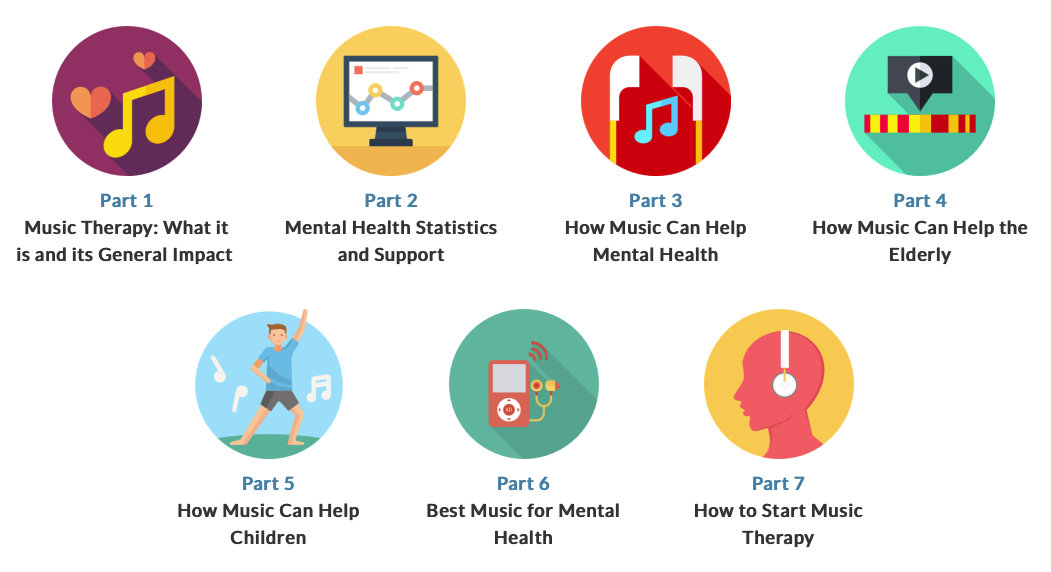

What is Music Therapy?
Music therapy is classed as a form of expressive therapy that works to improve physical and mental health through the expression of emotions. There are two forms of music therapy, and these are called active and receptive. In the former, you will create music with your therapist or group (depending on the type of therapy you have sought).
This helps you to deal with emotions, alleviate stress, and can even relieve the symptoms of conditions like Alzheimer’s (something we will look at later). Receptive music therapy, on the other hand, is where you listen to music while you draw or partake in other relaxing activities.
In short, music therapy tends to consist of three potential activities: playing music, singing, or listening to music. You can either create your own music or learn to play specific pieces that you will practice and develop over time – it depends on your personal preferences. You also have plenty of choices, as you can decide what kind of music therapy you take as well as the type of music that you play.
One thing that makes a lot of people nervous is the fact that they do not know how to play a musical instrument. The great thing is that you don’t need to worry about that. Music therapy tends to involve instruments similar to the following: Drums, Cymbals, Wood blocks, Bells, Simple harps, Xylophone, Tambourines, Maracas.
These are basic instruments that don’t require skill or knowledge, and you can still have a great deal of fun playing them. Plus, they are just as expressive as a guitar or piano.
What Can it Do for Mental Health?
So how does this form of therapy impact mental health, and what kind of general advantages can it have? We will look at the ways in which it can help specific mental illnesses later, but for now, here is what you can expect it to do for you as a whole.
For starters, music therapy starts conversation, and it gets you talking about topics that you would have otherwise found difficult to discuss by having you rework lyrics, but also analysing the words that go with some of the songs you love the most. It creates a relaxed environment in which to talk, and one that doesn’t feel frightening or like actual therapy – allowing you to talk about past and present feelings alike without fear of judgement.
Leading on from this, you may also get the chance to write your own songs. This engages the creative parts of your mind, and rewards you with a sense of pride and self-worth. You can choose the instruments that go with the way you are feeling and create something truly expressive.
Through playing the instruments and improvising new melodies, emotional expression is encouraged, as is better socialisation – especially if you are in a therapy group. It allows you to explore different ways of expressing emotion, and the sounds that are associated with things like rage, joy, and grief. You can also use it to learn how to control these emotions over time, using the music to transition between them.
You can listen to music in order to regulate your mood, and this is because of the way in which music is repetitive and engages the neocortex of the brain – calming you and reducing the desire to be impulsive. Music therapy will help you to stop matching the music to your mood, as depressing music can leave us stuck in a loop – a symptom that we explore later on.
This teaches you better habits when listening to music, and can leave you with a boosted mood. To summarise, here are the top things music therapy can help you with:
Express yourself and talk about feelings you find difficult to process/discuss
Deal with past trauma and emotions
Improve social skills and emotion regulation
Give you better faith and confidence in yourself

Before we move onto how music can help with specific mental health issues, here are some interesting statistics for you to look at, displaying how many people (roughly) in the USA and UK suffer from mental health issues and try to commit suicide.
Mental Health Problem
UK Statistics
USA Statistics
Generalised Anxiety Disorder 5.9/100 people 3.1%
Depression 3.3/100 people 8.3%
Phobias 2.4/100 people 8.7%
Obsessive Compulsive Disorder 1.3/100 people 1%
Panic Disorder 0.6/100 people 2.7%
Post-Traumatic Stress Disorder 4.4/100 people 3.5%
Psychotic Disorder 0.7/100 people >1%
Bipolar Disorder 2.0/100 people 2.6%
Antisocial Personality Disorder 3.3/100 people 4%
Borderline Personality Disorder 2.4/100 people 1.6%
Mixed Anxiety and Depression 7.8/100 people 6.7%
Suicidal Thoughts 20.6/100 people 4%
Suicide Attempts 6.7/100 people 0.5%
Self-Harm 7.3/100 people 4% (adult) 15% (teen)
Never feel as though you are alone if you are struggling with your mental health. There are people you can call for help no matter where you are or what time it is. Below, you will find the top numbers to call for the UK and the USA if you find yourself in need of help.
UK: Samaritans (24/7) 116 123
USA: Suicide Prevention Lifeline (24/7) 1-800-273-TALK (8255)

Music therapy has only really become popular over the past couple of years, and as a result, there is not as much research as we would like for every mental health condition. To help you as much as we can, we have taken the mental illnesses with the most research and evidence, placing them here so that you can see the ways in which music therapy can help, and maybe even apply them to yourself if we are not able to cover it here.
Anxiety (General and Social)
Anxiety comes in many forms, from a mild version that causes some disturbance to a crippling beast that you just can’t shake. Regardless of the form you live with, it is a difficult illness to have, but also one that might be able to benefit from the excellence of music therapy.
When listening to music, or creating it, the levels of cortisol in our bodies is lowered dramatically, and this also decreases your heart rate, blood pressure, and stress levels. It creates a more relaxed environment, and the longer you spend listening to/creating it in a chilled location, the better you are going to feel. Plus, it creates an enhanced feeling of satisfaction and pride when you create something.
Social anxiety works in much the same way, and spending some time listening to music will help you to feel calmer and more confident in your abilities and the plans you have made. Case studies have shown that patients who underwent music therapy for their anxiety ended up feeling less anxious and more relaxed by the time it was over, and this is a very positive step forward.
Depression
One of the things we look at later on is the fact that sad music can actually make you feel more depressed than you were before, and so you need to try something different. Depression can be hard to cope with, regardless of how severe or mild your strain is, and music is often a great tool to help combat these feelings of failure and inadequacy.
NHS studies found that those who took music therapy courses were less likely to drop out of the sessions and had a higher attendance rating than those who took part in normal counselling. After three months of music therapy, the depression levels in the patients were much lower than when they left – especially when compared to the group that was receiving standard care.
Music can also reduce your blood pressure, leaving you feeling more relaxed and comfortable while you listen to tunes or create new ones. Being able to create something beautiful also offers you a sense of validation and self-worth, while also providing you with a good dose of serotonin to boost your mood and leave your day ending on a brighter note.
On the whole, music therapy gets you to socialise with others and express yourself, while also giving you the chance to grab onto a little happiness while you ride the wave out and start feeling a little normal again.
PTSD (Post Traumatic Stress Disorder)
Whether you have been through singular or multiple traumas, there is a chance that you may have PTSD. This often consists of feelings of anxiety, tension, and dread, as well as vivid nightmares (or night terrors) and flashbacks to the event in question. Any way you slice it, this condition is not a kind one, and it can be very difficult to live with and try to overcome.
Studies have shown that PTSD can be successfully calmed with music. They show that music can actually reduce prominent symptoms of PTSD like emotionally-dysregulating intrusions, avoidance, mood swings, arousal, and high reactivity. It can lead to an improved ability to function properly, meaning that you can try to live your life as normally as possible once the music therapy starts to kick in.
The music works by triggering a release of good chemicals and hormones throughout the body, like dopamine and serotonin. These are able to work to distract the body from negative thoughts that have started, but also help to boost your mood overall so that you can start to feel a little better in yourself.
The music travels through the brain and to the auditory cortex, which is linked to emotion, memory, and body control, so your mind can work together to create a more calming environment.
OCD (Obsessive Compulsive Disorder)
Contrary to popular belief, OCD is not all about cleaning and washing your hands. It is also intrusive thoughts that won’t leave you alone and harmful habits that you never seem to be able to stop. It can be a stressful way to live, and one that feels as though you never get any respite from. Music can provide a little escape from your own mind, and be very beneficial while doing so.
There is a lot of pent-up frustration with OCD, and studies by Jose Van Den Hurk have shown that playing music can help those with OCD to properly express the way they feel over time, and as they become more comfortable around their therapist.
This form of expression can even lead to physical talks about the way they are feeling and what they are struggling with. Music therapy can also increase spontaneity and the willingness to try something new and unpredictable.
The OCD mind is often locked in routine, and the notion of doing something that has not been planned gets your mind out of that and has you focus on better and more positive things. It shuts down the thoughts that have been flooding through your mind because it is flowing and does not get stuck in loops like your head.
ADHD (Attention Deficit Hyperactivity Disorder)
While it is most commonly associated with children, ADHD does last into adulthood, and it can be just as difficult to cope with. A lack of concentration and focus, as well as seemingly endless energy, can leave those that have the condition feeling drained and frustrated. The mind has too much going on, and there feels like it’s impossible to refocus it.
Music therapy has been shown to increase the amount of dopamine produced by the body, and this is the neurotransmitter responsible for concentration and working memory. People with ADHD have low levels of it, and so music provides a good and increased dose to keep things running smoothly. It also engages both sides of the brain, helping them to become stronger and also boosting creativity.
Due to both sides being activated at once, it also means that you can improve your concentration, and the distracted part of the mind is able to focus on the music while you concentrate on something else. This is part of improving multi-tasking as well as audio-processing and smoother thought processes.
Structure is an important part of life for those with ADHD, and music is always structured in some way – whether it’s in the lyrics or the very beat itself. The fact that it is so organised has a soothing effect, and also means that those with ADHD can start to learn how to lead more ordered lives. This is very positive because the ADHD mind needs a lot of routine to function efficiently.
Autism
Like ADHD, autism is a condition that lasts for life, and there are millions of adults across the world who have autism. It is a spectrum disorder, and it changes the way we think, feel, and behave. Symptoms can vary depending on where you are on the autism spectrum, and so music can yield different results depending on who you try it with.
There are many autistic adults that are non-verbal, and this makes trying to communicate a very stressful and frustrating task. However, music has been shown to aid this process – giving them a language that they can use to talk to those around them and tell everyone exactly how they feel. There have even been some cases where they have started to use words as well as the music, which is a massive breakthrough.
For everyone on the spectrum, it is a new way to communicate, improving social skills while also reducing feelings of loneliness and isolation. Since those with autism tend to show a higher interest in music than the average person, it is a great way to get people engaged and talking to each other.
Much like those with ADHD, people with autism also like structure and routine, something that music is full of, and it can invoke a sense of calm, as well as further interest in creating set rhythms of their own.
Insomnia
It is a surprisingly common condition, the inability to fall asleep at night because the mind is racing with thoughts. We all have a hormone called noradrenaline, and this is what causes us to be watchful and alert, which is great when we are awake, but not so much when we are sleeping.
If you have too much noradrenaline in your system, you will feel more stressed and anxious, as well as find yourself completely unable to sleep. It can affect your ability to function, but listening to music is able to help – even if it’s just for 45 minutes before you fall asleep.
It can lead to much better sleep quality, improved mood, and even improved concentration. Once you are able to fall into a regular sleep pattern with the help of your music, you may even start to benefit from deeper sleep – leaving you very well rested.

While the elderly can, and often do, suffer from all of the mental illnesses we have mentioned above (and more), there are also some that tend to affect older people far more frequently. It is in this section that we take a look at each of them and the ways in which music can help to alleviate symptoms and boost their mood.
Alzheimer’s
Alzheimer’s is actually a form of dementia, and it can cause cognitive difficulties, like memory loss, perception, and learning. Additionally, it can cause severe mood swings and sudden bouts of anger, and even violence. It’s a difficult and progressive disease, but there have been some promising results from music therapy.
The way in which music therapy works is by creating a relaxing environment in which those who suffer from Alzheimer’s can create music together or sing songs that resonate in a positive manner with each of them. This can alleviate feelings of stress, anxiety, and social isolation because they are in a group and interacting with each other.
On a related note, there has also been a lot of research into sound waves and how they might be able to pause Alzheimer’s symptoms. It is an interesting branch when it comes to finding a cure for the condition, and it does involve a form of music therapy – although it is one that is less diverse and interactive.
Dementia
This is caused by changes in the brain, usually as a result of disease or trauma, and they can happen very quickly or over a long period of time – it’s down to the individual. It is a cognitive disease, which means it affects things like decision making, judgement, memory, verbal communication, special awareness, and general thought and reasoning.
However, music therapy has had a massively positive impact on dementia sufferers. It is an interactive and engaging activity that helps them to express thoughts and feelings, as well as connect with others around them, so they don’t feel as isolated anymore.
On top of all the social benefits, it can also boost physical activity as the music often results in participants getting up and dancing. This enhances mood, leaving you feeling way better than you did on arrival.
Loneliness
We’ve mentioned the concept of music therapy alleviating feelings of loneliness and isolation a few times, but it is good to have all the key information in one place. Music therapy is a way for everyone to get together in one place, share ideas, and collaborate in order to create new music together.
It is both a social exercise and one that increases mood, as well as alleviates anxiety, stress, and depression. It’s a helpful and beneficial practice overall – both for the elderly and younger generations.

Even kids can benefit from music and music therapy, and you may be surprised to discover just how much it can benefit them. In this section, we look at some common conditions, as well as the effect music has on children before they are even born – giving you better insight into how your child might be able to take advantage of it.
Autism
Just as in adults, autism is a spectrum, and as such music therapy can have a different effect on each of the people who take part in it. While music therapy works excellently across the spectrum, some of the best and most exciting results are in those who are non-verbal, meaning that they cannot speak, or have a very limited ability to do so.
Studies have shown that those who are non-verbal have been able to use music therapy as a way to interact and express emotions that they otherwise would not be able to because they do not have the words. Even very basic instruments, like cymbals, are a great way for them to express themselves.
It allows them to socialise and discover a new language, and brain scans show that the area where language is stored looks the same in those communicating with music, as it does those with words. Regardless of where a child is on the spectrum, music therapy can help them to achieve the following:
The ability to listen better
Spontaneous play
The desire to communicate and engage with others
The ability to build better relationships
The ability to express themselves
Language development through songs
Learning to share and take turns
Boost the imagination and creativity
Strengthen muscles and coordination
The reason for all of these good things is that music therapy creates a relaxed and enjoyable environment where they are stimulated and engaged, and all of this combined creates positive results for them as they grow and learn.
ADHD
It can be hard having ADHD because you are so full of energy and unable to focus on one thing for more than a few minutes. Your mind is moving at a million miles an hour, and it is hard to get it to stop. Music therapy, however, can help with a few of the symptoms quite effectively.
You see, music consists of rhythm, and rhythm is a form of structure, and this appeals to the ADHD mind because all it wants is structure and organisation. It has a clear beginning, middle, and end, so everything is anticipated, and in the long run, it can help a child with ADHD learn planning and organisation so that they can lead a more structured life.
ADHD brains have a pretty low dopamine level, and this is the neurotransmitter that is responsible for motivation, attention, and working memory. Music activates both sides of the brain, which means everything is engaged, and the activated brain muscles are able to become stronger – boosting things like motivation and the ability to focus.
Music therapy also gives kids a chance to get up and dance, allowing themselves to move freely and burn some of that pent-up energy. It also doubles up as a form of expression, as dance is a very emotive activity, allowing them to engage with others and tell them how they are feelingthrough the combination of music and dance.
It is a fun experience for those with ADHD, but also a social one. It can be hard to know how to act appropriately, especially for children, and music encourages socialisation through song and playing instruments. They learn how to work together when creating song lyrics, as well as a musical number that they can perform in the group.
Infant Development
This is an interesting area, and studies have shown that playing music while a foetus is growing and developing in the womb will make them more responsive to it after birth. This means that some babies may find that music relaxes and soothes them when they become distressed, helping them to sleep and stay a little quieter.
Preterm babies that are exposed to music tend to have increased feeding rates, reduced days to discharge, increased weight gain, and a better tolerance of stimulation. After therapy, they may even have reduced heart rates and deeper sleep.

We all have songs that help us get through the most difficult times. Personally, I really enjoy listening to sounds of the ocean when I am really struggling, or Zen music. However, I know others that like to listen to heavy metal in order to start feeling alright again. There’s no wrong answer for which music to listen to in order to help your mental health, but I do have a few good suggestions you might want to try.
Anxiety and Social Anxiety
Interestingly, there is an actual song that was developed for relieving anxiety, and it can reduce the feelings and symptoms by up to 65% - which is pretty remarkable. Created by Marconi Union in collaboration with sound therapists, the song Weightless consists of a series of carefully arranged harmonies, rhythms and bass lines that are there to slow your heart rate, reduce blood pressure, and the stress hormone cortisol.
Generally speaking, slower music like the songs sung by Adele and even some Coldplay singles are ideal for reliving those tight and tense feelings of anxiety – but you should have Marconi Union at the top of your list. You can also try these Binaural Beats on YouTube; you might find them to be quite relaxing.
Depression
The most important thing you can do when you are feeling depressed is resist the sad music on your phone or in your CD collection. Listening to sad music does more harm than good, and can actually lower your mood and leave you feeling worse than before. Instead, you need upbeat and uplifting songs on your playlist to really help you fight the battle and win against your depression.
Artists like Pharrell Williams, who creates music that is catchy and focuses on positive emotions are the best ones to listen to when you are trying to relieve your depression. Walk On by U2 and Keep Your Head Up by Andy Grammar are just another two songs that can really help to boost your mood and assist you with getting through difficult times. My personal favourite? Don’t Stop by Fleetwood Mac.
Stress
Much like with anxiety, if you want to reduce stress (and therefore the hormone cortisol that creates it), you are going to want to listen to music with a soft and gentle rhythm. It will lower your blood pressure, relieve tension, and help you to feel a little less worried about the road ahead. It’s a great coping strategy, and a healthy one.
The album In My Time by Yanni has no vocals. Instead, it is a beautiful combination of piano and orchestra – creating a soothing and relaxing atmosphere that you can melt into. More than that, each track on the album has uplifting undertones to boost your mood. Maroon 5 is an excellent band to look at for stress relief, and the album Songs by Jane is filled with mellow and upbeat songs to brighten your day and calm the soul.
PTSD
Studies have shown that the best music for PTSD contains low pitches, have a steady beat, and is slow. In addition to this, it can be very beneficial to use binaural beats and isochronic tones, each of which triggers a chemical reaction in the brain to help calm the mind and relieve feelings of terror and anxiety.
This particular YouTube soundtrack has been created specifically for PTSD, and it contains carefully embedded binaural beats that can help with sleep and feelings of calm. It also lasts for an hour, so you can spend time meditating and really focussing on the music. There are quite a few binaural tracks out there that you can look at, but the one we have suggested is certainly in the top five.
OCD
As the music helps you to focus on the song as opposed to obsessive and intrusive thoughts, it is important to consider your song choice carefully. Honestly, there is not a specific type of music that can help, although some sufferers feel that binaural beats can be quite refreshing.
As long as the song help you to focus on other things, you are good to go. Some of the top suggestions from OCD sufferers have been Heavy by Linkin Park and this classical music selection that is said to be able to free you from your OCD symptoms for a time.
ADHD
The ADHD mind can become distracted easily and lose focus, and so music with lyrics can actually assist with that interruption and cause a new focus for the mind. As a result, many ADHD sufferers have found that listening to classical music, or music with no lyrics in general, can help to keep the mind focused on the task at hand, as well as giving the part of the brain that interrupts you something to focus on.
Bach, Mozart, and Handel are just some of the artists that can create a peaceful background while you try to work, keeping your mind on what you are doing in the present moment. There is also a company called Focus at Will, and this creates soundtracks to suit the type of thinker you are, but also has one dedicated to those with ADHD – adults and kids alike. You might want to try it out.
Autism
Due to the fact that autism is such a vast spectrum, the type of music that helps varies from person to person, and where they are on it. Plus, there are times where music can make things worse – such as if it is put on when a person is suffering from a sensory overload. However, there are some ideas for what might help you out, and the songs here are recommended by those that suffer from autism.
The key thing here is that all of the music is soft and mellow, which has a calming effect and will reduce feelings of anxiety and tension. Here Comes the Sun by the Beatles is a popular choice, as is I Will Wait by Mumford and Sons. Similarly, Beethoven’s Moonlight Sonata can help massively due to its calm melody and lack of lyrics.
Insomnia
When you can’t sleep and spend ages looking up at the ceiling, the last thing you need to listen to is music that has a fast pace and beat. This is because it will boost the amount of noradrenaline that your body is producing, keeping you awake and watchful all through the night. Instead, for 45 minutes before you go to sleep, why not take our music advice? Harmat’s insomnia study in 2008 proved its effectiveness after all.
The songs here are ones that other insomnia sufferers recommend because of their calming melodies. Midnight by Coldplay is a prime example, and the first one you should add to your sleep playlist. Weightless by Marconi Union (a song we talk about more in the anxiety section) is also an excellent choice. Try adding On Melancholy Hill by Gorillaz, as well as Nude by Radiohead.

There are two ways in which you can start music therapy. The first is by getting a referral from your doctor – either for you or your child – and they will send you to a specific centre. Often, this is funded by the NHS. In the USA, there may be some charities that fund music therapy if you cannot afford it. In both the UK and USA, you may be expected to pay for some courses, depending on your age and circumstances.
You can also go directly to music therapy centres yourself and contact them for self-referral to one of their courses. We have gathered some of the top centres in the UK and USA for you to take a look at, so you can see what they offer and the conditions that they are able to help with.
UK Music Therapy Centres:
Nordoff Robbins: Located across the UK
British Association for Music Therapy: Located across the UK
Richmond Music Trust: Located in Twickenham and Teddington
Belltree Music Therapy Centre: Located in Brighton
The Owl Centre: Located across the South of England
USA Music Therapy Centres:
Music Therapy Centre: Located in California
Centre for Music Therapy: Located in Texas
To Conclude
Hopefully, this has helped you to understand what music therapy is, how it works, and the ways in which it might be able to benefit you, or a loved one, who is suffering from a mental illness. There are so many conditions that have yet to be properly explored with music therapy, and we hope that they are added to the list soon so that even more people can experience the incredible benefits.
Generally speaking, soft and steady rhythms seem to be the best choice for most conditions, and it has an amazing way of reducing our stress levels, relieving tension, and generally boosting our mood. Music is a wonderful tool that we do no use enough, and hopefully, this will start getting you interested in seeing if music therapy is something that can work for you.
What did you think of our guide to music and the effect it has on mental health? Did you find the points we made valid and interesting, or were there areas that you think could have been further explored? We love hearing from you, so leave a message in the comments below.
References and Resources List
https://www.nami.org/Blogs/NAMI-Blog/December-2016/The-Impact-of-Music-Therapy-on-Mental-Health
https://www.bamt.org/music-therapy/what-is-music-therapy/mental-health-care.html
https://www.bamt.org/music-therapy/what-is-music-therapy/autistic-spectrum-conditions.html
https://www.nhs.uk/news/mental-health/music-therapy-helps-treat-depression/
https://www.sciencedirect.com/science/article/pii/S217358081730072X
https://www.psychologytoday.com/gb/blog/natural-standard/201306/music-therapy-health-and-wellness
https://newconnectionspsychology.com.au/blog/breaking-down-the-alarming-suicide-statistics/
https://theconversation.com/sad-music-and-depression-does-it-help-66123
https://brainwavepowermusic.com/home/blog/using-music-to-treat-posttraumatic-stress-disorder-ptsd
https://themighty.com/2018/05/heavy-linkin-park-ocd-mental-illness/
https://www.psychologytoday.com/gb/blog/the-distracted-couple/201601/music-your-adhd-ears
https://www.additudemag.com/music-for-adhd-focus/?tos=accepted
https://www.nme.com/blogs/nme-blogs/songs-to-help-you-sleep-insomnia-2142494
http://www.healthcommunities.com/depression/music-therapy-depression-treatment_jhmwp.shtml
https://www.additudemag.com/music-therapy-for-adhd-how-rhythm-builds-focus/
http://www.specialneeds.com/activities/adhd/music-therapy-children-adhd
http://www.iflscience.com/health-and-medicine/sound-waves-could-help-treat-alzheimers/
https://www.sciencedirect.com/science/article/abs/pii/S0197455615000064

The following provided by:
Mike Levitsky, Drumsandguitar.com
Choosing to play an instrument is the beginning of a journey. One that is exciting, but often filled with struggle and hard work. It will require you to take in new information and master new skills.
Listed in the link below are some of the many benefits of playing an instrument. When you feel yourself getting discouraged, remember to keep these benefits in mind.
Lessons & benefits of playing a musical instrument
Brief quote from About Mike:
Now I spend most of my time as a youth pastor. I run a youth worship band and lead our adult congregation in worship twice a month. I still teach private music lessons at my house and play the occasional gig. When I have time I post drum and guitar lessons on my youtube channel. Music is a part of everything I do, and I suspect it will be for a long, long time.
Maternal nut consumption during pregnancy linked to improvements in neurodevelopment in children
May 7, 2019
Science Daily/Barcelona Institute for Global Health (ISGlobal)
Nuts are known to help reduce the risk of hypertension, oxidative stress and diabetes and they may exercise a protective effect against cognitive decline in older age. To this list of beneficial health effects, we can now add new evidence from a study led by the Barcelona Institute for Global Health (ISGlobal), an institute supported by "la Caixa." The study, published in the European Journal of Epidemiology, found links between a maternal diet rich in nuts during the first trimester of pregnancy and improved neurodevelopment in the child.
The study was carried out in Spain and included over 2,200 mother and child pairs enrolled in cohorts belonging to the INMA Project located in Asturias, Guipuzcoa, Sabadell and Valencia. Information on maternal nut intake was obtained from questionnaires on eating habits, which the mothers completed during the first and last trimester of their pregnancy. The children's neuropsychological development was assessed using several internationally validated standard tests 18 months, 5 years, and 8 years after birth.
Analysis of the results showed that the group of children whose mothers ate more nuts during the first trimester of pregnancy obtained the best results in all the tests measuring cognitive function, attention capacity and working memory.
"This is the first study to explore the possible benefits of eating nuts during pregnancy for the child's neurodevelopment in the long term. The brain undergoes a series of complex processes during gestation and this means that maternal nutrition is a determining factor in fetal brain development and can have long-term effects, explains Florence Gignac, ISGlobal researcher and first author of the study. "The nuts we took into account in this study were walnuts, almonds, peanuts, pine nuts and hazelnuts. We think that the beneficial effects observed might be due to the fact that the nuts provided high levels of folic acid and, in particular, essential fatty acids like omega-3 and omega-6. These components tend to accumulate in neural tissue, particularly in the frontal areas of the brain, which influence memory and executive functions."
The benefits described in this study were observed in the group of mothers who reported the highest consumption of nuts -- a weekly average of just under three 30g servings. This is slightly lower than the average weekly consumption recommended in the healthy eating guide published by the Spanish Society of Community Nutrition (SENC: Guía de la alimentación saludable), which is between three and seven servings per week. "This makes us think that if the mothers consumed the recommended weekly average the benefits could be much greater," Gignac explains. Estimated nut consumption in Spain is more than double the European average (4.8 g vs. 2.2 g).
The study also analysed the mothers' nut consumption during the third trimester of their pregnancy, but in this case either no associations were observed with the neuropsychological outcomes or the associations found were weaker. "This is not the first time we have observed more marked effects when an exposure occurs at a specific stage of the pregnancy. While our study does not explain the causes of the difference between the first and third trimesters, the scientific literature speculates that the rhythm of fetal development varies throughout the pregnancy and that there are periods when development is particularly sensitive to maternal diet" explains Jordi Júlvez, ISGlobal researcher and last author of the study.
"In any case," adds Júlvez, "as this is the first study to explore this effect, we must treat the findings with caution and work on reproducing them in the future with more cohort studies as well as randomised controlled trials."
https://www.sciencedaily.com/releases/2019/05/190507080134.htmMay 7, 2019
Sleep and exercise affect new moms differently than new dads
April 30, 2019
Science Daily/Penn State
Sleep and exercise are vital to the wellbeing of new parents, but these essentials affect new moms differently than new dads, according to researchers.
In a study looking at the daily lives of new parents, a team led by Penn State researchers found that in general, getting more physical activity and more sleep from day to day was linked with more personal well-being, a better couple relationship and more closeness with their baby.
However, fathers who slept more on average than other fathers reported lower overall well-being and less closeness with their partner and child. In contrast, mothers who slept more on average than other mothers reported greater well-being.
Additionally, the researchers found that on days when fathers exercised more than usual, there was a lower likelihood of an argument between the couple. But, on days when mothers exercised more than usual, there was a higher chance of an argument.
Mark Feinberg, research professor in the Edna Bennett Pierce Prevention Research Center at Penn State, who led the study, said these differences may be due to mothers often being seen as the primary caretaker.
"Fathers may resist or feel resentful when mothers spend more time than usual on their own needs such as exercise, leaving fathers to pick up more responsibility for child care -- leading to arguments," Feinberg said. "But, it's also possible that the extra time spent with the child is stressful for fathers, leading fathers to be more irritable on such days and leading to more arguments with the partner."
The findings -- published in the Monographs of the Society for Research In Child Development -- were part of a study that examined how factors like exercise, sleep and different daily stressors affected the day-to-day lives and family relationships of new parents.
Feinberg said that while early parenthood is stressful for parents both as individuals and as a couple, it is also a vital period of rapid development for the newborn child, making it especially important to understand and support parents' well-being during this time.
"In general, new parents report higher levels of stress, depression and couple conflict, as well as less sleep, companionship and romance with their partner," Feinberg said. "Ironically, it's also the period when children are most vulnerable, when their brains and regulatory systems are rapidly developing to set the stage for their functioning for the rest of their lives, and when they are most dependent on parents for consistent affection and support."
According to Feinberg, the current study is one of the first to explore these stress and resilience factors among new parents on a daily level.
He said that looking at how changes in one stressful or replenishing factor are linked to changes in parents' well-being and relationships from day to day -- instead of annually, for example -- can give researchers a better understanding on how to help parents achieve better functioning and well-being on more days.
"In past research, we might find that on average, one father sleeps more, is less depressed, and more affectionate with his child than another father," Feinberg said. "But that doesn't tell us if enhancing sleep for that father would affect his level of depression or parenting warmth."
For the study, the researchers used data from 143 mothers and 140 fathers collected ten months after their child's birth. The researchers interviewed the mothers and fathers separately by phone every night for eight days to gather data about the previous 24 hours.
They gathered data about time spent sleeping, at work, doing chores and physical activity. They also asked the participants about stress, well-being, and their relationships with their spouse and child.
Feinberg said the results may be used to help parents find and reinforce their strengths and have more good days than bad.
"Some parents are happier or sleep better overall than others, but most parents experience some difficult days and some good days," Feinberg said. "Most parents already have a good place to start from at least on some days, so it's a matter of figuring out what works on those days and then doing more of that. This would be an easier and maybe more effective approach than thinking that we have to help someone completely change their routines and emotional patterns."
Additionally, Feinberg said parents may be able to explore their own day-to-day dynamics by using mobile apps on a smartphone.
"Studying daily fluctuation is a very rich way to understand the complex unfolding of individual and family life," Feinberg said. "There are many apps and devices that are available for recording daily experiences such as sleep and physical activity. With a little bit more added functionality -- being able to look at patterns across different experiences, and even across family members -- these tools could provide even more benefit."
https://www.sciencedaily.com/releases/2019/04/190430121736.htm
Pregnancy shifts the daily schedule forward
New study finds both schedule, activity level changes in normal full-term pregnancies
April 30, 2019
Science Daily/Washington University in St. Louis
Add this to the list of what to expect: Getting up earlier, at least in the first trimester.
New research from Washington University in St. Louis finds that women and mice both shift their daily schedules earlier by up to a few hours during the first third of their pregnancy. A new study by researchers in Arts & Sciences and at the School of Medicine shows how impending motherhood induces changes in daily timing of a mother which, when disrupted, may put a pregnancy at risk, as reported in the Journal of Biological Rhythms.
"This is a very important first step in understanding what's happening in term pregnancy, and it has a potential to inform our ability to intervene and prevent preterm birth in certain populations," said Carmel A. Martin-Fairey, a postdoctoral fellow in the department of biology in Arts & Sciences and in obstetrics and gynecology at the School of Medicine.
Nationwide, one in 10 babies is born too early, before 37 weeks of pregnancy have been completed. Shift work and other disruptions of a regular sleep-wake schedule have been associated with preterm birth and other poor reproductive outcomes. But previously little was known about circadian timing during pregnancy.
Monitoring before and during pregnancy
Nearly all organisms have a biological clock that keeps daily time, driving 24-hour rhythms in behavior and physiology. These rhythms involve sleep and wake cycles, metabolism, hormone secretion, activity level and other physical processes -- and may influence reproduction in many species, including humans.
The new study tracked 39 St. Louis area women as part of a larger, ongoing study of 1,000 births. Study participants wore wristwatches that continuously monitored their daily activity and rest for two full weeks before they attempted to conceive. Once the women found out they were pregnant, they again donned the watches for the duration of their pregnancies up until delivery.
In mice, the experimental setup was very similar, with researchers monitoring both pre-pregnancy and during-pregnancy activity -- in part by observing the time that the mice spent on a running wheel.
The study found that mice and women both shift their daily schedule earlier by up to a few hours during the first third of their pregnancy.
In mice, this advance in the daily rest-activity pattern was detectable by the third day of pregnancy and persisted until 10 days before delivery. Similarly, the advance of the daily schedule in pregnant women gradually returned to normal before delivering.
"For the mice at least, the fact their activity advanced so early in pregnancy was surprising. We had no idea," said Sarah England, the Alan A. and Edith L. Wolff Professor of Medicine in obstetrics and gynecology. England is associate program director of the March of Dimes Prematurity Research Center at the School of Medicine and a co-author of the new study.
"What happens in early pregnancy is that they shift their total activity to earlier in the day," said Erik Herzog, professor of biology in Arts & Sciences and lead author of the new study. "But they don't seem to sleep more or be more active during their early pregnancy. It's just a change in their daily timing."
"Later in pregnancy, that's when we start to see that they're carrying a load and running less," Herzog said, of the mice in the study. "So they seem to be separable processes."
Certainly, a wearying workload can cause a childbearing mother to alter her schedule and sleep-rest patterns. But Herzog said this study shows it's more than that because of how early in the pregnancy the clock shift occurs.
"There's the fatigue perhaps, or extra work that's required to carry a baby. But there's something about the daily timing system that's changing early in pregnancy probably due to the hormones that are associated with pregnancy," he said.
Researchers also observed that the total amount of activity during pregnancy was significantly reduced -- in both mice and women.
"In the mice it was centered around late gestation, whereas in women it was significantly reduced across the entire gestation," Martin-Fairey said.
A first step toward understanding circadian rhythms in pregnancy
So, the new research results provide a look into potential medical issues because they indicate that pregnancy induces changes in daily rhythms, altering both time of onset and amount of activity.
"This finding is fascinating because while we know that miscarriage, preterm birth and other serious complications during pregnancy are linked to disruptions in a mom's circadian rhythm, we don't know how it works," said Kelle H. Moley, MD, chief scientific officer for March of Dimes in a statement. "This study takes us one step closer to understanding how normal circadian rhythm supports healthy pregnancy."
This is the first publication that these collaborators have published related to circadian rhythms using data from this large St. Louis study. Other future work will help researchers better understand the impact of shift work and other high-risk groups for preterm birth.
"In preterm birth, there is a health disparity with African-American women having a higher rate," England said. "We are well-situated in St. Louis to delve into some of the mechanisms underlying this disparity."
"Sleep in medicine is poorly studied," said Emily S. Jungheim, MD, associate professor in the department of obstetrics and gynecology in the School of Medicine and a co-author on the new study. "Even among healthy women and men -- those who eat well, who exercise -- the one thing they're willing to do without a second thought is skimp on their sleep. A lot of people don't pay attention to how important it might be."
But sleep is something that can always be improved. Women who are looking to conceive can prioritize sleep.
"A lot of times if you're looking at things during pregnancy, the cat's already out of the bag," Jungheim said. "There's nothing you can do to fix it because things are already so far gone. But if you can identify a risk factor for preterm birth in a regular reproductive-age woman before she gets pregnant, you actually have time to modify it, and to see if you've fixed it -- before she gets pregnant."
https://www.sciencedaily.com/releases/2019/04/190430121727.htm
Possible link between autism and antidepressants use during pregnancy
April 30, 2019
Science Daily/Duke-NUS Medical School
An international team led by Duke-NUS Medical School has found a potential link between autistic-like behaviour in adult mice and exposure to a common antidepressant in the womb. They also identified a treatment that helped improve memory loss and social interactions, according to the new study published in the journal Molecular Brain.
Antidepressants are commonly prescribed for treating major depression and post-traumatic stress disorder, including in pregnant women. One of the most commonly prescribed antidepressants is fluoxetine, a serotonin reuptake inhibitor. Fluoxetine can cross the placenta and is also detected in breast milk. Little is known about its safety during pregnancy, and not enough studies have been conducted on its long-term effects on offspring.
"Many human association studies have been conducted to investigate connections between antidepressant exposure during pregnancy and children with autism and attention deficit disorder (ADHD). But they have not been able to pinpoint a causal relationship," stated Associate Professor Hyunsoo Shawn Je, from Duke-NUS' Neuroscience and Behavioural Disorders (NBD) Programme, a senior and corresponding author of the study.
The team from Duke-NUS and their collaborators in South Korea and Singapore investigated adult mice born to mothers treated with fluoxetine (sold under the brand names Prozac and Sarafem) over a 15-day time period that corresponds to the second trimester in humans, in comparison with those born to mothers given normal saline as controls. They found key differences in behaviour. For example, the unexposed mice normally explored all three arms of a Y-shaped maze over a ten-minute time period and, over the courses of multiple arm entries, mice usually enter a less recently visited arm, while the fluoxetine-exposed ones were less inclined to explore unvisited arm.
In a second experiment, the mice were introduced to two juvenile mice, one after the other. When the second new mouse was introduced, mice that were not exposed to fluoxetine were more likely to only sniff the newly introduced mouse, recognizing that they had already met the first mouse. But the fluoxetine-exposed group sniffed both mice, indicating that they had impaired social novelty recognition.
The team then examined nerve signal transmission in the prefrontal cortex, a part of the brain involved in moderating social behaviour. They found impaired transmission caused by an overactive serotonin receptor. Treating fluoxetine-exposed mice with a compound that blocks the receptor alleviated their behavioural problems and improved their working memory.
The team next wants to examine autistic children born to mothers treated with antidepressants using positron emission tomography (PET) scans, an imaging technique used to observe metabolic processes in the body. If they also show enhanced serotonin receptor activity in the same area of the brain, the team plans to test whether FDA-approved serotonin receptor blockers can normalize their behaviours.
"The consensus among experts is that the rise in the number of people diagnosed with autism around the world is likely due to more awareness and testing rather than an increase in the prevalence of autism," noted Professor Patrick Casey, Senior Vice Dean for Research at Duke-NUS. "This collaborative study by our researchers offers a compelling case for a link between autism and antidepressant exposure in the womb in an animal model, and a possible mechanism that could potentially be exploited for future therapies."
https://www.sciencedaily.com/releases/2019/04/190430103509.htm
Breastfeeding boosts metabolites important for brain growth
April 27, 2019
Science Daily/Children's National Health System
Micro-preemies who primarily consume breast milk have significantly higher levels of metabolites important for brain growth and development, according to sophisticated imaging conducted by an interdisciplinary research team at Children's National.
"Our previous research established that vulnerable preterm infants who are fed breast milk early in life have improved brain growth and neurodevelopmental outcomes. It was unclear what makes breastfeeding so beneficial for newborns' developing brains," says Catherine Limperopoulos, Ph.D., director of MRI Research of the Developing Brain at Children's National. "Proton magnetic resonance spectroscopy, a non-invasive imaging technique that describes the chemical composition of specific brain structures, enables us to measure metabolites essential for growth and answer that lingering question."
According to the Centers for Disease Control and Prevention, about 1 in 10 U.S. infants is born preterm. The Children's research team presented their findings during the Pediatric Academic Societies 2019 Annual Meeting.
The research-clinicians enrolled babies who were very low birthweight (less than 1,500 grams) and 32 weeks gestational age or younger at birth when they were admitted to Children's neonatal intensive care unit in the first week of life. The team gathered data from the right frontal white matter and the cerebellum -- a brain region that enables people to maintain balance and proper muscle coordination and that supports high-order cognitive functions.
Each chemical has its own a unique spectral fingerprint. The team generated light signatures for key metabolites and calculated the quantity of each metabolite. Of note:
· Cerebral white matter spectra showed significantly greater levels of inositol (a molecule similar to glucose) for babies fed breast milk, compared with babies fed formula.
· Cerebellar spectra had significantly greater creatine levels for breastfed babies compared with infants fed formula.
· And the percentage of days infants were fed breast milk was associated with significantly greater levels of both creatine and choline, a water soluble nutrient.
"Key metabolite levels ramp up during the times babies' brains experience exponential growth," says Katherine M. Ottolini, the study's lead author. "Creatine facilitates recycling of ATP, the cell's energy currency. Seeing greater quantities of this metabolite denotes more rapid changes and higher cellular maturation. Choline is a marker of cell membrane turnover; when new cells are generated, we see choline levels rise."
Already, Children's National leverages an array of imaging options that describe normal brain growth, which makes it easier to spot when fetal or neonatal brain development goes awry, enabling earlier intervention and more effective treatment. "Proton magnetic resonance spectroscopy may serve as an important additional tool to advance our understanding of how breastfeeding boosts neurodevelopment for preterm infants," Limperopoulos adds.
https://www.sciencedaily.com/releases/2019/04/190427104808.htm