

COVID-19 infections in U.S. may be much higher, new estimates show
COVID-19 diagnosis concept (stock image). Credit: © Vitalii Vodolazskyi / Adobe Stock
But even moderate interventions can help reduce spread, according to study
March 9, 2020
Science Daily/Cedars-Sinai Medical Center
By March 1, 2020, between 1,043 and 9,484 people in the U.S. may have already been infected by the COVID-19 coronavirus, far more than the number that had been publicly reported, according to a new Cedars-Sinai study.
"This suggests that the opportunity window to contain the epidemic of COVID-19 in its early stage is closing," the researchers stated in their paper, which is posted online on a forum where physicians and researchers share information.
The range of possible patients is significantly higher than the number of confirmed and presumptive U.S. cases reported by the federal Centers for Disease Control and Prevention, which stood at 164 as of March 7. Some news media on March 8 were reporting more than 500 total cases. [Editor's note: as of its March 9 update, the CDC put the total number of COVID-19 cases in the U.S. at 423, including both confirmed and presumptive positive cases.]
Cedars-Sinai investigators, who led the study, said they chose "very conservative" methods to estimate the number of coronavirus cases. "This makes our current estimation likely to be an underestimation of the true number of infected individuals in the U.S.," they wrote.
Shlomo Melmed, MB, ChB, executive vice president of Academic Affairs and dean of the medical faculty at Cedars-Sinai, added: "Cedars-Sinai is committed to the global efforts to combat COVID-19 and we believe that early dissemination of this study and the free sharing of the code that underlies the model will help in those efforts."
To arrive at infection estimates for their new study, the researchers modeled only COVID-19 coronavirus cases "imported" directly to the U.S. from the area of Wuhan, China, before Jan. 23, when the Chinese government locked down the city, and they assumed the lockdown stopped all outbound traffic. Potential cases arriving in the U.S. from other parts of China, or other heavily affected countries such as South Korea, Italy or Iran, were not included in the estimate.
The scale of the COVID-19 epidemic in the U.S. was calculated based on: air traffic data between Wuhan and the U.S., totals of confirmed cases publicly released by the CDC and transmission dynamics as estimated from previous research. The study took into account the identification and quarantine of individual domestic cases in the U.S. Among other considerations, the research team assumed the imported cases were no longer spreading infection.
Based on all these assumptions and methods, the investigators estimated the total number of people in the U.S. infected with coronavirus as of March 1 to be between 1,043 and 9,484. The first figure assumed current preventive procedures -- such as quarantines and screening international travelers at airports -- had reduced as much as 25% of the transmissibility in unidentified cases. The second figure assumed no intervention procedures had been undertaken to reduce the transmissibility.
The disparity between the lowest and highest estimates has important implications for controlling the COVID-19 epidemic, said Dermot P. McGovern, MD, PhD, professor of Medicine and Biomedical Sciences at Cedars-Sinai and senior author of the new study.
"Our model suggests that even moderately effective population interventions to reduce transmission can have a profound impact on the scale of the epidemic," McGovern explained. "This finding supports the role of public health interventions in controlling this disease."
But slowing transmission is not an easy task, given that most COVID-19 cases appear to be mild or even asymptomatic, the researchers noted, which can make it difficult to identify infected individuals who may be spreading the virus.
Despite these obstacles, McGovern said, it may still be possible to mitigate the COVID-19 outbreak through steps already suggested by public health experts.These include promoting social distancing and personal hygiene and restricting large-scale gatherings for occasions such as sporting events.
Additionally, performing mass screening for infected individuals, while expensive and logistically challenging, also would potentially help to control the epidemic, said McGovern, who also is director of Translational Research in the Inflammatory Bowel and Immunobiology Research Institute at Cedars-Sinai.
Dalin Li, PhD, the new study's first author and co-corresponding author with McGovern, said the research team is releasing the just-completed study data online before the full study has been accepted in a journal due to the urgency of the COVID-19 outbreak.
"We are making the results public before peer review as it will be important for timely and informed public health decision-making. We are also making the model available to the research community so that others can build upon it." said Li, a research scientist in the Inflammatory Bowel and Immunobiology Research Institute.
The other co-authors of the study were Jonathan Braun, MD, PhD, professor of Medicine, and research operations associate Gregory Botwin from the Inflammatory Bowel and Immunobiology Research Institute at Cedars-Sinai; and Jun Lv, Weihua Cao and Liming Li, all from Peking University Health Science Center in Beijing.
Funding: Research reported in this publication was supported by the National Institutes of Health, the Helmsley Charitable Trust and the F. Widjaja Foundation.
https://www.sciencedaily.com/releases/2020/03/200309110456.htm
Effects of contact between minority and majority groups more complex than once believed
New route to social change, intergroup harmony
January 27, 2020
Science Daily/University of Massachusetts Amherst
For more than 50 years, social scientists and practitioners have suggested that having members of different groups interact with each other can be an effective tool for reducing prejudice. But emerging research points to a more complex and nuanced understanding of the effects of contact between groups, say Linda Tropp at the University of Massachusetts Amherst and Tabea Hässler, leader of a multi-national research team based at the University of Zurich, Switzerland.
As Tropp explains, studies from the last 10 to 15 years suggest that the positive effects of intergroup contact tend to be weaker among members of historically advantaged groups, such as white people and heterosexuals, compared to the effects typically observed among members of historically disadvantaged groups such as people of color and sexual minorities. There has also been growing concern that contact may effectively reduce prejudice between groups but do little to change existing social inequalities, she adds.
"With our research, we wanted to examine whether and how contact between groups might help to promote support for social change, in pursuit of greater social equality, while also testing whether the effects of contact might vary depending on status relations between the groups and how the relevant variables were measured," she explains. "So, we embarked on this multi-national study, which included researchers from more than twenty countries around the world, who gathered survey responses from 12,997 individuals across 69 countries."
The authors highlight that this comprehensive study "makes substantial advances in our understanding of the relation between intergroup contact and social change." Details appear in Nature Human Behaviour.
The researchers found robust evidence, Tropp says, that when members of historically advantaged groups engage in contact with disadvantaged groups, they are more likely to support social change to promote equality. In contrast, when members of historically disadvantaged groups have contact with advantaged groups, they are generally less likely to support social change to promote equality.
However, the researchers also point out an important exception: "Among both advantaged and disadvantaged groups, contact predicted greater willingness to work in solidarity to achieve greater social equality. Thus, this research may offer a new route to reach social cohesion and social change, such that social harmony would not come at the expense of social justice."
Tropp, Hässler and their colleagues say their results raise two important questions and directions for future research. First, they ask, "How can positive and intimate contact between groups occur without reducing disadvantaged group members' support for social change?" Second, "How can support for social change be increased among disadvantaged group members without requiring negative contact experiences?"
They suggest, "Possible answers to both questions may be that advantaged group members who engage in contact should openly acknowledge structural inequalities and express support for efforts by disadvantaged group members to reduce these inequalities," they conclude.
https://www.sciencedaily.com/releases/2020/01/200127145452.htm
Nearly all middle school teachers are highly stressed
Education experts suggest findings indicate a need to reduce burden of teaching
January 27, 2020
Science Daily/University of Missouri-Columbia
Researchers have found that 94% of middle school teachers experience high levels of stress, which could contribute to negative outcomes for students. Researchers say that reducing the burden of teaching experienced by so many teachers is critical to improve student success -- both academically and behaviorally.
Hormonal changes, different schools, more teachers and changing expectations are just some of the challenges families face when a child enters middle school. Now, researchers from the University of Missouri have found that 94% of middle school teachers experience high levels of stress, which could contribute to negative outcomes for students. Researchers say that reducing the burden of teaching experienced by so many teachers is critical to improve student success -- both academically and behaviorally.
The new study, which expands on work looking at stress among elementary school teachers, provides additional evidence that teacher stress might lead to negative outcomes for students.
"Many studies of teacher stress have used samples from elementary schools," said Keith Herman, professor in the MU College of Education. "However, middle school is a particularly important time in students' lives as they transition from elementary school and have many different teachers. It's critical that we understand how stress impacts middle school teachers so we can find ways to support them."
Herman, along with fellow MU researchers Wendy Reinke, Sara Prewett, Colleen Eddy and Alyson Savale, studied data collected from nine middle schools in two neighboring urban school districts in the Midwest. Factors that went into the analysis included self-reported levels of teacher stress and coping, student disruptive and prosocial behavior, and parent involvement.
The researchers found that nearly all teachers reported high stress. They also found that teachers varied in how they coped with stress.
The largest group, 66%, reported high stress and high coping.
Nearly one-third of the participants, 28%, reported high stress and low coping.
Only 6% of middle school teachers reported low levels of stress and high coping ability.
"Unfortunately our findings suggest many teachers are not getting the support they need to adequately cope with the stressors of their job," Herman said. "The evidence is clear that teacher stress is related to student success, so it is critical that we find ways to reduce stressful school environments while also helping teachers cope with the demands of their jobs."
Herman suggests that school districts provide access to initiatives and programs that promote mental health to improve conditions for middle school teachers. This can include wellness programs, organizational support for teachers and mental health interventions.
"There are research-based tools that can help screen and identify teachers who might be at risk for problems with stress, coping and the risk of burnout," Herman said. "Knowing what we know about how teacher stress can impact students, it is imperative that district and school leaders examine policies and practices that make the job less burdensome while also supporting teacher well-being.
https://www.sciencedaily.com/releases/2020/01/200127134722.htm
Burnout linked with irregular heartbeat
January 14, 2020
Science Daily/European Society of Cardiology
Feeling excessively tired, devoid of energy, demoralised, and irritable? You may have burnout, a syndrome associated with a potentially deadly heart rhythm disturbance. That's the conclusion of a large study published today in the European Journal of Preventive Cardiology, a journal of the European Society of Cardiology (ESC).
"Vital exhaustion, commonly referred to as burnout syndrome, is typically caused by prolonged and profound stress at work or home," said study author Dr. Parveen K. Garg of the University of Southern California in Los Angeles. "It differs from depression, which is characterised by low mood, guilt, and poor self-esteem. The results of our study further establish the harm that can be caused in people who suffer from exhaustion that goes unchecked."
Atrial fibrillation is the most common form of heart arrhythmia. It is estimated that 17 million people in Europe and 10 million people in the US will have this condition by next year, increasing their risk for heart attack, stroke, and death. Yet, what causes atrial fibrillation is not fully understood.
Psychological distress has been suggested as a risk factor for atrial fibrillation, but previous studies showed mixed results. In addition, until now, the specific association between vital exhaustion and atrial fibrillation had not been evaluated.
The researchers in this study surveyed more than 11,000 individuals for the presence of vital exhaustion, anger, antidepressant use, and poor social support. They then followed them over a period of nearly 25 years for the development of atrial fibrillation.
Participants with the highest levels of vital exhaustion were at a 20% higher risk of developing atrial fibrillation over the course of follow-up compared to those with little to no evidence of vital exhaustion.
While further study is needed to better understand the observed relationship, Dr. Garg noted that two mechanisms are likely at play. "Vital exhaustion is associated with increased inflammation and heightened activation of the body's physiologic stress response," he said. "When these two things are chronically triggered that can have serious and damaging effects on the heart tissue, which could then eventually lead to the development of this arrhythmia."
No connections were found between anger, antidepressant use, or poor social support and development of atrial fibrillation. "The findings for anger and social support are consistent with prior research but two previous studies did find a significant association between antidepressant use and an increased risk of atrial fibrillation. Clearly, more work still needs to be done," said Dr. Garg.
Further research is also needed to identify concrete actions for doctors to help patients with exhaustion, said Dr. Garg.
He concluded: "It is already known that exhaustion increases one's risk for cardiovascular disease, including heart attack and stroke. We now report that it may also increase one's risk for developing atrial fibrillation, a potentially serious cardiac arrhythmia. The importance of avoiding exhaustion through careful attention to -- and management of -- personal stress levels as a way to help preserve overall cardiovascular health cannot be overstated."
https://www.sciencedaily.com/releases/2020/01/200114173108.htm
Highlighting women's achievements makes them want to be the boss
January 8, 2020
Science Daily/University of Exeter
Highlighting female achievements in the workplace makes capable women significantly more likely to want to be the boss, a study shows.
Public feedback about a woman's performance can significantly increase her willingness to lead, even in male-dominated environments, according to the research. The teams led by these women are subsequently more likely to perform well.
The research, by Dr Jingnan Chen from the University of Exeter Business School, found increasing the number of men in mixed-gender teams negatively impacts women's willingness to lead, especially on tasks seen as stereotypically male. Publicly acknowledging women's abilities and achievements, however, helps to alleviate this effect.
In male-stereotyped industries, women in both mixed and single gender groups are twice as likely to shy away from leadership roles. Men also shy away from leadership positions in female-stereotyped industries, but only when they are in mixed-gender groups.
Dr Chen said: "There are so many capable women, but many do not feel encouraged in their workplace, and this leaves them feeling they shouldn't put themselves forward for leadership positions. There is not enough attention paid to the efforts of high-achieving women, partly because they are less likely than men to self-promote their abilities, but it is very important that their work is equally recognized.
"If we have more acknowledgement of women's achievements, so their colleagues know what they are doing well, women will be more likely to step up and utilise their leadership skills. Recognising women's abilities should be done by pointing out their quantitative achievements -- specific, objective and measurable work such as sales figures or number of projects successfully completed.
"Of course this research does not suggest anyone should downplay male achievements, but it shows companies should make a commitment to making sure female achievements are not overlooked or ignored. This is especially important in male-dominated industries."
The research shows making people's achievements public increases the chance that men in all-male groups will prefer to take the lead. This has the opposite effect for women in all-female groups -- capable women are deterred from leading, due to women wishing to signal fairness and a sense of cooperation. In mixed gender groups, however, public feedback significantly encourages the best female performers to lead.
Academics conducted an experiment, using 248 University of Exeter students in groups of four, where they were asked to complete tasks such as answering quiz-style questions, and how likely they were to lead their group on a particular task. They were also asked if women or men would be more likely to know more about that subject area, and how likely it was that their answer was right.
Dr Chen said: "We have shown highlighting achievements is both highly beneficial and often straightforward for companies. The most capable female and male leaders emerge, and consequently the best group outcomes are obtained, when public performance feedback is given."
https://www.sciencedaily.com/releases/2020/01/200108131719.htm
Plants can improve your work life
The mere sight of an indoor plant can reduce stress
January 2, 2020
Science Daily/American Society for Horticultural Science
In modern society, stress reduction in the workplace is a pressing issue. While it has been commonly assumed that plant life is soothing to those required to regularly face stressful or mundane situations, this study scientifically verifies the degree of psychological and physiological impact induced by indoor plants.
A study out of the University of Hyogo in Awaji, Japan, details the stress-reducing benefits to office workers that even a small plant situated within easy viewing can impart.
Masahiro Toyoda, Yuko Yokota, Marni Barnes, and Midori Kaneko explored the practical use of indoor plants to boost mental health among employees typically removed from exposure to healthy green environments.
Their findings are illustrated in their article "Potential of a Small Indoor Plant on the Desk for Reducing Office Workers' Stress" published in the open access journal HortTechnology, by the American Society for Horticultural Science.
In modern society, stress reduction in the workplace is a pressing issue. While it has been commonly assumed that plant life is soothing to those required to regularly face stressful or mundane situations, this study scientifically verifies the degree of psychological and physiological impact induced by indoor plants. Rather than conducting experiments in a laboratory setting, the researchers calculated stress reduction on employees in real office settings.
Toyoda adds, "At present, not so many people fully understand and utilize the benefit of stress recovery brought by plants in the workplace. To ameliorate such situations, we decided it essential to verify and provide scientific evidence for the stress restorative effect by nearby plants in a real office setting."
Toyoda and his team investigated changes in psychological and physiological stress before and after placing a plant on the workers' desks. Sixty-three office workers in Japan were the participants of this study. The participants were directed to take a 3-minute rest while sitting at their desks when they felt fatigue.
There were two phases of the study: a control period without plants and an intervention period when the participants were able to see and care for a small plant. The researchers measured psychological stress in the participants using the State-Trait Anxiety Inventory. The ratio of the participants whose pulse rate lowered significantly after a 3-minute rest with interaction with their desk plant proved definitive.
The objective of this study was to verify the stress-reducing effect of gazing intentionally at a plant in a real office setting when a worker felt fatigue during office hours. Each plant used in the study was chosen and cared for by the worker. Both passive and active involvement with plants in the workplace were considered for their contribution to mitigation of stress and fatigue.
Participants were provided routine visual access to plants by having their choice of plant situated conveniently on their desks (a passive involvement with plants). They also had the opportunity to care for their plant (an active involvement with plants). Furthermore, the researchers considered that intentionally gazing at the plant was, though not involving physical movement, an active interaction with plants that office workers could do quickly and easily at their desks.
Participants were offered a choice of six different types of plants to keep on their desks: air plants, bonsai plants, san pedro cactus, foliage plants, kokedama, or echeveria. Each participant chose one of the six types of small indoor plants and placed it near the PC monitor on their desk.
The calming effects calculated during the study showed that anxiety decreased significantly from pre- to post-intervention. The results did not skew when looking at the data within the various age groups of the workers or with different plant selections. The researchers suggest that placing small plants within close sight contributed to psychological stress reduction across the board.
Toyoda and his team suggest for business owners that small indoor plants could be economical and helpful in efforts improve office conditions for employees. In addition, for growers of indoor plants and business owners of retail plant companies, the field of mental health for office workers could open up a new avenue of a promising market.
https://www.sciencedaily.com/releases/2020/01/200102184829.htm
Long work hours at the office linked to both regular and hidden high blood pressure
December 19, 2019
Science Daily/American Heart Association
Office workers who logged 49-plus hours on the job weekly were 70% more likely to have a hidden form of high blood pressure called masked hypertension, compared to people who work less than 35 hours per week. Masked hypertension is high blood pressure that doesn't appear during a regular blood pressure test at a medical visit and thus, often goes undetected.
Office workers who spend long hours on the job are more likely to have high blood pressure, including a type that can go undetected during a routine medical appointment, according to a new study published today in the American Heart Association's journal Hypertension.
High blood pressure affects nearly half of Americans ages 18 and older and is a primary factor in more than 82,000 deaths per year. Approximately 15-30% of U.S. adults have a type of the condition called masked hypertension, meaning their high blood pressure readings are normal during health care visits but elevated when measured elsewhere.
The new study, conducted by a Canadian research team, enlisted more than 3,500 white-collar employees at three public institutions in Quebec. These institutions generally provide insurance services to the general population. Compared with colleagues who worked fewer than 35 hours a week:
· Working 49 or more hours each week was linked to a 70% greater likelihood of having masked hypertension and 66% greater likelihood of having sustained hypertension- elevated blood pressure readings in and out of a clinical setting.
· Working between 41 and 48 hours each week was linked to a 54% greater likelihood of having masked hypertension and 42% greater likelihood of having sustained hypertension.
· The findings accounted for variables such as job strain, age, sex, education level, occupation, smoking status, body mass index and other health factors.
"Both masked and sustained high blood pressure are linked to higher cardiovascular disease risk," said lead study lead author Xavier Trudel, Ph.D., assistant professor in the social and preventive medicine department at Laval University in Quebec, Canada.
"The observed associations accounted for job strain, a work stressor defined as a combination of high work demands and low decision-making authority. However, other related stressors might have an impact," Trudel said. "Future research could examine whether family responsibilities -- such as a worker's number of children, household duties and childcare role -- might interact with work circumstances to explain high blood pressure."
The five-year study involved three waves of testing -- in years one, three and five. To simulate in-clinic blood pressure readings, a trained assistant provided participants with a wearable monitor to check each participant's resting blood pressure three times in one morning. For the rest of the workday, the participant wore the blood pressure monitoring device, which took readings every 15 minutes -- collecting a minimum of 20 additional measures for one day. Average resting readings at or above 140/90 mmHg, and average working readings at or above 135/85, were considered high.
In all, almost 19% of the workers had sustained hypertension, which included employees who were already taking high blood pressure medications. More than 13% of the workers had masked hypertension and not receiving treatment for high blood pressure. "The link between long working hours and high blood pressure in the study was about the same for men as for women," Trudel said.
The study "did not include blue-collar workers (employees who are paid by the hour and perform manual labor work in positions such agriculture, manufacturing, construction, mining, maintenance or hospitality service), therefore, these findings may not reflect the impact on blood pressure of shift-work or positions with higher physical demands," the authors said. Other limitations include the study's measurement of blood pressure only during daytime hours, and the omission of hours worked outside participants' primary job.
The authors noted several strengths of the study, including its many volunteers, accounting for multiple factors that can impact blood pressure, repeated testing over several years, the use of wearable monitors instead of relying on workers' reports of their blood pressure readings; and the use of the same monitors for all blood pressure measurements.
"People should be aware that long work hours might affect their heart health, and if they're working long hours, they should ask their doctors about checking their blood pressure over time with a wearable monitor," Trudel said. "Masked hypertension can affect someone for a long period of time and is associated, in the long term, with an increased risk of developing cardiovascular disease. We have previously shown that over five years, about 1 out of 5 people with masked hypertension never showed high blood pressure in a clinical setting, potentially delaying diagnosis and treatment."
https://www.sciencedaily.com/releases/2019/12/191219074644.htm
Flirting among coworkers can reduce stress
December 16, 2019
Science Daily/Washington State University
Casual flirting with colleagues at work is relatively harmless and can even be beneficial, according to a new study. The research focuses on the little studied area of positively experienced social sexual behavior, drawing a clear distinction between these interactions and the persistent, unwelcome acts of sexual harassment.
The study, published in Organizational Behavior and Human Decision Processes, focuses on what the researchers describe as positively experienced social sexual behavior in the workplace, such as light-hearted flirtation and banter among peers. They draw clear distinctions between this type of interaction and the persistent, unwelcome acts of sexual harassment which are often perpetrated by those in positions of authority. Being the target of harassment creates stress, whereas WSU Assistant Professor Leah Sheppard and her colleagues found that being the recipient of flirtation can relieve it.
The study also questions whether recent zero-tolerance policies toward workplace sexual behavior are missing the mark -- policies such as the five-second stare limit reportedly in place at Netflix or NBC's ban on sharing cab rides and guidelines for coworker hugging.
"Some flirting is happening, and it seems pretty benign," said Sheppard, the first author on the paper. "Even when our study participants disliked the behavior, it still didn't reach the threshold of sexual harassment. It didn't produce higher levels of stress, so it is a very different conceptual space."
In the study, Sheppard and researchers from the U.S., Canada and the Netherlands examined the little-studied area of non-harassing social sexual behavior which includes what the researchers call sexual storytelling, such as jokes and innuendoes, as well as flirtatious behavior, comprised of coy glances and compliments on physical appearance.
The researchers analyzed a series of surveys with different sets of workers in the U.S., Canada and the Philippines. The surveys involved hundreds of participants, and responses were collected from different groups of participants both before and after the advent of the #MeToo movement, which exposed sexual harassment by prominent figures in many fields and industries.
Through these surveys, the researchers found that most employees were somewhat neutral about sexual storytelling but felt more positively about flirtation.
"What we found is that when flirtation is enjoyed, it can offer some benefits: it makes people feel good about themselves, which can then protect them from stressors in their lives," said Sheppard.
In one survey, the researchers asked workers about their experience with not only flirtation but also workplace injustice, such as when they felt their supervisors were treating them unfairly. The researchers then surveyed the workers' spouses and coworkers to get outside observations on their stress levels. They found that workplace flirtation actually helped alleviate the stress and insomnia of people dealing with workplace injustice.
The study authors argue that excessively strict policies meant to deter sexual harassment can inadvertently send the message that all forms of social sexual behavior, even potentially beneficial ones, must be monitored, controlled and punished.
The surveys revealed that while employees enjoyed flirtation when it came from coworkers, it was less appreciated from supervisors. Sheppard said these results indicate that managers should look to find a balance, avoiding overly restrictive policies on social sexual behavior without promoting or engaging in it themselves.
"Zero-tolerance rules can add awkwardness into what are pretty naturally occurring behaviors within established friendships," said Sheppard. "At the same time, we're not encouraging managers to facilitate this behavior. This is just something that probably organically happens. Managers also should be careful in engaging in flirtation themselves, especially with anyone at a lower level. As soon as there's a power imbalance, you risk entering the domain of what might be perceived as sexual harassment."
https://www.sciencedaily.com/releases/2019/12/191216094519.htm
Long-distance skiers may have 'motor reserve' that can delay onset of Parkinson's disease
February 11, 2020
Science Daily IOS Press
To better understand the relationship between physical activity and Parkinson's Disease (PD) investigators in Sweden analyzed medical records of nearly 200,000 long-distance skiers who took part in the Vasaloppet cross-country ski race. They established that a physically active lifestyle is associated with close to a 30% reduced risk for PD, which might be explained by a motor reserve among the physically active, however, this dissipates as individuals age. Their results are published in the Journal of Parkinson's Disease (JPD).
Studies have shown the enormous benefits of exercise in many disorders including neurodegenerative diseases, but the reasons are not always clear. "Exercise seems to protect against the motor symptoms of PD but not necessarily against the brain damage caused by PD," explained co-lead investigator Tomas T. Olsson, MD, Department of Neurology, Skåne University Hospital, and Department of Experimental Medical Science, Experimental Dementia Research Unit, Lund University, Lund, Sweden.
"To understand the mechanisms behind the protective effects of exercise it is very important to establish whether exercise gives people a greater reserve or direct protection," noted co-lead investigator Martina Svensson, Department of Experimental Medical Science, Experimental Neuroinflammation Laboratory, Lund University, Lund, Sweden.
To investigate the degree to which physical activity is associated with long-term lower risk of PD and whether this association can be explained by physically active people being able to sustain more PD neuropathology before the onset of clinical symptoms, investigators analyzed long-term data about the incidence of PD among long-distance skiers. They followed 197,685 participants (median age 36 years; 38% women) in the Vasaloppet, an annual cross-country ski race of up to 90 km, from 1989 to 2010 and compared them to 197,684 age-matched non-skiers. Incidence of PD was taken from the Swedish National Patient Registry
Investigators found that the skiers were almost 30% less likely to develop PD than non-skiers. However, this dissipates with time and increasing age and results in diagnoses of PD among skiers matching the general population.
"We speculate that this would be consistent with the hypothesis that individuals who are physically well-trained have a greater motor reserve, which for every given level of Parkinson's brain damage would result in less motor symptoms thus delaying the diagnosis of PD," noted senior investigator Tomas Deierborg, PhD, Department of Experimental Medical Science, Experimental Neuroinflammation Laboratory, Lund University, Lund, Sweden. "This is analogous to the well-established concept of cognitive reserve in dementia in which the well-educated can sustain more brain pathology without clinical dementia. It highlights the importance of staying physically active throughout life in order to have a reserve to better cope when the frailties and diseases of old age inevitably arrive."
"If a person is physically active, it may be possible to maintain mobility for longer, despite the pathological changes in the brain," added Dr. Olsson.
JPD's Co-Editor-in-Chief Bastiaan R. Bloem, MD, PhD, Director, Radboudumc Center of Expertise for Parkinson & Movement Disorders, Nijmegen, The Netherlands, commented, "There is an enormous interest in developing new therapies that can help to lower the risk of developing PD. This present study by Olsson and colleagues is particularly exciting in that regard, because it suggests that a readily available intervention -- exercise -- can actually achieve this. The study also provides an explanation why exercise does not offer a complete protection against PD; it supports the motor reserve of the brain, and as such, probably helps to postpone rather than fully prevent the onset of manifest Parkinson symptoms."
PD is a slowly progressive disorder that affects movement, muscle control and balance. It is the second most common age-related neurodegenerative disorder affecting about 3% of the population by the age of 65 and up to 5% of individuals over 85 years of age.
https://www.sciencedaily.com/releases/2020/02/200211104915.htm
Tunes for training: High-tempo music may make exercise easier and more beneficial
Study is first to find that high-tempo music may increase the benefits of exercise and reduce perceived effort, particularly during endurance training
February 2, 2020
Science Daily Frontiers
A new study has shown that listening to high-tempo music increases the benefits of exercise for physical fitness and reduces the perceived effort involved. This effect was more pronounced in people performing endurance exercises, such as walking, than in those undergoing high-intensity training, such as weightlifting. The researchers hope that their findings could help people to improve their workout routines and exercise more efficiently.
With the start of the new year, gyms are at their busiest and many people are trying to establish a workout routine to improve their health. Getting an edge by making exercise easier and more effective could be the difference between success and guiltily returning to the warm embrace of the couch. What if doing something as simple as listening to a particular type of music could give you that edge?
A new study in Frontiers in Psychology is the first to show that listening to music at a higher tempo reduces the perceived effort involved in exercise and increases its benefits. These effects were greater for endurance exercises, such as walking, than for high-intensity exercises, such as weightlifting. The researchers hope that the findings could help people to increase and improve their exercise habits.
Many people listen to music while exercising and previous studies have documented some of the benefits. For instance, music can distract from fatigue and discomfort and increase participation in exercise. However, "how" we experience music is highly subjective, with cultural factors and personal preferences influencing its effects on individuals. Music is multifaceted with various aspects such as rhythm, lyrics and melody contributing to the experience.
Until now, researchers did not understand the specific properties of music that affect us during exercise, including which types of music are best suited to enhancing certain types of exercise. Understanding these specifics could help to unlock the full potential of music as an exercise enhancer.
The researchers set out to investigate the effect of the tempo of a piece of music on female volunteers performing either an endurance exercise (walking on a treadmill) or a high-intensity exercise (using a leg press).
The volunteers completed exercise sessions in silence, or while listening to pop music at different tempos. The researchers recorded a variety of parameters, including the volunteers' opinions about the effort required to complete the exercises and their heart rate while exercising, as a higher heart rate would mean that the exercise was more beneficial for physical fitness.
"We found that listening to high-tempo music while exercising resulted in the highest heart rate and lowest perceived exertion compared with not listening to music," explained Professor Luca P. Ardigò of the University of Verona in Italy. "This means that the exercise seemed like less effort, but it was more beneficial in terms of enhancing physical fitness."
These effects were more noticeable in volunteers completing the endurance exercise sessions, compared with those performing high-intensity exercises, suggesting that people performing endurance activities such as walking or running may receive the greatest benefit from listening to high-tempo music.
The researchers hope that these results will provide a simple way to improve levels of physical activity. While the current study involved a small group of volunteer subjects, larger studies in the future will be needed to continue exploring the nuances of how music affects our training.
"In the current study, we investigated the effect of music tempo in exercise, but in the future we would also like to study the effects of other music features such as genre, melody, or lyrics, on endurance and high intensity exercise," said Ardigò.
So, you could try playing fast-tempo music next time you hit the gym for a turbo-charged workout. Otherwise, it might at least get your foot tapping while you sit on the couch and eat chocolate.
https://www.sciencedaily.com/releases/2020/02/200202105147.htm
Esports organizations look to optimize player sleep
January 21, 2020
Science Daily/Flinders University
A study has used sleep tracking devices and mood measures (anxiety and depression) to determine how well esports athletes around the world sleep, and the effect this has on their mental health and well being. Preliminary results have shown that esports athletes are not getting the sleep (7-9hrs p/night for young adults aged 18-25) needed to best support optimal mental health and performance.
Esports has developed from relative obscurity into a billion dollar global industry, with an estimated 453 million viewers worldwide in 2019 -- and its set to get even bigger.
Despite esports rapid rise in popularity, there has been a notable lack of research available to support the needs of esports athletes but this is starting to change.
A study has used sleep tracking devices and mood measures (anxiety and depression) to determine how well esports athletes around the world sleep, and the effect this has on their mental health and well being.
Preliminary results have shown that esports athletes are not getting the sleep (7-9hours p/night for young adults aged 18-25) needed to best support optimal mental health and performance.
Leading the way is a multinational sleep team that includes clinical psychologist and PhD candidate Daniel Bonnar and Professor Michael Gradisar (Flinders University), Associate Professor Aly Suh and PhD candidate Sangha Lee (Sungshin University), Associate Professor Brandy Roane (University of North Texas) and Dr Daniel Blum (Stanford University).
Daniel Bonnar says innovative esports organisations around the world are now starting to actively look at how they could better support the health needs of their players, with sleep being apart of that.
"Global esports giant Gen.G from South Korea, and Perth-based Ground Zero were the first two teams to sign up to our project, which really demonstrated their commitment to promoting player wellness and performance" says Daniel.
Other esports organisations now involved include Kanga Esports and Gravitas from Australia.
"The benefit of working with esports organisations from different countries is that it allows us to develop a global view of the sleep habits of esports athletes," Daniel added.
As to the study's findings, preliminary results have shown that esports athletes are not getting the sleep (7-9hrs p/night for young adults aged 18-25) needed to best support optimal mental health and performance.
"From the data we've collected so far, we can see a trend that many esports athletes obtain less than 7hrs of sleep p/night, have a tendency to want to sleep and wake very late, with mood impacted as a result in some players," says Professor Michael Gradisar. "Although these late sleeping patterns might be ok for some players, for others it could be an issue with conflicting daytime commitments encroaching on their sleep schedule."
Phase two of the project will be to improve players' sleep using a sleep intervention designed to address their specific sleep needs.
"If we can improve the sleep of esports athletes, this will translate into enhanced well being which can only be helpful for performance as well," says Professor Gradisar.
Gravitas team owner Sean Callanan says "I'm looking forward to Gravitas players understanding the importance of sleep and how it can affect their performance for practice and on game days. I know it's become a focus in traditional pro-sports, so esports should be following their lead."
https://www.sciencedaily.com/releases/2020/01/200121123958.htm
Keep exercising: New study finds it's good for your brain's gray matter
January 2, 2020
Science Daily/Mayo Clinic
A study provides new evidence of an association between cardiorespiratory fitness and brain health, particularly in gray matter and total brain volume -- regions of the brain involved with cognitive decline and aging.
Cardiorespiratory exercise -- walking briskly, running, biking and just about any other exercise that gets your heart pumping -- is good for your body, but can it also slow cognitive changes in your brain?
A study in Mayo Clinic Proceedings from the German Center for Neurodegenerative Diseases provides new evidence of an association between cardiorespiratory fitness and brain health, particularly in gray matter and total brain volume -- regions of the brain involved with cognitive decline and aging.
Brain tissue is made up of gray matter, or cell bodies, and filaments, called white matter, that extend from the cells. The volume of gray matter appears to correlate with various skills and cognitive abilities. The researchers found that increases in peak oxygen uptake were strongly associated with increased gray matter volume.
The study involved 2,013 adults from two independent cohorts in northeastern Germany. Participants were examined in phases from 1997 through 2012. Cardiorespiratory fitness was measured using peak oxygen uptake and other standards while participants used an exercise bike. MRI brain data also were analyzed.
The results suggest cardiorespiratory exercise may contribute to improved brain health and decelerate a decline in gray matter. An editorial by three Mayo Clinic experts that accompanies the Mayo Clinic Proceedings study says the results are "encouraging, intriguing and contribute to the growing literature relating to exercise and brain health."
Ronald Petersen, M.D., Ph.D., a Mayo Clinic neurologist and first author of the editorial, says the most striking feature of the study is the measured effect of exercise on brain structures involved in cognition, rather than motor function. "This provides indirect evidence that aerobic exercise can have a positive impact on cognitive function in addition to physical conditioning," he says. "Another important feature of the study is that these results may apply to older adults, as well. There is good evidence for the value of exercise in midlife, but it is encouraging that there can be positive effects on the brain in later life as well."
Dr. Petersen is the Cora Kanow Professor of Alzheimer's Disease Research and the Chester and Debbie Cadieux Director of the Mayo Clinic Alzheimer's Disease Research Center.
The study's finding of higher gray matter volume associated with cardiorespiratory exercise are in brain regions clinically relevant for cognitive changes in aging, including some involved in Alzheimer's disease. The editorial calls those associations interesting but cautions against concluding that cardiorespiratory fitness correlations would affect Alzheimer's disease.
"This is another piece of the puzzle showing physical activity and physical fitness is protective against aging-related cognitive decline," says Michael Joyner, M.D., a Mayo Clinic anesthesiologist and physiologist, and editorial co-author. "There's already good epidemiological evidence for this, as well as emerging data showing that physical activity and fitness are associated with improved brain blood vessel function. This paper is important because of the volumetric data showing an effect on brain structure."
Dr. Joyner is the Frank R. and Shari Caywood Professor at Mayo Clinic.
Long-term studies on the relationship between exercise and brain health are needed, which will be costly and logistically challenging to produce. "Nevertheless, these data are encouraging," says Clifford Jack Jr., M.D., a Mayo Clinic neuroradiologist and co-author of the editorial. "The findings regarding cardiorespiratory fitness and certain brain structures are unique."
Dr. Jack is the Alexander Family Professor of Alzheimer's Disease Research.
According to Mayo Clinic experts, moderate and regular exercise -- about 150 minutes per week -- is recommended. Good cardiorespiratory fitness also involves:
Not smoking
Following healthy eating habits
Losing weight or maintaining a healthy weight level
Managing blood pressure and avoiding hypertension
Controlling cholesterol levels
Reducing blood sugar, which over time can damage your heart and other organs
University Medicine Greifswald, Germany, also was part of the research project. Katharina Wittfeld, Ph.D., a researcher at the German Center for Neurodegenerative Disease, is first author.
https://www.sciencedaily.com/releases/2020/01/200102094314.htm
6 Ways Cannabis Coffee Will Put-off Your Anxiety & Energize Your Mornings
By guest contributor: Crystal Wilson
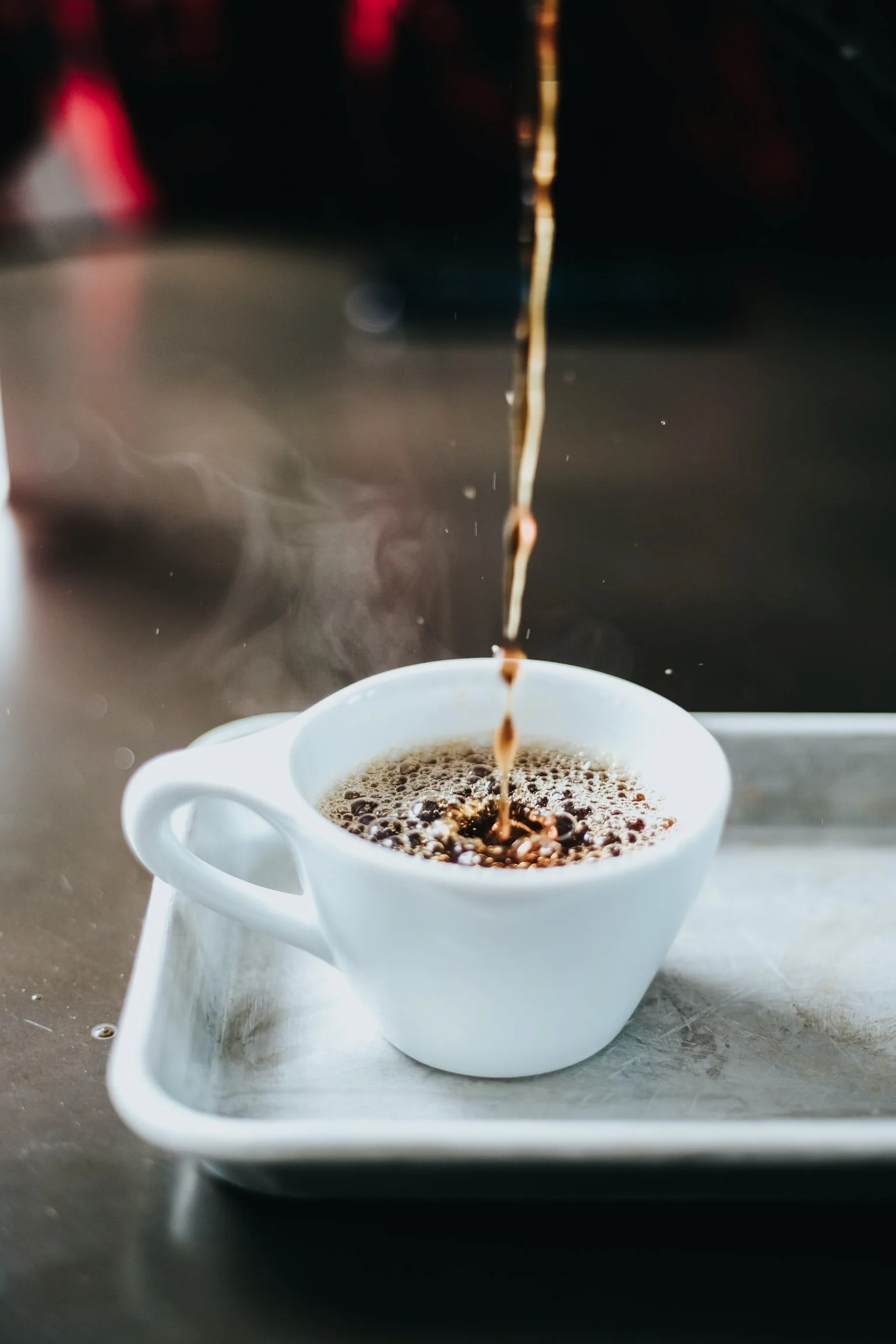
If you need a morning pick me up and a boost to start your day, then mixing cannabis with your morning coffee may do the trick. Coffee contains caffeine, a stimulant that increases mood and alertness. Cannabis contains THC and CBD, which stimulate as well as relax the mind and body. On their own, coffee and cannabis serve different purposes and have different results. Most likely, you consume coffee in the morning to wake up or to fight the afternoon slump. In comparison, you may indulge in marijuana in the evening after a long workday and to unwind. Pairing coffee with cannabis may just be the exact recipe needed to have an alert, less anxious, and more energized day.
1) Science Shows Promise
Scientists previously researched the effects of caffeine and THC, and CBD within the body separately, but there is limited research on combining cannabis and coffee. The early research shows promise that this is the perfect combination to get you going in the morning. A 2014 study conducted on monkeys showed that when they consumed less caffeine, they wanted less THC, and when the monkeys consumed more caffeine, they wanted more THC. The takeaway is that you can be satisfied with an equal amount of caffeine and coffee and, as a result, consume less and have a desired result.
Caffeine does not give you energy but blocks the receptors in your brain from receiving adenosine, the chemical that causes drowsiness. When you drink too much coffee, adenosine finally reaches the receptors causing the midday crash. Cannabis interacts with the endocannabinoid system, which balances the mood, memory, sleep, metabolism, and immune functions. Stress throws the mind and body off-balance, and the endocannabinoid system tries to rebalance your body.
2) Aids with Anxiety
THC to CBD ratio in cannabis causes different reactions in individuals, and the same is true for the caffeine level in your favorite coffee beverage. It also depends on your intention, the feeling you are trying to achieve, and what works best for your needs and body, especially if you are dealing with anxiety. Cannabis helps with anxiety and even depression. The non-psychoactive ingredient CBD reduces stress and relaxes the mind and body. However, if you enjoy coffee, but often feel anxious after a cup of joe, adding cannabis, more specifically CBD, may help reduce anxiety and boost energy.

3) Reduces Side Effects
A good cup of coffee wakes up in the morning, keeps you alert during the day, and helps fight fatigue to push through long days. If mixing cannabis and coffee may be too intense for the weekday, adding CBD to your morning coffee may be a better alternative. CBD comes into a wide range of products, such as CBD oil, and you can add a few drops to your morning latte or sip your black coffee and enjoy edibles Canada alongside your drink. However, drinking too much coffee can cause unwanted side effects such as being jittery, anxious, and increased heartbeat. CBD counteracts the adverse side effects of caffeine consumption and lets the coffee do the work as intended.
4) Increases Happiness
A recent study discovered that combining cannabis with coffee causes the psychoactive ingredient THC and caffeine to increase dopamine levels, the happiness hormone. On their own, cannabis and coffee give off a euphoric high, but together they intensify. Adding cannabis to your coffee gives you more energy and boosts your mood, and you can start the day with a more positive perspective.
Terpenes are equally important cannabinoids that give each cannabis strain its flavor profile, such as taste and smell. The terpene known as limonene gives cannabis citrus notes and improves mood and stress. So, it is crucial when choosing a cannabis strain or product to mix to carefully review the components to ensure you are pairing your coffee with the perfect strain for maximum effect.

5) A Longer High
When you smoke marijuana, you inhale cannabis directly into the lungs, and it immediately enters the bloodstream. After about 10 to 15 minutes, you feel the full effects, and they last for about 75 minutes. If you ingest cannabis, it takes about six hours to peak, causing a more prolonged high. When ingested, the liver metabolizes the THC, which makes the feeling more intense and the marijuana more potent. The liver also metabolizes caffeine. Therefore, the combination of caffeine and THC creates a more intense, prolonged high. Even Vaping could be better option then smoking.
6) Enhances Mental Alertness
Both CBD and caffeine increase mental alertness and allow you to focus more on specific tasks. CBD will balance out the caffeine that can make you fidgety and anxious, and help you stay relaxed and at ease. To fight that afternoon sluggishness, discreetly slip some CBD oil into your office coffee and intake the benefits of being energized and relaxed. You can also sneak a CBD gummy or edible to curve your afternoon sweet tooth and increase your alertness.
If you decide to consume cannabis instead of just CBD, you need to be mindful of the properties of different cannabis strains. Different strains of cannabis have varying effects. For example, Sativa strains typically give you more energy and act more as a stimulant, just like caffeine. When deciding to mix cannabis with coffee, it is better to choose a Sativa strain or a hybrid to get the most effective response.
With all-new trends surrounding cannabis and coffee, it is crucial to find a combination for your needs and your body. It is essential to start small and gradually increase as needed. Whether you are a coffee lover or a cannabis lover, you might find combing the two will provide an experience that is not only productive but euphoric.

Can light therapy help improve mood in people with concussion?
March 2, 2020
Science Daily/American Academy of Neurology
People with mild traumatic brain injury who are exposed to early morning blue light therapy may experience a decrease in depression and other concussion symptoms, according to a preliminary study released today that will be presented at the American Academy of Neurology's 72nd Annual Meeting in Toronto, Canada, April 25 to May 1, 2020.
"Patients with mild traumatic brain injury, like concussion, often develop persistent problems associated with sleep, concentration and depression," said study author William D. Killgore, Ph.D., from the University of Arizona College of Medicine in Tucson. "Morning blue light exposure has been shown to lead to improved circadian rhythm of the body's sleep-wake cycle, which is linked to improved sleep, better mood and daytime alertness."
The double-blind, randomized study involved 35 people with an average age of 26 who had been diagnosed with concussion within the past 18 months. The participants used a tabletop device that shines bright light for 30 minutes each morning for six weeks. Seventeen people received blue light therapy and 18 people received a placebo amber light therapy.
At the beginning and the end of the study, both groups completed tests to measure symptoms of depression and other concussion symptoms, such as headache, fatigue and problems with sleep, memory and concentration.
The study found that the people who received the blue light therapy had lower scores on a test of depression, the Beck Depression Inventory, than the people who received the placebo light therapy. Raw depression scores showed a significant decline in only the blue group. The people in the blue light group improved by 22% on the test of depression, compared to a 4% worsening in mood for the people in the placebo group.
The improvement in depression scores among the people in the blue light group was also linked to improvements in other concussion symptoms such as sleep disturbance, fatigue, concentration, restlessness, and irritability, while there was no such relationship for the people in the placebo group.
"These results reinforce that blue light therapy may be an effective, non-drug treatment for concussion and that improvements in depression may result in improvement in both mental and physical concussion symptoms, and thus quality of life," said Killgore.
The main limitations of the study were a relatively small sample size and that not every participant had clinical depression, which is a more severe form of depression, so the study may not represent all people with mild traumatic brain injury.
Killgore said, "Limitations notwithstanding, the findings give a promising treatment approach to those suffering from mood disturbances following a concussion."
https://www.sciencedaily.com/releases/2020/03/200302162250.htm
Brain inflammation in veterans with Gulf War illness
February 13, 2020
Science Daily/Massachusetts General Hospital
In a new discovery, researchers at Massachusetts General Hospital (MGH) have detected widespread inflammation in the brains of veterans diagnosed with Gulf War Illness (GWI). These findings, published online in the journal Brain, Behavior, and Immunity on February 3, could serve as a guidepost for identifying and developing new therapies for people with GWI, as well as many other chronic conditions that have recently been linked to inflamed brain tissue, or neuroinflammation.
About 30 percent of soldiers who fought in the 1991 Gulf War suffer from GWI. Veterans with GWI display a range of symptoms, including fatigue, chronic pain and cognitive problems such as memory loss. The cause of GWI is unknown, but several potential culprits are suspected. They include exposure to nerve gas, as well as medicine given to protect against this neurotoxin; exposure to pesticides; and the stress of extreme temperature changes, sleep deprivation and physical exertion during deployment
Many of the symptoms of GWI overlap with those of another condition, fibromyalgia, notes the senior author of the study, Marco Loggia, PhD, whose laboratory at MGH's Athinoula A. Martinos Center for Biomedical Imaging focuses on understanding the brain mechanisms of pain and neuroinflammation in humans. Last year, Loggia and his colleagues showed in another study that fibromyalgia patients have extensive neuroinflammation. "So, we asked, Do veterans who have Gulf War Illness demonstrate evidence of neuroinflammation, too?"
To find out, Loggia and his team collaborated with the Gulf War Illness Consortium at Boston University, which helped them to recruit Gulf War veterans. The study included 23 veterans, of whom 15 had GWI, as well as 25 healthy civilian subjects. All study participants' brains were scanned using positron-emission tomography (PET) imaging, which measured levels of a molecule called translocator protein that rises in the presence of neuroinflammation. The scans detected little evidence of neuroinflammation in the healthy controls and veterans who were free of GWI. By contrast, the study found extensive inflammation in the brains of veterans with GWI, "particularly in the cortical regions, which are involved in 'higher-order' functions, such as memory, concentration and reasoning," says Zeynab Alshelh, PhD, one of two research fellows in Loggia's lab who co-led the study. "The neuroinflammation looked very similar to the widespread cortical inflammation we detected in fibromyalgia patients," says Alshelh.
What might cause neuroinflammation? The central nervous system has legions of immune cells that protect the brain by detecting bacteria, viruses, and other potentially harmful agents, then producing inflammatory molecules to destroy the invaders, explains Loggia. However, while this response can be beneficial in the short term, it may become exaggerated, says Loggia, "and when that happens, inflammation becomes pathological -- it becomes the problem."
Research by Loggia's lab and other investigators has also implicated neuroinflammation in a number of additional conditions, including chronic pain, depression, anxiety, autism, amyotrophic lateral sclerosis (ALS), multiple sclerosis (MS), Huntington's disease and migraine. The findings of the GWI study, says Loggia, "could help motivate a more aggressive evaluation of neuroinflammation as a potential therapeutic target."
https://www.sciencedaily.com/releases/2020/02/200213175919.htm
Concussion risk in youth football
January 21, 2020
Science Daily/Virginia Tech
For decades, there's been a widespread assumption among people with an interest in sports-related injury that youth football players are more vulnerable to concussion and other head injuries than their older, bigger counterparts.
The Virginia Tech Helmet Lab has published the first data validating that conventional wisdom, in a study released in the January issue of the Annals of Biomedical Engineering.
The research, funded by a five-year grant from the National Institute of Neurological Disorders and Stroke of the National Institutes of Health, demonstrated that the head accelerations leading to concussion in youth football players are lower than those that typically cause injury in high school, collegiate, and professional athletes -- data that will be critical for designing and testing protective equipment.
"These are the first biomechanical data characterizing concussion risk in kids," said Steve Rowson, an associate professor of biomedical engineering and mechanics and the director of the Virginia Tech Helmet Lab. "Children aren't just scaled-down adults: Differences in anatomy and physiology, like head-neck proportions and brain development, contribute to differences in tolerance to head impact. These results can lead to data-driven interventions to reduce risk in youth sports."
Kids between the ages of 9 and 14 make up the largest group of football players in the country. But the research cataloging head impacts on U.S. football fields, and determining which ones are most likely to cause injury, has focused on high school, collegiate, and pro players, limiting the understanding of what conditions lead to concussion in youth football.
In younger players, the fatty myelin sheaths that help protect brain cells haven't fully developed. They also tend to have larger heads relative to their bodies than adult players do, with less neck musculature to help absorb the force of an impact. For all these reasons, researchers had presumed that youth players were more susceptible to concussion. But they needed data to prove it.
Virginia Tech has been studying head impacts in football since 2003, when Stefan Duma, the Harry Wyatt Professor of Engineering and founder of the Helmet Lab, instrumented the helmets worn by the university's varsity football team with sensors to measure head impacts.
Since then, Duma, Rowson, and their research team have expanded their studies to more sports and a broader range of demographic groups. They've been studying youth players since they won this critical grant from the NIH in 2015.
For the study, they partnered with researchers at Brown University and Wake Forest University to track six different youth football teams in Virginia, North Carolina, and Rhode Island. More than 100 players wore helmets lined with sensors that measured the linear and rotational acceleration of their heads during four seasons' worth of practices and games, recording thousands of impacts. All concussions were diagnosed by clinicians at each site; neuropsychological testing before and after each season measured the players' cognitive function.
The National Operating Committee on Standards for Athletic Equipment, an independent standards body that certifies equipment including football helmets, provided additional funding that helped accelerate the data collection.
That data allowed the researchers to develop a mathematical relationship between the magnitude of a head impact and the risk of concussion. What they found was that youth players are on average more susceptible to concussion at lower levels of acceleration than high school and collegiate players are.
In high school and college players, the average concussive impact is associated with a head acceleration around 102 g, with similar values for pro athletes. In youth players, the new study found, the average concussive impact was associated with a head acceleration of only 62 g. The rotational acceleration values associated with concussion were similarly reduced, from 4,412 rad/s2 in adults to 2,609 rad/s2 in youth players.
"These numbers prove for the first time that youth players are at a higher risk of injury at lower head accelerations," Duma said, "but it is important to note that the overall head acceleration exposure in youth football is much lower than in adult football."
Despite that heightened susceptibility, concussions in youth football are relatively rare: Younger, lighter players collide with less force than adult athletes, so they're less likely to jostle their brains enough to cause serious injury.
But as with any sport, there's still a risk of injury. So effective protective equipment is critical -- and that's the practical value of this study, Duma explained. Knowing the levels of acceleration that put youth players at risk for concussion provides a benchmark to use for helmet testing.
Earlier this year, the Helmet Lab released the industry's first youth-specific football helmet ratings, evaluating the helmets with laboratory tests based on their on-field data.
"No one had ever come up with a rating system tailored to youth helmets, partly because the data didn't exist," said Duma, who also directs the university's Institute for Critical Technology and Applied Science. "Now we can evaluate helmets based on the actual risks youth players experience, and companies can use that information to design models specifically for this large group of players."
https://www.sciencedaily.com/releases/2020/01/200121133259.htm
Blue light can help heal mild traumatic brain injury
January 15, 2020
Science Daily/University of Arizona
Daily exposure to blue wavelength light each morning helps to re-entrain the circadian rhythm so that people get better, more regular sleep which was translated into improvements in cognitive function, reduced daytime sleepiness and actual brain repair.
Early morning blue light exposure therapy can aid the healing process of people impact by mild traumatic brain injury, according to new research from the University of Arizona.
"Daily exposure to blue wavelength light each morning helps to re-entrain the circadian rhythm so that people get better, more regular sleep. This is likely true for everybody, but we recently demonstrated it in people recovering from mild traumatic brain injury, or mTBI. That improvement in sleep was translated into improvements in cognitive function, reduced daytime sleepiness and actual brain repair," said William D. "Scott" Killgore, psychiatry professor in the College of Medicine -- Tucson and lead author on a new study published in the journal Neurobiology of Disease.
Mild traumatic brain injuries, or concussions, are often the result of falls, fights, car accidents and sports participation. Among other threats, military personnel can also experience mTBI from exposure to explosive blasts: Shockwaves strike the soft tissue of the gut and push a burst of pressure into the brain, causing microscopic damage to blood vessels and brain tissue, Killgore said.
"Your brain is about the consistency of thick Jell-O," he said. "Imagine a bowl of Jell-O getting hit from a punch or slamming against the steering wheel in a car accident. What's it doing? It's absorbing that shock and bouncing around. During that impact, microscopic brain cells thinner than a strand of hair can easily stretch and tear and rip from the force."
Those with a concussion or mTBI might can momentarily seen stars, become disoriented, or even briefly lost consciousness following the injury; however, loss of consciousness doesn't always happen and many people who sustain a concussion are able to walk it off without realizing they have a mild brain injury, according to Killgore. Headaches, attention problems and mental fogginess are commonly reported after head injuries and can persist for weeks or months for some people.
Few, if any, effective treatments for mTBI exist. The U.S. Army Medical Research and Development Command funded the research to find alternatives to medicinal methods of mTBI recovery.
"About 50% of people with mTBI also complain that they have sleep problems after an injury," Killgore said.
Recent research has shown that the brain repairs itself during sleep, so Killgore and his co-authors -- John Vanuk, Bradley Shane, Mareen Weber and Sahil Bajaj, all from the Department of Psychiatry -- sought to determine if improved sleep led to a faster recovery.
In a randomized clinical trial, adults with mTBI used a cube-like device that shines bright blue light (with a peak wavelength of 469 nm) at participants from their desk or tables for 30 minutes early each morning for six weeks. Control groups were exposed to bright amber light.
"Blue light suppresses brain production of a chemical called melatonin," Killgore said. "You don't want melatonin in the morning because it makes you drowsy and prepares the brain to sleep. When you are exposed to blue light in the morning, it shifts your brain's biological clock so that in the evening, your melatonin will kick in earlier and help you to fall asleep and stay asleep."
People get the most restorative sleep when it aligns with their natural circadian rhythm of melatonin -- the body's sleep-wake cycle associated with night and day.
"The circadian rhythm is one of the most powerful influences on human behavior," Killgore said. "Humans evolved on a planet for millions of years with a 24-hour light/dark cycle, and that's deeply engrained in all our cells. If we can get you sleeping regularly, at the same time each day, that's much better because the body and the brain can more effectively coordinate all these repair processes."
As a result of the blue light treatment, participants fell asleep and woke an average of one hour earlier than before the trial and were less sleepy during the daytime. Participants improved their speed and efficiency in brain processing and showed an increase in volume in the pulvinar nucleus, an area of the brain responsible for visual attention. Neural connections and communication flow between the pulvinar nucleus and other parts of the brain that drive alertness and cognition were also strengthened.
"We think we're facilitating brain healing by promoting better sleep and circadian alignment, and as these systems heal, these brain areas are communicating with each other more effectively. That could be what's translating into improvements in cognition and less daytime sleepiness," Killgore said.
Blue light from computers, smartphones and TV screens often gives blue light a bad rap. But according to Killgore, "when it comes to light, timing is critical. Light is not necessarily good or bad in-and-of-itself. Like caffeine, it all comes down to when you use it. It can be terrible for your sleep if you're consuming coffee at 10 o'clock at night, but it may be great for your alertness if you have it in the morning."
He and his team plan to continue their research to see if blue light improves sleep quality and how light therapy might affect emotional and psychiatric disorders. Killgore believes that most people, whether injured or healthy, could benefit from correctly timed morning blue light exposure, a theory he hopes to prove for certain in future studies.
https://www.sciencedaily.com/releases/2020/01/200115164017.htm
Potential new treatment for preventing post traumatic stress disorder
Discovery of biomarker unique to people with PTSD a world first
January 13, 2020
Science Daily/Centre for Addiction and Mental Health
Scientists have discovered the first biomarker unique to PTSD patients and they have created a peptide shown in a preclinical trial to treat and even prevent PTSD.
Research led by the Centre for Addiction and Mental Health (CAMH) published in the Journal of Clinical Investigation points to a groundbreaking discovery about a new potential treatment and prevention for post-traumatic stress disorder (PTSD).
The research team, led by Dr. Fang Liu, Senior Scientist and Head of Molecular Neuroscience in CAMH's Campbell Family Mental Health Research Institute, and Professor and Co-director of Division of Neuroscience and Clinical Translation, Department of Psychiatry at the University of Toronto, recently identified a protein complex that is elevated in PTSD patients. The researchers also developed a peptide to target and disrupt the protein complex. They found that the peptide prevented recall or encoding of fear memories in early tests. This suggests that the peptide could treat PTSD symptoms or prevent them entirely.
"The discovery of the Glucocorticoid Receptor-FKBP51 protein complex provides a new understanding of molecular mechanisms underlying PTSD," said Dr. Liu. "We believe this protein complex normally increases after severe stress, but in most cases, levels soon go back to baseline levels. However, in those who develop PTSD, the protein complex remains persistently elevated, and so this could be a blood-based biomarker for PTSD as well as being a target for pharmacological treatment. In addition, the peptide we developed could be given after a traumatic event, and could possibly prevent the patient from developing PTSD. This is a completely new approach to PTSD and for psychiatric disorders in general."
PTSD occurs in some people after experiencing or witnessing traumatic events, such as sexual assault or military combat. Patients can suffer from debilitating flashbacks, nightmares and anxiety which can severely impact quality of life. There are currently no laboratory diagnostic tests for PTSD, and existing treatments have limited efficacy. According to a recent study published in the British Journal of Psychiatry, Canada has the highest prevalence of PTSD among 24 examined countries, and 9.2 per cent of Canadians will develop PTSD in their lifetimes.
"We are thrilled this CAMH-led discovery can potentially help millions of people put trauma behind them," added Dr. Liu.
The study has been supported by CIHR and the CAMH Discovery Fund. CAMH has filed a patent for the peptide and diagnostic aspect of Dr. Liu's invention. Dr. Liu and her team will conduct further testing and refining of the peptide before conducting human clinical trials.
https://www.sciencedaily.com/releases/2020/01/200113165057.htm
Losing a night of sleep may increase blood levels of Alzheimer's biomarker
January 8, 2020
Science Daily/Uppsala University
A preliminary study by researchers at Uppsala University has found that when young, healthy men were deprived of just one night of sleep, they had higher levels of tau -- a biomarker for Alzheimer's disease -- in their blood than when they had a full, uninterrupted night of rest. The study is published in the medical journal Neurology.
Tau is a protein found in neurons and the protein can form into tangles. These accumulate in the brains of people with Alzheimer's disease. This accumulation can start decades before symptoms of the disease appear. Previous studies of older adults have suggested that sleep deprivation can increase the level of tau in the cerebral spinal fluid. Trauma to the head can also increase circulating concentrations of tau in blood.
"Many of us experience sleep deprivation at some point in our lives due to jet lag, pulling an all-nighter to complete a project, or because of shift work, working overnights or inconsistent hours," said study author Jonathan Cedernaes, MD, PhD, from Uppsala University in Sweden. "Our exploratory study shows that even in young, healthy individuals, missing one night of sleep results in a slight increase in the level of tau in blood. This suggests that over time, similar types of sleep disruption could potentially have detrimental effects."
The study involved 15 healthy, normal-weight men with an average age of 22. They all reported regularly getting seven to nine hours of quality sleep per night.
There were two phases to the study. For each phase, the men were observed under a strict meal and activity schedule in a sleep clinic for two days and nights. Blood samples were taken in the evening and again in the morning. For one phase, participants were allowed to get a good night of sleep both nights. For the other phase, participants were allowed to get a good night of sleep the first night followed by a second night of sleep deprivation. During sleep deprivation, lights were kept on while participants sat up in bed playing games, watching movies or talking.
Researchers found that the men had an average 17-percent increase in tau levels in their blood after a night of sleep deprivation compared to an average 2-percent increase in tau levels after a good night of sleep.
Researchers also looked at four other biomarkers associated with Alzheimer's but there were no changes in levels between a good night of sleep and one night of no sleep.
"It's important to note that while accumulation of tau in the brain is not good, in the context of sleep loss, we do not know what higher levels of tau in blood represent" said Cedernaes. "When neurons are active, release of tau in the brain is increased. Higher levels in the blood may reflect that these tau proteins are being cleared from the brain or they may reflect an overall elevation of the concentration of tau levels in the brain. Future studies are needed to investigate this further, as well as to determine how long these changes in tau last, and to determine whether changes in tau in blood reflects a mechanism by which recurrent exposure to restricted, disrupted or irregular sleep may increase the risk of dementia. Such studies could provide key insight into whether interventions targeting sleep should begin at an early age to reduce a person's risk of developing dementia or Alzheimer's disease."
The main limitation of the study was its small size. In addition, it looked only at healthy young men, so the results may not be the same for women or older people.
https://www.sciencedaily.com/releases/2020/01/200108160342.htm
Study of veterans details genetic basis for anxiety, links anxiety and depression
January 7, 2020
Science Daily/Yale University
A massive genomewide analysis of approximately 200,000 military veterans has identified six genetic variants linked to anxiety, researchers from Yale and colleagues at other institutions report Jan. 7 in the American Journal of Psychiatry.
Some of the variants associated with anxiety had previously been implicated as risk factors for bipolar disorder, posttraumatic stress disorder, and schizophrenia.
The new study further contributes the first convincing molecular explanation for why anxiety and depression often coexist.
"This is the richest set of results for the genetic basis of anxiety to date," said co-lead author Joel Gelernter, the Foundations Fund Professor of Psychiatry, professor of genetics and of neuroscience at Yale. "There has been no explanation for the comorbidity of anxiety and depression and other mental health disorders, but here we have found specific, shared genetic risks."
Finding the genetic underpinnings of mental health disorders is the primary goal of the Million Veteran Program, a compilation of health and genetic data on U.S. military veterans run by the U.S. Veterans Administration. The research team analyzed the program's data and zeroed in on six variants linked to anxiety. Five were found in European Americans and one found only in African Americans.
"While there have been many studies on the genetic basis of depression, far fewer have looked for variants linked to anxiety, disorders of which afflict as many as 1 in 10 Americans," said senior author Murray Stein, San Diego VA staff psychiatrist and Distinguished Professor of Psychiatry and of family medicine and public health at UCSD.
Some variants were linked to genes that help govern gene activity or, intriguingly, to a gene involved in the functioning of receptors for the sex hormone estrogen. While this finding might help explain why women are more than twice as likely as men to suffer from anxiety disorders, researchers stressed that the variant affecting estrogen receptors was identified in a veteran cohort made up mostly of men, and said further investigation is necessary.
Another of the newly discovered anxiety gene variants, MAD1L1, whose function is not fully understood, was also highly notable. Variants of this gene have already been linked to bipolar disorder, posttraumatic stress disorder, and schizophrenia.
"One of the goals of this research is to find important risk genes that are associated with risk for many psychiatric and behavioral traits for which we don't have a good explanation," said Yale's Daniel Levey, a postdoctoral associate and co-lead author of the study.
To do the study, Yale's researchers teamed up with colleagues at the Veteran Affairs Connecticut Healthcare System, VA San Diego Healthcare System, and the University of California San Diego.
Said Gelernter, "This is a rich vein we have just begun to tap."
https://www.sciencedaily.com/releases/2020/01/200107081248.htm