
How the heart affects our perception
April 28, 2020
Science Daily/Max Planck Institute for Human Cognitive and Brain Sciences
When we encounter a dangerous situation, signals from the brain make sure that the heart beats faster. When we relax the heart slows down. But the heartbeat also affects the brain but the underlying mechanisms are unclear. Researchers have now identified two mechanisms underpinning how the heart influences our perception, the brain, and how these mechanisms differ between individuals.
The first mechanism establishes a relationship between the phase of the heartbeat and conscious experience. In a regular rhythm, the heart contracts in the so-called systolic phase and pumps blood into the body. In a second phase, the diastolic phase, the blood flows back and the heart fills up again. In a previous publication from the MPI CBS, it was reported that perception of external stimuli changes with the heartbeat. In systole, we are less likely to detect a weak electric stimulus in the finger compared to diastole.
Now, in a new study, Esra Al and colleagues have found the reason for this change in perception: Brain activity is changing over the heart cycle. In systole a specific component of brain activity, which is associated with consciousness, the so called P300-component is suppressed. In other words, it seems that -- in systole -- the brain makes sure that certain information is kept out of conscious experience. The brain seems to take into account the pulse which floods the body in systole and predicts that pulse-associated bodily changes are "not real" but rather due to the pulse. Normally, this helps us to not be constantly disturbed by our pulse. However, when it comes to weak stimuli which coincide with systole we might miss them, although they are real.
During their investigations on heart-brain interactions, Al and colleagues also revealed a second effect of heartbeat on perception: If a person's brain shows a higher response to the heartbeat, the processing of the stimulus in the brain is attenuated -- the person detects the stimulus less. "This seems to be a result of directing our attention between external environmental signals and internal bodily signals.," explains study author Al. In other words, a large heartbeat-evoked potential seems to reflect a "state of mind," in which we are more focused on the functioning of our inner organs such as the blood circulation, however less aware of stimuli from the outside world.
The results not only have implications for our understanding of heart-brain interactions in healthy persons, but also in patients. The senior author, Arno Villringer explains, "The new results might help to explain why patients after stroke often suffer from cardiac problems and why patients with cardiac disease often have impaired cognitive function."
The researchers investigated these relationships by sending weak electrical stimuli to electrodes clamped onto the study participants fingers. In parallel, they recorded each participants' brain processes using an EEG and their cardiac activity using an EKG.
https://www.sciencedaily.com/releases/2020/04/200428131707.htm
Stress thwarts our ability to plan ahead by disrupting how we use memory
April 3, 2020
Science Daily/Stanford University
New research from Stanford University has found that stress can hinder our ability to develop informed plans by preventing us from being able to make decisions based on memory.
"We draw on memory not just to project ourselves backward into the past but to project ourselves forward, to plan," said Stanford psychologist Anthony Wagner, who is the senior author of the paper detailing this work, published April 2 in Current Biology. "Stress can rob you of the ability to draw on cognitive systems underlying memory and goal-directed behavior that enable you to solve problems more quickly, more efficiently and more effectively."
Combined with previous work from Wagner's Memory Lab and others, these findings could have broad implications for understanding how different people plan for the future -- and how lack of stress may afford some people a greater neurologically-based opportunity to think ahead.
"It's a form of neurocognitive privilege that people who are not stressed can draw on their memory systems to behave more optimally," said Wagner, who is the Lucie Stern Professor in the Social Sciences at Stanford's School of Humanities and Sciences. "And we may fail to actually appreciate that some individuals might not be behaving as effectively or efficiently because they are dealing with something, like a health or economic stressor, that reduces that privilege."
Take a virtual walk
The researchers conducted experiments where they monitored participants' behavior and brain activity -- via fMRI -- as they navigated through virtual towns. After participants became very familiar winding routes in a dozen towns, they were dropped onto one of the memorized paths and told to navigate to a goal location.
To test the effects of stress, the researchers warned some participants that they could receive a mild electric shock, unrelated to their performance, during their virtual rambles. Participants who didn't have to worry about being randomly shocked tended to envision and take novel shortcuts based on memories acquired from prior journeys, whereas the stressed participants tended to fall back on the meandering, habitual routes.
Prior to beginning their trek, the participants were virtually held in place at their starting position. Brain scans from this period showed that the stressed individuals were less likely than their counterparts to activate the hippocampus -- a brain structure that would have been active if they were mentally reviewing previous journeys. They also had less activity in their frontal-parietal lobe networks, which allows us to bring neural processes in line with our current goals. Previous work by the researchers had found that stress hinders this neural machinery, making it harder for us to retrieve and use memories.
The researchers believe their new study is the first to show how hippocampal-frontal lobe network disruption takes memory replay offline during a planning session due to stress.
"Its kind of like our brain is pushed into a more low-level thought-process state, and that corresponds with this reduced planning behavior," said Thackery Brown, who was a postdoctoral scholar in the Memory Lab during this research and is lead author of the paper.
Stress and old age
Looking forward, the researchers are especially interested in how the relationship between stress and memory affects older populations, who often experience both health and economic issues. Older people are also more likely to be concerned about memory loss. Together, these combined stressors could contribute to a diminished ability to remember, which could further exacerbate their stress and also impair their ability to deal with it.
Brown has begun conducting studies similar to the virtual navigation experiments with participants between the ages of 65 and 80 to try to better understand how the associations between stress, memory and planning play out in older populations.
"It's a powerful thing to think about how stressful events might affect planning in your grandparents," said Brown, who is now an assistant professor at Georgia Institute of Technology. "It affects us in our youth and as we interact with and care for older members of our family, and then it becomes relevant to us in a different way when we are, ourselves, older adults."
https://www.sciencedaily.com/releases/2020/04/200403115103.htm
Gut communicates with the entire brain through cross-talking neurons
April 2, 2020
Science Daily/University of Illinois College of Agricultural, Consumer and Environmental Sciences
You know that feeling in your gut? We think of it as an innate intuition that sparks deep in the belly and helps guide our actions, if we let it. It's also a metaphor for what scientists call the "gut-brain axis," a biological reality in which the gut and its microbial inhabitants send signals to the brain, and vice versa.
It's not a surprise that the brain responds to signals in the gut, initiating motor functions involved with digestion. Directed by the brainstem, these types of basic biological actions are largely automatic. But what if the higher brain -- the thinking, emotional centers -- were influenced by signals in the gut, too? New University of Illinois research in rats shows the entire brain responds to the gut, specifically the small intestine, through neuronal connections.
To map the connections, researchers inserted neuron-loving viruses in the rats' small intestines and traced the viruses as they moved from neuron to neuron along the Vagus and spinal nerves and throughout the brain. The idea was virus movement mimicked the movement of normal signals through neurons from the gut to the brain and back.
"We saw a lot of connections in the brainstem and hindbrain regions. We knew these regions are involved in sensing and controlling the organs of the body, so there weren't any big surprises there. But things got more interesting as the viruses moved farther up into parts of the brain that are usually considered emotional centers or learning centers, cognitive places. They have all these multifaceted functions. So thinking about how information from the small intestine might be nudging those processes a little bit is really cool," says Coltan Parker, doctoral student in the Neuroscience Program at Illinois and lead author on a study published in Autonomic Neuroscience: Basic and Clinical.
The study represents the first complete map of neuronal connections between the small intestine -- what Parker and his co-authors call an "underloved" part of the digestive system -- and the entire brain. The involvement of cognitive and emotional centers hints at how the thinking brain sometimes overrides our feeling of being full, provides fodder to explore relationships between depression and digestive troubles, and more.
"Now we're actually finding the neuro-anatomy that might be involved in that 'feeling in your gut,'" says Megan Dailey, study co-author and program administrator in the College of Agricultural, Consumer and Environmental Sciences at Illinois.
In addition to showing just how extensive the connections are between the small intestine and the brain, the study uncovered a rarely documented feature of the neurons themselves.
Scientists have long assumed sensations from the gut, or anywhere in the body, traveled to the brain along one set of neurons (the sensory neurons), with instructions from the brain traveling back along a separate set of neurons (the motor neurons). But in their mapping study, Illinois researchers discovered some of the neurons -- about half -- were transmitting both sensory and motor signals.
They were capable of cross-talk within the same neuron.
"From the cortex to the brainstem, in pretty much every region we investigated, there was that 50% overlap of sensory-motor signals. It was throughout the brain, consistently," says study co-author Elizabeth Davis. Davis is a 2018 graduate of the Illinois Neuroscience Program and is currently studying as a postdoctoral scholar at the University of Southern California.
The same pattern -- 50% of neurons having both sensory and motor signaling capabilities -- had only been shown one other time, in a study mapping neuronal connections between fat tissue and the brain. The researchers point out new evidence of the same crosstalk pattern could suggest a general architecture of neuronal networks between the body and brain.
"This study shows that sensorimotor feedback loops are abundant across all levels of the brain. Up until now, it has really been unknown how information in the small intestine, about nutrients or anything else, can get up to the brain and affect cognitive-emotional processes, and then how those processes can come back down and affect the gut," Parker says. "With more research, we may finally begin to understand how hunger makes us 'hangry,' or how a stressful day becomes an irritable bowel."
https://www.sciencedaily.com/releases/2020/04/200402155733.htm
To stay positive, live in the moment -- but plan ahead
March 25, 2020
Science Daily/North Carolina State University
A recent study from North Carolina State University finds that people who manage to balance living in the moment with planning for the future are best able to weather daily stress without succumbing to negative moods.
"It's well established that daily stressors can make us more likely to have negative affect, or bad moods," says Shevaun Neupert, a professor of psychology at NC State and corresponding author of a paper on the recent work. "Our work here sheds additional light on which variables influence how we respond to daily stress."
Specifically, the researchers looked at two factors that are thought to influence how we handle stress: mindfulness and proactive coping.
Mindfulness is when people are centered and living in the moment, rather than dwelling in the past or worrying about the future. Proactive coping is when people engage in planning to reduce the likelihood of future stress.
To see how these factors influence responses to stress, the researchers looked at data from 223 study participants. The study included 116 people between the ages of 60 and 90, and 107 people between the ages of 18 and 36. All of the study participants were in the United States.
All of the study participants were asked to complete an initial survey in order to establish their tendency to engage in proactive coping. Participants were then asked to complete questionnaires for eight consecutive days that explored fluctuations in mindfulness. On those eight days, participants were also asked to report daily stressors and the extent to which they experienced negative mood.
The researchers found that engaging in proactive coping was beneficial at limiting the effect of daily stressors, but that this advantage essentially disappeared on days when a participant reported low mindfulness.
"Our results show that a combination of proactive coping and high mindfulness result in study participants of all ages being more resilient against daily stressors," Neupert says. "Basically, we found that proactive planning and mindfulness account for about a quarter of the variance in how stressors influenced negative affect.
"Interventions targeting daily fluctuations in mindfulness may be especially helpful for those who are high in proactive coping and may be more inclined to think ahead to the future at the expense of remaining in the present."
https://www.sciencedaily.com/releases/2020/03/200325130650.htm
Analysis predicts purified fish oil could prevent thousands of cardiovascular events
March 25, 2020
Science Daily/University of California - Irvine
Researchers from the University of California, Irvine have conducted a statistical analysis that predicts more than 70,000 heart attacks, strokes and other adverse cardiovascular events could be prevented each year in the U.S. through the use of a highly purified fish oil therapy.
Led by Nathan D. Wong, PhD, professor and director of the Heart Disease Prevention Program in the Division of Cardiology at the UCI School of Medicine, the abstract of the statistical analysis was accepted by the American College of Cardiology and is slated to be presented at the upcoming ACC.20/World Congress of Cardiology virtual conference taking place March 28-30. The analysis utilizes data from the Centers for Disease Control and Prevention's National Health and Nutrition Examination Survey (NHANES), and inclusion criteria from a multinational clinical trial led by investigators from Harvard University called REDUCE-IT, which was published in the New England Journal of Medicine in January of 2019.
The REDUCE-IT trial showed patients with known cardiovascular disease or diabetes and multiple risk factors who have elevated triglyceride levels and are at increased risk for ischemic events benefitted substantially from icosapent ethyl, a highly purified fish oil therapy, which lowered cardiovascular events, including heart attacks and strokes, by 25 percent. Positive results were not found in other trials, possibly due to mixtures with other omega-3 fatty acids such as DHA, or inadequate dosages according to Wong.
"Our analysis extends the findings of the REDUCE-IT trial by estimating its potential impact on the U.S. population," said Wong. "By using inclusion criteria and cardiovascular disease event rates from the REDUCE-IT trial and applying it to data on US adults from NHANES, we were able to estimate the beneficial impact icosapent ethyl could have on preventing initial and total cardiovascular events in eligible U.S. adults with cardiovascular disease or diabetes and multiple risk factors."
Wong's analysis is the first to project the findings of REDUCE-IT to the overall U.S. population.
"When you consider that for every 21 patients treated with icosapent ethyl you can spare a cardiovascular event, you begin to see the implications of our results," said Wong.
Icosapent ethyl is a purified stable eicosapentaenoic acid (EPA) which was recently approved by the Federal Drug Administration (FDA) in conjunction with maximally tolerated statin therapy to reduce the risk of cardiovascular events in certain adults with elevated triglyceride levels. The only drug of its kind to show such an effect, icosapent ethyl, is currently marketed under the name Vascepa® by Amarin Pharma. The EPA therapy has also gained the support of several major societies, which have incorporated it in various guidelines, scientific statements and advisories, including the American Diabetes Association, American Heart Association, National Lipid Association, and the European Society of Cardiology/European Atherosclerosis Society.
https://www.sciencedaily.com/releases/2020/03/200325131536.htm
Past your bedtime? Inconsistency may increase risk to cardiovascular health
March 24, 2020
Science Daily/University of Notre Dame
Researchers found that individuals going to bed even 30 minutes later than their usual bedtime presented a significantly higher resting heart rate that lasted into the following day.
Despite increasing awareness of how critical sleep is to our health, getting a good night's rest remains increasingly difficult in a world that's always "on" -- responding to emails at all hours, news cycles that change with every tweet and staring endlessly into the blue light of cell phone, tablet and computers screens.
Scientists have stressed the importance of healthy sleep habits, recommending at least seven hours each night, and have linked lack of sleep to an increased risk in numerous health conditions, including diabetes, stroke and cardiovascular disease.
Now a new study shows whether or not you go to bed on time could also have an effect on your health. Researchers at the University of Notre Dame studied the correlation between bedtime regularity and resting heart rate (RHR) and found that individuals going to bed even 30 minutes later than their usual bedtime presented a significantly higher resting heart rate that lasted into the following day.
"We already know an increase in resting heart rate means an increased risk to cardiovascular health," said Nitesh Chawla, the Frank M. Freimann professor of Computer Science and Engineering at Notre Dame, director of the Center for Network and Data Science and a lead author of the study. "Through our study, we found that even if you get seven hours of sleep a night, if you're not going to bed at the same time each night, not only does your resting heart rate increase while you sleep, it carries over into the next day."
Chawla and his team analyzed data collected via Fitbit from 557 college students over the course of four years. They recorded 255,736 sleep sessions -- measuring bedtimes, sleep and resting heart rate. Significant increases in RHR were observed when individuals went to bed anywhere between one and 30 minutes later than their normal bedtime. Normal bedtime was defined as the one-hour interval surrounding a person's median bedtime. The later they went to bed, the higher the increase in RHR. Rates remained elevated into the following day.
Surprisingly, going to bed earlier than one's standard bedtime also showed signs of increasing RHR, though it depended on just how early. Going to bed 30 minutes earlier than usual appeared to have little effect, while going to bed more than a half hour earlier significantly increased RHR. In cases of earlier bedtimes, however, RHR leveled out during the sleep session. Circadian rhythms, medications and lifestyle factors all come into play when it comes to healthy sleep habits, but Chawla said it's vital to consider consistency as well.
"For some, it may be a matter of maintaining their regular 'work week' bedtime through the weekend," said Chawla. "For shift workers and those who travel frequently, getting to bed at the same time each night is a challenge. Establishing a healthy bedtime routine -- as best you can -- is obviously step number one. But sticking to it is just as important."
https://www.sciencedaily.com/releases/2020/03/200324131818.htm
5 Amazing Ways People Use CBD To Release Stress
Independent article provided by: Crystal Willson, Content Strategist-CBD/Health
The global CBD market is exploding with products, be it cosmetics, medicines, beverages, or food products. CBD has become the latest consumer trend, owing to the increasing awareness among people regarding its therapeutic potential to treat various medical conditions- stress being a prominent one.
Despite the advancements in the modern world to make our lives easier, stress is an inevitable part of our busy schedules. However, ongoing chronic stress may affect mental and physical health, leading to issues such as depression, and increased risk of conditions such as obesity and heart disease. CBD can help relieve stress and increase the overall quality of life.

What is CBD?
Cannabidiol is one of the prominent cannabinoids extracted from the marijuana and hemp plants from the same species- Cannabis Sativa. It is safe for you to consume CBD as its non-psychoactive in nature. You can purchase CBD Canada from various online dispensaries or your nearby local store.
There are numerous ways to consume CBD, each taking a different time to get absorbed in the bloodstream for you to experience the effects. As a beginner, feeling confused with the choices is normal. Take your time to figure out what suits you the best.
Read on to learn about five ways people consume CBD to release stress.
1) Tinctures:
Tinctures are made by soaking CBD-rich leaves in alcohol, then cooking on low flame for a few hours. Consuming tinctures after your meal or some high-fat snack would be ideal. It facilitates quick absorption into the bloodstream when taken sublingually i.e., putting a few drops of it under the tongue and holding it for 30 to 90 seconds before swallowing it.
A few added benefits of tinctures are convenience, a high shelf life, and various flavors, such as vanilla, strawberry, and chocolate. This disguises the otherwise nutty taste of CBD. You can adjust the dose by administering the number of drops you take.
Stress may, at times, interfere with your sleep patterns, keeping you awake till late. When taken regularly, CBD can help you sleep much better and reduce stress by not allowing unwanted thoughts to weigh you down.

2) Edibles:
When you infuse any food item with CBD, it is known as an edible. The CBD-infused edible market is brimming with extensive options for consumers, including treats such as CBD-infused chocolates, cookies, gummy bears, etc., and healthier alternatives to these sugary treats such as almonds, and protein bars. What’s more, you can prepare your CBD-infused snack at home as well.
As compared to tinctures, the timeframe for these edibles to show effect is longer, usually anywhere between 30 minutes to two hours. You can include CBD edibles in your stress management plan as they may help you unwind and relax. This relaxation induced by CBD depends upon the serotonin levels in your central nervous system.
3) Capsules:
If you’re a beginner, CBD capsules might be the ideal choice for you, because of how convenient they are. You can carry these small capsules wherever you want, and take them when required. They contain precise servings, so you do not need to worry about calculating your dosing. Moreover, you can easily avoid the herbal taste of CBD, as these capsules are usually flavorless. People accustomed to taking pills might find it very easy to include CBD in their daily routine.
You have to ingest these capsules containing CBD oil or gel orally. Taking them on an empty stomach might help speed up the effect. CBD interacts with the endocannabinoid receptors to maintain homeostasis in the body. It would take about 90 minutes for these capsules to show effect and make you feel considerably calm.
4) Vaping:
Vaping is becoming increasingly popular, especially amongst the young generation, as it is one of the quickest ways to feel the effects of CBD. A vape or vaporizer is an electronic device that heats CBD vape juice and produces vapor that is safe to inhale. They are available in different sizes, shapes, designs, and colors to meet your requirements. Though disposable vapes are available, you should invest in a quality vape. This one-time investment will benefit you for years at a stretch.
You can vape CBD oil, flowers, etc. with each of them giving you a slightly different experience. As vaping provides almost immediate relief to your body, it might be the perfect choice for you in situations of extreme stress or acute anxiety.

5) Isolate:
CBD isolate comes in crystalline solid or powder form and comprises pure CBD. Most of the other products contain some additional compounds like THC. For an isolate, the refinement process removes all the other cannabinoids, terpenes, and flavonoids, leaving behind 99% pure CBD in crystal form.
CBD isolate works well with a variety of consumption methods. You can infuse it into olive oil or drink it with liquids such as water, coffee, or juice. However, vaping would be the most efficient method to administer CBD isolate. Studies suggest that CBD can affect non-cannabinoid receptors, such as the 5-HTP serotonin receptor. This way, it may help you reduce anxiety and increase your sleep quality, two of the major consequences of stress.
Final thoughts:
Stress has become prevalent in today’s world. However, excessive stress can hamper your productivity and weigh you down. CBD can work wonders to ease this emotional and physical tension in your body. Instead of taking synthetic medicines, CBD can be an organic alternative to relieve the burden of your thoughts.
With so many ways to consume CBD, you need to choose a way that works best for you.
Reference Links:
https://thesleepdoctor.com/2017/08/10/understanding-cbd/ https://www.healthline.com/health/cbd-for-insomnia https://papaandbarkley.com/cbd-oil-for-sleep/
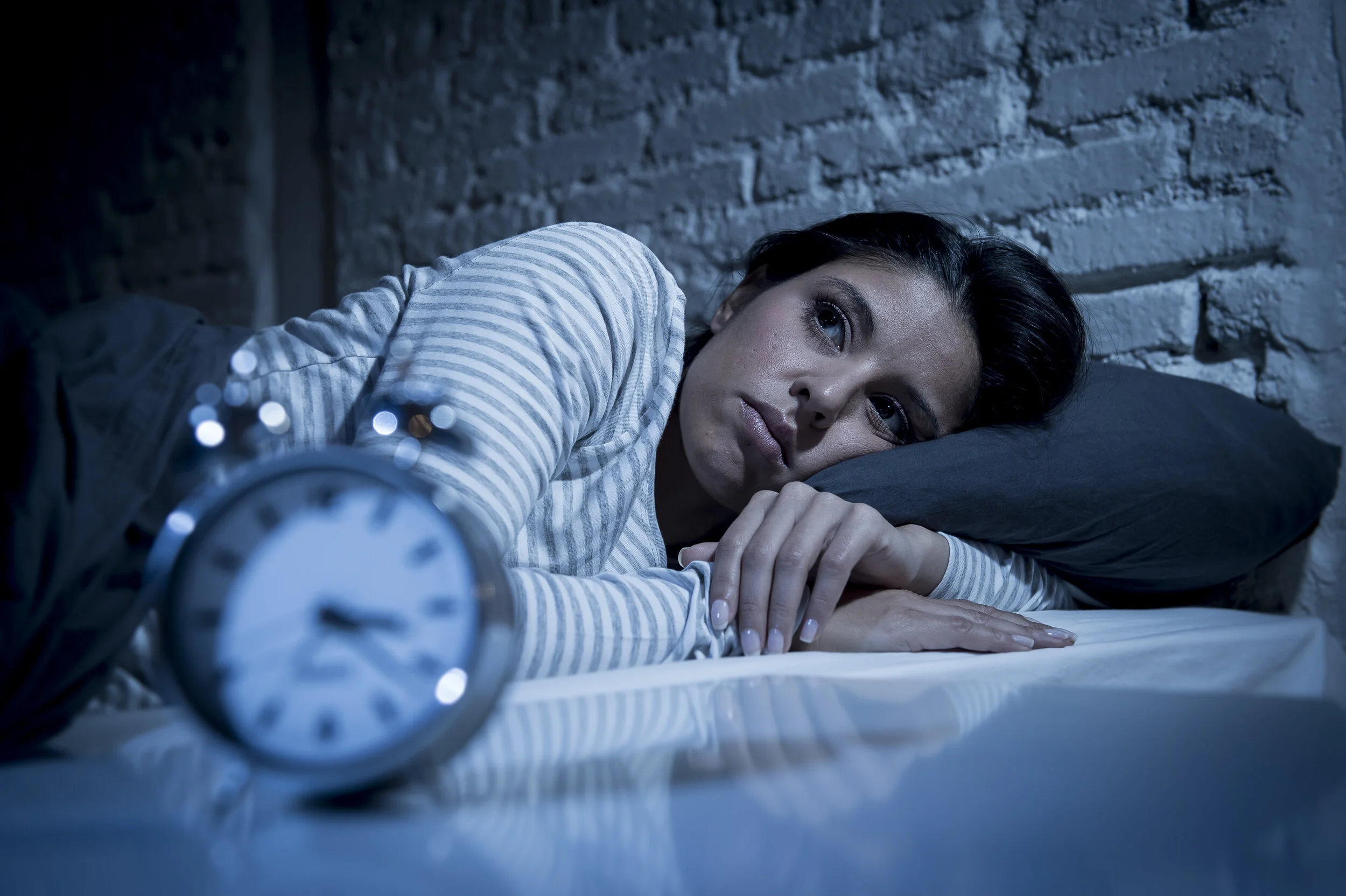
Sleep: Now More than Ever
Sleep: Now More than Ever
Guest Contribution by Susan Doktor
If you’re getting less sleep these days, you’re not alone. Extensive research demonstrates that depression and anxiety are among the leading causes of sleep problems. And with the advent of the coronavirus pandemic, a corollary anxiety pandemic is fast on its heels. The fear, human separation, and financial uncertainty that have accompanied the virus are taking their toll on our mental health and likely our sleep patterns, too.
But insomnia is hardly a new or uncommon phenomenon. As a nation, the US is getting less sleep now than we were a hundred years ago. Most of us will experience short bouts of it in our lifetimes but some 20% of Americans suffer from chronic sleep disorders that present with insomnia as a primary symptom.
Curing any disorder that causes insomnia is the ultimate goal of sleep specialists. But in the absence of a cure—or when insomnia is the disorder itself—insomnia sufferers can take many steps towards getting a better night’s sleep. Let’s take a look at some of the habits, techniques, and products that can help us fall asleep faster and sleep longer and deeper once we do.
Practice Meditation
Meditation is a simple, safe technique that’s available to everyone. It costs nothing and you can learn how to do it without leaving home. All of the “side effects’ associated with meditation are positive, including reduced inflammation, improved cognition, increased immune function, and more.

Focus on Comfort
Our bodies are dynamic. The sleep-related choices you made and habits you adopted years ago may not be serving you well right now. So take an inventory of your bedtime rituals and “equipment.” Perhaps you’ve been sleeping on the same mattress for a decade. The best mattress for your body may not be the one you’re sleeping on, now that you’ve aged ten years.

How do you know if it’s time for a change? While many mattresses carry longer warranties, experts recommend replacing your mattress every eight to ten years. Obvious sagging is one clue that your mattress is past its prime. If you suffer from allergies and they get worse at night, your mattress may be the culprit. And in general, if you wake with more pain than you went to sleep with, that’s a good reason to consider buying a new mattress.
If you’ve become a hot sleeper—which can happen due to changes in your age, your health, hormone fluctuations, or the medicines you take—it may be time to look into bedding products designed to keep you cool. Choose natural fibers for your sheets and pillows. You may also want to avoid sleeping on a memory foam mattress, which conforms more closely to your body and traps heat in your bed.
Avoid Substances that Can Disturb Sleep
It’s common sense to avoid using stimulants before going to bed. Coffee and cigarettes fall into that category, as do a host of dangerous illegal substances. But don’t imagine that a glass of wine is going to help you get the shut-eye you need, either. Alcohol may induce drowsiness initially but it disrupts circadian rhythms, prevents you from entering the REM phase of sleeping, and can aggravate breathing problems. Some prescription medications, including those commonly prescribed for hypertension and depression, can also adversely affect sleep. Before taking any medication, ask your physician whether it has the potential to keep you awake and whether you’re better off taking it in the daytime.
Get Some Exercise Every Day
Scientists continue to study the specific benefits that daily (and even occasional) exercise can bestow on insomniacs. Evidence strongly suggests that if you experience sleep apnea or other breathing-related sleep problem, exercise can reduce the severity of your symptoms. But like sleep, exercise has restorative powers of its own. Fit in into your routine and you’ll feel better throughout the day.
Shut it Down
The time we spend engaged with our electronic devices continues to grow. Our work has become more technology-driven. We’re spending more of our leisure time on social media. But the blue light emitted by computer and smartphone screens has been demonstrated to disrupt our sleep cycles, particularly when we’re exposed to it before bed time. You’ll sleep more if you surf less. And don’t just put your phone away. Turn it off. That way the dings that signal your night-owl friends’ Facebook posts won’t wake you either. Whatever it is, it can wait til morning.
Potential harms of chloroquine, hydroxychloroquine and azithromycin for treating COVID-19
April 8, 2020
Science Daily/Canadian Medical Association Journal
Chloroquine, hydroxychloroquine and azithromycin are being used to treat and prevent COVID-19 despite weak evidence for effectiveness, and physicians and patients should be aware of the drugs' potentially serious adverse events, states a review in CMAJ(Canadian Medical Association Journal).
"Physicians and patients should be aware of several rare but potentially life-threatening adverse effects of chloroquine and hydroxychloroquine," says Dr. David Juurlink, Division of Clinical Pharmacology and Toxicology, Sunnybrook Health Sciences Centre, and a senior scientist at ICES.
The review provides an overview of potential harms associated with these drugs as well as their management based on the best available evidence.
Potential adverse effects include:
Cardiac arrhythmias
Hypoglycemia
Neuropsychiatric effects, such as agitation, confusion, hallucinations and paranoia
Interactions with other drugs
Metabolic variability (some people metabolize chloroquine and hydroxychloroquine poorly and a small percentage metabolize them rapidly, which affects the response to treatment)
Overdose (chloroquine and hydroxychloroquine are highly toxic in overdose and can cause seizures, coma and cardiac arrest)
Drug shortages (patients with autoimmune disorders such as rheumatoid arthritis, lupus and other chronic diseases, who take hydroxychloroquine to treat these conditions could have problems accessing this drug)
The review summarizes the poor quality of evidence suggesting that these treatments might be beneficial in patients with COVID-19 and cautions that it is possible that these treatments could worsen the disease.
"Despite optimism (in some, even enthusiasm) for the potential of chloroquine or hydroxychloroquine in the treatment of COVID-19, little consideration has been given to the possibility that the drugs might negatively influence the course of disease," says Dr. Juurlink. "This is why we need a better evidence base before routinely using these drugs to treat patients with COVID-19."
"Safety considerations with chloroquine, hydroxychloroquine and azithromycin in the management of SARS-CoV-2 infection" is published April 8, 2020.
https://www.sciencedaily.com/releases/2020/04/200408125521.htm
Modeling study estimates impact of relaxing control measures on possible second wave of COVID-19 in China
April 8, 2020
Science Daily/The Lancet
Use of real-time monitoring of COVID-19 transmissibility and severity to fine-tune control strategies offers the best chance to minimize second wave of infection in mainland China, outside Hubei province, researchers say in a new study.
New modelling research, published in The Lancetjournal, suggests that China's aggressive control measures appear to have halted the first wave of COVID-19 in areas outside Hubei province, the epicentre of the epidemic. However, given the substantial risk of the virus being reintroduced from abroad, and with economic activity increasing, real-time monitoring of COVID-19 transmissibility and severity is needed to protect against a possible second wave of infection, researchers say.
The study estimates that in regions outside Hubei, the instantaneous reproductive number of COVID-19 -- the average number of cases generated by a single infected individual during the outbreak -- fell substantially after lock down measures were introduced on January 23, 2020, and has remained below 1 since then -- suggesting that the epidemic has shifted from one that is expanding rapidly to one that is slowly shrinking. (The higher the reproductive number, the more transmissible the virus is and the higher the risk for rapid spread. When the reproductive number falls below one, the epidemic is likely to die out.)
However, mathematical modelling to simulate the impact of relaxing current control measures, suggests that premature lifting of these interventions will likely lead to transmissibility exceeding 1 again, resulting in a second wave of infection.
The findings are critical to countries globally that are in the early phases of lock down because they warn against premature relaxation of strict control measures, researchers say. However, the study did not specifically examine the effect of each intervention, or which one was most effective in containing the spread of the virus.
"While these control measures appear to have reduced the number of infections to very low levels, without herd immunity against COVID-19, cases could easily resurge as businesses, factory operations, and schools gradually resume and increase social mixing, particularly given the increasing risk of imported cases from overseas as COVID-19 continues to spread globally," says Professor Joseph T Wu from the University of Hong Kong who co-led the research.
He continues, "Although control policies such as physical distancing and behavioural change are likely to be maintained for some time, proactively striking a balance between resuming economic activities and keeping the reproductive number below one is likely to be the best strategy until effective vaccines become widely available.
Further analysis suggests that the confirmed case fatality risk (the probability of dying among confirmed cases of COVID-19 as officially reported) outside Hubei was 0.98% -- which is almost six times lower than in Hubei (5.91%) -- and varied substantially among different provinces, based on economic development and availability of health-care resources. Among the ten provinces with the largest number of confirmed cases, case fatality ranged from 0% in prosperous regions like Jiangsu to 1.76% in less developed provinces such as Henan.
"Even in the most prosperous and well-resourced megacities like Beijing and Shanghai, health-care resources are finite, and services will struggle with a sudden increase in demand," says senior author Professor Gabriel M Leung from the University of Hong Kong. "Our findings highlight the importance of ensuring that local health-care systems have adequate staffing and resources to minimise COVID-related deaths."
In December 2019, a novel coronavirus (SARS-CoV-2) emerged in Wuhan city and spread across China. Stringent restrictions on the movement of people and goods were introduced nationwide on January 23. These measures have impacted on people's livelihood and personal liberties, as well as lost economic opportunity. Since February 17, restrictions have been progressively relaxed in several provinces, and factories and offices are gradually reopening.
In the study, researchers analysed local Health Commission data of confirmed COVID-19 cases between mid-January and 29 February, 2020, to estimate the transmissibility and severity of COVID-19 in four major cities -- Beijing, Shanghai, Shenzhen, Wenzhou -- and ten provinces outside Hubei with the highest number of confirmed COVID-19 cases. The number of new daily imported and local cases were used to construct epidemic curves for each location by date of symptom onset, and reporting delays -- time lags between the onset of a disease and the reporting of cases -- were incorporated in the modelling to calculate weekly reproduction numbers. The researchers also modelled the potential impact of relaxing control measures after the first wave of infection for different scenarios with rising reproduction numbers.
The analyses suggest that in regions outside Hubei, control measures should be lifted gradually so that the resulting reproductive number does not exceed 1, or the number of cases will progressively rise over the relaxation period. Moreover, the estimates suggest that once elevated, simply tightening control interventions again would not reduce the burden back to its original level, and would require extra effort to drive the reproductive number below 1 in order to revert to the pre-relaxation level -- likely resulting in both higher health and economic loss.
"We are acutely aware that as economic activity increases across China in the coming weeks, local or imported infection could lead to a resurgence of transmission," says co-lead author Dr Kathy Leung from the University of Hong Kong. "Real-time monitoring of the effect of increased mobility and social mixing on COVID-19 transmissibility could allow policymakers to fine tune control measures to interrupt transmission and minimise the impact of a possible second wave of infections."
Despite these important findings, the study has some limitations, including that the estimated reproductive numbers were based on the reported number of confirmed cases, and the time and dates of symptom onset were unavailable for some provinces and relied on data derived from Shenzhen. Finally, a limited number of simulations for relaxing control measures were done, and did not specify which interventions or public responses to the epidemic might correspond to each of these scenarios.
Writing in a linked Comment, lead author Dr Shunqing Xu (who was not involved in the study) from Huazhong University of Science and Technology in China says: "Case fatality rate (CFR) is one of the important unknowns of COVID-19...Leung and colleagues found the confirmed CFR was correlated with provincial per capita gross domestic product and the availability of hospital beds per 10,000. In Wuhan, the CFR was up to 5.08% by March 28, 2020. The remarkable difference in the CFR between these locations and Wuhan might be attributed to the difference in the degrees of health-care capacity. Therefore, consideration should be given to the variations in health-care capacity when implementing interventions."
https://www.sciencedaily.com/releases/2020/04/200408184717.htm
Link between air pollution and coronavirus mortality in Italy could be possible
April 6, 2020
Science Daily/Aarhus University
A group of scientists has found another small piece in the puzzle of understanding COVID-19. Looking for reasons why the mortality rate is up to 12% in the northern part of Italy and only approx. 4.5% in the rest of the country, they found a probable correlation between air pollution and mortality in two of the worst affected regions in northern Italy.
The world has been hit hard by coronavirus, and health services and authorities everywhere are struggling to reduce the spread, combat the disease and protect the population. Nevertheless, the pandemic will cost lives throughout the world. An environmental researcher from Aarhus University has studied whether there could be a link between the high mortality rate seen in northern Italy, and the level of air pollution in the same region. The short answer is "yes possibly." The long answer is in the article below.
The outbreak of Severe Acute Respiratory Syndrome CoronaVirus2 had its source in the Wuhan Province in China in December 2019. Since then, the coronavirus has spread to the rest of the globe, and the world is now treating patients with the disease that follows virus infection: COVID-19. The course of the disease differs for patients the world over: many experience flu-like symptoms, while many others need hospital treatment for acute respiratory infection that, in some cases, leads to death.
However, what factors affect the course of the disease and the possibilities to combat COVID-19 remains unclear, as long as there is no medical treatment or vaccine. At the moment, there are more questions than answers, and researchers all over the world are therefore working to find new insights into the global pandemic.
At Aarhus University, the environmental scientist Dario Caro from the Department of Environmental Science, and two health researchers, prof. Bruno Frediani and Dr. Edoardo Conticini, from the University of Siena in Italy have found yet another small piece in the puzzle of understanding the deadly disease. They have focused on examining why the mortality rate is up to 12% in the northern part of Italy, while it is only approx. 4.5% in the rest of the country.
They have just published an article entitled "Can Atmospheric pollution be considered as a co-factor in the extremely high level of SARS-CoV-2 lethality in Northern Italy?," in which they demonstrate a probable correlation between air pollution and mortality in two of the worst affected regions in northern Italy: Lombardy and Emilia Romagna.
The research project has been published in the scientific journal Environmental Pollution.
"There are several factors affecting the course of patients' illness, and all over the world we're finding links and explanations of what is important. It's very important to stress that our results are not a counter-argument to the findings already made. At the moment, all new knowledge is valuable for science and the authorities, and I consider our work as a supplement to the pool of knowledge about the factors that are important for the course of patients' illness," says environmental scientist Dario Caro, and clarifies that there are a number of other factors that could possibly play a role in the Italian situation:
"Our considerations must not let us neglect other factors responsible of the high lethality recorded: important co-factors such as the elevated medium age of the Italian population, the wide differences among Italian regional health systems, ICUs capacity and how the infects and deaths has been reported have had a paramount role in the lethality of SARS-CoV-2, presumably also more than pollution itself," he explains.
Different datasets show a link
The two northern Italian regions are among the most air-polluted regions in Europe. The recently published article took its outset in data from the NASA Aura satellite, which has demonstrated very high levels of air pollution across precisely these two regions. The group compared these data with the so-called Air Quality Index; a measurement of air quality developed by the European Environment Agency. The index gathers data from several thousand measuring stations all over Europe, providing a geographical insight into the prevalence of a number of pollutant sources in the EU.
The figures speak for themselves. The population of the northern Italian regions lives in a higher level of air pollution, and this may lead to a number of complications for patients with COVID-19 in the regions, simply because their bodies may have already been weakened by the accumulated exposure to air pollution when they contract the disease.
Dario Caro explains that the situation in the Italian regions has been a challenge for several years, with high levels of air pollution that have accumulated over a long period of time in the population. It is therefore unlikely that there is any reason to imagine that people in Denmark are exposed to the same factors or the same levels of pollution as people in northern Italy, where the authorities have been trying to reduce pollution levels for many years.
"All over the world, we're seeing different approaches from countries' authorities, in countries' general public health outset and in the standards and readiness of different countries' national healthcare systems. But this doesn't explain the prevalence and mortality rates that we're seeing in northern Italy compared with the rest of Italy. This feeds hope that we may have found yet another factor in understanding the high mortality rate of the disease in northern Italy," says Dario Caro.
https://www.sciencedaily.com/releases/2020/04/200406100824.htm
US modelling study estimates impact of school closures for COVID-19 on US health-care workforce and associated mortality
Study estimates 1 in 7 frontline medical workers may miss work to care for their children when US schools are closed to reduce the spread of COVID-19
April 4, 2020
Science Daily/The Lancet
US policymakers considering physical distancing measures to slow the spread of COVID-19 face a difficult trade-off between closing schools to reduce transmission and new cases, and potential health-care worker absenteeism due to additional childcare needs that could ultimately increase mortality from COVID-19, according to new modelling research published in The Lancet Public Health journal.
Using the latest data from the US Census Bureau's Current Population Survey to measure the childcare needs of health-care workers if schools are shut, researchers estimate that nationwide, at least one in seven medical workers may have to miss work to care for their children aged 3-12 years old, even after taking into account childcare provided by non-working adults and older siblings within the same household.
These additional childcare obligations could compromise the ability of the US healthcare system to respond to COVID-19 if alternative childcare arrangements are not made, researchers say.
However, the authors caution that the true impact of school closures on overall deaths from COVID-19 cannot be precisely predicted because of large uncertainties around estimates of transmission and infectivity, and to what extent a decline in the health-care workforce impacts the survival of patients with COVID-19.
"Closing schools comes with many trade-offs, and can create unintentional child-care shortages that put a strain on the health-care system," says Professor Eli Fenichel from Yale University in the USA who co-led the research. "Health-care workers spending less time providing patient care to look after their own children can directly influence the development of an epidemic and the survival of those patients. Understanding these trade-offs is vital when planning the public health response to COVID-19 because if the survival of infected patients is sufficiently sensitive to declines in the healthcare workforce, then school closures could potentially increase deaths from COVID-19."
Support for mandatory school closures to reduce cases and mortality from COVID-19 comes from experience with influenza, or models that do not include the effect of school closure on the health-care workforce. Few studies have considered the trade-off between case reduction and disease burden and the potential loss of healthcare workers to childcare obligations.
In the study, researchers analysed data on more than 3 million individuals between January 2018 and January 2020 to assess family structure and probable within-household childcare options for health-care workers. They identified those most likely to require additional childcare for children aged 3-12 years old in the event of school closures by type of health-care occupation nationally and across different states, assuming that early childcare for children aged under 2 years remains open. They also modelled potential declines in the health-care workforce during school closures with estimates of case reductions from school closures to identify the point at which more lives are lost from school closures than are saved.
The analyses suggest that around 29% of US health-care workers need to provide care for children aged 3-12 years old. In households without a non-working adult or a sibling aged 13 years or older to provide care, the researchers estimate that 15% of health-care workers will require childcare -- equivalent to around 2.3 million children nationwide -- if schools close. However, the authors note that they were unable to account for health-care workers finding alternative methods of care for their children such as babysitters or friends.
School closures will be especially challenging for nurse practitioners (22% will need childcare), physician's assistants (21%), diagnostic technicians (19%), and physicians and surgeons (16%), as well as nearly 13% of the nursing and home health aids who are single parents and part of the group helping the elderly with infection control in nursing homes, researchers say.
The US states likely to have the greatest unmet childcare needs include South Dakota (21% of health-care workers will need childcare), Oregon (21%), and Missouri (21%). In contrast, Washington DC (9% health-care workers with unmet childcare needs), New Mexico (10%), and New Jersey (11%) are least likely to have health-care worker shortages if schools close.
Further analysis suggests that if the case fatality fraction (the share of people who die out of all those infected) rises from 2% to more than 2.4% when the health-care workforce declines by 15%, school closures could lead to a greater number of deaths than those they prevent. However, there is substantial variation across the country. For example, in South Dakota estimates suggest that the case fatality rate must not increase by more than 1.7% before school closures stop saving lives and start increasing overall mortality, whereas in Washington DC it is 4.1% -- this is due to the low child care obligations in Washington DC relative to South Dakota.
"The US healthcare system appears disproportionately prone to labour shortages from school closures, particularly among those health-care workers providing infection control in nursing homes," says co-lead author Dr Jude Bayham from Colorado State University, USA. "These potential health-care workforce shortages should be a priority when assessing the potential benefits and costs of school closures, and alternative child care arrangements must be part of the school closure plan."
According to Fenichel, "Closing schools and distancing in general is about bending the curve to stay below hospital capacity and reduce COVID-19 mortality, but how we distance in order to bend the curve can also influence the hospital capacity we need to stay below. We need to account for both."
The authors note some important limitations of the study, including that the authors informed their model based on the influenza virus, to which children are particularly vulnerable -- however, early data on COVID-19 suggests children may be less vulnerable, so the benefits of school closures may be smaller than expected. On the other hand, the authors note that closing schools earlier in an outbreak could prevent more cases and lead to less health-care workers being infected and thus able to treat more patients. The study did not include mortality from other conditions that might occur if the health-care workforce declined, which should be taken into consideration when deciding about closing schools, the authors say.
https://www.sciencedaily.com/releases/2020/04/200404155613.htm
First study on the health conditions of adults one month into COVID-19 lockdown
Early evidence of people's health conditions after one-month of lockdown in China
April 8, 2020
Science Daily/University of Sydney
A new study provides some of the earliest pieces of evidence that the COVID-19 outbreak affected people mentally as well as physically.
The preliminary results reveal adults in locations more affected by COVID-19 had distress, and lower physical and mental health, and life satisfaction.
Researchers from the University of Adelaide, Tongji University and University of Sydney surveyed 369 adults living in 64 cities in China after they had lived under one-month of confinement measures in February this year.
Led by Dr Stephen Zhang from the University of Adelaide, the study identifies adults with existing health conditions and those who stopped working as most at risk of worse mental and physical health.
"As many parts of the world are only just beginning to go into lockdown, we examined the impact of the one-month long lockdown on people's health, distress and life satisfaction," said Dr Zhang.
"The study offers somewhat of a 'crystal ball' into the mental health of Australian residents once they have been in the lockdown for one month."
More than a quarter of the participants worked at the office during the lockdown period while 38 percent worked from home and 25 percent stopped work due to the outbreak.
Published in Psychiatry Research, the study suggests adults living in locations more affected by COVID-19 reported negative life satisfaction only among adults with chronic medical issues but not for those without existing health issues.
Co-author on the study, Professor Andreas Rauch from the University of Sydney said; "We weren't surprised that adults who stopped working reported worse mental and physical health conditions as well as distress. Work can provide people with a sense of purpose and routine, which is particularly important during this global pandemic."
Study participants who exercised for more than 2.5 hours per day reported worse life satisfaction in more affected locations while those who exercised for half an hour or less during the lockdown reported positive life satisfaction.
"We were really surprised by the findings around exercising hours because it appears to be counter-intuitive," said lead author Dr Zhang.
"It's possible adults who exercised less could better justify or rationalise their inactive lifestyles in more severely affected cities. More research is needed but these early findings suggest we need to pay attention to more physically active individuals, who might be more frustrated by the restrictions."
https://www.sciencedaily.com/releases/2020/04/200408102137.htm
People tune out facts and trust their guts in medical emergencies
April 3, 2020
Science Daily/University of Texas at Arlington
A study conducted by two associate professors of marketing at The University of Texas at Arlington shows that people are more likely to base decisions on anecdotal information instead of facts when they feel anxious and vulnerable.
Traci Freling and Ritesh Saini, both in the College of Business, published "When poignant stories outweigh cold hard facts: A meta-analysis of the anecdotal bias" in Organizational Behavior and Human Decision Processes.
"We found that people are more likely to consider personal anecdotes than fact-based information, especially when it deals with medical emergencies," Freling said. "This has a high importance in the current environment, where everyone is concerned about the coronavirus."
Freling said people are more likely to listen to personal stories instead of facts because emotions run high during medical emergencies like the COVID-19 pandemic.
"They are especially dismissive of facts if the incident is something they personally experienced," Freling said. "Specifically, we show that when an issue is health-related, personally relevant or highly threatening, then decision-making is compromised and people tend to rely on anecdotes."
Freling pointed to the run on toilet paper buying during the COVID-19 pandemic as one example of not basing decisions on facts. This example illustrates how consumers who feel vulnerable to a particular problem may rely more heavily on subjective, anecdotal information instead of objective, statistical facts to make decisions.
Former UTA faculty member Zhiyong Yang, now a professor at the University of North Carolina-Greensboro, and two graduate students contributed to the analysis.
The research also revealed that when emotional engagement is low, statistical evidence weighs more heavily.
"Primarily, when there is low-threat severity or it's a non-health issue, people tend to take cold, hard facts into account rather than personal accounts and stories," Freling said.
Additionally, Saini noted that people make "more fact-based decisions when choosing for others, but become surprisingly irrational when choosing for self."
Elten Briggs, chair of the Department of Marketing, said Freling and Saini's analysis could have implications on decision-making processes for business and industry, especially during medical crises.
"Their research provides guidance on how to craft more influential messaging during times like these, when anxiety is heightened for so many people," Briggs said.
https://www.sciencedaily.com/releases/2020/04/200403131259.htm
Removing the novel coronavirus from the water cycle
Science Daily/University of California - Riverside
Scientists know that coronaviruses, including the SARS-CoV-19 virus responsible for the COVID-19 pandemic, can remain infectious for days -- or even longer -- in sewage and drinking water.
Two researchers, Haizhou Liu, an associate professor of chemical and environmental engineering at the University of California, Riverside; and Professor Vincenzo Naddeo, director of the Sanitary Environmental Engineering Division at the University of Salerno, have called for more testing to determine whether water treatment methods are effective in killing SARS-CoV-19 and coronaviruses in general.
The virus can be transported in microscopic water droplets, or aerosols, which enter the air through evaporation or spray, the researchers wrote in an editorial for Environmental Science: Water Research & Technology, a leading environmental journal of the Royal Society of Chemistry in the United Kingdom.
"The ongoing COVID-19 pandemic highlights the urgent need for a careful evaluation of the fate and control of this contagious virus in the environment," Liu said. "Environmental engineers like us are well positioned to apply our expertise to address these needs with international collaborations to protect public health."
During a 2003 SARS outbreak in Hong Kong, a sewage leak caused a cluster of cases through aerosolization. Though no known cases of COVID-19 have been caused by sewage leaks, the novel coronavirus is closely related to the one that causes SARS, and infection via this route could be possible.
The novel coronavirus could also colonize biofilms that line drinking water systems, making showerheads a possible source of aerosolized transmission. This transmission pathway is thought to be a major source of exposure to the bacteria that causes Legionnaire's disease, for example.
Fortunately, most water treatment routines are thought to kill or remove coronaviruses effectively in both drinking and wastewater. Oxidation with hypochlorous acid or peracetic acid, and inactivation by ultraviolet irradiation, as well as chlorine, are thought to kill coronaviruses. In wastewater treatment plants that use membrane bioreactors, the synergistic effects of beneficial microorganisms and the physical separation of suspended solids filter out viruses concentrated in the sewage sludge.
Liu and Naddeo caution, however, that most of these methods have not been studied for effectiveness specifically on SARS-CoV-19 and other coronaviruses, and they have called for additional research.
They also suggest upgrading existing water and wastewater treatment infrastructure in outbreak hot spots, which possibly receive coronavirus from places such as hospitals, community clinics, and nursing homes. For example, energy-efficient, light-emitting, diode-based, ultraviolet point-of-use systems could disinfect water before it enters the public treatment system.
Potable water-reuse systems, which purify wastewater back into tap water, also need thorough investigation for coronavirus removal, and possibly new regulatory standards for disinfection, the researchers wrote.
The extent to which viruses can colonize biofilms is also not yet known. Biofilms are thin, slimy bacterial growths that line the pipes of many aging drinking water systems. Better monitoring of coronaviruses in biofilms might be necessary to prevent outbreaks.
The surge in household use of bactericides, virucides and disinfectants will probably cause an increase of antibiotic-resistant bacteria in the environment. Treated wastewater discharged into natural waterways demands careful monitoring through the entire water cycle. Liu and Naddeo call on chemists, environmental engineers, microbiologists, and public health specialists to develop multidisciplinary and practical solutions for safe drinking water and healthy aquatic environments.
Lastly, developing countries and some regions within highly developed nations, such as rural and impoverished communities, which lack the basic infrastructure to remove other common contaminants might not be able to remove SARS-CoV-19 either. These places might experience frequent COVID-19 outbreaks that spread easily through globalized trade and travel. Liu and Naddeo suggest governments of developed countries must support and finance water and sanitation systems wherever they are needed.
"It is now clear to all that globalization also introduces new health risks. Where water and sanitation systems are not adequate, the risk of finding novel viruses is very high," Naddeo said. "In a responsible and ideal scenario, the governments of developed countries must support and finance water and sanitation systems in developing countries, in order to also protect the citizens of their own countries."
https://www.sciencedaily.com/releases/2020/04/200403132347.htm
Wearing surgical masks in public could help slow COVID-19 pandemic's advance
Masks may limit the spread diseases including influenza, rhinoviruses and coronaviruses
April 3, 2020
Science Daily/University of Maryland
Surgical masks may help prevent infected people from making others sick with seasonal viruses, including coronaviruses, according to new research that could help settle a fierce debate spanning clinical and cultural norms.
In laboratory experiments, the masks significantly reduced the amounts of various airborne viruses coming from infected patients, measured using the breath-capturing "Gesundheit II machine" developed by Dr. Don Milton, a professor of applied environmental health and a senior author of the study published April 3 in the journal Nature Medicine.
Milton has already conferred with federal and White House health officials on the findings, which closely follow statements this week from the head of the Centers for Disease Control and Prevention saying the agency was reconsidering oft-stated advice that surgical masks aren't a useful precaution outside of medical settings. (The debate takes place at a time when clinicians themselves face dangerously inadequate supplies of masks -- a shortfall other UMD researchers are scrambling to help solve.)
The question of masks has roiled society as well, with some retailers refusing to let employees wear them for fear of sending negative signals to customers, and cases of slurs and even physical attacks in the United States and elsewhere against Asians or Asian Americans who were wearing masks, a measure some consider a necessity during a disease outbreak.
The study, conducted prior to the current pandemic with a student of Milton's colleagues on the Faculty of Medicine at the University of Hong Kong, does not address the question of whether surgical masks protect wearers from infection. It does suggest that masks may limit how much the infected -- who in the case of the novel coronavirus often don't have symptoms -- spread diseases including influenza, rhinoviruses and coronaviruses.
Milton, who runs the Public Health Aerobiology, Virology, and Exhaled Biomarker Laboratory in the School of Public Health, demonstrated in a 2013 study that surgical masks could help limit flu transmission. However, he cautions that the effect may not be as great outside of controlled settings.
Nevertheless, he said, the chance they could help justifies taking a new look at whether all people should be encouraged to wear them when they venture out of their houses to stores or other populated locations during the current COVID-19 lockdown.
"In normal times we'd say that if it wasn't shown statistically significant or the effective in real-world studies, we don't recommend it," he said. "But in the middle of a pandemic, we're desperate. The thinking is that even if it cuts down transmission a little bit, it's worth trying."
Previous studies have shown that coronavirus and other respiratory infections are mostly spread during close contact, which has been interpreted by some infectious disease specialists to mean that the disease could spread only through contact and large droplets, such as from a cough or sneeze -- a message that has often been shared with the public.
"What they don't understand is that is merely a hypothesis," Milton said. The current study (along with earlier ones) shows, by contrast, that tiny, aerosolized droplets can indeed diffuse through the air. That means it may be possible to contract COVID-19 not only by being coughed on, but by simply inhaling the breath of someone nearby who has it, whether they have symptoms or not. Surgical masks, however, catch a lot of the aerosolized virus as it's exhaled, he said.
The study was conducted at the University of Hong Kong as part of the dissertation research of the lead author, Dr. Nancy Leung, who, under the supervision of the co-senior authors Drs. Cowling and Milton, recruited 246 people with suspected respiratory viral infections. Milton's Gesundheit machine compared how much virus they exhaled with and without a surgical mask.
"In 111 people infected by either coronavirus, influenza virus or rhinovirus, masks reduced detectable virus in respiratory droplets and aerosols for seasonal coronaviruses, and in respiratory droplets for influenza virus," Leung said. "In contrast, masks did not reduce the emission of rhinoviruses."
Although the experiment took place before the current pandemic, COVID-19 and seasonal coronaviruses are closely related and may be of similar particle size. The report's other senior author, Professor Benjamin Cowling, division head of epidemiology and biostatistics, School of Public Health, HKUMed, and co-director of the World Health Organization Collaborating Centre for Infectious Disease Epidemiology and Control, said, "The ability of surgical masks to reduce seasonal coronavirus in respiratory droplets and aerosols implies that such masks can contribute to slowing the spread of (COVID-19) when worn by infected people."
Milton pointed to other measures his research has found is even more effective than masks, such as improving ventilation in public places like grocery stores, or installing UV-C lights near the ceiling that works in conjunction with ceiling fans to pull air upwards and destroy viruses and bacteria.
"Personal protective equipment like N95 masks are not our first line of defense," Milton said. "They are our last desperate thing that we do."
Hong Kong University contributed to this report.
https://www.sciencedaily.com/releases/2020/04/200403132345.htm
Rapid infectious disease shifts in Chinese children and adolescents prior to COVID-19
Science Daily/Murdoch Children’s Research Institute
Deaths of children and adolescents in China due to infectious diseases were becoming rare prior to the covid-19 pandemic, according to a new study.
Quarantinable conditions with high death rates such as cholera and plague had effectively disappeared and many traditional and vaccine-preventable infectious diseases of childhood including diarrhea, measles and rubella became uncommon.
The research, led by the Murdoch Children's Research Institute (MCRI) and Peking University and published in the British Medical Journal, found the leading causes of death from infectious diseases in China had shifted markedly over a 10 year period from rabies and tuberculosis to HIV/AIDS.
But overall deaths from infectious diseases decreased steadily between 2008-2018 from 0.21 per 100,000 population in 2008 to 0.07 per 100,000 in 2017.
MCRI Professor George Patton said until now no study had reported on recent trends in infectious diseases among children and adolescents in China.
The new research analysed national surveillance data across 31 mainland Chinese provinces. It involved 5 million students aged six to 22 years, and involved 44 notifiable infectious diseases.
Study author Yanhui Dong, from Peking University, said China had made 'remarkable progress' in infectious disease control in this age group.
But Dr Dong said while animal-to-human infections like bird flu remained low, the potential for major outbreaks like SARS-CoV-2 remained a very real possibility.
After the SARS outbreak in 2003, China made substantial investments in laboratory testing, surveillance system enhancement, national intervention programs for specific diseases, and collaboration with international partners.
Professor Patton said despite the progress, China faced new challenges in responding to seasonal and unpredictable new infectious diseases in children and adolescents.
Comprehensive national surveillance systems and rapid proactive government responses would be an integral part of future infectious disease control in China and around the world, he said.
"China will need to continue its successful efforts against older infectious diseases of children and adolescents, including measles, tuberculosis, rabies, and scarlet fever and now scale-up vaccination for mumps, seasonal influenza, and hepatitis B," Professor Patton said.
"Along with the rest of the world, China will also need greater vigilance around the highly transmissible seasonal and unpredictable diseases that we have seen in the past two decades including SARS, MERS, novel influenzas, Zika, Ebola and now the new SARS-CoV-2 virus."
Despite expanding the national childhood immunisation program in 2008, the most common infections in early childhood in China were still vaccine preventable diseases and gastrointestinal and enterovirus diseases, such as hand, foot and mouth disease.
Sexually transmitted diseases and bloodborne infections largely affected older adolescents.
Dr Dong said the significant increase of HIV/AIDs and STI's among 15-24 year olds seemed related to high risk sexual behaviours and poor awareness of infection risks.
"There is a pressing need for more school and university-based sex education programs as well as peer education, and access to rapid testing for sexually transmitted infections," Dr Dong said.
Dr Dong said the data especially highlighted the need for prevention programs to pivot towards a different set of risks, which would also require different interventions.
Researchers from the Chinese Centre for Disease Control and Prevention, the University of Melbourne and The Royal Children's Hospital also contributed to the study.
Key findings for the six to 22 year age group in China included:
Deaths from infectious diseases has decreased between 2008-2018 from 0.21 per 100,000 population in 2008 to 0.07 per 100,000 in 2017
Quarantinable conditions with high death rates have effectively disappeared
Zoonotic infections like bird flu remained low but there is potential for major outbreaks
Notifiable infectious diseases decreased from 280 per 100,000 in 2008 to 162 per 100,000 in 2015, but rose again to 242 per 100,000 in 2017, largely related to mumps and seasonal influenza
Most vaccine preventable diseases were at low levels, but seasonal variation in mumps, rubella, measles, and influenza suggested these diseases should remain a priority for public policy
Vectorborne diseases, such as those transmitted by mosquitoes and fleas, have declined
Gastrointestinal and enterovirus diseases remained constant, but typhoid, paratyphoid, and dysentery continued to decline
Tuberculosis remained the most common bacterial infection, although cases of scarlet fever doubled between 2008 and 2017
Sexually transmitted diseases and bloodborne infections increased significantly. By the end of 2018, 149,000 people with newly diagnosed HIV/AIDS had been reported, 95 per cent of which were sexually transmitted. Of these, 16,000 new HIV/AIDS cases were reported among 15-24 year olds
Children and adolescents in western China continued to carry a disproportionate burden from infectious diseases
https://www.sciencedaily.com/releases/2020/04/200403103957.htm

COVID-19 vaccine candidate shows promise
Medical research concept (stock image). Credit: © tilialucida / Adobe Stock
April 2, 2020
Science Daily/University of Pittsburgh
University of Pittsburgh School of Medicine scientists today announced a potential vaccine against SARS-CoV-2, the new coronavirus causing the COVID-19 pandemic. When tested in mice, the vaccine, delivered through a fingertip-sized patch, produces antibodies specific to SARS-CoV-2 at quantities thought to be sufficient for neutralizing the virus.
The paper appeared today in EBioMedicine, which is published by The Lancet, and is the first study to be published after critique from fellow scientists at outside institutions that describes a candidate vaccine for COVID-19. The researchers were able to act quickly because they had already laid the groundwork during earlier coronavirus epidemics.
"We had previous experience on SARS-CoV in 2003 and MERS-CoV in 2014. These two viruses, which are closely related to SARS-CoV-2, teach us that a particular protein, called a spike protein, is important for inducing immunity against the virus. We knew exactly where to fight this new virus," said co-senior author Andrea Gambotto, M.D., associate professor of surgery at the Pitt School of Medicine. "That's why it's important to fund vaccine research. You never know where the next pandemic will come from."
"Our ability to rapidly develop this vaccine was a result of scientists with expertise in diverse areas of research working together with a common goal," said co-senior author Louis Falo, M.D., Ph.D., professor and chair of dermatology at Pitt's School of Medicine and UPMC.
Compared to the experimental mRNA vaccine candidate that just entered clinical trials, the vaccine described in this paper -- which the authors are calling PittCoVacc, short for Pittsburgh Coronavirus Vaccine -- follows a more established approach, using lab-made pieces of viral protein to build immunity. It's the same way the current flu shots work.
The researchers also used a novel approach to deliver the drug, called a microneedle array, to increase potency. This array is a fingertip-sized patch of 400 tiny needles that delivers the spike protein pieces into the skin, where the immune reaction is strongest. The patch goes on like a Band-Aid and then the needles -- which are made entirely of sugar and the protein pieces -- simply dissolve into the skin.
"We developed this to build on the original scratch method used to deliver the smallpox vaccine to the skin, but as a high-tech version that is more efficient and reproducible patient to patient," Falo said. "And it's actually pretty painless -- it feels kind of like Velcro."
The system also is highly scalable. The protein pieces are manufactured by a "cell factory" -- layers upon layers of cultured cells engineered to express the SARS-CoV-2 spike protein -- that can be stacked further to multiply yield. Purifying the protein also can be done at industrial scale. Mass-producing the microneedle array involves spinning down the protein-sugar mixture into a mold using a centrifuge. Once manufactured, the vaccine can sit at room temperature until it's needed, eliminating the need for refrigeration during transport or storage.
"For most vaccines, you don't need to address scalability to begin with," Gambotto said. "But when you try to develop a vaccine quickly against a pandemic that's the first requirement."
When tested in mice, PittCoVacc generated a surge of antibodies against SARS-CoV-2 within two weeks of the microneedle prick.
Those animals haven't been tracked long term yet, but the researchers point out that mice who got their MERS-CoV vaccine produced a sufficient level of antibodies to neutralize the virus for at least a year, and so far the antibody levels of the SARS-CoV-2 vaccinated animals seem to be following the same trend.
Importantly, the SARS-CoV-2 microneedle vaccine maintains its potency even after being thoroughly sterilized with gamma radiation -- a key step toward making a product that's suitable for use in humans.
The authors are now in the process of applying for an investigational new drug approval from the U.S. Food and Drug Administration in anticipation of starting a phase I human clinical trial in the next few months.
"Testing in patients would typically require at least a year and probably longer," Falo said. "This particular situation is different from anything we've ever seen, so we don't know how long the clinical development process will take. Recently announced revisions to the normal processes suggest we may be able to advance this faster."
https://www.sciencedaily.com/releases/2020/04/200402144508.htm
China's control measures may have prevented 700,000 COVID-19 cases
March 31, 2020
Science Daily/Penn State
China's control measures during the first 50 days of the COVID-19 epidemic may have delayed the spread of the virus to cities outside of Wuhan by several days and, by interrupting transmission nationwide, prevented more than 700,000 infections across the country, according to an international team of researchers. The findings, published March 31 in the journal Science, could be useful to countries that are still in early phases of the COVID-19 outbreak.
"The number of confirmed cases in China by day 50 (February 19) of the epidemic, was around 30,000," said Christopher Dye, visiting professor of zoology and visiting fellow at the Oxford Martin School, University of Oxford. "Our analysis suggests that without the Wuhan travel ban and the national emergency response there would have been more than 700,000 confirmed COVID-19 cases outside of Wuhan by that date. China's control measures appear to have worked by successfully breaking the chain of transmission -- preventing contact between infectious and susceptible people."
The researchers used a unique combination of case reports, human movement data and public health intervention information to investigate the spread and control of COVID-19. They examined the movements of 4.3 million people out of Wuhan before the travel ban, the types and timing of control measures implemented across the cities of China and the numbers of COVID-19 cases reported each day in every city.
"One fascinating aspect of our work is that it shows the power of novel data streams such as cell phone mobility data," said Ottar Bjornstad, distinguished professor of entomology and biology, Penn State. "Since the time period we studied included the Spring Festival holiday and Chinese Lunar New Year, we were able to compare patterns of travel into and out of Wuhan during the outbreak with cell phone data from two previous spring festivals. The analysis revealed an extraordinary reduction in movement following the travel ban of January 23, 2020. Based on this data, we could also calculate the likely reduction in Wuhan-associated cases in other cities across China."
The team's model also analyzed the specific effects of the Wuhan shutdown and found that it delayed the arrival of COVID-19 in other cities by several days. "This delay provided extra time to prepare for the arrival of COVID-19 in more than 130 cities," said Huaiyu Tian, associate professor of epidemiology, Beijing Normal University.
These cities banned public gatherings, closed entertainment venues and suspended public transport, among other actions. As a result, they reported 33% fewer confirmed cases during the first week of their outbreaks than cities that did not implement a Level 1 Response.
While the control measures taken thus far have reduced the number of COVID-19 infections to very low levels, China, is by no means out of the woods.
"Given the small fraction of the Chinese population that has been infected, a much larger number of people remains at risk of COVID-19," said Tian. "We are acutely aware that resident or imported infections could lead to a resurgence of transmission."
Bjornstad noted that SARS-CoV-2 may establish as a human endemic globally in the years to come.
"It is critical to keep in mind that this virgin epidemic likely will affect people of different ages and susceptibilities, and therefore have different fatality levels, than possible subsequent seasonal epidemics," he said.
https://www.sciencedaily.com/releases/2020/03/200331130012.htm
Wastewater test could provide early warning of COVID-19
March 31, 2020
Science Daily/Cranfield University
Researchers at Cranfield University are working on a new test to detect SARS-CoV-2 in the wastewater of communities infected with the virus.
The wastewater-based epidemiology (WBE) approach could provide an effective and rapid way to predict the potential spread of novel coronavirus pneumonia (COVID-19) by picking up on biomarkers in faeces and urine from disease carriers that enter the sewer system.
Rapid testing kits using paper-based devices could be used on-site at wastewater treatment plants to trace sources and determine whether there are potential COVID-19 carriers in local areas.
Dr Zhugen Yang, Lecturer in Sensor Technology at Cranfield Water Science Institute, said: "In the case of asymptomatic infections in the community or when people are not sure whether they are infected or not, real-time community sewage detection through paper analytical devices could determine whether there are COVID-19 carriers in an area to enable rapid screening, quarantine and prevention.
"If COVID-19 can be monitored in a community at an early stage through WBE, effective intervention can be taken as early as possible to restrict the movements of that local population, working to minimise the pathogen spread and threat to public health."
Recent studies have shown that live SARS-CoV-2 can be isolated from the faeces and urine of infected people and the virus can typically survive for up to several days in an appropriate environment after exiting the human body.
The paper device is folded and unfolded in steps to filter the nucleic acids of pathogens from wastewater samples, then a biochemical reaction with preloaded reagents detects whether the nucleic acid of SARS-CoV-2 infection is present. Results are visible to the naked eye: a green circle indicating positive and a blue circle negative.
"We have already developed a paper device for testing genetic material in wastewater for proof-of-concept, and this provides clear potential to test for infection with adaption," added Dr Yang. "This device is cheap (costing less than £1) and will be easy to use for non-experts after further improvement.
"We foresee that the device will be able to offer a complete and immediate picture of population health once this sensor can be deployed in the near future."
WBE is already recognised as an effective way to trace illicit drugs and obtain information on health, disease, and pathogens. Dr Yang has developed a similar paper-based device to successfully conduct tests for rapid veterinary diagnosis in India and for malaria in blood among rural populations in Uganda.
Paper analytical devices are easy to stack, store and transport because they are thin and lightweight, and can also be incinerated after use, reducing the risk of further contamination.
https://www.sciencedaily.com/releases/2020/03/200331092713.htm