
Depression associated with greater risk of cardiovascular disease
The global study tracked 145,862 middle-aged participants from 21 countries
June 16, 2020
Science Daily/Simon Fraser University
A new study co-led by Simon Fraser University health sciences professor Scott Lear provides further evidence of the link between depressive symptoms and an increased risk of heart disease and early death.
The global study tracked 145,862 middle-aged participants from 21 countries and found a 20 per cent increase in cardiovascular events and death in people with four or more depressive symptoms. The risks were twice as high in urban areas -- where the majority of the global population will be living by 2050 -- and more than double in men.
Depression and mental health issues are highly prevalent in Canada. One in five Canadians will experience a mental health problem during their lifetime and eight per cent will experience a major depressive event.
Lear says the results are timely as experts anticipate an increase in the number of people dealing with mental health issues as a result of the COVID-19 pandemic.
The data suggests that depressive symptoms should be considered as important as traditional risk factors such as smoking, high blood pressure and high cholesterol when preventing heart disease and early death.
The study results, published this month in JAMA Psychiatry, lend credibility to existing World Health Organization (WHO) policies to integrate treatment and prevention of mental disorders into primary care.
The study concludes that a greater awareness of the physical health risks associated with depression is needed.
Researchers suggest that a comprehensive approach to tackling non-communicable diseases and mental disorders -- to achieve health-related UN Sustainable Development Goals -- needs to be a global priority.
https://www.sciencedaily.com/releases/2020/06/200616100817.htm
60 minutes of endurance training is enough to shift body clock in mice
June 15, 2020
Science Daily/The Physiological Society
New research published today in the Journal of Physiology shows that just one 60 minutes bout of exercise shifted the muscle clocks of mice by around an hour in either direction. If this research is replicated in humans, it makes a case for prescribing exercise for night-shift workers and for treating diseases like heart disease, both of which can result in disrupted clocks throughout the body.
Clocks exist in virtually all our cells to temporally coordinate cell specific functions. The setting of our clocks are sensitive to cues like changes in light throughout the day, or our time of eating. Researchers at the University of Florida found that the clocks in muscles of mice were "listening" to information from their muscle contractions during exercise.
This means that exercise is a cue for setting the clocks in muscles. The researchers determined this by studying mice that ran in different phases of the day: in the middle of their rest phase, an hour before starting their active phase, and in the middle of their active phase. Active and rest phases in mice are equivalent to day and night in humans. They then looked at how the amount of a primary clock protein changed over the course of multiple days following muscle contractions. Their results showed that depending on the timing of contractions the clocks shifted about an hour to either an earlier or later time and that this does not require circulating hormones or the central clock.
In other words, the timing of exercise during the day, can rewind or fast forward our muscle body clocks, so fine-tuning this could allow precise treatment of conditions where the body clocks either is running ahead or behind.
Researchers carried this research out in mice rather than humans as it would require multiple muscle biopsies, which are invasive procedures. Although this research has been done in mice thus far, it can be taken forward in patients without the need for clinical trials, as it calls for a prescription of exercise timing for certain conditions, such as heart disease.
Christopher Wolff, a co-first author on the study said:
"This research is really important because it highlights the effect exercise can have on our body clocks. If this is replicated in humans it means that night-shift workers can use exercise to help shift their body clocks. We may also be able to use exercise as a treatment for 'body clock disorders' that can occur in many chronic diseases such as heart disease."
https://www.sciencedaily.com/releases/2020/06/200615212715.htm
How COVID-19 lockdown has altered sleep in the US and Europe
June 10, 2020
Science Daily/Cell Press
Two new studies show that relaxed school and work schedules and more time spent at home has led people to sleep more on average with less 'social jetlag' as indicated by a reduced shift in sleep timing and duration on work days versus free days. But, at the same time, one of the studies also finds that the pandemic has taken a toll when it comes to self-reported sleep quality.
Stay-at-home orders and "lockdowns" related to the COVID-19 pandemic have had a major impact on the daily lives of people around the world and that includes the way that people sleep, two studies report June 10 in the journal Current Biology. Both studies show that relaxed school and work schedules and more time spent at home has led people to sleep more on average with less "social jetlag" as indicated by a reduced shift in sleep timing and duration on work days versus free days. But, at the same time, one of the studies also finds that the pandemic has taken a toll when it comes to self-reported sleep quality.
"Usually, we would expect a decrease in social jetlag to be associated with reports of improved sleep quality," says sleep researcher and cognitive neuroscientist Christine Blume from the University of Basel's Centre for Chronobiology, Switzerland. "However, in our sample, overall sleep quality decreased. We think that the self-perceived burden, which substantially increased during this unprecedented COVID-19 lockdown, may have outweighed the otherwise beneficial effects of a reduced social jetlag."
In their study, Blume and colleagues including Marlene Schmidt and Christian Cajochen explored the effects of the strictest phase of the COVID-19 lockdown on the relationship between social and biological rhythms as well as sleep during a six-week period from mid-March until end of April 2020 in Austria, Germany, and Switzerland. Their data showed that the lockdown reduced the mismatch between social and biological sleep-wake timing as people began working from home more and sleeping more regular hours from day to day. People also slept about 15 minutes longer each night. However, the self-reported data indicated a perception that sleep quality had declined.
In the other study, Kenneth Wright at the University of Colorado, Boulder's Sleep and Chronobiology Laboratory and colleagues asked similar questions by comparing sleep prior to and during Stay-at-Home orders in 139 university students as they shifted from taking their classes in-person to taking them remotely. As the team reports, nightly sleep duration increased by about 30 minutes during weekdays and 24 minutes on weekends. The timing of sleep also became more regular from day to day, and there was less social jetlag.
Students stayed up about 50 minutes later while staying home during weekdays and about 25 minutes later on weekends. Students that tended to sleep less before the effects of COVID-19 took hold showed the greatest increase in the amount of sleep after they stopped going to in-person classes. After the Stay-at-Home orders went into effect, 92 percent of students got the recommended 7 hours or more of sleep per night, up from 84 percent before.
"Insufficient sleep duration, irregular and late sleep timing, and social jetlag are common in modern society and such poor sleep health behaviors contribute to and worsen major health and safety problems, including heart disease and stroke, weight gain and obesity, diabetes, mood disorders such as depression and anxiety, substance abuse, and impaired immune health, as well as morning sleepiness, cognitive impairment, reduced work productivity, poor school performance and risk of accident/drowsy driving crashes," Wright said. "Our findings provide further evidence that poor sleep behaviors are modifiable in university students. A better understanding of which factors during Stay-at-Home orders contributed to changed sleep health behaviors may help to develop sleep health intervention strategies."
"Not surprisingly, this unprecedented situation of the pandemic and the lockdown increased self-perceived burden and had adverse effects on sleep quality," Blume said. "On a positive note, though, the relaxation of social schedules also led to an improved alignment between external or social factors determining our sleep-wake timing and our body's internal biological signals. This was also associated with overall, more sleep."
From a sleep health perspective, the increase in sleep duration and regularity are welcome changes, say the researchers. For those having trouble with sleep quality, Blume suggests engaging in physical activity under the open sky.
https://www.sciencedaily.com/releases/2020/06/200610112107.htm
Disrupted sleep increases the risk of cardiovascular disease by promoting inflammation
June 4, 2020
Science Daily/PLOS
Sleep disruption has been shown to be associated with an increased risk of atherosclerosis, but the mechanism has been unclear. A new study in the open-access journal PLOS Biology by Raphael Vallat, Vyoma Shah, and Matthew Walker of the University of California at Berkeley and colleagues reveals that fragmented sleep exacerbates atherosclerosis and may raise the risk of stroke via an effect on inflammatory pathways. These results provide a mechanism to explain the long-standing observation that poor sleep increases the risk of heart disease and stroke, and suggest simple and direct ways to reduce such risk.
To test whether the effect may be due in part to increased inflammatory signaling, the authors measured sleep disruption through both sleep lab-based polysomnography and a simple movement detector worn on the wrist over multiple nights (actigraphy). They used standard blood cell counts to measure levels of neutrophils and monocytes, two types of white blood cells responsible for driving inflammatory pathways.
They found that sleep fragmentation, as measured by actigraphy, predicted both higher neutrophil (but not monocyte) counts and higher coronary artery calcium, a measure of atherosclerosis pathology. Using a statistical method known as mediation analysis, they showed that the influence of sleep fragmentation on coronary artery calcium was mediated through the increase in neutrophils; in other words, poor sleep led to an increase in neutrophils, which in turn led to an increase in atherosclerosis. The influence of sleep disruption on neutrophils and atherosclerosis remained significant after accounting for multiple known contributors to artery disease, including age, sex, ethnicity, body mass index, smoking, blood pressure, and other factors.
A similar association was found for sleep disruption as measured by polysomnography, although it was not as robust, remaining significant after correcting for some but not all contributors, a difference the authors suggest may be due to the shorter duration of polysomnography (a single night) versus actigraphy (one week). No association was found for subjectively reported poor sleep, in which subjects were asked to recall the quality of their sleep, a finding which suggests that asking patients about the sleep may not be a useful tool for assessing their sleep-related risk of heart disease.
"Improving sleep may offer a novel way to reduce inflammation and thus reduce the risk of atherosclerosis," Walker said. "These findings may help inform public health guidelines that seek to increase the continuity of sleep as a way to improve health and decrease the burden of heart disease on society."
https://www.sciencedaily.com/releases/2020/06/200604152108.htm
Sleep, death and ... the gut?
June 4, 2020
Science Daily/Harvard Medical School
A new study finds a causal link between sleep deprivation and death. In sleep-deprived fruit flies, death is preceded by the accumulation of molecules known as reactive oxidative species in the gut. When fruit flies were given antioxidant compounds that neutralize ROS, sleep-deprived flies remained active and had normal lifespans. The findings may one day inform new approaches to counteract the harmful effects of insufficient sleep in humans.
The first signs of insufficient sleep are universally familiar. There's tiredness and fatigue, difficulty concentrating, perhaps irritability or even tired giggles. Far fewer people have experienced the effects of prolonged sleep deprivation, including disorientation, paranoia and hallucinations.
Total, prolonged sleep deprivation, however, can be fatal. While it has been reported in humans only anecdotally, a widely cited study in rats conducted by Chicago-based researchers in 1983 showed that a total lack of sleep inevitably leads to death. Yet, despite decades of study, a central question has remained unsolved: why do animals die when they don't sleep?
Now, Harvard Medical School neuroscientists have identified an unexpected, causal link between sleep deprivation and premature death. In a study on sleep-deprived fruit flies, researchers found that death is always preceded by the accumulation of molecules known as reactive oxidative species (ROS) in the gut.
When fruit flies were given antioxidant compounds that neutralize and clear ROS from the gut, sleep-deprived flies remained active and had normal lifespans. Additional experiments in mice confirmed that ROS accumulate in the gut when sleep is insufficient.
The findings, published in Cell on June 4, suggest the possibility that animals can indeed survive without sleep under certain circumstances. The results open new avenues of study to understand the full consequences of insufficient sleep and may someday inform the design of approaches to counteract its detrimental effects in humans, the authors said.
"We took an unbiased approach and searched throughout the body for indicators of damage from sleep deprivation. We were surprised to find it was the gut that plays a key role in causing death," said senior study author Dragana Rogulja, assistant professor of neurobiology in the Blavatnik Institute at HMS.
"Even more surprising, we found that premature death could be prevented. Each morning, we would all gather around to look at the flies, with disbelief to be honest. What we saw is that every time we could neutralize ROS in the gut, we could rescue the flies," Rogulja said.
Scientists have long studied sleep, a phenomenon that appears to be fundamental for life, yet one that in many ways remains mysterious. Almost every known animal sleeps or exhibits some form of sleeplike behavior. Without enough of it, serious consequences ensue. In humans, chronic insufficient sleep is associated with heart disease, type 2 diabetes, cancer, obesity, depression and many other conditions.
Previous research has shown that prolonged, total sleep restriction can lead to premature death in animal models. In attempts to answer how sleep deprivation culminates in death, most research efforts have focused on the brain, where sleep originates, but none have yielded conclusive results.
Gut accumulation
Spearheaded by study co-first authors Alexandra Vaccaro and Yosef Kaplan Dor, both research fellows in neurobiology at HMS, the team carried out a series of experiments in fruit flies, which share many sleep-regulating genes with humans, to search for signs of damage caused by sleep deprivation throughout the body. To monitor sleep, the researchers used infrared beams to constantly track the movement of flies housed in individual tubes.
They found that flies can sleep through physical shaking, so the team turned to more sophisticated methods. They genetically manipulated fruit flies to express a heat-sensitive protein in specific neurons, the activity of which are known to suppress sleep. When flies were housed at 29 degrees C (84 degrees F), the protein induced neurons to remain constantly active, thus preventing the flies from sleeping.
After 10 days of temperature-induced sleep deprivation, mortality spiked among the fruit flies and all died by around day 20. Control flies that had normal sleep lived up to approximately 40 days in the same environmental conditions.
Because mortality increased around day 10, the researchers looked for markers of cell damage on that and preceding days. Most tissues, including in the brain, were indistinguishable between sleep-deprived and non-deprived flies, with one notable exception.
The guts of sleep-deprived flies had a dramatic buildup of ROS -- highly reactive, oxygen-containing molecules that in large amounts can damage DNA and other components within cells, leading to cell death. The accumulation of ROS peaked around day 10 of sleep deprivation, and when deprivation was stopped, ROS levels decreased.
Additional experiments confirmed that ROS builds up in the gut of only those animals that experienced sustained sleep loss, and that the gut is indeed the main source of this apparently lethal ROS.
"We found that sleep-deprived flies were dying at the same pace, every time, and when we looked at markers of cell damage and death, the one tissue that really stood out was the gut," Vaccaro said. "I remember when we did the first experiment, you could immediately tell under the microscope that there was a striking difference. That almost never happens in lab research."
The team also examined whether ROS accumulation occurs in other species by using gentle, continuous mechanical stimulation to keep mice awake for up to five days. Compared to control animals, sleep-deprived mice had elevated ROS levels in the small and large intestines but not in other organs, a finding consistent with the observations in flies.
Death rescue
To find out if ROS in the gut play a causal role in sleep deprivation-induced death, the researchers looked at whether preventing ROS accumulation could prolong survival.
They tested dozens of compounds with antioxidant properties known to neutralize ROS and identified 11 that, when given as a food supplement, allowed sleep-deprived flies to have a normal or near-normal lifespan. These compounds, such as melatonin, lipoic acid and NAD, were particularly effective at clearing ROS from the gut. Notably, supplementation did not extend the lifespan of non-deprived flies.
The role of ROS removal in preventing death was further confirmed by experiments in which flies were genetically manipulated to overproduce antioxidant enzymes in their guts. These flies had normal to near-normal lifespans when sleep-deprived, which was not the case for control flies that overproduced antioxidant enzymes in the nervous system.
The results demonstrate that ROS buildup in the gut plays a central role in causing premature death from sleep deprivation, the researchers said, but cautioned that many questions remain unanswered.
"We still don't know why sleep loss causes ROS accumulation in the gut, and why this is lethal," said Kaplan Dor. "Sleep deprivation could directly affect the gut, but the trigger may also originate in the brain. Similarly, death could be due to damage in the gut or because high levels of ROS have systemic effects, or some combination of these."
Insufficient sleep is known to interfere with the body's hunger signaling pathways, so the team also measured fruit fly food intake to analyze whether there were potential associations between feeding and death. They found that some sleep-deprived flies ate more throughout the day compared with non-deprived controls. However, restricting access to food had no effect on survival, suggesting that factors beyond food intake are involved.
The researchers are now working to identify the biological pathways that lead to ROS accumulation in the gut and subsequent physiological disruptions.
The team hopes that their work will inform the development of approaches or therapies to offset some of the negative consequences of sleep deprivation. One in three American adults gets less than the recommended seven hours of sleep per night, according to the U.S. Centers for Disease Control and Prevention, and insufficient sleep is a normal part of life for many around the world.
"So many of us are chronically sleep deprived. Even if we know staying up late every night is bad, we still do it," Rogulja said. "We believe we've identified a central issue that, when eliminated, allows for survival without sleep, at least in fruit flies."
"We need to understand the biology of how sleep deprivation damages the body, so that we can find ways to prevent this harm," she said.
https://www.sciencedaily.com/releases/2020/06/200604152053.htm
Public parks guaranteeing sustainable well-being
May 27, 2020
Science Daily/Université de Genève
An international team led by the University of Geneva (UNIGE) has ascertained how green spaces contribute to the well-being of city-dwellers. The research shows that parks play an essential role in the well-being of individuals, regardless of their social class, and that they cannot be replaced by other venues where people meet, such as shopping centers. When these parks are closed -- as during the COVID-19 pandemic -- it intensifies inequalities in well-being.
Public parks are many things to many people: a space devoid of domestic chores and patriarchal expectations, a spot to cultivate friendship or love, a place where you can experience a feeling of freedom that is absent elsewhere, an opportunity to "visit" trees from a country you have not seen in a long time, a way of being part of a group while sitting alone on your bench -- or even the perfect setting for running a small business to help you get by. Public parks are all this and much more if we're to believe the inhabitants of four Asian mega-cities -- Chennai, Singapore, Manila and Shanghai -- who were interviewed as part of a recently-published study. Green spaces, we learn, do much more than simply benefit biodiversity and health: they also meet numerous other essential human needs that open the door to sustainable well-being, a concept based on a combination of personal well-being and the necessities of sustainable development.
"There are many theories that try to define human well-being," begins Marlyne Sahakian, a professor in the Department of Sociology in UNIGE's Faculty of Social Sciences and the study's first author. "Instead of using subjective notions such as happiness, we used a list of nine 'protected needs' that has recently been developed by colleagues from the University of Basel. These needs correspond to what society can offer the population through the public sector. This list of protected needs is the result of an analysis of the scientific literature and was validated among the Swiss population and by panels of experts."
The nine capital needs
In concrete terms, the list is made up of the following nine items: (1) the availability of goods that satisfy vital needs; (2) turning your own idea of everyday life into reality; (3) living in a pleasant environment; (4) growing as a person; (5) self-determination; (6) doing activities that you value; (7) being part of a community; (8) taking part in decisions about the future of society; and (9) being protected by society.
Armed with this list, researchers from the four Asian cities, co-signatories of the study, asked residents about their use of public parks and the benefits they derived from them. An analysis of their responses first showed that ordinary people can assess their well-being using these protected needs, making the distinction between what they need and what they want. "This suggests that meeting human needs is a societal goal that can be discussed by diverse groups of people around the world," says Professor Sahakian before adding: "This has implications for city planning measures designed to ensure everyone's sustainable well-being for today and tomorrow. In the cities of South Asia in particular, parks -- which offer a naturally cool, shaded microclimate -- are a precious alternative to other leisure spaces, such as air-conditioned shopping centres."
Inclusion rather than exclusion
The research, which was supported by the Swiss Network for International Studies, also found that the use of green spaces fulfils all the protected needs to a certain degree. Three of these needs (3, 4 and 7) however, have a score that is significantly higher than the others.
"Going to the park is a social activity that requires more than just a green space, argues Professor Sahakian. People do different kinds of things in parks to meet the same need, such as exercising, chatting with other people, reading a book, meeting a group or learning about biodiversity. These are very inclusive spaces, where there is ready access for everyone, unlike what happens in shopping centres, which can operate quite a strong form of social segregation. In the immediate context of a post-COVID-19 environment, where public spending will probably be more limited than before, it is all the more important to maintain the infrastructure of the parks (water access points, toilets, trails, etc.) and to ensure access so that they can continue to meet everyone's needs."
https://www.sciencedaily.com/releases/2020/05/200527105025.htm
Too little sleep can mean more asthma attacks in adults
First study examining adults with asthma shows negative impacts of sleep deprivation
May 12, 2020
Science Daily/American College of Allergy, Asthma, and Immunology
A good night's sleep is crucial to good health. A new article in Annals of Allergy, Asthma and Immunology, the scientific journal of the American College of Allergy, Asthma and Immunology (ACAAI) reveals that too little sleep, and occasionally too much sleep, can negatively impact adults with asthma.
"Previous research revealed that poor sleep quality has a negative effect on asthma symptoms in adolescents," says Faith Luyster, PhD, lead author of the study. "Our study shows that adults with asthma are equally affected by too little (or sometimes too much) sleep. Compared to normal sleepers, short and long sleepers had a higher proportion of people who reported having an asthma attack in the past year (45 percent vs. 59 percent and 51 percent respectively) and had more days with impaired health-related quality of life. Impaired quality of life was characterized by more days of poor physical and mental health.
The study surveyed 1,389 adults who were 20 years and older who self-identified as having asthma. Of the group, 25.9 percent slept 5 hours or less, 65.9 percent slept 6-8 hours and 8.2 percent slept 9 or more hours. Sleep duration was measured by a single question, "How much sleep do you usually get at night on weekdays or workdays?" "Short sleepers" were more likely to be younger and non-White, while "long sleepers" were more likely to be older, female and a smoker.
Short sleepers, as compared to normal sleepers, had a greater likelihood of an asthma attack, dry cough, and an overnight hospitalization during the past year. Short sleepers also had significantly worse health related quality of life -- including days of poor physical and mental health and inactive days due to poor health -- and more frequent general healthcare use during the past year as compared to normal sleepers. The odds for long sleepers to have some activity limitation due to wheezing was higher when compared to normal sleepers. No significant differences in other patient-reported outcomes and healthcare use were observed between the long and normal sleepers.
"Disturbed sleep in an asthma patient can be a red flag indicating their asthma isn't well-controlled," says allergist Gailen D. Marshall, MD, PhD, ACAAI member and Editor-in-Chief of Annals. "This study adds solid evidence to the practice of asthma patients discussing sleep issues with their allergist to help determine if they need to change their asthma plan to achieve adequate sleep as a component of overall good asthma management. It also warns that consequences can be expected when sleep patterns are chronically inadequate."
https://www.sciencedaily.com/releases/2020/05/200512092552.htm
Middle age may be much more stressful now than in the '90s
May 7, 2020
Science Daily/Penn State
If life feels more stressful now than it did a few decades ago, you're not alone. Even before the novel coronavirus started sweeping the globe, a new study found that life may be more stressful now than it was in the 1990s.
A team of researchers led by Penn State found that across all ages, there was a slight increase in daily stress in the 2010s compared to the 1990s. But when researchers restricted the sample to people between the ages of 45 and 64, there was a sharp increase in daily stress.
"On average, people reported about 2 percent more stressors in the 2010s compared to people in the past," said David M. Almeida, professor of human development and family studies at Penn State. "That's around an additional week of stress a year. But what really surprised us is that people at mid-life reported a lot more stressors, about 19 percent more stress in 2010 than in 1990. And that translates to 64 more days of stress a year."
Almeida said the findings were part of a larger project aiming to discover whether health during the middle of Americans' lives has been changing over time.
"Certainly, when you talk to people, they seem to think that daily life is more hectic and less certain these days," Almeida said. "And so we wanted to actually collect that data and run the analyses to test some of those ideas."
For the study, the researchers used data collected from 1,499 adults in 1995 and 782 different adults in 2012. Almeida said the goal was to study two cohorts of people who were the same age at the time the data was collected but born in different decades. All study participants were interviewed daily for eight consecutive days.
During each daily interview, the researchers asked the participants about their stressful experiences throughout the previous 24 hours. For example, arguments with family or friends or feeling overwhelmed at home or work. The participants were also asked how severe their stress was and whether those stressors were likely to impact other areas of their lives.
"We were able to estimate not only how frequently people experienced stress, but also what those stressors mean to them," Almeida said. "For example, did this stress affect their finances or their plans for the future. And by having these two cohorts of people, we were able to compare daily stress processes in 1990 with daily stress processes in 2010."
After analyzing the data, the researchers found that participants reported significantly more daily stress and lower well-being in the 2010s compared to the 1990s. Additionally, participants reported a 27 percent increase in the belief that stress would affect their finances and a 17 percent increase in the belief that stress would affect their future plans.
Almeida said he was surprised not that people were more stressed now than in the 90s, but at the age group that was mainly affected.
"We thought that with the economic uncertainty, life might be more stressful for younger adults," Almeida said. "But we didn't see that. We saw more stress for people at mid-life. And maybe that's because they have children who are facing an uncertain job market while also responsible for their own parents. So it's this generational squeeze that's making stress more prevalent for people at mid-life."
Almeida said that while there used to be a stereotype about people experiencing a midlife crisis because of a fear of death and getting older, he suspects the study findings -- recently published in the journal American Psychologist -- suggest midlife distress may be due to different reasons.
"It may have to do with people at mid-life being responsible for a lot of people," Almeida said. "They're responsible for their children, oftentimes they're responsible for their parents, and they may also be responsible for employees at work. And with that responsibility comes more daily stress, and maybe that's happening more so now than in the past."
Additionally, Almeida said the added stress could partially be due to life "speeding up" due to technological advances. This could be particularly true during stressful times like the coronavirus pandemic, when tuning out the news can seem impossible.
"With people always on their smartphones, they have access to constant news and information that could be overwhelming," Almeida said.
Susan T. Charles, University of California, Irvine; Jacqueline Mogle, Penn State; Johanna Drewelies, Humboldt University Berlin; Carolyn M. Aldwin, Oregon State University; Avron Spiro III, Boston University Schools of Public Health and Medicine and Department of Veteran's Affairs; and Denis Gerstorf, Humboldt University Berlin and Penn State, also participated in this work.
https://www.sciencedaily.com/releases/2020/05/200507094745.htm
Regularly attending religious services associated with lower risk of deaths of despair
May 6, 2020
Science Daily/Harvard T.H. Chan School of Public Health
People who attended religious services at least once a week were significantly less likely to die from "deaths of despair," including deaths related to suicide, drug overdose, and alcohol poisoning, according to new research led by Harvard T.H. Chan School of Public Health. The study showed that the association between service attendance and lower risk of deaths from despair was somewhat stronger for women in the study than for men.
"Despair is something that can confront anyone dealing with severe difficulties or loss. While the term 'deaths of despair' was originally coined in the context of working class Americans struggling with unemployment, it is a phenomenon that is relevant more broadly, such as to the health care professionals in our study who may be struggling with excessive demands and burnout, or to anyone facing loss. As such, we need to look for important community resources that can protect against it," said Tyler VanderWeele, John L. Loeb and Frances Lehman Loeb Professor of Epidemiology at Harvard Chan School. VanderWeele is also director of the Human Flourishing Program and co-director of the Initiative on Health, Religion and Spirituality at Harvard University.
The study will be published online in JAMA Psychiatry on May 6, 2020.
Religion may be a social determinant of health, and previous research has shown that attending religious services may be associated with a lower risk of various factors related to despair, including heavy drinking, substance misuse, and suicidality.
For this study, researchers analyzed data from the Nurses' Health Study II on 66,492 women as well as data from the Health Professionals Follow-Up Study on 43,141 men. Among the women, there were 75 deaths from despair: 43 suicides, 20 deaths from poisoning, and 12 deaths from liver disease and cirrhosis. Among the men there were 306 deaths from despair: 197 suicides, 6 deaths from poisoning, and 103 deaths from liver diseases and cirrhosis.
After adjusting for numerous variables, the study showed that women who attended services at least once per week had a 68% lower risk of death from despair compared to those never attending services. Men who attended services at least once per week had 33% lower risk of death from despair.
The study authors noted that religious participation may serve as an important antidote to despair and an asset for sustaining a sense of hope and meaning. They also wrote that religion may be associated with strengthened psychosocial resilience by fostering a sense of peace and positive outlook, and promoting social connectedness.
"These results are perhaps especially striking amidst the present COVID-19 pandemic," said Ying Chen, research associate and data scientist at the Human Flourishing Program at Harvard's Institute for Quantitative Social Science, and first author of the paper. "They are striking in part because clinicians are facing such extreme work demands and difficult conditions, and in part because many religious services have been suspended. We need to think what might be done to extend help to those at risk for despair."
https://www.sciencedaily.com/releases/2020/05/200506133627.htm
Eyes send an unexpected signal to the brain
A subset of retinal neurons communicates differently from the rest of the eye
April 30, 2020
Science Daily/Northwestern University
For decades, biology textbooks have stated that eyes communicate with the brain exclusively through one type of signaling pathway. But a new discovery shows that some retinal neurons take a road less traveled.
New research, led by Northwestern University, has found that a subset of retinal neurons sends inhibitory signals to the brain. Before, researchers believed the eye only sends excitatory signals. (Simply put: Excitatory signaling makes neurons to fire more; inhibitory signaling makes neurons to fire less.)
The Northwestern researchers also found that this subset of retinal neurons is involved in subconscious behaviors, such as synchronization of circadian rhythms to light/dark cycles and pupil constriction to intense bright lights. By better understanding how these neurons function, researchers can explore new pathways by which light influences our behavior.
"These inhibitory signals prevent our circadian clock from resetting to dim light and prevent pupil constriction in low light, both of which are adaptive for proper vision and daily function," said Northwestern's Tiffany Schmidt, who led the research. "We think that our results provide a mechanism for understanding why our eye is so exquisitely sensitive to light, but our subconscious behaviors are comparatively insensitive to light."
The research will be published in the May 1 issue of the journal Science.
Schmidt is an assistant professor of neurobiology at Northwestern's Weinberg College of Arts and Sciences. Takuma Sonoda, a former Ph.D. student in the Northwestern University Interdepartmental Neuroscience program, is the paper's first author.
To conduct the study, Schmidt and her team blocked the retinal neurons responsible for inhibitory signaling in a mouse model. When this signal was blocked, dim light was more effective at shifting the mice's circadian rhythms.
"This suggests that there is a signal from the eye that actively inhibits circadian rhythms realignment when environmental light changes, which was unexpected," Schmidt said. "This makes some sense, however, because you do not want to adjust your body's entire clock for minor perturbations in the environmental light/dark cycle, you only want this massive adjustment to take place if the change in lighting is robust."
Schmidt's team also found that, when the inhibitory signals from the eye were blocked, mice's pupils were much more sensitive to light.
"Our working hypothesis is that this mechanism keeps pupils from constricting in very low light," Sonoda said. "This increases the amount of light hitting your retina, and makes it easier to see in low light conditions. This mechanism explains, in least part, why your pupils avoid constricting until bright light intensifies."
https://www.sciencedaily.com/releases/2020/04/200430150201.htm
Heart disease more likely for adults with dysfunctional childhoods
Trauma, neglect, family dysfunction in childhood leads to health issues in 50s, 60s
April 28, 2020
Science Daily/Northwestern University
Children who experience trauma, abuse, neglect and family dysfunction are at increased risk of having heart disease in their 50s and 60s, according to a new Northwestern Medicine study.
Results from the study showed people exposed to the highest levels of childhood family environment adversity were more than 50 percent more likely to have a cardiovascular disease event such as a heart attack or stroke over a 30-year follow-up.
The longitudinal study of more than 3,600 participants is among the first to describe the trajectory of cardiovascular disease and death based on family environment ratings from young adulthood into older middle age.
The findings were published today, April 28, in the Journal of the American Heart Association.
Children who experience this type of adversity are predisposed to higher rates of lifelong stress, smoking, anxiety, depression and sedentary lifestyle that persist into adulthood. These can lead to increased body mass index (BMI), diabetes, increased blood pressure, vascular dysfunction and inflammation.
"This population of adults is much more likely to partake in risky behaviors -- for example, using food as a coping mechanism, which can lead to problems with weight and obesity," said first author Jacob Pierce, a fourth-year medical student at Northwestern University Feinberg School of Medicine. "They also have higher rates of smoking, which has a direct link to cardiovascular disease."
Adults who were exposed to these risk factors as children may benefit from counseling on the link between coping with stress and controlling smoking and obesity, but more research is needed, Pierce said.
"Early childhood experiences have a lasting effect on adult mental and physical well-being, and a large number of American kids continue to suffer abuse and dysfunction that will leave a toll of health and social functioning issues throughout their lives," said senior author Joseph Feinglass, research professor of medicine and of preventive medicine at Feinberg. "Social and economic support for young children in the United States, which is low by the standards of other developed countries, has the biggest 'bang for the buck' of any social program."
The study used the Coronary Artery Risk Development in Young Adults (CARDIA) Study, a prospective cohort that has followed participants from recruitment in 1985-1986 through 2018, to determine how childhood psychosocial environment relates to cardiovascular disease incidence and mortality in middle age.
To get a broad idea of what a study participant's family environment was like during their childhood, participants answered survey questions that asked questions such as, "How often did a parent or other adult in the household make you feel that you were loved, supported, and cared for?" or "How often did a parent or other adult in the household swear at you, insult you, put you down or act in a way that made you feel threatened?"
The most predictive of cardiovascular disease later in life was "Did your family know what you were up to as a kid?" Pierce said.
While the study didn't specifically address attentiveness of parents, the findings indicate parents' involvement in their children's lives could impact their health later in life.
https://www.sciencedaily.com/releases/2020/04/200428165751.htm
How the heart affects our perception
April 28, 2020
Science Daily/Max Planck Institute for Human Cognitive and Brain Sciences
When we encounter a dangerous situation, signals from the brain make sure that the heart beats faster. When we relax the heart slows down. But the heartbeat also affects the brain but the underlying mechanisms are unclear. Researchers have now identified two mechanisms underpinning how the heart influences our perception, the brain, and how these mechanisms differ between individuals.
The first mechanism establishes a relationship between the phase of the heartbeat and conscious experience. In a regular rhythm, the heart contracts in the so-called systolic phase and pumps blood into the body. In a second phase, the diastolic phase, the blood flows back and the heart fills up again. In a previous publication from the MPI CBS, it was reported that perception of external stimuli changes with the heartbeat. In systole, we are less likely to detect a weak electric stimulus in the finger compared to diastole.
Now, in a new study, Esra Al and colleagues have found the reason for this change in perception: Brain activity is changing over the heart cycle. In systole a specific component of brain activity, which is associated with consciousness, the so called P300-component is suppressed. In other words, it seems that -- in systole -- the brain makes sure that certain information is kept out of conscious experience. The brain seems to take into account the pulse which floods the body in systole and predicts that pulse-associated bodily changes are "not real" but rather due to the pulse. Normally, this helps us to not be constantly disturbed by our pulse. However, when it comes to weak stimuli which coincide with systole we might miss them, although they are real.
During their investigations on heart-brain interactions, Al and colleagues also revealed a second effect of heartbeat on perception: If a person's brain shows a higher response to the heartbeat, the processing of the stimulus in the brain is attenuated -- the person detects the stimulus less. "This seems to be a result of directing our attention between external environmental signals and internal bodily signals.," explains study author Al. In other words, a large heartbeat-evoked potential seems to reflect a "state of mind," in which we are more focused on the functioning of our inner organs such as the blood circulation, however less aware of stimuli from the outside world.
The results not only have implications for our understanding of heart-brain interactions in healthy persons, but also in patients. The senior author, Arno Villringer explains, "The new results might help to explain why patients after stroke often suffer from cardiac problems and why patients with cardiac disease often have impaired cognitive function."
The researchers investigated these relationships by sending weak electrical stimuli to electrodes clamped onto the study participants fingers. In parallel, they recorded each participants' brain processes using an EEG and their cardiac activity using an EKG.
https://www.sciencedaily.com/releases/2020/04/200428131707.htm
Stress thwarts our ability to plan ahead by disrupting how we use memory
April 3, 2020
Science Daily/Stanford University
New research from Stanford University has found that stress can hinder our ability to develop informed plans by preventing us from being able to make decisions based on memory.
"We draw on memory not just to project ourselves backward into the past but to project ourselves forward, to plan," said Stanford psychologist Anthony Wagner, who is the senior author of the paper detailing this work, published April 2 in Current Biology. "Stress can rob you of the ability to draw on cognitive systems underlying memory and goal-directed behavior that enable you to solve problems more quickly, more efficiently and more effectively."
Combined with previous work from Wagner's Memory Lab and others, these findings could have broad implications for understanding how different people plan for the future -- and how lack of stress may afford some people a greater neurologically-based opportunity to think ahead.
"It's a form of neurocognitive privilege that people who are not stressed can draw on their memory systems to behave more optimally," said Wagner, who is the Lucie Stern Professor in the Social Sciences at Stanford's School of Humanities and Sciences. "And we may fail to actually appreciate that some individuals might not be behaving as effectively or efficiently because they are dealing with something, like a health or economic stressor, that reduces that privilege."
Take a virtual walk
The researchers conducted experiments where they monitored participants' behavior and brain activity -- via fMRI -- as they navigated through virtual towns. After participants became very familiar winding routes in a dozen towns, they were dropped onto one of the memorized paths and told to navigate to a goal location.
To test the effects of stress, the researchers warned some participants that they could receive a mild electric shock, unrelated to their performance, during their virtual rambles. Participants who didn't have to worry about being randomly shocked tended to envision and take novel shortcuts based on memories acquired from prior journeys, whereas the stressed participants tended to fall back on the meandering, habitual routes.
Prior to beginning their trek, the participants were virtually held in place at their starting position. Brain scans from this period showed that the stressed individuals were less likely than their counterparts to activate the hippocampus -- a brain structure that would have been active if they were mentally reviewing previous journeys. They also had less activity in their frontal-parietal lobe networks, which allows us to bring neural processes in line with our current goals. Previous work by the researchers had found that stress hinders this neural machinery, making it harder for us to retrieve and use memories.
The researchers believe their new study is the first to show how hippocampal-frontal lobe network disruption takes memory replay offline during a planning session due to stress.
"Its kind of like our brain is pushed into a more low-level thought-process state, and that corresponds with this reduced planning behavior," said Thackery Brown, who was a postdoctoral scholar in the Memory Lab during this research and is lead author of the paper.
Stress and old age
Looking forward, the researchers are especially interested in how the relationship between stress and memory affects older populations, who often experience both health and economic issues. Older people are also more likely to be concerned about memory loss. Together, these combined stressors could contribute to a diminished ability to remember, which could further exacerbate their stress and also impair their ability to deal with it.
Brown has begun conducting studies similar to the virtual navigation experiments with participants between the ages of 65 and 80 to try to better understand how the associations between stress, memory and planning play out in older populations.
"It's a powerful thing to think about how stressful events might affect planning in your grandparents," said Brown, who is now an assistant professor at Georgia Institute of Technology. "It affects us in our youth and as we interact with and care for older members of our family, and then it becomes relevant to us in a different way when we are, ourselves, older adults."
https://www.sciencedaily.com/releases/2020/04/200403115103.htm
Gut communicates with the entire brain through cross-talking neurons
April 2, 2020
Science Daily/University of Illinois College of Agricultural, Consumer and Environmental Sciences
You know that feeling in your gut? We think of it as an innate intuition that sparks deep in the belly and helps guide our actions, if we let it. It's also a metaphor for what scientists call the "gut-brain axis," a biological reality in which the gut and its microbial inhabitants send signals to the brain, and vice versa.
It's not a surprise that the brain responds to signals in the gut, initiating motor functions involved with digestion. Directed by the brainstem, these types of basic biological actions are largely automatic. But what if the higher brain -- the thinking, emotional centers -- were influenced by signals in the gut, too? New University of Illinois research in rats shows the entire brain responds to the gut, specifically the small intestine, through neuronal connections.
To map the connections, researchers inserted neuron-loving viruses in the rats' small intestines and traced the viruses as they moved from neuron to neuron along the Vagus and spinal nerves and throughout the brain. The idea was virus movement mimicked the movement of normal signals through neurons from the gut to the brain and back.
"We saw a lot of connections in the brainstem and hindbrain regions. We knew these regions are involved in sensing and controlling the organs of the body, so there weren't any big surprises there. But things got more interesting as the viruses moved farther up into parts of the brain that are usually considered emotional centers or learning centers, cognitive places. They have all these multifaceted functions. So thinking about how information from the small intestine might be nudging those processes a little bit is really cool," says Coltan Parker, doctoral student in the Neuroscience Program at Illinois and lead author on a study published in Autonomic Neuroscience: Basic and Clinical.
The study represents the first complete map of neuronal connections between the small intestine -- what Parker and his co-authors call an "underloved" part of the digestive system -- and the entire brain. The involvement of cognitive and emotional centers hints at how the thinking brain sometimes overrides our feeling of being full, provides fodder to explore relationships between depression and digestive troubles, and more.
"Now we're actually finding the neuro-anatomy that might be involved in that 'feeling in your gut,'" says Megan Dailey, study co-author and program administrator in the College of Agricultural, Consumer and Environmental Sciences at Illinois.
In addition to showing just how extensive the connections are between the small intestine and the brain, the study uncovered a rarely documented feature of the neurons themselves.
Scientists have long assumed sensations from the gut, or anywhere in the body, traveled to the brain along one set of neurons (the sensory neurons), with instructions from the brain traveling back along a separate set of neurons (the motor neurons). But in their mapping study, Illinois researchers discovered some of the neurons -- about half -- were transmitting both sensory and motor signals.
They were capable of cross-talk within the same neuron.
"From the cortex to the brainstem, in pretty much every region we investigated, there was that 50% overlap of sensory-motor signals. It was throughout the brain, consistently," says study co-author Elizabeth Davis. Davis is a 2018 graduate of the Illinois Neuroscience Program and is currently studying as a postdoctoral scholar at the University of Southern California.
The same pattern -- 50% of neurons having both sensory and motor signaling capabilities -- had only been shown one other time, in a study mapping neuronal connections between fat tissue and the brain. The researchers point out new evidence of the same crosstalk pattern could suggest a general architecture of neuronal networks between the body and brain.
"This study shows that sensorimotor feedback loops are abundant across all levels of the brain. Up until now, it has really been unknown how information in the small intestine, about nutrients or anything else, can get up to the brain and affect cognitive-emotional processes, and then how those processes can come back down and affect the gut," Parker says. "With more research, we may finally begin to understand how hunger makes us 'hangry,' or how a stressful day becomes an irritable bowel."
https://www.sciencedaily.com/releases/2020/04/200402155733.htm
To stay positive, live in the moment -- but plan ahead
March 25, 2020
Science Daily/North Carolina State University
A recent study from North Carolina State University finds that people who manage to balance living in the moment with planning for the future are best able to weather daily stress without succumbing to negative moods.
"It's well established that daily stressors can make us more likely to have negative affect, or bad moods," says Shevaun Neupert, a professor of psychology at NC State and corresponding author of a paper on the recent work. "Our work here sheds additional light on which variables influence how we respond to daily stress."
Specifically, the researchers looked at two factors that are thought to influence how we handle stress: mindfulness and proactive coping.
Mindfulness is when people are centered and living in the moment, rather than dwelling in the past or worrying about the future. Proactive coping is when people engage in planning to reduce the likelihood of future stress.
To see how these factors influence responses to stress, the researchers looked at data from 223 study participants. The study included 116 people between the ages of 60 and 90, and 107 people between the ages of 18 and 36. All of the study participants were in the United States.
All of the study participants were asked to complete an initial survey in order to establish their tendency to engage in proactive coping. Participants were then asked to complete questionnaires for eight consecutive days that explored fluctuations in mindfulness. On those eight days, participants were also asked to report daily stressors and the extent to which they experienced negative mood.
The researchers found that engaging in proactive coping was beneficial at limiting the effect of daily stressors, but that this advantage essentially disappeared on days when a participant reported low mindfulness.
"Our results show that a combination of proactive coping and high mindfulness result in study participants of all ages being more resilient against daily stressors," Neupert says. "Basically, we found that proactive planning and mindfulness account for about a quarter of the variance in how stressors influenced negative affect.
"Interventions targeting daily fluctuations in mindfulness may be especially helpful for those who are high in proactive coping and may be more inclined to think ahead to the future at the expense of remaining in the present."
https://www.sciencedaily.com/releases/2020/03/200325130650.htm
Analysis predicts purified fish oil could prevent thousands of cardiovascular events
March 25, 2020
Science Daily/University of California - Irvine
Researchers from the University of California, Irvine have conducted a statistical analysis that predicts more than 70,000 heart attacks, strokes and other adverse cardiovascular events could be prevented each year in the U.S. through the use of a highly purified fish oil therapy.
Led by Nathan D. Wong, PhD, professor and director of the Heart Disease Prevention Program in the Division of Cardiology at the UCI School of Medicine, the abstract of the statistical analysis was accepted by the American College of Cardiology and is slated to be presented at the upcoming ACC.20/World Congress of Cardiology virtual conference taking place March 28-30. The analysis utilizes data from the Centers for Disease Control and Prevention's National Health and Nutrition Examination Survey (NHANES), and inclusion criteria from a multinational clinical trial led by investigators from Harvard University called REDUCE-IT, which was published in the New England Journal of Medicine in January of 2019.
The REDUCE-IT trial showed patients with known cardiovascular disease or diabetes and multiple risk factors who have elevated triglyceride levels and are at increased risk for ischemic events benefitted substantially from icosapent ethyl, a highly purified fish oil therapy, which lowered cardiovascular events, including heart attacks and strokes, by 25 percent. Positive results were not found in other trials, possibly due to mixtures with other omega-3 fatty acids such as DHA, or inadequate dosages according to Wong.
"Our analysis extends the findings of the REDUCE-IT trial by estimating its potential impact on the U.S. population," said Wong. "By using inclusion criteria and cardiovascular disease event rates from the REDUCE-IT trial and applying it to data on US adults from NHANES, we were able to estimate the beneficial impact icosapent ethyl could have on preventing initial and total cardiovascular events in eligible U.S. adults with cardiovascular disease or diabetes and multiple risk factors."
Wong's analysis is the first to project the findings of REDUCE-IT to the overall U.S. population.
"When you consider that for every 21 patients treated with icosapent ethyl you can spare a cardiovascular event, you begin to see the implications of our results," said Wong.
Icosapent ethyl is a purified stable eicosapentaenoic acid (EPA) which was recently approved by the Federal Drug Administration (FDA) in conjunction with maximally tolerated statin therapy to reduce the risk of cardiovascular events in certain adults with elevated triglyceride levels. The only drug of its kind to show such an effect, icosapent ethyl, is currently marketed under the name Vascepa® by Amarin Pharma. The EPA therapy has also gained the support of several major societies, which have incorporated it in various guidelines, scientific statements and advisories, including the American Diabetes Association, American Heart Association, National Lipid Association, and the European Society of Cardiology/European Atherosclerosis Society.
https://www.sciencedaily.com/releases/2020/03/200325131536.htm
Past your bedtime? Inconsistency may increase risk to cardiovascular health
March 24, 2020
Science Daily/University of Notre Dame
Researchers found that individuals going to bed even 30 minutes later than their usual bedtime presented a significantly higher resting heart rate that lasted into the following day.
Despite increasing awareness of how critical sleep is to our health, getting a good night's rest remains increasingly difficult in a world that's always "on" -- responding to emails at all hours, news cycles that change with every tweet and staring endlessly into the blue light of cell phone, tablet and computers screens.
Scientists have stressed the importance of healthy sleep habits, recommending at least seven hours each night, and have linked lack of sleep to an increased risk in numerous health conditions, including diabetes, stroke and cardiovascular disease.
Now a new study shows whether or not you go to bed on time could also have an effect on your health. Researchers at the University of Notre Dame studied the correlation between bedtime regularity and resting heart rate (RHR) and found that individuals going to bed even 30 minutes later than their usual bedtime presented a significantly higher resting heart rate that lasted into the following day.
"We already know an increase in resting heart rate means an increased risk to cardiovascular health," said Nitesh Chawla, the Frank M. Freimann professor of Computer Science and Engineering at Notre Dame, director of the Center for Network and Data Science and a lead author of the study. "Through our study, we found that even if you get seven hours of sleep a night, if you're not going to bed at the same time each night, not only does your resting heart rate increase while you sleep, it carries over into the next day."
Chawla and his team analyzed data collected via Fitbit from 557 college students over the course of four years. They recorded 255,736 sleep sessions -- measuring bedtimes, sleep and resting heart rate. Significant increases in RHR were observed when individuals went to bed anywhere between one and 30 minutes later than their normal bedtime. Normal bedtime was defined as the one-hour interval surrounding a person's median bedtime. The later they went to bed, the higher the increase in RHR. Rates remained elevated into the following day.
Surprisingly, going to bed earlier than one's standard bedtime also showed signs of increasing RHR, though it depended on just how early. Going to bed 30 minutes earlier than usual appeared to have little effect, while going to bed more than a half hour earlier significantly increased RHR. In cases of earlier bedtimes, however, RHR leveled out during the sleep session. Circadian rhythms, medications and lifestyle factors all come into play when it comes to healthy sleep habits, but Chawla said it's vital to consider consistency as well.
"For some, it may be a matter of maintaining their regular 'work week' bedtime through the weekend," said Chawla. "For shift workers and those who travel frequently, getting to bed at the same time each night is a challenge. Establishing a healthy bedtime routine -- as best you can -- is obviously step number one. But sticking to it is just as important."
https://www.sciencedaily.com/releases/2020/03/200324131818.htm
5 Amazing Ways People Use CBD To Release Stress
Independent article provided by: Crystal Willson, Content Strategist-CBD/Health
The global CBD market is exploding with products, be it cosmetics, medicines, beverages, or food products. CBD has become the latest consumer trend, owing to the increasing awareness among people regarding its therapeutic potential to treat various medical conditions- stress being a prominent one.
Despite the advancements in the modern world to make our lives easier, stress is an inevitable part of our busy schedules. However, ongoing chronic stress may affect mental and physical health, leading to issues such as depression, and increased risk of conditions such as obesity and heart disease. CBD can help relieve stress and increase the overall quality of life.
What is CBD?
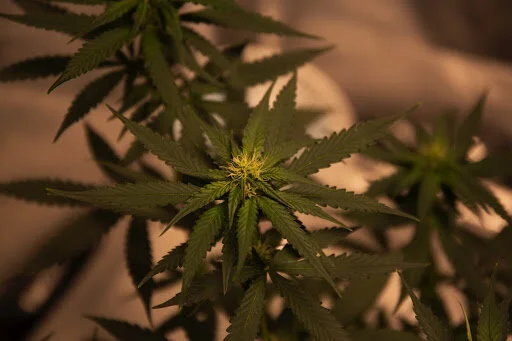
Cannabidiol is one of the prominent cannabinoids extracted from the marijuana and hemp plants from the same species- Cannabis Sativa. It is safe for you to consume CBD as its non-psychoactive in nature. You can purchase CBD Canada from various online dispensaries or your nearby local store.
There are numerous ways to consume CBD, each taking a different time to get absorbed in the bloodstream for you to experience the effects. As a beginner, feeling confused with the choices is normal. Take your time to figure out what suits you the best.
Read on to learn about five ways people consume CBD to release stress.
1) Tinctures:
Tinctures are made by soaking CBD-rich leaves in alcohol, then cooking on low flame for a few hours. Consuming tinctures after your meal or some high-fat snack would be ideal. It facilitates quick absorption into the bloodstream when taken sublingually i.e., putting a few drops of it under the tongue and holding it for 30 to 90 seconds before swallowing it.
A few added benefits of tinctures are convenience, a high shelf life, and various flavors, such as vanilla, strawberry, and chocolate. This disguises the otherwise nutty taste of CBD. You can adjust the dose by administering the number of drops you take.
Stress may, at times, interfere with your sleep patterns, keeping you awake till late. When taken regularly, CBD can help you sleep much better and reduce stress by not allowing unwanted thoughts to weigh you down.

2) Edibles:
When you infuse any food item with CBD, it is known as an edible. The CBD-infused edible market is brimming with extensive options for consumers, including treats such as CBD-infused chocolates, cookies, gummy bears, etc., and healthier alternatives to these sugary treats such as almonds, and protein bars. What’s more, you can prepare your CBD-infused snack at home as well.
As compared to tinctures, the timeframe for these edibles to show effect is longer, usually anywhere between 30 minutes to two hours. You can include CBD edibles in your stress management plan as they may help you unwind and relax. This relaxation induced by CBD depends upon the serotonin levels in your central nervous system.
3) Capsules:
If you’re a beginner, CBD capsules might be the ideal choice for you, because of how convenient they are. You can carry these small capsules wherever you want, and take them when required. They contain precise servings, so you do not need to worry about calculating your dosing. Moreover, you can easily avoid the herbal taste of CBD, as these capsules are usually flavorless. People accustomed to taking pills might find it very easy to include CBD in their daily routine.
You have to ingest these capsules containing CBD oil or gel orally. Taking them on an empty stomach might help speed up the effect. CBD interacts with the endocannabinoid receptors to maintain homeostasis in the body. It would take about 90 minutes for these capsules to show effect and make you feel considerably calm.
4) Vaping:
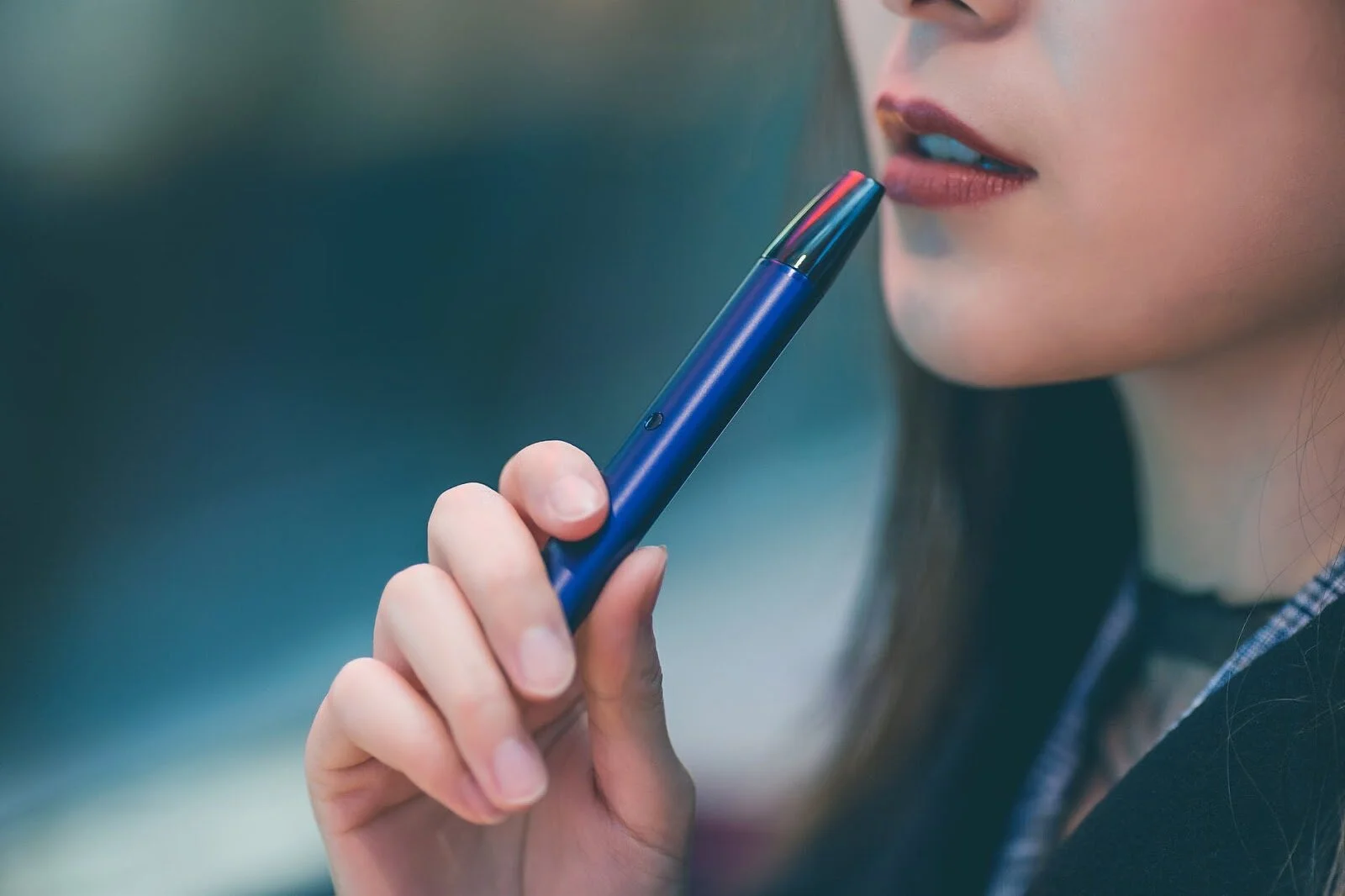
Vaping is becoming increasingly popular, especially amongst the young generation, as it is one of the quickest ways to feel the effects of CBD. A vape or vaporizer is an electronic device that heats CBD vape juice and produces vapor that is safe to inhale. They are available in different sizes, shapes, designs, and colors to meet your requirements. Though disposable vapes are available, you should invest in a quality vape. This one-time investment will benefit you for years at a stretch.
You can vape CBD oil, flowers, etc. with each of them giving you a slightly different experience. As vaping provides almost immediate relief to your body, it might be the perfect choice for you in situations of extreme stress or acute anxiety.
5) Isolate:
CBD isolate comes in crystalline solid or powder form and comprises pure CBD. Most of the other products contain some additional compounds like THC. For an isolate, the refinement process removes all the other cannabinoids, terpenes, and flavonoids, leaving behind 99% pure CBD in crystal form.
CBD isolate works well with a variety of consumption methods. You can infuse it into olive oil or drink it with liquids such as water, coffee, or juice. However, vaping would be the most efficient method to administer CBD isolate. Studies suggest that CBD can affect non-cannabinoid receptors, such as the 5-HTP serotonin receptor. This way, it may help you reduce anxiety and increase your sleep quality, two of the major consequences of stress.
Final thoughts:
Stress has become prevalent in today’s world. However, excessive stress can hamper your productivity and weigh you down. CBD can work wonders to ease this emotional and physical tension in your body. Instead of taking synthetic medicines, CBD can be an organic alternative to relieve the burden of your thoughts.
With so many ways to consume CBD, you need to choose a way that works best for you.
Reference Links:
https://thesleepdoctor.com/2017/08/10/understanding-cbd/ https://www.healthline.com/health/cbd-for-insomnia https://papaandbarkley.com/cbd-oil-for-sleep/

Sleep: Now More than Ever
Sleep: Now More than Ever
Guest Contribution by Susan Doktor
If you’re getting less sleep these days, you’re not alone. Extensive research demonstrates that depression and anxiety are among the leading causes of sleep problems. And with the advent of the coronavirus pandemic, a corollary anxiety pandemic is fast on its heels. The fear, human separation, and financial uncertainty that have accompanied the virus are taking their toll on our mental health and likely our sleep patterns, too.
But insomnia is hardly a new or uncommon phenomenon. As a nation, the US is getting less sleep now than we were a hundred years ago. Most of us will experience short bouts of it in our lifetimes but some 20% of Americans suffer from chronic sleep disorders that present with insomnia as a primary symptom.
Curing any disorder that causes insomnia is the ultimate goal of sleep specialists. But in the absence of a cure—or when insomnia is the disorder itself—insomnia sufferers can take many steps towards getting a better night’s sleep. Let’s take a look at some of the habits, techniques, and products that can help us fall asleep faster and sleep longer and deeper once we do.
Practice Meditation
Meditation is a simple, safe technique that’s available to everyone. It costs nothing and you can learn how to do it without leaving home. All of the “side effects’ associated with meditation are positive, including reduced inflammation, improved cognition, increased immune function, and more.

Focus on Comfort
Our bodies are dynamic. The sleep-related choices you made and habits you adopted years ago may not be serving you well right now. So take an inventory of your bedtime rituals and “equipment.” Perhaps you’ve been sleeping on the same mattress for a decade. The best mattress for your body may not be the one you’re sleeping on, now that you’ve aged ten years.

How do you know if it’s time for a change? While many mattresses carry longer warranties, experts recommend replacing your mattress every eight to ten years. Obvious sagging is one clue that your mattress is past its prime. If you suffer from allergies and they get worse at night, your mattress may be the culprit. And in general, if you wake with more pain than you went to sleep with, that’s a good reason to consider buying a new mattress.
If you’ve become a hot sleeper—which can happen due to changes in your age, your health, hormone fluctuations, or the medicines you take—it may be time to look into bedding products designed to keep you cool. Choose natural fibers for your sheets and pillows. You may also want to avoid sleeping on a memory foam mattress, which conforms more closely to your body and traps heat in your bed.
Avoid Substances that Can Disturb Sleep
It’s common sense to avoid using stimulants before going to bed. Coffee and cigarettes fall into that category, as do a host of dangerous illegal substances. But don’t imagine that a glass of wine is going to help you get the shut-eye you need, either. Alcohol may induce drowsiness initially but it disrupts circadian rhythms, prevents you from entering the REM phase of sleeping, and can aggravate breathing problems. Some prescription medications, including those commonly prescribed for hypertension and depression, can also adversely affect sleep. Before taking any medication, ask your physician whether it has the potential to keep you awake and whether you’re better off taking it in the daytime.
Get Some Exercise Every Day
Scientists continue to study the specific benefits that daily (and even occasional) exercise can bestow on insomniacs. Evidence strongly suggests that if you experience sleep apnea or other breathing-related sleep problem, exercise can reduce the severity of your symptoms. But like sleep, exercise has restorative powers of its own. Fit in into your routine and you’ll feel better throughout the day.
Shut it Down
The time we spend engaged with our electronic devices continues to grow. Our work has become more technology-driven. We’re spending more of our leisure time on social media. But the blue light emitted by computer and smartphone screens has been demonstrated to disrupt our sleep cycles, particularly when we’re exposed to it before bed time. You’ll sleep more if you surf less. And don’t just put your phone away. Turn it off. That way the dings that signal your night-owl friends’ Facebook posts won’t wake you either. Whatever it is, it can wait til morning.
Potential harms of chloroquine, hydroxychloroquine and azithromycin for treating COVID-19
April 8, 2020
Science Daily/Canadian Medical Association Journal
Chloroquine, hydroxychloroquine and azithromycin are being used to treat and prevent COVID-19 despite weak evidence for effectiveness, and physicians and patients should be aware of the drugs' potentially serious adverse events, states a review in CMAJ(Canadian Medical Association Journal).
"Physicians and patients should be aware of several rare but potentially life-threatening adverse effects of chloroquine and hydroxychloroquine," says Dr. David Juurlink, Division of Clinical Pharmacology and Toxicology, Sunnybrook Health Sciences Centre, and a senior scientist at ICES.
The review provides an overview of potential harms associated with these drugs as well as their management based on the best available evidence.
Potential adverse effects include:
Cardiac arrhythmias
Hypoglycemia
Neuropsychiatric effects, such as agitation, confusion, hallucinations and paranoia
Interactions with other drugs
Metabolic variability (some people metabolize chloroquine and hydroxychloroquine poorly and a small percentage metabolize them rapidly, which affects the response to treatment)
Overdose (chloroquine and hydroxychloroquine are highly toxic in overdose and can cause seizures, coma and cardiac arrest)
Drug shortages (patients with autoimmune disorders such as rheumatoid arthritis, lupus and other chronic diseases, who take hydroxychloroquine to treat these conditions could have problems accessing this drug)
The review summarizes the poor quality of evidence suggesting that these treatments might be beneficial in patients with COVID-19 and cautions that it is possible that these treatments could worsen the disease.
"Despite optimism (in some, even enthusiasm) for the potential of chloroquine or hydroxychloroquine in the treatment of COVID-19, little consideration has been given to the possibility that the drugs might negatively influence the course of disease," says Dr. Juurlink. "This is why we need a better evidence base before routinely using these drugs to treat patients with COVID-19."
"Safety considerations with chloroquine, hydroxychloroquine and azithromycin in the management of SARS-CoV-2 infection" is published April 8, 2020.
https://www.sciencedaily.com/releases/2020/04/200408125521.htm