
Scientists uncover SARS-CoV-2-specific T cell immunity in recovered COVID-19 and SARS patients
July 16, 2020
Science Daily/Duke-NUS Medical School
The T cells, along with antibodies, are an integral part of the human immune response against viral infections due to their ability to directly target and kill infected cells. A Singapore study has uncovered the presence of virus-specific T cell immunity in people who recovered from COVID-19 and SARS, as well as some healthy study subjects who had never been infected by either virus.
The study by scientists from Duke-NUS Medical School, in close collaboration with the National University of Singapore (NUS) Yong Loo Lin School of Medicine, Singapore General Hospital (SGH) and National Centre for Infectious Diseases (NCID) was published in Nature. The findings suggest infection and exposure to coronaviruses induces long-lasting memory T cells, which could help in the management of the current pandemic and in vaccine development against COVID-19.
The team tested subjects who recovered from COVID-19 and found the presence of SARS-CoV-2-specific T cells in all of them, which suggests that T cells play an important role in this infection. Importantly, the team showed that patients who recovered from SARS 17 years ago after the 2003 outbreak, still possess virus-specific memory T cells and displayed cross-immunity to SARS-CoV-2.
"Our team also tested uninfected healthy individuals and found SARS-CoV-2-specific T cells in more than 50 percent of them. This could be due to cross-reactive immunity obtained from exposure to other coronaviruses, such as those causing the common cold, or presently unknown animal coronaviruses. It is important to understand if this could explain why some individuals are able to better control the infection," said Professor Antonio Bertoletti, from Duke-NUS' Emerging Infectious Diseases (EID) programme, who is the corresponding author of this study.
Associate Professor Tan Yee Joo from the Department of Microbiology and Immunology at NUS Yong Loo Lin School of Medicine and Joint Senior Principal Investigator, Institute of Molecular and Cell Biology, A*STAR added, "We have also initiated follow-up studies on the COVID-19 recovered patients, to determine if their immunity as shown in their T cells persists over an extended period of time. This is very important for vaccine development and to answer the question about reinfection."
"While there have been many studies about SARS-CoV-2, there is still a lot we don't understand about the virus yet. What we do know is that T cells play an important role in the immune response against viral infections and should be assessed for their role in combating SARS-CoV-2, which has affected many people worldwide. Hopefully, our discovery will bring us a step closer to creating an effective vaccine," said Associate Professor Jenny Low, Senior Consultant, Department of Infectious Diseases, SGH, and Duke-NUS' EID programme.
"NCID was heartened by the tremendous support we received from many previous SARS patients for this study. Their contributions, 17 years after they were originally infected, helped us understand mechanisms for lasting immunity to SARS-like viruses, and their implications for developing better vaccines against COVID-19 and related viruses," said Dr Mark Chen I-Cheng, Head of the NCID Research Office.
The team will be conducting a larger study of exposed, uninfected subjects to examine whether T cells can protect against COVID-19 infection or alter the course of infection. They will also be exploring the potential therapeutic use of SARS-CoV-2-specific T cells.
https://www.sciencedaily.com/releases/2020/07/200716101536.htm
Earlier lockdown restrictions linked to greater reduction in new COVID-19 cases
Findings should help inform policies as countries prepare to impose or lift restrictions
July 15, 2020
Science Daily/BMJ
Physical distancing measures, such as closing schools, workplaces, and public transport, and restricting mass gatherings, are associated with a meaningful reduction in new covid-19 cases, finds a study published by The BMJ today.
The data, gathered from 149 countries and regions, also show that implementing lockdown restrictions earlier was associated with a greater reduction in new cases.
"These findings might support policy decisions as countries prepare to impose or lift physical distancing measures in current or future epidemic waves," say the researchers.
Without evidence for effective treatments or a successful vaccine for covid-19, physical distancing has been recommended to minimise transmission, and thus reduce risk for the most vulnerable in society.
Physical distancing also therefore reduces pressure on public health and healthcare services, and allows time for the prevention and management of the disease. But 'real-life' data on the effectiveness of physical distancing measures are scarce.
To address this evidence gap, a team of UK and US researchers set out to compare the change in new cases (incidence) of covid-19 before and up to 30 days after implementation of physical distancing measures in the early stages of the pandemic.
Their findings are based on daily reported cases of covid-19 for 149 countries or regions that implemented one or more of five physical distancing measures -- closures of schools, workplaces, and public transport, restrictions on mass gatherings and public events, and restrictions on people's movement within countries or regions ('lockdown') -- between 1 January and 30 May 2020.
On average, physical distancing measures were first implemented 9 days after the first reported case. However, some countries took longer to implement measures, including Thailand (58 days), Australia (51 days), Canada (46 days), Sri Lanka and the UK (45 days), Finland and Malaysia (42 days), and Cambodia, Sweden, and the US (40 days).
On average, implementation of any physical distancing measure was associated with an overall reduction in covid-19 incidence of 13% over the study period.
In combination with school and workplace closure, restriction on mass gatherings seemed to be a key component associated with a decrease in covid-19 incidence.
However, closure of public transport was not associated with any additional reduction in covid-19 incidence when the other four physical distancing measures were in place -- likely as a result of fewer people using public transport.
The data also show that earlier implementation of lockdown together with other physical distancing measures was associated with a larger reduction in the incidence of covid-19.
This is an evaluation of natural experiments using observational methods, so is limited in its ability to establish cause. The researchers also point to some other limitations, such as being unable to assess compliance with physical distancing or take account of other measures (like use of face coverings by the public and mobile phone apps for contact tracing and isolation) that might have helped reduce transmission, due to lack of suitable data.
However, this is a large study with a robust analytical approach, and the results were similar after testing a range of alternative approaches to analyses, suggesting that the primary findings are robust to alternative analytic scenarios.
Further research is needed to provide more definitive answers about the extent, intensity, combinations, and timing of physical distancing measures, they write.
The researchers suggest that as the pandemic continues to evolve, "it will be crucial to repeat and extend this analysis to assess the impacts of interventions in the longer term, as well as to study combinations and sequencing of the lifting of physical distancing restrictions."
This study provides important preliminary evidence for the effectiveness of physical distancing measures in controlling the covid-19 pandemic, says Thomas May at Washington State University, in a linked editorial.
But he warns that failures in testing practices and data collection in many countries means that caution is needed when interpreting the findings.
"We must be careful not to mislead or overplay politically convenient findings and risk violating the public trust necessary for an effective pandemic response," he writes.
He points out that calls for a coordinated, global public health infrastructure for a pandemic response have been growing for decades, and says "only by acknowledging our failures in systematic testing and data collection can we learn from our mistakes and avoid repeating them."
https://www.sciencedaily.com/releases/2020/07/200715190744.htm
Social distancing and COVID-19: A law of diminishing returns
Research finds distancing helps ease the burden on hospitals -- but only to a point
July 15, 2020
Science Daily/Washington University in St. Louis
The first case of the novel coronavirus, COVID-19, in the United States was in late January. By mid-March, "social distancing" had entered the public lexicon. People altered their routines and local jurisdictions suggested, urged, or required changes meant to slow the disease's spread.
By the end of June, however, public health officials and news outlets were talking about a second wave. In July, many states were pausing or reversing their plans to reopen while, for the second time, hospital systems worried about running out of room.
What could we have done better?
In an "editor's pick" paper published today in the journal Chaos of the American Institute of Physics, Washington University in St. Louis researchers in the lab of Rajan Chakrabarty, associate professor in the department of Energy, Environmental and Chemical Engineering at the McKelvey School of Engineering, modeled the interplay between the duration and intensity of social distancing. They found a law of diminishing returns, showing that longer periods of social distancing are not always more successful when it comes to slowing the spread, and that any strategy that involves social distancing requires other steps be taken in tandem.
"Conventional wisdom was, the more intense and long-term the social distancing, the more you will curb the disease spread," Chakrabarty said
"But that is true if you have social distancing implemented with contact tracing, isolation and testing. Without those, you will give rise to a second wave."
Added Payton Beeler, a second year doctoral student in Chakrabarty's lab, who also worked with Pai Liu, a postdoctoral fellow: "What we have found is that if social distancing is the only measure taken, it must be implemented extremely carefully in order for its benefits to be fully realized."
Their susceptible, exposed, infected, and recovered (SEIR) dynamics model used data gathered by Johns Hopkins University between March 18 and March 29, a period marked by a rapid surge in COVID-19 cases and the onset of social distancing in most US states. Calibrating their model using these datasets allowed the authors to analyze unbiased results that had not yet been affected by large-scale distancing in place.
Unique to this project was the use of age stratification; the model included details on how much people of different age groups interact, and how that affects the spread of transmission.
No matter what strategy they looked at, one thing was clear, Chakrabarty said: "Had social distancing been implemented earlier, we probably would've done a better job."
Researchers found that, over the short-term, more distancing and less hospital demand go hand in hand -- but only up to two weeks. After that, time spent distancing does not benefit hospital demand as much; society would have to increase social distancing time exponentially in order to see a linear decrease in hospital demand.
Thus the diminishing return: Society would see smaller and smaller benefits to hospital demand the longer it spent social distancing.
If social distancing "alone" is to be implemented longer than two weeks, a moderate shut down, say between 50-70%, could be more effective for the society than a stricter complete shut-down in yielding the largest reduction in medical demands.
Another strategy for flattening the curve involves acting intermittently, alternating between strict social distancing and no distancing to alleviate the strain on hospitals -- as well as some of the other strains on the economy and well-being imposed by longer-term distancing.
According to the model, the most efficient distancing- to- no-distancing ratio is 5 to 1; one day of no distancing for every five days at home. Had society acted in this way, hospital burden could have been reduced by 80%, Chakrabarty said. Exceeding this ratio, the model showed a diminishing return.
Critically, the researchers note that social distancing policy as a whole-of-government approach could not be successful without the implementation of wide-spread testing, contact tracing, and isolation of those found to be infected.
"And you have to do it aggressively," Chakrabarty said. "If you do not, what you're going to do, the moment you lift social distancing, is give rise to a second wave."
That's because the people who are leaving their homes after distancing themselves are, ostensibly, all susceptible to COVID-19.
"Bending the curve using social distancing alone is analogous to slowing down the front of a raging wildfire without extinguishing the glowing embers," said Chakrabarty, whose other line of research focuses on the impacts of wildfires on climate and health.
"They are waiting to start their own fires once the wind carries them away."
The model cannot inform strategies going forward because it used data collected in March, before any large-scale social distancing was implemented. But Chakrabarty said it may be able to inform our actions if we find ourselves in a similar situation in the future.
"Next time, we must act faster, and be more aggressive when it comes to contact tracing and testing and isolation," Chakrabarty said. "Or else this work was for nothing."
https://www.sciencedaily.com/releases/2020/07/200715160005.htm
Obesity and metabolic syndrome are risk factors for severe influenza, COVID-19
July 15, 2020
Science Daily/American Society for Microbiology
Metabolic syndrome increases the risk of severe disease from viral infection, according to a review of the literature performed by a team of researchers from St. Jude Graduate School of Biomedical Sciences and the University of Tennessee Health Science Center, both in Memphis. The research appears this week in the Journal of Virology, a publication of the American Society for Microbiology.
Metabolic syndrome is a cluster of at least 3 co-occurring conditions that raise the risk of heart disease, stroke and type 2 diabetes mellitus (T2DM). These conditions include excess abdominal fat, high blood pressure, excess blood sugar, abnormalities of lipids (including excess triglycerides and cholesterol), insulin resistance and a proinflammatory state.
Multiple studies have shown that obesity is associated with increased severity of influenza A, higher viral titers in exhaled breath and prolonged transmission of the virus, according to the report. Changes in the viral population may abet the emergence of more pathogenic influenza variants, according to the report. Despite the fact that influenza vaccines generate robust antibody titers in obese subjects, obesity doubles the likelihood of developing influenza.
As with influenza virus, the Centers for Disease Control and Prevention recently recognized obesity as a risk factor for severe illness caused by SARS-CoV-2. "This is not surprising because excess body weight and fat deposition apply pressure to the diaphragm, which further increases the difficulty of breathing during a viral infection," the researchers write.
But the risk goes beyond the burden of excess weight. A recent study highlighted in the literature review looked at 174 diabetes patients with confirmed cases of COVID-19. The study found that these patients were at significantly higher risk for severe pneumonia compared to non-diabetic COVID-19 patients. CT scans revealed a greater severity of lung abnormalities in these patients.
There was also a profound increase in serum IL-6 levels, a predictive biomarker for disease severity, the investigators write. These data imply that SARS-CoV-2 causes severe disease in obese patients and in those with T2DM by inducing bilateral pneumonia and a cytokine storm that damages the lung epithelial-endothelial barrier. (The epithelium lines surfaces exposed to the outer environment, such as the respiratory tract, the endothelium lines inner pathways such as those of the vasculature.)
However, one hypothetical risk for patients with T2DM who have hypertension or heart disease appears not to be a problem, after all, according to the report. These patients are commonly treated with angiotensin-converting enzyme (ACE) inhibitors or angiotensin receptor blockers (ARBs). These increase expression of ACE2, the receptor that SARS-CoV-2 uses to gain entry into cells.
Clinicians and researchers were initially concerned that ACE inhibitors and ARBs could promote adhesion and entry of SARS-CoV-2 into host cells, thereby increasing the risk of severe COVID-19. Contrary to concerns, multiple studies now suggest that ACE inhibitors and ARBs do not lead to poorer outcomes in COVID-19 infection.
"Future research should seek to [determine] how metabolic abnormalities increase viral pathogenesis, as this information will play an essential role in global preparedness against emerging seasonal and pandemic virus strains," the investigators conclude.
https://www.sciencedaily.com/releases/2020/07/200715131234.htm
Common FDA-approved drug may effectively neutralize virus that causes COVID-19
Heparin could be used as a decoy to prevent SARS-CoV-2 from infecting human cells
July 15, 2020
Science Daily/Rensselaer Polytechnic Institute
A common drug, already approved by the Food and Drug Administration (FDA), may also be a powerful tool in fighting COVID-19, according to research published this week in Antiviral Research.
SARS-CoV-2, the virus that causes COVID-19, uses a surface spike protein to latch onto human cells and initiate infection. But heparin, a blood thinner also available in non-anticoagulant varieties, binds tightly with the surface spike protein, potentially blocking the infection from happening. This makes it a decoy, which might be introduced into the body using a nasal spray or nebulizer and run interference to lower the odds of infection. Similar decoy strategies have already shown promise in curbing other viruses, including influenza A, Zika, and dengue.
"This approach could be used as an early intervention to reduce the infection among people who have tested positive, but aren't yet suffering symptoms. But we also see this as part of a larger antiviral strategy," said Robert Linhardt, lead author and a professor of chemistry and chemical biology at Rensselaer Polytechnic Institute. "Ultimately, we want a vaccine, but there are many ways to combat a virus, and as we've seen with HIV, with the right combination of therapies, we can control the disease until a vaccine is found."
To infect a cell, a virus must first latch onto a specific target on the cell surface, slice through the cell membrane, and insert its own genetic instructions, hijacking the cellular machinery within to produce replicas of the virus. But the virus could just as easily be persuaded to lock onto a decoy molecule, provided that molecule offers the same fit as the cellular target. Once bound to a decoy, the virus would be neutralized, unable to infect a cell or free itself, and would eventually degrade.
In humans, SARS-CoV-2 binds to an ACE2 receptor, and the researchers hypothesized that heparin would offer an equally attractive target. In a binding assay, the researchers found that heparin bound to the trimeric SARS-CoV-2 spike protein at 73 picomoles, a measure of the interaction between the two molecules.
"That's exceptional, extremely tight binding," said Jonathan Dordick, a chemical and biological engineering professor at Rensselaer who is collaborating with Linhardt to develop the decoy strategy. "It's hundreds of thousands of times tighter than a typical antibody antigen. Once it binds, it's not going to come off."
Internationally recognized for his creation of synthetic heparin, Linhardt said that, in reviewing sequencing data for SARS-CoV-2, the team recognized certain motifs on the spike protein and strongly suspected it would bind to heparin. In addition to the direct binding assay, the team tested how strongly three heparin variants -- including a non-anticoagulant low molecular weight heparin -- bind to SARS-CoV-2, and used computational modeling to determine the specific sites where the compounds bind to the virus. All the results confirm heparin as a promising candidate for the decoy strategy. The researchers have subsequently initiated work on assessments of antiviral activity and cytotoxicity in mammalian cells.
"This isn't the only virus that we're going to confront in a pandemic," Dordick said. "We don't really have great antivirals, but this is a pathway forward. We need to be in a position where we understand how things like heparin and related compounds can block virus entry."
In previous work, a team led by Linhardt and Dordick demonstrated the decoy strategy on viruses with a mechanism similar to SARS-CoV-2. In 2019, the team created a trap for dengue virus, attaching specific aptamers -- molecules the viral latches will bind to -- precisely to the tips and vertices of a five-pointed star made of folded DNA. Floating in the bloodstream, the trap lights up when sprung, creating the world's most sensitive test for mosquito-borne diseases. In work prior to that, they created a synthetic polymer configured to match the sialic acid latch points on influenza virus, reducing influenza A mortality in mice from 100% to 25% over 14 days.
"This innovative approach to effectively trapping virusus is a prime example of how biotechnology approaches developed at Rensselaer are being brought forward to address challenging global health problems," said Deepak Vashishth, the director of the Center for Biotechnology and Interdisciplinary Studies at Rensselaer, of which both Dordick and Linhardt are a part. "Professors Dordick and Linhardt have worked collaboratively across disciplines, and their research shows promise even beyond this current pandemic."
"Characterization of glycosaminoglycan and novel coronavirus (SARS-CoV-2) spike glycoprotein binding interactions" was published in Antiviral Research. At Rensselaer, Linhardt and Dordick were joined on the research by Fuming Zhang, and also by researchers at the University of California San Diego, Duke University, and the University of George, Athens with support from the National Institutes of Health.
https://www.sciencedaily.com/releases/2020/07/200715123203.htm
Researchers identify genetic factors that may influence COVID-19 susceptibility
July 15, 2020
Science Daily/Cleveland Clinic
A new Cleveland Clinic study has identified genetic factors that may influence susceptibility to COVID-19. Published today in BMC Medicine, the study findings could guide personalized treatment for COVID-19.
While the majority of confirmed COVID-19 cases result in mild symptoms, the virus does pose a serious threat to certain individuals. Morbidity and mortality rates rise dramatically with age and co-existing health conditions, such as cancer and cardiovascular disease. However, even young and otherwise healthy individuals have unpredictably experienced severe illness and death. These clinical observations suggest that genetic factors may influence COVID-19 disease susceptibility, but these factors remain largely unknown.
In this study, a team of researchers led by Feixiong Cheng, PhD, Genomic Medicine Institute, investigated genetic susceptibility to COVID-19 by examining DNA polymorphisms (variations in DNA sequences) in the ACE2 and TMPRSS2 genes. ACE2 and TMPRSS2 produce enzymes (ACE2 and TMPRSS2, respectively) that enable the virus to enter and infect human cells.
Looking at 81,000 human genomes from three genomic databases, they found 437 non-synonymous single-nucleotide variants in the protein-coding regions of ACE2 and TMPRSS2. They identified multiple potentially deleterious polymorphisms in both genes (63 in ACE2; 68 in TMPRSS2) that offer potential explanations for different genetic susceptibility to COVID-19 as well as for risk factors. Several ACE2 variants were found to be associated with cardiovascular and pulmonary conditions by potentially altering the angiotensinogen-ACE2. In addition, germline deleterious variants in the coding region of TMPRSS2, a key gene in prostate cancer, were found to occur in different cancer types, suggesting that oncogenic roles of TMPRSS2 may be linked to poor outcomes with COVID-19.
These findings demonstrate a possible association between ACE2 and TMPRSS2 polymorphisms and COVID-19 susceptibility, and indicate that a systematic investigation of the functional polymorphisms these variants among different populations could pave the way for precision medicine and personalized treatment strategies for COVID-19. However, all investigations in this study were performed in general populations, not with COVID-19 patient genetic data. Therefore, Dr. Cheng calls for a human genome initiative to validate his findings and to identify new clinically actionable variants to accelerate precision medicine for COVID-19.
"Because we currently have no approved drugs for COVID-19, repurposing already approved drugs could be an efficient and cost-effective approach to developing prevention and treatment strategies," Dr. Cheng said. "The more we know about the genetic factors influencing COVID-19 susceptibility, the better we will be able to determine the clinical efficacy of potential treatments."
https://www.sciencedaily.com/releases/2020/07/200715123153.htm
New research highlights increased loneliness in over-70s during COVID-19 pandemic
July 15, 2020
Science Daily/Trinity College Dublin
A joint report published by researchers at the Irish Longitudinal Study on Ageing (TILDA) and ALONE examines issues of loneliness and social isolation in older adults. The report offers fresh insight into the experiences of those over 70 who were advised to 'cocoon' as part of public health measures to curtail the spread of the COVID-19 virus. New data from ALONE which documents increased feelings of loneliness, anxiety and isolation in older adults throughout the pandemic, is compared with experiences of loneliness and isolation in older adults before the COVID-19 outbreak.
Previous research into this area has shown that strong social ties may protect people from emotional distress, cognitive decline, and physical disability, while loneliness and social isolation can cause harm to physical and psychological wellbeing. Both loneliness and social isolation have been strongly associated with poorer quality of life and other measures of well-being.
The TILDA study offers unique insights into the health, habits and experiences of older adults living in Ireland through its longitudinal research, examining a variety of key areas that affect older adults such as physical and mental health as well as economic and social factors. Research from TILDA highlights the prevalence of loneliness and social isolation in its nationally representative survey of participants which gives clear insight into the experiences of older people.
What does TILDA's research show prior to the pandemic?
Over 70% of TILDA participants reported that they never or rarely feel lonely; less than 25% feel lonely some of the time while just 5% reported feeling lonely often.
Of those living alone, 31% are rarely lonely, 32% sometimes lonely and 37% often lonely.
Of those living with others, 49% are least lonely, 30% sometimes and 21% often lonely.
Researchers point out that most older adults are not often lonely and appear quite resilient, while data from ALONE's helpline suggest that the COVID-19 pandemic has taken a toll on older people.
The rise of loneliness in a pandemic
Measures introduced to curb the spread of the COVID-19 virus, including physical distancing, and self-isolation particularly affected those over 70 who were 'cocooning'; disrupting daily routines and social interactions with friends and family. Following the outbreak of the virus, ALONE's Support and Telephone Befriending service continued remotely with volunteers calling and sending regular texts to older people with health and well-being tips and practical supports. Almost 500 smartphones were distributed to older adults with limited means of social interaction. Following an increase in calls for support, ALONE established a dedicated phoneline to provide help and services to vulnerable older adults who may have needed them. Report data from ALONE highlights increased feelings of loneliness and isolation amongst older people during the COVID-19 pandemic.
What does ALONE's research show?
The ALONE national support line has received 26,174 calls during the period: March 9th to July 5th, 2020.
55% of callers were from the over 70s, the cohort advised to 'cocoon'.
75% of callers to the helpline were living alone.
There has been an increase in callers who are putting off medical treatment or examination, including after falls.
ALONE has seen a rise in callers reporting negative emotions, including suicidal ideation during the pandemic.
Callers have most often requested support for their physical health, befriending, and emotional and mental health needs.
The data highlights that public health measures such as social distancing and cocooning to curb the spread of the virus has increased levels of loneliness and social isolation in older people. This may have a negative effect on the well-being of older adults and suggests that public policies should be developed to ensure that these issues are addressed. Researchers suspect that current physical distancing and social isolation measures will be most keenly felt by those who rely on community or church-based social participation and engagement.
A future research project led by TILDA in collaboration with ALONE will investigate and document the impact of the COVID-19 pandemic on the health and general well-being of older adults.
Professor Rose Anne Kenny, Principal Investigator of TILDA said:
''This collaborative report between ALONE and TILDA offers a unique perspective into how older adults have been affected by the COVID-19 pandemic. TILDA research shows that most older adults are not often lonely and highlights the resilience of older adults as they adapt to an ever-changing world. The world has witnessed how older adults have been disproportionately affected by the pandemic. ALONE's research provides front- line evidence that shows the true toll public health measures have had on older people with increased feelings of loneliness, anxiety and isolation. The impact of the pandemic is now being studied in the TILDA cohort and will be reported later this year. This will more precisely inform the impact of COVID-19 on loneliness and social isolation, and areas for policy intervention.''
Sean Moynihan, Chief Executive Officer of ALONE said:
''ALONE's coordinated National Response to the COVID-19 pandemic allowed us to respond with immediacy to the concerns newly emerging, and existing issues being elevated from older people. We worked to keep all our services operative through adaptation of their structures. The presence of this virus in society has further solidified existing issues while further alienating some older people, as we have seen extensive increases in loneliness through the isolation experienced from cocooning. We established a loneliness taskforce to ensure we were putting provisions in place to safeguard older people, presently, and into the future. Society needs to understand that loneliness can happen to anyone and can damage both your physical and mental health. It is distressing and we want to work towards breaking down this stigma. As Ireland's ageing population continues to develop, we must remember that there are several thousands of older people behind every percentage."
https://www.sciencedaily.com/releases/2020/07/200715111451.htm
New study shows SARS-CoV-2 viral load peaks in the early stages of disease
July 14, 2020
Science Daily/Elsevier
In a retrospective study, investigators from New York University Langone Health found that the quantity of SARS-CoV-2 (viral load) collected from patients in the emergency department is significantly higher in patients with fewer or milder symptoms who did not require hospitalization -- the opposite of what might be expected. Reporting in The American Journal of Pathology, published by Elsevier, they also found that a patient's history of cancer and cardiovascular disease is associated with higher viral loads even after adjusting for age.
The study was designed to determine possible associations between the viral load measured in patients positive for SARS-CoV-2 and their clinical parameters including severity of symptoms, hospital admission vs direct discharge, length of hospitalization, admission to the intensive care unit, length of need for oxygen support, and overall survival.
"It appears that the viral load peaks in the early stages of the disease. Although it is not associated with the duration of symptoms, their severity or outcome, it appears that the viral load is an important epidemiological surrogate marker of infectivity in mildly symptomatic and asymptomatic non-hospitalized patients, explained co-lead investigator Paolo Cotzia, MD, Assistant Professor, Department of Pathology, and Assistant Director, Center for Biospecimen Research and Development, NYU Langone Health, New York City, NY, USA.
"Whether the viral load in these patients stays the same or changes in later stages of the disease remains to be investigated and could provide further insights on the dynamics of viral replication."
Two hundred and five patients who visited the emergency department at a New York City tertiary care center with confirmed COVID-19 were included in the study. Nasopharyngeal samples were taken at the time of diagnosis. One hundred and sixty-five patients were discharged from the emergency department, and 40 patients were hospitalized. Non-hospitalized patients were younger overall, and other characteristics were similar across the group. The median duration from symptom onset to sample collection for the hospitalized group was five days compared with three days for the discharged patients.
Investigators found that the initial viral load was significantly lower in patients who required hospitalization compared to those who were discharged. The association remained significant even after adjustment for age, sex, race, body mass index, and other existing medical conditions. They also found that a higher viral load was associated with shorter duration of symptoms in all patients and was not associated with disease severity.
Co-lead investigator George Jour, MD, Assistant Professor, Department of Pathology and Department of Dermatology, Associate Director Molecular Pathology, NYU Langone Health, New York City, NY, USA, observed, "Another important finding of our study is that the initial nasopharyngeal viral load reflects the time from onset of symptoms and duration of symptoms. We found that higher viral loads are seen in mild rather than in severe disease because they appear to reflect the time lapsed from the onset of infection. Furthermore, higher viral loads correlate with the presence of cancer or cardiovascular diseases."
Although diagnostic viral load seems to have no prognostic utility for predicting outcomes from COVID-19, the investigators say it may be an important surrogate marker in mildly symptomatic, non-hospitalized patients. Their results support the concept that such patients may represent important sources of the virus. "Our study should increase awareness and should prompt the adherence to strict recommendation of social distancing and mask usage to avoid transmission," the investigators concluded.
https://www.sciencedaily.com/releases/2020/07/200714101257.htm
COVID-19 may attack patients' central nervous system
Researcher says depressed mood and anxiety may be symptoms of a COVID-19 impact on the brain
July 14, 2020
Science Daily/University of Cincinnati
Depressed mood or anxiety exhibited in COVID-19 patients may possibly be a sign the virus affects the central nervous system, according to an international study led by a University of Cincinnati College of Medicine researcher.
These two psychological symptoms were most closely associated with a loss of smell and taste rather than the more severe indicators of the novel coronavirus such as shortness of breath, cough or fever, according to the study.
"If you had asked me why would I be depressed or anxious when I am COVID positive, I would say it is because my symptoms are severe and I have shortness of breath or I can't breathe or I have symptoms such as cough or high fever," says Ahmad Sedaghat, MD, PhD, an associate professor and director of rhinology, allergy and anterior skull base surgery, in the UC College of Medicine's Department of Otolaryngology-Head and Neck Surgery.
"None of these symptoms that portended morbidity or mortality was associated with how depressed or anxious these patients were," explains Sedaghat, also a UC Health physician specializing in diseases of the nose and sinuses. "The only element of COVID-19 that was associated with depressed mood and anxiety was the severity of patients' loss of smell and taste. This is an unexpected and shocking result."
Sedaghat conducted a prospective, cross-sectional telephone questionnaire study which examined characteristics and symptoms of 114 patients who were diagnosed with COVID-19 over a six-week period at Kantonsspital Aarau in Aarau, Switzerland. Severity of the loss of smell or taste, nasal obstruction, excessive mucus production, fever, cough and shortness of breath during COVID-19 were assessed. The findings of the study are available online in The Laryngoscope.
First author of the study is Marlene M. Speth, MD, and other co-authors include Thirza Singer-Cornelius, MD; Michael Oberle, PhD; Isabelle Gengler, MD; and Steffi Brockmeier, MD.
At the time of enrollment in the study, when participants were experiencing COVID-19, 47.4% of participants reported at least several days of depressed mood per week while 21.1% reported depressed mood nearly every day. In terms of severity, 44.7% of participants reported expressing mild anxiety while 10.5% reported severe anxiety.
"The unexpected finding that the potentially least worrisome symptoms of COVID-19 may be causing the greatest degree of psychological distress could potentially tell us something about the disease," says Sedaghat. "We think our findings suggest the possibility that psychological distress in the form of depressed mood or anxiety may reflect the penetration of SARS-CoV-2, the virus that causes COVID-19, into the central nervous system."
Sedaghat says researchers have long thought that the olfactory tract may be the primary way that coronaviruses enter the central nervous system. There was evidence of this with SARS, or severe acute respiratory syndrome, a viral illness that first emerged in China in November 2002 and spread through international travel to 29 countries. Studies using mouse models of that virus have shown that the olfactory tract, or the pathway for communication of odors from the nose to the brain, was a gateway into the central nervous system and infection of the brain.
advertisement
"These symptoms of psychological distress, such as depressed mood and anxiety are central nervous system symptoms if they are associated only with how diminished is your sense of smell," says Sedaghat. "This may indicate that the virus is infecting olfactory neurons, decreasing the sense of smell, and then using the olfactory tract to enter the central nervous symptom."
Infrequent but severe central nervous system symptoms of COVID-19 such as seizures or altered mental status have been described, but depressed mood and anxiety may be the considerably more common but milder central nervous symptom of COVID-19, explains Sedaghat.
"There may be more central nervous system penetration of the virus than we think based on the prevalence of olfaction-associated depressed mood and anxiety and this really opens up doors for future investigations to look at how the virus may interact with the central nervous system," says Sedaghat.
For the cross-sectional telephone questionnaire study: The two-item Patient Health Question (PHQ-2) and the two-item Generalized Anxiety Disorder questionnaire (GAD-2) were used to measure depressed mood and anxiety level, respectively during COVID-19 and for participants' baseline pre-COVID-19 state.
https://www.sciencedaily.com/releases/2020/07/200714144739.htm
6 Reasons To Fall In Love With CBD
Guest post, Grace Hawkins
Ever since industrial hemp got legalized, there's been a significant influx of CBD (cannabidiol) products in the market. The industry is approximately worth more than a billion dollars and is still on a substantial rise. Online stores and convenience stores have already started selling CBD in various types and forms.
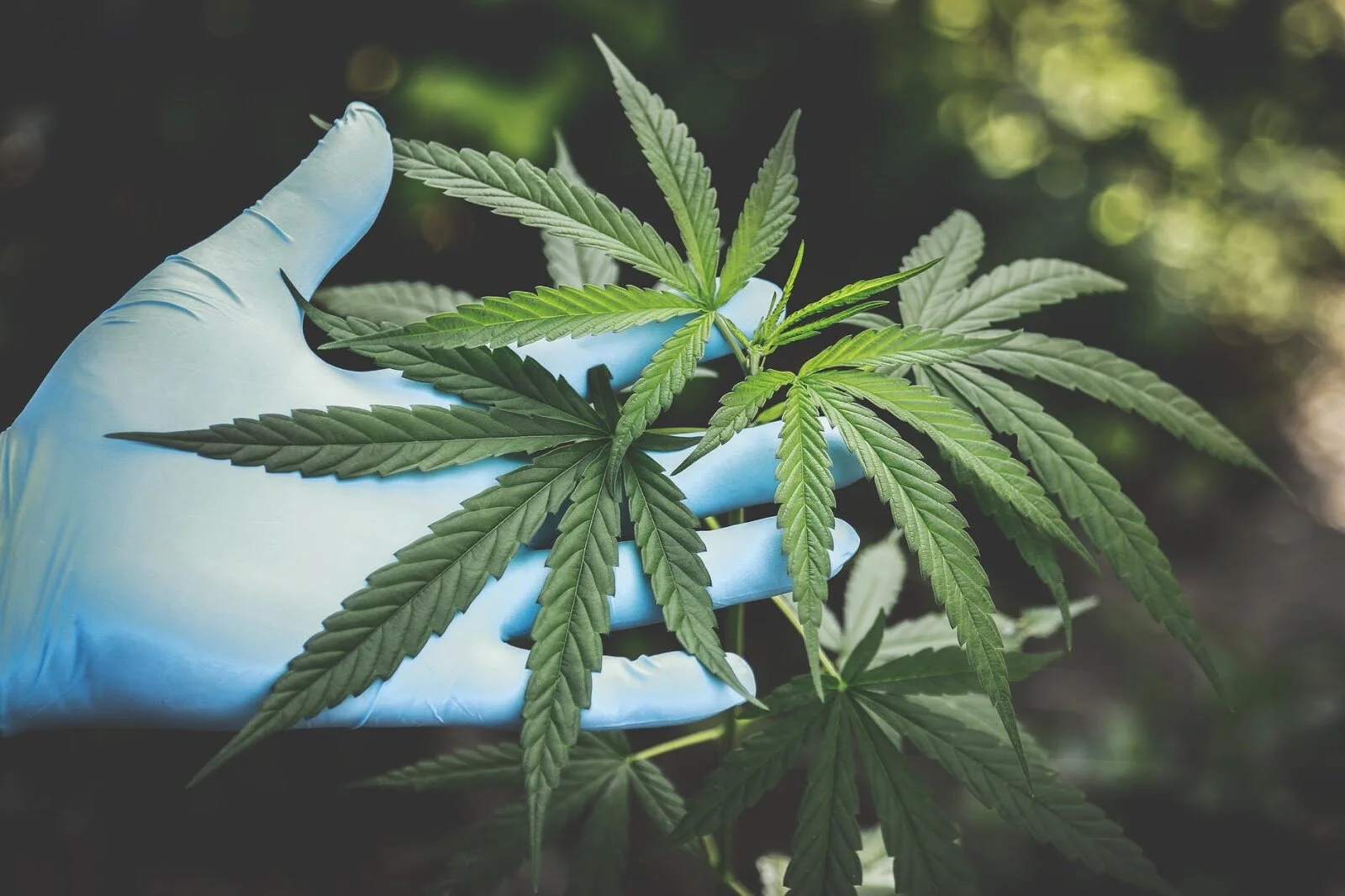
The Brightfield Research group has estimated that CBD markets are expected to have a 57% annual growth. Medical cannabis is facing acceptance and appreciation from the pharmaceutical industry. Medical professionals have discovered that CBD can naturally treat chronic pain, inflammation, epileptic seizures, and several other conditions. A survey from the Brightfield Group concluded that 42% of respondents turned to CBD products, and have stopped using pharmaceutical drugs or medication. The FDA has approved Epidiolex, a first-ever cannabis-derived drug for treating rare forms of epilepsy. Let us talk about the reason why you should consider falling in love with CBD.
1. Research Shows Promising Results
Research in the field of cannabidiol has gone through numerous trials and studies. Fortunately, the research has shown positive results. In 2017, the World Health Organization stated that CBD's pure state is well-tolerated by humans and animals. There are currently no risks and chances of physical dependence. Research shows a lot of encouraging results; therefore, the hype for CBD has reached another level. It might prove to be useful, especially on matters regarding epilepsy. It's always advisable to check in with your doctor before replacing any of your medication with CBD.
2. Can Alleviate Chronic Pain
CBD affects ECS minutely. Instead, it activates or transforms other compounds present in the endocannabinoid system. If our body produces increased amounts of amandine, a compound responsible for regulating pain, it may reduce pain intensity. Studies have suggested that CBD can be used to treat chronic pain and inflammation. In 2017, the Health and Medical Division of US National Academies concluded that CBD is effective for neuropathic pain in adults and improves sclerosis spasticity symptoms.

3. Can Improve Sleep Cycle
If you have insomnia, here's some good news for you. People consuming CBD have reported improvement in their sleep cycle when consumed an hour before bedtime. Therefore, it promotes a relaxing goodnight sleep. CBD is an excellent muscle relaxer as well. If your chronic pain keeps you awake at night, the best way to deal with the issues is by going for CBD edibles before bed. *Weed online canada Retailers can give you a greater insight into what options are available for consumption.
(*This is not an endorsement by AV Stim, LLC implied or otherwise.)
4. Its Legal Status
For decades, all varieties of the cannabis plant have been considered Schedule I Substance. This means that they have high chances of abuse and no medical use. Substances with higher levels of THC are still illegal in the US. However, derivatives of the hemp plants have been legalized in many places. According to the Farm Bill of 2018, CBD containing a maximum of 0.3% of THC has been nationally legalized. Businesses have started selling as well as in many local stores. The ways of consumption vary from CBD edibles to oils and supplements.
5. Safe For Pets
Another quality of CBD is that it's safe for animals. Like humans, all animals have an endocannabinoid system. This system ensures that the cell receptors accept the benefits of CBD. It means that you and your pets can safely consume this natural remedy. Research has shown that CBD has helped alleviate symptoms of anxiety, insomnia, and osteoarthritis in their pets.
6. Reduced Mental Issues
In recent times, CBD has drawn increasing interest as a treatment for many neuropsychology disorders. Fear and anxiety are natural responses that are necessary to cope with survival threats. But the excessive presence of concern can be a disability. According to studies, CBD shows positive results for curbing anxiety. Other than that, active research is being conducted, and experiments have suggested that it may decrease symptoms of schizophrenia. CBD is also considered to be useful for PTSD, insomnia, and depression. It can be a great muscle relaxed as well. Those wanting to vape CBD can visit authorized smoke shop supplies retailers and reap all benefits.
Conclusion
That's not all; it even shows promise to cure addiction among people. Since the benefits are immense, it has been positively received by the public. The CBD market is continuing to grow and has received great reviews from users. There's been an influx of CBD products in various forms, such as oils, bath bombs, edibles, supplements, dog treats, etc. The future of this industry is undoubtedly bright.
Engineered llama antibodies neutralize COVID-19 virus
July 13, 2020
Science Daily/The Rosalind Franklin Institute
Antibodies derived from llamas have been shown to neutralise the SARS-CoV-2 virus in lab tests, UK researchers announced today.
The team involves researchers from the Rosalind Franklin Institute, Oxford University, Diamond Light Source and Public Health England. They hope the antibodies -- known as nanobodies due to their small size -- could eventually be developed as a treatment for patients with severe COVID-19. The peer reviewed findings are published in Nature Structural & Molecular Biology.
Llamas, camels and alpacas naturally produce quantities of small antibodies with a simpler structure, that can be turned into nanobodies. The team engineered their new nanobodies using a collection of antibodies taken from llama blood cells. They have shown that the nanobodies bind tightly to the spike protein of the SARS-CoV-2 virus, blocking it from entering human cells and stopping infection.
Using advanced imaging with X-rays and electrons at Diamond Light Source and Oxford University, the team also identified that the nanobodies bind to the spike protein in a new and different way to other antibodies already discovered.
There is currently no cure or vaccine for COVID-19. However, transfusion of critically ill patients with serum from convalesced individuals, which contain human antibodies against the virus, has been shown to greatly improve clinical outcome. This process, known as passive immunisation, has been used for over 100 years, but it is not straightforward to identify the right individuals with the right antibodies and to give such a blood product safely. A lab-based product which can be made on demand would have considerable advantages and could be used earlier in the disease where it is likely to be more effective.
Professor James Naismith, Director of The Rosalind Franklin Institute and Professor of Structural Biology at Oxford University said: "These nanobodies have the potential to be used in a similar way to convalescent serum, effectively stopping progression of the virus in patients who are ill. We were able to combine one of the nanobodies with a human antibody and show the combination was even more powerful than either alone. Combinations are particularly useful since the virus has to change multiple things at the same time to escape; this is very hard for the virus to do. The nanobodies also have potential as a powerful diagnostic."
Professor Ray Owens from Oxford University, who leads the nanobody program at the Franklin, said: "This research is a great example of team work in science, as we have created, analysed and tested the nanobodies in 12 weeks. This has seen the team carry out experiments in just a few days, that would typically take months to complete. We are hopeful that we can push this breakthrough on into pre-clinical trials."
Professor David Stuart, from Diamond Light Source and Oxford University said: "The electron microscopy structures showed us that the three nanobodies can bind to the virus spike, essentially covering up the portions that the virus uses to enter human cells."
The team started from a lab-based library of llama antibodies. They are now screening antibodies from Fifi, one of the 'Franklin llamas' based at the University of Reading, taken after she was immunised with harmless purified virus proteins.
The team are investigating preliminary results which show that Fifi's immune system has produced different antibodies from those already identified, which will enable cocktails of nanobodies to be tested against the virus.
The Rosalind Franklin Institute is a new research institute funded through UK Research and Innovation's Engineering and Physical Sciences Research Council. The Franklin is leading the UK's work in the innovative field of nanobodies, whose tiny size and specificity make them perfect tools for scientific research, usually used to stabilise proteins for imaging. The Institute is named for the researcher Rosalind Franklin, who was born 100 years ago this year. Although famous for her contribution to the discovery of DNA, Franklin's later career turned to imaging virus structures, including polio.
Professor Naismith said: "2020 marks the centenary of Franklin's birth. As an institute named for a pioneer of biological imaging, we are proud to follow in her footsteps and continue her work in viruses, applied here to an unprecedented global pandemic. Franklin's work transformed biology, and our projects aspire to that same transformational effect."
https://www.sciencedaily.com/releases/2020/07/200713104334.htm
Pickled capers activate proteins important for human brain and heart health
New study reveals how a compound found in capers regulates proteins that control important bodily processes
July 13, 2020
Science Daily/University of California - Irvine
A compound commonly found in pickled capers has been shown to activate proteins required for normal human brain and heart activity, and may even lead to future therapies for the treatment of epilepsy and abnormal heart rhythms.
Researchers from the University of California, Irvine School of Medicine have discovered that a compound named quercetin, commonly consumed when eating capers, can directly regulate proteins required for bodily processes such as the heartbeat, thought, muscular contraction, and normal functioning of the thyroid, pancreas and gastrointestinal tract.
Published in Communications Biology, the discovery was made by the laboratory of Geoffrey Abbott, PhD, a professor in the Department of Physiology and Biophysics at the University of California, Irvine School of Medicine. Kaitlyn Redford, a graduate student in the Abbott Lab, was first author of the study titled, "The ubiquitous flavonoid quercetin is an atypical KCNQ potassium channel activator."
The Abbott Lab found that quercetin, a plant-derived bioflavonoid, modulates potassium ion channels in the KCNQ gene family. These channels are highly influential in human health and their dysfunction is linked to several common human diseases, including diabetes, cardiac arrhythmia, and epilepsy.
The study revealed that quercetin modulates the KCNQ channels by directly regulating how they sense electrical activity in the cell, suggesting a previously unexpected mechanism for the therapeutic properties of capers. The mechanism may extend to other quercetin-rich foods in our diet, and quercetin-based nutritional supplements.
"Now that we understand how quercetin controls KCNQ channels," said Abbott, "future medicinal chemistry studies can be pursued to create and optimize quercetin-related small molecules for potential use as therapeutic drugs."
The Abbott Lab screened plant extracts for the ability to alter activity of KCNQ channels and found that one percent extract of pickled capers activated channels important for normal human brain and heart activity. Further studies revealed the molecular mechanism -- quercetin from the caper extract binds to a region of the KCNQ channel required for responding to electrical activity, and in doing so, tricks the channel into opening when it would normally be closed.
"Increasing the activity of KCNQ channels in different parts of the body is potentially highly beneficial," said Abbott. "Synthetic drugs that do this have been used to treat epilepsy and show promise in preventing abnormal heart rhythms."
Archaeological evidence for human caper consumption dates back as far as 10,000 years, according to archaeological findings from Mesolithic soil deposits in Syria and late Stone Age cave dwellings in the Greece and Israel. Capers have traditional been used as folk medicine for hundreds if not thousands of years and are in current use or study for their potential as anti-cancer, anti-diabetic and anti-inflammatory properties, and their possible circulatory and gastrointestinal benefits.
https://www.sciencedaily.com/releases/2020/07/200713144415.htm
People with high cholesterol should eliminate carbs, not saturated fat
July 6, 2020
Science Daily/University of South Florida (USF Innovation)
For decades, people diagnosed with familial hypercholesterolemia have been instructed to minimize their consumption of saturated fats to lower cholesterol and reduce their risks of heart disease. But a new study published in the journal BMJ Evidence-Based Medicine found no evidence to support those claims.
Familial hypercholesterolemia is a genetic disorder that causes people to have cholesterol levels 2-4 times higher than the average person. Organizations, including the American Heart Association, have suggested they avoid eating food from animal sources, such as meat, eggs and cheese, and to avoid coconut oil. An international team of experts on heart disease and diet, including five cardiologists, reviewed dietary guidelines for people with familial hypercholesterolemia. They say they couldn't find any justification for health experts to recommend a low saturated fat diet.
"For the past 80 years, people with familial hypercholesterolemia have been told to lower their cholesterol with a low saturated fat diet," said lead author David Diamond, professor and heart disease researcher at the University of South Florida. "Our study showed that a more 'heart healthy' diet is one low in sugar, not saturated fat."
Diamond and his co-authors say following a low-carb diet is most effective for people at increased risk of heart disease, such as those who are overweight, hypertensive and diabetic. Their findings are consistent with another paper recently published in the "Journal of the American College of Cardiology," which provided strong evidence that food that raises blood sugar, such as bread, potatoes and sweets, should be minimized, rather than tropical oils and animal-based food.
https://www.sciencedaily.com/releases/2020/07/200706113955.htm
Marijuana use while pregnant boosts risk of children's sleep problems
Negative effects seen as much as a decade later
July 2, 2020
Science Daily/University of Colorado at Boulder
As many as 7% of moms-to-be use marijuana while pregnant, and that number is rising fast as more use it to quell morning sickness. But new research suggests such use could have a lasting impact on the fetal brain, influencing children's sleep for as much as a decade.
Use marijuana while pregnant, and your child is more likely to suffer sleep problems as much as a decade later, according to a new University of Colorado Boulder study of nearly 12,000 youth.
Published in Sleep Health: The Journal of The National Sleep Foundation, the paper is the latest to link prenatal cannabis use to developmental problems in children and the first to suggest it may impact sleep cycles long-term.
It comes at a time when -- while the number of pregnant women drinking alcohol and smoking cigarettes has declined in the United States -- It has risen to 7% of all pregnant women as legalization spreads and more dispensaries recommend it for morning sickness.
"As a society, it took us a while to understand that smoking and drinking alcohol are not advisable during pregnancy, but it is now seen as common sense," said senior author John Hewitt, director of the Institute for Behavioral Genetics at CU Boulder. "Studies like this suggest that it is prudent to extend that common sense advice to cannabis, even if use is now legal."
A landmark study
For the study, Hewitt and lead author Evan Winiger analyzed baseline data from the landmark Adolescent Brain and Cognitive Development (ABCD) study, which is following 11,875 youth from age 9 or 10 into early adulthood.
As part of an exhaustive questionnaire upon intake, participants' mothers were asked if they had ever used marijuana while pregnant and how frequently. (The study did not assess whether they used edibles or smoked pot). The mothers were also asked to fill out a survey regarding their child's sleep patterns, assessing 26 different items ranging from how easily they fell asleep and how long they slept to whether they snored or woke up frequently in the night and how sleepy they were during the day.
About 700 moms reported using marijuana while pregnant. Of those, 184 used it daily and 262 used twice or more daily.
After controlling for a host of other factors, including the mother's education, parent marital status and family income and race, a clear pattern emerged.
"Mothers who said they had used cannabis while pregnant were significantly more likely to report their children having clinical sleep problems," said Winiger, a graduate student in the Department of Psychology and Neuroscience.
Those who used marijuana frequently were more likely to report somnolence symptoms (symptoms of excess sleepiness) in their children, such as trouble waking in the morning and being excessively tired during the day.
The authors note that, while their sample size is large, the study has some limitations.
"We are asking mothers to remember if they smoked marijuana 10 years ago and to admit to a behavior that is frowned upon," said Winiger, suggesting actual rates of prenatal use may have been higher.
While the study doesn't prove that using cannabis while pregnant causes sleep problems, it builds on a small but growing body of evidence pointing to a link.
For instance, one small study found that children who had been exposed to marijuana in-utero woke up more in the night and had lower sleep quality at age 3. Another found that prenatal cannabis use impacted sleep in infancy.
And, in other previous work, Hewitt, Winiger and colleagues found that teenagers who frequently smoked marijuana were more likely to develop insomnia in adulthood.
The fetal brain on THC
Researchers aren't sure exactly how cannabis exposure during vulnerable developmental times might shape future sleep. But studies in animals suggest that THC and other so-called cannabinoids, the active ingredients in pot, attach to CB1 receptors in the developing brain, influencing regions that regulate sleep. The ABCD study, which is taking frequent brain scans of participants as they age, should provide more answers, they said.
Meantime, mothers-to-be should be wary of dispensaries billing weed as an antidote for morning sickness. According to CU research, about 70% of Colorado dispensaries recommend it for that use. But mounting evidence points to potential harms, including low birth weight and later cognitive problems. With marijuana on the market today including far higher THC levels than it did a decade ago, it's impacts on the fetal brain are likely more profound than they once were.
"This study is one more example of why pregnant women are advised to avoid substance use, including cannabis," said Hewitt. "For their children, it could have long-term consequences."
https://www.sciencedaily.com/releases/2020/07/200702153700.htm
Medicinal cannabis may reduce behavioral problems in kids with intellectual disabilities
June 24, 2020
Science Daily/Murdoch Childrens Research Institute
Cannabidiol, a type of medicinal cannabis, may reduce severe behavioural problems in children and adolescents with an intellectual disability a new study has found.
The pilot study, led by the Murdoch Children's Research Institute (MCRI) and published in the British Journal of Clinical Pharmacology, recorded a clinically significant change in participants' irritability, aggression, self-injury, and yelling. The intervention was also found to be safe and well-tolerated by most study participants.
The randomised controlled trial involved eight participants, aged 8-16, years who took either cannabidiol or a placebo over eight weeks. Participants were recruited from paediatric clinics from both hospital and private paediatric practices.
Although the pilot study was not large enough to make definitive statements, the early findings strongly support a larger follow-up trial. Only a large scale randomised controlled trial can produce the definitive results necessary to drive changes in prescribing and clinical care guidelines. The researchers are planning a large study to definitively test the findings.
The researchers are also seeking funding for further research into the effectiveness of medicinal cannabis in children with developmental disorders such as autism and Tourette syndrome.
Associate Professor Daryl Efron, a clinician-scientist at MCRI who led the study, said this was the first investigation of cannabidiol to manage severe behavioural problems in children and adolescents with an intellectual disability. Most of the participants also had autism.
The study found the medication was generally well-tolerated and there were no serious side effects reported. All parents reported they would recommend the study to families with children with similar problems.
Associate Professor Efron said severe behavioural problems such as irritability, aggression and self-injury in children and adolescents with an intellectual disability were a major contributor to functional impairments, missed learning opportunities and reduced quality of life.
He said conventional psychotropic medications, including anti-psychotics and anti-depressants, were prescribed by Australian paediatricians for almost half of young people with an intellectual disability, despite limited evidence of their effectiveness. Given how extremely difficult behavioural problems were to treat in these patients, new, safer interventions were needed to treat this highly vulnerable patient group, he said.
"Current medications carry a high risk of side-effects, with vulnerable people with intellectual disability being less able to report side-effects," he said. "Common side-effects of antipsychotics, such as weight gain and metabolic syndrome, have huge health effects for a patient group already at increased risk of chronic illness."
Cannabidiol is already being used increasingly to manage a range of medical and psychiatric conditions in adults and epilepsy in children.
Associate Professor Efron said there was intense interest from parents and physicians in medicinal cannabis as a treatment for severe behavioural problems in youth with an intellectual disability.
"Parents of children with an intellectual disability and severe behavioural problems are increasingly asking paediatricians whether they can access medicinal cannabis for their child and some parents have reported giving unregulated cannabis products to their children," he said.
"We are also finding many physicians feel unprepared to have these conversations with their patients." Researchers from The Royal Children's Hospital, the University of Melbourne and Monash University also contributed to the study.
https://www.sciencedaily.com/releases/2020/06/200624100039.htm
Marijuana concentrates spike THC levels but don't boost impairment
June 10, 2020
Science Daily/University of Colorado at Boulder
A study of 121 regular users of legal market cannabis found that higher potency does not necessarily mean greater intoxication. It also found that while balance and memory are impaired immediately after use, that impairment fades within in an hour.
Smoking high-potency marijuana concentrates boosts blood levels of THC more than twice as much as smoking conventional weed, but it doesn't necessarily get you higher, according to a new study of regular users published today by University of Colorado Boulder researchers.
"Surprisingly, we found that potency did not track with intoxication levels," said lead author Cinnamon Bidwell, an assistant professor in the Institute of Cognitive Science. "While we saw striking differences in blood levels between the two groups, they were similarly impaired."
The paper, published June 10 in JAMA Psychiatry, is the first to assess the acute impact of cannabis among real-world users of legal market products. It could inform everything from roadside sobriety tests to decisions about personal recreational or medicinal use.
But the study also raises concerns that using concentrates could unnecessarily put people at greater long-term risk of side-effects.
"It raises a lot of questions about how quickly the body builds up tolerance to cannabis and whether people might be able to achieve desired results at lower doses," said Bidwell.
While 33 states have legalized medicinal marijuana use, and 11 have legalized recreational use, both uses remain illegal at the federal level. Researchers are also prohibited from handling or administering marijuana. Some previous studies have used strains supplied by the government, but those strains contain far less THC than real-world products.
In order to study what people really use, Bidwell and her colleagues utilize two white Dodge Sprinter vans, also known as the "cannavans," as mobile laboratories. They drive the vans to the residences of study subjects who use cannabis they purchase on their own inside their homes and then walk out for tests.
"We cannot bring legal market cannabis into a university lab, but we can bring the mobile lab to the people," she said.
For the current study, the team assessed 121 regular cannabis users. Half typically used concentrates (oils and waxes that include the active ingredients without the leaves and stems). The other half typically used flower from the plant. Flower users purchased a product containing either 16% or 24% [tetrahydrocannabinol (THC)], the main psychoactive ingredient in marijuana. Concentrate users were assigned to a product containing either 70% or 90% THC.
On test day, researchers drew the subjects' blood, measured their mood and intoxication level and assessed their cognitive function and balance at three time points: before, directly after and one hour after they used.
Those who used concentrates had much higher THC levels at all three points, with levels spiking to 1,016 micrograms per milliliter in the few minutes after use, while flower users spiked at 455 micrograms per milliliter. (Previous studies have shown that THC levels hover around 160 to 380 micrograms per milliliter after marijuana use).
Regardless of what type or potency of cannabis participants used, their self-reports of intoxication, or "feeling high," were remarkably similar, as were their measures of balance and cognitive impairment.
"People in the high concentration group were much less compromised than we thought they were going to be," said coauthor Kent Hutchison, a professor of psychology and neuroscience at CU Boulder who also studies alcohol addiction. "If we gave people that high a concentration of alcohol it would have been a different story."
The study also found that, among all users, balance was about 11% worse after using cannabis, and memory was compromised. But within about an hour, that impairment faded.
"This could be used to develop a roadside test, or even to help people make personal decisions," said Bidwell.
The researchers aren't sure how the concentrate group could have such high THC levels without greater intoxication, but they suspect a few things are at play: Regular users of concentrates likely develop a tolerance over time. There may be genetic or biological differences that make some people metabolize THC more quickly. And it may be that once compounds in marijuana, called cannabinoids, fill receptors in the brain that spark intoxication, additional cannabinoids have little impact.
"Cannabinoid receptors may become saturated with THC at higher levels, beyond which there is a diminishing effect of additional THC," they write.
The authors caution that the study examined regular users who have learned to meter their use based on the desired effect, and does not apply to inexperienced users. Those users should still be extremely cautious with concentrates, said Hutchison.
Ultimately, the researchers hope to learn what, if any, long-term health risks concentrates truly pose.
"Does long-term, concentrated exposure mess with your cannabinoid receptors in a way that could have long-term repercussions? Does it make it harder to quit when you want to?" said Hutchison. "We just don't know yet."
https://www.sciencedaily.com/releases/2020/06/200610135016.htm
Cannabis temporarily relieves PTSD symptoms
June 9, 2020
Science Daily/Washington State University
People suffering from post-traumatic distress disorder report that cannabis reduces the severity of their symptoms by more than half, at least in the short term, according to a recent study led by Carrie Cuttler, a Washington State University assistant professor of psychology.
Cuttler and her colleagues analyzed data of more than 400 people who tracked changes in their PTSD symptoms before and after cannabis use with Strainprint, an app developed to help users learn what types of medical cannabis work best for their symptoms. The group collectively used the app more than 11,000 times over a 31-month period.
The study, recently published in Journal of Affective Disorders, shows cannabis reduced the severity of intrusions, returning thoughts of a traumatic event, by about 62%; flashbacks by 51%, irritability by 67%, and anxiety by 57%. The symptom reductions were not permanent, however.
"The study suggests that cannabis does reduce symptoms of PTSD acutely, but it might not have longer term beneficial effects on the underlying condition," said Cuttler. "Working with this model, it seems that cannabis will temporarily mask symptoms, acting as a bit of a band aid, but once the period of intoxication wears off, the symptoms can return."
PTSD is a disorder affecting people recovering from traumatic events and impacts women at about twice the rate as men with a 9.7% to 3.6% lifetime prevalence, respectively. While therapy is recommended as the primary treatment, Cuttler said there is growing evidence that many people with PTSD are self-medicating with cannabis.
"A lot of people with PTSD do seem to turn to cannabis, but the literature on its efficacy for managing symptoms is a little sparse," Cuttler said.
This study provides some insight into the effectiveness of cannabis on PTSD symptoms, but as the authors note, it is limited by reliance on a self-selected sample of people who self-identify as having PTSD. Also, it is not possible to compare the symptom reductions experienced by cannabis users to a control group using a placebo.
While some placebo-controlled clinical trials have been done with nabilone, a synthetic form of THC, few have examined the effects of the whole cannabis plant on PTSD.
In this study, Cuttler and her colleagues looked at a variety of variables but found no difference in the effect of cannabis with differing levels of tetrahydrocannabinol (THC) and cannabidiol (CBD), two of the most studied constituents of cannabis. The results imply that it is some combination of THC, CBD and perhaps some of the many other parts of the cannabis plant that create the therapeutic effect. Cannabis has many molecules that can create a biological effect, including up to 120 cannabinoids, 250 terpenes and around 50 flavonoids.
"We need more studies that look at whole plant cannabis because this is what people are using much more than the synthetic cannabinoids," said Cuttler. "It is difficult to do good placebo-controlled trials with whole plant cannabis, but they're still really needed."
https://www.sciencedaily.com/releases/2020/06/200609144458.htm
How psychedelic drug psilocybin works on brain
June 5, 2020
Science Daily/Johns Hopkins Medicine
To see how psychedelics impact the claustrum, a mysterious region of the brain believed to control the ego, researchers compared the brain scans of people after they took psilocybin with their scans after taking a placebo.
Perhaps no region of the brain is more fittingly named than the claustrum, taken from the Latin word for "hidden or shut away." The claustrum is an extremely thin sheet of neurons deep within the cortex, yet it reaches out to every other region of the brain. Its true purpose remains "hidden away" as well, with researchers speculating about many functions. For example, Francis Crick of DNA-discovery fame believed that the claustrum is the seat of consciousness, responsible for awareness and sense of self.
What is known is that this region contains a large number of receptors targeted by psychedelic drugs such as LSD or psilocybin ¾ the hallucinogenic chemical found in certain mushrooms. To see what happens in the claustrum when people are on psychedelics, Johns Hopkins Medicine researchers compared the brain scans of people after they took psilocybin with their scans after taking a placebo.
Their findings were published online on May 23, 2020, in the journal NeuroImage.
The scans after psilocybin use showed that the claustrum was less active, meaning the area of the brain believed responsible for setting attention and switching tasks is turned down when on the drug. The researchers say that this ties in with what people report as typical effects of psychedelic drugs, including feelings of being connected to everything and reduced senses of self or ego.
"Our findings move us one step closer to understanding mechanisms underlying how psilocybin works in the brain," says Frederick Barrett, Ph.D., assistant professor of psychiatry and behavioral sciences at the Johns Hopkins University School of Medicine and a member of the school's Center for Psychedelic and Consciousness Research. "This will hopefully enable us to better understand why it's an effective therapy for certain psychiatric disorders, which might help us tailor therapies to help people more."
Because of its deep-rooted location in the brain, the claustrum has been difficult to access and study. Last year, Barrett and his colleagues at the University of Maryland, Baltimore, developed a method to detect brain activity in the claustrum using functional magnetic resonance imaging (fMRI).
For this new study, the researchers used fMRI with 15 people and observed the claustrum brain region after the participants took either psilocybin or a placebo. They found that psilocybin reduced neural activity in the claustrum by 15% to 30%. This lowered activity also appeared to be associated with stronger subjective effects of the drug, such as emotional and mystical experiences. The researchers also found that psilocybin changed the way that the claustrum communicated with brain regions involved in hearing, attention, decision-making and remembering.
With the highly detailed imaging of the claustrum provided by fMRI, the researchers next hope to look at the mysterious brain region in people with certain psychiatric disorders such as depression and substance use disorder. The goal of these experiments will be to see what roles, if any, the claustrum plays in these conditions. The researchers also plan to observe the claustrum's activity when under the influence of other psychedelics, such as salvinorin A, a hallucinogen derived from a Mexican plant.
https://www.sciencedaily.com/releases/2020/06/200605121512.htm
Users of high-potency cannabis four times more likely to report associated problems
May 28, 2020
Science Daily/University of Bristol
Users of high-potency cannabis are four times more likely to report associated problems, and twice as likely to report anxiety disorder, than users of lower-potency strains, according to new research from the University of Bristol.
Published today on JAMA Psychiatry the research uses data from Children of the 90s, a long-term health study that recruited more than 14,000 pregnant women and their babies born in and around Bristol in the early 1990s and has been following their health and development ever since.
This is the first research of its kind to look at data from a general population sample, with previous research into the links between cannabis potency and mental health only looking at clinical and self-selecting samples of people who use drugs. Added to this, the nature of the data available from the Children of the 90s health study enabled the research team to take into account whether mental health symptoms were present before the individual started using cannabis.
Frequency of cannabis use, which is also often associated with increased mental health problems, was also taken into account in order to determine whether this would explain the relationship between higher-potency usage and mental health conditions.
Lead author Dr Lindsey Hines, Senior Research Associate from Bristol Medical School explained: "We know that people who use cannabis are more likely to report mental health problems than those who don't use cannabis, but we don't fully understand how recent increases in the strength and potency of cannabis affects this. This study gives us an estimate of the increased likelihood of mental health problems from use of high-potency cannabis, compared to use of lower-potency cannabis, and we are able to account for the effect that people's early adolescent mental health symptoms may have on this relationship."
The research looked at data collected from participants aged 24 years who had reported using cannabis in the previous year, of which 13 per cent reported use of high-potency cannabis. Participants were also asked about their usage, and those who self-reported two or more of the Cannabis Abuse Screening Test (CAST) items within the past year were classified as having recently experienced problems as a result of their cannabis use. Researchers were then able to compare this data to reported mental health symptoms at age 24 as well as early symptoms of mental health collected when participants were younger.
Dr Hines continued: "People who use cannabis are more likely to report mental health problems than those who don't use cannabis, but reducing the potency and regularity of their cannabis use may be effective for lessening likelihood of harms from use. In countries where cannabis is sold legally, limiting the availability of high-potency cannabis may reduce the number of individuals who develop cannabis use disorders, prevent cannabis use escalating to a regular behaviour, and reduce impacts on mental health. In countries like the UK, where we are not able to limit the availability of high-potency cannabis, we should make sure there is good treatment and support for those who develop problems from cannabis use."
https://www.sciencedaily.com/releases/2020/05/200528115817.htm
CBD improves arthritis symptoms in dogs
May 28, 2020
Baylor College of Medicine
This study shows that in dogs diagnosed with arthritis, CBD treatment significantly improved quality of life as documented by both owner and veterinarian assessments.
A team led by researchers at Baylor College of Medicine in collaboration with Medterra CBD conducted the first scientific studies to assess the potential therapeutic effects of cannabidiol (CBD) for arthritic pain in dogs, and the results could lead the way to studying its effect in humans. Researchers focused first on these animals because their condition closely mimics the characteristics of human arthritis, the leading cause of pain and disability in the U.S. for which there is no effective treatment.
Published in the journal PAIN, the study first showed both in laboratory tests and mouse models that CBD, a non-addictive product derived from hemp (cannabis), can significantly reduce the production of inflammatory molecules and immune cells associated with arthritis. Subsequently, the study showed that in dogs diagnosed with the condition, CBD treatment significantly improved quality of life as documented by both owner and veterinarian assessments. This work supports future scientific evaluation of CBD for human arthritis.
"CBD is rapidly increasing in popularity due to its anecdotal health benefits for a variety of conditions, from reducing anxiety to helping with movement disorders," said corresponding author Dr. Matthew Halpert, research faculty in the Department of Pathology and Immunology at Baylor. "In 2019, Medterra CBD approached Baylor to conduct independent scientific studies to determine the biological capabilities of several of its products."
In the current study, Halpert and his colleagues first measured the effect of CBD on immune responses associated with arthritis, both in human and murine cells grown in the lab and in mouse models. Using Medterra tinctures, they found that CBD treatment resulted in reduced production of both inflammatory molecules and immune cells linked to arthritis.
The researchers also determined that the effect was quicker and more effective when CBD was delivered encapsulated in liposomes than when it was administered 'naked.' Liposomes are artificially formed tiny spherical sacs that are used to deliver drugs and other substances into tissues at higher rates of absorption.
Halpert and colleagues next assessed the effect of naked and liposome-encapsulated CBD on the quality of life of dogs diagnosed with arthritis.
"We studied dogs because experimental evidence shows that spontaneous models of arthritis, particularly in domesticated canine models, are more appropriate for assessing human arthritis pain treatments than other animal models. The biological characteristics of arthritis in dogs closely resemble those of the human condition," Halpert said.
Arthritis is a common condition in dogs. According to the American Kennel Club, it affects one out of five dogs in the United States.
The 20 client-owned dogs enrolled in the study were seen at Sunset Animal Hospital in Houston. The dog owners were randomly provided with identical unidentified medication bottles that contained CBD, liposomal CBD, or a placebo. Neither the owners nor the veterinarian knew which treatment each dog received.
After four weeks of daily treatment, owners and veterinarians reported on the condition of the dogs, whether they observed changes in the animals' level of pain, such as changes related to running or gait. The dogs' cell blood count and blood indicators of liver and kidney function also were evaluated before and after the four weeks of treatment.
"We found encouraging results," Halpert said. "Nine of the 10 dogs on CBD showed benefits, which remained for two weeks after the treatment stopped. We did not detect alterations in the blood markers we measured, suggesting that, under the conditions of our study, the treatment seems to be safe."
The findings support conducting studies to evaluate CBD for the treatment of human arthritis.
https://www.sciencedaily.com/releases/2020/05/200528160611.htm