Study of one million Danish children: Childhood adversity increases the risk of early death
August 19, 2020
Science Daily/University of Copenhagen The Faculty of Health and Medical Sciences
In many ways, our childhood lays the foundation of our health in adult life. It is central to our physical and cognitive development. If this development is disturbed, it may have long-term consequences for our physical and mental health later in life.
In a new study, researchers from the Faculty of Health and Medical Sciences at the University of Copenhagen show that adversity in childhood increases the risk of premature death in early adulthood (16-36 years of age).
The researchers have recorded social and stressful adversity* in childhood among one million Danish children.
'We divided the children into five groups depending on the degree of adversity experienced in childhood. The more stressful experiences they have experienced during childhood, the higher the mortality rate in early adulthood. For the most vulnerable children, the mortality rate is surprisingly 4.5 times higher', says Professor Naja Hulvej Rod from the Department of Public Health.
The higher mortality rate mainly manifests itself in suicide and accidents, but the study also shows a higher risk of dying from cancer in this group.
Poverty in Childhood Does Not Rhyme with Welfare State
According to the researchers, the results of the study stress the critical importance of broad structural public-health initiatives to reduce stressful adversity in childhood. For example, prevention of childhood poverty and other adversity in childhood. With time, it may help reduce social inequality in health.
'It is striking to see such a strong connection between adversity in childhood and mortality in the Danish welfare state, which among other things aims to promote financial stability among families with young children and to minimise social adversity. From an international perspective, you may worry that these associations are even stronger in a less extensive welfare system', says Naja Hulvej Rod.
The study is the first of its kind on a global basis. The size of the study has made it possible for the researchers to study the associations between incidents of social and stressful adversity throughout childhood and how it affects mortality rates among young adults.
*In the study, social adversity is defined as financial poverty or long-term unemployment in the family, while stressful adversity includes e.g. death of a parent, divorce or alcohol/drug abuse among the parents.
Group 1: 54 % of the children experienced no or only very few isolated incidents of adversity in childhood.
Groups 2-4: 43 % of the children experienced isolated incidents of adversity in childhood, mainly related to poverty or illness in the family. Here the researchers found a mortality rate in early adulthood that is 1.3-1.8 times higher than in Group 1.
Group 5: 3 % experienced great social and stressful adversity throughout childhood. In this group, the mortality rate is 4.5 times higher than in Group 1.
https://www.sciencedaily.com/releases/2020/08/200819094805.htm
Gut microbiome plays important role in sleep regulation
Transplanted bacteria from sleep-apnea mice caused sleep changes in recipient mice
September 23, 2020
Science Daily/University of Missouri-Columbia
Obstructive sleep apnea (OSA) is a chronic sleep condition affecting more than one billion people worldwide. Evidence suggests OSA can alter the gut microbiome (GM) and may promote OSA-associated co-morbidities, including diabetes, hypertension and cognitive problems. Researchers from the University of Missouri School of Medicine and MU Health Care have discovered how OSA-related sleep disturbances affect the gut microbiome in mice and how transplanting those gut bacteria into other mice can cause changes to sleep patterns in the recipient mice.
David Gozal, MD, the Marie M. and Harry L. Smith Endowed Chair of Child Health at the MU School of Medicine, said the study shows the gut microbiome plays a major role in sleep regulation. This ultimately could translate into treatments that target the gut microbiome in humans with OSA.
"By manipulating the gut microbiome, or the byproducts of the gut microbiota, we would be in a position to prevent or at least palliate some of the consequences of sleep apnea," said Gozal, the lead author of the study. "For example, if we combine continuous positive airway pressure (CPAP) with customized probiotics that change the patient's gut microbiome, we might be able to eliminate some of the tiredness and fatigue and reduce the likelihood of the comorbidities associated with OSA that affect cognition, memory, cardiovascular disease or metabolic dysfunction. If we can do any one of those things, then this is a major movement forward in the way we treat OSA."
The study exposed male mice to either room air or intermittent hypoxia -- a condition in which the body doesn't get enough oxygen -- designed to mimic OSA. After six weeks, researchers collected fecal material from all of the rodents. A third group of mice was divided up and given either a fecal transplant from the mice breathing room air or those exposed to intermittent hypoxia. The transplanted mice underwent sleep recordings for three consecutive days. Researchers found the mice who received transplants from the intermittent hypoxia group slept longer and slept more often during their normal period of wakefulness, suggesting increased sleepiness.
"This is the first study that evaluated sleep in naïve mice subjected to a fecal microbiome transplant from mice exposed to intermittent hypoxia," Gozal said. "The fecal microbiome analysis showed profile differences between the mice transplanted from intermittent hypoxia donor mice versus those exposed to room air, indicating that the transplant altered the GM of the recipient mice."
Emerging evidence suggests the GM can influence health and sleep quality through the brain-gut microbiome axis (BGMA). The next step is to study the mechanism involved in the relationship between the brain and the gut to determine how changes in the gut microbiome can affect sleep structure and, in turn, how OSA can contribute to co-morbidities.
https://www.sciencedaily.com/releases/2020/09/200923124804.htm
Links among poor sleep, high blood pressure, gut microbiome discovered
September 2, 2020
Science Daily/University of Illinois at Chicago
In the first study of its kind, University of Illinois Chicago researchers have found associations among disrupted sleep, elevated blood pressure and changes in the gut microbiome.
The research aimed to determine whether a 28-day period of disrupted sleep changed the microbiota in rats. The gut microbiota refers to the collection of microorganisms living in the intestines. The researchers also sought to identify biological features associated with undesirable arterial blood pressure changes.
The results were published in Physiological Genomics.
Using rats, the researcher disrupted their sleep periods. Rats are nocturnal, so the experiments were designed to interfere with their daytime sleep periods.
Telemetry transmitters measured the rats' brain activity, blood pressure and heart rate. Fecal matter also was analyzed to examine changes in the microbial content.
The research idea was generated by several of the paper's authors who are or have been health care providers with night-shift schedules.
"When rats had an abnormal sleep schedule, an increase in blood pressure developed -- the blood pressure remained elevated even when they could return to normal sleep. This suggests that dysfunctional sleep impairs the body for a sustained period," Maki said.
Undesirable changes also were found in the gut microbiome -- the genetic material of all bacteria living in the colon.
Contrary to her initial hypothesis, Maki found that the gut microbiome changes did not happen immediately, but instead took a week to show unfavorable responses such as an imbalance among different types of bacteria including an increase in microbes associated with inflammation.
"When the sleep disruption stopped, everything did not come back to normal immediately," Maki said. "This research shows a very complex system with the presence of multiple pathological factors."
This was initial research, and studies will continue to examine pathways involving the gut microbiome and metabolites produced by gut bacteria. The researchers will see exactly how sleep characteristics are changed and how long blood pressure and gut microbiome alterations persist. Researchers will then determine how this information translates to humans.
"We hope to find an intervention that can help people who are at risk for cardiovascular disease because of their work and sleep schedules. People will always have responsibilities that interrupt their sleep. We want to be able to reduce their risk by targeting the microbiome with new therapies or dietary changes," Fink said.
https://www.sciencedaily.com/releases/2020/09/200902182439.htm
COVID-19 has likely tripled depression rate
September 2, 2020
Science Daily/Boston University School of Medicine
A first-of-its-kind study from the Boston University School of Public Health (BUSPH) finds 27.8% of U.S. adults had depression symptoms as of mid-April, compared to 8.5% before the COVID-19 pandemic.
Published in the journal JAMA Network Open, the study also found that income and savings are the most dramatic predictors of depression symptoms in the time of COVID.
"Depression in the general population after prior large scale traumatic events has been observed to, at most, double," says study senior author Dr. Sandro Galea, Dean and Robert A. Knox Professor at BUSPH, citing examples such as September 11, the Ebola outbreak, and civil unrest in Hong Kong.
"We were surprised to see these results at first, but other studies since conducted suggest similar-scale mental health consequences," Galea says. These studies have mainly been conducted in Asia and focused on specific populations such as healthcare workers and college students (one such study found depression symptoms among half of Chinese healthcare workers who had treated COVID patients).
But the new BUSPH study is the first nationally-representative study in the U.S. to assess the change in depression prevalence before and during COVID using the Patient Health Questionnaire-9 (PHQ 9), the leading self-administered depression screening tool.
The researchers used data from 5,065 respondents to the 2017-2018 National Health and Nutrition Examination Survey (NHANES), and 1,441 respondents from the COVID-19 Life Stressors Impact on Mental Health and Well-Being (CLIMB) study, which was conducted from March 31 to April 13, 2020, when 96% of the U.S. population was under stay-at-home advisories or shelter-in-place policies.
Both surveys used the PHQ 9 to assess depression symptoms and gathered the same demographic data, and the 2020 survey also gathered data on COVID-related stressors including job loss, the death of a friend or loved one from COVID, and financial problems.
Across the board, the researchers found an increase in depression symptoms among all demographic groups. Not surprisingly, experiencing more COVID-related stressors was a major predictor of depression symptoms.
However, the biggest demographic difference came down to money. After adjusting for all other demographics, the researchers found that, during COVID, someone with less than $5,000 in savings was 50% more likely to have depression symptoms than someone with more than $5,000.
"Persons who were already at risk before COVID-19, with fewer social and economic resources, were more likely to report probable depression, suggesting that inequity may increase during this time and that health gaps may widen," says study lead author Catherine Ettman, a doctoral student at the Brown University School of Public Health and director of strategic development in the Office of the Dean at BUSPH.
"We would hope that these findings promote creating a society where a robust safety net exists, where people have fair wages, where equitable policies and practices exist, and where families can not only live on their income but can also save money towards the future," she says.
As COVID continues to grip the country, Ettman says, "There may be steps that policymakers can take now to help reduce the impact of COVID-19 stressors on depression, such as eviction moratoria, providing universal health insurance that is not tied to employment, and helping people return to work safely for those able to do so."
At the same time, Ettman says she and her colleagues hope the study findings will also help those who are experiencing depression in this incredibly difficult time see that they are not alone: On the contrary, one in four U.S. adults is probably going through the same thing.
https://www.sciencedaily.com/releases/2020/09/200902152202.htm
Circadian rhythms help guide waste from brain
September 2, 2020
Science Daily/University of Rochester Medical Center
New research details how the complex set of molecular and fluid dynamics that comprise the glymphatic system -- the brain's unique process of waste removal -- are synchronized with the master internal clock that regulates the sleep-wake cycle. These findings suggest that people who rely on sleeping during daytime hours are at greater risk for developing neurological disorders.
"These findings show that glymphatic system function is not solely based on sleep or wakefulness, but by the daily rhythms dictated by our biological clock," said neuroscientist Maiken Nedergaard, M.D., D.M.Sc., co-director of the Center for Translational Neuromedicine at the University of Rochester Medical Center (URMC) and senior author of the study, which appears in the journal Nature Communications.
The findings add to a growing understanding of the operation and function of glymphatic system, the brain's self-contained waste removal process which was first discovered in 2012 by researchers in the Nedergaard's lab. The system consists of a network of plumbing that follows the path of blood vessels and pumps cerebrospinal fluid (CSF) through brain tissue, washing away waste. Research a few years later showed that the glymphatic system primarily functions while we sleep.
Since those initial discoveries, Nedergaard's lab and others have shown the role that blood pressure, heart rate, circadian timing, and depth of sleep play in the glymphatic system's function and the chemical signaling that occurs in the brain to turn the system on and off. They have also shown how disrupted sleep or trauma can cause the system to break down and allow toxic proteins to accumulate in the brain, potentially giving rise to a number of neurodegenerative diseases, such as Alzheimer's.
The link between circadian rhythms and the glymphatic system is the subject of the new paper. Circadian rhythms -- a 24-hour internal clock that regulates several important functions, including the sleep-wake cycle -- are maintained in a small area of the brain called the suprachiasmatic nucleus.
The new study, which was conducted in mice, the researchers showed that when the animals were anesthetized all day long, their glymphatic system still only functioned during their typical rest period -- mice are nocturnal, so their sleep-wake cycle is the opposite of humans.
"Circadian rhythms in humans are tuned to a day-wake, night-sleep cycle," said Lauren Hablitz, Ph.D., first author of the new study and a research assistant professor in the URMC Center for Translational Neuromedicine. "Because this timing also influences the glymphatic system, these findings suggest that people who rely on cat naps during the day to catch up on sleep or work the night shift may be at risk for developing neurological disorders. In fact, clinical research shows that individuals who rely on sleeping during daytime hours are at much greater risk for Alzheimer's and dementia along with other health problems."
The study singles out cells called astrocytes that play multiple functions in the brain. It is believed that astrocytes in the suprachiasmatic nucleus help regulate circadian rhythms. Astrocytes also serve as gatekeepers that control the flow of CSF throughout the central nervous system. The results of the study suggest that communication between astrocytes in different parts of the brain may share the common goal of optimizing the glymphatic system's function during sleep.
The researchers also found that during wakefulness, the glymphatic system diverts CSF to lymph nodes in the neck. Because the lymph nodes are key waystations in the regulation of the immune system, the research suggests that CSF may represent a "fluid clock" that helps wake up the body's infection fighting capabilities during the day.
"Establishing a role for communication between astrocytes and the significant impacts of circadian timing on glymphatic clearance dynamics represent a major step in understanding the fundamental process of waste clearance regulation in the brain," said Frederick Gregory, Ph.D., program manager for the Army Research Office, which helped fund the research and is an element of the U.S. Army Combat Capabilities Development Command's Army Research Laboratory. "This knowledge is crucial to developing future countermeasures that offset the deleterious effects of sleep deprivation and addresses future multi-domain military operation requirements for Soldiers to sustain performance over longer periods without the ability to rest."
https://www.sciencedaily.com/releases/2020/09/200902082326.htm
Blood pressure-lowering is even more beneficial than previously thought
September 1, 2020
Science Daily/European Society of Cardiology
Blood pressure medication can prevent heart attacks and strokes -- even in people with normal blood pressure. That's the finding of late breaking research presented in a Hot Line session today at ESC Congress 2020.
"Greater drops in blood pressure with medication lead to greater reductions in the risk of heart attacks and strokes," said principal investigator Professor Kazem Rahimi of the University of Oxford, UK. "This holds true regardless of the starting blood pressure level, in people who previously had a heart attack or stroke, and in people who have never had heart disease."
"The fact that the relative effects are similar for everyone does not mean that everyone should be treated," he added. "This decision will depend on an individual's likelihood of suffering cardiovascular disease in the future -- there are a number of risk calculators health professionals can use. Other factors to consider are the potential for side effects and the cost of treatment."
There has been controversy about whether pharmacological blood pressure lowering is equally beneficial in people with versus without a prior heart attack or stroke, and when blood pressure is below the threshold for hypertension (typically 140/90 mmHg). Evidence from previous studies has been inconclusive, leading to contradictory treatment recommendations around the world.
This was the largest -- and most detailed -- study ever conducted to examine these questions. The researchers combined data on individuals who had participated in a randomised clinical trial and conducted a meta-analysis. The study included 348,854 participants from 48 trials.
Participants were divided into two groups: those with a prior diagnosis of cardiovascular disease and those without. Each group was divided into seven subgroups based on systolic blood pressure at study entry (less than 120, 120-129, 130-139, 140-149, 150-159, 160-169, 170 and above mmHg).
Over an average four years of follow-up, each 5 mmHg reduction in systolic blood pressure lowered the relative risk of major cardiovascular events by about 10%. The risks for stroke, ischaemic heart disease, heart failure and death from cardiovascular disease were reduced by 13%, 7% and 14% and 5%, respectively.
Neither the presence of cardiovascular disease nor the level of blood pressure at study entry modified the effect of treatment.
Professor Rahimi said: "The decision to prescribe blood pressure medication should not be based simply on a prior diagnosis of cardiovascular disease or an individual's current blood pressure. Rather, blood pressure medication should be viewed as an effective tool for reducing cardiovascular risk when an individual's probability of having a heart attack or stroke is elevated."
https://www.sciencedaily.com/releases/2020/09/200901094058.htm
Sleep restriction amplifies anger
August 28, 2020
Science Daily/American Academy of Sleep Medicine
Feeling angry these days? New research suggests that a good night of sleep may be just what you need.
This program of research comprised an analysis of diaries and lab experiments. The researchers analyzed daily diary entries from 202 college students, who tracked their sleep, daily stressors, and anger over one month. Preliminary results show that individuals reported experiencing more anger on days following less sleep than usual for them.
The research team also conducted a lab experiment involving 147 community residents. Participants were randomly assigned either to maintain their regular sleep schedule or to restrict their sleep at home by about five hours across two nights. Following this manipulation, anger was assessed during exposure to irritating noise.
The experiment found that well-slept individuals adapted to noise and reported less anger after two days. In contrast, sleep-restricted individuals exhibited higher and increased anger in response to aversive noise, suggesting that losing sleep undermined emotional adaptation to frustrating circumstance. Subjective sleepiness accounted for most of the experimental effect of sleep loss on anger. A related experiment in which individuals reported anger following an online competitive game found similar results.
"The results are important because they provide strong causal evidence that sleep restriction increases anger and increases frustration over time," said Zlatan Krizan, who has a doctorate in personality and social psychology and is a professor of psychology at Iowa State University in Ames, Iowa. "Moreover, the results from the daily diary study suggest such effects translate to everyday life, as young adults reported more anger in the afternoon on days they slept less."
The authors noted that the findings highlight the importance of considering specific emotional reactions such as anger and their regulation in the context of sleep disruption.
https://www.sciencedaily.com/releases/2020/08/200828204952.htm
Atheists are more likely to sleep better than Catholics and Baptists
August 28, 2020
Science Daily/American Academy of Sleep Medicine
A new study of sleep, religious affiliation, and perceptions of heaven found that atheists and agnostics are significantly more likely to be better sleepers than Catholics and Baptists.
Preliminary results show that 73% of atheists and agnostics reported getting seven or more hours of nightly sleep, which is recommended by the American Academy of Sleep Medicine to promote optimal health. In contrast, 63% of Catholics and only 55% of Baptists reported sleeping at least seven hours per night. Atheists and agnostics also reported experiencing less difficulty falling asleep.
"Mental health is increasingly discussed in church settings -- as it should be -- but sleep health is not discussed," said lead author Kyla Fergason, a student at Baylor University in Waco, Texas. "Yet we know that sleep loss undercuts many human abilities that are considered to be core values of the church: being a positive member of a social community, expressing love and compassion rather than anger or judgment, and displaying integrity in moral reasoning and behavior. Could getting better sleep help some people grow in their faith or become better Christians? We don't know the answer to that question yet, but we do know that mental, physical and cognitive health are intertwined with sleep health in the general population."
The study involved a population-based sample of 1,501 participants in the Baylor Religion Survey, which includes questions on religious affiliation, behaviors, and perceptions. Participants also rated their difficulty falling asleep and their average total sleep time.
Results also show that those participants who reported sleeping seven or more hours per night were significantly more likely to believe that they would get into heaven. However, these perceptions of heaven were unrelated to difficulty falling asleep at night. According to the authors, this pattern indicates that better sleep leads to a more optimistic outlook, which in this case is manifesting as positive expectations of getting into heaven.
The research abstract was published recently in an online supplement of the journal Sleep and will be presented as a poster Aug. 28-30 during Virtual SLEEP 2020. SLEEP is the annual meeting of the Associated Professional Sleep Societies, a joint venture of the American Academy of Sleep Medicine and the Sleep Research Society.
https://www.sciencedaily.com/releases/2020/08/200828204948.htm
American Academy of Sleep Medicine calls for elimination of daylight saving time
August 27, 2020
Science Daily/American Academy of Sleep Medicine
Public health and safety would benefit from eliminating daylight saving time, according to a position statement from the American Academy of Sleep Medicine.
The AASM supports a switch to permanent standard time, explaining in the statement that standard time more closely aligns with the daily rhythms of the body's internal clock. The position statement also cites evidence of increased risks of motor vehicle accidents, cardiovascular events, and mood disturbances following the annual "spring forward" to daylight saving time.
"Permanent, year-round standard time is the best choice to most closely match our circadian sleep-wake cycle," said lead author Dr. M. Adeel Rishi, a pulmonology, sleep medicine and critical care specialist at the Mayo Clinic in Eau Claire, Wisconsin, and vice chair of the AASM Public Safety Committee. "Daylight saving time results in more darkness in the morning and more light in the evening, disrupting the body's natural rhythm."
The position statement, published online as an accepted paper in the Journal of Clinical Sleep Medicine, outlines the acute effects of daylight saving time, which range from increased risk of stroke and hospital admissions to sleep loss and increased production of inflammatory markers, one of the body's responses to stress. In addition, studies show that traffic fatalities have increased as much as six percent in the first few days following the change to daylight saving time, and a recently published research abstract found an 18 percent increase in adverse medical events related to human error in the week after switching to daylight saving time.
"There is ample evidence of the negative, short-term consequences of the annual change to daylight saving time in the spring," said AASM President Dr. Kannan Ramar. "Because the adoption of permanent standard time would be beneficial for public health and safety, the AASM will be advocating at the federal level for this legislative change."
In July, an AASM survey of more than 2,000 U.S. adults found that 63 percent support the elimination of seasonal time changes in favor of a national, fixed, year-round time, and only 11 percent oppose it. Additionally, a 2019 survey by the AASM found that 55 percent of adults feel extremely or somewhat tired after the spring change to daylight saving time.
The AASM position statement on daylight saving time has been endorsed by the following organizations:
American Academy of Cardiovascular Sleep Medicine
American Academy of Dental Sleep Medicine
American College of Chest Physicians (CHEST)
American College of Occupational and Environmental Medicine
California Sleep Society
Dakotas Sleep Society
Kentucky Sleep Society
Maryland Sleep Society
Michigan Academy of Sleep Medicine
Missouri Sleep Society
National PTA
National Safety Council
Society of Anesthesia and Sleep Medicine
Society of Behavioral Sleep Medicine
Southern Sleep Society
Start School Later
Tennessee Sleep Society
Wisconsin Sleep Society
World Sleep Society.
https://www.sciencedaily.com/releases/2020/08/200827150951.htm
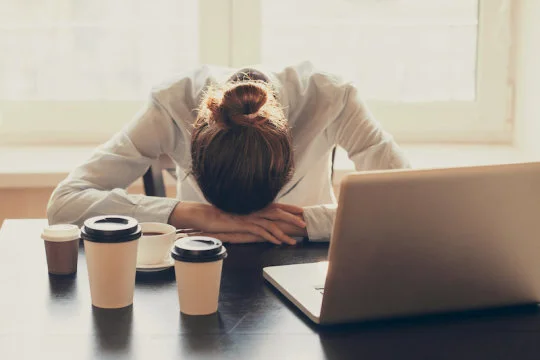
Got fatigue? Study further pinpoints brain regions that may control it
Fatigue concept, woman at desk (stock image). Credit: © kite_rin / stock.adobe.com
August 26, 2020
Science Daily/Johns Hopkins Medicine
Scientists at Johns Hopkins Medicine using MRI scans and computer modeling say they have further pinpointed areas of the human brain that regulate efforts to deal with fatigue.
The findings, they say, could advance the development of behavioral and other strategies that increase physical performance in healthy people, and also illuminate the neural mechanisms that contribute to fatigue in people with depression, multiple sclerosis and stroke.
Results of the research were published online Aug. 12 in Nature Communications.
"We know the physiologic processes involved in fatigue, such as lactic acid build-up in muscles, but we know far less about how feelings of fatigue are processed in the brain and how our brain decides how much and what kind of effort to make to overcome fatigue," says Vikram Chib, Ph.D., assistant professor of biomedical engineering at the Johns Hopkins University School of Medicine and research scientist at the Kennedy Krieger Institute.
Knowing the brain regions that control choices about fatigue-moderating efforts can help scientists find therapies that precisely alter those choices, says Chib. "It might not be ideal for your brain to simply power through fatigue," says Chib. "It might be more beneficial for the brain to be more efficient about the signals it's sending."
For the study, Chib first developed a novel way to objectively quantify how people "feel" fatigue, a difficult task because rating systems can vary from person to person. Physicians often ask their patients to rate their fatigue on a scale of 1 to 7, but like pain scales, such ratings are subjective and varied.
To standardize the metric for fatigue, Chib asked 20 study participants to make risk-based decisions about exerting a specific physical effort. The average age of participants was 24 and ranged from 18 to 34. Nine of the 20 were female.
The 20 participants were asked to grasp and squeeze a sensor after training them to recognize a scale of effort. For example, zero was equal to no effort and 50 units of effort were equal to half the participant's maximum force. The participants learned to associate units of effort with how much to squeeze, which helped to standardize the effort level among individuals.
The participants repeated the grip exercises for 17 blocks for 10 trials each, until they were fatigued, then were offered one of two choices for making each effort. One was a random ("risky") choice based on a coin flip, offering the chance to exert no effort or a predetermined effort level. The other choice was a predetermined set effort level. By introducing uncertainty, the researchers were tapping in to how each subject valued their effort -- a way, in effect, of shedding light on how their brains and minds decided how much effort to make.
Based on whether the participant chose a risky option versus the predetermined one, the researchers used computerized programs to measure how participants felt about the prospect of exerting particular amounts of effort while they were fatigued.
"Unsurprisingly, we found that people tend to be more risk averse -- to avoid -- effort," says Chib. Most of the participants (19 of 20) opted for the risk-free choice of a predetermined effort level. This means that, when fatigued, participants were less willing to take the chance of having to exert large amounts of effort.
"The predetermined amount had to get pretty high in relative effort for participants to choose the coin toss option," says Chib.
Among a separate group of 10 people trained on the gripping system but not given numerous, fatiguing trials, there was no significant tendency toward picking either the risky coin toss or defined effort.
Chib's research team also evaluated participants' brain activity during the gripping exercises using functional magnetic resonance imaging (fMRI) scans, which track blood flow through the brain and show which neurons are firing most often.
Chib's team confirmed previous findings that brain activity when participants chose between the two options seemed to increase in all participants in an area of the brain's known as the insula.
Also using fMRI scans, they took a closer look at the motor cortex of the brain when the participants were fatigued. This region of the brain is responsible for exerting the effort itself.
The researchers found that the motor cortex was deactivated at the time participants "decided" between the two effort choices. That finding is consistent, Chib says, with previous studies showing that when people perform repeated fatiguing exertions, motor cortex activity is decreased, associated with fewer signals being sent down to the muscles.
Participants whose motor cortex activity changed the least, in response to fatiguing exertion, were the ones who were most risk averse in their effort choices and were most fatigued. This suggests that fatigue might arise from a miscalibration between what an individual thinks they are able to achieve and the actual activity in motor cortex.
Essentially, the body attunes to the motor cortex when fatigued, because if the brain kept sending more signals to muscles to act, physiological constraints would begin to take over, for example, increased lactic acid, contributing to even more fatigue.
These findings, says Chib, may advance the search for therapies -- physical or chemical -- that target this pathway in healthy people to advance performance and in people with conditions that are associated with fatigue.
https://www.sciencedaily.com/releases/2020/08/200826113713.htm
Social connection is the strongest protective factor for depression
August 14, 2020
Science Daily/Massachusetts General Hospital
Researchers from Massachusetts General Hospital (MGH) have identified a set of modifiable factors from a field of over 100 that could represent valuable targets for preventing depression in adults. In a study published in The American Journal of Psychiatry, the team named social connection as the strongest protective factor for depression, and suggested that reducing sedentary activities such as TV watching and daytime napping could also help lower the risk of depression.
"Depression is the leading cause of disability worldwide, but until now researchers have focused on only a handful of risk and protective factors, often in just one or two domains," says Karmel Choi, PhD, investigator in the Department of Psychiatry and the Harvard T.H. Chan School of Public Health, and lead author of the paper. "Our study provides the most comprehensive picture to date of modifiable factors that could impact depression risk."
To that end, researchers took a two-stage approach. The first stage drew on a database of over 100,000 participants in the UK Biobank -- a world-renowned cohort study of adults -- to systematically scan a wide range of modifiable factors that might be associated with the risk of developing depression, including social interaction, media use, sleep patterns, diet, physical activity, and environmental exposures. This method, known as an exposure-wide association scan (ExWAS), is analogous to genome-wide association studies (GWAS) that have been widely used to identify genetic risk factors for disease. The second stage took the strongest modifiable candidates from ExWAS and applied a technique called Mendelian randomization (MR) to investigate which factors may have a causal relationship to depression risk. MR is a statistical method that treats genetic variation between people as a kind of natural experiment to determine whether an association is likely to reflect causation rather than just correlation.
This two-stage approach allowed the MGH researchers to narrow the field to a smaller set of promising and potentially causal targets for depression. "Far and away the most prominent of these factors was frequency of confiding in others, but also visits with family and friends, all of which highlighted the important protective effect of social connection and social cohesion," points out Jordan Smoller, MD, ScD associate chief for research in the MGH Department of Psychiatry, and senior author of the study. "These factors are more relevant now than ever at a time of social distancing and separation from friends and family." The protective effects of social connection were present even for individuals who were at higher risk for depression as a result of genetic vulnerability or early life trauma.
On the other hand, factors associated with depression risk included time spent watching TV, though the authors note that additional research is needed to determine if that risk was due to media exposure per se or whether time in front of the TV was a proxy for being sedentary. Perhaps more surprising, the tendency for daytime napping and regular use of multivitamins appeared to be associated with depression risk, though more research is needed to determine how these might contribute.
The MGH study demonstrates an important new approach for evaluating a wide range of modifiable factors, and using this evidence to prioritize targets for preventive interventions for depression. "Depression takes an enormous toll on individuals, families, and society, yet we still know very little about how to prevent it," says Smoller. "We've shown that it's now possible to address these questions of broad public health significance through a large-scale, data-based approach that wasn't available even a few years ago. We hope this work will motivate further efforts to develop actionable strategies for preventing depression." The study's two-stage approach could also be used to inform the prevention of other health conditions.
https://www.sciencedaily.com/releases/2020/08/200814131007.htm
Ten minutes of massage or rest will help your body fight stress
September 18, 2020
Science Daily/University of Konstanz
Allowing yourself a few minutes of downtime significantly boosts mental and physical relaxation. Research by psychologists at the University of Konstanz observed higher levels of psychological and physiological relaxation in people after only ten minutes of receiving a massage. Even ten minutes of simple rest increased relaxation, albeit to a lesser degree than massage. The findings, reported on 8 September 2020 in the journal Scientific Reports, provide the first indication that short-term treatments can robustly reduce stress on a psychological and physiological level by boosting the body's principal engine for relaxation -- the parasympathetic nervous system (PNS).
Stress is known to have negative consequences for health and disease. However, our bodies have an inbuilt regenerative system, the PNS, to ward off stress during times of threat. Launching a relaxation response is thus key to protecting our health and restoring balance in our body. Massage has been used to improve relaxation, yet no systematic approach exists to robustly confirm its effect on the PNS and whether or not this could be used as rehabilitation for patients suffering from stress-related disease.
Boosting the body's engine for relaxation
This study indicates that massage is an easy-to-apply intervention that can boost the body's principal engine for relaxation -- the PNS -- and also lead to a reduction in perceived mental stress. The discovery that massage is effective on the level of both psychology and physiology via the PNS will pave the way for future studies on understanding the role of relaxation on stress.
"To get a better handle on the negative effects of stress, we need to understand its opposite -- relaxation," says Jens Pruessner, head of the Neuropsychology lab and Professor at the Cluster of Excellence "Centre for the Advanced Study of Collective Behaviour" at the University of Konstanz. "Relaxation therapies show great promise as a holistic way to treat stress, but more systematic scientific appraisal of these methods is needed."
Standardised testing approach
Researchers from the Department of Psychology in Konstanz developed a standardised approach for testing if tactile stimulation could improve mental and physical relaxation. They applied two different ten-minute massages on human subjects in the laboratory to test: A head-and-neck massage was designed to actively stimulate the PNS by applying moderate pressure on the vagal nerve, which is the largest nerve running to the PNS. Then a neck-and-shoulder massage with soft stroking movements was designed to examine whether just touch can also be relaxing. Finally, a control group of participants sitting quietly at a table was tested for the effect of rest without tactile stimulation. Physiological relaxation was gauged by monitoring the heart rate of participants and measuring heart rate variability (HRV), which indicates how flexibly the PNS can respond to changes in the environment. The higher the HRV, the more relaxed is the body. Psychological relaxation was gauged by asking participants to describe how relaxed or stressed they feel.
Ten minutes of resting or receiving either massage resulted in psychological and physiological reduction in stress. All participants reported that they felt more relaxed, and less stressed, compared with before the treatments. Further, all participants showed significant increases in heart rate variability, which demonstrates that the PNS was activated and the body physiologically relaxed just by resting alone. The physiological effect was more pronounced when participants received a massage. It was, however, not important whether the massage was soft or moderate -- tactile contact in general seemed to improve the relaxation of the body.
Small moments with big impact
"We are very encouraged by the findings that short periods of dis-engagement are enough to relax not just the mind but also the body," says Maria Meier, a doctoral student in the lab of Neuropsychology and first author on the study. "You don't need a professional treatment in order to relax. Having somebody gently stroke your shoulders, or even just resting your head on the table for ten minutes, is an effective way to boost your body's physiological engine of relaxation."
By developing a standardised method for robustly testing and validating relaxation therapies, the study allows further experiments to test the effects of additional relaxation interventions that could be used in prevention or rehabilitation programmes for people suffering from stress-related diseases such as depression.
"Massage, being such a commonly used relaxation therapy, was our first study," says Meier. "Our next step is to test if other short interventions, like breathing exercises and meditation, show similar psychological and physiological relaxation results."
https://www.sciencedaily.com/releases/2020/09/200918104305.htm
The key to happiness: Friends or family?
The answer may surprise you
September 17, 2020
Science Daily/Southern Methodist University
Think spending time with your kids and spouse is the key to your happiness? You may actually be happier getting together with your friends, said SMU psychology professor Nathan Hudson.
Hudson's research finds that people report higher levels of well-being while hanging with their friends than they do with their romantic partner or children. In fact, being around romantic partners predicted the least amount of happiness among these three groups, reveals a study published in the Journal of Personality and Social Psychology.
Hudson stressed, however, that the finding has more to do with the activity than the person it is shared with. That's because people tend to spend more of their time doing enjoyable activities with friends than they do with family members, who occasionally find themselves together doing unpleasant tasks like chores or caretaking duties.
"Our study suggests that this doesn't have to do with the fundamental nature of kith versus kin relationships," he said. "When we statistically controlled for activities, the 'mere presence' of children, romantic partners, and friends predicted similar levels of happiness. Thus, this paper provides an optimistic view of family and suggests that people genuinely enjoy their romantic partners and children."
More than 400 study participants were asked to think back on times with their friends or family -- identify the activity they shared -- and rate whether those experiences left them feeling various emotions, such as happy, satisfied, and with a sense of meaning. Each emotion was rated from 0 (almost never) to 6 (almost always).
This information and other responses about how study participants felt at different times allowed Hudson and his co-authors, Richard E. Lucas and M. Brent Donnellan, to estimate rates of happiness with their friends and family. Lucas and Donnellan are both from Michigan State University.
The activities people most frequently perform while they're with their romantic partners include socializing, relaxing, and eating. People tend to do similar activities when they are with their friends, too. They just do a lot more of these enjoyable tasks while hanging with their friends and a lot less housework, the study found. For instance, 65 percent of experiences with friends involved socializing, but only 28 percent of the time shared with partners.
Spending time with their children also meant more time doing things that had a negative association, such as housework and commuting.
However, the activity that people reported most often with their offspring -- childcare -- was viewed positively. And overall, people report feeling similar levels of well-being while in the presence of friends, partners, and children once the activity was taken out of the equation.
There's a lesson here, Hudson said. "It's important to create opportunities for positive experiences with romantic partners and children -- and to really mentally savor those positive times. In contrast, family relationships that involve nothing but chores, housework, and childcare likely won't predict a lot of happiness."
https://www.sciencedaily.com/releases/2020/09/200917084049.htm
People react better to both negative and positive events with more sleep
September 15, 2020
Science Daily/University of British Columbia
New research from UBC finds that after a night of shorter sleep, people react more emotionally to stressful events the next day -- and they don't find as much joy in the good things. The study, led by health psychologist Nancy Sin, looks at how sleep affects our reaction to both stressful and positive events in daily life.
"When people experience something positive, such as getting a hug or spending time in nature, they typically feel happier that day," says Nancy Sin, assistant professor in UBC's department of psychology. "But we found that when a person sleeps less than their usual amount, they don't have as much of a boost in positive emotions from their positive events."
People also reported a number of stressful events in their daily lives, including arguments, social tensions, work and family stress, and being discriminated against. When people slept less than usual, they responded to these stressful events with a greater loss of positive emotions. This has important health implications: previous research by Sin and others shows that being unable to maintain positive emotions in the face of stress puts people at risk of inflammation and even an earlier death.
Using daily diary data from a national U.S. sample of almost 2,000 people, Sin analyzed sleep duration and how people responded to negative and positive situations the next day. The participants reported on their experiences and the amount of sleep they had the previous night in daily telephone interviews over eight days.
"The recommended guideline for a good night's sleep is at least seven hours, yet one in three adults don't meet this standard," says Sin. "A large body of research has shown that inadequate sleep increases the risk for mental disorders, chronic health conditions, and premature death. My study adds to this evidence by showing that even minor night-to-night fluctuations in sleep duration can have consequences in how people respond to events in their daily lives."
Chronic health conditions -- such as heart disease, diabetes, and cancer -- are prevalent among adults, especially as we grow older. Past research suggests that people with health conditions are more reactive when faced with stressful situations, possibly due to wear-and-tear of the physiological stress systems.
"We were also interested in whether adults with chronic health conditions might gain an even larger benefit from sleep than healthy adults," says Sin. "For those with chronic health conditions, we found that longer sleep -- compared to one's usual sleep duration -- led to better responses to positive experiences on the following day."
Sin hopes that by making sleep a priority, people can have a better quality of life and protect their long-term health.
https://www.sciencedaily.com/releases/2020/09/200915121310.htm
When doing good boosts health, well-being
Acts of kindness benefit givers, study finds
September 3, 2020
Science Daily/American Psychological Association
Performing acts of kindness and helping other people can be good for people's health and well-being, according to research published by the American Psychological Association. But not all good-hearted behavior is equally beneficial to the giver. The strength of the link depends on many factors, including the type of kindness, the definition of well-being, and the giver's age, gender and other demographic factors.
The study was published in the journal Psychological Bulletin.
"Prosocial behavior -- altruism, cooperation, trust and compassion -- are all necessary ingredients of a harmonious and well-functioning society," said lead author Bryant P.H. Hui, PhD, a research assistant professor at the University of Hong Kong. "It is part of the shared culture of humankind, and our analysis shows that it also contributes to mental and physical health."
Previous studies have suggested that people who engage in more prosocial behavior are happier and have better mental and physical health than those who don't spend as much time helping others. However, not all studies have found evidence for that link, and the strength of the connection varies widely in the research literature.
To better understand what drives that variation, Hui and his colleagues performed a meta-analysis of 201 independent studies, comprising 198,213 total participants, that looked at the connection between prosocial behavior and well-being. Overall, they found that there was a modest link between the two. Although the effect size was small, it is still meaningful, according to Hui, given how many people perform acts of kindness every day.
"More than a quarter of Americans volunteer, for example," he said. "A modest effect size can still have a significant impact at a societal level when many people are participating in the behavior."
Digging deeper into the research, Hui and his colleagues found that random acts of kindness, such as helping an older neighbor carry groceries, were more strongly associated with overall well-being than formal prosocial behavior, such as scheduled volunteering for a charity. That may be because informal helping is more casual and spontaneous and may more easily lead to forming social connections, according to Hui. Informal giving is also more varied and less likely to become stale or monotonous, he said.
The researchers also found a stronger link between kindness and what is known as eudaimonic well-being (which focuses on self-actualization, realizing one's potential and finding meaning in life), than between kindness and hedonic well-being (which refers to happiness and positive feelings).
The effects varied by age, according to Hui, who began this research at the University of Cambridge. Younger givers reported higher levels of overall well-being, eudaimonic well-being, and psychological functioning, while older givers reported higher levels of physical health. Also, women showed stronger relationships between prosociality and several measures of well-being compared with men -- perhaps because women are stereotypically expected to be more caring and giving, and thus derive a stronger sense of good feelings for acting in accordance with those social norms, according to the study.
Finally, the researchers found that studies that were specifically designed to measure the connection between prosociality and well-being showed a stronger link between the two than studies that analyzed data from other large surveys not specifically designed to study the topic.
Future research should examine several other potentially important moderators that the research literature has largely ignored so far, the researchers suggest -- for example, the potential effects of givers' ethnicity and social class. Researchers might also examine whether more prosociality is always a good thing, or whether there is an "ideal level" of prosociality beyond which too much kindness and giving become detrimental to the giver, according to Hui.
https://www.sciencedaily.com/releases/2020/09/200903095622.htm
It is time to embrace cannabis for medicinal use, say experts
September 21, 2020
Science Daily/BMJ
Attitudes towards cannabis products for medicinal use need to change with much greater appropriate use of such products to help alleviate patients' pain, suggests research published in the journal BMJ Open.
Researchers found that hundreds of thousands of UK patients were self-medicating with illegal cannabis-based products for medicinal use due to the fact that much of the medical and pharmacy professions have so far not embraced and prescribed legal cannabis-based products for their patients.
In November 2018 when the UK made cannabis-based products for medicinal use (CBPMs) legal, most people assumed these would immediately be made available to patients, but this has not happened.
In the year since then, almost no NHS prescriptions have been issued and less than a hundred have been made available from private providers at a cost of at least £1,000 a month.
Consequently, some parents of children with severe epilepsy continue to go overseas to get their children access to the only treatment which has proven to be effective for their condition -- cannabinoid medication.
In addition, it is estimated that the vast majority of the estimated 1.4 million medical cannabis users source from the black market with its problems of illegality, unknown quality, content and provenance.
This is despite that fact that there is existing substantial evidence of effectiveness with cannabis products for medicinal use in many disorders as identified in the US National Academy of Sciences review in 2017.
Researchers from Imperial College London, London School of Economics and Drug Science (formerly known as the Independent Scientific Committee on Drugs), therefore, set out to understand why the UK was lagging behind so many other countries which also have legalised medical cannabis.
They consulted with parents and patients, prescribers, pharmacists and decision makers.
They found that there appeared to be a series of distinct barriers to prescribing that needed to be overcome in order to improve patient access to medical cannabis in the UK.
These include concerns about a perceived lack of scientific evidence but the researchers said these concerns were misplaced because many patient-centred approaches including patient reported outcomes, pharmacoepidemiology (study of the uses and effects of drugs) and trials involving a single patient could be applied.
International database evidence suggested this new class of drug offered a significant advance in treatment for many in whom current medicines were either ineffective or poorly tolerated.
Various reasons to explain why there was resistance to use of these drugs were given, such as the fact the use of medicinal cannabis products were something being driven by patients and not doctors, which the latter group might resent.
In addition, the current government insistence that medical cannabis be considered as a "special' product, meant challenges for prescribers.
For example, they faced additional organisational bureaucracy and the prescriber had to hold responsibility for any untold harm caused unlike any other product for which responsibility lay with the manufacturer.
Another reason for the resistance to prescribing of these products was that for almost 50 years, the medical profession focused on the risks of cannabis with claims of harms, including male sterility, lung cancer and schizophrenia. Though these have now been largely debunked and were generally the result of recreational rather than prescribed medical use, many practitioners may not know this.
The researchers say that the many thousands of UK patients self-medicating with non-regulated cannabis products for medicinal use and the international evidence suggested these new medical products offered an advance in treatment for many people.
They also offered the potential of cost savings to the NHS in terms of reduced hospital stays and less prescribing of other medicines particularly opioids for chronic pain, they argued.
They conclude: "The failure of the medical and pharmacy professions to embrace CBPMs despite their being made 'legal' over 18 months ago is a great worry to patients" and may, they say, have led to preventable deaths from conditions such as epilepsy.
"We hope that this paper will help policymakers and prescribers understand the challenges to prescribing and so help them develop approaches to overcome the current highly unsatisfactory situation."
https://www.sciencedaily.com/releases/2020/09/200921210847.htm
A scientific first: How psychedelics bind to key brain cell receptor
September 17, 2020
Science Daily/University of North Carolina Health Care
For the first time, scientists solved the high-resolution structure of these compounds when they are actively bound to the 5-HT2A serotonin receptor on the surface of brain cells. This discovery is already leading to the exploration of more precise compounds that could eliminate hallucinations but still have strong therapeutic effects. Psilocybin - the psychedelic compound in mushrooms - has already been granted breakthrough status by the FDA to treat depression.
Psychedelic drugs such as LSD, psilocybin, and mescaline cause severe and often long-lasting hallucinations, but they show great potential in treating serious psychiatric conditions, such as major depressive disorder. To fully investigate this potential, scientists need to know how these drugs interact with brain cells at the molecular level to cause their dramatic biological effects. Scientists at UNC-Chapel Hill and Stanford have just taken a big step in that direction.
For the first time, scientists in the UNC lab of Bryan L. Roth, MD, PhD, and the Stanford lab of Georgios Skiniotis, PhD, solved the high-resolution structure of these compounds when they are actively bound to the 5-HT2A serotonin receptor (HTR2A) on the surface of brain cells.
This discovery, published in Cell, is already leading to the exploration of more precise compounds that could eliminate hallucinations but still have strong therapeutic effects. Also, scientists could effectively alter the chemical composition of drugs such as LSD and psilocybin -- the psychedelic compound in mushrooms that has been granted breakthrough status by the FDA to treat depression.
"Millions of people have taken these drugs recreationally, and now they are emerging as therapeutic agents," said co-senior author Bryan L. Roth, MD, PhD, the Michael Hooker Distinguished Professor of Pharmacology at the University of North Carolina School of Medicine. "Gaining this first glimpse of how they act at the molecular level is really important, a key to understanding how they work. Given the remarkable efficacy of psilocybin for depression (in Phase II trials), we are confident our findings will accelerate the discovery of fast-acting antidepressants and potentially new drugs to treat other conditions, such as severe anxiety and substance use disorder."
Scientists believe that activation of HTR2A, which is expressed at very high levels in the human cerebral cortex, is key to the effects of hallucinogenic drugs. "When activated, the receptors cause neurons to fire in an asynchronous and disorganized fashion, putting noise into the brain's system," said Roth, who holds a joint faculty appointment at the UNC Eshelman School of Pharmacy. "We think this is the reason these drugs cause a psychedelic experience. But it isn't at all clear how these drugs exert their therapeutic actions."
In the current study, Roth's lab collaborated with Skiniotis, a structural biologist at the Stanford University School of Medicine. "A combination of several different advances allowed us to do this research," Skiniotis said. "One of these is better, more homogeneous preparations of the receptor proteins. Another is the evolution of cryo-electron microscopy technology, which allows us to view very large complexes without having to crystalize them."
Roth credits co-first author Kuglae Kim, PhD, a postdoctoral fellow in his lab, for steadfastly exploring various experimental methods to purify and stabilize the very delicate serotonin receptors.
"Kuglae was amazing," Roth said. "I'm not exaggerating when I say what he accomplished is among the most difficult things to do. Over three years in a deliberate, iterative, creative process, he was able to modify the serotonin protein slightly so that we could get sufficient quantities of a stable protein to study."
The research team used Kim's work to reveal the first X-ray crystallography structure of LSD bound to HTR2A. Importantly, Stanford investigators then used cryo-EM to uncover images of a prototypical hallucinogen, called 25-CN-NBOH, bound together with the entire receptor complex, including the effector protein Gαq. In the brain, this complex controls the release of neurotransmitters and influences many biological and neurological processes.
The cryo-EM image is like a map of the complex, which Kim used to illustrate the exact structure of HTR2A at the level of amino acids -- the basic building blocks of proteins such as serotonin receptors.
Roth, a psychiatrist and biochemist, leads the Psychoactive Drug Screening Program, funded by the National Institute of Mental Health. This gives his lab access to hallucinogenic drugs for research purposes. Normally, these compounds are difficult to study in the lab because they are regulated by the Drug Enforcement Agency as Schedule 1 drugs.
Roth and colleagues are now applying their findings to structure-based drug discovery for new therapeutics. One of the goals is to discover potential candidates that may be able offer therapeutic benefit without the psychedelic effects.
"The more we understand about how these drugs bind to the receptors, the better we'll understand their signaling properties," Skiniotis says. "This work doesn't give us the whole picture yet, but it's a fairly large piece of the puzzle."
https://www.sciencedaily.com/releases/2020/09/200917181259.htm
Cannabis shows potential for mitigating sickle cell disease pain
July 17, 2020
Science Daily/University of California - Irvine
Cannabis appears to be a safe and potentially effective treatment for the chronic pain that afflicts people with sickle cell disease, according to a new clinical trial co-led by University of California, Irvine researcher Kalpna Gupta and Dr. Donald Abrams of UC San Francisco. The findings appear in JAMA Network Open.
"These trial results show that vaporized cannabis appears to be generally safe," said Gupta, a professor of medicine on the faculty of UCI's Center for the Study of Cannabis. "They also suggest that sickle cell patients may be able to mitigate their pain with cannabis -- and that cannabis might help society address the public health crisis related to opioids. Of course, we still need larger studies with more participants to give us a better picture of how cannabis could benefit people with chronic pain."
Opioids are currently the primary treatment for the chronic and acute pain caused by sickle cell disease. But the rise in opioid-associated deaths has prompted physicians to prescribe them less frequently, leaving sickle cell patients with fewer options.
The double-blind, placebo-controlled, randomized trial was the first to employ such gold-standard methods to assess cannabis's potential for pain alleviation in people with sickle cell disease. The cannabis used in the trial was obtained from the National Institute on Drug Abuse -- part of the National Institutes of Health -- and contained equal parts of THC and CBD.
"Pain causes many people to turn to cannabis and is, in fact, the top reason that people cite for seeking cannabis from dispensaries," Gupta said. "We don't know if all forms of cannabis products will have a similar effect on chronic pain. Vaporized cannabis, which we employed, may be safer than other forms because lower amounts reach the body's circulation. This trial opens the door for testing different forms of medical cannabis to treat chronic pain."
Twenty-three patients with sickle cell disease-related pain completed the trial, inhaling vaporized cannabis or a vaporized placebo during two five-day inpatient sessions that were separated by at least 30 days. This allowed them to act as their own control group.
Researchers assessed participants' pain levels throughout the treatment period and found that the effectiveness of cannabis appeared to increase over time. As the five-day study period progressed, subjects reported that pain interfered less and less with activities, including walking and sleeping, and there was a statistically significant drop in how much pain affected their mood. Although pain levels were generally lower in patients given cannabis than in those given the placebo, the difference was not statistically significant.
https://www.sciencedaily.com/releases/2020/07/200717133236.htm
5 Dietary Supplements to Add on In Your Fitness Program
Sponsored content: CBD-News
Are you getting the right supplements to support your fitness program? Getting physically fit and leading a healthier lifestyle is extremely important. A healthy balanced diet is perhaps even more crucial if you want to experience your fitness program's real long-term results.
That said, supplements can go a long way in redressing any imbalances in your diet. For example, sarms canada has shown promising results in managing obesity and aiding in fat loss.
Here are five other useful additives that will help keep your body in perfect working order and give you the best platform to meet your fitness goals.

1. Creatine
Creatine is one of the most popular performance-enhancing supplements used in fitness. It helps increase muscle mass, as well as increasing overall strength and energy levels.
Creatine is the perfect supplement for anyone trying to gain muscle or performing exercises, which involves a short burst of a high-intensity activity such as splinting or lifting weights. Creatine is also thought to increase lean muscle mass and help muscles recover more quickly during exercise.
This explains why it’s particularly popular among professional athletes such as wrestlers, footballers, hockey players, and gymnasts. You can take it either pre or post-workout and quickly mix into smoothies, protein shakes, or taken on its own.
Some of the benefits of taking creatine include:
● It helps your muscle cells produce more energy.
● Useful for adding muscle mass.
● Improves exercise performance.
● Speeds up muscle growth.
● Helps lower your blood sugar.
● Reduce tiredness and fatigue.
Creatine is clearly a great supplement and has powerful benefits for fitness and overall health.

2. Multi-Vitamins
Also known as multimineral, multis, or vitamins, these are the most commonly used supplements. They promote efficiency in your metabolism, muscle building, and performance and can also support your immune system.
They are a combination of many different vitamins that are found in foods and other natural sources. Many multivitamin products contain minerals such as iron, calcium, potassium, magnesium, and zinc, which should be taken with a full glass of water.
Taking a high-potency multivitamin formula will help get essential nutrients necessary for optimum efficiency when leading an active lifestyle.
Benefits include:
● Helps you build muscle
● Essential in delivering energy throughout your body
● Essential vitamins help you recover and protect your tissue
However, a good rule of thumb is taking no more than one multivitamin product at the same time. Doing this will lead to overdosing or severe side effects.
3. Whey Protein
Whey is one of the best-studied supplements in the world, and for good reasons.
It has excellent nutritional values and a vast range of health benefits. This is because whey protein is quickly consumed by the body and helps fill you up, which is excellent for weight loss and weight management.
Your body needs protein after an exercise session to help maintain muscle fibers and repair micro-tears during workouts. Whey protein is also so much more useful than simply helping you get the most out of your fitness exercises.
● It helps you build muscle mass and improve strength. This is why whey is so popular among athletes and bodybuilders.
● Whey is satiating and keeps you full for longer resulting in fat loss.
● It offers a complete profile of amino acids and is the best protein source, especially for vegetarians.
● It helps boost your immune system by increasing the production of a certain type of white blood cell to protect the body from bacteria and viruses.
● It aids in a quick recovery after intense exercise.
Protein is a basic building block for your muscles, bones, skin, cartilage, and blood. So if you are looking to build a superior, stronger, and leaner physique, consider investing in a high-quality whey protein.
4. BCAAs (Branch Chain Amino Acids)
You may have heard a thing or two about BCAAs from your supplement-savvy gym partner. What’s the big fuss anyway, you ask? Branch Chain Amino Acids contain leucine, valine, and isoleucine, which play a vital role in protein synthesis and glucose uptake into your cells.
BCAAs have gained enough popularity in the weights room to wager that of whey protein and are a must-have supplement for any serious sportsman.
Amino acids supplements have important functions post workout to aid in muscle recovery and immune regulation and for overall healing, especially after sporting events.
Other essential benefits include:
● Help decrease muscle soreness after a workout.
● Prevent muscle wasting or breakdown
● Delay fatigue during prolonged exercise
● Improve anaerobic performance when taken regularly
BCAAs are essential to any fitness program, and since your body does not produce them, it’s important to supplement them to provide the required benefits.
5. Caffeine
Caffeine, which can be found in coffee, tea, mate, and other products, is more than just a wake-up wonder! Its effects on energy go far beyond the buzz and can be an essential supplement in your fitness program.
Caffeine supplement is one of the most commonly used stimulants among athletes, and for good reasons. Caffeine can boost alertness and is linked to improvements in simple reaction time, training intensity, and volume.
It helps increase athletic performance, focus, and energy, especially for those who want to train hard. Other benefits include:
● Increased endurance, especially during intense cardio workouts.
● Boost in dopamine signals in the brain to reduce poor training/exercising performance.
● Increased strength when taken an hour before training.
● Boost fat burning during low-intensity exercises such as aerobics.
● Decreases pain during resistance training.
● Aids in recovery when taken after exercise.
However, taking caffeine can leave you dehydrated, hence crucial that you increase your water intake while using it.

Final Thought
Although fitness goals are best met with a nutritious diet, supplements can help you boost your routine and give you an upper hand in your training. Supplements make it much more efficient to get the necessary nutrients to lose weight, gain muscle, and achieve your overall fitness targets.
References:
https://www.midwesthormonecenters.com/growth-hormone-mk-677/
https://www.healthline.com/health/food-nutrition/best-vitamins-to-take-daily
https://www.ibtimes.com/drinking-too-much-coffee-can-lead-dehydration-2803733
How to do a Mind Spa at Home
Independent submission by Liz Thomson, Health & Content Specialist
Have you wondered at some time of your day, that “I should get some relaxing time”? Get everything off the mind. De-stress and forget about all the pesky issues. Right now, you might think that going to a spa is a great way to do it.
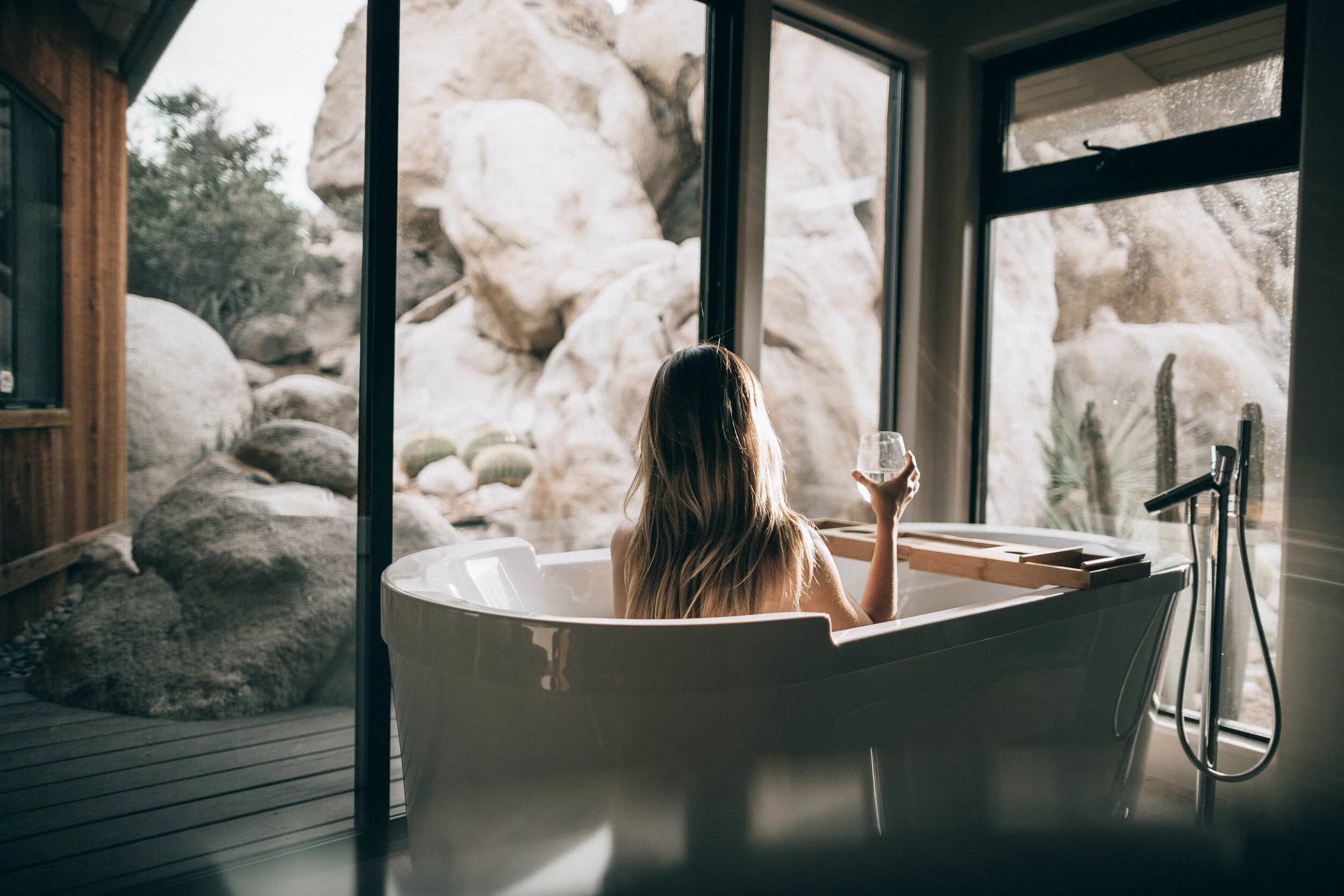
But in this age of coronavirus looming at every nook and corner outside, it is better to avoid such services. You can get yourself a beautiful mind spa at your home too. Here are a few simple steps on how to do a mind spa at your home.
l Put On Some Music and Lights
The first thing you can do is to re-create a spa-like atmosphere. Get a playlist made of spa music, or your favorite music can do the work too. Whatever makes you feel comfortable and helps you to relax is your playlist.
Switch on the ambient lights and switch off the bright lights. If you have fancy candles, you can use them too. Lovely smelling candles will do the job perfectly of creating a spa-like mood.
l Get Some Essence To Amp Up Your Mood
The most recognizable aspect of any spa is “the heavenly smell.” The beautiful essences take-over your mind and help to unwind. Get yourself a diffuser; it is beneficial in day to day life.

Lavender, sandalwood, cedarwood, or lemongrass essential oils are the perfect choice to lower your anxieties and stress.
l Clear Mind
Clearing the mind is easier said than done. Anxieties, stress, and overwhelming thoughts leading to depression are the most significant contributors to mental disorders.
You can also get yourself a medical marijuana card and buy some good medical weed from the marijuana dispensary. It is medically proven that medical marijuana can lower stress, anxiety, and depression.
l Give A Good Scrub To Your Body
Scrubbing your body will remove all the dirt, grime, and dead skin over the body. It will also help to stimulate healthy and glowing skin. You can use DIY body scrubs from your kitchen.
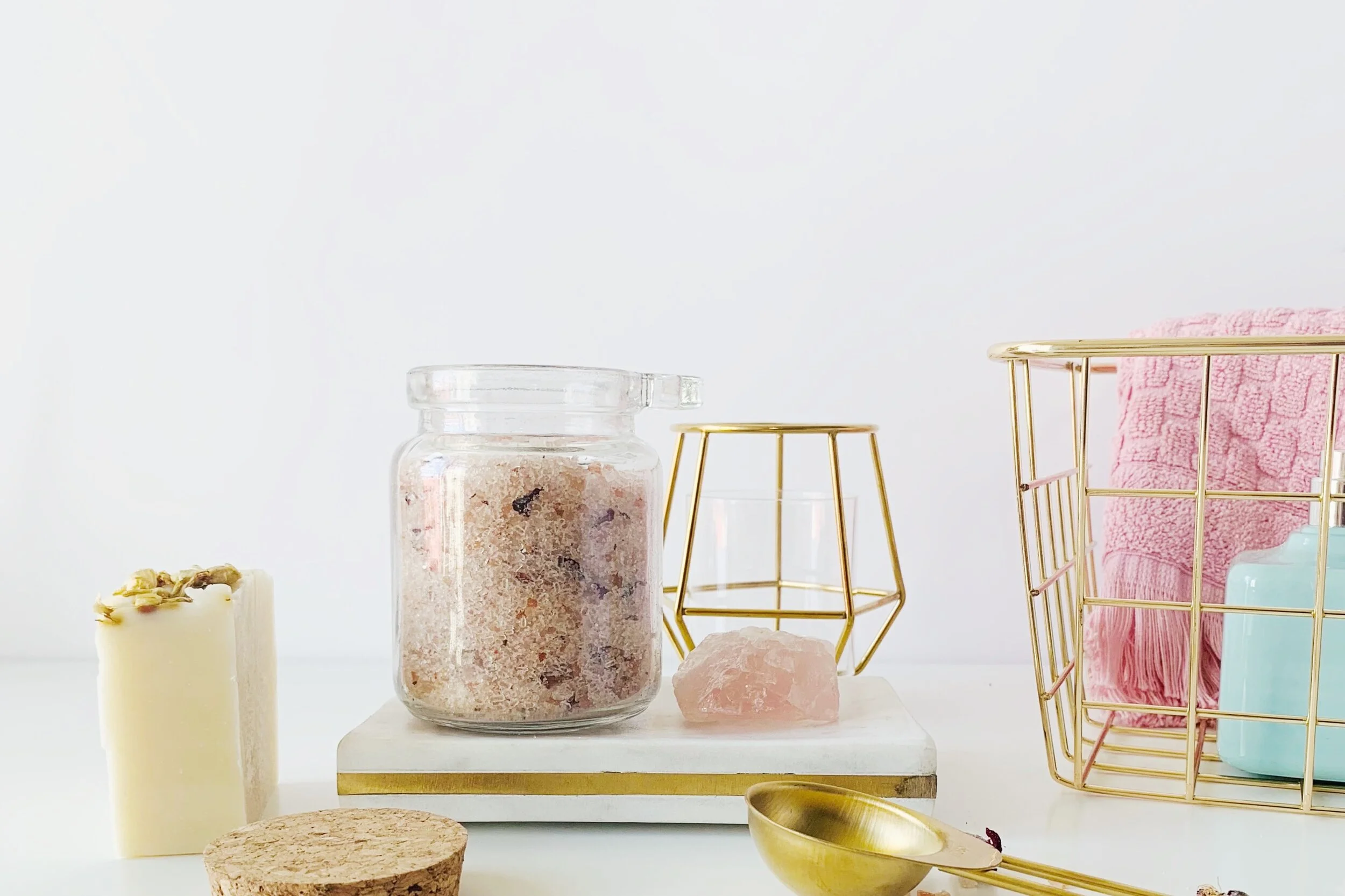
If you are lazy enough, body scrub of your favorite brand will do the job too. Apply scrub and gently not harshly massage your skin. Feel the blood rushing to your skin, making it supple and watch all the dirt that washes away.
l Perform Light Head Massage
Head massages are euphoric. Even a single head massage will eliminate your thoughts and will make you sleepy. Pour the right amount of coconut or almond oil over your head. Rub the scalp gently until you forget your worries.
l Mask Your Hair
Oils are an excellent mask for your hair. If you have already done a head massage and want more pampering – get yourself a lavish hair mask or a deep conditioner. Let your mane soak all the goodness.
l Master Simple Facial for Your Face
A home facial doesn’t need to be complicated or hard as you get one in your spa. For your face, you can follow a simple everyday routine. The best is a three-step face routine to cleanse, scrub, and mask your face with any desired product or DIY ingredient.
l Take A Satisfying Soak In Bathtub
Nothing beats like one satisfying dip in warm bathwater. You can add bath salts, bath bombs, flowers, and even milk like Cleopatra in your bathtub. Soak your body and feel all the pain, worries, and mind wrecking thoughts wash away.

You can plug-in Mind Spa therapy to help your mind to undergo a deeply relaxed state. Let the mind and your body feel the comfort of your at-home spa treatment.
l Moisturize
The last but essential step is to moisturize your face and body. After a good spa day, you are always left with deeply moisturized skin. So don’t forget the moisturizing routine for healthy skin. Always drink water or calming chamomile tea to keep in all the hydration.
l Get Some Shut-Eye Time
After a luxurious time spent in self-care and pampering, if possible, take a good nap or sleep. Give your body and mind a well-deserved break.
Takeaway
Self-care is one of the great ways to promote happiness. It is one of the sayings that you are essential and a well-deserved human being. Having a pure spa at home can work wonders on your mind and body.