
Stronger bones thanks to heat and microbiota
September 11, 2020
Science Daily/Université de Genève
Osteoporosis, a bone disease linked to ageing, is characterised by a loss of bone density, micro-architectural deterioration of the bones and an increased risk of fractures. With one third of postmenopausal women affected, it is a major public health problem. Through epidemiological analyses, laboratory experiments and state-of-the-art metagenomic and metabolomics tools, a research team from the University of Geneva (UNIGE), in Switzerland, has observed that exposure to warmer ambient temperatures (34 °C) increases bone strength, while preventing the loss of bone density typical of osteoporosis. Moreover, this phenomenon, linked to a change in the composition of gut microbiota triggered by heat, could be replicated by transplanting the microbiota of mice living in a warm environment to mice suffering from osteoporosis. Indeed, after the transplant, their bones were stronger and denser. These results, to be discovered in Cell Metabolism, make it possible to imagine effective and innovative interventions for prevention and treatment of osteoporosis.
Many biologists are familiar with Allen's Rule, from 19th-century naturalist Joel Asaph Allen, according to which animals living in warm areas have a larger surface area in relation to their volume than animals living in colder environment. Indeed, a larger skin surface allows better evacuation of body heat. "In one experiment, we placed newborn mice at a temperature of 34 °C in order to minimise the heat shock associated with their birth. We found that they had longer and stronger bones, confirming that bone growth is affected by ambient temperature," explains Mirko Trajkovski, Professor at the Department of Cell Physiology and Metabolism and at the Diabetes Centre of the UNIGE Faculty of Medicine, who led the study. But what about adulthood?
Consistent epidemiological data
By placing several groups of adult mice in a warm environment, the scientists observed that while bone size remained unchanged, bone strength and density were largely improved. They then repeated their experiment with mice after an ovariectomy modelling post-menauposal osteoporosis. "The effect was very interesting," says Claire Chevalier, then a researcher in Professor Trajkovski's laboratory and the first author of this work. "The simple fact of warming the living environment of our mice protected them from the bone loss typical of osteoporosis!"
What about human beings? The research team analysed global epidemiological data on the incidence of osteoporosis in relation to the average temperature, latitude, calcium consumption and vitamin D levels. Interestingly, they found that the higher the temperature, the fewer hip fractures -- one of the main consequences of osteoporosis -- regardless of other factors. "We found a clear correlation between geographical latitude and hip fractures, meaning that in the northern countries the incidence is higher compared to the warmer south," says Mirko Trajkovski. "Normalising the analysis of the known players such as vitamin D or calcium did not modify this correlation. However, when we excluded the temperature as the determinant, the correlation was lost. This is not to say that calcium or vitamin D do not play a role, either alone or in combination. However, the determining factor is heat -or lack thereof."
How the microbiota adapts
Specialists in the microbiota, the Geneva scientists wanted to understand its role in these metabolic modifications. To this end, they transplanted the microbiota of mice living in a 34° environment to osteoporotic mice, whose bone quality was rapidly improved. "These findings may imply an extension to Allen's rule, suggesting elongation-independent effects of the warmth, which predominantly favours bone density and strength during adulthood through microbiota alterations," says Mirko Trajkovski.
Thanks to the state-of-the-art metagenomic tools developed in their laboratory, the scientists then succeeded in understanding the role played by microbiota. When adapts to heat, it leads to a disruption in the synthesis and degradation of polyamines, molecules that are involved in ageing, and in particular in bone health. "With heat, the synthesis of polyamines increases, while their degradation is reduced. They thus affect the activity of osteoblasts (the cells that build bones) and reduce the number of osteoclasts (the cells that degrade bones). With age and menopause, the exquisite balance between the osteoclast and osteoblast activity is disrupted," explains Claire Chevalier. "However, heat, by acting on the polyamines, which we found to be partly regulated by the microbiota, can maintain the balance between these two cell groups." These data therefore indicate that exposure to warmth could be a prevention strategy against osteoporosis.
Developing new treatments
The influence of microbiota on metabolism is being better understood. However, in order to be able to use this knowledge to develop therapeutic strategies, scientists must identify precisely the role of particular bacteria in particular diseases. In the context of their work on osteoporosis, Professor Trajkovski's team has been able to identify certain important bacteria. "We still need to refine our analyses, but our relatively short-term goal would be to identify candidate bacteria, and develop several 'bacterial cocktails' to treat metabolic and bone disorders, such as osteoporosis, but also to improve insulin sensitivity, for example," the authors conclude.
https://www.sciencedaily.com/releases/2020/09/200911093027.htm
Insomnia identified as a new risk factor for type 2 diabetes in new study which also confirms many other risk and protective factors
September 8, 2020
Science Daily/Diabetologia
A new 'global atlas' study published in Diabetologia(the journal of the European Association for the Study of Diabetes [EASD]) is the first to identify insomnia as a risk factor associated with increased risk of developing type 2 diabetes (T2D). The study identifies 34 risk factors that are thought to increase (19) or decrease risk (15), as well as a further 21 'suggestive' risk factors where evidence was not quite as strong.
The study by Associate Professor Susanna Larsson and by Shuai Yuan of the Karolinska Institutet, Stockholm, Sweden, used a technique called 'Mendelian Randomisation' (MR), which uses genetic variation as a natural experiment to investigate the causal relations between potentially modifiable risk factors and health outcomes in observational data. MR is less likely to be affected by confounding or reverse causation than observational studies.
To identify possible risk factors for T2D, the authors conducted a review of meta-analyses and review articles in the PubMed database and found 1,360 relevant articles. They found a total of 97 risk factors that could be investigated using the MR method. For the study population, they used summary-level data from the DIAbetes Genetics Replication And Meta-analysis consortium (74,124 type 2 diabetes cases and 824,006 controls of European ancestry). The team then checked that these potential causal associations could be replicated in a separate independent population, using the FinnGen consortium (11,006 type 2 diabetes cases and 82,655 controls of European ancestry).
They found evidence of causal associations between 34 exposures (19 risk factors and 15 protective factors) and T2D. Insomnia was identified as a novel risk factor, with people with insomnia being 17% more likely to develop T2D than those without.
The other 18 risk factors for T2D were depression, systolic blood pressure, starting smoking, lifetime smoking, coffee (caffeine) consumption, blood plasma levels of the amino acids isoleucine, valine and leucine, liver enzyme alanine aminotransferase (a sign of liver function), childhood and adulthood body mass index (BMI), body fat percentage, visceral (internal) fat mass, resting heart rate, and blood plasma levels of four fatty acids.
The 15 exposures associated with a decreased risk of type 2 diabetes were plasma alanine (an amino acid), high density lipoprotein (good cholesterol) and total cholesterol, age at beginning puberty in women (menarche), testosterone levels, sex hormone binding globulin levels (adjusted for BMI), birthweight, adulthood height, lean body mass (for women), four plasma fatty acids, circulating vitamin D and years of education.
After adjusting for adulthood BMI, 8 risk factors remained statistically significantly associated with T2D risk, suggesting they are independent of body weight (see figure 2 full paper). Insomnia remained as one of these factors, however the increased risk for those with insomnia compared to those without fell from 17% to 7% after adjustment for BMI, indicating that part of the effect of insomnia on T2D risk is mediated by BMI. Systolic blood pressure, lifetime smoking and levels of liver enzyme remained as risk factors (positively associated with T2D). Increasing total cholesterol, good cholesterol, testosterone levels and sex hormone levels remained as protective factors (inversely associated with T2D) after adjustment.
Among the further 21 'suggestive' causal factors for type 2 diabetes (where the evidence was weaker than for the other factors above) were alcohol consumption, breakfast skipping, daytime napping, short sleep, urinary sodium (salt) levels, and certain amino acids and inflammatory factors.
The authors conclude: "Our study confirmed several previously established risk factors and identified novel potential risk factors for type 2 diabetes using the latest summary-level data. Findings should inform public health policies for the primary prevention of type 2 diabetes. Prevention strategies should be constructed from multiple perspectives, such as lowering obesity and smoking rates and levels, and improving mental health, sleep quality, educational level and birthweight."
https://www.sciencedaily.com/releases/2020/09/200908200850.htm
Spa Therapy To Help Alleviate Arthritis Symptoms
Independent article submission by Liz Thomson, Health & Content Specialist
Spa therapy is a wellness treatment that includes various massage techniques. It gained popularity after World War II in Europe and the United States for getting relief from torment and wounds. People often relate to massage and spa as a luxury service, but it offers more than just relaxation and pampering sessions. It has some incredible benefits that help heal your body, relieving body aches, and increasing productivity. One such use of spa therapy is its ability to reduce arthritis symptoms.

Arthritis is the inflammation of one or more joints that cause stiffness, swelling, fatigue, and joint pain. There are many treatments for arthritis, like surgery and medications, but spa therapy can be one easy way to get relief from joint stiffness. It involves pressurized hand movements, along with some essential oil.
Here are a few spa therapies that can help reduce arthritis symptoms.
1. Swedish
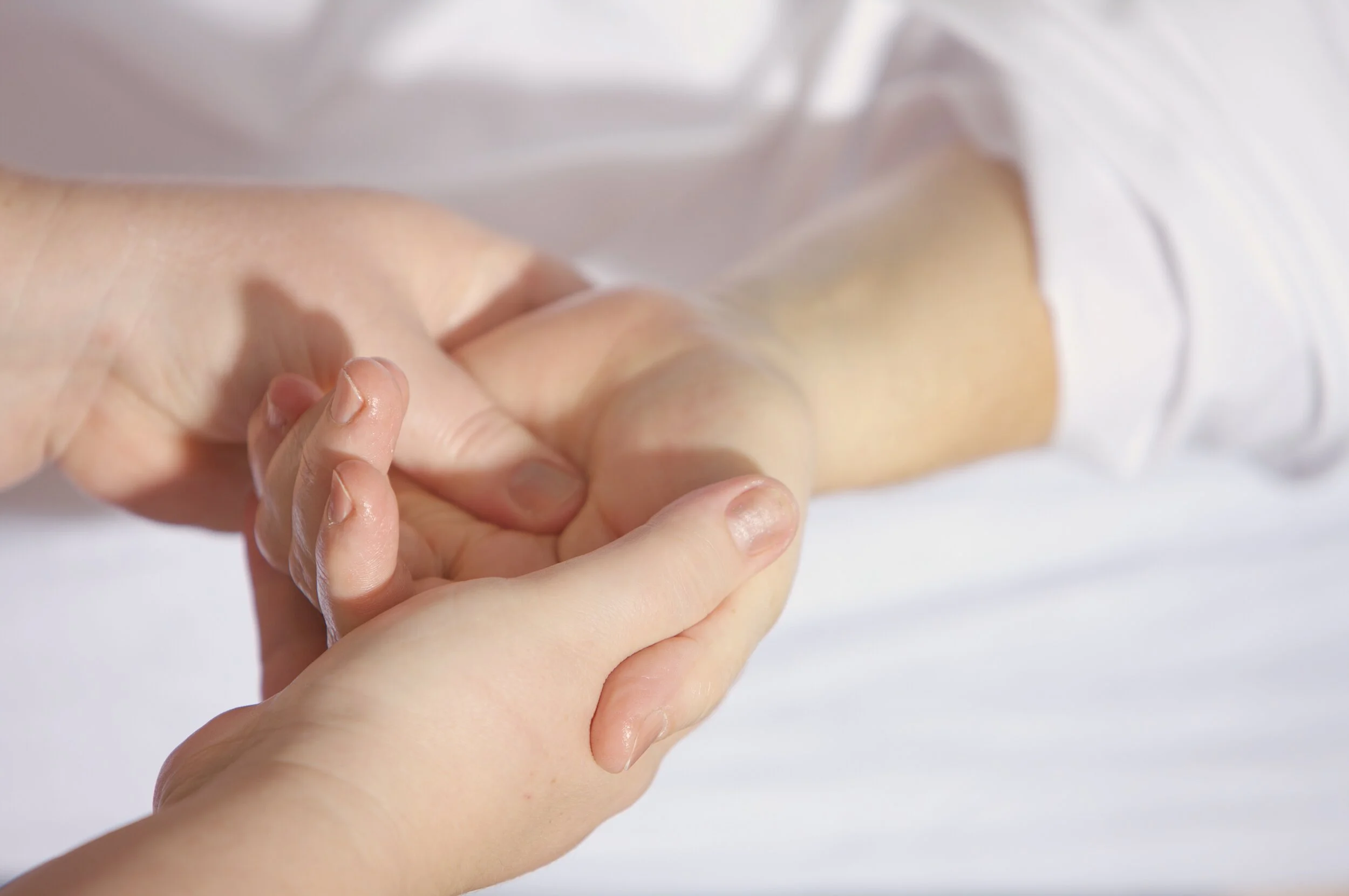
This is a popular massage type most suitable to loosen muscle knots and any stress in the joints. Swedish massage helps relax your mind and reduce anxiety. The masseur uses long, kneading strokes in the heart's direction, known as petrissage stroke, that focuses on the underlying muscles. It is mostly done without any lubricant for a better grip and kneading of the muscles.
The pressure applied can be painful for some, so you can ask the practitioner to reduce the pressure as per your pain threshold. An effective petrissage massage helps relieve muscle tension, increase blood circulation, and enhance movement range.
For a smooth massage, therapists also use oil or lotion along with the hand movements. You can ask for a massage using CBD-infused oil, an excellent oil known for its anti-inflammatory properties. Getting a spa therapy using CBD oil will help decompress your muscle, increase blood circulation, and flexibility. Thus, getting 40 mins of a Swedish massage can bring you relief from arthritis. You should make sure that your CBD oil is of supreme quality procured through a licensed, trusted canadian weed dispensary.
2. Shiatsu
This is a famous Japanese style of stroking that concentrates on the whole body but specifically on the body regions that need attention. A shiatsu massage assists in diminishing muscle tightness and elevates the mind and body relaxation. The massagist applies regular or pulsing force using their palms and fingers.
Shiatsu practitioners believe that shiatsu massage helps balance qi's flow (the life force in every human). A typical shiatsu massage lasts for 60 to 90 minutes, and you can keep your clothes on as no oil is required.
3. Lymphatic massage

Proper lymph flow is vital in maintaining good health. Lymphatic massage can help deal with conditions like arthritis, orthopedic injuries, knee or hip surgery, and systemic sclerosis by focusing on lymph flow. Fitness enthusiasts sometimes use this spa therapy as a post-exercise recovery treatment.
Scientific studies show incredible benefits of lymphatic massage in reducing swelling, fatigue, lymphedema, and increasing blood circulation throughout the lymphatic system. Therapists apply gentle patterned strokes along with essential oils like citrus or geranium oil, which acts as lymphatic stimulants. This massage helps release the excess fluid from the inflammatory process occurring in the body. Thus, arthritic patients can find relief in their joint and muscle pain after a lymphatic massage session.
4. Reiki
Reiki therapy is a kind of acupuncture therapy based on the theory of the flow of life energy in every person. Any disruption in the flow can lead to pain and health concerns. Reiki therapy boosts vitality by controlling the proper flow of energy in the body.
Therapists use light hand touch on your body, which stimulates the healing process. During this massage therapy, you need to lie down comfortably, and the practitioner guides your energy to the specific joints using certain hand positions. A Reiki session lasts typically between 60 and 90 minutes.
5. Aromatherapy massage
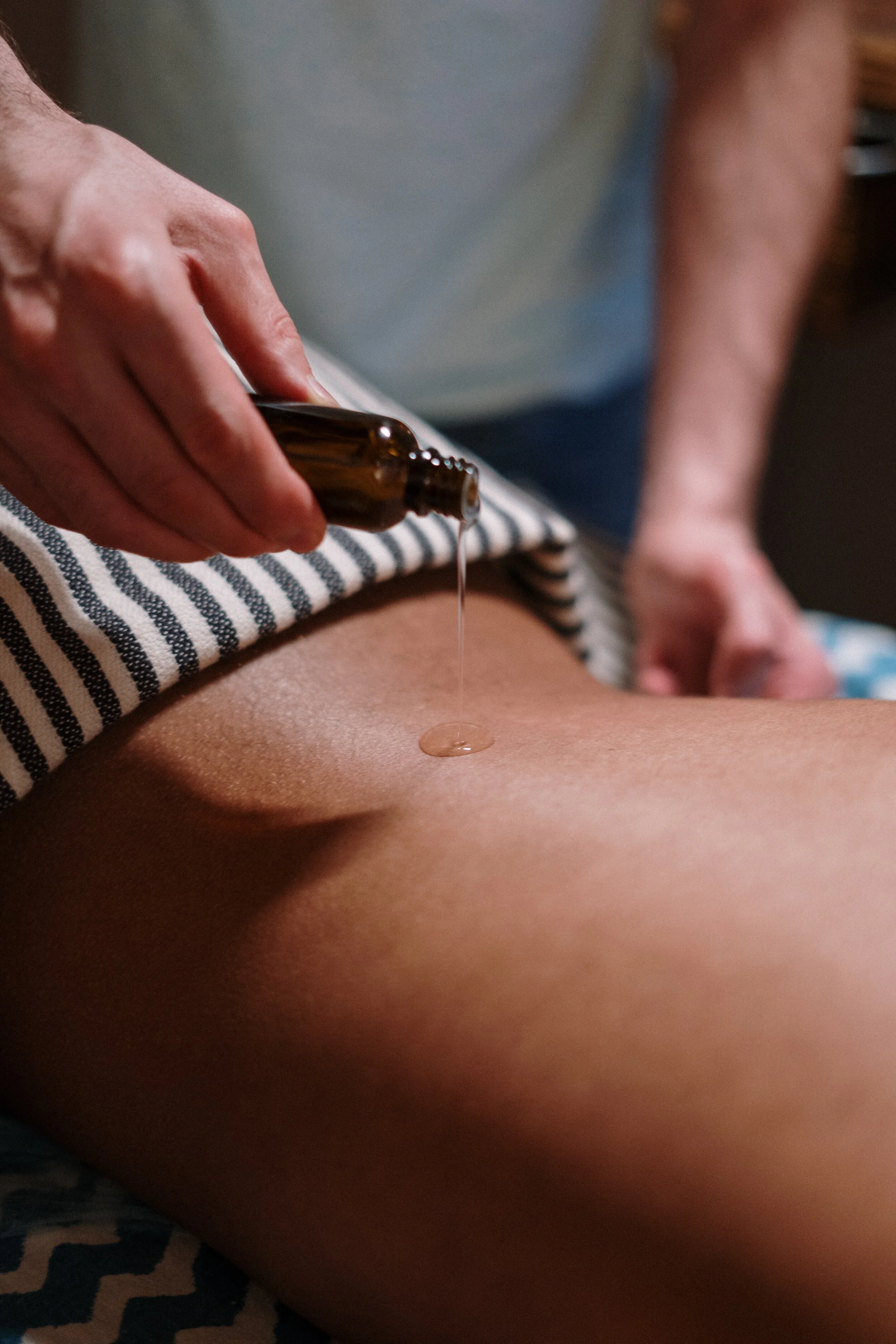
Aromatherapy helps enhance the emotional wellbeing of a person. This spa therapy might not cure arthritis but helps reduce the pain level. The different scents used during aromatherapy stimulates the smell receptors in the nose, activating the nervous system. It also releases the feel-good hormone called dopamine, which controls the emotions.
Essential oils play an important role in aromatherapy. They are used as scent and also mixed with lotions to apply during the massage. You can try aromatherapy using the lavender essential oil, which has a very soothing and relaxing scent. It has anti-inflammatory and antiseptic properties that enhance overall relaxation.
Aromatherapy is very efficient in overcoming anxiety, easing muscle tension, and discomfort. The massager will apply gentle pressure while massaging an essential oil onto your skin. While undergoing a massage, you will also be inhaling essential oils through a diffuser that gets absorbed into the skin. A full-body aromatherapy spa will relieve the muscle tension of the entire body. You can still ask the therapist to focus on problematic areas like the back, shoulders, and joints. A good aromatherapy massage lasts for 60 to 90 mins.
Conclusion:
These are the different spa therapies that a person with arthritis can go for. A therapy best suited for you will depend on the degree of pain and the area that required treatment. Based on your problematic region, a therapist will recommend the right arthritis massage for you.
Always indulge in spa therapy at a reputed massage center with qualified practitioners. Most people get relief from a massage. However, along with your massage therapy, continue to follow the instructions given by your physiotherapist for better results.
https://www.everydayhealth.com/conditions/massages-for-arthritis-pain/
https://www.healthline.com/health/osteoarthritis/arthritis-natural-relief
People who feel dizzy when they stand up may have higher risk of dementia
August 6, 2020
Science Daily/American Academy of Neurology
Some people who feel dizzy or lightheaded when they stand up may have an increased risk of developing dementia years later, according to a new study published in Neurology®, the medical journal of the American Academy of Neurology. The condition, called orthostatic hypotension, occurs when people experience a sudden drop in blood pressure when they stand up.
The study found the link with dementia only in people who have a drop in their systolic blood pressure, not in people with only a drop in their diastolic blood pressure or their blood pressure overall.
Systolic is the first, or top, number in a blood pressure reading and systolic orthostatic hypotension was defined as a drop of at least 15 mmHg after standing from a sitting position.
"People's blood pressure when they move from sitting to standing should be monitored," said study author Laure Rouch, Pharm.D., Ph.D., of the University of California, San Francisco. "It's possible that controlling these blood pressure drops could be a promising way to help preserve people's thinking and memory skills as they age."
The study involved 2,131 people who were an average age of 73 and did not have dementia when they enrolled. Their blood pressure readings were taken at the start of the study and then one, three and five years later. A total of 15% had orthostatic hypotension, 9% had systolic orthostatic hypotension and 6% had diastolic orthostatic hypotension.
Over the next 12 years, the participants were evaluated to see if anyone developed dementia. A total of 462 people, or 22%, did develop the disease.
The people with systolic orthostatic hypotension were nearly 40% more likely to develop dementia than those who did not have the condition. Fifty of the 192 with systolic orthostatic hypotension, or 26%, developed dementia, compared to 412 of the 1,939 people without it, or 21%. When researchers adjusted for other factors that could affect dementia risk, such as diabetes, smoking and alcohol use, those with systolic orthostatic hypotension were 37% more likely to develop dementia.
The researchers also found that people whose sitting-to-standing systolic blood pressure readings changed the most from visit to visit were more likely to develop dementia years later than people whose readings were more stable.
The people were divided into three groups based on how much their readings changed over time. A total of 24% of people in the group with the most fluctuation in systolic readings later developed dementia, compared to 19% of the people in the group with the least fluctuation. When researchers adjusted for other factors affecting dementia risk, those in the highest group were 35% more likely to develop dementia than those in the lowest group.
Rouch noted that the study is observational and does not show cause and effect. It only shows an association between the blood pressure readings and the development of dementia. Another limitation of the study was that the diagnosis of dementia was made without distinction between Alzheimer's disease and vascular dementia.
The study was funded by the National Institute on Aging.
https://www.sciencedaily.com/releases/2020/08/200806203658.htm
Brain noise contains unique signature of dream sleep
First EEG measure of REM sleep allows scientists to distinguish dreaming from wakefulness
August 6, 2020
Science Daily/University of California - Berkeley
Dream or REM sleep is distinguished by rapid eye movement and absence of muscle tone, but electroencephalogram (EEG) recordings are indistinguishable from those of an awake brain. Neuroscientists have now found an EEG signature of REM sleep, allowing scientists for the first time to distinguish dreaming from wakefulness through brain activity alone. This could help in determining the prognosis for coma patients, and allow study of the impact of anesthesia on dreaming.
When we dream, our brains are filled with noisy electrical activity that looks nearly identical to that of the awake brain.
But University of California, Berkeley, researchers have pulled a signal out of the noise that uniquely defines dreaming, or REM sleep, potentially making it easier to monitor people with sleep disorders, as well as unconscious coma patients or those under anesthesia.
Each year, hundreds of thousands of people undergo overnight studies to diagnose problems with their sleep, most of them hooked up to an electroencephalogram (EEG) to monitor brain activity as they progress from wakefulness to deep, slow-wave sleep and on into REM sleep. But EEGs alone can not tell whether a patient is awake or dreaming: Doctors can only distinguish REM sleep by recording rapid eye movement -- hence, the name -- and muscle tone, since our bodies relax in a general paralysis to prevent us from acting out our dreams.
"We really now have a metric that precisely tells you when you are in REM sleep. It is a universal metric of being unconscious," said Robert Knight, UC Berkeley professor of psychology and neuroscience and senior author of a paper describing the research that was published July 28 in the online journal eLife.
"These new findings show that, buried in the electrical static of the human brain, there is something utterly unique -- a simple signature," said co-author and sleep researcher Matthew Walker, UC Berkeley professor of psychology and neuroscience. "And if we measure that simple electrical signature, for the first time, we can precisely determine exactly what state of consciousness someone is experiencing -- dreaming, wide awake, anesthetized or in deep sleep."
The ability to distinguish REM sleep by means of an EEG will allow doctors to monitor people under anesthesia during surgery to explore how narcotic-induced unconsciousness differs from normal sleep -- a still-unsettled question. That's the main reason first author Janna Lendner, a medical resident in anesthesiology, initiated the study.
"We often tell our patients that, 'You will go to sleep now,' and I was curious how much these two states actually overlap," said Lendner, a UC Berkeley postdoctoral fellow in her fourth year of residency in anesthesiology at the University Medical Center in Tübingen, Germany. "Anesthesia can have some side effects. If we learn a little bit about how they overlap -- maybe anesthesia hijacks some sleep pathways -- we might be able to improve anesthesia in the long run."
Sleep soothes the brain
Sleep, as Walker wrote in his 2017 book, "Why we Sleep," "enriches a diversity of functions, including our ability to learn, memorize, and make logical decisions and choices. Benevolently servicing our psychological health, sleep recalibrates our emotional brain circuits, allowing us to navigate next-day social and psychological challenges with cool-headed composure."
Disrupted sleep interferes with all of this, increasing the risk of medical, psychiatric and neurological diseases.
Most sleep research focuses on the synchronized, rhythmic waves that flow through the neural network of the brain, from the slow waves that signal deep sleep, typically in the first few hours of the night, to the higher frequency waves typical of dream sleep. These waves pop out above a lot of general activity, also called the 1/f, that has typically been dismissed as noise and ignored.
But Knight and his lab have been looking at this "noise" for a decade and found that it contains useful information about the state of the brain. In 2015, for example, he and Bradley Voytek, a former doctoral student now on the faculty at UC San Diego, discovered that the amount of high frequency activity increases with age. Lendner has now found that a faster drop-off of high-frequency activity, relative to low-frequency activity, is a unique signature of REM sleep.
"There is this background activity, which is not rhythmic, and we have overlooked that for quite a long time," Lendner said. "Sometimes, it has been called noise, but it is not noise; it carries a lot of information, also about the underlying arousal level. This measure makes it possible to distinguish REM sleep from wakefulness by looking only at the EEG."
Since slow waves are associated with inhibition of activity in the brain, while high frequency activity -- like that found during wakefulness -- is associated with excitatory behavior, the sharper drop-off may be an indication that many activities in the brain, including those related to muscle movement, are being tamped down during REM sleep.
The new measure quantifies the relationship of brain activity at different frequencies -- how much activity there is at frequencies from about 1 cycle per second to 50 cycles per second -- and determines the slope, that is, how fast the spectrum drops. This 1/f "drop-off" is sharper in REM sleep than in wakefulness or when under anesthesia.
Lendner found this characteristic measure in the nighttime brain activity of 20 people recorded via EEG scalp electrodes in Walker's UC Berkeley sleep lab and in 10 people who had electrodes placed in their brains to search for the causes of epilepsy as a necessary prologue to brain surgery to alleviate seizures.
She also recorded brain activity in 12 epilepsy patients and 9 other patients undergoing spinal surgery with the common general anesthetic Propofol.
Lendner is now reviewing brain recordings from coma patients to see how their brain activity varies over the course of a day and whether the 1/f drop-off can be used to indicate the likelihood of emergence from coma.
"More importantly, I think it is another metric for evaluating states of coma," Knight said. "1/f is very sensitive. It could resolve, for instance, if someone was in a minimally conscious state, and they are not moving, and whether they are more alert than you think they are."
https://www.sciencedaily.com/releases/2020/08/200806164652.htm
People's life goals relate to their personality type
September 16, 2020
Science Daily/University of California - Davis
In the first research of its kind, a new University of California, Davis, study suggests that for the most part, people formulate goals consistent with their personality traits -- and an individual's goals are related to how their personality subsequently changes over time.
The study surveyed more than 500 students when they started college, each year during college, and 20 years later on their goals related to being creative, having a successful career, having a family, being wealthy, or being active in religion or politics. The goals of these UC Berkeley students -- about half were still responding after two decades -- remained relatively stable over time, though there were some notable changes.
"This study was a unique opportunity to examine how individuals' personalities and major life goals were related to each other across two decades of life," said Olivia E. Atherton, the lead author of the study and former doctoral student in psychology at UC Davis. "We found that, in many ways, one's personality shapes the types of life goals that are valued, and as a result of pursuing those goals, personality changes."
Successful people stress goals
Various enormously successful people, such as Albert Einstein, have noted the importance of goals, researchers said. Einstein once said, for example: "If you want to live a happy life, tie it to a goal, not to people or things." The personality characteristics he possessed were likely the driving force behind the types of goals he aimed to achieve, researchers said.
"Einstein's tendency to be creative, curious, and intellectual likely fueled his scientific goals, as well as his more aesthetic goals, such as his passion for playing the violin," the study authors wrote.
The study, "Stability and Change in Personality Traits and Major Life Goals from College to Midlife," was published in late August in the Personality and Social Psychology Bulletin.
Besides Atherton, co-authors include Richard Robins, a professor of psychology who is director of the UC Davis Personality, Self and Emotion Lab; as well as Emily Grijalva, University of Buffalo; and Brent W. Roberts, University of Illinois, Urbana-Champaign.
The personality traits examined in the present study are termed the "Big Five" in psychology. They are neuroticism, extraversion, openness to experience, agreeableness and conscientiousness. These five traits broadly capture most of the ways in which people differ from one another, and they are related to a wide range of important life outcomes.
Researchers examined these traits, along with aesthetic goals (wanting to be creative and artistic); economic goals (wanting to have a successful career and be wealthy); family/relationship goals (wanting to be married and have children); hedonistic goals (wanting to have fun and experience pleasure); political goals (wanting to have influence in public affairs); religious goals (wanting to participate in religious institutions); and social goals (wanting to help others in need).
." .. We found that, on average, individuals increased in agreeableness and conscientiousness, decreased in neuroticism, and showed little change in openness to experience and extraversion from age 18 to 40," researchers said.
Some goals become less relevant
They also found that people place less importance on all goals over time, suggesting that individuals winnow the goals they value with age, presumably because they are achieving milestones associated with those goals and thus, the goals become less important as a result.
"By identifying their own personal strengths and limitations, middle-aged adults may place less importance on certain major life goals because some goals may no longer be viewed as self-relevant," researchers said.
The authors did find that personality traits are related to major life goal development over time. For example, individuals who become more agreeable, kind and compassionate, also tend to place more emphasis on social and family/relationship goals over time. And, individuals who become more responsible, organized and self-controlled tend to value more economic and family goals.
https://www.sciencedaily.com/releases/2020/09/200916135605.htm
Teacher stress linked with higher risk of student suspensions
Study examines impact of teacher burnout on student behavior, discipline issues
September 15, 2020
Science Daily/University of Missouri-Columbia
Just how stressed are teachers? A recent Gallup poll found teachers are tied with nurses for the most stressful occupation in America today. Unfortunately, that stress can have a trickle-down effect on their students, leading to disruptive behavior that results in student suspensions.
One of those overburdened teachers is Jennifer Lloyd, a high school English teacher in Maryland and a graduate student at the University of Missouri. She has noticed how perceptive her students are to her mood and their ability to feed off of her energy, for better or worse.
"If I come into class from a rough meeting or a stressful morning and I bring those feelings into the classroom environment, the kids notice," Lloyd said. "Sometimes they will give that negative energy right back to me, and we all end up having a bad day."
To examine the impact of teacher burnout on student behavior outcomes, Lloyd's sister, Colleen Eddy, a doctoral student in the MU College of Education, and her colleagues with the Missouri Prevention Science Institute, conducted teacher surveys and classroom observations in nine Missouri elementary schools. They found when teachers are highly stressed and emotionally exhausted, students in their classrooms are at a higher risk of being suspended or disciplined by school administrators.
"Removing students from the classroom environment as a form of punishment can be really harmful, as research has shown it not only reduces student achievement but also increases the risk of dropout," Eddy said. "If we want to make schools a positive place for student learning, we first need to ensure it is a positive workplace for teachers. By giving teachers strategies to better manage disruptive student behavior, they will have more time for instruction and building those positive relationships with students."
Strategies for managing teacher stress include personal coping mechanisms, such as reflecting on things to be grateful for, as well as collaborating with school administrators to identify ways to reduce some of the demands placed on overburdened and under supported teachers.
"Teachers have the potential to impact the lives of so many students in their classrooms," Eddy said. "Therefore, supporting them with the skills they need in classroom management and stress management is really important because it will have a positive impact on their students in the long run."
As the sister of a teacher, Eddy has seen firsthand the influence Lloyd can have on her students and their long-term life trajectories.
"The students have told me that it is so helpful to know they have someone who is in their corner and supporting them, and when students don't have that, we have seen higher absence rates and lower assignment completion," Lloyd said. "They don't want to be engaged if they feel like no one in the building cares about them, so if they do feel cared for and supported in the school environment, they are much more likely to remain in school and be a part of the learning experience."
Since nearly half of all new teachers leave the profession within their first five years, creating a support system to help manage teacher stress can reduce teacher burnout and improve student outcomes.
"Our research is focused on identifying what we can shift in students' environments to improve their learning and behavioral outcomes," Eddy said. "Teachers are so important and their influence on students is immense. They are superstars and deserve all the support we can give them."
https://www.sciencedaily.com/releases/2020/09/200915105929.htm
Exposure to workplace sexual harassment linked to an increased risk of suicidal behavior
Measures targeting inappropriate behaviours in the social work environment could help reduce suicide, say researchers
Science Daily/September 2, 2020
BMJ
Workers who have been exposed to sexual harassment in their workplace are at greater risk of suicide and attempting suicide, finds a study published by The BMJ today.
The authors say their findings suggest that workplace interventions focusing on the social side of the work environment could help reduce suicide.
The "Me Too" movement has brought a lot of attention to work-related sexual harassment in recent years, and the impact it can have on businesses and society, but most importantly on individuals.
While previous research has found that sexual harassment in the workplace is linked to physical health symptoms, sickness absence, and poorer mental health, such as psychological distress, depression, and anxiety, little research has been carried out on its impact on suicidal behaviour.
So a team of researchers set out to determine how exposure to workplace sexual harassment is associated with suicidal behaviour in a large population of Swedish workers.
The study included 85,205 men and women of working age in paid work who completed a questionnaire between 1995 and 2013 which included questions about exposure to work related sexual harassment.
Workers were asked if they had been subjected to sexual harassment in their workplace in the past 12 months either from superiors or fellow workers, or from "other people", such as patients, clients, passengers and students.
Sexual harassment was defined as "undesirable advances or offensive references to what is generally associated with sexual relations."
Any suicides or suicide attempts by these workers over an average follow up period of 13 years were identified from administrative registers.
Overall, 4.8% of the workers reported workplace sexual harassment during the previous 12 months: 1.9% of all men and 7.5% of all women. Those exposed were more likely to be younger, single, divorced, and in low paid but high strain jobs (high demands but low control), and born outside of Europe.
A total of 125 people died from suicide and 816 made a suicide attempt during the follow-up period, which translates to a rate of 0.1 suicides per 1000 person years and rate 0.8 attempted suicides per 1000 person years.
After adjusting for sociodemographic factors, exposure to workplace sexual harassment was found to be associated with a 2.82 times greater risk of suicide and 1.59 times greater risk of attempted suicide. The increased risk estimates remained significant after adjusting for health and work characteristics, and there were no significant differences in rates between the sexes.
Sexual harassment from others was found to be more strongly associated with suicide than sexual harassment from superiors or fellow workers
This is an observational study, so can't establish cause, and the authors point out that their results may have been undermined by underreporting of sexual harassment because of varied attitudes towards what represents an incident, or some respondents including incidents they had witnessed.
Nevertheless they say workplace sexual harassment may "represent an important risk factor for suicidal behaviour. This suggests that workplace interventions focusing on the social work environment and behaviours could contribute to a decreased burden of suicide."
More research is needed to determine causality and risk factors for workplace sexual harassment and the mechanisms explaining the association between work related sexual harassment and suicidal behaviour, they add.
This study underscores the need to consider workplace sexual harassment as both an occupational hazard and a significant public health problem, say US researchers in a linked editorial.
Yet given that the most common approaches to prevention (sexual harassment training) and to mitigation (reporting or grievance procedures) have been shown to do more harm than good, new ways to prevent and address workplace sexual harassment are urgently needed, they write.
"We believe no workplace can be considered safe unless it is free of harassment, and this issue cannot be sidelined any longer," they say.
"Promising, evidence-based solutions exist and should be widely implemented and evaluated. Victims of sexual harassment should receive mental health screening and treatment to mitigate risks for subsequent mental health concerns and suicidality," they conclude.
https://www.sciencedaily.com/releases/2020/09/200902185524.htm
Being a selfish jerk doesn't get you ahead
August 31, 2020
Science Daily/University of California - Berkeley Haas School of Business
Two studies provide empirical evidence to settle the question of whether being aggressively Machiavellian helps people get ahead. The studies concluded that being a jerk provides no advantage in career advancement. Any power boost disagreeable people get from being intimidating is offset by their poor interpersonal relationships, the studies concluded.
The evidence is in: Nice guys and gals don't finish last, and being a selfish jerk doesn't get you ahead.
That's the clear conclusion from research that tracked disagreeable people from college or graduate school to where they landed in their careers about 14 years later.
"I was surprised by the consistency of the findings. No matter the individual or the context, disagreeableness did not give people an advantage in the competition for power -- even in more cutthroat, 'dog-eat-dog' organizational cultures," said Berkeley Haas Prof. Cameron Anderson, who co-authored the study with Berkeley Psychology Prof. Oliver P. John, doctoral student Daron L. Sharps, and Assoc. Prof. Christopher J. Soto of Colby College.
The paper was published August 31 in the Proceedings of the National Academy of Sciences.
The researchers conducted two studies of people who had completed personality assessments as undergraduates or MBA students at three universities. They surveyed the same people more than a decade later, asking about their power and rank in their workplaces, as well as the culture of their organizations. They also asked their co-workers to rate the study participants' rank and workplace behavior. Across the board, they found those with selfish, deceitful, and aggressive personality traits were not more likely to have attained power than those who were generous, trustworthy, and generally nice.
That's not to say that jerks don't reach positions of power. It's just that they didn't get ahead faster than others, and being a jerk simply didn't help, Anderson said. That's because any power boost they get from being intimidating is offset by their poor interpersonal relationships, the researchers found. In contrast, the researchers found that extroverts were the most likely to have advanced in their organizations, based on their sociability, energy, and assertiveness -- backing up prior research.
"The bad news here is that organizations do place disagreeable individuals in charge just as often as agreeable people," Anderson said. "In other words, they allow jerks to gain power at the same rate as anyone else, even though jerks in power can do serious damage to the organization."
The age-old question of whether being aggressively Machiavellian helps people get ahead has long interested Anderson, who studies social status. It's a critical question for managers, because ample research has shown that jerks in positions of power are abusive, prioritize their own self-interest, create corrupt cultures, and ultimately cause their organizations to fail. They also serve as toxic role models for society at large.
For example, people who read former-Apple CEO Steve Jobs' biography might think, "Maybe if I become an even bigger asshole I'll be successful like Steve," the authors note in their paper. "My advice to managers would be to pay attention to agreeableness as an important qualification for positions of power and leadership," Anderson said. "Prior research is clear: agreeable people in power produce better outcomes."
While there's clearly no shortage of jerks in power, there's been little empirical research to settle the question of whether being disagreeable actually helped them get there, or is simply incidental to their success. Anderson and his co-authors set out to create a research design that would clear up the debate.
What defines a jerk? The participants had all completed the Big Five Inventory (BFI), an assessment based on general consensus among psychologists of the five fundamental personality dimensions: openness to experience, conscientiousness, extraversion, neuroticism, and agreeableness. It was developed by Anderson's co-author John, who directs the Berkeley Personality Lab. In addition, some of the participants also completed a second personality assessment, the NEO Personality Inventory-Revised (NEO PI-R).
"Disagreeableness is a relatively stable aspect of personality that involves the tendency to behave in quarrelsome, cold, callous, and selfish ways," the researchers explained. ." ..Disagreeable people tend to be hostile and abusive to others, deceive and manipulate others for their own gain, and ignore others' concerns or welfare."
In the first study, which involved 457 participants, the researchers found no relationship between power and disagreeableness, no matter whether the person had scored high or low on those traits. That was true regardless of gender, race or ethnicity, industry, or the cultural norms in the organization.
The second study went deeper, looking at the four main ways people attain power: through dominant-aggressive behavior, or using fear and intimidation; political behavior, or building alliances with influential people; communal behavior, or helping others; and competent behavior, or being good at one's job. They also asked the subjects' co-workers to rate their place in the hierarchy, as well as their workplace behavior (interestingly, the co-workers' ratings largely matched the subjects' self-assessments).
This allowed the researchers to better understand why disagreeable people do not get ahead faster than others. Even though jerks tend to engage in dominant behavior, their lack of communal behavior cancels out any advantage their aggressiveness gives them, they concluded.
Anderson noted that the findings don't directly speak to whether disagreeableness helps or hurts people attain power in the realm of electoral politics, where the power dynamics are different than in organizations. But there are some likely parallels. "Having a strong set of alliances is generally important to power in all areas of life," he said. "Disagreeable politicians might have more difficulty maintaining necessary alliances because of their toxic behavior."
https://www.sciencedaily.com/releases/2020/08/200831154408.htm
A coffee and catnap keep you sharp on the nightshift
August 28, 2020
Science Daily/University of South Australia
A simple coffee and a quick catnap could be the cure for staying alert on the nightshift as new research from the University of South Australia shows that this unlikely combination can improve attention and reduce sleep inertia.
In Australia, more than 1.4 million people are employed in shift work, with more than 200,000 regularly working night or evening shifts.
Lead researcher, Dr Stephanie Centofanti from UniSA Online and the Sleep and Chronobiology Laboratory at UniSA says the finding could help counteract the kind of sleep inertia that is experienced by many shiftworkers.
"Shift workers are often chronically sleep-deprived because they have disrupted and irregular sleep patterns," Dr Centofanti says.
"As a result, they commonly use a range of strategies to try to boost their alertness while on the nightshift, and these can include taking power naps and drinking coffee -- yet it's important to understand that there are disadvantages for both.
"Many workers nap during a night shift because they get so tired. But the downside is that they can experience 'sleep inertia' -- that grogginess you have just after you wake up -- and this can impair their performance and mood for up to an hour after their nap.
"Caffeine is also used by many people to stay awake and alert. But again, if you have too much coffee it can harm your overall sleep and health. And, if you use it to perk you up after a nap, it can take a good 20-30 minutes to kick in, so there's a significant time delay before you feel the desired effect.
"A 'caffeine-nap' (or 'caff-nap') could be a viable alternative -- by drinking a coffee before taking a nap, shiftworkers can gain the benefits of a 20-30-minute nap then the perk of the caffeine when they wake. It's a win-win."
The small pilot study tested the impact of 200 mg of caffeine (equivalent to 1-2 regular cups of coffee) consumed by participants just before a 3.30am 30-minute nap, comparing results with a group that took a placebo.
Participants taking a 'caffeine-nap' showed marked improvements in both performance and alertness, indicating the potential of a 'caffeine-nap' to counteract sleep grogginess.
Dr Centofanti says this shows a promising fatigue countermeasure for shift workers. She says the next move is to test the new finding on more people.
https://www.sciencedaily.com/releases/2020/08/200828115401.htm
Meditation for mind-control
September 23, 2020
Science Daily/College of Engineering, Carnegie Mellon University
A BCI is an apparatus that allows an individual to control a machine or computer directly from their brain. Non-invasive means of control like electroencephalogram (EEG) readings taken through the skull are safe and convenient compared to more risky invasive methods using a brain implant, but they take longer to learn and users ultimately vary in proficiency.
He and collaborators conducted a large-scale human study enrolling subjects in a weekly 8-week course in simple, widely-practiced meditation techniques, to test their effect as a potential training tool for BCI control. A total of 76 people participated in this study, each being randomly assigned to the meditation group or the control group, which had no preparation during these 8 weeks. Up to 10 sessions of BCI study were conducted with each subject. He's work shows that humans with just eight lessons in mindfulness-based attention and training (MBAT) demonstrated significant advantages compared to those with no prior meditation training, both in their initial ability to control BCI's and in the time it took for them to achieve full proficiency.
After subjects in the MBAT group completed their training course they, along with a control group, were charged with learning to control a simple BCI system by navigating a cursor across a computer screen using their thought. This required them to concentrate their focus and visualize the movement of the cursor within their head. During the course of the process, He's team monitored their performance and brain activity via EEG.
As stated prior, the team found that those with training in MBAT were more successful in controlling the BCI, both initially and over time. Interestingly, the researchers found that differences in brain activity between the two sample groups corresponded directly with their success. The meditation group showed significantly enhanced capability of modulating their alpha rhythm, the activity pattern monitored by the BCI system to mentally control the movement of a computer cursor.
His findings are very important for the process of BCI training and the overall feasibility of non-invasive BCI control via EEG. While prior work from his group has shown that long-term meditators were better able to overcome the difficulty of learning non-invasive mind control, this work shows that just a short period of MBAT training can significantly improve a subject's skill with a BCI. This suggests that education in MBAT could provide a significant addition to BCI training. "Meditation has been widely practiced for well-being and improving health," said He. Our work demonstrates that it can also enhance a person's mental power for mind control, and may facilitate broad use of noninvasive brain-computer interface technology."
It could also inform neuroscientists and clinicians working in BCI design and maintenance. A thorough understanding of the brain is crucial for creating the machine learning algorithms BCI's use to interpret brain signals. This knowledge is especially important in BCI recalibration, which can be time-consuming and frequently necessary for non-invasive BCI's.
The work of He and his team presents a new application for a well-known and widely practiced form of meditation, and may even offer insights into the neurological effects of meditation and how it may be adapted for better BCI training. This study offers novel information for researchers of BCI's and presents a new tool for both understanding the brain and preparing subjects to use a BCI.
https://www.sciencedaily.com/releases/2020/09/200923124647.htm
Mindfulness with paced breathing and lowering blood pressure
September 9, 2020
Science Daily/Florida Atlantic University
Now more than ever, Americans and people all over the world are under increased stress, which may adversely affect their health and well-being. Researchers explore the possibility that mindfulness with paced breathing reduces blood pressure. One of the most plausible mechanisms is that paced breathing stimulates the vagus nerve and parasympathetic nervous system, which reduce stress chemicals in the brain and increase vascular relaxation that may lead to lowering of blood pressure.
According to the American Stroke Association (ASA) and the American Heart Association (AHA), more than 100 million Americans have high blood pressure. Elevated blood pressure is a major avoidable cause of premature morbidity and mortality in the United States and worldwide due primarily to increased risks of stroke and heart attacks. Elevated blood pressure is the most important major and modifiable risk factor to reduce stroke. In fact, small but sustained reductions in blood pressure reduce risks of stroke and heart attacks. Therapeutic lifestyle changes of weight loss and salt reduction as well as adjunctive drug therapies are beneficial to treat and prevent high blood pressure.
Mindfulness is increasingly practiced as a technique to reduce stress through mind and body interactions. In some instances, mindfulness includes paced breathing defined as deep and diaphragmatic with slow rates typically about five to seven per minute compared with the usual rate of 12 to 14. Researchers from Florida Atlantic University's Schmidt College of Medicine and collaborators have published a paper in the journal Medical Hypotheses, exploring the possibility that mindfulness with paced breathing reduces blood pressure.
"One of the most plausible mechanisms is that paced breathing stimulates the vagus nerve and parasympathetic nervous system, which reduce stress chemicals in the brain and increase vascular relaxation that may lead to lowering of blood pressure," said Suzanne LeBlang, M.D., a neuroradiologist, second and corresponding author, and an affiliate associate professor in FAU's Schmidt College of Medicine.
The researchers believe the hypothesis they have formulated that mindfulness with paced breathing reduces blood pressure should be tested. To do so, FAU's Schmidt College of Medicine co-authors are already collaborating with their co-authors from the Marcus Neuroscience Institute, Boca Raton Regional Hospital/ Baptist Health South; and the University of Wisconsin School of Medicine and Public Health on an investigator-initiated research grant proposal to the National Institutes of Health. The initial pilot trial would include obtaining informed consent from willing and eligible subjects and assigning them at random to mindfulness either with or without paced breathing and examining whether there are sustained effects on lowering blood pressure.
"This pilot randomized trial might lead to further randomized trials of intermediate markers such as inhibition of progression of carotid intimal thickening or coronary artery atherosclerosis, and subsequently, a large scale trial to reduce stroke and heart attacks," said Charles H. Hennekens, M.D., Dr.PH, senior author, first Sir Richard Doll Professor and senior academic advisor in FAU's Schmidt College of Medicine. "Achieving sustained reductions in blood pressure of 4 to 5 millimeters of mercury decreases risk of stroke by 42 percent and heart attacks by about 17 percent; so positive findings would have important clinical and policy implications."
According to the ASA and AHA, cardiovascular disease (CVD), principally heart attacks and strokes, accounts for more than 800,000 deaths or 40 percent of total mortality in the U.S. each year and more than 17 million deaths worldwide. In the U.S., CVD is projected to remain the single leading cause of mortality and is rapidly becoming so worldwide. Stroke alone ranks fifth in all-cause mortality in the U.S., killing nearly 133,000 people annually as well as more than 11 percent of the population worldwide.
"Now more than ever, Americans and people all over the world are under increased stress, which may adversely affect their health and well-being," said Barbara Schmidt, co-author, teacher, researcher, philanthropist, bestselling author of "The Practice," as well as an adjunct instructor at FAU's Schmidt College of Medicine. "We know that mindfulness decreases stress and I am cautiously optimistic that mindfulness with paced breathing will produce sustained lowering of blood pressure."
https://www.sciencedaily.com/releases/2020/09/200909100214.htm
Sport and memory go hand in hand
September 23, 2020
Science Daily/Université de Genève
If sport is good for the body, it also seems to be good for the brain. By evaluating memory performance following a sport session, neuroscientists from the University of Geneva (UNIGE) demonstrate that an intensive physical exercise session as short as 15 minutes on a bicycle improves memory, including the acquisition of new motor skills. How? Through the action of endocanabinoids, molecules known to increase synaptic plasticity. This study, to be read in the journal Scientific Reports, highlights the virtues of sport for both health and education. School programmes and strategies aimed at reducing the effects of neurodegeneration on memory could indeed benefit from it.
Very often, right after a sporting exercise -- especially endurance such as running or cycling -- one feels physical and psychological well-being. This feeling is due to endocannabinoids, small molecules produced by the body during physical exertion. "They circulate in the blood and easily cross the blood-brain barrier. They then bind to specialise cellular receptors and trigger this feeling of euphoria. In addition, these same molecules bind to receptors in the hippocampus, the main brain structure for memory processing," says Kinga Igloi, lecturer in the laboratory of Professor Sophie Schwartz, at UNIGE Faculty of Medicine's Department of Basic Neurosciences, who led this work. "But what is the link between sport and memory? This is what we wanted to understand," she continues.
Intense effort is more effective
To test the effect of sport on motor learning, scientists asked a group of 15 young and healthy men, who were not athletes, to take a memory test under three conditions of physical exercise: after 30 minutes of moderate cycling, after 15 minutes of intensive cycling (defined as 80% of their maximum heart rate), or after a period of rest. "The exercise was as follows: a screen showed four points placed next to each other. Each time one of the dots briefly changed into a star, the participant had to press the corresponding button as quickly as possible," explains Blanca Marin Bosch, researcher in the same laboratory. "It followed a predefined and repeated sequence in order to precisely evaluate how movements were learnt. This is very similar to what we do when, for example, we learn to type on a keyboard as quickly as possible. After an intensive sports session, the performance was much better."
In addition to the results of the memory tests, the scientists observed changes in the activation of brain structures with functional MRI and performed blood tests to measure endocannabinoid levels. The different analyses concur: the faster individuals are, the more they activate their hippocampus (the brain area of memory) and the caudate nucleus (a brain structure involved in motor processes). Moreover, their endocannabinoid levels follow the same curve: the higher the level after intense physical effort, the more the brain is activated and the better the brain's performance. "These molecules are involved in synaptic plasticity, i.e. the way in which neurons are connected to each other, and thus may act on long-term potentiation, the mechanism for optimal consolidation of memory," says Blanca Marin Bosch.
Improving school learning or preventing Alzheimer's disease
In a previous study, the research team had already shown the positive effect of sport on another type of memory, associative memory. However, contrary to what is shown here, they had observed that a sport session of moderate intensity produced better results. It therefore shows that, as not all forms of memory use the same brain mechanisms, not all sports intensities have the same effects. It should be noted that in all cases, physical exercise improves memory more than inaction.
By providing precise neuroscientific data, these studies make it possible to envisage new strategies for improving or preserving memory. "Sports activity can be an easy to implement, minimally invasive and inexpensive intervention. For example, would it be useful to schedule a sports activity at the end of a school morning to consolidate memory and improve learning?"
Improving academic learning or preventing Alzheimer's disease
In a previous study, the research team had already shown the positive effect of sport on another type of memory, associative memory. But, contrary to what is shown here, they had observed that a sport session of moderate intensity, not high intensity, produced better results. Thus, just as not all forms of memory use the same brain mechanisms, not all sports intensities have the same effects. It should be noted that in all cases, physical exercise improves memory more than inaction.
By providing precise neuroscientific data, these studies make it possible to envisage new strategies for improving or preserving memory. "Sports activity can be an easy to implement, minimally invasive and inexpensive intervention. Would it be useful, for example, to plan a moment of sport at the end of a school morning to consolidate school learning," Kinga Igloi wonders, who, with her colleagues at Sophie Schwartz's laboratory, aims to achieve such practical objectives.
Neuroscientists are currently pursuing their work by studying memory disorders, and in particular by studying populations at high risk of developing Alzheimer's disease. "Some people as young as 25 years of age may experience subtle memory deficits characterised by overactivation of the hippocampus. We want to evaluate the extent to which sports practice could help compensate for these early deficits that are precursors to Alzheimer's disease.," conclude the authors.
https://www.sciencedaily.com/releases/2020/09/200923124616.htm
Risk gene for Alzheimer's has early effects on the brain
September 15, 2020
Science Daily/DZNE - German Center for Neurodegenerative Diseases
A genetic predisposition to late-onset Alzheimer's disease affects how the brains of young adults cope with certain memory tasks. Researchers from the German Center for Neurodegenerative Diseases (DZNE) and the Ruhr-Universität Bochum report on this in the scientific journal Current Biology. Their findings are based on studies with magnetic resonance imaging in individuals at the age of about 20 years. The scientists suspect that the observed effects could be related to very early disease processes.
The causes for Alzheimer's in old age are only poorly understood. It is believed that the disease is caused by an unfavorable interaction of lifestyle, external factors and genetic risks. The greatest genetic risk factor for late-onset Alzheimer's disease stems from inherited mutations affecting "Apolipoprotein E" (ApoE), a protein relevant for fat metabolism and neurons. Three variants of the ApoE gene are known. The most common form is associated with an average risk for Alzheimer's. One of the two rarer variants stands for an increased risk, and the other for a reduced risk.
"We were interested in finding out whether and how the different gene variants affect brain function. That is why we examined the brains of young adults in the scanner while they had to solve a task that challenged their memory," explained Dr. Hweeling Lee, who led the current study at the DZNE in Bonn.
Distinguishing similar events
The group of study participants comprised of 82 young men and women. They were on average 20 years old, and all of them were university students considered to be cognitively healthy. According to their genotype for ApoE, 33 of them had an average, 34 an increased and 15 a reduced risk of developing Alzheimer's disease at a late age. During the study in the brain scanner, all individuals were presented with more than 150 successive images displayed on a monitor. These were everyday objects such as a hammer, a pineapple or a cat. Some pictures were repeated after a while, but sometimes the position of the displayed objects on the screen had changed. The study participants had to identify whether an object was "new" or had been shown before -- and if so, whether its position had shifted.
"We tested the ability to distinguish similar events from one another. This is called pattern separation," said Hweeling Lee. "In everyday life, for example, it's a matter of remembering whether a key has been placed in the left or right drawer of a dresser, or where the car was parked in a parking garage. We simulated such situations in a simplified way by changing the position of the depicted objects."
High-resolution through modern technology
Simultaneously to this experiment, the brain activity of the volunteers was recorded using a technique called "functional magnetic resonance imaging." Focus was on the hippocampus, an area only a few cubic centimeters in size, which can be found once in each brain hemisphere. The hippocampus is considered the switchboard of memory. It also belongs to those sections of the brain in which first damages occur in Alzheimer's disease.
When measuring brain activity, the scanner was able to show its full potential: It was an "ultra-high field tomograph" with a magnetic field strength of seven Tesla. Such devices can achieve a better resolution than brain scanners usually used in medical examinations. This enabled the researchers to record brain activity in various sub-fields of the hippocampus with high precision. "Up to now, there were no comparable studies with such level of detail in ApoE genotyped participants. This is a unique feature of our research," said Hweeling Lee.
No differences in memory performance
There were no differences between the three groups of subjects with regard to their ability for pattern separation. "All study participants performed similarly well in the memory test. It did not matter whether they had an increased, reduced or average risk for Alzheimer's disease. Such results are certainly to be expected in young healthy people," said Nikolai Axmacher, Professor of Neuropsychology at the Ruhr-Universität Bochum, who was also involved in the current study. "However, there were differences in brain activity. The different groups of study participants activated the various subfields of the hippocampus in different ways and to varying degrees. Their brains thus reacted differently to the memory task. In fact, we saw differences in brain activation not only between people with average and increased risk, but also between individuals with average and reduced risk."
At present, it is uncertain whether these effects are significant for developing Alzheimer's in old age. "Our findings might be related to very early disease processes. Determining this is a task for future studies and could help to devise biomarkers for the early diagnosis of dementia," said Hweeling Lee. "In any case, it is remarkable that a genetic predisposition for Alzheimer's disease is already reflected in the brain at young adulthood."
https://www.sciencedaily.com/releases/2020/09/200915110001.htm
Older people with early, asymptomatic Alzheimer's at risk of falls
Even without cognitive problems, those with Alzheimer's-related brain damage at increased risk of falls
September 15, 2020
Science Daily/Washington University School of Medicine
Falls are the leading cause of fatal injuries in older adults, causing more than 800,000 hospitalizations and about 30,000 deaths in the U.S. every year. Some risk factors are well-known -- advanced age, problems with vision or balance, muscle weakness -- but an under-recognized factor is early Alzheimer's disease. Older people in the earliest stages of Alzheimer's, before cognitive problems arise, are more likely to suffer a fall than people who are not on track to develop dementia.
Researchers at Washington University School of Medicine in St. Louis have found that, in older people without cognitive problems who experience a fall, the process of neurodegeneration that leads to Alzheimer's dementia already may have begun. The findings, available online in the Journal of Alzheimer's Disease, suggest that older people who have experienced falls should be screened for Alzheimer's and that new strategies may be needed to reduce the risk of falling for people in the disease's early stages.
"In the world of fall research, we generally say that you're at risk of falling if you lose strength and balance," said co-senior author Susan Stark, PhD, an associate professor of occupational therapy, of neurology and of social work. "If you lose strength and balance, the recommended treatment is to work on strength and balance. But if someone is falling for another reason, maybe because his or her brain has begun accumulating Alzheimer's-related damage, that person might need a different treatment entirely. We don't yet know what that treatment might be, but we hope we can use this information to come up with new treatment recommendations that will reduce the risk of falls in this population."
In 1987, John C. Morris, MD, then a trainee at Washington University, discovered that older people with Alzheimer's dementia are more than twice as likely to suffer a traumatic fall than people of the same age without dementia. Morris is now the Harvey A. and Dorismae Hacker Friedman Distinguished Professor of Neurology and head of the university's Charles F. and Joanne Knight Alzheimer's Disease Research Center.
Since Morris' discovery more than three decades ago, scientists have learned that the brains of Alzheimer's patients start undergoing changes decades before memory loss and confusion become apparent. First, plaques of amyloid proteins form, then tangles of tau protein. Some brain areas begin to shrink, and communication networks between distant parts of the brain start to decay. Stark and colleagues have shown that the link between Alzheimer's and falling holds true even during the silent phase of the disease: People with so-called preclinical Alzheimer's are at increased risk of falling despite having no apparent cognitive problems.
To better understand why people without cognitive symptoms are at risk of falling, first author Audrey Kelemen, a graduate student in Stark's lab, and colleagues followed 83 people over age 65 for a year. All participants were assessed as cognitively normal by a qualified neurologist at the beginning of the study. Each participant filled out monthly calendars recording any falls and underwent brain scans for amyloid and for signs of atrophy and impaired connectivity.
The researchers discovered that the presence of amyloid in the brain alone did not put people at increased risk of falling but that neurodegeneration did. Participants who fell had smaller hippocampi -- brain regions that are devoted to memory and that shrink in Alzheimer's disease. Their somatomotor networks -- webs of connections that are involved in receiving sensory inputs and controlling movement -- also showed signs of decay. The researchers concluded that falling is most likely to occur in the neurodegeneration phase of preclinical Alzheimer's -- the last five years or so before memory loss and confusion arise.
"Since I started working on this project, I've started asking my patients about falls, and I can't tell you how often that has helped me start understanding what is going on with the individual," said co-senior author Beau M. Ances, MD, PhD, the Daniel J. Brennan, MD, Professor of Neurology and a professor of radiology and of biomedical engineering. Ances treats patients who have dementia and other neurological conditions on the Washington University Medical Campus.
"When a person's mobility is being diminished, even though the person looks very normal, that could be a sign that something needs further evaluation," Ances said. "It's actually a really important potential marker that should make us say, 'Wait a minute. Let's dive into this more. Are there other things that go along with it?'"
The researchers have begun further experiments to better understand why brain changes in Alzheimer's put people at risk of falling, so they can develop fall-prevention recommendations. In the meantime, simple changes could go a long way toward protecting older people from devastating falls, Stark said.
"You can prevent a lot of falls just by making the environment safer," Stark said. "Simple changes could help and can't hurt: making sure the tub isn't slippery; making sure you can get up easily off the toilet; balance and strength training; reviewing your prescriptions to see if certain medications or combinations of medications are increasing the risk of falling. Until we have specific fall-prevention treatments for people with preclinical Alzheimer's, there are still plenty of things we can do to make people safer."
https://www.sciencedaily.com/releases/2020/09/200915140133.htm
Green light therapy shown to reduce migraine frequency, intensity
September 10, 2020
Science Daily/University of Arizona Health Sciences
New research from the University of Arizona Health Sciences found that people who suffer from migraine may benefit from green light therapy, which was shown to reduce the frequency and intensity of headaches and improve patient quality of life.
According to the Migraine Research Foundation, migraine is the third most prevalent illness in the world, affecting 39 million people in the United States and 1 billion worldwide.
"This is the first clinical study to evaluate green light exposure as a potential preventive therapy for patients with migraine, " said Mohab Ibrahim, MD, PhD, lead author of the study, an associate professor in the UArizona College of Medicine -- Tucson's Department of Anesthesiology, Pharmacology, and Neurosurgery and director of the Chronic Pain Management Clinic. "As a physician, this is really exciting. Now I have another tool in my toolbox to treat one of the most difficult neurological conditions -- migraine."
Overall, green light exposure reduced the number of headache days per month by an average of about 60%. A majority of study participants -- 86% of episodic migraine patients and 63% of chronic migraine patients -- reported a more than 50% reduction in headache days per month. Episodic migraine is characterized by up to 14 headache days per month, while chronic migraine is 15 or more headache days per month.
"The overall average benefit was statistically significant. Most of the people were extremely happy," Dr. Ibrahim said of the participants, who were given light strips and instructions to follow while completing the study at home. "One of the ways we measured participant satisfaction was, when we enrolled people, we told them they would have to return the light at the end of the study. But when it came to the end of the study, we offered them the option to keep the light, and 28 out of the 29 decided to keep the light."
Dr. Ibrahim and co-author Amol Patwardhan, MD, PhD, who are affiliated with the UArizona Health Sciences Comprehensive Pain and Addiction Center, have been studying the effects of green light exposure for several years. This initial clinical study included 29 people, all of whom experience episodic or chronic migraine and failed multiple traditional therapies, such as oral medications and Botox injections.
"Despite recent advances, the treatment of migraine headaches is still a challenge," said Dr. Patwardhan, an associate professor and the vice chair of research in the Department of Anesthesiology. "The use of a nonpharmacological therapy such as green light can be of tremendous help to a variety of patients that either do not want to be on medications or do not respond to them. The beauty of this approach is the lack of associated side effects. If at all, it appears to improve sleep and other quality of life measures."
During the study, patients were exposed to white light for one to two hours a day for 10 weeks. After a two-week break, they were exposed to green light for 10 weeks. They completed regular surveys and questionnaires to track the number of headaches they experienced and the intensity of those headaches, as well as quality of life measurements such as the ability to fall and stay asleep or to perform work.
Using a numeric pain scale of 0 to 10, participants noted that green light exposure resulted in a 60% reduction in pain, from 8 to 3.2. Green light therapy also shortened the duration of headaches, and it improved participants' ability to fall and stay asleep, perform chores, exercise, and work.
None of the study participants reported any side effects of green light exposure.
"In this trial, we treated green light as a drug," Dr. Ibrahim said. "It's not any green light. It has to be the right intensity, the right frequency, the right exposure time and the right exposure methods. Just like with medications, there is a sweet spot with light."
Dr. Ibrahim has been contacted by physicians from as far away as Europe, Africa and Asia, all asking for the green light parameters and schematic design for their own patients.
"As you can imagine, LED light is cheap," he said. "Especially in places where resources are not that available and people have to think twice before they spend their money, when you offer something affordable, it's a good option to try."
The paper, "Evaluation of green light exposure on headache frequency and quality of life in migraine patients: A preliminary one-way cross-over clinical trial," was published online by Cephalalgia, the journal of the International Headache Society.
"These are great findings, but this is where the story begins," Dr. Ibrahim said. "As a scientist, I am really interested in how this works because if I understand the mechanism, then I can utilize it for other conditions. I can use it as a tool to manipulate the biological systems to achieve as much as we can."
https://www.sciencedaily.com/releases/2020/09/200910090016.htm
Vitamin B1 deficiency a key factor in the development of alcohol-related dementia
Hypothesis describes the role of iron deposits in the brain as the cause of dementia in alcoholics
September 9, 2020
Science Daily/Medical University of Vienna
A common consequence of chronically high alcohol consumption is a decline in cognitive function, which can even progress to full-blown dementia. However, we do not yet fully understand how alcohol damages the brain. A research group led by Stephan Listabarth from MedUni Vienna's Department of Psychiatry and Psychotherapy, Division of Social Psychiatry, has now developed a hypothesis whereby iron deposits in the brain -- resulting from alcohol-induced vitamin B1 deficiency -- can be regarded as key factors in cognitive decline. The work has now been published in the leading journal Alzheimer's and Dementia.
In Austria, around 5% of the population are alcohol dependent from the age of 15 onwards. This means that approximately 365,000 people are affected by the dangerous health consequences associated with high alcohol consumption. One of these consequences is a decline in cognitive function, especially memory and abstraction. This is then referred to as alcohol-related dementia. However, we do not yet fully understand the exact pathomechanism, that is to say the way in which the brain is damaged by alcohol.
Researchers Stephan Listabarth, Daniel König and Benjamin Vyssoki from the Department of Psychiatry and Psychotherapy, Division of Social Psychiatry at MedUni Vienna and Simon Hametner from MedUni Vienna's Department of Neurology, Division of Neuropathology and Neurochemistry, have now advanced a plausible hypothesis to explain alcohol-induced brain damage: the cognitive deterioration is caused by iron deposits in the brain but the administration of vitamin B1 could protect the brain from these deposits.
We know from various neurodegenerative diseases that iron deposits in the brain are responsible for nerve tissue damage. These deposits can also be detected in specific regions of the brain (including the basal ganglia) in people who drink a lot of alcohol. The hypothesis advanced by the study authors now also offers an explanation as to why iron deposits are so prevalent in this patient group: high alcohol consumption results in elevated iron levels in the blood and also to vitamin B1 (thiamine) deficiency, which, among other things, is important for maintaining the blood-brain barrier. If these two situations coincide, more iron will be deposited inside the brain, ultimately leading to oxidative tissue damage.
This newly described role of vitamin B1 in this process could represent a huge step forward in our understanding of the development of alcohol-related neurological damage and, in particular, could offer a new point of attack for preventive and therapeutic approaches. It would then be conceivable to give continuous vitamin B1 substitutionin future, as a preventive measure.
The researchers believe it would also be useful to evaluate the use of drugs to reduce iron levels (e.g. chelators), as is already done in other neurodegenerative diseases. The authors of the current work have already started planning a prospective clinical study to validate the above-mentioned relationship between alcohol dependency, vitamin B1 deficiency and cerebral iron deposits and to provide a basis for further research in the field of alcohol-related dementia in the future.
https://www.sciencedaily.com/releases/2020/09/200909100248.htm
Understanding the link between hearing loss and dementia
September 1, 2020
Science Daily/Newcastle University
Scientists have developed a new theory as to how hearing loss may cause dementia and believe that tackling this sensory impairment early may help to prevent the disease.
Hearing loss has been shown to be linked to dementia in epidemiological studies and may be responsible for a tenth of the 47 million cases worldwide.
Now, published in the journal Neuron, a team at Newcastle University, UK, provide a new theory to explain how a disorder of the ear can lead to Alzheimer's disease -- a concept never looked at before.
It is hoped that this new understanding may be a significant step towards advancing research into Alzheimer's disease and how to prevent the illness for future generations.
Newcastle experts considered three key aspects; a common underlying cause for hearing loss and dementia; lack of sound-related input leading to brain shrinking; and cognitive impairment resulting in people having to engage more brain resources to compensate for hearing loss, which then become unavailable for other tasks.
The team propose a new angle which focuses on the memory centres deep in the temporal lobe. Their recent work indicates that this part of the brain, typically associated with long-term memory for places and events, is also involved in short-term storage and manipulation of auditory information.
They consider explanations for how changes in brain activity due to hearing loss might directly promote the presence of abnormal proteins that cause Alzheimer's disease, therefore triggering the disease.
Professor Tim Griffiths, from Newcastle University's Faculty of Medical Sciences, said: "The challenge has been to explain how a disorder of the ear can lead to a degenerative problem in the brain.
"We suggest a new theory based on how we use what is generally considered to be the memory system in the brain when we have difficulty listening in real-world environments."
Work on mechanisms for difficult listening is a central theme for the research group, including members in Newcastle, UCL and Iowa University, that has been supported by a Medical Research Council programme grant.
Dr Will Sedley, from Newcastle University's Faculty of Medical Sciences, said: "This memory system engaged in difficult listening is the most common site for the onset of Alzheimer's disease.
"We propose that altered activity in the memory system caused by hearing loss and the Alzheimer's disease process trigger each other.
"Researchers now need to examine this mechanism in models of the pathological process to test if this new theory is right."
The experts developed the theory of this important link with hearing loss by bringing together findings from a variety of human studies and animal models. Future work will continue to look at this area.
https://www.sciencedaily.com/releases/2020/09/200901112218.htm
People with less body response to stress task had more PTSD signs after COVID-19 began
Study findings surprised researchers, who had expected the reverse, researcher says
August 31, 2020
Science Daily/Baylor University
People who did not have a large heart rate response to a stress task surprised researchers later -- after the onset of the COVID-19 pandemic -- when they showed more symptoms of post-traumatic stress disorder related to the crisis than others who also did the stress task and COVID-19 stress ratings.
Researchers had anticipated that the reverse would be true -- that those with higher heart rate reactions to the stress task would experience more distress related to COVID-19. Previous work shows individuals with a PTSD have higher responses to stress. But very few studies have examined heart rate responses to acute stress before the onset of a traumatic event, researchers said.
"The study shows that diminished biological arousal -- how the body responds when it is exposed to something startling or stressful -- before a global pandemic may predict PTSD symptoms related to the event," said principal investigator Annie T. Ginty, Ph.D., assistant professor of psychology and neuroscience at Baylor University.
The biological reactions were measured by blood pressure and heart rate, said co-author Danielle Young, Psy.D., research coordinator in the Baylor Behavioral Medicine Lab.
The study, published in the journal Psychosomatic Medicine, grew out of an ongoing study of undergraduate students at Baylor University.
"The research also showed that some college students were experiencing distress related to the pandemic in its earliest stages, even when social distancing was just beginning," Ginty said.
In the study's first phase, with 120 participants, researchers measured their resting heart rate and blood pressure before and during a standard acute psychological stress test. They asked students to do mental math, rather than writing down figures or using a calculator, and give the scorers verbal responses. In a four-minute test, they were asked to add consecutive single-digit numbers while remembering the most recent and adding it to the next number presented. They did this while being videotaped with a scorer present and looking at themselves in a mirror.
"The standard acute psychological stress task is meant to increase levels of stress by including requirements of cognitive effort, social evaluation, self-evaluation and competition," Ginty said. "The task substantially increases heart rate and feelings of stress."
The study's first phase, which ended in February 2020, was done in Central Texas. After the pandemic's onset, researchers launched a second phase between March 26 and April 5, sending participants a follow-up questionnaire about COVID-19. The participants were in 22 states after early campus closure due to COVID-19. When asked, none had tested positive for COVID-19 and 87.5 percent were living in a city/state with a "shelter in place" order.
The questionnaire included standard items used to measure PTSD symptoms of intrusion (dreaming about the event and having trouble staying asleep), hyperarousal (irritability and having trouble concentrating) and avoidance (trying not to think or talk about the event) in the seven days before they responded to the questionnaire.
The findings are in line with a previous study of soldiers, which showed that a lower response of cortisol -- the primary stress hormone -- to an acute psychological stress task before deployment predicted greater PTSD symptoms post deployment.
The present study supports growing evidence that lower biological arousal in response to psychological stress may be bad for health outcomes, particularly mental health outcomes. The findings support Ginty's previous work, which demonstrated that lower arousal to acute stress is associated with higher levels of perceived stress -- meaning that people rate their environment as more stressful.
Previous work also has shown that higher levels of biological arousal may be associated with developing PTSD symptoms. But those studies used what are considered passive tasks -- such as hearing loud bursts of noise. Lower biological responses to stress tasks that require participants to actively engage in the task may be a unique biomarker for mental health outcomes.
Ginty said that future research should aim for more comprehensive measures of biological reactivity and include a lifetime history of traumatic event exposure. However, the current study did account for childhood trauma and diagnosis of a mental health condition before the pandemic's onset.
"Since findings suggest that individuals with diminished arousal to active stress may be at greater risk for negative mental health outcomes, it could be helpful to offer preventive treatment or resources to them at the early stages of stress or trauma exposure," Ginty said.
https://www.sciencedaily.com/releases/2020/08/200831165700.htm
Research shows how a diet change might help US veterans with Gulf War illness
August 31, 2020
Science Daily/American University
A new study from American University shows the results from a dietary intervention in U.S. veterans suffering from Gulf War Illness, a neurological disorder in veterans who served in the Persian Gulf War from 1990 to 1991.
The veterans' overall number of symptoms were reduced and they experienced less pain and fatigue after one month on a diet low in glutamate, which is a flavor enhancer commonly added to foods, and that also functions as an important neurotransmitter in the nervous system.
Because the symptoms of GWI are similar to those of fibromyalgia, the U.S. Department of Defense provides funding for previously tested treatments in fibromyalgia that could also help veterans suffering from GWI. The low glutamate diet was previously shown to reduce symptoms in fibromyalgia, and thus, was a candidate for this funding. There are no cures for either illness, and treatments are being sought for both to manage chronic pain. GWI is thought to be connected to nervous system dysfunction in veterans. In the Gulf War, soldiers were exposed to various neurotoxins such as chemical warfare agents, pyridostigmine bromide (PB) pills, pesticides, burning oil fields, and depleted uranium.
"Gulf War Illness is a debilitating disorder which includes widespread pain, fatigue, headaches, cognitive dysfunction, and gastrointestinal symptoms. Veterans with GWI have a reduced quality of life as compared to veterans who do not have the illness," said AU Associate Professor of Health Studies Kathleen Holton, who explores how food additives contribute to neurological symptoms and is a member of AU's Center for Behavioral Neuroscience. "In this study testing the low glutamate diet, the majority of veterans reported feeling better. We saw significant reductions in their overall number of symptoms and significant improvements in pain and fatigue."
The study, published in the journal Nutrients, details the experiments in a clinical trial of 40 veterans with GWI. The study participants were randomized to either immediately start the low glutamate diet for one month, or to a control group. After completion of the one-month diet, participants were challenged with monosodium glutamate and placebo to see if symptoms returned.
The challenge with MSG versus placebo resulted in significant variability in response among participants, with some subjects worsening, while others actually improved. This suggests that while a diet low in glutamate can effectively reduce overall symptoms, pain, and fatigue in GWI, more research is needed to understand how the diet may be altering how glutamate is handled in the body, and the specific role that nutrients may play in these improvements.
The role of glutamate
Glutamate is most easily identified when it is in the form of the food additive MSG; however, it appears most commonly in American diets hidden under many other food additive names in processed foods. Americans also consume glutamate through some foods where it occurs naturally, such as soy sauce, fish sauce, aged cheeses like parmesan, seaweed, and mushrooms.
Glutamate is known to play a role in pain transmission, where it functions as an excitatory neurotransmitter in the nervous system. When there's too much of it, it can cause disrupted signaling or kill cells, in a process called excitotoxicity. Previous research has shown that glutamate is high in pain processing areas of the brain in individuals with fibromyalgia and migraine. High concentrations of glutamate have also been linked to epilepsy, multiple sclerosis, Parkinson's disease, ALS, cognitive dysfunction (including Alzheimer's), and psychiatric issues such as depression, anxiety and PTSD.
In her research, Holton limits people's exposure to glutamate, while also increasing intake of nutrients known to protect against excitotoxicity. She analyzes how diet affects cognitive function, brain wave activity, brain glutamate levels, and brain function using MRI. In the study of veterans, the low glutamate diet was made up of whole foods low in additives and high in nutrients. Holton theorizes that the increased consumption of nutrients that are protective against excitotoxicity may have led to improved handling of glutamate in the nervous system. The study and diet tested in the veterans were similar to her previous studies, where she observed improvements in those with fibromyalgia, as well as in Kenyan villagers living with chronic pain.
It will take more research to determine if reducing exposure to glutamate can be used as a treatment for chronic widespread pain and other neurological symptoms in U.S. veterans with GWI. Holton is currently pursuing funding for her next grant, which will recruit 120 veterans for a Phase 3 clinical trial to confirm the study's findings in a larger group, and further explore the mechanisms for these effects.
https://www.sciencedaily.com/releases/2020/08/200831112333.htm