
Racial disparities in COVID-19–related deaths exist beyond income differences in large U.S. cities
July 28, 2020
Science Daily/NYU Langone Health / NYU School of Medicine
While data and news reports show that Black and Hispanic communities are disproportionately affected by the 2019 Coronavirus Disease (COVID-19) pandemic, the role that neighborhood income plays in COVID-19 deaths is less clear. New analyses by a team of researchers at NYU Grossman School of Medicine examine the interplay between race/ethnicity and income on COVID-19 cases and related deaths in 10 major U.S. cities. The researchers found that non-white counties had higher cumulative incidences and deaths compared to predominantly white counties -- and this was true for both low-income and high-income communities.
The findings -- recently published online in JAMA Network Open -- suggest that racial disparities in COVID-19 cases and deaths exist beyond what can be explained by differences in poverty rates. The researchers found that even among communities with higher median income, predominantly non-white communities still bore a greater burden of the virus -- almost three times the incidence and deaths -- compared to neighborhoods that identified as majority white. Yet income also plays an important contributing role. Indeed, the starkest racial/ethnic contrast between majority non-white and predominantly white counties was found when restricted to low-income counties only, where residents from predominantly non-white communities died from COVID-19 at nine times the rate as those living in predominantly white counties.
"While we expected to see greater numbers of COVID-19 cases and deaths in predominantly non-white, low-income communities, we were surprised that this relationship still held even after we accounted for poverty rates," said Samrachana Adhikari, PhD, assistant professor, Department of Population Health, NYU Grossman School of Medicine, and lead author of the study. "Given our findings, we believe that structural racism may explain these racial disparities in number of cases and deaths noted in Black counties."
How the Study was Conducted
Using publicly available data from the 2018 U.S. Census Small Areas Income and Poverty Estimates program, the Centers for Disease Control, and state health departments, the researchers examined cumulative COVID-19 cases and deaths per 100,000 across 158 urban counties (accounting for 64 percent of confirmed COVID-19 cases) spanning 10 large U.S. cities: New York City, Boston, New Orleans, Detroit, Los Angeles, Atlanta, Miami, Chicago, Philadelphia, and Seattle. Using the census data, the team linked median income and proportion of non-white residents in each county and used statistical analysis to identify differences in cumulative incidents and death, and their association with neighborhood race/ethnicity and poverty levels. All data analyzed included COVID-19 cases and deaths observed through May 10, 2020.
"We have known for decades that racism kills. Racism is a public health issue which has been implicated in the racial gap in mortality and in health outcomes," says Gbenga Ogedegbe, MD, MPH, professor of Population Health and Medicine at NYU Langone and one of the study's co-authors.
"Because the differences in COVID-19 cases and mortality cannot be explained by poverty alone, our findings give credence to our hypothesis that structural racism underlies the disproportionately higher rates of COVID-19 infections and alarmingly high rates of deaths in predominantly Black communities. The fact that non-white residents died from the virus at higher rates than white residents in both wealthier and poorer communities should be a major alarm bell to policymakers at the national and local government levels, academic medical centers, and the country at large," says Ogedegbe.
One of the study's limitations, according to Adhikari, is that it covers only large metropolitan areas and that the data analyzed are aggregated at the county level. More granular data at the individual level, as well as a breakdown of residents by race and ethnicity, would provide greater insight into the drivers of this troubling association, as well as expose most affected neighborhoods in need of more robust public health interventions, says Adhikari.
https://www.sciencedaily.com/releases/2020/07/200728113539.htm
Researchers identify evolutionary origins of SARS-CoV-2
July 28, 2020
Science Daily/Penn State
By reconstructing the evolutionary history of SARS-CoV-2, the virus that is responsible for the COVID-19 pandemic, an international research team of Chinese, European and U.S. scientists has discovered that the lineage that gave rise to the virus has been circulating in bats for decades and likely includes other viruses with the ability to infect humans. The findings have implications for the prevention of future pandemics stemming from this lineage.
"Coronaviruses have genetic material that is highly recombinant, meaning different regions of the virus's genome can be derived from multiple sources," said Maciej Boni, associate professor of biology, Penn State. "This has made it difficult to reconstruct SARS-CoV-2's origins. You have to identify all the regions that have been recombining and trace their histories. To do that, we put together a diverse team with expertise in recombination, phylogenetic dating, virus sampling, and molecular and viral evolution."
The team used three different bioinformatic approaches to identify and remove the recombinant regions within the SARS-CoV-2 genome. Next, they reconstructed phylogenetic histories for the non-recombinant regions and compared them to each other to see which specific viruses have been involved in recombination events in the past. They were able to reconstruct the evolutionary relationships between SARS-CoV-2 and its closest known bat and pangolin viruses. Their findings appear today (July 28) in Nature Microbiology.
The researchers found that the lineage of viruses to which SARS-CoV-2 belongs diverged from other bat viruses about 40-70 years ago. Importantly, although SARS-CoV-2 is genetically similar (about 96%) to the RaTG13 coronavirus, which was sampled from a Rhinolophus affinis horseshoe bat in 2013 in Yunnan province, China, the team found that it diverged from RaTG13 a relatively long time ago, in 1969.
"The ability to estimate divergence times after disentangling recombination histories, which is something we developed in this collaboration, may lead to insights into the origins of many different viral pathogens," said Philippe Lemey, principal investigator in the Department of Evolutionary and Computational Virology, KE Leuven.
The team found that one of the older traits that SARS-CoV-2 shares with its relatives is the receptor-binding domain (RBD) located on the Spike protein, which enables the virus to recognize and bind to receptors on the surfaces of human cells.
"This means that other viruses that are capable of infecting humans are circulating in horseshoe bats in China," said David L. Robertson, professor of computational virology, MRC-University of Glasgow Centre for Virus Research.
Will these viruses be capable of jumping directly from bats into humans or will an intermediate species be required to make the leap? According to Robertson, for SARS-CoV-2, other research groups incorrectly proposed that key evolutionary changes occurred in pangolins.
"SARS-CoV-2's RBD sequence has so far only been found in a few pangolin viruses," said Robertson. "Furthermore, the other key feature thought to be instrumental to SARS-CoV-2's ability to infect humans -- a polybasic cleavage site insertion in the Spike protein -- has not yet been seen in another close bat relative of the SARS-CoV-2 virus. Yet, while it is possible that pangolins may have acted as an intermediate host facilitating transmission of SARS-CoV-2 to humans, no evidence exists to suggest that pangolin infection is a requirement for bat viruses to cross into humans. Instead, our research suggests that SARS-CoV-2 likely evolved the ability to replicate in the upper respiratory tract of both humans and pangolins."
The team concluded that preventing future pandemics will require better sampling within wild bats and the implementation of human disease surveillance systems that are able to identify novel pathogens in humans and respond in real time.
"The key to successful surveillance," said Robertson, "is knowing which viruses to look for and prioritizing those that can readily infect humans. We should have been better prepared for a second SARS virus."
Boni added, "We were too late in responding to the initial SARS-CoV-2 outbreak, but this will not be our last coronavirus pandemic. A much more comprehensive and real-time surveillance system needs to be put in place to catch viruses like this when case numbers are still in the double digits."
https://www.sciencedaily.com/releases/2020/07/200728113512.htm
Face coverings do not lead to false sense of security
July 27, 2020
Science Daily/University of Cambridge
Existing limited evidence suggests that wearing face coverings to protect against COVID-19 does not lead to a false sense of security and is unlikely to increase the risk of infection through wearers foregoing other behaviours such as good hand hygiene, say researchers from the University of Cambridge and King's College London.
Writing in BMJ Analysis, the researchers say that the concept of 'risk compensation' is itself the greater threat to public health as it may discourage policymakers from implementing potentially effective measures, such as wearing face coverings.
Wearing face coverings, particularly in shared indoor spaces, is now mandated or recommended in more than 160 countries to reduce transmission of SARS-CoV-2, the virus that causes COVID-19. Worn correctly, face coverings can reduce transmission of the virus as part of a set of protective measures, including maintaining physical distance from others and good hand hygiene.
While it is not clear how much of an effect face coverings have, scientists have urged policymakers to encourage the wearing of face coverings because the risks are minimal while the potential impact is important in the context of the COVID-19 pandemic.
However, early in the pandemic, the World Health Organization warned that wearing face coverings could "create a false sense of security that can lead to neglecting other essential measures such as hand hygiene practices." This type of behaviour is known as 'risk compensation'.
A team led by Professor Dame Theresa Marteau at the Behaviour and Health Research Unit, University of Cambridge, has examined the evidence for risk compensation to see whether concerns might be justified in the context of face coverings to reduce transmission of SARS-CoV-2.
The idea behind risk compensation is that people have a target level of risk they are comfortable with and they adjust their behaviour to maintain that level risk. At an individual level, risk compensation is commonplace: for example, people run for longer to offset an eagerly anticipated indulgent meal and a cyclist may wear a helmet to cycle at speed.
At a population level, evidence for risk compensation is less clear. A commonly-cited example is the mandated wearing of bike helmets purportedly leading to an increase in the number of bike injuries and fatalities. Another often-cited example is the introduction of HIV pre-exposure prophylaxis (PrEP) and HPV vaccination purportedly leading to an increase in unprotected sex.
Professor Marteau and colleagues say the results of the most recent systematic reviews -- a technique that involves examining all available evidence on a topic -- do not justify the concerns of risk compensation for either of these examples. In fact, for HPV vaccination, the opposite effect was found: those who were vaccinated were less likely to engage in unprotected sexual behaviour as measured by rates of sexually transmitted infection.
At least 22 systematic reviews have assessed the effect of wearing a mask on transmission of respiratory virus infections. These include six experimental studies, involving over 2,000 households in total -- conducted in community settings that also measured hand hygiene. While none of the studies was designed to assess risk compensation or looked at social distancing, their results suggest that wearing masks does not reduce the frequency of hand washing or hand sanitising. In fact, in two studies, self-reported rates of hand washing were higher in the groups allocated to wearing masks.
The team also found three observational studies that showed people tended to move away from those wearing a mask, suggesting that face coverings do not adversely affect physical distancing at least by those surrounding the wearer. However, they say that as none of these studies have been peer-reviewed, they should be treated with caution.
"The concept of risk compensation, rather than risk compensation itself, seems the greater threat to public health through delaying potentially effective interventions that can help prevent the spread of disease," said Professor Marteau.
"Many public health bodies are coming to the conclusion that wearing a face covering might help reduce the spread of SARS-CoV-2, and the limited evidence available suggests their use doesn't have a negative effect on hand hygiene," added co-author Dr James Rubin from the Department of Psychological Medicine, King's College London.
In their article, the team argue that it is time to lay risk compensation theory to rest. Professor Barry Pless from McGill University, Montreal, Canada, once described it as "a dead horse that no longer needs to be beaten." The authors go further, saying "this dead horse now needs burying to try to prevent the continued threat it poses to public health, from by slowing the adoption of more effective interventions."
https://www.sciencedaily.com/releases/2020/07/200727114706.htm

How COVID-19 causes smell loss
Coronavirus illustration (stock image). Credit: © Production Perig / stock.adobe.com
Olfactory support cells, not neurons, are vulnerable to novel coronavirus infection
July 24, 2020
Science Daily/Harvard Medical School
Loss of smell, or anosmia, is one of the earliest and most commonly reported symptoms of COVID-19. A new study identifies the olfactory cell types most vulnerable to infection by the novel coronavirus. Surprisingly, sensory neurons involved in smell are not among the vulnerable cell types.
Temporary loss of smell, or anosmia, is the main neurological symptom and one of the earliest and most commonly reported indicators of COVID-19. Studies suggest it better predicts the disease than other well-known symptoms such as fever and cough, but the underlying mechanisms for loss of smell in patients with COVID-19 have been unclear.
Now, an international team of researchers led by neuroscientists at Harvard Medical School has identified the olfactory cell types most vulnerable to infection by SARS-CoV-2, the virus that causes COVID-19.
Surprisingly, sensory neurons that detect and transmit the sense of smell to the brain are not among the vulnerable cell types.
Reporting in Science Advances on July 24, the research team found that olfactory sensory neurons do not express the gene that encodes the ACE2 receptor protein, which SARS-CoV-2 uses to enter human cells. Instead, ACE2 is expressed in cells that provide metabolic and structural support to olfactory sensory neurons, as well as certain populations of stem cells and blood vessel cells.
The findings suggest that infection of nonneuronal cell types may be responsible for anosmia in COVID-19 patients and help inform efforts to better understand the progression of the disease.
"Our findings indicate that the novel coronavirus changes the sense of smell in patients not by directly infecting neurons but by affecting the function of supporting cells," said senior study author Sandeep Robert Datta, associate professor of neurobiology in the Blavatnik Institute at HMS.
This implies that in most cases, SARS-CoV-2 infection is unlikely to permanently damage olfactory neural circuits and lead to persistent anosmia, Datta added, a condition that is associated with a variety of mental and social health issues, particularly depression and anxiety.
"I think it's good news, because once the infection clears, olfactory neurons don't appear to need to be replaced or rebuilt from scratch," he said. "But we need more data and a better understanding of the underlying mechanisms to confirm this conclusion."
A majority of COVID-19 patients experience some level of anosmia, most often temporary, according to emerging data. Analyses of electronic health records indicate that COVID-19 patients are 27 times more likely to have smell loss but are only around 2.2 to 2.6 times more likely to have fever, cough or respiratory difficulty, compared to patients without COVID-19.
Some studies have hinted that anosmia in COVID-19 differs from anosmia caused by other viral infections, including by other coronaviruses.
For example, COVID-19 patients typically recover their sense of smell over the course of weeks -- much faster than the months it can take to recover from anosmia caused by a subset of viral infections known to directly damage olfactory sensory neurons. In addition, many viruses cause temporary loss of smell by triggering upper respiratory issues such as stuffy nose. Some COVID-19 patients, however, experience anosmia without any nasal obstruction.
Pinpointing vulnerability
In the current study, Datta and colleagues set out to better understand how sense of smell is altered in COVID-19 patients by pinpointing cell types most vulnerable to SARS-CoV-2 infection.
They began by analyzing existing single-cell sequencing datasets that in total catalogued the genes expressed by hundreds of thousands of individual cells in the upper nasal cavities of humans, mice and nonhuman primates.
The team focused on the gene ACE2, widely found in cells of the human respiratory tract, which encodes the main receptor protein that SARS-CoV-2 targets to gain entry into human cells. They also looked at another gene, TMPRSS2, which encodes an enzyme thought to be important for SARS-CoV-2 entry into the cell.
The analyses revealed that both ACE2 and TMPRSS2 are expressed by cells in the olfactory epithelium -- a specialized tissue in the roof of the nasal cavity responsible for odor detection that houses olfactory sensory neurons and a variety of supporting cells.
Neither gene, however, was expressed by olfactory sensory neurons. By contrast, these neurons did express genes associated with the ability of other coronaviruses to enter cells.
The researchers found that two specific cell types in the olfactory epithelium expressed ACE2 at similar levels to what has been observed in cells of the lower respiratory tract, the most common targets of SARS-CoV-2, suggesting a vulnerability to infection.
These included sustentacular cells, which wrap around sensory neurons and are thought to provide structural and metabolic support, and basal cells, which act as stem cells that regenerate the olfactory epithelium after damage. The presence of proteins encoded by both genes in these cells was confirmed by immunostaining.
In additional experiments, the researchers found that olfactory epithelium stem cells expressed ACE2 protein at higher levels after artificially induced damage, compared with resting stem cells. This may suggest additional SARS-CoV-2 vulnerability, but it remains unclear whether or how this is important to the clinical course of anosmia in patients with COVID-19, the authors said.
Datta and colleagues also analyzed gene expression in nearly 50,000 individual cells in the mouse olfactory bulb, the structure in the forebrain that receives signals from olfactory sensory neurons and is responsible for initial odor processing.
Neurons in the olfactory bulb did not express ACE2. The gene and associated protein were present only in blood vessel cells, particularly pericytes, which are involved in blood pressure regulation, blood-brain barrier maintenance and inflammatory responses. No cell types in the olfactory bulb expressed the TMPRSS2 gene.
Smell loss clue
Together, these data suggest that COVID-19-related anosmia may arise from a temporary loss of function of supporting cells in the olfactory epithelium, which indirectly causes changes to olfactory sensory neurons, the authors said.
"We don't fully understand what those changes are yet, however," Datta said. "Sustentacular cells have largely been ignored, and it looks like we need to pay attention to them, similar to how we have a growing appreciation of the critical role that glial cells play in the brain."
The findings also offer intriguing clues into COVID-19-associated neurological issues. The observations are consistent with hypotheses that SARS-CoV-2 does not directly infect neurons but may instead interfere with brain function by affecting vascular cells in the nervous system, the authors said. This requires further investigation to verify, they added.
The study results now help accelerate efforts to better understand smell loss in patients with COVID-19, which could in turn lead to treatments for anosmia and the development of improved smell-based diagnostics for the disease.
"Anosmia seems like a curious phenomenon, but it can be devastating for the small fraction of people in whom it's persistent," Datta said. "It can have serious psychological consequences and could be a major public health problem if we have a growing population with permanent loss of smell."
The team also hope the data can help pave inroads for questions on disease progression such as whether the nose acts as a reservoir for SARS-CoV-2. Such efforts will require studies in facilities that allow experiments with live coronavirus and analyses of human autopsy data, the authors said, which are still difficult to come by. However, the collaborative spirit of pandemic-era scientific research calls for optimism.
"We initiated this work because my lab had a couple of datasets ready to analyze when the pandemic hit, and we published an initial preprint," Datta said. "What happened after that was amazing, researchers across the globe offered to share and merge their data with us in a kind of impromptu global consortium. This was a real collaborative achievement."
https://www.sciencedaily.com/releases/2020/07/200724141027.htm
Health, well-being and food security of families deteriorating under COVID-19 stress
July 24, 2020
Science Daily/Vanderbilt University Medical Center
The ongoing disruptive changes from efforts to reduce the spread of COVID-19 are having a substantial negative impact on the physical and mental well-being of parents and their children across the country, according to a new national survey published today in Pediatrics.
Families are particularly affected by stressors stemming from changes in work, school and day care schedules that are impacting finances and access to community support networks, according to the five-day survey of parents across the U.S. run June 5-June 10 run by Monroe Carell Jr. Children's Hospital at Vanderbilt and Ann & Robert H. Lurie Children's Hospital of Chicago.
Top line results showed:
27% of parents reported worsening mental health for themselves
14% reported worsening behavioral health for their children
24% of parents reported a loss of regular child care
The impact of abrupt, systemic changes to employment and strain from having access to a limited social network is disrupting the core of families across the country. Worsening physical and mental health were similar no matter the person's race, ethnicity, income, education status or location. However, larger declines in mental well-being were reported by women and unmarried parents.
"COVID-19 and measures to control its spread have had a substantial effect on the nation's children," said Stephen Patrick, MD, MPH, director of the Vanderbilt Center for Child Health Policy and a neonatologist at Children's Hospital in Nashville. "Today an increasing number of the nation's children are going hungry, losing insurance employer-sponsored insurance and their regular child care. The situation is urgent and requires immediate attention from federal and state policymakers."
Parents with children under age 18 were surveyed to measure changes in their health, insurance status, food security, use of public food assistance resources, child care and use of health care services since the COVID-19 pandemic began.
Since March, more families are reporting food insecurity, and more reliance on food banks, and delaying children's visits to health care providers. With COVID-19 cases and deaths on the rise around the country, families may continue to experience higher levels of need and disruption.
The proportion of families with moderate or severe food insecurity increased from 6% to 8% from March to June.
Children covered by parents' employer-sponsored insurance coverage decreased from 63% to 60%.
Strikingly, families with young children report worse mental health than those with older children, pointing to the central role that child care arrangements play in the day-to-day functioning of the family.
"The loss of regular child care related to COVID-19 has been a major shock to many families," says Matthew M. Davis, MD, MAPP, interim chair of the Department of Pediatrics at Northwestern University Feinberg School of Medicine and senior vice-president and chief of Community Health Transformation at Ann & Robert H. Lurie Children's Hospital of Chicago. "In almost half of all cases where parents said that their own mental health had worsened and that their children's behavior had worsened during the pandemic, they had lost their usual child care arrangements. We need to be aware of these types of stressors for families, which extend far beyond COVID-19 as an infection or an illness."
https://www.sciencedaily.com/releases/2020/07/200724104155.htm
Older adults feel stressed, yet resilient in the time of COVID-19
July 22, 2020
Science Daily/University of Georgia
America's oldest citizens say they've been through worse, but many older adults are feeling the stress of COVID-19 and prolonged social distancing measures, according to a new study from the University of Georgia.
And most are using a wider range of communication tools to stay in touch.
Study author Kerstin Emerson, a clinical associate professor of gerontology at UGA's Institute of Gerontology, said she's concerned that older adults could be experiencing more exacerbated feelings of loneliness due to social distancing.
"Many of the social venues that help older adults stay engaged are effectively cut off now with social distancing. While the internet can help with some connections, it is hard to replace human contact," said Emerson. "And for some these remote connections aren't possible due to no reliable internet."
Once states began issuing shelter-in-place orders, Emerson decided to conduct of survey of U.S. older adults to get an idea of how they were coping and some possible ways to help.
A total of 833 adults aged 60 and older living in the U.S. completed the survey between March 30 and April 12.
The Centers for Disease Control and Prevention released recommendations on March 5 encouraging older adults to stay home to protect themselves from COVID-19 exposure. By the time participants took the survey, they had been social distancing for an average of 17 days.
She was especially interested in how the responses differed among two subsets of survey participants -- those aged 60 to 70 and adults 71 and older.
"Part of the reason I did that was because I wanted to see if there was a difference by age groups, among the 'younger old' and 'older old,' who may have different work responsibilities and living situations," said Emerson.
Two themes emerged from survey responses, which seemed to break down along that age line. About 40% of 60- to 70-year-old respondents said they felt moderately or very stressed and felt out of control of their lives.
That could be why Emerson found that this subgroup reported more increases in some unhealthy behaviors, such as drinking more alcohol and eating more than usual. One-third report exercising less. Although Emerson also notes that one-third of the same group are exercising more.
But the older subgroup, those 71 and older, seem to be handling stress better than their younger counterparts -- 74% said that they were experiencing little to no stress, comparing the current situation to being no more stressful than living through past war times.
"That's where older adults have a strength," said Emerson. "They have life experience and coping mechanisms that we don't often give them credit for, but that's part of their wisdom. We can really turn to older adults as examples of how to manage and live through bad periods of history."
Unsurprisingly, communication across all modes has increased. More older adults are calling, texting, emailing and perusing social media.
Notably, compared to pre-social distancing, two-thirds of respondents are on social media, like Facebook, and using more smart devices. Over half reported using video calls once a day.
This information is key for public health practitioners, said Emerson, who are trying to craft interventions to support the emotional and physical well-being of older adults remotely.
Emerson noted that the survey respondents represent individuals who have access to the internet and a personal computer or smart device, "so we're probably not reaching the most vulnerable populations, people who are socially isolated in rural areas or who are incredibly poor."
There is always more to learn, said Emerson.
"The survey ends up raising more questions than giving answers in some cases, but that's the nature of it."
https://www.sciencedaily.com/releases/2020/07/200722163238.htm
Older adults coped with pandemic best
July 22, 2020
Science Daily/University of British Columbia
Adults aged 60 and up have fared better emotionally compared to younger adults (18-39) and middle-aged adults (40-59) amid the COVID-19 pandemic, according to new UBC research published recently in the Journal of Gerontology: Psychological Sciences.
Based on daily diary data collected between mid-March and mid-April of this year, the researchers found that older adults experienced greater emotional well-being and felt less stressed and threatened by the pandemic.
"Our findings provide new evidence that older adults are emotionally resilient despite public discourse often portraying their vulnerability. We also found that younger adults are at greater risk for loneliness and psychological distress during the pandemic," says Patrick Klaiber, the study's lead author and a graduate student in the UBC department of psychology.
For the study, the researchers analyzed data from 776 participants aged 18-91, who lived in Canada and the U.S. and completed daily surveys for one week about their stressors, positive events and their emotional well-being during the first several weeks of the pandemic. The time period was selected as it was likely to be the period of greatest disruption and uncertainty as local, provincial and state governments began issuing stay-at-home orders.
Klaiber says the difference in reported stress levels may be a result of age-related stressors and how well the different age groups respond to stress.
"Younger and middle-aged adults are faced with family- and work-related challenges, such as working from home, homeschooling children and unemployment," says Klaiber. "They are also more likely to experience different types of ongoing non-pandemic stressors than older adults, such as interpersonal conflicts."
Klaiber adds, "While older adults are faced with stressors such as higher rates of disease contraction, severe complications and mortality from COVID-19, they also possess more coping skills to deal with stress as they are older and wiser."
The study also reveals older and middle-aged adults experienced more daily positive events -- such as remote positive social interactions -- in 75 per cent of their daily surveys, which helped increase positive emotions compared to younger adults.
"While positive events led to increases in positive emotions for all three age groups, younger adults had the least positive events but also benefited the most from them," says Klaiber. "This is a good reminder for younger adults to create more opportunities for physically-distanced or remote positive experiences as a way of mitigating distress during the pandemic."
The researchers hope their findings would help inform the development of programs and strategies to bolster mental health for adults of all age groups.
https://www.sciencedaily.com/releases/2020/07/200722163229.htm
Study suggests increased risks for COVID-19 patients who smoke, vape
Researchers look for links between virus and stroke
July 22, 2020
Science Daily/Texas Tech University Health Sciences Center
As the SARS-CoV-2 virus, or COVID-19 has unfurled its tentacles across the globe, the severe respiratory and pulmonary disorders associated with the infection have become well known. However, recent case studies also have strongly suggested the presence of cerebrovascular-neurological dysfunction in COVID-19 patients, including large artery ischemic strokes that originate in one of the brain's larger blood-supplying arteries such as the carotid.
Luca Cucullo, Ph.D., and other researchers from the Texas Tech University Health Sciences Center (TTUHSC) have for years studied the effects smoking and vaping have on the cerebrovascular and neurological systems. Their research, and that of others, has shown smokers of tobacco and vaping products are more vulnerable to viral and bacterial infection than are non-smokers.
Based on those findings and the recent COVID-19 patient case studies, Cucullo and TTUHSC graduate research assistant Sabrina Rahman Archie reviewed the role smoking and vaping may play in the cerebrovascular and neurological dysfunction of those who contract the virus. Their study, "Cerebrovascular and Neurological Dysfunction under the Threat of COVID-19: Is There a Comorbid Role for Smoking and Vaping?" was published May 30 in the International Journal of Molecular Sciences.
In his previous research, Cucullo demonstrated how tobacco smoke can impair a person's respiratory function. From there, it can affect the vascular system and eventually the brain. Because COVID-19 also attacks the respiratory and vascular systems, he and Archie wanted to see if there were any reported cases indicating the virus may also affect the brain and lead to the onset of long-term neurological disorders like ischemic strokes. They also looked for evidence showing smoking and vaping can otherwise worsen the outcomes for COVID-19 patients, which Cucullo said seems to be the case.
Archie said some case studies demonstrate there are indeed stroke occurrences in COVID-19 patients and the rates appear to be increasing every day. In fact, one study of 214 patients found that 36.45% of COVID patients had neurological symptoms, further indicating the virus is able to affect the cerebral vascular system. But how does this happen?
There are within the human body approximately 13 blood coagulation factors that can be increased due to hypoxia, a condition that occurs when the body is deprived of sufficient amounts of oxygen at the tissue level, as occurs with smoking. Archie said COVID-19 appears to also raise some blood procoagulant, especially the von Wellebrand Factor, a blood clotting protein that primarily binds carries coagulation factor VIII and promotes platelet adhesion at the site of wounds.
"When the coagulant factor will be increased in our body, there will be a higher chance of clot formation," Archie explained. "Ultimately, it will be responsible for several vascular dysfunctions, for example, hemorrhagic or ischemic stroke."
Because COVID-19 and smoking or vaping each increases blood coagulation factors that may eventually affect the cerebral vascular system, Cucullo believes the stroke risk may be higher still for COVID-19 patients who smoke.
"COVID-19 seems to have this ability to increase the risk for blood coagulation, as does smoke," Cucullo added. "This may ultimately translate in higher risk for stroke."
Recent clinical study data also shows some of the damage caused by COVID-19, especially to the respiratory system, is permanent. Cucullo said the same data indicates that patients who recover from COVID-19 still have an elevated risk for stroke and that age and physical activity don't seem to be factors. Some of those with the highest risk factors for long-term problems related to COVID-19 are young adults in their 20s and 30s who were active and considered to be in their physical prime.
"After COVID-19, some of those can barely take few steps without having breathing issues, so the recovery, it's kind of formal recovering, but some of these long-term effects remain," he added.
In addition to impairing the immune and vascular systems and triggering cerebrovascular and neurological dysfunction, smoking and vaping often worsen the outcomes for patients who contract influenza or other respiratory or pulmonary diseases. Because COVID-19 appears to affect many of the same systems within the body, Cucullo said it would seem logical to think the health risks are increased for COVID-19 patients who smoke, but the virus is too new to know for certain.
"We don't even know whether COVID-19 can get into the brain because nobody has actually checked for it yet," Cucullo said. "I think it's very early for this kind of study; the prime clinical concern is either a vaccine or trying to alleviate the symptoms, in particular the respiratory symptoms, so they didn't even get that far. We are planning to do something from that point of view; this is something we will definitely research."
https://www.sciencedaily.com/releases/2020/07/200722083754.htm
Low level alcohol use during pregnancy can impact child's brain development
September 25, 2020
Science Daily/University of Sydney
New research from the University of Sydney finds that even low levels of alcohol consumption during pregnancy can have an impact on a child's brain development and is associated with greater psychological and behavioural problems in youth including anxiety, depression and poor attention.
Published today in the American Journal of Psychiatry, the study was led by the University's Matilda Centre for Research in Mental Health and Substance Use.
The impact of low-level alcohol use during pregnancy on child development is relatively unknown and there has been extensive debate about whether there is a safe level of consumption.
The researchers investigated whether any alcohol consumption in pregnancy was related to psychological, behavioural, neural and cognitive differences in children aged nine to ten years. With a sample of 9,719 youth, this is the largest study to investigate the impacts of low-level alcohol use during pregnancy. Low levels of drinking were considered one to two drinks per occasion with maximum of six drinks per week.
"Our research found that even small amounts of alcohol consumed while pregnant can have a significant impact on a child's brain development," said lead author Ms Briana Lees, PhD candidate at the Matilda Centre.
"Previous research has shown that very heavy alcohol use, such as binge drinking, during pregnancy can cause harm to the baby. However, this study shows that any alcohol use during pregnancy, even low levels, is associated with subtle, yet significant behavioural and psychological effects in children including anxiety, depression and poor attention.
"This study is so important because in Australia, around 50 percent of women drink alcohol before they know they are pregnant, and 25 percent do so after they know. The vast majority consume one or two standard drinks per occasion which this study shows is enough to impact the baby's brain."
Study findings
In the study, 25 percent of children had been exposed to alcohol in utero (in the womb), 60 percent of these children had been exposed to low-level alcohol use, and 40 per cent had been exposed to heavier levels. Heavier exposure being three or more drinks per occasion or seven or more drinks per week.
Children who were exposed to low levels of alcohol in-utero at any time during pregnancy experienced more psychological/emotional problems (including anxiety, depression and being withdrawn) and behavioural problems (including poor attention and being impulsive) than unexposed children. There was a 25 percent increased likelihood of an attention deficit hyperactivity disorder (ADHD) diagnosis in children who were exposed to slightly heavier levels of alcohol (approximately 36 drinks) in the first 6-7 weeks of pregnancy. Heavier alcohol use during early pregnancy was also associated with rule breaking behaviour and aggression, with a 30 percent higher risk of the child being diagnosed with oppositional defiant disorder than unexposed youth.
There were differences observed in brain volume and surface area among the exposed children which contributed to the psychological and behavioural problems. The estimated number of drinks consumed during pregnancy ranged from 0-90 with the average being 27. The majority of drinks were consumed in the first 6-7 weeks prior to pregnancy knowledge.
"Generally, the more a child was exposed to alcohol in utero the more severe the outcomes were," said Ms Lees.
"Children experienced negative effects even if they were only exposed to low levels of alcohol during very early pregnancy (approximately 16 drinks in the first six to seven weeks) and then the mother stopped drinking. The difficulty is many women don't know they are pregnant at that early stage.
Senior author Professor Maree Teesson, Director of the Matilda Centre said these findings are important for families, clinicians and policy makers moving forward.
"This research highlights the importance for women to be aware of the effects that even low levels of drinking can have on the brain development of babies," she said.
"The safest option during pregnancy is to abstain from drinking any alcohol.
"This information is also important for women planning pregnancies. Even when planning pregnancy, it is safer to abstain from any drinking. Any alcohol consumption from conception throughout the entire pregnancy can impact the brain development of their baby."
https://www.sciencedaily.com/releases/2020/09/200925113422.htm
Berry good news: newly discovered compound from blueberries could treat inflammatory disorders
Scientists show how a polyphenolic compound derived from blueberry can treat inflammatory bowel disease
September 23, 2020
Science Daily/Tokyo University of Science
Inflammatory bowel disease (IBD), caused by chronic inflammation in the digestive tract linings, can be debilitating and life threatening. Therapeutic options include suppression of immune response, but treatments leading to complete cure of IBD are still not available. Recently, a team of researchers has discovered a polyphenolic compound derived from blueberry that shows remarkable immunosuppressive effects and can be useful in treating IBD.
Various plants and their products are known to contain "bioactive" ingredients that can alleviate human diseases. These "phytocompounds" often contain restorative biological properties such as anti-cancerous, antioxidant, and anti-inflammatory effects. Thus, understanding how they interact with the body can lead to potential treatment strategies against major immune disorders.
A team of researchers at Tokyo University of Science, led by Prof Chiharu Nishiyama, has been working this direction for the past several years, to identify novel active components in functional foods and understand their effects on the body. Their efforts have now led to success: In their latest study, published in The FASEB Journal, the scientists identified a polyphenolic compound called "pterostilbene" (PSB) with strong immunosuppressive properties -- making it a potential therapeutic option for chronic inflammatory diseases, including inflammatory bowel disease (IBD). This compound is very similar to another phytocompound known to have important medicinal effects, called "resveratrol" (RSV). Dr Takuya Yashiro, corresponding author of this report, explains the idea that prompted their research, "RSV, a polyphenol, was known to have pronounced immunomodulatory and anti-inflammatory effects on animal models of colitis ulcer. Therefore, we investigated the possibility of other compounds structurally similar to RSV as a new type of treatment for IBD."
In patients with IBD, the gastrointestinal tract lining contains long-lasting ulcers caused by chronic inflammation due to an elevated immune response in the body. This involves the excessive production of immune system-related molecules called "cytokines." Moreover, two types of immune cells, "dendritic cells" (DCs) and "T cells," are also involved: at the onset of an immune response, DCs produce inflammatory cytokines and activate T cells to initiate a defense response. These processes together form a complex pathway that result in a "hyper" immune response. Thus, to find an effective compound that can suppress the immune system, it was crucial to test it on this population of immune cells.
Thus, to begin with, the scientists studied the effects of a range of plant-derived compounds on DC-mediated T cell proliferation. Their initial research led them to PSB, which showed stronger immunosuppressive activity than the other candidates. When they dug deeper, they found that PSB treatment prevents T cells from differentiating into Th1 and Th17 (subtypes of T cells that elevate the immune response) while increasing their differentiation into regulatory T cells (another subtype known to inhibit inflammation). They also revealed that PSB treatment inhibits inflammatory cytokine production from DCs by attenuating the DNA-binding activity of a crucial transcription factor PU.1. When they further tested PSB in mice with IBD, they found that oral intake of PSB improved symptoms of IBD. Thus, the study confirmed that PSB is an extremely promising anti-inflammatory agent to fight IBD. Not just this -- it is easily absorbed by the body, making it an ideal drug candidate!
Through these findings, the scientists have ushered in new possibilities for the treatment of not just IBD but also other inflammatory disorders. Dr Yashiro concludes, "For disease prevention, it is important to identify the beneficial components in foods and to understand the underlying mechanism by which immune responses and homeostasis are modulated in body. Our findings showed that PSB possesses a strong immunosuppressive property, paving the way for a new, natural treatment for IBD."
https://www.sciencedaily.com/releases/2020/09/200923164607.htm
Having high cholesterol levels early in life leads to heart problems by middle age
Finding could lead to more aggressive strategies to lower cholesterol in early adulthood
September 22, 2020
Science Daily/University of Maryland School of Medicine
Having elevated cholesterol during the teens or early twenties increases a person's risk of having a heart attack, stroke or other cardiovascular event during middle age. That is the finding a new landmark study led by researchers at the University of Maryland School of Medicine (UMSOM). This increased risk persists even in those who were able to get their cholesterol levels down to a healthy level before reaching their late thirties. The research makes a strong case for doctors to intervene early to treat high levels of low-density lipoprotein (LDL), the so-called "bad" type of cholesterol, the study authors contend. It also provides guidance for future intervention studies aimed at stemming the worldwide epidemic of heart disease and stroke.
The study, entitled "Time Course of LDL Cholesterol Exposure and Cardiovascular Disease Event Risk," was published today in the Journal of the American College of Cardiology and relied on data from the Coronary Artery Risk Development in Young Adults Study (CARDIA). This ongoing study, funded by the National Heart, Lung, and Blood Institute, began 35 years ago, recruiting 5,000 young adults aged 18 to 30. It has been tracking this cohort ever since to understand how individual characteristics, lifestyle and environmental factors contribute to the development of cardiovascular disease later in life.
"We found having an elevated LDL cholesterol level at a young age raises the risk of developing heart disease, and the elevated risk persists even in those who were able to later lower their LDL cholesterol levels" said study leader Michael Domanski, MD, a Professor of Medicine at UMSOM. For instance, two people with the same cholesterol level at age 40 may have very different risks of having a heart attack or stroke with risk being higher for the person who had higher cholesterol as a teenager.
"Damage to the arteries done early in life may be irreversible and appears to be cumulative," Dr. Domanski said. "For this reason, doctors may want to consider prescribing lifestyle changes and also medications to lower high LDL cholesterol levels in young adults in order to prevent problems further down the road."
To conduct the study, the researchers used complex mathematical modeling to understand how cardiovascular risk (heart attack, stroke, blood vessel blockages, and death from cardiovascular disease) rises with increasing cumulative "exposure" to LDL cholesterol over an average of 22 years. They found that the greater the area under the "LDL curve" -- which measured time of exposure and level of LDL cholesterol over time -- the more likely participants were to experience a major cardiovascular event.
"Interestingly and importantly, we also found it was not just the area under the curve that accounted for the difference in risk but also the time course of the exposure," study co-author Charles Hong, MD, PhD, the Melvin Sharoky, MD, Professor in Medicine at UMSOM. "This underscores the importance of regular cholesterol screenings beginning in early adulthood to help reduce this time of high exposure."
While the medical establishment understands the importance of managing high LDL cholesterol levels to lower heart risks, there is little consensus on how aggressively to intervene in young adults who may not experience a heart attack or stroke for decades. The American College of Cardiology's current cholesterol management guidelines recommend using lifestyle measures to lower high LDL levels during the teenage years. This includes exercise, maintaining a healthy body mass index, and following a healthy diet low in saturated animal fats. The guidelines recommend that doctors consider prescribing cholesterol-lowering medications like statins to prevent heart disease in those ages 20 to 39 who have elevated cholesterol levels, especially if they have a family history of early-onset heart disease.
Researchers from the National Heart, Lung, and Blood Institute, George Washington University, Northwestern Feinberg School of Medicine, University of Alabama School of Medicine, the University of Toronto and the Icahn School of Medicine at Mount Sinai were co-authors on this study.
"Cardiovascular disease remains the biggest killer in the world, and this new finding provides a potential way to save many lives," said E. Albert Reece, MD, PhD, MBA, Executive Vice President for Medical Affairs, UM Baltimore, and the John Z. and Akiko K. Bowers Distinguished Professor and Dean, University of Maryland School of Medicine. "The medical community should sit up, take notice, and respond to this important new evidence."
https://www.sciencedaily.com/releases/2020/09/200922172604.htm
Fatter legs linked to reduced risk of high blood pressure
September 10, 2020
Science Daily/American Heart Association
Adults with fatter legs -- meaning they have a higher percentage of total body fat tissue in their legs -- were less likely than those with a lower percentage to have high blood pressure, according to new research to be presented Sept. 10-13, 2020, at the virtual American Heart Association's Hypertension 2020 Scientific Sessions. The meeting is a premier global exchange for clinical and basic researchers focusing on recent advances in hypertension research.
"Ultimately, what we noted in this study is a continued discussion of 'it's not just how much fat you have, but where the fat is located,'" said principal investigator Aayush Visaria, M.P.H., a fourth-year medical student at Rutgers New Jersey Medical School in Newark, New Jersey. "Although we know confidently that fat around your waist is detrimental to health, the same cannot be said for leg fat. If you have fat around your legs, it is more than likely not a bad thing and may even be protecting you from hypertension, according to our findings."
The investigators examined the rate of three types of high blood pressure in relation to the percentage of fat tissue in the legs of nearly 6,000 adults enrolled in the 2011-2016 National Health & Nutrition Examination Surveys. Average age of the participants was 37, nearly half were female and 24% had high blood pressure, defined as blood pressure >130/80 mm Hg.
Special X-ray scans measured fat tissue in the legs, and these measures were compared to overall body fat tissue. Investigators classified participants as having either a high or low percentage of leg fat, with high fat defined as 34% or more for males, and 39% or more for females.
Participants with higher percentages of leg fat were less likely than those with lower levels of fat to have all types of high blood pressure. The analysis found:
Compared to those with lower percentages of leg fat, participants with higher percentages of leg fat were 61% less likely to have the type of high blood pressure where both numbers are elevated.
In addition, risk for participants with higher leg fat was 53% lower for diastolic high blood pressure (the second number in a blood pressure reading, measuring pressure between heart beats) and 39% lower for systolic high blood pressure (the first number in a reading, measuring pressure when the heart beats).
After adjusting for various factors, such as age, sex, race and ethnicity, education, smoking, alcohol use, cholesterol levels and waist fat, the risk for high blood pressure was still lower among participants with higher percentages of leg fat, although not as low as before adjusting for these factors.
"If these results are confirmed by larger, more robust studies, and in studies using easily accessible measurement methods like thigh circumference, there is the potential to affect patient care," Visaria said. "Just as waist circumference is used to estimate abdominal fat, thigh circumference may be a useful tool, although it's a bit cumbersome and not as widely studied in the U.S. population."
Several limitations could have affected the study's results. First, the study could not determine cause and effect, since information on blood pressure and percentage of fat tissue in the legs were measured at the same time. Second, a larger group of participants is needed to yield more information about the effects on high blood pressure of varying degrees of fat tissue in the legs. Finally, all study participants were under the age of 60, so the results may not apply to older adults, who are generally at greater risk for high blood pressure.
https://www.sciencedaily.com/releases/2020/09/200910150338.htm
Gut microbiome data may be helpful in routine screening of cardiovascular disease
September 10, 2020
Science Daily/American Heart Association
Previous studies have found the human gut microbiome, bacteria in the gastrointestinal tract, is associated with cardiovascular disease (CVD). This study used machine learning to analyze data from nearly 1,000 stool samples from people with and without CVD. Results show potential for developing a convenient, new diagnostic approach for CVD.
Using artificial intelligence to analyze the bacteria in a person's gut microbiome shows promise as a new screening method for cardiovascular disease (CVD), according to preliminary research to be presented Sept. 10-13, 2020, at the virtual American Heart Association's Hypertension 2020 Scientific Sessions. The meeting is a premier global exchange for clinical and basic researchers focusing on recent advances in hypertension research. The full study published simultaneously today in Hypertension, an American Heart Association journal.
Recent studies have found a link between gut microbiota, the microorganisms in human digestive tracts, and CVD, which is the leading cause of mortality worldwide. Gut microbiota is highly variable between individuals, and differences in gut microbial compositions between people with and without CVD have been reported.
"Based on our previous research linking gut microbiota to CVD in animal models, we designed this study to test whether it is possible to screen for CVD in humans using artificial intelligence screening of stool samples," said Bina Joe, Ph.D., FAHA, the study director, Distinguished University Professor and Chairwoman of the department of physiology and pharmacology at the University of Toledo in Toledo, Ohio. "Gut microbiota has a profound effect on cardiovascular function, and this could be a potential new strategy for evaluation of cardiovascular health."
Researchers used data from the American Gut Project (an open platform for microbiome research based in the United States) to analyze microbial composition of stool samples with state-of-the-art machine learning modeling. Nearly 1,000 samples were analyzed, and approximately half of the samples were from people with CVD. The model was able to identify different clusters of gut bacteria that could potentially help identify individuals with existing CVD and without CVD.
Among the bacteria identified:
Bacteroides, Subdoligranulum, Clostridium, Megasphaera, Eubacterium, Veillonella, Acidaminococcus and Listeria were more abundant in the CVD group.
Faecalibacterium, Ruminococcus, Proteus, Lachnospira, Brevundimonas, Alistipes and Neisseria were more abundant in the non-CVD group.
"Despite the fact that gut microbiomes are highly variable among individuals, we were surprised by the promising level of accuracy obtained from these preliminary results, which indicate fecal microbiota composition could potentially serve as a convenient diagnostic screening method for CVD," Joe said. "It is conceivable that one day, maybe without even assessing detailed cardiovascular function, clinicians could analyze the gut microbiome of patients' stool samples with an artificial machine learning method to screen patients for heart and vascular diseases."
https://www.sciencedaily.com/releases/2020/09/200910150336.htm
Women's heart health linked to age at first menstrual period
New study suggests that early menarche is associated with worse cardiovascular health, especially in young women
September 9, 2020
Science Daily/The North American Menopause Society (NAMS)Early menarche has been associated with many cardiovascular disease (CVD) risk factors, but little is known about its association with overall heart health. One new study suggests that age at menarche plays an important role in maintaining and improving cardiovascular health, although there are a number of age differences. Study results are published online today in Menopause, the journal of The North American Menopause Society (NAMS).
Because CVD is the leading cause of death in women, a lot of research is devoted to identifying ways for women to improve their heart health and prevent major cardiovascular events. Cardiovascular health takes into account factors such as blood pressure, total cholesterol, and glucose levels, as well as behavioral factors including cigarette smoking, body mass index, physical activity, and diet. Ideal cardiovascular health is associated with a lower risk of CVD, as well as with other outcomes such as cancer, cognitive impairment, and depression. Studies have shown that ideal cardiovascular health is prevalent in 50% of the US population at 10 years of age and declines to less than 10% by 50 years of age.
Some forms of CVD have their origins during childhood, which is one reason why they have been previously associated with early menarche. To date, however, few if any studies have focused on the association between early menarche (generally defined as the occurrence of first menstruation before 12 years of age) and overall cardiovascular health. This new study involving more than 20,000 women not only found that increases in age at menarche are significantly associated with increases in heart health in women but also that there are major age differences in the association. In fact, significant associations between age at menarche and ideal cardiovascular health were observed only in young women, whereas little association was documented in older women. This suggests that age at menarche may be less of a predictor of heart health as women age.
Similarly, the researchers found that the protective effects of late menarche on cardiovascular health were apparent in women aged 25 to 44 years, whereas the detrimental effects of early menarche were only observed in those aged 25 to 34 years. Further studies are necessary to better understand the reason behind these declining associations.
Results are published in the article "Age at menarche and cardiovascular health: results from the NHANES 1999-2016."
"This study highlights a link between age at menarche and cardiovascular health, findings that were evident only in younger women and may be driven by associations with body mass index. Given that heart disease is the number one killer of women, identifying those women who experienced early menarche (aged younger than 12 years) may allow for earlier intervention to reduce cardiovascular risk," says Dr. Stephanie Faubion, NAMS medical director.
https://www.sciencedaily.com/releases/2020/09/200909114812.htm
Healthy diet and exercise during pregnancy could lead to healthier children
September 11, 2020
Science Daily/King's College London
New research shows improving the lifestyle of women with obesity during pregnancy could mean long-term cardiovascular benefits for their children.
The study, led by King's College London and supported by the British Heart Foundation and Tommy's charity, examined how an antenatal diet and physical activity intervention in pregnant women with obesity could positively influence the health of the women and their children three years after giving birth.
The UPBEAT trial is a randomised controlled trial which aims to improve the diet and physical activity of obese pregnant women across the UK. Women who were given a diet and exercise intervention were compared to women in a control group, who made no changes to their lifestyle during pregnancy.
Follow-up examinations three years after birth showed that the children born to the intervention arm of the trial had a lower resting heart rate of -5 bpm than children treated with standard care. A higher resting heart rate in adults is associated with hypertension and cardiovascular dysfunction.
The study also showed that mothers in the intervention arm maintained a healthier diet three years after birth.
While women reported lower glycaemic load, maternal energy and saturated fatty acids intake, and higher protein intake three years after delivery, there were no differences in self-reported physical activity or in measures of body composition.
Lead author Kathryn Dalrymple from King's College London said: "This research shows that an lifestyle intervention in pregnant women, which focused on improving diet and increasing physical activity, is associated with improved cardiovascular function in the child at three-years of age and a sustained improvement in the mothers diet, three years after the intervention finished. These findings are very exciting as they add to the evidence that pregnancy is a window of opportunity to promote positive health and lifestyle changes which benefit the mother and her child."
Senior author Professor Lucilla Poston, Tommy's Chair for Maternal and Fetal Health, said: "Obesity in pregnancy is a major problem because it can increase the risk of complications in pregnancy as well as affecting the longer-term health of the child. This study strengthens my resolve to highlight just how important it is that we give children a healthy start in life."
Tommy's Research and Policy Director, Lizzie D'Angelo, said: "Pregnancy can be higher risk for women who are obese, but trying to lose lots of weight while pregnant is not advised, so our research focuses on finding new ways to make pregnancy safer for these families. It's very reassuring to see that our researchers have been able to improve mothers' diets and children's heart health in the long term, helping to give these babies the best start in life."
Tracy Parker, Senior Dietitian at the British Heart Foundation, said: "Keeping physically active and maintaining a balanced diet are both important ways of keeping our hearts healthy. This research shows that for pregnant women, the benefits don't end there. A healthy diet before, during and after pregnancy can have positive long-term health benefits for both mother and child."
The team of researchers will follow-up these children again at 8-10 years of age to see if this improvement in cardiovascular function is maintained through childhood.
https://www.sciencedaily.com/releases/2020/09/200911110804.htm
Stronger bones thanks to heat and microbiota
September 11, 2020
Science Daily/Université de Genève
Osteoporosis, a bone disease linked to ageing, is characterised by a loss of bone density, micro-architectural deterioration of the bones and an increased risk of fractures. With one third of postmenopausal women affected, it is a major public health problem. Through epidemiological analyses, laboratory experiments and state-of-the-art metagenomic and metabolomics tools, a research team from the University of Geneva (UNIGE), in Switzerland, has observed that exposure to warmer ambient temperatures (34 °C) increases bone strength, while preventing the loss of bone density typical of osteoporosis. Moreover, this phenomenon, linked to a change in the composition of gut microbiota triggered by heat, could be replicated by transplanting the microbiota of mice living in a warm environment to mice suffering from osteoporosis. Indeed, after the transplant, their bones were stronger and denser. These results, to be discovered in Cell Metabolism, make it possible to imagine effective and innovative interventions for prevention and treatment of osteoporosis.
Many biologists are familiar with Allen's Rule, from 19th-century naturalist Joel Asaph Allen, according to which animals living in warm areas have a larger surface area in relation to their volume than animals living in colder environment. Indeed, a larger skin surface allows better evacuation of body heat. "In one experiment, we placed newborn mice at a temperature of 34 °C in order to minimise the heat shock associated with their birth. We found that they had longer and stronger bones, confirming that bone growth is affected by ambient temperature," explains Mirko Trajkovski, Professor at the Department of Cell Physiology and Metabolism and at the Diabetes Centre of the UNIGE Faculty of Medicine, who led the study. But what about adulthood?
Consistent epidemiological data
By placing several groups of adult mice in a warm environment, the scientists observed that while bone size remained unchanged, bone strength and density were largely improved. They then repeated their experiment with mice after an ovariectomy modelling post-menauposal osteoporosis. "The effect was very interesting," says Claire Chevalier, then a researcher in Professor Trajkovski's laboratory and the first author of this work. "The simple fact of warming the living environment of our mice protected them from the bone loss typical of osteoporosis!"
What about human beings? The research team analysed global epidemiological data on the incidence of osteoporosis in relation to the average temperature, latitude, calcium consumption and vitamin D levels. Interestingly, they found that the higher the temperature, the fewer hip fractures -- one of the main consequences of osteoporosis -- regardless of other factors. "We found a clear correlation between geographical latitude and hip fractures, meaning that in the northern countries the incidence is higher compared to the warmer south," says Mirko Trajkovski. "Normalising the analysis of the known players such as vitamin D or calcium did not modify this correlation. However, when we excluded the temperature as the determinant, the correlation was lost. This is not to say that calcium or vitamin D do not play a role, either alone or in combination. However, the determining factor is heat -or lack thereof."
How the microbiota adapts
Specialists in the microbiota, the Geneva scientists wanted to understand its role in these metabolic modifications. To this end, they transplanted the microbiota of mice living in a 34° environment to osteoporotic mice, whose bone quality was rapidly improved. "These findings may imply an extension to Allen's rule, suggesting elongation-independent effects of the warmth, which predominantly favours bone density and strength during adulthood through microbiota alterations," says Mirko Trajkovski.
Thanks to the state-of-the-art metagenomic tools developed in their laboratory, the scientists then succeeded in understanding the role played by microbiota. When adapts to heat, it leads to a disruption in the synthesis and degradation of polyamines, molecules that are involved in ageing, and in particular in bone health. "With heat, the synthesis of polyamines increases, while their degradation is reduced. They thus affect the activity of osteoblasts (the cells that build bones) and reduce the number of osteoclasts (the cells that degrade bones). With age and menopause, the exquisite balance between the osteoclast and osteoblast activity is disrupted," explains Claire Chevalier. "However, heat, by acting on the polyamines, which we found to be partly regulated by the microbiota, can maintain the balance between these two cell groups." These data therefore indicate that exposure to warmth could be a prevention strategy against osteoporosis.
Developing new treatments
The influence of microbiota on metabolism is being better understood. However, in order to be able to use this knowledge to develop therapeutic strategies, scientists must identify precisely the role of particular bacteria in particular diseases. In the context of their work on osteoporosis, Professor Trajkovski's team has been able to identify certain important bacteria. "We still need to refine our analyses, but our relatively short-term goal would be to identify candidate bacteria, and develop several 'bacterial cocktails' to treat metabolic and bone disorders, such as osteoporosis, but also to improve insulin sensitivity, for example," the authors conclude.
https://www.sciencedaily.com/releases/2020/09/200911093027.htm
Insomnia identified as a new risk factor for type 2 diabetes in new study which also confirms many other risk and protective factors
September 8, 2020
Science Daily/Diabetologia
A new 'global atlas' study published in Diabetologia(the journal of the European Association for the Study of Diabetes [EASD]) is the first to identify insomnia as a risk factor associated with increased risk of developing type 2 diabetes (T2D). The study identifies 34 risk factors that are thought to increase (19) or decrease risk (15), as well as a further 21 'suggestive' risk factors where evidence was not quite as strong.
The study by Associate Professor Susanna Larsson and by Shuai Yuan of the Karolinska Institutet, Stockholm, Sweden, used a technique called 'Mendelian Randomisation' (MR), which uses genetic variation as a natural experiment to investigate the causal relations between potentially modifiable risk factors and health outcomes in observational data. MR is less likely to be affected by confounding or reverse causation than observational studies.
To identify possible risk factors for T2D, the authors conducted a review of meta-analyses and review articles in the PubMed database and found 1,360 relevant articles. They found a total of 97 risk factors that could be investigated using the MR method. For the study population, they used summary-level data from the DIAbetes Genetics Replication And Meta-analysis consortium (74,124 type 2 diabetes cases and 824,006 controls of European ancestry). The team then checked that these potential causal associations could be replicated in a separate independent population, using the FinnGen consortium (11,006 type 2 diabetes cases and 82,655 controls of European ancestry).
They found evidence of causal associations between 34 exposures (19 risk factors and 15 protective factors) and T2D. Insomnia was identified as a novel risk factor, with people with insomnia being 17% more likely to develop T2D than those without.
The other 18 risk factors for T2D were depression, systolic blood pressure, starting smoking, lifetime smoking, coffee (caffeine) consumption, blood plasma levels of the amino acids isoleucine, valine and leucine, liver enzyme alanine aminotransferase (a sign of liver function), childhood and adulthood body mass index (BMI), body fat percentage, visceral (internal) fat mass, resting heart rate, and blood plasma levels of four fatty acids.
The 15 exposures associated with a decreased risk of type 2 diabetes were plasma alanine (an amino acid), high density lipoprotein (good cholesterol) and total cholesterol, age at beginning puberty in women (menarche), testosterone levels, sex hormone binding globulin levels (adjusted for BMI), birthweight, adulthood height, lean body mass (for women), four plasma fatty acids, circulating vitamin D and years of education.
After adjusting for adulthood BMI, 8 risk factors remained statistically significantly associated with T2D risk, suggesting they are independent of body weight (see figure 2 full paper). Insomnia remained as one of these factors, however the increased risk for those with insomnia compared to those without fell from 17% to 7% after adjustment for BMI, indicating that part of the effect of insomnia on T2D risk is mediated by BMI. Systolic blood pressure, lifetime smoking and levels of liver enzyme remained as risk factors (positively associated with T2D). Increasing total cholesterol, good cholesterol, testosterone levels and sex hormone levels remained as protective factors (inversely associated with T2D) after adjustment.
Among the further 21 'suggestive' causal factors for type 2 diabetes (where the evidence was weaker than for the other factors above) were alcohol consumption, breakfast skipping, daytime napping, short sleep, urinary sodium (salt) levels, and certain amino acids and inflammatory factors.
The authors conclude: "Our study confirmed several previously established risk factors and identified novel potential risk factors for type 2 diabetes using the latest summary-level data. Findings should inform public health policies for the primary prevention of type 2 diabetes. Prevention strategies should be constructed from multiple perspectives, such as lowering obesity and smoking rates and levels, and improving mental health, sleep quality, educational level and birthweight."
https://www.sciencedaily.com/releases/2020/09/200908200850.htm
Spa Therapy To Help Alleviate Arthritis Symptoms
Independent article submission by Liz Thomson, Health & Content Specialist
Spa therapy is a wellness treatment that includes various massage techniques. It gained popularity after World War II in Europe and the United States for getting relief from torment and wounds. People often relate to massage and spa as a luxury service, but it offers more than just relaxation and pampering sessions. It has some incredible benefits that help heal your body, relieving body aches, and increasing productivity. One such use of spa therapy is its ability to reduce arthritis symptoms.

Arthritis is the inflammation of one or more joints that cause stiffness, swelling, fatigue, and joint pain. There are many treatments for arthritis, like surgery and medications, but spa therapy can be one easy way to get relief from joint stiffness. It involves pressurized hand movements, along with some essential oil.
Here are a few spa therapies that can help reduce arthritis symptoms.
1. Swedish
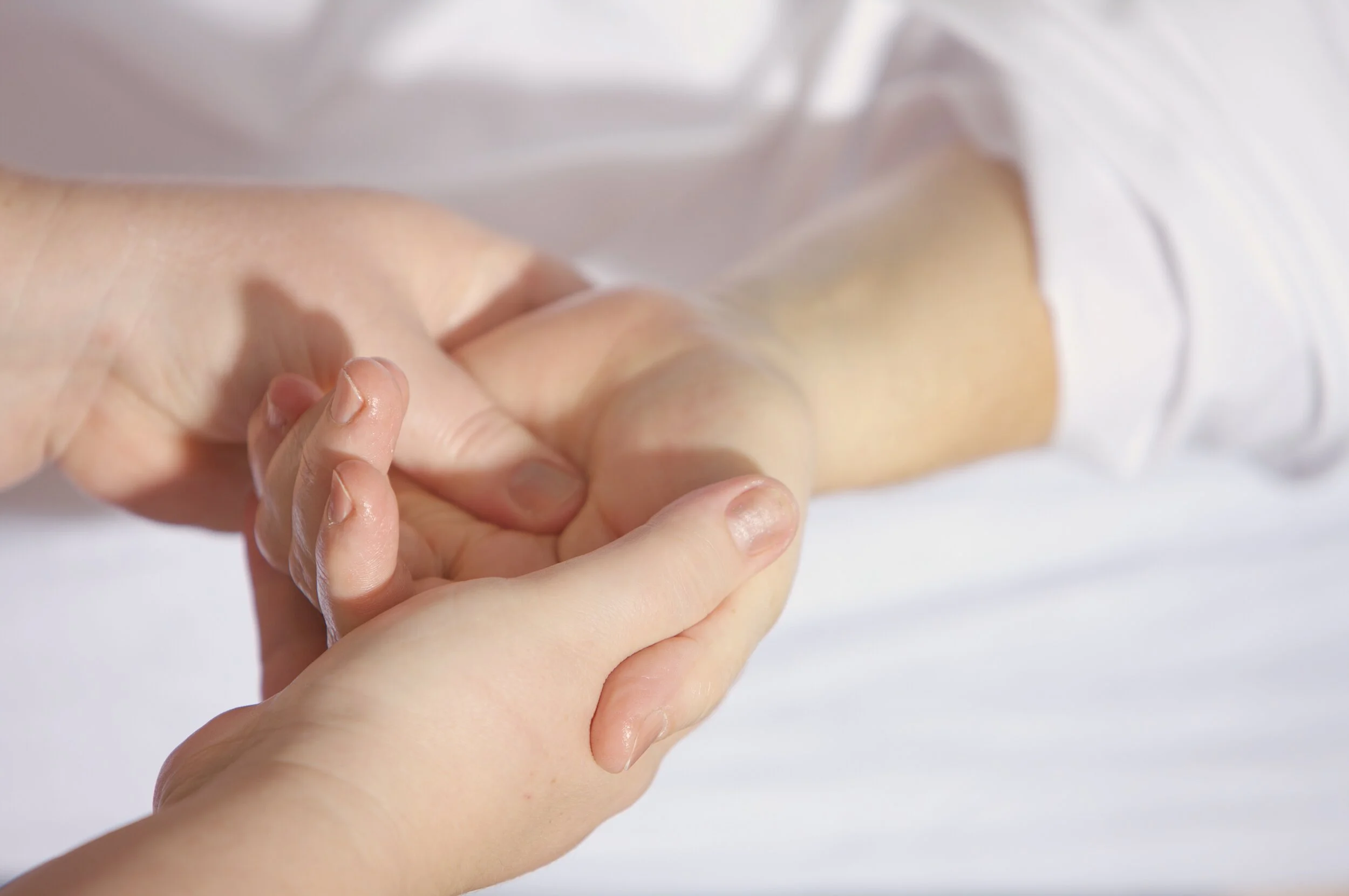
This is a popular massage type most suitable to loosen muscle knots and any stress in the joints. Swedish massage helps relax your mind and reduce anxiety. The masseur uses long, kneading strokes in the heart's direction, known as petrissage stroke, that focuses on the underlying muscles. It is mostly done without any lubricant for a better grip and kneading of the muscles.
The pressure applied can be painful for some, so you can ask the practitioner to reduce the pressure as per your pain threshold. An effective petrissage massage helps relieve muscle tension, increase blood circulation, and enhance movement range.
For a smooth massage, therapists also use oil or lotion along with the hand movements. You can ask for a massage using CBD-infused oil, an excellent oil known for its anti-inflammatory properties. Getting a spa therapy using CBD oil will help decompress your muscle, increase blood circulation, and flexibility. Thus, getting 40 mins of a Swedish massage can bring you relief from arthritis. You should make sure that your CBD oil is of supreme quality procured through a licensed, trusted canadian weed dispensary.
2. Shiatsu
This is a famous Japanese style of stroking that concentrates on the whole body but specifically on the body regions that need attention. A shiatsu massage assists in diminishing muscle tightness and elevates the mind and body relaxation. The massagist applies regular or pulsing force using their palms and fingers.
Shiatsu practitioners believe that shiatsu massage helps balance qi's flow (the life force in every human). A typical shiatsu massage lasts for 60 to 90 minutes, and you can keep your clothes on as no oil is required.
3. Lymphatic massage

Proper lymph flow is vital in maintaining good health. Lymphatic massage can help deal with conditions like arthritis, orthopedic injuries, knee or hip surgery, and systemic sclerosis by focusing on lymph flow. Fitness enthusiasts sometimes use this spa therapy as a post-exercise recovery treatment.
Scientific studies show incredible benefits of lymphatic massage in reducing swelling, fatigue, lymphedema, and increasing blood circulation throughout the lymphatic system. Therapists apply gentle patterned strokes along with essential oils like citrus or geranium oil, which acts as lymphatic stimulants. This massage helps release the excess fluid from the inflammatory process occurring in the body. Thus, arthritic patients can find relief in their joint and muscle pain after a lymphatic massage session.
4. Reiki
Reiki therapy is a kind of acupuncture therapy based on the theory of the flow of life energy in every person. Any disruption in the flow can lead to pain and health concerns. Reiki therapy boosts vitality by controlling the proper flow of energy in the body.
Therapists use light hand touch on your body, which stimulates the healing process. During this massage therapy, you need to lie down comfortably, and the practitioner guides your energy to the specific joints using certain hand positions. A Reiki session lasts typically between 60 and 90 minutes.
5. Aromatherapy massage

Aromatherapy helps enhance the emotional wellbeing of a person. This spa therapy might not cure arthritis but helps reduce the pain level. The different scents used during aromatherapy stimulates the smell receptors in the nose, activating the nervous system. It also releases the feel-good hormone called dopamine, which controls the emotions.
Essential oils play an important role in aromatherapy. They are used as scent and also mixed with lotions to apply during the massage. You can try aromatherapy using the lavender essential oil, which has a very soothing and relaxing scent. It has anti-inflammatory and antiseptic properties that enhance overall relaxation.
Aromatherapy is very efficient in overcoming anxiety, easing muscle tension, and discomfort. The massager will apply gentle pressure while massaging an essential oil onto your skin. While undergoing a massage, you will also be inhaling essential oils through a diffuser that gets absorbed into the skin. A full-body aromatherapy spa will relieve the muscle tension of the entire body. You can still ask the therapist to focus on problematic areas like the back, shoulders, and joints. A good aromatherapy massage lasts for 60 to 90 mins.
Conclusion:
These are the different spa therapies that a person with arthritis can go for. A therapy best suited for you will depend on the degree of pain and the area that required treatment. Based on your problematic region, a therapist will recommend the right arthritis massage for you.
Always indulge in spa therapy at a reputed massage center with qualified practitioners. Most people get relief from a massage. However, along with your massage therapy, continue to follow the instructions given by your physiotherapist for better results.
https://www.everydayhealth.com/conditions/massages-for-arthritis-pain/
https://www.healthline.com/health/osteoarthritis/arthritis-natural-relief
People who feel dizzy when they stand up may have higher risk of dementia
August 6, 2020
Science Daily/American Academy of Neurology
Some people who feel dizzy or lightheaded when they stand up may have an increased risk of developing dementia years later, according to a new study published in Neurology®, the medical journal of the American Academy of Neurology. The condition, called orthostatic hypotension, occurs when people experience a sudden drop in blood pressure when they stand up.
The study found the link with dementia only in people who have a drop in their systolic blood pressure, not in people with only a drop in their diastolic blood pressure or their blood pressure overall.
Systolic is the first, or top, number in a blood pressure reading and systolic orthostatic hypotension was defined as a drop of at least 15 mmHg after standing from a sitting position.
"People's blood pressure when they move from sitting to standing should be monitored," said study author Laure Rouch, Pharm.D., Ph.D., of the University of California, San Francisco. "It's possible that controlling these blood pressure drops could be a promising way to help preserve people's thinking and memory skills as they age."
The study involved 2,131 people who were an average age of 73 and did not have dementia when they enrolled. Their blood pressure readings were taken at the start of the study and then one, three and five years later. A total of 15% had orthostatic hypotension, 9% had systolic orthostatic hypotension and 6% had diastolic orthostatic hypotension.
Over the next 12 years, the participants were evaluated to see if anyone developed dementia. A total of 462 people, or 22%, did develop the disease.
The people with systolic orthostatic hypotension were nearly 40% more likely to develop dementia than those who did not have the condition. Fifty of the 192 with systolic orthostatic hypotension, or 26%, developed dementia, compared to 412 of the 1,939 people without it, or 21%. When researchers adjusted for other factors that could affect dementia risk, such as diabetes, smoking and alcohol use, those with systolic orthostatic hypotension were 37% more likely to develop dementia.
The researchers also found that people whose sitting-to-standing systolic blood pressure readings changed the most from visit to visit were more likely to develop dementia years later than people whose readings were more stable.
The people were divided into three groups based on how much their readings changed over time. A total of 24% of people in the group with the most fluctuation in systolic readings later developed dementia, compared to 19% of the people in the group with the least fluctuation. When researchers adjusted for other factors affecting dementia risk, those in the highest group were 35% more likely to develop dementia than those in the lowest group.
Rouch noted that the study is observational and does not show cause and effect. It only shows an association between the blood pressure readings and the development of dementia. Another limitation of the study was that the diagnosis of dementia was made without distinction between Alzheimer's disease and vascular dementia.
The study was funded by the National Institute on Aging.
https://www.sciencedaily.com/releases/2020/08/200806203658.htm
Brain noise contains unique signature of dream sleep
First EEG measure of REM sleep allows scientists to distinguish dreaming from wakefulness
August 6, 2020
Science Daily/University of California - Berkeley
Dream or REM sleep is distinguished by rapid eye movement and absence of muscle tone, but electroencephalogram (EEG) recordings are indistinguishable from those of an awake brain. Neuroscientists have now found an EEG signature of REM sleep, allowing scientists for the first time to distinguish dreaming from wakefulness through brain activity alone. This could help in determining the prognosis for coma patients, and allow study of the impact of anesthesia on dreaming.
When we dream, our brains are filled with noisy electrical activity that looks nearly identical to that of the awake brain.
But University of California, Berkeley, researchers have pulled a signal out of the noise that uniquely defines dreaming, or REM sleep, potentially making it easier to monitor people with sleep disorders, as well as unconscious coma patients or those under anesthesia.
Each year, hundreds of thousands of people undergo overnight studies to diagnose problems with their sleep, most of them hooked up to an electroencephalogram (EEG) to monitor brain activity as they progress from wakefulness to deep, slow-wave sleep and on into REM sleep. But EEGs alone can not tell whether a patient is awake or dreaming: Doctors can only distinguish REM sleep by recording rapid eye movement -- hence, the name -- and muscle tone, since our bodies relax in a general paralysis to prevent us from acting out our dreams.
"We really now have a metric that precisely tells you when you are in REM sleep. It is a universal metric of being unconscious," said Robert Knight, UC Berkeley professor of psychology and neuroscience and senior author of a paper describing the research that was published July 28 in the online journal eLife.
"These new findings show that, buried in the electrical static of the human brain, there is something utterly unique -- a simple signature," said co-author and sleep researcher Matthew Walker, UC Berkeley professor of psychology and neuroscience. "And if we measure that simple electrical signature, for the first time, we can precisely determine exactly what state of consciousness someone is experiencing -- dreaming, wide awake, anesthetized or in deep sleep."
The ability to distinguish REM sleep by means of an EEG will allow doctors to monitor people under anesthesia during surgery to explore how narcotic-induced unconsciousness differs from normal sleep -- a still-unsettled question. That's the main reason first author Janna Lendner, a medical resident in anesthesiology, initiated the study.
"We often tell our patients that, 'You will go to sleep now,' and I was curious how much these two states actually overlap," said Lendner, a UC Berkeley postdoctoral fellow in her fourth year of residency in anesthesiology at the University Medical Center in Tübingen, Germany. "Anesthesia can have some side effects. If we learn a little bit about how they overlap -- maybe anesthesia hijacks some sleep pathways -- we might be able to improve anesthesia in the long run."
Sleep soothes the brain
Sleep, as Walker wrote in his 2017 book, "Why we Sleep," "enriches a diversity of functions, including our ability to learn, memorize, and make logical decisions and choices. Benevolently servicing our psychological health, sleep recalibrates our emotional brain circuits, allowing us to navigate next-day social and psychological challenges with cool-headed composure."
Disrupted sleep interferes with all of this, increasing the risk of medical, psychiatric and neurological diseases.
Most sleep research focuses on the synchronized, rhythmic waves that flow through the neural network of the brain, from the slow waves that signal deep sleep, typically in the first few hours of the night, to the higher frequency waves typical of dream sleep. These waves pop out above a lot of general activity, also called the 1/f, that has typically been dismissed as noise and ignored.
But Knight and his lab have been looking at this "noise" for a decade and found that it contains useful information about the state of the brain. In 2015, for example, he and Bradley Voytek, a former doctoral student now on the faculty at UC San Diego, discovered that the amount of high frequency activity increases with age. Lendner has now found that a faster drop-off of high-frequency activity, relative to low-frequency activity, is a unique signature of REM sleep.
"There is this background activity, which is not rhythmic, and we have overlooked that for quite a long time," Lendner said. "Sometimes, it has been called noise, but it is not noise; it carries a lot of information, also about the underlying arousal level. This measure makes it possible to distinguish REM sleep from wakefulness by looking only at the EEG."
Since slow waves are associated with inhibition of activity in the brain, while high frequency activity -- like that found during wakefulness -- is associated with excitatory behavior, the sharper drop-off may be an indication that many activities in the brain, including those related to muscle movement, are being tamped down during REM sleep.
The new measure quantifies the relationship of brain activity at different frequencies -- how much activity there is at frequencies from about 1 cycle per second to 50 cycles per second -- and determines the slope, that is, how fast the spectrum drops. This 1/f "drop-off" is sharper in REM sleep than in wakefulness or when under anesthesia.
Lendner found this characteristic measure in the nighttime brain activity of 20 people recorded via EEG scalp electrodes in Walker's UC Berkeley sleep lab and in 10 people who had electrodes placed in their brains to search for the causes of epilepsy as a necessary prologue to brain surgery to alleviate seizures.
She also recorded brain activity in 12 epilepsy patients and 9 other patients undergoing spinal surgery with the common general anesthetic Propofol.
Lendner is now reviewing brain recordings from coma patients to see how their brain activity varies over the course of a day and whether the 1/f drop-off can be used to indicate the likelihood of emergence from coma.
"More importantly, I think it is another metric for evaluating states of coma," Knight said. "1/f is very sensitive. It could resolve, for instance, if someone was in a minimally conscious state, and they are not moving, and whether they are more alert than you think they are."
https://www.sciencedaily.com/releases/2020/08/200806164652.htm