
Watching nature on TV can boost wellbeing
October 13, 2020
Science Daily/University of Exeter
Watching high quality nature programmes on TV can uplift people's moods, reduce negative emotions, and help alleviate the kind of boredom associated with being isolated indoors, according to a new study published today in the Journal of Environmental Psychology.
The research has also shown that experiencing nature in virtual reality could have even larger benefits, boosting positive feelings and increasing people's connection to the natural world.
Under laboratory conditions, researchers from the University of Exeter first induced feelings of boredom in 96 participants by asking them to watch a video in which a person describes their work at an office supply company. They then experienced scenes of an underwater coral reef in one of three different ways: on TV; in a VR headset using 360o video; and in a VR headset using computer generated interactive graphics.
The team found that all viewing methods minimised negative feelings such as sadness, as well as significantly reducing boredom. However, only the interactive virtual reality experience led to increases in positive feelings, such as happiness, and strengthened how connected people felt to nature.
Nicky Yeo, lead researcher on the study, believes the findings could have important implications for populations facing extended periods at home. She said:
"Our results show that simply watching nature on TV can help to lift people's mood and combat boredom. With people around the world facing limited access to outdoor environments because of COVID-19 quarantines, this study suggests that nature programmes might offer an accessible way for populations to benefit from a 'dose' of digital nature."
The team worked with the BBC Natural History Unit to create their experimental conditions, which featured several scenes from the Blue Planet II series, including unseen 360o footage. Their findings support initiatives seeking to bring the therapeutic potential of nature to people at home, such as BBC Four's recent Mindful Escapes series.
Dr Mathew White, co-author of the study, said:
"We're particularly excited by the additional benefits immersive experiences of nature might provide. Virtual reality could help us to boost the wellbeing of people who can't readily access the natural world, such as those in hospital or in long term care. But it might also help to encourage a deeper connection to nature in healthy populations, a mechanism which can foster more pro-environmental behaviours and prompt people to protect and preserve nature in the real world."
https://www.sciencedaily.com/releases/2020/10/201014095130.htm
High blood pressure linked to baroreflex in rats
Animal model observation may reveal new cause of hypertension
October 5, 2020
Science Daily/Michigan Medicine - University of Michigan
High blood pressure: some people take medication to control it while others commit to low salt diets, exercise or yoga to reduce stress. Blood pressure is a primary vital sign, yet, remarkably, just how the body maintains it is still a mystery.
"We've been studying high blood pressure for 100 years and we still have the same ideas," says Daniel Beard, Ph.D., the Carl J. Wiggers Collegiate Professor of Cardiovascular Physiology. In a new paper in JCI Insight, Beard, Feng Gu, Ph.D., from the department of molecular and integrative physiology, and their team describe a newly observed phenomenon in the way blood pressure is maintained in certain rats.
Their discovery comes on the heels of an inquiry into the linkage between stiffened arteries and high blood pressure, known clinically as hypertension. "What happens when you are hypertensive is your arteries get stiffer. But this is thought to be an effect, not a cause," explains Beard. Stiff arteries have a reduced ability to stretch in response to increased pressure. This stretching is controlled by the baroreflex, an automatic neurological response to changes in tension.
"The goal of the reflex is to keep blood pressure steady," says Beard. "If pressure starts dropping, heart rate and cardiac activity go up and if it gets too high, they go down."
The team's hypothesis was that the stiffening in the arteries causes a neural defect, decreasing the ability of the baroreflex to detect arterial stretching and reduce pressure accordingly.
While measuring this effect in rats, they observed that the baroreflex appeared to switch on and off for extended periods of time, up to 5-10 minutes at a time. Spontaneously hypertensive rats -- ones who were genetically prone to high blood pressure -- appeared to have more time with the reflex turned off. In fact, Beard's team was able to predict which rats would be hypertensive by the pattern of this baroreflex behavior.
Measuring the dynamic response to blood pressure changes in a human involves tests like a tilt table test, during which a person is strapped to a table that changes positions to measure the cardiovascular response. However, for this study, the team was able to outfit rats with sensors to measure the baroreflex and blood pressure as they went about normal activities. Doing so allowed observation of the on/off phenomenon for the first time.
"First we had to convince ourselves this was real," says Beard. To do so, they compared their animals to rats of a different lineage, ones who developed high blood pressure in response to diet, and saw the same on/off phenomenon. Surprisingly, however, there was no link to blood pressure in these rats. Says Beard, "the baroreflex is contributing to making some animals hypertensive but not others. It may be playing other roles we don't understand."
The team's next goal is to figure out why the baroreflex turns on and off in rats and whether or not the phenomenon exists in people. If so, "it could give us clues about what therapies people may or may not respond to," Beard says.
https://www.sciencedaily.com/releases/2020/10/201005101546.htm
More young adults are abstaining from alcohol
October 12, 2020
Science Daily/University of Michigan
Fewer college-age Americans drink alcohol, compared to nearly 20 years ago, according to a new study.
Between 2002 and 2018, the number of adults aged 18-22 in the U.S. who abstained from alcohol increased from 20% to 28% for those in college and from about 24% to 30% for those not in school, say researchers at the University of Michigan and Texas State University. And alcohol abuse among both groups decreased by roughly half.
However, the study found that the number of young adults using marijuana, as well as co-using alcohol and marijuana, has increased.
Overall, the mixed findings show more positive than negative trends for alcohol and marijuana use and misuse among this age group, but the progression still bears close monitoring, the researchers say.
The study, appearing in JAMA Pediatrics Oct. 12, examined how alcohol and marijuana abstinence, co-use and use disorders have changed in 18-to-22-year-olds as a function of college status, using data from a nationally representative survey of 182,722 young adults. It also looked at prescription drug use and misuse as a function of alcohol and marijuana use, from 2015 to 2018.
The researchers were particularly surprised at the drop in alcohol use and misuse.
"We're encouraged by the significant decreases in alcohol use disorder -- for both college and noncollege students," said lead author Sean Esteban McCabe, director of the Center for the Study of Drugs, Alcohol, Smoking and Health at the U-M School of Nursing.
"The prevalence of alcohol use disorder in both groups in 2018 was roughly half of what it was in 2002. We are excited to learn about these drops in disordered drinking, as alcohol-related consequences are one of the leading causes of mortality and morbidity for young adults."
Co-author Ty Schepis, professor of psychology at Texas State, said "even with increases in marijuana use disorder and co-use of alcohol and marijuana, there is a lot of hope in our study's results."
"Points of concern that deserve more attention are the rise in co-use of alcohol and marijuana, as we know that polysubstance use can have more negative consequences and be more difficult to treat," he said.
The study also found that more than three-fourths of those who had disordered use of both alcohol and marijuana reported past-year prescription drug use and illicit drug use, while the majority reported prescription drug misuse.
The findings indicate that the substance use landscape has changed over the past 20 years, with more young adults using or misusing several different substances, as opposed to just marijuana or alcohol.
"For example, from 2015 to 2018, only 2.5% of young adults who abstained from both alcohol and marijuana reported misusing prescription drugs, while 25.1% of co-users misused prescription drugs," Schepis said. "That is a tenfold difference with potentially dangerous consequences."
Abusing multiple substances is often more dangerous than abusing a single substance.
"Interventions that focus solely on one substance will be less effective than interventions that take a more holistic polysubstance use perspective," McCabe said. "The findings of our study reinforce the complex task health professionals have of detecting and developing effective interventions to reduce consequences associated with polysubstance use, such as co-use of alcohol and marijuana."
Schools and employers may require more resources to scale interventions to address both young adults with and without a disorder, including screening and brief interventions for co-use of alcohol and marijuana, McCabe said.
"The finding that abstinence is increasing among college students and young adults not in college is very important for U.S. colleges and universities to take into account moving forward," he said. "These findings reinforce the importance of the need to support those young adults in recovery and abstinence for other reasons. There are over 1 million U.S. young adults in recovery and a wide variety of resources are needed to support these individuals."
https://www.sciencedaily.com/releases/2020/10/201012120007.htm
Alcohol use changed right after COVID-19 lockdown
October 13, 2020
Science Daily/Washington State University
One in four adults reported a change in alcohol use almost immediately after stay-at-home orders were issued, according to a study of twins led by Washington State University researchers.
The study, published recently in Frontiers in Psychiatry, surveyed more than 900 twin pairs from the Washington State Twin Registry from March 26 to April 5, 2020, just after stay-at-home orders were issued in Washington on March 23. An estimated 14% of survey respondents said they drank more alcohol than the week prior and reported higher levels of stress and anxiety than those who did not drink alcohol and those whose use stayed the same.
"We expected that down the road people might turn to alcohol after the stay-at-home orders were issued, but apparently it happened right off the bat," said Ally Avery, lead author of the study and a scientific operations manager at WSU's Elson S. Floyd College of Medicine. "It shows the need to make sure there is more mental health support since it had an impact on people right away."
Surprisingly, the study showed that the 11% who decreased their drinking also had higher levels of stress and anxiety than the groups with no change -- suggesting that any change in alcohol use may be associated with mental health issues.
The study did not examine the reasons behind the link between a decrease in drinking and increase in stress and anxiety, but Avery said one possibility is that these were social drinkers who were missing out on after-work happy hours and other occasions where they drank with friends.
The researchers conducted the study with twins so that they could look at whether changes in alcohol use and mental health were mediated by genetic or shared environmental factors since twins raised in the same family share many formative experiences. Twins also have common genetics with fraternal twins sharing approximately half of their genes while identical twins share all of their genes.
In this study, the researchers found that the association between changes in alcohol use, and stress and anxiety were relatively small and confounded by between-family factors and demographic characteristics.
Still the link between the pandemic, alcohol use, and stress and anxiety is concerning, Avery said. The researchers are continuing to survey this group at longer intervals to see if the increased drinking persists and whether it becomes a bigger problem.
https://www.sciencedaily.com/releases/2020/10/201013124134.htm
Girls benefit from doing sports
September 29, 2020
Science Daily/University of Montreal
Extracurricular sport in middle childhood diminishes subsequent ADHD symptoms in girls, but not in boys, a new study suggests
Girls -- but not boys -- who participate actively in school sports activities in middle childhood show improved behaviour and attentiveness in early adolescence, suggests a new Canadian study published in Preventative Medicine.
"Girls who do regular extracurricular sports between ages 6 and 10 show fewer symptoms of attention-deficit/hyperactivity disorder (ADHD) at age 12, compared to girls who seldom do," said Linda Pagani, a professor at Université de Montréal's School of Psychoeducation.
"Surprisingly, however, boys do not appear to gain any behavioural benefit from sustained involvement in sports during middle childhood," said Pagani, who led the study co-authored by her students Marie-Josée Harbec and Geneviève Fortin and McGill University associate medical professor Tracie Barnett.
As the team prepared their research, "it was unclear to what extent organized physical activity is beneficial for children with ADHD symptoms," recalled Pagani.
"Past studies have varied widely in quality, thus blurring the true association between sport and behavioural development." She added: "On top of that, "past research has not acknowledged that boys and girls are different in how they present ADHD symptoms."
A chance to get organized
ADHD harms children's ability to process information and learn at school, Pagani explained. Sport helps young people develop life skills and supportive relationships with their peers and adults. It offers a chance to get organized under some form of adult influence or supervision.
"Thus, from a public-health perspective, extracurricular sport has the potential to be a positive, non-stigmatizing and engaging approach to promote psychological well-being and could thus be viewed as behaviour therapy for youth with ADHD," Pagani said.
"Sports are especially beneficial if they begin in early childhood. And so, since using concentration and interpersonal skills are essential elements of sport, in our study we undertook to examine whether it would result in reductions in ADHD symptoms over the long term."
Pagani and her team came to their conclusions after examining data from a Quebec cohort of children born in 1997 and 1998, part of the Quebec Longitudinal Study of Child Development coordinated by the Institut de la statistique du Québec.
Parents of the 991 girls and 1,006 boys in the study reported on whether their sons and daughters were in an extracurricular physical activity that required a coach or instructor between ages 6 and 10. At age 12 years, teachers rated the children's behaviour compared to their classmates. Pagani's team then analyzed the data to identify any significant link between sustained participation and later ADHD symptoms, discarding many possible confounding factors.
"Our goal was to eliminate any pre-existing conditions of the children or families that could throw a different light on our results," said Pagani.
'Boys more impulsive'
Why do girls with ADHD benefit from sports, but not boys?
"In childhood, boys with ADHD are more impulsive and more motor-skilled than girls -- as a result, boys are more likely to receive medication for their ADHD, so faster diagnosis and treatment for boys in middle childhood could diminish the detectable benefits of sport," Pagani said. "They might be there; they're just harder to tease out."
"In girls, on the other hand, ADHD is more likely to go undetected -- and girls' difficulties may be even more tolerated at home and in school. Parents of boys, by contrast, might be more inclined to enroll them in sports and other physical activities to help them."
She added: "We know that sporting activities have other numerous benefits for mental health of all children. However, for reducing ADHD symptoms, middle childhood sports in elementary school seem more noteworthy for girls."
That's why structured extracurricular activities that demand physical skill and effort under the supervision of a coach or instructor could be valuable to any official policy aimed at promoting behavioral development, the UdeM researchers maintain.
Concluded Pagani: "Sports activities in early childhood can help girls develop essential social skills that will be useful later and ultimately play a key role in their personal, financial and economic success."
The work was supported by the Social Sciences and Humanties Research Council of Canada and other funders, including the Fondation Lucie et André Chagnon.
https://www.sciencedaily.com/releases/2020/09/200929123524.htm
Evidence of Alzheimer's, Parkinson's and MND in brains of young people exposed to dirty air
October 6, 2020
Science Daily/Lancaster University
After examining the brainstems of 186 young Mexico City residents aged between 11 months and 27 years of age, researchers, found markers not only of Alzheimer's disease, but also of Parkinson's and of motor neuron disease (MND) too. These markers of disease were coupled with the presence of tiny, distinctive nanoparticles within the brainstem - their appearance and composition indicating they were likely to come from vehicle pollution.
Researchers looking at the brainstems of children and young adults exposed lifelong to air pollution in Mexico City have discovered disturbing evidence of harm.
Previous studies have linked fine particulate air pollution exposure with Alzheimer's disease, and researchers have also reported evidence of air pollution-derived nanoparticles in the frontal cortex of the brain.
But after examining the brainstems of 186 young Mexico City residents aged between 11 months and 27 years of age, researchers, including Professor Barbara Maher from Lancaster University, found markers not only of Alzheimer's disease, but also of Parkinson's and of motor neurone disease (MND) too. These markers of disease were coupled with the presence of tiny, distinctive nanoparticles within the brainstem -- their appearance and composition indicating they were likely to come from vehicle pollution.
This has led researchers to conclude that air pollution of this nature -- whether inhaled or swallowed -- puts people at risk of potential neurological harm. The brainstem is the posterior part of the brain which regulates the central nervous system, controls heart and breathing rates, and how we perceive the position and movement of our body, including, for example, our sense of balance.
Professor Maher said: "Not only did the brainstems of the young people in the study show the 'neuropathological hallmarks' of Alzheimer's, Parkinson's and MND, they also had high concentrations of iron-, aluminium- and titanium-rich nanoparticles in the brainstem -- specifically in the substantia nigra, and cerebellum.
"The iron-and aluminium-rich nanoparticles found in the brainstem are strikingly similar to those which occur as combustion- and friction-derived particles in air pollution (from engines and braking systems).
"The titanium-rich particles in the brain were different -- distinctively needle-like in shape; similar particles were observed in the nerve cells of the gut wall, suggesting these particles reach the brain after being swallowed and moving from the gut into the nerve cells which connect the brainstem with the digestive system."
The 'neuropathological hallmarks' found even in the youngest infant (11 months old) included nerve cell growths, and plaques and tangles formed by misfolded proteins in the brain. Damage to the substantia nigra is directly linked with the development of Parkinson's disease in later life. Protein misfolding linked previously with MND was also evident, suggesting common causal mechanisms and pathways of formation, aggregation and propagation of these abnormal proteins.
The one thing common to all of the young people examined in the study was their exposure to high levels of particulate air pollution. Professor Maher says that the associations between the presence of damage to cells and their individual components -- especially the mitochondria (key for generation of energy, and signalling between cells) -- and these metal-rich nanoparticles are a 'smoking gun'.
Such metal-rich particles can cause inflammation and also act as catalysts for excess formation of reactive oxygen species, which are known to cause oxidative stress and eventual death of neurons. Critically, the brainstems of age- and gender- matched controls who lived in lower-pollution areas have not shown the neurodegenerative pathology seen in the young Mexico City residents.
These new findings show that pollution-derived, metal-rich nanoparticles can reach the brainstem whether by inhalation or swallowing, and that they are associated with damage to key components of nerve cells in the brainstem, including the substantia nigra.
Even in these young Mexico City residents, the type of neurological damage associated with Alzheimer's, Parkinson's and motor neurone diseases is already evident. These data indicate the potential for a pandemic of neurological disease in high-pollution cities around the world as people experience longer lifespans, and full symptoms of earlier, chronic neurological damage develop.
Professor Barbara Maher said: "It's critical to understand the links between the nanoparticles you're breathing in or swallowing and the impacts those metal-rich particles are then having on the different areas of your brain.
"Different people will have different levels of vulnerability to such particulate exposure but our new findings indicate that what air pollutants you are exposed to, what you are inhaling and swallowing, are really significant in development of neurological damage.
"With this in mind, control of nanoparticulate sources of air pollution becomes critical and urgent."
https://www.sciencedaily.com/releases/2020/10/201006153526.htm
Exercise intensity not linked to mortality risk in older adults, finds trial
October 7, 2020
Science Daily/BMJ
Exercise intensity appears to make no difference to risk of mortality among older adults, suggests a randomised controlled trial from Norway published by The BMJ today.
Physical activity has been highlighted as one of the most important actions people of all ages can engage in to improve health, and data from observational studies show that early death is significantly reduced in physically active compared with inactive individuals.
Yet high quality clinical trial evidence on a potential direct (causal) relation between current advice on physical activity levels and longevity is lacking.
So an international research team set out to evaluate the effect of five years of supervised exercise training compared with recommendations for physical activity on mortality in older adults (70-77 years).
The trial involved 1,567 participants (790 women and 777 men) living in Trondheim, Norway, with an average age of 73 years. In total, 87.5% of participants reported overall good health and 80% reported a medium or high level of physical activity at the start of the trial.
Of these 1,567 participants, 400 were assigned to two weekly sessions of high intensity interval training (HIIT), 387 were assigned to moderate intensity continuous training (MICT), and 780 to follow the Norwegian guidelines for physical activity (control group), all for five years.
After five years, the overall mortality rate was 4.6% (72 participants).
The researchers found no difference in all cause mortality between the control group (4.7%, 37 participants) and combined HIIT and MICT group (4.5%, 35 participants).
They also found no differences in cardiovascular disease or cancer between the control group and the combined HIIT and MICT group.
For example, the total proportion of participants with cardiovascular disease after five years was 15.6%, with 16% (125 participants) in the control group, 15% (58 participants) in the MICT group, and 15.3% (61 participants) in the HIIT group.
The researchers point to some limitations. For example, highly active participants in the control group could have hampered finding differences between groups, and many participants were healthier than expected at the start of the study, which may have limited the potential to increase activity levels further.
However, strengths include the large number of older adults, and the long intervention period and monitoring throughout the study.
"This study suggests that combined MICT and HIIT has no effect on all cause mortality compared with recommended physical activity levels," write the researchers.
https://www.sciencedaily.com/releases/2020/10/201007193656.htm
Cannabis ads and store location influence youth marijuana use
October 8, 2020
Science Daily/Washington State University
States may want to consider the proximity of cannabis retailers and cannabis advertising to neighborhoods to prevent underage use of the drug, according to new researc
Advertising and location of cannabis retailers influence adolescents' intentions to use marijuana, according to a new study in the Journal of Health Communication by Washington State University researchers.
Stacey J.T. Hust, associate dean in the Murrow College of Communication, and Jessica Fitts Willoughby, associate professor of communication, conducted a survey of 13- to 17-year-olds in Washington State to find out how marijuana advertising and the location of marijuana retailers influence adolescents' intentions to use the drug. The researchers also asked participants about their outcome beliefs -- whether or not they thought using marijuana would be good for them personally and or socially.
Their research shows regular exposure to marijuana advertising on storefronts, billboards, retailer websites and other locations increased the likelihood of adolescents using marijuana.
"While there are restrictions against using advertising designed specifically to target youth, it does still appear to be having some influence," Willoughby said. "Our research suggests a need to equip adolescents with the knowledge and skills to critically evaluate marijuana advertisements."
Location of retail stores also played a role but the results of the survey were mixed.
While the actual density of marijuana retailers in an area was not associated with adolescents' intentions to use, study participants who said they lived within five miles of a marijuana shop were more likely to report intentions to use the drug than those who perceived they lived farther away.
"This was especially the case when they also reported having positive beliefs about marijuana use," Hust said. "The study participants who felt positively about marijuana and perceived living close to retailers were the most likely to report intentions to use marijuana."
The results of the research team's study could have significant policy implications as states that have legalized recreational marijuana use grapple with ways to adhere to the drug's legal status while trying to prevent adolescent marijuana use.
For instance, most states with legalized marijuana restrict placing retailers and advertisements next to schools, but other locations, where adolescents live and spend a lot of their time, remain largely unregulated.
"Our findings are particularly relevant given that most states that have legalized recreational marijuana have not restricted their proximity to neighborhoods or living areas, which may be particularly challenging in large metropolitan areas," Hust said. "States may want to consider using census data to identify the proportion of teens living in particular areas as they identify the location for marijuana retailers."
The researchers are currently in the process of conducting a new experiment where they are testing different types of advertisements to see how young people interpret and respond to them.
"One of the things this research and other studies suggest is that these advertisements are pretty prolific in certain areas and we want to see what type of appeals are used in the advertisements and how those appeals affect viewers," Hust said. "Our long-term goal is really to develop a better understanding of how adolescents can make heathy and informed decisions in an environment in which marijuana is legal."
https://www.sciencedaily.com/releases/2020/10/201008142132.htm
Fighting intestinal infections with the body's own endocannabinoids
October 7, 2020
Science Daily/UT Southwestern Medical Center
Endocannabinoids, signaling molecules produced in the body that share features with chemicals found in marijuana, can shut down genes needed for some pathogenic intestinal bacteria to colonize, multiply, and cause disease, new research led by UT Southwestern scientists shows.
The findings, published online today in Cell, could help explain why the cannabis plant -- the most potent part of which is marijuana -- can lessen the symptoms of various bowel conditions and may eventually lead to new ways to fight gastrointestinal infections.
Discovered in 1992, endocannabinoids are lipid-based neurotransmitters that play a variety of roles in the body, including regulating immunity, appetite, and mood. Cannabis and its derivatives have long been used to relieve chronic gastrointestinal conditions, including irritable bowel syndrome and inflammatory bowel disease. Studies have shown that dysregulation of the body's endocannabinoid system can lead to intestinal inflammation and affect the makeup of gut microbiota, the population of different bacterial species that inhabit the digestive tract.
However, study leader Vanessa Sperandio, Ph.D., professor of microbiology and biochemistry at UTSW, says it's been unknown whether endocannabinoids affect susceptibility to pathogenic gastrointestinal infections.
To help answer this question, Sperandio and her colleagues worked with mice genetically altered to overproduce the potent mammalian endocannabinoid 2-arachidonoyl glycerol (2-AG) in various organs, including the intestines. When the researchers infected these animals and their unmodified littermates with Citrobacter rodentium, a bacterial pathogen that attacks the colon and causes marked inflammation and diarrhea, the mutant mice developed only mild symptoms compared with the more extreme gastrointestinal distress exhibited by their littermates. Examination of the mutant animals' colons showed far lower inflammation and signs of infection. These mice also had significantly lower fecal loads of C. rodentium bacteria and cleared their infection days faster than their unmodified littermates. Treating genetically unmodified animals with a drug that raised levels of 2-AG in the intestines produced similar positive effects.
Sperandio's team found that increased levels of 2-AG could also attenuate Salmonella typhimurium infections in mice and impede enterohemorrhagic Escherichia coli -- a particularly dangerous gastrointestinal bacteria that infects humans -- in order to express the virulence traits needed for a successful infection.
Conversely, when the researchers treated mammalian cells in petri dishes with tetrahydrolipstatin, a Food and Drug Administration-approved compound sold commercially as Alli that inhibits 2-AG production, they became more susceptible to the bacterial pathogens.
Further experiments showed that 2-AG exerted these effects on C. rodentium, S. typhimurium, and E. coli by blocking a bacterial receptor known as QseC. When this receptor senses the host signaling molecules epinephrine and norepinephrine, it triggers a molecular cascade necessary to establish infection. Plugging this receptor with 2-AG prevents this virulence program from activating, Sperandio explains, helping to protect against infection.
Sperandio notes that these findings could help explain some of the effects of cannabis use on inflammatory bowel conditions. Although studies have shown that cannabis can lower inflammation, recent research has shown that these conditions also tend to have a bacterial component that might be positively affected by plant cannabinoids.
In addition, cannabis compounds or synthetic derivatives could eventually help patients kick intestinal bacterial infections without antibiotics. This could be particularly useful for infections caused by enterohemorrhagic Escherichia coli, Sperandio says, which produces a deadly toxin when it's treated with antibiotics, rendering these drugs not only counterproductive but extremely dangerous. Because many virulent bacteria that colonize areas elsewhere in the body also have the QseC receptor, she adds, this strategy could be used more broadly to fight a variety of infections.
"By harnessing the power of natural compounds produced in the body and in plants," she says, "we may eventually treat infections in a whole new way."
https://www.sciencedaily.com/releases/2020/10/201007123119.htm
Older adults using cannabis to treat common health conditions
Data indicates 61 percent of patients who used cannabis began after age 60
October 7, 2020
Science Daily/University of California - San Diego
With growing interest in its potential health benefits and new legislation favoring legalization in more states, cannabis use is becoming more common among older adults.
University of California San Diego School of Medicine researchers report that older adults use cannabis primarily for medical purposes to treat a variety of common health conditions, including pain, sleep disturbances and psychiatric conditions like anxiety and depression.
The study, published online October 7, 2020 in the Journal of the American Geriatrics Society, found that of 568 patients surveyed, 15 percent had used cannabis within the past three years, with half of users reporting using it regularly and mostly for medical purposes.
"Pain, insomnia and anxiety were the most common reasons for cannabis use and, for the most part, patients reported that cannabis was helping to address these issues, especially with insomnia and pain," said Christopher Kaufmann, PhD, co-first author of the study and assistant professor in the Division of Geriatrics and Gerontology in the Department of Medicine at UC San Diego.
Patients surveyed in the study were seen at the Medicine for Seniors Clinic at UC San Diego Health over a period of 10 weeks.
The researchers also found that 61 percent of the patients who used cannabis had initiated use after age 60.
"Surprisingly, we found that nearly three-fifths of cannabis users reported using cannabis for the first time as older adults. These individuals were a unique group compared to those who used cannabis in the past," said Kevin Yang, co-first author and third-year medical student at UC San Diego.
"New users were more likely to use cannabis for medical reasons than for recreation. The route of cannabis use also differed with new users more likely to use it topically as a lotion rather than by smoking or ingesting as edibles. Also, they were more likely to inform their doctor about their cannabis use, which reflects that cannabis use is no longer as stigmatized as it was previously."
Given the rise in availability of CBD-only products, which is a non-psychoactive cannabinoid in contrast to THC-containing products, the researchers said it is likely that future surveys will continue to document a larger proportion of older adults using cannabis or cannabis-based products for the first time.
"The findings demonstrate the need for the clinical workforce to become aware of cannabis use by seniors and to gain awareness of both the benefits and risks of cannabis use in their patient population," said Alison Moore, MD, senior author and chief of the Division of Geriatrics in the Department of Medicine at UC San Diego School of Medicine. "Given the prevalence of use, it may be important to incorporate evidence-backed information about cannabis use into medical school and use screening questions about cannabis as a regular part of clinic visits."
The researchers said future studies are imperative to better understanding the efficacy and safety of different formulations of cannabis in treating common conditions in older adults, both to maximize benefit and minimize harm.
"There seems to be potential with cannabis, but we need more evidence-based research. We want to find out how cannabis compares to current medications available. Could cannabis be a safer alternative to treatments, such as opioids and benzodiazepines? Could cannabis help reduce the simultaneous use of multiple medications in older persons? We want to find out which conditions cannabis is most effective in treating. Only then can we better counsel older adults on cannabis use," said Kaufmann.
https://www.sciencedaily.com/releases/2020/10/201007152815.htm
Excess folic acid during pregnancy harms brain development of mice
Researchers found too much folic acid was just as detrimental as too little
October 5, 2020
Science Daily/University of California - Davis Health
A UC Davis MIND Institute study of pregnant mice found that high amounts of folic acid during pregnancy harmed the brain development of embryos. Researchers say the findings indicate that more investigation is needed about the best recommended dosage for pregnant women.
"We believe there's a Goldilocks effect with folic acid. Too little is not good, too much is not good; you have to get it just right," said Ralph Green, UC Davis distinguished professor of pathology and medicine and a corresponding author of the study.
The research, published Sept. 30 in Cerebral Cortex, involved pregnant mice who were given either a normal amount of folic acid, 10 times the recommended amount, or none. The offspring of the mice that received the largest amount showed significant brain changes.
"It's not subtle. It's substantial," said Konstantinos Zarbalis, associate professor in the Department of Pathology and Laboratory Medicine and also a corresponding author of the research. "It makes a marked difference in brain structure if you take very high amounts of folic acid."
Paradoxically, changes in the brain due to too much folic acid mimicked those associated with a deficiency of folic acid. "This, to me, was an even more important insight," said Zarbalis, who is also on the UC Davis MIND Institute faculty. He noted that in humans, research shows that impaired folate uptake into the brain can cause cerebral folate deficiency, a syndrome that is often associated with the development of autism.
Folic acid and pregnancy
Folic acid (the synthetic form of vitamin B9, or folate) supplementation is widely recommended for women of child-bearing age. It has been shown to substantially reduce the risk of neural tube defects, such as spina bifida, in children. Research, including studies at the MIND Institute, has also shown that prenatal vitamins that include folic acid have a protective effect against the development of autism and other disorders.
Green was on the panel with the National Academy of Sciences and the Institute of Medicine (now called the National Academy of Medicine) that determined the recommended daily intake of folic acid (400 mcg) and the maximum daily safe upper limit (1000 mcg). He was also on the Food and Drug Administration (FDA) panel that recommended adding folic acid to foods, which led to the fortification of all cereals and grains with folic acid mandated by the Federal Government in 1998.
"Addition of folic acid to the diet was a good thing, and I've supported fortification, but there is a 'best amount' of folic acid, and some people may be getting more than is optimal," said Green.
Women who have given birth to a child with neural tube defects or who have certain conditions like epilepsy and take anticonvulsants, have generally been advised to take much higher doses of folic acid.
"In animal models, we have indications that very high amounts of folic acid can be harmful to brain development of the fetus, and the clinical community should take this indication seriously, to support research in this area to reevaluate the amount of folic acid that is optimal for pregnant women," said Zarbalis.
Zarbalis and Green suspect that the problem lies in the way folic acid is metabolized by the body and have plans to investigate the phenomenon further.
https://www.sciencedaily.com/releases/2020/10/201005170836.htm
Exposure to vitamin D in the womb might minimize risk of high blood pressure for children born to mothers with preeclampsia
Findings come from new analysis of large epidemiological dataset
October 5, 2020
Science Daily/Johns Hopkins University Bloomberg School of Public Health
Children appear to be at greater risk of having high blood pressure when their mothers had the high blood pressure condition called preeclampsia during pregnancy -- but this adverse association may be reduced or even eliminated for children who were exposed to higher levels of vitamin D in the womb, according to a study from researchers at Johns Hopkins Bloomberg School of Public Health.
The findings, based on an analysis of data on 754 mother-child pairs in Massachusetts, suggest that higher vitamin D levels in pregnancy may help protect children born to preeclamptic women from developing high blood pressure. High blood pressure in childhood is associated in turn with hypertension and heart disease in adulthood.
The study was published online October 5 in JAMA Network Open.
"There is increasing evidence that cardiovascular disease risk is, to a great extent, programmed in the womb, and we now see that it may be vitamin D that alters this programming in a beneficial fashion," says study senior author Noel Mueller, PhD, an assistant professor in the Department of Epidemiology at the Bloomberg School.
Preeclampsia, which can lead to strokes and/or organ failure, is a major cause of illness and death for pregnant women, and also is associated with a greater risk of stillbirth and preterm birth. Researchers have estimated that preeclampsia occurs in 2-8 percent of pregnancies worldwide. It is associated with maternal obesity, and the rate of severe preeclampsia in the U.S. has risen sharply since the 1980s.
At the same time, the rate of high blood pressure among children in the U.S. has risen by about 40 percent between 1988 and 2008. Studies have suggested that maternal preeclampsia may be a factor in that increase.
Studies also have linked maternal vitamin D deficiency to a higher risk of preeclampsia, and have suggested that lower levels of vitamin D in adulthood or even early in life bring a greater risk of hypertension.
"We wanted to know if vitamin D levels in the womb would modify this association between maternal preeclampsia and hypertension in childhood," says study first author Mingyu Zhang, a PhD candidate in Mueller's research group.
To investigate this question, the team analyzed data that had been gathered on 754 mother-child pairs from 1998 to 2018 in a large epidemiological study conducted at the Boston Medical Center in Massachusetts. The dataset included information on preeclampsia during pregnancy, tests on blood from the umbilical cord at birth, and the children's blood pressure from age 3 to 18.
About 62 percent of the mothers in the study group were Black, and 52 percent were overweight or obese. Previous studies suggest that mothers who were Black or overweight or obese were at higher risk for preeclampsia. Darker-skinned people living in higher latitudes also are more likely to be deficient in vitamin D -- a cholesterol-derived molecule that is present in some foods but also is synthesized in skin with the help of ultraviolet light.
Roughly ten percent of the women in the study group had preeclampsia, and the analysis revealed that their children on average had higher systolic blood pressure than the children born to non-preeclamptic mothers -- about 5 percentile points higher, when all the blood pressure readings were arranged on a 0 to 100 percentile scale.
Cord-blood vitamin D levels clearly modified these associations, and in a dose-related manner. Children in the lowest 25 percent range of vitamin D levels (lowest "quartile") were about 11 percentile points higher in blood pressure, on average, if their mothers had had preeclampsia, compared to children of non-preeclamptic mothers.
For children in the highest vitamin D quartile, there appeared to be no difference in average blood pressure if their mothers had had preeclampsia -- in other words, the results suggest that having relatively high vitamin D levels at birth, which could be achieved through dietary supplements, may completely mitigate the risk brought by preeclampsia.
"If other epidemiological studies confirm these findings, then randomized trials would be needed to determine conclusively if higher vitamin D in mothers at risk of preeclampsia protects against childhood high blood pressure," Mueller says.
https://www.sciencedaily.com/releases/2020/10/201005144631.htm
Why writing by hand makes kids smarter
Writing by hand creates much more activity in the sensorimotor parts of the brain, researchers found
October 1, 2020
Science Daily/Norwegian University of Science and Technology
New brain research shows that writing by hand helps children learn more and remember better. At the same time, schools are going more and more digital, and a European survey shows that Norwegian children spend the most time online of 19 countries in the EU.
Professor Audrey van der Meer at NTNU believes that national guidelines should be put into place to ensure that children receive at least a minimum of handwriting training.
Results from several studies have shown that both children and adults learn more and remember better when writing by hand.
Now another study confirms the same: choosing handwriting over keyboard use yields the best learning and memory.
Van der Meer and her colleagues have investigated this several times, first in 2017 and now in 2020.
In 2017, she examined the brain activity of 20 students. She has now published a study in which she examined brain activity in twelve young adults and twelve children.
This is the first time that children have participated in such a study.
Both studies were conducted using an EEG to track and record brain wave activity. The participants wore a hood with over 250 electrodes attached.
The brain produces electrical impulses when it is active. The sensors in the electrodes are very sensitive and pick up the electrical activity that takes place in the brain.
Handwriting gives the brain more hooks to hang memories on
Each examination took 45 minutes per person, and the researchers received 500 data points per second.
The results showed that the brain in both young adults and children is much more active when writing by hand than when typing on a keyboard.
"The use of pen and paper gives the brain more 'hooks' to hang your memories on. Writing by hand creates much more activity in the sensorimotor parts of the brain. A lot of senses are activated by pressing the pen on paper, seeing the letters you write and hearing the sound you make while writing. These sense experiences create contact between different parts of the brain and open the brain up for learning. We both learn better and remember better," says Van der Meer.
She believes that her own and others' studies emphasize the importance of children being challenged to draw and write at an early age, especially at school.
Today's digital reality is that typing, tapping and screen time are a big part of children's and adolescents' everyday lives.
A survey of 19 countries in the EU shows that Norwegian children and teens spend the most time online. The smartphone is a constant companion, followed closely by the PC and tablet.
The survey shows that Norwegian children ages 9 to16 spend almost four hours online every day, double the amount since 2010.
Kids' leisure time spent in front of a screen is now amplified by schools' increasing emphasis on digital learning.
Van der Meer thinks digital learning has many positive aspects, but urges handwriting training.
"Given the development of the last several years, we risk having one or more generations lose the ability to write by hand. Our research and that of others show that this would be a very unfortunate consequence" of increased digital activity, says Meer.
She believes that national guidelines should be put in place that ensure children receive at least a minimum of handwriting training.
"Some schools in Norway have become completely digital and skip handwriting training altogether. Finnish schools are even more digitized than in Norway. Very few schools offer any handwriting training at all," says Van der Meer.
In the debate about handwriting or keyboard use in school, some teachers believe that keyboards create less frustration for children. They point out that children can write longer texts earlier, and are more motivated to write because they experience greater mastery with a keyboard.
"Learning to write by hand is a bit slower process, but it's important for children to go through the tiring phase of learning to write by hand. The intricate hand movements and the shaping of letters are beneficial in several ways. If you use a keyboard, you use the same movement for each letter. Writing by hand requires control of your fine motor skills and senses. It's important to put the brain in a learning state as often as possible. I would use a keyboard to write an essay, but I'd take notes by hand during a lecture," says Van der Meer.
"The brain has evolved over thousands of years. It has evolved to be able to take action and navigate appropriate behaviour. In order for the brain to develop in the best possible way, we need to use it for what it's best at. We need to live an authentic life. We have to use all our senses, be outside, experience all kinds of weather and meet other people. If we don't challenge our brain, it can't reach its full potential. And that can impact school performance," says Van der Meer.
https://www.sciencedaily.com/releases/2020/10/201001113540.htm
New clues about the link between stress and depression
October 2, 2020
Science Daily/Karolinska Institutet
Researchers at Karolinska Institutet in Sweden have identified a protein in the brain that is important both for the function of the mood-regulating substance serotonin and for the release of stress hormones, at least in mice. The findings, which are published in the journal Molecular Psychiatry, may have implications for the development of new drugs for depression and anxiety.
After experiencing trauma or severe stress, some people develop an abnormal stress response or chronic stress. This increases the risk of developing other diseases such as depression and anxiety, but it remains unknown what mechanisms are behind it or how the stress response is regulated.
The research group at Karolinska Institutet has previously shown that a protein called p11 plays an important role in the function of serotonin, a neurotransmitter in the brain that regulates mood. Depressed patients and suicide victims have lower levels of the p11 protein in their brain, and laboratory mice with reduced p11 levels show depression- and anxiety-like behaviour. The p11 levels in mice can also be raised by some antidepressants.
The new study shows that p11 affects the initial release of the stress hormone cortisol in mice by modulating the activity of specific neurons in the brain area hypothalamus. Through a completely different signalling pathway originating in the brainstem, p11 also affects the release of two other stress hormones, adrenaline and noradrenaline. In addition, the tests showed that mice with p11 deficiency react more strongly to stress, with a higher heart rate and more signs of anxiety, compared to mice with normal p11 levels.
"We know that an abnormal stress response can precipitate or worsen a depression and cause anxiety disorder and cardiovascular disease," says first author Vasco Sousa, researcher at the Department of Clinical Neuroscience, Karolinska Institutet. "Therefore, it is important to find out whether the link between p11 deficiency and stress response that we see in mice can also be seen in patients."
The researchers believe that the findings may have implications for the development of new, more effective drugs. There is a great need for new treatments because current antidepressants are not effective enough in many patients.
"One promising approach involves administration of agents that enhance localised p11 expression, and several experiments are already being conducted in animal models of depression," says Per Svenningsson, professor at the Department of Clinical Neuroscience, Karolinska Institutet, who led the study. "Another interesting approach which needs further investigation involves developing drugs that block the initiation of the stress hormone response in the brain."
https://www.sciencedaily.com/releases/2020/10/201002105749.htm
Nurture trumps nature in determining severity of PTSD symptoms
October 1, 2020
Science Daily/Yale University
Researchers at Yale and elsewhere previously identified a host of genetic risk factors that help explain why some veterans are especially susceptible to the debilitating symptoms of post-traumatic stress disorder (PTSD).
A new Yale-led study published Oct. 1 in the journal Biological Psychiatry has now identified a social factor that can mitigate these genetic risks: the ability to form loving and trusting relationships with others.
The study is one of the first to explore the role of nurture as well as nature in its investigation of the biological basis of PTSD.
"We exist in a context. We are more than our genes," said Yale's Robert H. Pietrzak, associate professor of psychiatry and public health, and senior author of the study.
Pietrzak is also director of the Translational Psychiatric Epidemiology Laboratory of the Clinical Neurosciences Division of the U.S. Department of Veterans Affairs National Center for PTSD.
Like many genetic studies on mental disorders such as depression, anxiety, and schizophrenia, PTSD studies have revealed numerous genetic risk factors that contribute to the severity of the disorder. For instance, a previous study of more than 165,000 U.S. military veterans led by Yale's Joel Gelernter, the Foundations Fund Professor of Psychiatry and professor of genetics and of neuroscience, found variants in eight separate regions of the genome that help predict who is most likely to experience the repeated disturbing memories and flashbacks that are hallmark symptoms of PTSD.
In the new study, Pietrzak, Gelernter, and colleagues looked at psychological as well as genetic data collected from the National Health and Resilience in Veterans Study, which surveyed a national sample of U.S. military veterans, and is supported by the National Center for PTSD. The researchers specifically focused on a measure of attachment style -- the ability or inability to form meaningful relations with others -- as a potential moderator of genetic risk for PTSD symptoms.
Individuals with a secure attachment style perceive relationships as stable, feel that they are worthy of love and trust, and are able to solicit help from others. Those with an insecure attachment style report an aversion to or anxiety about intimacy with others, and have difficulty asking for help from others.
They found that the ability to form secure attachments essentially neutralized the collective effects of genetic risk for PTSD symptoms. The impact was particularly pronounced in a variant of the IGSF11 gene, which has been linked to synaptic plasticity or the ability of the brain to form new connections between brain cells.
Pietrzak noted that deficits in synaptic plasticity have also been linked to PTSD, depression, and anxiety, among other mental disorders. The findings illustrate the importance of integrating environmental and social as well as genetic factors in the study of PTSD and related disorders, the authors said.
"Social environmental factors are critical to informing risk for PTSD and should be considered as potential moderators of genetic effects," he said. "The ability to form secure attachments is one of the strongest protective factors for PTSD."
The findings, which will help predict who is at greater risk of experiencing severe symptoms of PTSD, also suggest that psychological treatments targeting interpersonal relationships may help mitigate PTSD symptoms in veterans with elevated genetic risk for this disorder, he said.
https://www.sciencedaily.com/releases/2020/10/201001113705.htm
'I'll sleep when I'm dead': The sleep-deprived masculinity stereotype
September 29, 2020
Science Daily/University of Chicago Press Journals
In the United States, the average American sleeps less than the minimum seven hours of sleep per night recommended by the Center for Disease Control, and nearly half of Americans report negative consequences from insufficient sleep. This problem appears to be especially prevalent in men, who report getting significantly less sleep, on average, than women.
A cultural complication is the notion that getting less than the recommended amount of sleep signals something positive about an individual. For example, US President Donald Trump has boasted about getting less than four hours of sleep per night and regularly derogates his political opponent Joe Biden as "Sleepy Joe."
"The Sleep-Deprived Masculinity Stereotype," a new paper in the Journal of the Association for Consumer Research, examines a possible stereotype connecting sleep and masculinity along with its underlying mechanisms and its social implications.
Authors Nathan B. Warren and Troy H. Campbell conducted 12 experiments involving 2,564 American participants to demonstrate that a sleep-deprived masculinity stereotype exists. In one experiment, participants were asked to imagine seeing a man shopping for a bed. Then, a salesperson asked the man, "How much do you normally sleep?" The results found that the mean masculinity rating for participants in the lots of sleep condition was significantly lower than the mean masculinity rating for participants in the little sleep condition.
In another experiment, participants were asked to ascribe different attributes to a male character, assigned to either a "very masculine and manly" man or a "not very masculine and not very manly" man. Participants in the masculine condition described their character sleeping 33 minutes less sleep per night than the characters described in the not masculine condition. A final experiment showed that participants who imagined stating they sleep more than average felt significantly less masculine than participants who imagined stating they sleep less than average.
Collectively, the experiments found that men who sleep less are seen as more masculine and more positively judged by society. The same patterns were not consistently observed for perceptions of women.
"The social nature of the sleep-deprived masculinity stereotype positively reinforces males who sleep less, even though sleeping less contributes to significant mental and physical health problems," the authors write. This may be particularly detrimental because men frequently have significantly more negative attitudes towards seeking psychological help. "Unfortunately, the problems created by the sleep-deprived masculinity stereotype may reach beyond individuals and into society, as men who sleep less are found to be more aggressive and violent." This is an example of the restrictive and toxic characteristics of masculinity, "which can be harmful to men's health and society at large."
The bright side of this research, the authors say, is that "as society continues to challenge traditional definitions of masculinity, attitudes toward sleep may become more positive, and all people might enjoy more nights full of healthy sleep."
https://www.sciencedaily.com/releases/2020/09/200929173412.htm
Clinical Efficacy Of Essential Oils As Treatments
Guest posting by Liz Thomson, Health & Content Specialist
Since the advent of civilization, humankind has always turned towards the healing powers of the plants. Tribal and folk medicines mainly focused on deriving healing concoctions from the plants. One of the most popular among all is essential oils (EO).
EOs are immensely popular all over the world for their aroma-therapeutic properties. People have shown intense interest in EOs due to their benefits over mental, physical, and emotional well-being.
What are essential oils?
EOs are high concentrated extracts made from plants, seeds, flowers, roots, and barks. The liquid extracts are derived from various beneficial plants through different manufacturing processes. These oils have a much stronger aroma and bioactive chemical compounds than the plants they come from.
Bioactive components of essential oils
Generally, EOs parts into two groups of chemical components. They are hydrocarbons and oxygenated compounds. The hydrocarbons are mostly terpenes, and oxygenated compounds are mainly aldehyde, ketones, esters, alcohols, phenols, and oxides. Here are examples of the most sought-after EOs and their clinical efficacy.
1. Lavender Oil (LEO)
Lavender has played a significant role in ancient medicine. The medical properties of the plant are studied specifically on mental and emotional well-being.
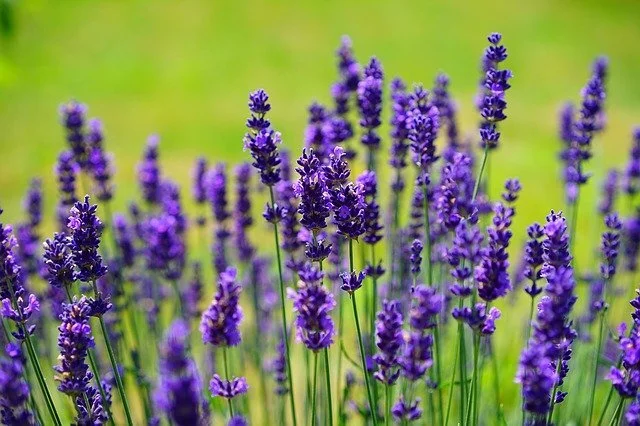
Highly studied properties –
● Anti-anxiety and anti-depression effects – The clinical trials investigated the several effects of oral lavender oil preparation (Silexan). Investigations suggest that LEO significantly reduced symptoms of anxiety disorders. Other clinical trials on depression disorders found that LEO was useful to alleviate mood and reduce psychological distress.
● Sedative effects – Since ancient times, lavender has thought to be an excellent natural remedy for insomnia and improving the quality of sleep. Randomized trials found that smelling LEO improved the sleep quality of individuals.
● Analgesic effects – There are reports suggesting lavender is useful for people with chronic pain. One such study with ICU patients found that massaging LEO on patients’ feet helps lower blood pressure, heart rate, and pain.
2. CBD Oil
CBD oil might not sound like essential oil, but it is one. The oil derives from the hemp plant, a non-psychotic plant, unlike its sister marijuana species. CBD, short for Cannabidiol, is the most common bioactive compound found in a cannabis plant.
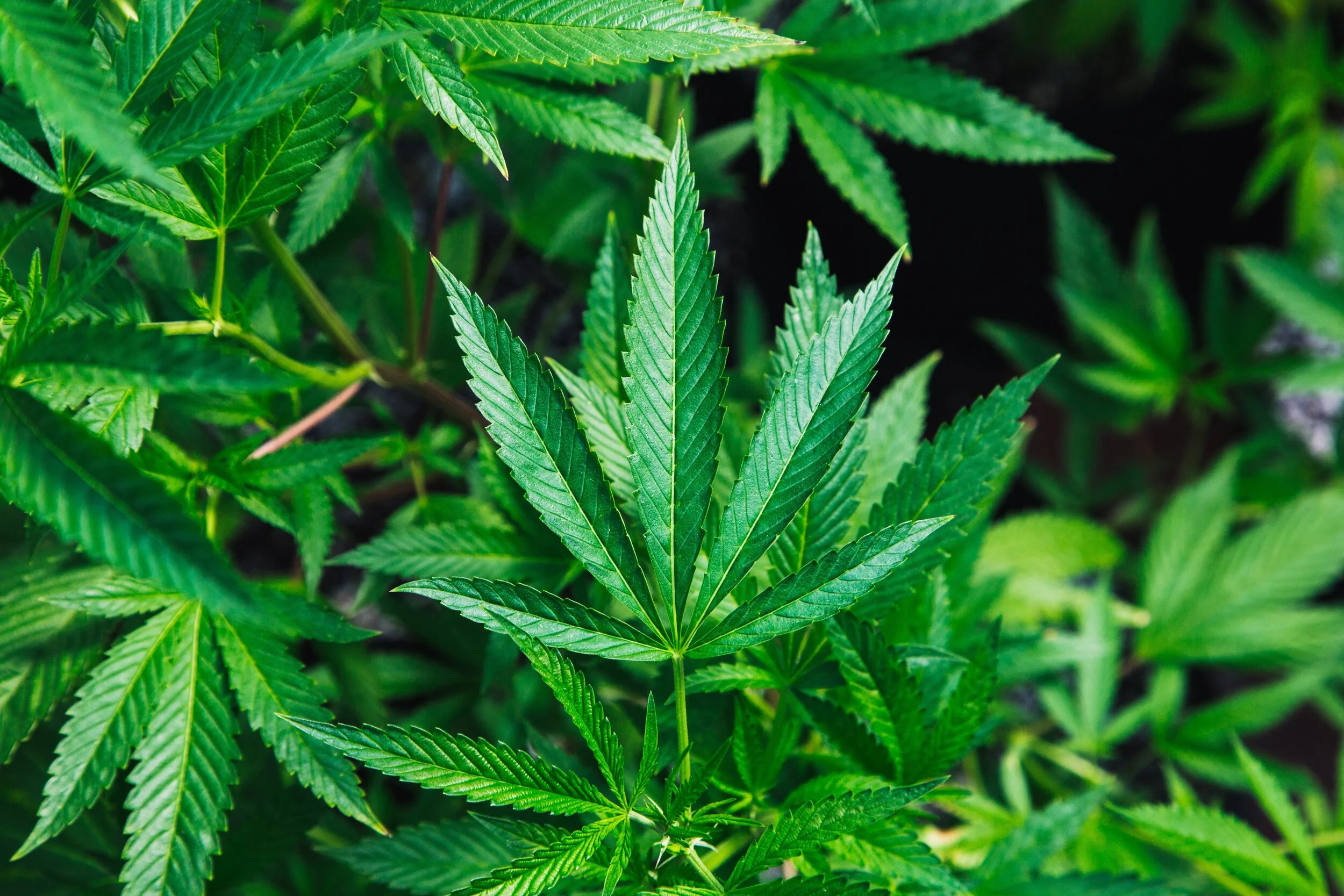
Highly studied properties –
● Anti-seizure effects – In the last two decades, dozens of studies have reported that CBD oil Canada has anti-seizure activity. Recently, the FDA approved the one and only CBD medication Epidiolex for epileptic seizures.
● Neuroprotective Effects – CBD oils are well-known to have neuroprotective properties in various neurodegenerative diseases like Alzheimer’s, Parkinson’s, multiple sclerosis (MS), and stroke. Nabiximols is the medication approved for spasticity in MS patients derived from CBD.
● Analgesic effects – CBD oil helps as a pain-relieving agent. A range of studies, including animal models, cell cultures, and few clinical trials, suggest CBD oil effectively treats chronic pain, arthritis pain, cancer treatment pain, and migraine.
3. Tea Tree Oil (TTO)
TTO is acquired from the leaves of Melaleuca alternifolia or narrow-leaved paperbark. Tea tree essential oil was part of Aborigine folk medicine for centuries. They used oil for treating cough and skin problems.

Highly studied properties –
● Antibacterial effects – TTO’s antibacterial effects have gained much attention due to its susceptibility towards a range of bacteria. Few have proven that TTO has been found effective against antibiotic-resistant bacteria, MRSA.
● Antifungal effects – TTO was investigated in susceptibility against Candida albicans. Candida is the most common cause of fungal infections in people. Investigation proved that TTO was able to inhibit the growth and occurrence of candida infections.
● Anti-acne – There was a meticulous study on TTO treating acne. The study found that TTO could reduce acne without causing any side effects concerning acne medications.
3. Lavender Oil (LEO)
Lavender has played a significant role in ancient medicine. The medical properties of the plant are studied specifically on mental and emotional well-being.
4. Peppermint Oil (PEO)
PEO is obtained from the leaves of the peppermint, a mint plant variety. PEO is used in a variety of extracts, food flavoring agents, and dietary capsules globally.
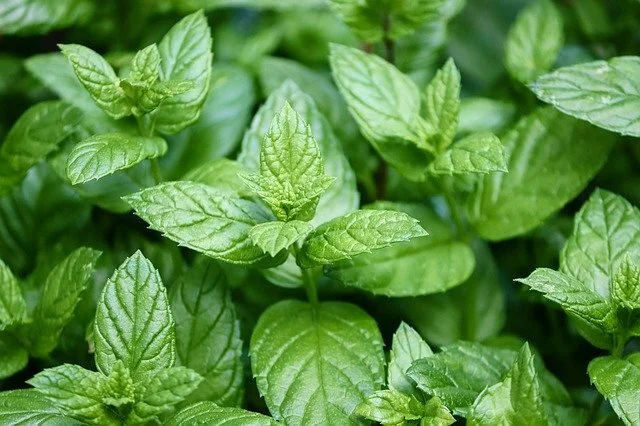
Highly studied properties –
● Irritable bowel syndrome (IBS) – The most extensive research of PEO centered on IBS. A meta-analysis of clinical trials examined the efficacy of PEO capsules and found that the oil relieved symptoms of IBS and abdominal pain.
● Antiemetic effects – A small study examined the effects of PEO aromatherapy on postoperative and pregnancy nausea. It reports implied that PEO helped to lower the levels of nausea.
● Digestive effects – Few studies and tons of anecdotal reports suggest that PEO helps in giving relief from indigestion symptoms.
5. Eucalyptus Oil (EEO)
EEO has been used to treat symptoms of cough, nasopharyngeal infections, and decongestants since old ages. There are several EEO remedies available over-the-counter.

Highly studied properties –
● Analgesic effects – Several clinical trials investigated EEO for its analgesic properties. One study found that inhaling EEO was highly effective in reducing pain and blood pressure among the subjects who had a total knee replacement.
● Anti-asthmatic effects – Clinical trials on bronchial asthma treatment investigated effects of EEO. Examinationsfound that EEO was successful in improving lung function significantly.
● Dental health – Cell studies show that EEO exhibits antibacterial activity against periodontal bacteria; the same effect was seen in a human clinical trial. The study found that chewing EEO containing gum promoted periodontal health.
Conclusion
There are around 90 types of EOs, and l has its unique smell and potential health benefits. They are often beneficial as an alternative therapy and are harmless when used in small quantities. However, on a note - there is no evidence suggesting that EOs heal any severe health condition.
References -
https://archives.drugabuse.gov/testimonies/2015/biology-potential-therapeutic-effects-cannabidiol
https://www.ncbi.nlm.nih.gov/pmc/articles/PMC1360273/
https://www.researchgate.net/publication/237842903_A_REVIEW_ON_PEPPERMINT_OIL
https://www.medicalnewstoday.com/articles/266580
https://www.sciencedirect.com/science/article/pii/S2221169115001033#sec1
Yoga and meditation reduce chronic pain
Participants in an eight-week mindfulness-based stress reduction course reported significant improvement in levels of pain, depression and disability
October 1, 2020
Science Daily/American Osteopathic Association
A mindfulness-based stress reduction (MBSR) course was found to benefit patients with chronic pain and depression, leading to significant improvement in participant perceptions of pain, mood and functional capacity, according to a study in the Journal of the American Osteopathic Association. Most of the study respondents (89%) reported the program helped them find ways to better cope with their pain while 11% remained neutral.
Chronic pain is a common and serious medical condition affecting an estimated 100 million people in the United States, which correlates with annual costs of approximately $635 billion. The small-scale study was conducted in a semi-rural population in Oregon where issues of affordability, addiction and access to care are common. Participants received intensive instruction in mindfulness meditation and mindful hatha yoga during an eight-week period.
"Many people have lost hope because, in most cases, chronic pain will never fully resolve," says Cynthia Marske, DO, an osteopathic physician and director of graduate medical education at the Community Health Clinics of Benton and Linn County. "However, mindful yoga and meditation can help improve the structure and function of the body, which supports the process of healing."
Healing and curing are inherently different, explains Dr. Marske.
"Curing means eliminating disease, while healing refers to becoming more whole," Dr. Marske says. "With chronic pain, healing involves learning to live with a level of pain this is manageable. For this, yoga and meditation can be very beneficial."
The study found mindful meditation and yoga led to significant improvements in patients' perceptions of pain, depression and disability. Following the course, Patient Health Questionnaire (PHQ-9) scores, a standard measure of depression, dropped by 3.7 points on a 27-point scale. According to Dr. Marske, some patients experience a similar drop from the use of an antidepressant.
"Chronic pain often goes hand-in-hand with depression," says Dr. Marske. "Mindfulness-based meditation and yoga can help restore both a patient's mental and physical health and can be effective alone or in combination with other treatments such as therapy and medication."
Study participants received instruction in MBSR, a systematic educational program based on training people to have an awareness of the self in the present moment and a nonjudgmental manner. The findings bolster other evidence that MBSR can be a useful adjunctive treatment for chronic pain while improving perceived depression.
"The bottom line is that patients are seeking new ways to cope with chronic pain and effective non-pharmaceutical treatments are available," says Dr. Marske. "Our findings show meditation and yoga can be a viable option for people seeking relief from chronic pain."
https://www.sciencedaily.com/releases/2020/10/201001133227.htm
Social media use linked with depression, secondary trauma during COVID-19
September 29, 2020
Science Daily/Penn State
Can't stop checking social media for the latest COVID-19 health information? You might want to take a break, according to researchers at Penn State and Jinan University who discovered that excessive use of social media for COVID-19 health information is related to both depression and secondary trauma.
"We found that social media use was rewarding up to a point, as it provided informational, emotional and peer support related to COVID-19 health topics," said Bu Zhong, associate professor of journalism, Penn State. "However, excessive use of social media led to mental health issues. The results imply that taking a social media break may promote well-being during the pandemic, which is crucial to mitigating mental health harm inflicted by the pandemic."
The study, which published online on Aug. 15 in the journal Computers in Human Behavior, included 320 participants living in urban districts of Wuhan, China. In February 2020, the team gave the participants an online survey that investigated how they accessed and shared health information with family members, friends and colleagues on social media, specifically WeChat, China's most popular social media mobile app.
The team used an instrument created to measure Facebook addiction to assess participants' use of WeChat. Using a 5-point Likert-type scale, ranging from strongly disagree to strongly agree, the survey assessed participants' views of WeChat in providing them with informational, emotional and peer support. The survey also assessed participants' health behavior changes as a result of using social media.
Statements related to informational support included, "I use WeChat to gain information about how to manage the coronavirus epidemic," and "If I have a question or need help related to the coronavirus epidemic, I can usually find the answers on WeChat." Statements related to emotional support included, "My stress levels go down while I'm engaging with others on WeChat," and "The health information on WeChat helps me alleviate feelings of loneliness." Statements related to peer support included, "I use WeChat to share practical advice and suggestions about managing the coronavirus epidemic," and "I have used some of the information I learned from WeChat friends as part of my management strategies for coping with the coronavirus epidemic."
The survey also investigated participants' health behavior changes related to the use of WeChat, asking them to rate statements such as, "The health information on WeChat has changed many of my health behaviors, such as but not limited to wearing face masks, using sanitizer, or washing hands."
To assess depression, the researchers used a 21-item Depression Anxiety Stress Scale in which participants rated statements such as, "I couldn't seem to experience any positive feeling at all," and "I felt that life was meaningless."
According to Zhong, secondary trauma refers to the behaviors and emotions resulting from knowledge about a traumatizing event experienced by a significant other. Using the Secondary Trauma Stress Scale, the researchers asked respondents to rate statements such as, "My heart started pounding when I thought about the coronavirus epidemic," and "I had disturbing dreams about the coronavirus epidemic."
"We found that the Wuhan residents obtained tremendous informational and peer support but slightly less emotional support when they accessed and shared health information about COVID-on WeChat," said Zhong. "The participants also reported a series of health behavior changes, such as increased hand washing and use of face masks.
More than half of the respondents reported some level of depression, with nearly 20% of them suffering moderate or severe depression. Among the respondents who reported secondary trauma, the majority reported a low (80%) level of trauma, while fewer reported moderate (13%) and high (7%) levels of trauma. None of the participants reported having any depressive or traumatic disorders before the survey was conducted.
"Our results show that social media usage was related to both depression and secondary trauma during the early part of the COVID-19 outbreak in Wuhan," said Zhong. "The findings suggest that taking a social media break from time to time may help to improve people's mental well-being during the COVID-19 pandemic."
https://www.sciencedaily.com/releases/2020/09/200929152149.htm
COVID-19 taking a toll on everyday lives
More stress expected as lockdowns continue, people get sick, unemployment persists
August 25, 2020
Science Daily/University of California - Davis
Rare research on the effects of a pandemic undertaken during an ongoing disaster shows that COVID-19 has severely affected people's daily emotional lives and mental health, increasing their stresses the longer lockdowns, fear of getting sick and financial strains continue.
Having a lower education level and speaking English as a second language further reduced resilience and hindered people's ability to cope, suggests new University of California, Davis, research based on surveys that began in April -- just a few weeks after lockdowns started in the United States.
"This is some of the first information we have on resilience in the face of COVID-19," said Clare Cannon, assistant professor in the Department of Human Ecology at UC Davis and co-author on the study. "Our hypothesis, for our continuing research, is that it's getting worse. The longer this goes on, the less resilient we are going to be."
Cannon and researchers at Tulane University surveyed 374 people online, using social media, websites and other outlets, mostly in the United States, over a 10-week period beginning in April. More research is planned as the pandemic progresses.
Those surveyed were asked about previous disaster experience, their resilience, their perceived stress, their current situation as it relates to COVID-19, and personal and household demographics. The online Qualtrics survey took an estimated 10 minutes to complete.
Respondents in the current study had filled out questionnaires before masks were mandatory, before closures were prolonged, before large job losses had occurred and prior to full realization that the world was experiencing a global economic recession and deadly public health crisis, she added. Additionally, fewer people, at the time of the survey, had experienced family illness and loss to COVID-19 as would be the case now and in future surveys, Cannon said.
The study's authors sought to look at the role of perceived stress, assess demographic variables and add to the literature on disasters, infectious disease and resilience. Their article was published this month in the journal Sustainability.
Contact with others is stressful
Historically, in environmental disasters (such as hurricanes), people find comfort in asking for and getting help from neighbors and friends. However, this kind of dependence and interaction increased stress for people in the survey, Cannon said. That's because in a pandemic, contact with others increases their risks and fears of getting sick, she said.
"There seems to be a real fear of contagion," Cannon said. "There's something unique about it being an infectious disease in that people pose a risk to each other. If we need things from other people, it increases our stress."
"The more that people perceive stress the less resilient they are."
Research on pandemics and their effects on people is scant, given that it's been a century since a pandemic the size of COVID-19 has occurred. Additionally, very little research has taken place during a pandemic, researchers said.
A population facing uncertainty
The findings showed that just 28 days, on average, into the pandemic two-thirds of survey respondents reported moderate to high levels of stress. Most of the respondents were female (75 percent), well-educated, white and employed at the time.
"It begs the question," researchers wrote in their article, "of whether populations with less social capital and fewer financial resources would be reporting even higher levels of stress and lower levels of resilience."
The authors said the research points to the need for solutions for a population facing so much uncertainty.
"Given the findings from the study, governments must mitigate the associated risks of a pandemic by providing the needed resources for individuals, households, and communities to maintain resilience over a long period of time," the authors concluded. "The uncertain end of COVID-19 requires governments to offer a buffer against the pandemic impact and to ultimately reduce stress to create optimal health and well-being for citizens facing adversity."
https://www.sciencedaily.com/releases/2020/08/200825110606.htm