
The Secret To Weight Loss And Curbing Cravings

Photo by Bill Oxford on Unsplash
Guest post by Liz D. liz@cbd-news.co
One of the most challenging aspects of weight loss is controlling the craving for food. A whole industry has been built around weight loss and the problem of obesity. However, many experts believe one of the keys to losing those extra pounds is simply to take in fewer calories than you burn each day.
But like most issues in life, it’s not that easy. Also, craving for a specific delicacy is quite different from hunger. Usually, you know you’re hungry when your stomach begins to growl, your head feels light, and you can’t stop thinking about eating. Maybe you make a trip to the medical mushroom dispensary a few times but still can’t seem to get your craving under control.
But how do you know you’re just craving and not hungry?
The Broccoli Test
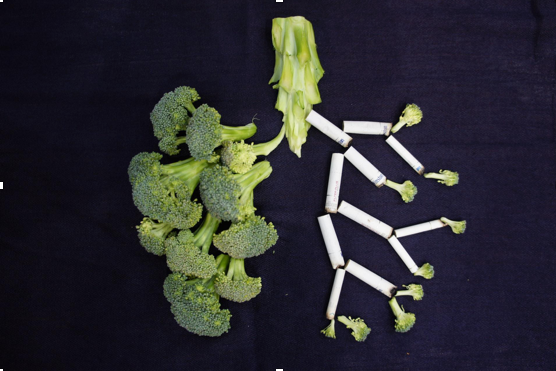
Photo by Sara Bakhshi on Unsplash
A simple test, known as the broccoli test, can help tell you if you’re just craving food or feeling hungry. Here it is: If a bowl of broccoli isn’t appealing to satisfy you for your feelings, then it’s very likely that you have a craving. However, it’s important to note that there may be valid reasons behind your body’s craving for a specific food.
However, intense craving can upset your diet plans and your resolutions to eat well. Thus, overriding rational thinking with thoughts such as “You only live once!” or “Just this once!” or “You deserve this!”
The first step to weight loss and curbing cravings is knowing that everyone gets these feelings. Therefore, they are absolutely normal. What you need is a key to help you remain on track and overcome those thoughts of “Just one doughnut.”
This secret is broken down into three formats as follows:
Good - Try Fighting The Craving

Photo by Priscilla Du Preez on Unsplash
Most people try this option and undoubtedly fail in the long-term. This approach to weight loss isn’t long-term and is draining. Usually, you use every ounce of your will to avoid thinking about the foods you usually crave. This strategy only has one problem; it feels like torture.
Here is an example. If someone asked you not to think about brown bears; you could think about all things except brown bears. You’ll quickly realize that trying to avoid the thought of something will always bring that thing to mind. In other words, the attempt to suppress the thought becomes a fixation. Thus, the reason why a restrictive diet usually fails.
In the long run, most people give in to the internal dialogue, which is usually a debate “I shouldn’t eat this; I should eat that.” This goes on, and all you need to do to get rid of this is to eat whatever you can’t stop thinking about. That’s why there’s the need for another approach, the kind of strategy that addresses weight loss and craving at the same time.
Better - Distractions From Craving
Some people adopt the strategy of distractions. It’s often common to forget your meals when you’re very busy. Other activities, such as bathing and drinking water, can also be overlooked when you’re immersed in something. But there’s a reason why this happens. Usually, high levels of concentration keep the thoughts of craving away.
Thus, distractions are more effective than restrictive eating. Also, you have a wide range of activities such as problem-solving games, hobbies, and work. According to studies reported in the Appetite journal, individuals who partook in the studies experienced less temptation to eat food when distracted.
The research discovered that indulging playing only for three minutes was enough to overcome craving. Thus, playing some Candy Crush or Playstation 4 games gives your fingers and mind some interesting things to do. Irrespective of what you choose to distract yourself, it’s vital to decide before the thoughts of craving creep in.
It’s undeniable that this strategy works. However, there’s a secret solution that deals with the root cause and serves as the best option for curbing craving.
Best - Address the Root Cause

Photo by Егор Камелев on Unsplash
A much smarter and more effective option is to tackle your craving with a substance known to affect the human body at the physiological level. In this case, the secret to fighting food craving is a strong psychedelic called psilocybin. Psilocybin mushrooms, which you can get at any medical mushroom dispensary, are also useful for testing several conditions such as depression, chronic pain, anxiety, PTSD, and even obsessive-compulsive disorder.
But how does this work?
Psilocybin helps repress craving by activating your serotonin receptors. You can call these receptors “nature’s own appetite suppressants,” which is how Psychology Today refers to them. They help shut off your normal appetite and suppress the craving for food. Thus, giving you the feeling of satisfaction even though your stomach may not be full. As a result, you will end up eating less and losing more.
In addition to this, you want to ask yourself why you’re craving food. Often, you’ll know the right thing to do, so the right question is, “Why can’t you do it?” You want to find out if you’re frustrated, bored, stressed, or anxious about anything.
Sometimes, the strong urge to indulge is due to certain overwhelming circumstances in your life. Hence, craving can become a signal or symptom of an underlying problem, to which you might be having an emotional response.
You can also adopt the following two tips to reduce the number of calories you take and slowly reduce your cravings.
#1
Eat food with high amounts of fiber. These will help fill your stomach faster. Thus, you’ll not over-indulge and they keep you chewing longer. Also, you feel satisfied for longer. Some of these foods include apples, pineapple, and carrot. Because most of these foods are chewy, they trick your brain into signaling that you’re full quickly.
#2
Add regular drinking of water to your daily routine. Aside from the fact that water will help keep you full, it is also very beneficial in several ways. According to the Mayoclinic, an adult male needs about 15.3 cups of water each day, the equivalent of 3.7 liters.
Conclusion
Irrespective of where you find yourself in your weight loss journey, every day offers a new challenge and the opportunity to take one step forward. Depending on which of these three options you’re using, you may reach your goals sooner or later. However, you can walk away from the entire process, a better person if you use the best strategies and tips.
Mindfulness meditation enhances positive effects of psilocybin
October 24, 2019
Science Daily/University of Zurich
Recent years have seen a renewed interest in the clinical application of classic psychedelics in the treatment of depression and anxiety disorders. Researchers of the University of Zurich have now shown that mindfulness meditation can enhance the positive long-term effects of a single dose of psilocybin, which is found in certain mushrooms.
Hallucinogens such as LSD or psilocybin, the active ingredient in "magic mushrooms," alter the perception of those who take them: The boundaries between the self and the world begin to dissolve and feelings of bliss and unity are triggered. Such experiences of self-transcendence and reduced self-focus are similar to those brought about by mindfulness meditation. They can reduce stress, prompt feelings of enduring happiness and increase empathy and altruism. In contrast to this, exaggerated self-focus, recurring negative thoughts and emotions about one's self, and impaired social interactions are characteristic features of psychiatric disorders such as depression.
Enhanced experience of self-transcendence
Researchers at the University Hospital of Psychiatry Zurich have now for the first time examined the potential synergistic effects of combining mindfulness meditation and psilocybin. The scientists recruited 40 meditation experts who were taking part in a five-day mindfulness retreat. In the double-blind study, the participants were administered either a single dose of psilocybin or a placebo on the fourth day of the group retreat. Using various psychometric and neurocognitive measurements, the team of researchers were able to show that mindfulness meditation increased the positive effects of psilocybin, while counteracting possible dysphoric responses to the psychedelic experience. "Psilocybin markedly increased the incidence and intensity of self-transcendence virtually without inducing any anxiety compared to participants who received the placebo," says first author Lukasz Smigielski, who conducted the study directed by UZH professor of psychiatry Franz Vollenweider.
Sustained beneficial effects
At the four-month follow-up, the meditation experts who had been given psilocybin demonstrated more beneficial changes in psychosocial functioning, better self-acceptance and more empathy than the placebo control group. According to Vollenweider, the intensity of self-transcendence experienced during the retreat played a key role for these enduring changes. In a previously published study, he and his team used magnetic resonance imaging to show that experiences of self-transcendence result in lasting changes to neural connections in the brain, and more specifically in the regions that are active when we think about ourselves.
The research group found that besides meditation depth, the participants' openness and optimism were conducive to a positive response to psilocybin. "These factors can help us predict a positive response," says Vollenweider. At the same time, skills that are trained during mindfulness meditation -- such as regulating one's attention and reappraising emotions -- seem to buffer potential negative reactions to psilocybin.
Potential for treating affective disorders
"Our findings shed light on the interplay between pharmacological and extra-pharmacological factors in psychedelic states of mind," says Vollenweider. "They indicate that mindfulness training enhances the positive effects of a single dose of psilocybin, and can increase empathy and permanently reduce ego-centricity. This opens up new therapeutic avenues, for example for the treatment of depression, which is often accompanied by increased self-focus and social deficits."
https://www.sciencedaily.com/releases/2019/10/191024075003.htm
Scientists show jet lag conditions impair immune response in mice
Chronic jet lag creates favorable cancer conditions in experimental models
October 14, 2020
Science Daily/Virginia Tech
Researchers reveal in a mouse study that chronic jet lag alters the microenvironment surrounding tumor cells, making it more favorable for tumor growth, and also hinders the body's natural immune defenses.
Imagine you've just arrived in Paris. Your body thinks it should be midnight -- a restorative time when your cells typically proofread DNA, organize and store energy, and perform other essential chores -- but, instead, the sun is up and you're awake. On a molecular level, your cells are stressed, trying to catch up to new environmental conditions.
Shiftwork and experimental models of frequent flying across time zones have been correlated with cancer risk, but not much is known about how these circadian disruptions impact the body's ability to curb cancer growth on a molecular scale.
Now, a new study published today (Wednesday, Oct. 14) in Science Advances reveals that chronic jet lag alters the microenvironment surrounding tumor cells, making it more favorable for tumor growth, and also hinders the body's natural immune defenses.
The research, led by corresponding authors Carla Finkielstein, an associate professor at the Fralin Biomedical Research Institute at VTC, and Diego Golombek, a professor at the National University of Quilmes in Argentina, adds to the rapidly growing scientific field of the effect of circadian disruption on health and wellbeing.
"A key takeaway from this study is that if someone has a proliferative disorder, in this case melanoma, doing shift work or regularly changing time zones could exacerbate the problem by dampening immune system response to tumor growth," said Finkielstein, who is also an associate professor of biology in Virginia Tech's College of Science, and director of the Molecular Diagnostics Laboratory at the Fralin Biomedical Research Institute. "This research also helps explain why some tumors win the race when a person is exposed to the chronically stressful conditions that occur when the environment and the body's clocks are misaligned."
Every cell in your body has its own set of molecular clocks -- a series of genes, proteins, and signaling chemicals that set the pace for cell growth, division, and decay. In cancer cells, these clocks are often altered, which allows the tumor to set its own pace for rapid, unchecked proliferation.
The body's master timekeeper is located in the brain, where it's entrained by light and sends signals to synchronize peripheral clocks located throughout the body. When our perception of day and night becomes muddled due to irregular intervals of light and dark, our internal clocks and the environment are misaligned, which, as this study shows, can have subtle yet significant consequences at a cellular level.
The researchers wanted to know how chronic jet lag impacts the microenvironment surrounding cancer cells and examined two groups of mice that were injected with melanoma cells. The first group was exposed to a normal circadian schedule: 12 hours of light and 12 hours of dark. The second group's light and dark exposure was shifted by six hours every two days -- the equivalent of roaming across 21 time zones per week.
A month later, the scientists observed that the tumors in the jet lagged group were roughly three times the size of the control group.
They also examined samples from the microenvironment surrounding the tumor, the spleen, which produces immune cells, and the liver. The researchers found peculiar contrasts in how the immune system responded to the tumor. For example, the levels of different types of immune cells called macrophages were inverted to be more prone to accept tumor growth in the jet lagged group.
Similarly, the rhythms of other immune cells and molecules, including cytokines, were disrupted. Even though the tumors didn't spread into their neighboring organ, the liver, or the spleen, the scientists observed that the circadian variations in the immune system in both of these organs were deregulated.
"We combined two different approaches of chronobiology research to study the effects of circadian desynchronization on both tumor growth and immune rhythms, and we found a link," Golombek said. "You need optimal rhythms in immune cells and immune humoral factors to quell rapid tumor growth. When circadian rhythms are chronically disrupted, these rhythms are impaired, inverted, or disappear entirely, which could help explain why the tumors were significantly larger in the desynchronized group."
Finkielstein and Golombek plan to continue studying how immune genes and cell cycle genes are related in the context of cancer.
https://www.sciencedaily.com/releases/2020/10/201014141138.htm
Teen brain differences linked to increased waist circumference
October 13, 2020
Science Daily/NIH/National Institute on Drug Abuse
Differences in the microstructure of the nucleus accumbens (NAcc), a region in the brain that plays an important role in processing food and other reward stimuli, predict increases in indicators of obesity in children, according to a study funded by the National Institute on Drug Abuse (NIDA) and nine other institutes, all part of the National Institutes of Health. The paper, published today in the journal Proceedings of the National Academy of Sciences, is based on data from the Adolescent Brain Cognitive Development (ABCD) Study. The ABCD Study will follow nearly 12,000 children through early adulthood to assess factors that influence individual brain development and other health outcomes.
Findings from this study provide the first evidence of microstructural brain differences that are linked to waist circumference and body mass index (BMI) in children. These microstructural differences in cell density could be indicative of inflammatory processes triggered by a diet rich in high fat foods.
"We know that childhood obesity is a key predictor of adult obesity and other poor health outcomes later in life," said Nora D. Volkow, M.D., director of NIDA. "These results extend previous animal studies to reveal what may prove to be a vicious cycle in which diet-related inflammation in brain striatal regions promotes further unhealthy eating behaviors and weight gain."
Evidence from past human imaging studies has demonstrated the relationship between the NAcc and unhealthy eating behavior in adults. In this study, the researchers leveraged new diffusion MRI imaging techniques to examine the cellular structure of areas that comprise the striatal reward pathway in the brain to investigate disproportionate weight gain in youth.
This study included data from 5,366 ABCD Study participants, ages 9- to 10-years-old at baseline, of whom 2,133 returned for a one-year follow-up visit. The mean waist circumference of the participants, used here as a measure of body fat, increased an average of 2.76 centimeters per participant from the baseline through the one-year follow-up. The researchers used a noninvasive MRI technique to show that an alleged marker of cellular density in the NAcc reflected differences in waist circumference at baseline and predicted increased waist circumference at one-year follow-up.
Because the ABCD Study is longitudinal, it will allow to assess if this association holds or changes over the course of adolescent development, and what factors may influence this trajectory.
Obesity in the United States affects approximately 35% of children and adolescents and is associated with negative health consequences, mentally and physically, as well as higher mortality rates. Children who are obese have more than a fivefold likelihood of becoming obese as adults. Predictive models of weight gain in youth, coupled with knowledge about factors that could impact this trajectory, would benefit public health and individual wellbeing.
https://www.sciencedaily.com/releases/2020/10/201013150815.htm
Television advertising limits can reduce childhood obesity
October 13, 2020
Science Daily/PLOS
Limiting the hours of television advertising for foods and beverages high in fat, sugar and salt (HFSS) could make a meaningful contribution to reducing childhood obesity, according to a new study published this week in PLOS Medicine by Oliver Mytton of the University of Cambridge, UK, and colleagues.
Childhood obesity is a global problem with few signs of progress. As part of the UK government's plan to halve childhood obesity by 2030, it is considering limitations on television advertising for HFSS products between the hours of 5:30am and 9pm. In the new study, researchers used data on children's exposure to HFSS advertising during these hours, as well as previously published information on the association between exposure to HFSS advertising and children's caloric intake.
The study concluded that if all HFSS advertising in the UK was withdrawn during the hours in question, the 3.7 million children in the UK would see on average 1.5 fewer HFSS advertisements per day and decrease their caloric intake by an average of 9.1 kcal (95%CI 0.5-17.7). This would reduce the number of children aged 5 through 17 with obesity by 4.6% (95%CI 1.4-9.5) and the number of children considered overweight by 3.6% (95%CI 1.1-7.4). This is equivalent to 40,000 fewer UK children with obesity and 120,000 fewer classified as overweight and would result in a monetary benefit to the UK of £7.4 billion (95%CI 2.0 billion-16 billion). The study only considered the direct impact of HFSS advertising on children's caloric intake and did not consider the impact of HFSS advertising on changing both children's and adults' dietary preferences and habits.
"Measures which have the potential to reduce exposure to less-healthy food advertising on television could make a meaningful contribution to reducing childhood obesity," the authors say. However, they also point out that "this is a modeling study and we cannot fully account for all factors that would affect the impact of this policy if it was implemented."
"Our analysis shows that introducing a 9 PM watershed on unhealthy TV food advertising can make a valuable contribution to protecting the future health of all children in the UK, and help level up the health of children from less affluent backgrounds," said Dr Mytton. "However, children now consume media from a range of sources, and increasingly from online and on-demand services, so in order to give all children the opportunity to grow up healthy it is important l to ensure that this advertising doesn't just move to the 9-10pm slot and to online services."
https://www.sciencedaily.com/releases/2020/10/201013141752.htm
Prenatal cannabis exposure linked to cognitive deficits, altered behavior
October 14, 2020
Science Daily/Washington State University
Regular cannabis exposure in rats during pregnancy may cause their offspring to have long-term cognitive deficiencies, asocial behavior, and anxiety later in adulthood.
That's according to a new study by neuroscientists in Washington State University's Integrative Physiology and Neuroscience unit that provides a rare look at the effects of using cannabis during pregnancy.
"The reality of cannabis research is there's not a lot of it," said Halle Weimar, first author on the paper and graduate student in the neuroscience program. "This research helps get information out to women so they can make an educated decision that is best for them."
Weimar and her colleagues found the offspring of pregnant rats exposed to cannabis vapor were more likely to make regressive errors after they were trained new methods to receive sugar pellets. They were also less social and more anxious when placed in new environments.
Weimar said the research is especially significant as recreational and medicinal cannabis use continues to increase among pregnant women as well as the general population.
The study, recently published in the journal Neuropharmacology, utilized a first-of-its-kind e-cigarette technology to deliver cannabis vapor to pregnant female rats before and throughout their entire gestation period.
"The idea was to use a more clinically relevant model to mirror how humans use cannabis, specifically how pregnant women use cannabis," Weimar said.
Researchers also delivered propylene glycol vegetable glycerol mixture, commonly found in vape juice, to explore its effects in rats. A control group was left in their home cage and not exposed to any vapor.
Vapor was administered twice daily to rats in one-hour sessions during mating and pregnancy.
The research team found significant behavioral changes and cognitive deficits that persisted into adulthood in the offspring of the pregnant rats exposed to cannabis.
Using different levers and a cue light, researchers trained and rewarded rats with sugar pellets for pressing a lever paired with the cue light. The rats were then required to change their strategy during test day and instead ignore the cue, which was used as a measure of cognitive flexibility.
"While rats eventually caught on, those whose mothers were exposed to cannabis were more likely to revert to the old pattern and make regressive errors," Weimar said. "They also took more trials to learn the rules."
Male and female juvenile rats whose mothers were exposed to cannabis also engaged in far fewer play behaviors. The male rats were especially hesitant to engage with other rats in their initial social introductions.
Moreover, adult rats whose mothers were exposed to cannabis exhibited anxiety-like behavior in new environments.When placed in a large, elevated maze with open and closed arms, the rats were more likely to stay in the closed arms of the maze and explore the open, exposed arms less.
"They tend to feel safer in closed arms as opposed to rats that are less anxious and willing to venture into open spaces and take more risks," Weimar said.
She said the finding is significant because it shows cannabis vapor administered to a rat during pregnancy may cause its offspring to have age-dependent effects well into adulthood, noting the observation wasn't noted in rats when they were juveniles.
The researchers noticed changes in the rats' behavior as pups as well.
Weimar said rats whose mothers were exposed to cannabis made more than 100 more ultrasonic vocalizations, or cries for their mother, compared to the control group, days after birth.
"It's pretty noteworthy because this is one of the only tests you can do that looks at emotional reactivity in neonates and they were far more reactive than the other groups," Weimar said.
https://www.sciencedaily.com/releases/2020/10/201014095130.htm
Watching nature on TV can boost wellbeing
October 13, 2020
Science Daily/University of Exeter
Watching high quality nature programmes on TV can uplift people's moods, reduce negative emotions, and help alleviate the kind of boredom associated with being isolated indoors, according to a new study published today in the Journal of Environmental Psychology.
The research has also shown that experiencing nature in virtual reality could have even larger benefits, boosting positive feelings and increasing people's connection to the natural world.
Under laboratory conditions, researchers from the University of Exeter first induced feelings of boredom in 96 participants by asking them to watch a video in which a person describes their work at an office supply company. They then experienced scenes of an underwater coral reef in one of three different ways: on TV; in a VR headset using 360o video; and in a VR headset using computer generated interactive graphics.
The team found that all viewing methods minimised negative feelings such as sadness, as well as significantly reducing boredom. However, only the interactive virtual reality experience led to increases in positive feelings, such as happiness, and strengthened how connected people felt to nature.
Nicky Yeo, lead researcher on the study, believes the findings could have important implications for populations facing extended periods at home. She said:
"Our results show that simply watching nature on TV can help to lift people's mood and combat boredom. With people around the world facing limited access to outdoor environments because of COVID-19 quarantines, this study suggests that nature programmes might offer an accessible way for populations to benefit from a 'dose' of digital nature."
The team worked with the BBC Natural History Unit to create their experimental conditions, which featured several scenes from the Blue Planet II series, including unseen 360o footage. Their findings support initiatives seeking to bring the therapeutic potential of nature to people at home, such as BBC Four's recent Mindful Escapes series.
Dr Mathew White, co-author of the study, said:
"We're particularly excited by the additional benefits immersive experiences of nature might provide. Virtual reality could help us to boost the wellbeing of people who can't readily access the natural world, such as those in hospital or in long term care. But it might also help to encourage a deeper connection to nature in healthy populations, a mechanism which can foster more pro-environmental behaviours and prompt people to protect and preserve nature in the real world."
https://www.sciencedaily.com/releases/2020/10/201014095130.htm
High blood pressure linked to baroreflex in rats
Animal model observation may reveal new cause of hypertension
October 5, 2020
Science Daily/Michigan Medicine - University of Michigan
High blood pressure: some people take medication to control it while others commit to low salt diets, exercise or yoga to reduce stress. Blood pressure is a primary vital sign, yet, remarkably, just how the body maintains it is still a mystery.
"We've been studying high blood pressure for 100 years and we still have the same ideas," says Daniel Beard, Ph.D., the Carl J. Wiggers Collegiate Professor of Cardiovascular Physiology. In a new paper in JCI Insight, Beard, Feng Gu, Ph.D., from the department of molecular and integrative physiology, and their team describe a newly observed phenomenon in the way blood pressure is maintained in certain rats.
Their discovery comes on the heels of an inquiry into the linkage between stiffened arteries and high blood pressure, known clinically as hypertension. "What happens when you are hypertensive is your arteries get stiffer. But this is thought to be an effect, not a cause," explains Beard. Stiff arteries have a reduced ability to stretch in response to increased pressure. This stretching is controlled by the baroreflex, an automatic neurological response to changes in tension.
"The goal of the reflex is to keep blood pressure steady," says Beard. "If pressure starts dropping, heart rate and cardiac activity go up and if it gets too high, they go down."
The team's hypothesis was that the stiffening in the arteries causes a neural defect, decreasing the ability of the baroreflex to detect arterial stretching and reduce pressure accordingly.
While measuring this effect in rats, they observed that the baroreflex appeared to switch on and off for extended periods of time, up to 5-10 minutes at a time. Spontaneously hypertensive rats -- ones who were genetically prone to high blood pressure -- appeared to have more time with the reflex turned off. In fact, Beard's team was able to predict which rats would be hypertensive by the pattern of this baroreflex behavior.
Measuring the dynamic response to blood pressure changes in a human involves tests like a tilt table test, during which a person is strapped to a table that changes positions to measure the cardiovascular response. However, for this study, the team was able to outfit rats with sensors to measure the baroreflex and blood pressure as they went about normal activities. Doing so allowed observation of the on/off phenomenon for the first time.
"First we had to convince ourselves this was real," says Beard. To do so, they compared their animals to rats of a different lineage, ones who developed high blood pressure in response to diet, and saw the same on/off phenomenon. Surprisingly, however, there was no link to blood pressure in these rats. Says Beard, "the baroreflex is contributing to making some animals hypertensive but not others. It may be playing other roles we don't understand."
The team's next goal is to figure out why the baroreflex turns on and off in rats and whether or not the phenomenon exists in people. If so, "it could give us clues about what therapies people may or may not respond to," Beard says.
https://www.sciencedaily.com/releases/2020/10/201005101546.htm
More young adults are abstaining from alcohol
October 12, 2020
Science Daily/University of Michigan
Fewer college-age Americans drink alcohol, compared to nearly 20 years ago, according to a new study.
Between 2002 and 2018, the number of adults aged 18-22 in the U.S. who abstained from alcohol increased from 20% to 28% for those in college and from about 24% to 30% for those not in school, say researchers at the University of Michigan and Texas State University. And alcohol abuse among both groups decreased by roughly half.
However, the study found that the number of young adults using marijuana, as well as co-using alcohol and marijuana, has increased.
Overall, the mixed findings show more positive than negative trends for alcohol and marijuana use and misuse among this age group, but the progression still bears close monitoring, the researchers say.
The study, appearing in JAMA Pediatrics Oct. 12, examined how alcohol and marijuana abstinence, co-use and use disorders have changed in 18-to-22-year-olds as a function of college status, using data from a nationally representative survey of 182,722 young adults. It also looked at prescription drug use and misuse as a function of alcohol and marijuana use, from 2015 to 2018.
The researchers were particularly surprised at the drop in alcohol use and misuse.
"We're encouraged by the significant decreases in alcohol use disorder -- for both college and noncollege students," said lead author Sean Esteban McCabe, director of the Center for the Study of Drugs, Alcohol, Smoking and Health at the U-M School of Nursing.
"The prevalence of alcohol use disorder in both groups in 2018 was roughly half of what it was in 2002. We are excited to learn about these drops in disordered drinking, as alcohol-related consequences are one of the leading causes of mortality and morbidity for young adults."
Co-author Ty Schepis, professor of psychology at Texas State, said "even with increases in marijuana use disorder and co-use of alcohol and marijuana, there is a lot of hope in our study's results."
"Points of concern that deserve more attention are the rise in co-use of alcohol and marijuana, as we know that polysubstance use can have more negative consequences and be more difficult to treat," he said.
The study also found that more than three-fourths of those who had disordered use of both alcohol and marijuana reported past-year prescription drug use and illicit drug use, while the majority reported prescription drug misuse.
The findings indicate that the substance use landscape has changed over the past 20 years, with more young adults using or misusing several different substances, as opposed to just marijuana or alcohol.
"For example, from 2015 to 2018, only 2.5% of young adults who abstained from both alcohol and marijuana reported misusing prescription drugs, while 25.1% of co-users misused prescription drugs," Schepis said. "That is a tenfold difference with potentially dangerous consequences."
Abusing multiple substances is often more dangerous than abusing a single substance.
"Interventions that focus solely on one substance will be less effective than interventions that take a more holistic polysubstance use perspective," McCabe said. "The findings of our study reinforce the complex task health professionals have of detecting and developing effective interventions to reduce consequences associated with polysubstance use, such as co-use of alcohol and marijuana."
Schools and employers may require more resources to scale interventions to address both young adults with and without a disorder, including screening and brief interventions for co-use of alcohol and marijuana, McCabe said.
"The finding that abstinence is increasing among college students and young adults not in college is very important for U.S. colleges and universities to take into account moving forward," he said. "These findings reinforce the importance of the need to support those young adults in recovery and abstinence for other reasons. There are over 1 million U.S. young adults in recovery and a wide variety of resources are needed to support these individuals."
https://www.sciencedaily.com/releases/2020/10/201012120007.htm
Alcohol use changed right after COVID-19 lockdown
October 13, 2020
Science Daily/Washington State University
One in four adults reported a change in alcohol use almost immediately after stay-at-home orders were issued, according to a study of twins led by Washington State University researchers.
The study, published recently in Frontiers in Psychiatry, surveyed more than 900 twin pairs from the Washington State Twin Registry from March 26 to April 5, 2020, just after stay-at-home orders were issued in Washington on March 23. An estimated 14% of survey respondents said they drank more alcohol than the week prior and reported higher levels of stress and anxiety than those who did not drink alcohol and those whose use stayed the same.
"We expected that down the road people might turn to alcohol after the stay-at-home orders were issued, but apparently it happened right off the bat," said Ally Avery, lead author of the study and a scientific operations manager at WSU's Elson S. Floyd College of Medicine. "It shows the need to make sure there is more mental health support since it had an impact on people right away."
Surprisingly, the study showed that the 11% who decreased their drinking also had higher levels of stress and anxiety than the groups with no change -- suggesting that any change in alcohol use may be associated with mental health issues.
The study did not examine the reasons behind the link between a decrease in drinking and increase in stress and anxiety, but Avery said one possibility is that these were social drinkers who were missing out on after-work happy hours and other occasions where they drank with friends.
The researchers conducted the study with twins so that they could look at whether changes in alcohol use and mental health were mediated by genetic or shared environmental factors since twins raised in the same family share many formative experiences. Twins also have common genetics with fraternal twins sharing approximately half of their genes while identical twins share all of their genes.
In this study, the researchers found that the association between changes in alcohol use, and stress and anxiety were relatively small and confounded by between-family factors and demographic characteristics.
Still the link between the pandemic, alcohol use, and stress and anxiety is concerning, Avery said. The researchers are continuing to survey this group at longer intervals to see if the increased drinking persists and whether it becomes a bigger problem.
https://www.sciencedaily.com/releases/2020/10/201013124134.htm
Girls benefit from doing sports
September 29, 2020
Science Daily/University of Montreal
Extracurricular sport in middle childhood diminishes subsequent ADHD symptoms in girls, but not in boys, a new study suggests
Girls -- but not boys -- who participate actively in school sports activities in middle childhood show improved behaviour and attentiveness in early adolescence, suggests a new Canadian study published in Preventative Medicine.
"Girls who do regular extracurricular sports between ages 6 and 10 show fewer symptoms of attention-deficit/hyperactivity disorder (ADHD) at age 12, compared to girls who seldom do," said Linda Pagani, a professor at Université de Montréal's School of Psychoeducation.
"Surprisingly, however, boys do not appear to gain any behavioural benefit from sustained involvement in sports during middle childhood," said Pagani, who led the study co-authored by her students Marie-Josée Harbec and Geneviève Fortin and McGill University associate medical professor Tracie Barnett.
As the team prepared their research, "it was unclear to what extent organized physical activity is beneficial for children with ADHD symptoms," recalled Pagani.
"Past studies have varied widely in quality, thus blurring the true association between sport and behavioural development." She added: "On top of that, "past research has not acknowledged that boys and girls are different in how they present ADHD symptoms."
A chance to get organized
ADHD harms children's ability to process information and learn at school, Pagani explained. Sport helps young people develop life skills and supportive relationships with their peers and adults. It offers a chance to get organized under some form of adult influence or supervision.
"Thus, from a public-health perspective, extracurricular sport has the potential to be a positive, non-stigmatizing and engaging approach to promote psychological well-being and could thus be viewed as behaviour therapy for youth with ADHD," Pagani said.
"Sports are especially beneficial if they begin in early childhood. And so, since using concentration and interpersonal skills are essential elements of sport, in our study we undertook to examine whether it would result in reductions in ADHD symptoms over the long term."
Pagani and her team came to their conclusions after examining data from a Quebec cohort of children born in 1997 and 1998, part of the Quebec Longitudinal Study of Child Development coordinated by the Institut de la statistique du Québec.
Parents of the 991 girls and 1,006 boys in the study reported on whether their sons and daughters were in an extracurricular physical activity that required a coach or instructor between ages 6 and 10. At age 12 years, teachers rated the children's behaviour compared to their classmates. Pagani's team then analyzed the data to identify any significant link between sustained participation and later ADHD symptoms, discarding many possible confounding factors.
"Our goal was to eliminate any pre-existing conditions of the children or families that could throw a different light on our results," said Pagani.
'Boys more impulsive'
Why do girls with ADHD benefit from sports, but not boys?
"In childhood, boys with ADHD are more impulsive and more motor-skilled than girls -- as a result, boys are more likely to receive medication for their ADHD, so faster diagnosis and treatment for boys in middle childhood could diminish the detectable benefits of sport," Pagani said. "They might be there; they're just harder to tease out."
"In girls, on the other hand, ADHD is more likely to go undetected -- and girls' difficulties may be even more tolerated at home and in school. Parents of boys, by contrast, might be more inclined to enroll them in sports and other physical activities to help them."
She added: "We know that sporting activities have other numerous benefits for mental health of all children. However, for reducing ADHD symptoms, middle childhood sports in elementary school seem more noteworthy for girls."
That's why structured extracurricular activities that demand physical skill and effort under the supervision of a coach or instructor could be valuable to any official policy aimed at promoting behavioral development, the UdeM researchers maintain.
Concluded Pagani: "Sports activities in early childhood can help girls develop essential social skills that will be useful later and ultimately play a key role in their personal, financial and economic success."
The work was supported by the Social Sciences and Humanties Research Council of Canada and other funders, including the Fondation Lucie et André Chagnon.
https://www.sciencedaily.com/releases/2020/09/200929123524.htm
Evidence of Alzheimer's, Parkinson's and MND in brains of young people exposed to dirty air
October 6, 2020
Science Daily/Lancaster University
After examining the brainstems of 186 young Mexico City residents aged between 11 months and 27 years of age, researchers, found markers not only of Alzheimer's disease, but also of Parkinson's and of motor neuron disease (MND) too. These markers of disease were coupled with the presence of tiny, distinctive nanoparticles within the brainstem - their appearance and composition indicating they were likely to come from vehicle pollution.
Researchers looking at the brainstems of children and young adults exposed lifelong to air pollution in Mexico City have discovered disturbing evidence of harm.
Previous studies have linked fine particulate air pollution exposure with Alzheimer's disease, and researchers have also reported evidence of air pollution-derived nanoparticles in the frontal cortex of the brain.
But after examining the brainstems of 186 young Mexico City residents aged between 11 months and 27 years of age, researchers, including Professor Barbara Maher from Lancaster University, found markers not only of Alzheimer's disease, but also of Parkinson's and of motor neurone disease (MND) too. These markers of disease were coupled with the presence of tiny, distinctive nanoparticles within the brainstem -- their appearance and composition indicating they were likely to come from vehicle pollution.
This has led researchers to conclude that air pollution of this nature -- whether inhaled or swallowed -- puts people at risk of potential neurological harm. The brainstem is the posterior part of the brain which regulates the central nervous system, controls heart and breathing rates, and how we perceive the position and movement of our body, including, for example, our sense of balance.
Professor Maher said: "Not only did the brainstems of the young people in the study show the 'neuropathological hallmarks' of Alzheimer's, Parkinson's and MND, they also had high concentrations of iron-, aluminium- and titanium-rich nanoparticles in the brainstem -- specifically in the substantia nigra, and cerebellum.
"The iron-and aluminium-rich nanoparticles found in the brainstem are strikingly similar to those which occur as combustion- and friction-derived particles in air pollution (from engines and braking systems).
"The titanium-rich particles in the brain were different -- distinctively needle-like in shape; similar particles were observed in the nerve cells of the gut wall, suggesting these particles reach the brain after being swallowed and moving from the gut into the nerve cells which connect the brainstem with the digestive system."
The 'neuropathological hallmarks' found even in the youngest infant (11 months old) included nerve cell growths, and plaques and tangles formed by misfolded proteins in the brain. Damage to the substantia nigra is directly linked with the development of Parkinson's disease in later life. Protein misfolding linked previously with MND was also evident, suggesting common causal mechanisms and pathways of formation, aggregation and propagation of these abnormal proteins.
The one thing common to all of the young people examined in the study was their exposure to high levels of particulate air pollution. Professor Maher says that the associations between the presence of damage to cells and their individual components -- especially the mitochondria (key for generation of energy, and signalling between cells) -- and these metal-rich nanoparticles are a 'smoking gun'.
Such metal-rich particles can cause inflammation and also act as catalysts for excess formation of reactive oxygen species, which are known to cause oxidative stress and eventual death of neurons. Critically, the brainstems of age- and gender- matched controls who lived in lower-pollution areas have not shown the neurodegenerative pathology seen in the young Mexico City residents.
These new findings show that pollution-derived, metal-rich nanoparticles can reach the brainstem whether by inhalation or swallowing, and that they are associated with damage to key components of nerve cells in the brainstem, including the substantia nigra.
Even in these young Mexico City residents, the type of neurological damage associated with Alzheimer's, Parkinson's and motor neurone diseases is already evident. These data indicate the potential for a pandemic of neurological disease in high-pollution cities around the world as people experience longer lifespans, and full symptoms of earlier, chronic neurological damage develop.
Professor Barbara Maher said: "It's critical to understand the links between the nanoparticles you're breathing in or swallowing and the impacts those metal-rich particles are then having on the different areas of your brain.
"Different people will have different levels of vulnerability to such particulate exposure but our new findings indicate that what air pollutants you are exposed to, what you are inhaling and swallowing, are really significant in development of neurological damage.
"With this in mind, control of nanoparticulate sources of air pollution becomes critical and urgent."
https://www.sciencedaily.com/releases/2020/10/201006153526.htm
Exercise intensity not linked to mortality risk in older adults, finds trial
October 7, 2020
Science Daily/BMJ
Exercise intensity appears to make no difference to risk of mortality among older adults, suggests a randomised controlled trial from Norway published by The BMJ today.
Physical activity has been highlighted as one of the most important actions people of all ages can engage in to improve health, and data from observational studies show that early death is significantly reduced in physically active compared with inactive individuals.
Yet high quality clinical trial evidence on a potential direct (causal) relation between current advice on physical activity levels and longevity is lacking.
So an international research team set out to evaluate the effect of five years of supervised exercise training compared with recommendations for physical activity on mortality in older adults (70-77 years).
The trial involved 1,567 participants (790 women and 777 men) living in Trondheim, Norway, with an average age of 73 years. In total, 87.5% of participants reported overall good health and 80% reported a medium or high level of physical activity at the start of the trial.
Of these 1,567 participants, 400 were assigned to two weekly sessions of high intensity interval training (HIIT), 387 were assigned to moderate intensity continuous training (MICT), and 780 to follow the Norwegian guidelines for physical activity (control group), all for five years.
After five years, the overall mortality rate was 4.6% (72 participants).
The researchers found no difference in all cause mortality between the control group (4.7%, 37 participants) and combined HIIT and MICT group (4.5%, 35 participants).
They also found no differences in cardiovascular disease or cancer between the control group and the combined HIIT and MICT group.
For example, the total proportion of participants with cardiovascular disease after five years was 15.6%, with 16% (125 participants) in the control group, 15% (58 participants) in the MICT group, and 15.3% (61 participants) in the HIIT group.
The researchers point to some limitations. For example, highly active participants in the control group could have hampered finding differences between groups, and many participants were healthier than expected at the start of the study, which may have limited the potential to increase activity levels further.
However, strengths include the large number of older adults, and the long intervention period and monitoring throughout the study.
"This study suggests that combined MICT and HIIT has no effect on all cause mortality compared with recommended physical activity levels," write the researchers.
https://www.sciencedaily.com/releases/2020/10/201007193656.htm
Cannabis ads and store location influence youth marijuana use
October 8, 2020
Science Daily/Washington State University
States may want to consider the proximity of cannabis retailers and cannabis advertising to neighborhoods to prevent underage use of the drug, according to new researc
Advertising and location of cannabis retailers influence adolescents' intentions to use marijuana, according to a new study in the Journal of Health Communication by Washington State University researchers.
Stacey J.T. Hust, associate dean in the Murrow College of Communication, and Jessica Fitts Willoughby, associate professor of communication, conducted a survey of 13- to 17-year-olds in Washington State to find out how marijuana advertising and the location of marijuana retailers influence adolescents' intentions to use the drug. The researchers also asked participants about their outcome beliefs -- whether or not they thought using marijuana would be good for them personally and or socially.
Their research shows regular exposure to marijuana advertising on storefronts, billboards, retailer websites and other locations increased the likelihood of adolescents using marijuana.
"While there are restrictions against using advertising designed specifically to target youth, it does still appear to be having some influence," Willoughby said. "Our research suggests a need to equip adolescents with the knowledge and skills to critically evaluate marijuana advertisements."
Location of retail stores also played a role but the results of the survey were mixed.
While the actual density of marijuana retailers in an area was not associated with adolescents' intentions to use, study participants who said they lived within five miles of a marijuana shop were more likely to report intentions to use the drug than those who perceived they lived farther away.
"This was especially the case when they also reported having positive beliefs about marijuana use," Hust said. "The study participants who felt positively about marijuana and perceived living close to retailers were the most likely to report intentions to use marijuana."
The results of the research team's study could have significant policy implications as states that have legalized recreational marijuana use grapple with ways to adhere to the drug's legal status while trying to prevent adolescent marijuana use.
For instance, most states with legalized marijuana restrict placing retailers and advertisements next to schools, but other locations, where adolescents live and spend a lot of their time, remain largely unregulated.
"Our findings are particularly relevant given that most states that have legalized recreational marijuana have not restricted their proximity to neighborhoods or living areas, which may be particularly challenging in large metropolitan areas," Hust said. "States may want to consider using census data to identify the proportion of teens living in particular areas as they identify the location for marijuana retailers."
The researchers are currently in the process of conducting a new experiment where they are testing different types of advertisements to see how young people interpret and respond to them.
"One of the things this research and other studies suggest is that these advertisements are pretty prolific in certain areas and we want to see what type of appeals are used in the advertisements and how those appeals affect viewers," Hust said. "Our long-term goal is really to develop a better understanding of how adolescents can make heathy and informed decisions in an environment in which marijuana is legal."
https://www.sciencedaily.com/releases/2020/10/201008142132.htm
Fighting intestinal infections with the body's own endocannabinoids
October 7, 2020
Science Daily/UT Southwestern Medical Center
Endocannabinoids, signaling molecules produced in the body that share features with chemicals found in marijuana, can shut down genes needed for some pathogenic intestinal bacteria to colonize, multiply, and cause disease, new research led by UT Southwestern scientists shows.
The findings, published online today in Cell, could help explain why the cannabis plant -- the most potent part of which is marijuana -- can lessen the symptoms of various bowel conditions and may eventually lead to new ways to fight gastrointestinal infections.
Discovered in 1992, endocannabinoids are lipid-based neurotransmitters that play a variety of roles in the body, including regulating immunity, appetite, and mood. Cannabis and its derivatives have long been used to relieve chronic gastrointestinal conditions, including irritable bowel syndrome and inflammatory bowel disease. Studies have shown that dysregulation of the body's endocannabinoid system can lead to intestinal inflammation and affect the makeup of gut microbiota, the population of different bacterial species that inhabit the digestive tract.
However, study leader Vanessa Sperandio, Ph.D., professor of microbiology and biochemistry at UTSW, says it's been unknown whether endocannabinoids affect susceptibility to pathogenic gastrointestinal infections.
To help answer this question, Sperandio and her colleagues worked with mice genetically altered to overproduce the potent mammalian endocannabinoid 2-arachidonoyl glycerol (2-AG) in various organs, including the intestines. When the researchers infected these animals and their unmodified littermates with Citrobacter rodentium, a bacterial pathogen that attacks the colon and causes marked inflammation and diarrhea, the mutant mice developed only mild symptoms compared with the more extreme gastrointestinal distress exhibited by their littermates. Examination of the mutant animals' colons showed far lower inflammation and signs of infection. These mice also had significantly lower fecal loads of C. rodentium bacteria and cleared their infection days faster than their unmodified littermates. Treating genetically unmodified animals with a drug that raised levels of 2-AG in the intestines produced similar positive effects.
Sperandio's team found that increased levels of 2-AG could also attenuate Salmonella typhimurium infections in mice and impede enterohemorrhagic Escherichia coli -- a particularly dangerous gastrointestinal bacteria that infects humans -- in order to express the virulence traits needed for a successful infection.
Conversely, when the researchers treated mammalian cells in petri dishes with tetrahydrolipstatin, a Food and Drug Administration-approved compound sold commercially as Alli that inhibits 2-AG production, they became more susceptible to the bacterial pathogens.
Further experiments showed that 2-AG exerted these effects on C. rodentium, S. typhimurium, and E. coli by blocking a bacterial receptor known as QseC. When this receptor senses the host signaling molecules epinephrine and norepinephrine, it triggers a molecular cascade necessary to establish infection. Plugging this receptor with 2-AG prevents this virulence program from activating, Sperandio explains, helping to protect against infection.
Sperandio notes that these findings could help explain some of the effects of cannabis use on inflammatory bowel conditions. Although studies have shown that cannabis can lower inflammation, recent research has shown that these conditions also tend to have a bacterial component that might be positively affected by plant cannabinoids.
In addition, cannabis compounds or synthetic derivatives could eventually help patients kick intestinal bacterial infections without antibiotics. This could be particularly useful for infections caused by enterohemorrhagic Escherichia coli, Sperandio says, which produces a deadly toxin when it's treated with antibiotics, rendering these drugs not only counterproductive but extremely dangerous. Because many virulent bacteria that colonize areas elsewhere in the body also have the QseC receptor, she adds, this strategy could be used more broadly to fight a variety of infections.
"By harnessing the power of natural compounds produced in the body and in plants," she says, "we may eventually treat infections in a whole new way."
https://www.sciencedaily.com/releases/2020/10/201007123119.htm
Older adults using cannabis to treat common health conditions
Data indicates 61 percent of patients who used cannabis began after age 60
October 7, 2020
Science Daily/University of California - San Diego
With growing interest in its potential health benefits and new legislation favoring legalization in more states, cannabis use is becoming more common among older adults.
University of California San Diego School of Medicine researchers report that older adults use cannabis primarily for medical purposes to treat a variety of common health conditions, including pain, sleep disturbances and psychiatric conditions like anxiety and depression.
The study, published online October 7, 2020 in the Journal of the American Geriatrics Society, found that of 568 patients surveyed, 15 percent had used cannabis within the past three years, with half of users reporting using it regularly and mostly for medical purposes.
"Pain, insomnia and anxiety were the most common reasons for cannabis use and, for the most part, patients reported that cannabis was helping to address these issues, especially with insomnia and pain," said Christopher Kaufmann, PhD, co-first author of the study and assistant professor in the Division of Geriatrics and Gerontology in the Department of Medicine at UC San Diego.
Patients surveyed in the study were seen at the Medicine for Seniors Clinic at UC San Diego Health over a period of 10 weeks.
The researchers also found that 61 percent of the patients who used cannabis had initiated use after age 60.
"Surprisingly, we found that nearly three-fifths of cannabis users reported using cannabis for the first time as older adults. These individuals were a unique group compared to those who used cannabis in the past," said Kevin Yang, co-first author and third-year medical student at UC San Diego.
"New users were more likely to use cannabis for medical reasons than for recreation. The route of cannabis use also differed with new users more likely to use it topically as a lotion rather than by smoking or ingesting as edibles. Also, they were more likely to inform their doctor about their cannabis use, which reflects that cannabis use is no longer as stigmatized as it was previously."
Given the rise in availability of CBD-only products, which is a non-psychoactive cannabinoid in contrast to THC-containing products, the researchers said it is likely that future surveys will continue to document a larger proportion of older adults using cannabis or cannabis-based products for the first time.
"The findings demonstrate the need for the clinical workforce to become aware of cannabis use by seniors and to gain awareness of both the benefits and risks of cannabis use in their patient population," said Alison Moore, MD, senior author and chief of the Division of Geriatrics in the Department of Medicine at UC San Diego School of Medicine. "Given the prevalence of use, it may be important to incorporate evidence-backed information about cannabis use into medical school and use screening questions about cannabis as a regular part of clinic visits."
The researchers said future studies are imperative to better understanding the efficacy and safety of different formulations of cannabis in treating common conditions in older adults, both to maximize benefit and minimize harm.
"There seems to be potential with cannabis, but we need more evidence-based research. We want to find out how cannabis compares to current medications available. Could cannabis be a safer alternative to treatments, such as opioids and benzodiazepines? Could cannabis help reduce the simultaneous use of multiple medications in older persons? We want to find out which conditions cannabis is most effective in treating. Only then can we better counsel older adults on cannabis use," said Kaufmann.
https://www.sciencedaily.com/releases/2020/10/201007152815.htm
Excess folic acid during pregnancy harms brain development of mice
Researchers found too much folic acid was just as detrimental as too little
October 5, 2020
Science Daily/University of California - Davis Health
A UC Davis MIND Institute study of pregnant mice found that high amounts of folic acid during pregnancy harmed the brain development of embryos. Researchers say the findings indicate that more investigation is needed about the best recommended dosage for pregnant women.
"We believe there's a Goldilocks effect with folic acid. Too little is not good, too much is not good; you have to get it just right," said Ralph Green, UC Davis distinguished professor of pathology and medicine and a corresponding author of the study.
The research, published Sept. 30 in Cerebral Cortex, involved pregnant mice who were given either a normal amount of folic acid, 10 times the recommended amount, or none. The offspring of the mice that received the largest amount showed significant brain changes.
"It's not subtle. It's substantial," said Konstantinos Zarbalis, associate professor in the Department of Pathology and Laboratory Medicine and also a corresponding author of the research. "It makes a marked difference in brain structure if you take very high amounts of folic acid."
Paradoxically, changes in the brain due to too much folic acid mimicked those associated with a deficiency of folic acid. "This, to me, was an even more important insight," said Zarbalis, who is also on the UC Davis MIND Institute faculty. He noted that in humans, research shows that impaired folate uptake into the brain can cause cerebral folate deficiency, a syndrome that is often associated with the development of autism.
Folic acid and pregnancy
Folic acid (the synthetic form of vitamin B9, or folate) supplementation is widely recommended for women of child-bearing age. It has been shown to substantially reduce the risk of neural tube defects, such as spina bifida, in children. Research, including studies at the MIND Institute, has also shown that prenatal vitamins that include folic acid have a protective effect against the development of autism and other disorders.
Green was on the panel with the National Academy of Sciences and the Institute of Medicine (now called the National Academy of Medicine) that determined the recommended daily intake of folic acid (400 mcg) and the maximum daily safe upper limit (1000 mcg). He was also on the Food and Drug Administration (FDA) panel that recommended adding folic acid to foods, which led to the fortification of all cereals and grains with folic acid mandated by the Federal Government in 1998.
"Addition of folic acid to the diet was a good thing, and I've supported fortification, but there is a 'best amount' of folic acid, and some people may be getting more than is optimal," said Green.
Women who have given birth to a child with neural tube defects or who have certain conditions like epilepsy and take anticonvulsants, have generally been advised to take much higher doses of folic acid.
"In animal models, we have indications that very high amounts of folic acid can be harmful to brain development of the fetus, and the clinical community should take this indication seriously, to support research in this area to reevaluate the amount of folic acid that is optimal for pregnant women," said Zarbalis.
Zarbalis and Green suspect that the problem lies in the way folic acid is metabolized by the body and have plans to investigate the phenomenon further.
https://www.sciencedaily.com/releases/2020/10/201005170836.htm
Exposure to vitamin D in the womb might minimize risk of high blood pressure for children born to mothers with preeclampsia
Findings come from new analysis of large epidemiological dataset
October 5, 2020
Science Daily/Johns Hopkins University Bloomberg School of Public Health
Children appear to be at greater risk of having high blood pressure when their mothers had the high blood pressure condition called preeclampsia during pregnancy -- but this adverse association may be reduced or even eliminated for children who were exposed to higher levels of vitamin D in the womb, according to a study from researchers at Johns Hopkins Bloomberg School of Public Health.
The findings, based on an analysis of data on 754 mother-child pairs in Massachusetts, suggest that higher vitamin D levels in pregnancy may help protect children born to preeclamptic women from developing high blood pressure. High blood pressure in childhood is associated in turn with hypertension and heart disease in adulthood.
The study was published online October 5 in JAMA Network Open.
"There is increasing evidence that cardiovascular disease risk is, to a great extent, programmed in the womb, and we now see that it may be vitamin D that alters this programming in a beneficial fashion," says study senior author Noel Mueller, PhD, an assistant professor in the Department of Epidemiology at the Bloomberg School.
Preeclampsia, which can lead to strokes and/or organ failure, is a major cause of illness and death for pregnant women, and also is associated with a greater risk of stillbirth and preterm birth. Researchers have estimated that preeclampsia occurs in 2-8 percent of pregnancies worldwide. It is associated with maternal obesity, and the rate of severe preeclampsia in the U.S. has risen sharply since the 1980s.
At the same time, the rate of high blood pressure among children in the U.S. has risen by about 40 percent between 1988 and 2008. Studies have suggested that maternal preeclampsia may be a factor in that increase.
Studies also have linked maternal vitamin D deficiency to a higher risk of preeclampsia, and have suggested that lower levels of vitamin D in adulthood or even early in life bring a greater risk of hypertension.
"We wanted to know if vitamin D levels in the womb would modify this association between maternal preeclampsia and hypertension in childhood," says study first author Mingyu Zhang, a PhD candidate in Mueller's research group.
To investigate this question, the team analyzed data that had been gathered on 754 mother-child pairs from 1998 to 2018 in a large epidemiological study conducted at the Boston Medical Center in Massachusetts. The dataset included information on preeclampsia during pregnancy, tests on blood from the umbilical cord at birth, and the children's blood pressure from age 3 to 18.
About 62 percent of the mothers in the study group were Black, and 52 percent were overweight or obese. Previous studies suggest that mothers who were Black or overweight or obese were at higher risk for preeclampsia. Darker-skinned people living in higher latitudes also are more likely to be deficient in vitamin D -- a cholesterol-derived molecule that is present in some foods but also is synthesized in skin with the help of ultraviolet light.
Roughly ten percent of the women in the study group had preeclampsia, and the analysis revealed that their children on average had higher systolic blood pressure than the children born to non-preeclamptic mothers -- about 5 percentile points higher, when all the blood pressure readings were arranged on a 0 to 100 percentile scale.
Cord-blood vitamin D levels clearly modified these associations, and in a dose-related manner. Children in the lowest 25 percent range of vitamin D levels (lowest "quartile") were about 11 percentile points higher in blood pressure, on average, if their mothers had had preeclampsia, compared to children of non-preeclamptic mothers.
For children in the highest vitamin D quartile, there appeared to be no difference in average blood pressure if their mothers had had preeclampsia -- in other words, the results suggest that having relatively high vitamin D levels at birth, which could be achieved through dietary supplements, may completely mitigate the risk brought by preeclampsia.
"If other epidemiological studies confirm these findings, then randomized trials would be needed to determine conclusively if higher vitamin D in mothers at risk of preeclampsia protects against childhood high blood pressure," Mueller says.
https://www.sciencedaily.com/releases/2020/10/201005144631.htm
Why writing by hand makes kids smarter
Writing by hand creates much more activity in the sensorimotor parts of the brain, researchers found
October 1, 2020
Science Daily/Norwegian University of Science and Technology
New brain research shows that writing by hand helps children learn more and remember better. At the same time, schools are going more and more digital, and a European survey shows that Norwegian children spend the most time online of 19 countries in the EU.
Professor Audrey van der Meer at NTNU believes that national guidelines should be put into place to ensure that children receive at least a minimum of handwriting training.
Results from several studies have shown that both children and adults learn more and remember better when writing by hand.
Now another study confirms the same: choosing handwriting over keyboard use yields the best learning and memory.
Van der Meer and her colleagues have investigated this several times, first in 2017 and now in 2020.
In 2017, she examined the brain activity of 20 students. She has now published a study in which she examined brain activity in twelve young adults and twelve children.
This is the first time that children have participated in such a study.
Both studies were conducted using an EEG to track and record brain wave activity. The participants wore a hood with over 250 electrodes attached.
The brain produces electrical impulses when it is active. The sensors in the electrodes are very sensitive and pick up the electrical activity that takes place in the brain.
Handwriting gives the brain more hooks to hang memories on
Each examination took 45 minutes per person, and the researchers received 500 data points per second.
The results showed that the brain in both young adults and children is much more active when writing by hand than when typing on a keyboard.
"The use of pen and paper gives the brain more 'hooks' to hang your memories on. Writing by hand creates much more activity in the sensorimotor parts of the brain. A lot of senses are activated by pressing the pen on paper, seeing the letters you write and hearing the sound you make while writing. These sense experiences create contact between different parts of the brain and open the brain up for learning. We both learn better and remember better," says Van der Meer.
She believes that her own and others' studies emphasize the importance of children being challenged to draw and write at an early age, especially at school.
Today's digital reality is that typing, tapping and screen time are a big part of children's and adolescents' everyday lives.
A survey of 19 countries in the EU shows that Norwegian children and teens spend the most time online. The smartphone is a constant companion, followed closely by the PC and tablet.
The survey shows that Norwegian children ages 9 to16 spend almost four hours online every day, double the amount since 2010.
Kids' leisure time spent in front of a screen is now amplified by schools' increasing emphasis on digital learning.
Van der Meer thinks digital learning has many positive aspects, but urges handwriting training.
"Given the development of the last several years, we risk having one or more generations lose the ability to write by hand. Our research and that of others show that this would be a very unfortunate consequence" of increased digital activity, says Meer.
She believes that national guidelines should be put in place that ensure children receive at least a minimum of handwriting training.
"Some schools in Norway have become completely digital and skip handwriting training altogether. Finnish schools are even more digitized than in Norway. Very few schools offer any handwriting training at all," says Van der Meer.
In the debate about handwriting or keyboard use in school, some teachers believe that keyboards create less frustration for children. They point out that children can write longer texts earlier, and are more motivated to write because they experience greater mastery with a keyboard.
"Learning to write by hand is a bit slower process, but it's important for children to go through the tiring phase of learning to write by hand. The intricate hand movements and the shaping of letters are beneficial in several ways. If you use a keyboard, you use the same movement for each letter. Writing by hand requires control of your fine motor skills and senses. It's important to put the brain in a learning state as often as possible. I would use a keyboard to write an essay, but I'd take notes by hand during a lecture," says Van der Meer.
"The brain has evolved over thousands of years. It has evolved to be able to take action and navigate appropriate behaviour. In order for the brain to develop in the best possible way, we need to use it for what it's best at. We need to live an authentic life. We have to use all our senses, be outside, experience all kinds of weather and meet other people. If we don't challenge our brain, it can't reach its full potential. And that can impact school performance," says Van der Meer.
https://www.sciencedaily.com/releases/2020/10/201001113540.htm
New clues about the link between stress and depression
October 2, 2020
Science Daily/Karolinska Institutet
Researchers at Karolinska Institutet in Sweden have identified a protein in the brain that is important both for the function of the mood-regulating substance serotonin and for the release of stress hormones, at least in mice. The findings, which are published in the journal Molecular Psychiatry, may have implications for the development of new drugs for depression and anxiety.
After experiencing trauma or severe stress, some people develop an abnormal stress response or chronic stress. This increases the risk of developing other diseases such as depression and anxiety, but it remains unknown what mechanisms are behind it or how the stress response is regulated.
The research group at Karolinska Institutet has previously shown that a protein called p11 plays an important role in the function of serotonin, a neurotransmitter in the brain that regulates mood. Depressed patients and suicide victims have lower levels of the p11 protein in their brain, and laboratory mice with reduced p11 levels show depression- and anxiety-like behaviour. The p11 levels in mice can also be raised by some antidepressants.
The new study shows that p11 affects the initial release of the stress hormone cortisol in mice by modulating the activity of specific neurons in the brain area hypothalamus. Through a completely different signalling pathway originating in the brainstem, p11 also affects the release of two other stress hormones, adrenaline and noradrenaline. In addition, the tests showed that mice with p11 deficiency react more strongly to stress, with a higher heart rate and more signs of anxiety, compared to mice with normal p11 levels.
"We know that an abnormal stress response can precipitate or worsen a depression and cause anxiety disorder and cardiovascular disease," says first author Vasco Sousa, researcher at the Department of Clinical Neuroscience, Karolinska Institutet. "Therefore, it is important to find out whether the link between p11 deficiency and stress response that we see in mice can also be seen in patients."
The researchers believe that the findings may have implications for the development of new, more effective drugs. There is a great need for new treatments because current antidepressants are not effective enough in many patients.
"One promising approach involves administration of agents that enhance localised p11 expression, and several experiments are already being conducted in animal models of depression," says Per Svenningsson, professor at the Department of Clinical Neuroscience, Karolinska Institutet, who led the study. "Another interesting approach which needs further investigation involves developing drugs that block the initiation of the stress hormone response in the brain."
https://www.sciencedaily.com/releases/2020/10/201002105749.htm