
Cognitive behavioral therapy reduces insomnia symptoms among young drinkers
Pilot study shows sleep therapy also reduces alcohol-related issues among those who binge drink
October 20, 2020
Science Daily/University of Missouri-Columbia
More than half of young adults at risk for alcohol-related harm report symptoms of insomnia. Cognitive behavioral therapy (CBT) is one of the first-line treatments for insomnia, but it's never been tested on young adults who are actively drinking. Researchers from the University of Missouri School of Medicine conducted a pilot study to evaluate CBT's effect on young adult binge drinkers with insomnia to determine if this treatment can improve their sleep and potentially affect alcohol use outcomes.
"The potential for insomnia treatment to influence alcohol-related consequences has significant implications for the prevention and treatment of alcohol use among young adults," said Mary Beth Miller, PhD, assistant professor of clinical psychiatry at the MU School of Medicine. "Given the stigma associated with mental health issues and addiction, it's crucial to identify other forms of treatment that either influence alcohol outcomes or open the door to alcohol-related treatment."
Miller tested CBT in a pilot study of 56 people between 18 and 30 years old who reported at least one binge-drinking episode in the past month. Binge drinking was defined as four or more drinks in one occasion. Participants were randomly assigned to either five weekly sessions of CBT -- a behavioral therapy program that focuses on changing patterns of thinking and behavior -- or a single session on sleep hygiene, which focuses on creating optimal sleeping conditions and establishing a bedtime routine. The CBT session topics included sleep hygiene, sleep restriction, relaxation techniques, behavioral experiments, insomnia prevention discussions and sleep diary use. All participants wore wrist devices to objectively measure sleep and completed subjective daily sleep and drinking surveys.
Results showed CBT participants reported a 56% reduction in insomnia severity, compared to a 32% reduction in symptoms for those who completed only the sleep hygiene session. The CBT participants also showed moderate improvement in objectively assessed sleep efficiency after treatment compared to the sleep hygiene participants. Both groups reduced their drinks per week and alcohol-related consequences after treatment. However, CBT participants reported greater improvements in insomnia, which in turn were associated with reductions in alcohol-related problems.
"The results of this study indicate that insomnia treatment may improve alcohol-related problems, and therefore, may be an ideal first step toward treatment among binge-drinking young adults with insomnia," Miller said.
Miller believes the data collected in this study warrants a larger sample size study looking at alcohol-related problems as a primary outcome. She plans to determine if insomnia treatment improves executive function and the ability to regulate emotions, which in turn might decrease risk for alcohol-related problems.
https://www.sciencedaily.com/releases/2020/10/201020131347.htm
Cannabis reduces OCD symptoms by half in the short-term
October 20, 2020
Science Daily/Washington State University
People with obsessive-compulsive disorder, or OCD, report that the severity of their symptoms was reduced by about half within four hours of smoking cannabis, according to a Washington State University study.
The researchers analyzed data inputted into the Strainprint app by people who self-identified as having OCD, a condition characterized by intrusive, persistent thoughts and repetitive behaviors such as compulsively checking if a door is locked. After smoking cannabis, users with OCD reported it reduced their compulsions by 60%, intrusions, or unwanted thoughts, by 49% and anxiety by 52%.
The study, recently published in the Journal of Affective Disorders, also found that higher doses and cannabis with higher concentrations of CBD, or cannabidiol, were associated with larger reductions in compulsions.
"The results overall indicate that cannabis may have some beneficial short-term but not really long-term effects on obsessive-compulsive disorder," said Carrie Cuttler, the study's corresponding author and WSU assistant professor of psychology. "To me, the CBD findings are really promising because it is not intoxicating. This is an area of research that would really benefit from clinical trials looking at changes in compulsions, intrusions and anxiety with pure CBD."
The WSU study drew from data of more than 1,800 cannabis sessions that 87 individuals logged into the Strainprint app over 31 months. The long time period allowed the researchers to assess whether users developed tolerance to cannabis, but those effects were mixed. As people continued to use cannabis, the associated reductions in intrusions became slightly smaller suggesting they were building tolerance, but the relationship between cannabis and reductions in compulsions and anxiety remained fairly constant.
Traditional treatments for obsessive-compulsive disorder include exposure and response prevention therapy where people's irrational thoughts around their behaviors are directly challenged, and prescribing antidepressants called serotonin reuptake inhibitors to reduce symptoms. While these treatments have positive effects for many patients, they do not cure the disorder nor do they work well for every person with OCD.
"We're trying to build knowledge about the relationship of cannabis use and OCD because it's an area that is really understudied," said Dakota Mauzay, a doctoral student in Cuttler's lab and first author on the paper.
Aside from their own research, the researchers found only one other human study on the topic: a small clinical trial with 12 participants that revealed that there were reductions in OCD symptoms after cannabis use, but these were not much larger than the reductions associated with the placebo.
The WSU researchers noted that one of the limitations of their study was the inability to use a placebo control and an "expectancy effect" may play a role in the results, meaning when people expect to feel better from something they generally do. The data was also from a self-selected sample of cannabis users, and there was variability in the results which means that not everyone experienced the same reductions in symptoms after using cannabis.
However, Cuttler said this analysis of user-provided information via the Strainprint app was especially valuable because it provides a large data set and the participants were using market cannabis in their home environment, as opposed to federally grown cannabis in a lab which may affect their responses. Strainprint's app is intended to help users determine which types of cannabis work the best for them, but the company provided the WSU researchers free access to users' anonymized data for research purposes.
Cuttler said this study points out that further research, particularly clinical trials on the cannabis constituent CBD, may reveal a therapeutic potential for people with OCD.
This is the fourth study Cuttler and her colleagues have conducted examining the effects of cannabis on various mental health conditions using the data provided by the app created by the Canadian company Strainprint. Others include studies on how cannabis impacts PTSD symptoms, reduces headache pain, and affects emotional well-being.
https://www.sciencedaily.com/releases/2020/10/201020081733.htm
Fear and anxiety share same bases in brain
Transformational findings could ultimately lead to better models of emotion and more effective interventions for anxiety and depression
October 19, 2020
Science Daily/University of Maryland
Anxiety, the most common family of mental illnesses in the U.S., has been pushed to epic new heights by the COVID-19 pandemic, with the Centers for Disease Control and Prevention estimating that nearly 1 in 3 U.S. adults and a staggering 41% of people ages 18-29 experienced clinically significant anxiety symptoms in late August. Now, the findings of a recent UMD-led study indicate that some long-accepted thinking about the basic neuroscience of anxiety is wrong.
The report by an international team of researchers led by Alexander Shackman, an associate professor of psychology at UMD, and Juyoen Hur, an assistant professor of psychology at Yonsei University in Seoul, South Korea, provides new evidence that fear and anxiety reflect overlapping brain circuits. The findings run counter to popular scientific accounts, highlighting the need for a major theoretical reckoning. The study was published last week in the Journal of Neuroscience.
"The conceptual distinction between 'fear' and 'anxiety' dates back to the time of Freud, if not the Greek philosophers of antiquity," said Shackman, a core faculty member of UMD's Neuroscience and Cognitive Science Program, and 2018 recipient of a seed grant award from UMD's Brain and Behavior Initiative, "In recent years, brain imagers and clinicians have extended this distinction, arguing that fear and anxiety are orchestrated by distinct neural networks.
However, Shackman says their new study adds to a rapidly growing body of new evidence suggesting that this old mode is wrong. "If anything, fear and anxiety seem to be constructed in the brain using a massively overlapping set of neural building blocks," he said.
Prevailing scientific theory holds that fear and anxiety are distinct, with different triggers and strictly segregated brain circuits. Fear -- a fleeting reaction to certain danger -- is thought to be controlled by the amygdala, a small almond-shaped region buried beneath the wrinkled convolutions of the cerebral cortex. By contrast, anxiety -- a persistent state of heightened apprehension and arousal elicited when threat is uncertain -- is thought to be orchestrated by the neighboring bed nucleus of the stria terminalis (BNST). But new evidence from Shackman and his colleagues suggests that both of these brain regions are equally sensitive to certain and uncertain kinds of threats.
Leveraging cutting-edge neuroimaging techniques available at the Maryland Neuroimaging Center, their research team used fMRI to quantify neural activity while participants anticipated receiving a painful shock paired with an unpleasant image and sound -- a new task that the researchers dubbed the "Maryland Threat Countdown."
The timing of this "threat" was signaled either by a conventional countdown timer -- i.e. "3, 2, 1..." -- or by a random string of numbers -- e.g. "16, 21, 8." In both conditions, threat anticipation recruited a remarkably similar network of brain regions, including the amygdala and the BNST. Across a range of head-to-head comparisons, the two showed statistically indistinguishable responses.
The team examined the neural circuits engaged while waiting for certain and uncertain threat (i.e. "fear" and "anxiety"). Results demonstrated that both kinds of threat anticipation recruited a common network of core brain regions, including the amygdala and BNST.
These observations raise important questions about the Research Domain Criteria (RDoC) framework that currently guides the U.S. National Institute of Mental Health's quest to discover the brain circuitry underlying anxiety disorders, depression, and other common mental illnesses. "As it is currently written, RDoC embodies the idea that certain and uncertain threat are processed by circuits centered on the amygdala and BNST, respectively. It's very black-and-white thinking," Shackman noted, emphasizing that RDoC's "strict-segregation" model is based on data collected at the turn of the century.
"It's time to update the RDoC so that it reflects the actual state of the science. It's not just our study; in fact, a whole slew of mechanistic studies in rodents and monkeys, and new meta-analyses of the published human imaging literature are all coalescing around the same fundamental scientific lesson: certain and uncertain threat are processed by a shared network of brain regions, a common core," he said.
As the crown jewel of NIMH's strategic plan for psychiatric research in the U.S., the RDoC framework influences a wide range of biomedical stakeholders, from researchers and drug companies to private philanthropic foundations and foreign funding agencies. Shackman noted that the RDoC has an outsized impact on how fear and anxiety research is designed, interpreted, peer reviewed, and funded here in the U.S. and abroad.
"Anxiety disorders impose a substantial and growing burden on global public health and the economy," Shackman said, "While we have made tremendous scientific progress, existing treatments are far from curative for many patients. Our hope is that research like this study can help set the stage for better models of emotion and, ultimately, hasten the development of more effective intervention strategies for the many millions of children and adults around the world who struggle with debilitating anxiety and depression."
This work was supported by the National Institute of Mental Health and University of Maryland, College Park.
https://www.sciencedaily.com/releases/2020/10/201019164939.htm
Exercise and nutrition regimen benefit physical, cognitive health
12-week double-blind control trial in 148 Air Force airmen
October 19, 2020
Science Daily/University of Illinois at Urbana-Champaign, News Bureau
Researchers studied the effects of a 12-week exercise regimen on 148 active-duty Air Force airmen, half of whom also received a twice-daily nutrient beverage that included protein; the omega-3 fatty acid, DHA; lutein; phospholipids; vitamin D; B vitamins and other micronutrients; along with a muscle-promoting compound known as HMB. Both groups improved in physical and cognitive function, with added gains among those who regularly consumed the nutritional beverage, the team reports.
The findings appear in the journal Scientific Reports.
Participants were randomly assigned to the two groups. The exercise regimen combined strength training and high-intensity interval aerobic fitness challenges. One group received the nutritional beverage and the other consumed a placebo beverage that lacked the added nutrients. Neither the researchers nor the participants knew who received the nutrient-enriched beverage or placebo.
"The exercise intervention alone improved strength and endurance, mobility and stability, and participants also saw increases in several measures of cognitive function. They had better episodic memory and processed information more efficiently at the end of the 12 weeks. And they did better on tests that required them to solve problems they had never encountered before, an aptitude called fluid intelligence," said Aron Barbey, a professor of psychology at the University of Illinois at Urbana-Champaign who led the study with postdoctoral researcher Christopher Zwilling.
"Those who also consumed the nutritional supplement saw all of these improvements and more. For example, they were better able to retain new information in their working memory and had quicker responses on tests of fluid intelligence than those taking the placebo," Barbey said.
Physical power increased in both groups as a result of the physical training, Zwilling said.
"Power is a measure of physical fitness that is based on several factors, such as how fast a participant can pull a heavy sled over a set distance, how far they can toss a weighted ball, and how many pushups, pullups or situps they can perform in a set time period," he said.
The physical training reduced participants' body fat percentage and increased their oxygen-uptake efficiency, or VO2 max. The airmen also performed better than they had initially on several measures of cognitive function. The most notable of these was an increase in the accuracy of their responses to problems designed to measure fluid intelligence.
"But we also wanted to know whether taking the supplement conferred an advantage above and beyond the effect of exercise," Zwilling said. "We saw that it did, for example in relationship to resting heart rate, which went down more in those who took the supplement than in those who didn't."
Participants who consumed the nutritional beverage also saw greater improvements in their ability to retain and process information. And their reaction time on tests of fluid intelligence improved more than their peers who took the placebo, the researchers found.
"Our work motivates the design of novel multimodal interventions that incorporate both aerobic fitness training and nutritional supplementation, and illustrates that their benefits extend beyond improvements in physical fitness to enhance multiple measures of cognitive function," Barbey said.
The U. of I. team conducted the intervention with study co-author Adam Strang, a scientist in the Applied Neuroscience Branch of Wright-Patterson Air Force Base near Dayton, Ohio, along with his colleagues in the Air Force Research Laboratory. The U. of I. team also worked with research fellow and study co-author Tapas Das and his colleagues at Abbott Nutrition, who led the design of the nutritional beverage, which is a mixture of nutrients targeting both muscle and brain. The specially designed beverage provided ingredients that previous studies have shown are associated with improved physical cognitive function.
https://www.sciencedaily.com/releases/2020/10/201019103508.htm
Could loss of interest be sign of dementia risk?
October 14, 2020
Science Daily/American Academy of Neurology
Older adults with severe apathy, or lack of interest in usual activities, may have a greater chance of developing dementia than people with few symptoms of apathy, according to a study published in the October 14, 2020, online issue of Neurology®, the medical journal of the American Academy of Neurology.
"Apathy can be very distressing for family members, when people no longer want to get together with family or friends or don't seem interested in what they used to enjoy," said study author Meredith Bock, M.D., of the University of California, San Francisco. "More research is needed, but it's possible that these are signs that people may be at risk for Alzheimer's disease and could benefit from early interventions and efforts to reduce other risk factors."
The study involved 2,018 adults with an average age of 74. None had dementia. At the start of the study, researchers measured apathy using a survey with questions such as "In the past four weeks, how often have you been interested in leaving your home and going out?" and "In the past 4 weeks, how often have you been interested in doing your usual activities?" Participants were then divided into three groups: those with low, moderate and severe apathy. After nine years, researchers determined who had dementia by looking at medication use, hospital records and results on cognitive tests.
By the end of the study, 381 participants, or almost 19%, developed dementia. In the low apathy group, 111 out of 768 people, or 14%, developed dementia, compared to 143 out of 742 people, or 19%, in the moderate apathy group. In the severe apathy group, 127 out of 508 people, or 25%, developed dementia. After adjusting for age, education, cardiovascular risk factors and other factors that could affect dementia risk, they found that people with severe apathy were 80% more likely to develop dementia than people with low apathy.
Greater apathy was also associated with worse cognitive score at the beginning of the study.
"While depression has been studied more extensively as a predictor of dementia, our study adds to the research showing that apathy also deserves attention as an independent predictor of the disease," Bock said. "In fact, we believe that apathy may be a very early sign of dementia and it can be evaluated with a brief questionnaire."
A limitation of the study is that an algorithm was used to diagnose dementia, which may not be as sensitive as an in-depth evaluation by a doctor.
https://www.sciencedaily.com/releases/2020/10/201014160514.htm
Safe sex or risky romance? Young adults make the rational choice
October 16, 2020
Science Daily/Association for Psychological Science
Eros, the fabled Greek god of love, was said to bring confusion and weaken the mind. New research, however, suggests that young adults are instead quite rational when it comes to selecting potential sexual partners.
A study published in the journal Psychological Science found that young adults -- contrary to how they are sometimes portrayed in the media -- tend to make highly rational decisions when it comes to selecting potential romantic partners.
This is not to say that young adults make risk-free choices, but they appear to consider both the risks and benefits of their sexual behavior in a highly consistent and thoughtful manner.
"There is a tendency to view sexual decision making in young adults as a highly variable and somewhat random process, more influenced by hormones or impulsivity than rational processes," said Laura Hatz, a doctoral candidate at the University of Missouri and lead author of the study. "Our study suggests, however, that young adults are highly consistent in their choices, balancing potential partners' level of attractiveness against the potential risk for sexually transmitted infection."
The research involved presenting 257 participants with hypothetical "sexual gambles" in which a photo of a potential partner's face was shown alongside an associated, though purely hypothetical, risk of contracting a sexually transmitted infection. Nearly all participants in the study made consistently rational choices, as defined by established models of psychological behavior. Prior research has shown that, in general, individuals tend to use what are known as heuristic decision strategies -- cognitive shortcuts that may ignore some information -- to make choices in life.
Hatz and her colleagues found that even individuals who could be identified as classic heuristic decision makers for monetary-based choices became rational decision makers when similar choices were framed as sexual choices.
https://www.sciencedaily.com/releases/2020/10/201016132012.htm
Is sitting always bad for your mind? Maybe not!
October 16, 2020
Science Daily/Colorado State University
It's generally accepted health advice that adults of all ages should sit less, move more, and engage in regular exercise to feel better and reduce the risk of chronic diseases. However, when it comes to the brain and cognition, a new study of older adults from Colorado State University suggests that some sedentariness isn't all bad, so long as basic physical activity benchmarks are being met.
The research, from Assistant Professor Aga Burzynska in the CSU Department of Human Development and Family Studies, examined the association between sensor-measured physical activity and cognitive performance in a sample of 228 healthy older adults, aged 60 to 80.
Published in Psychology and Aging, the results showed that, as expected, adults who engaged in more moderate-to-vigorous activity had better speed, memory, and reasoning abilities. However, the data also revealed that adults who spent more time sedentary performed better on vocabulary and reasoning tasks.
The study could be a bit of good news for a population of Americans who spend a significant amount of time sitting for work and for leisure.
SENSITIVE MEASUREMENTS
The association between increased physical activity and improved cardiovascular and metabolic health is one that's well documented, according to Burzynska. But the link between different intensities of daily physical activity and cognitive health is less understood, especially in older adults.
"We know that as we grow older, even if we do not have any cognitive impairments, people aged 60 and up already show some decreases in speed, executive functioning, and memory. Those decreases are totally within a normal range, but this study was looking to understand how our behaviors and habits may correlate with cognitive outcomes in older age," Burzynska said.
What differentiates this study from others is the way the researchers measured daily physical activity, using scientifically validated sensors that are more accurate than your average, consumer-based activity tracker. Other studies rely on self-reported data to measure physical activity, "and we already know that people like to overestimate their daily movement and underestimate the time they spend sitting," Burzynska said.
"If you ask, 'How long did you sit today?' people will perhaps say 2 to 3 hours when the reality is more like 6 to 8 hours," she added.
Further, where other studies might use only one or two measures of cognition and a general definition of physical activity, Burzynska's study employed a broad assessment that tested 16 cognitive tasks. In addition, they measured and controlled for socioeconomic and health factors, such as employment status, income level, aerobic fitness, blood pressure, and mobility issues.
"Our study has pretty high-quality measures that cannot be done 'quick and dirty'," Burzynska said.
Older adults who participated in the study wore the sensor on their hip for a span of seven days, during which the sensor captured the daily time they spent sitting or in light versus moderate-to-vigorous physical activity.
FLUID VS. CRYSTALLIZED COGNITION
The cognitive assessment prompted participants to select patterns, fill-in-the-blanks, and identify shapes, among other tasks -- the results of which helped researchers gauge if there was a correlation between physical activity and fluid vs. crystallized cognition.
So-called "fluid" abilities, such as speed and memory, problem solving, and reasoning skills, tend to decline throughout adulthood; yet, participants in the study who engaged in moderate-to-vigorous physical activity performed better on fluid tasks, suggesting that exercise might stave off some of the typical effects of brain aging.
However, most participants in the study did not spend a significant amount of time in physical activity; in fact, data showed that, on average, most participants spent less than 2.7% of their time engaged in moderate-to-vigorous activities. Those older adults who instead sat more hours each day performed better on knowledge-based activities, like vocabulary tests or reading comprehension. These "crystallized" abilities tend to strengthen with age as adults acquire more knowledge and experience.
Interestingly, the researchers observed no associations between light physical activities -- such as doing laundry, cooking, or other household chores -- and cognition. Although replacing sedentariness with light physical activity has been recommended for better metabolic health, there is no evidence of such a relationship at the cognitive level.
While the results are purely correlations and have no clear causes, the researchers speculate that when people are sedentary, they're likely to be engaging in educational, stimulating activities, like reading, playing games or puzzles, or attending plays, which might serve to boost crystallized cognition.
"There's this big push within health and wellness that sitting is always bad for your body, that being a couch potato is not good," Burzynska said, "and although our earlier studies indicated that the brains of those who spend more time sitting may age faster, it seems that on the cognitive level, sitting time may also be meaningful."
WAYS TO SPEND OUR SITTING TIME
However, future studies are needed to determine how exactly the participants spent their time sitting before any definitive conclusions can be made about sedentary activity and cognitive health.
Burzynska says the study reinforces the recommendation that regular exercise is good for general health, but for those older adults who might not be able to be physically active, engaging in more cognitively demanding activities may also be an option.
"I don't think I would in any way suggest that we should engage in more sitting, but I think trying to be as physically active as possible and making sure that you get stimulated in your sedentary time -- that it's not just spent staring at the TV -- that this combination might be the best way to take care of your brain," she said. "I hope it sends some positive message for those of us who have had limited opportunities to exercise during the pandemic."
In the quest for long-term brain health, it seems balance is the answer.
"When you exercise, enjoy your exercise. Maybe sometimes think, 'Yeah I'm going to go sit now and enjoy a really good book," Burzynska added.
https://www.sciencedaily.com/releases/2020/10/201016114924.htm
Could excessive sugar intake contribute to aggressive behaviors, ADHD, bipolar disorder?
New peer-review paper looks at evolution and current Western diet to help explain manic behaviors
October 16, 2020
Science Daily/University of Colorado Anschutz Medical Campus
New research suggests that conditions such as attention deficit hyperactivity syndrome (ADHD), bipolar disorder, and even aggressive behaviors may be linked with sugar intake, and that it may have an evolutionary basis.
The research, out today from the University of Colorado Anschutz Medical Campus and published in Evolution and Human Behavior, presents a hypothesis supporting a role for fructose, a component of sugar and high fructose corn syrup, and uric acid (a fructose metabolite), in increasing the risk for these behavioral disorders.
"We present evidence that fructose, by lowering energy in cells, triggers a foraging response similar to what occurs in starvation," said lead author Richard Johnson, MD, professor at the University of Colorado School of Medicine on the CU Anschutz Medical Campus.
Johnson outlines research that shows a foraging response stimulates risk taking, impulsivity, novelty seeking, rapid decision making, and aggressiveness to aid the securing of food as a survival response. Overactivation of this process from excess sugar intake may cause impulsive behavior that could range from ADHD, to bipolar disorder or even aggression.
"While the fructose pathway was meant to aid survival, fructose intake has skyrocketed during the last century and may be in overdrive due to the high amounts of sugar that are in the current Western diet," Johnson adds.
The paper looks at how excessive intake of fructose present in refined sugars and high fructose corn syrup may have a contributory role in the pathogenesis of behavioral disorders that are associated with obesity and Western diet.
Johnson notes, "We do not blame aggressive behavior on sugar, but rather note that it may be one contributor."
Johnson recommends further studies to investigate the role of sugar and uric acid, especially with new inhibitors of fructose metabolism on the horizon.
"The identification of fructose as a risk factor does not negate the importance of genetic, familial, physical, emotional and environmental factors that shape mental health," he adds.
https://www.sciencedaily.com/releases/2020/10/201016112903.htm
One-two punch of symptoms that exacerbate Alzheimer's
Research finds that impaired blood flow in the brain is correlated with the buildup of tau tangles, a hallmark indicator of cognitive decline
October 16, 2020
Science Daily/University of Southern California
A new Alzheimer's study found that impaired blood flow in the brain is correlated with the buildup of tau tangles, a hallmark indicator of cognitive decline.
The work, published this week in the Journal of Neuroscience, suggests that treatments targeting vascular health in the brain -- as well as amyloid plaques and tau tangles -- may be more effective in preserving memory and cognitive function than single-target therapies.
"This study confirms that we should carefully consider vascular health and associated risk factors -- like high blood pressure, smoking and physical inactivity -- in the course of Alzheimer's prevention," said Judy Pa, an associate professor of neurology at the Keck School of Medicine of USC's Mark and Mary Stevens Neuroimaging and Informatics Institute (INI) and the study's senior author.
Researchers wanted to understand how restricted blood flow in the brain relates to the buildup of tau proteins characteristic of Alzheimer's disease. To do so, the team examined MRI and PET images, as well as cerebrospinal fluid, among two groups: cognitively normal individuals and those at various stages of dementia, including mild cognitive impairment and Alzheimer's disease.
Pa and her colleagues found that those with a strong overlap between vascular dysfunction and tau pathology in key Alzheimer's brain regions had the worst cognitive symptoms.
"This connection was most pronounced among those in more advanced stages of the disease, suggesting that the pathway corresponds to cognitive decline over time," Pa said.
That finding is particularly important because it suggests the pathway could be a useful biological marker for measuring Alzheimer's progression in patients. The effect was also most pronounced in amyloid-positive individuals, pointing to a relationship between cerebrovascular, tau and amyloid pathologies.
The research team included a group of experts from the INI and across the Keck School of Medicine's departments of neurology, radiology and physiology and neuroscience. Future steps include evaluating how the synergy between these pathologies relates to cognitive decline over time.
"We're now starting to fully appreciate the role of vascular dysfunction in Alzheimer's disease," said Arthur W. Toga, a coauthor of the study and director of the INI. "Controlling risk factors like smoking and high blood pressure are accessible lifestyle modifications that offer hope for those at risk."
https://www.sciencedaily.com/releases/2020/10/201016090155.htm
The Secret To Weight Loss And Curbing Cravings

Photo by Bill Oxford on Unsplash
Guest post by Liz D. liz@cbd-news.co
One of the most challenging aspects of weight loss is controlling the craving for food. A whole industry has been built around weight loss and the problem of obesity. However, many experts believe one of the keys to losing those extra pounds is simply to take in fewer calories than you burn each day.
But like most issues in life, it’s not that easy. Also, craving for a specific delicacy is quite different from hunger. Usually, you know you’re hungry when your stomach begins to growl, your head feels light, and you can’t stop thinking about eating. Maybe you make a trip to the medical mushroom dispensary a few times but still can’t seem to get your craving under control.
But how do you know you’re just craving and not hungry?
The Broccoli Test
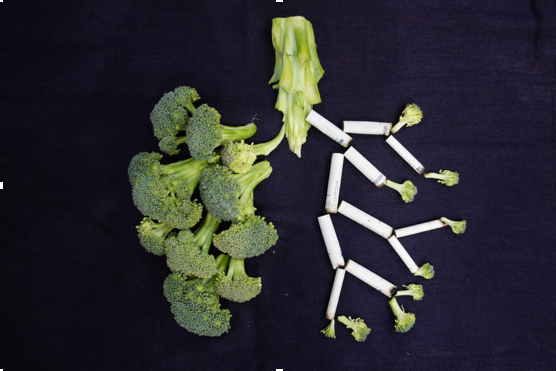
Photo by Sara Bakhshi on Unsplash
A simple test, known as the broccoli test, can help tell you if you’re just craving food or feeling hungry. Here it is: If a bowl of broccoli isn’t appealing to satisfy you for your feelings, then it’s very likely that you have a craving. However, it’s important to note that there may be valid reasons behind your body’s craving for a specific food.
However, intense craving can upset your diet plans and your resolutions to eat well. Thus, overriding rational thinking with thoughts such as “You only live once!” or “Just this once!” or “You deserve this!”
The first step to weight loss and curbing cravings is knowing that everyone gets these feelings. Therefore, they are absolutely normal. What you need is a key to help you remain on track and overcome those thoughts of “Just one doughnut.”
This secret is broken down into three formats as follows:
Good - Try Fighting The Craving

Photo by Priscilla Du Preez on Unsplash
Most people try this option and undoubtedly fail in the long-term. This approach to weight loss isn’t long-term and is draining. Usually, you use every ounce of your will to avoid thinking about the foods you usually crave. This strategy only has one problem; it feels like torture.
Here is an example. If someone asked you not to think about brown bears; you could think about all things except brown bears. You’ll quickly realize that trying to avoid the thought of something will always bring that thing to mind. In other words, the attempt to suppress the thought becomes a fixation. Thus, the reason why a restrictive diet usually fails.
In the long run, most people give in to the internal dialogue, which is usually a debate “I shouldn’t eat this; I should eat that.” This goes on, and all you need to do to get rid of this is to eat whatever you can’t stop thinking about. That’s why there’s the need for another approach, the kind of strategy that addresses weight loss and craving at the same time.
Better - Distractions From Craving
Some people adopt the strategy of distractions. It’s often common to forget your meals when you’re very busy. Other activities, such as bathing and drinking water, can also be overlooked when you’re immersed in something. But there’s a reason why this happens. Usually, high levels of concentration keep the thoughts of craving away.
Thus, distractions are more effective than restrictive eating. Also, you have a wide range of activities such as problem-solving games, hobbies, and work. According to studies reported in the Appetite journal, individuals who partook in the studies experienced less temptation to eat food when distracted.
The research discovered that indulging playing only for three minutes was enough to overcome craving. Thus, playing some Candy Crush or Playstation 4 games gives your fingers and mind some interesting things to do. Irrespective of what you choose to distract yourself, it’s vital to decide before the thoughts of craving creep in.
It’s undeniable that this strategy works. However, there’s a secret solution that deals with the root cause and serves as the best option for curbing craving.
Best - Address the Root Cause

Photo by Егор Камелев on Unsplash
A much smarter and more effective option is to tackle your craving with a substance known to affect the human body at the physiological level. In this case, the secret to fighting food craving is a strong psychedelic called psilocybin. Psilocybin mushrooms, which you can get at any medical mushroom dispensary, are also useful for testing several conditions such as depression, chronic pain, anxiety, PTSD, and even obsessive-compulsive disorder.
But how does this work?
Psilocybin helps repress craving by activating your serotonin receptors. You can call these receptors “nature’s own appetite suppressants,” which is how Psychology Today refers to them. They help shut off your normal appetite and suppress the craving for food. Thus, giving you the feeling of satisfaction even though your stomach may not be full. As a result, you will end up eating less and losing more.
In addition to this, you want to ask yourself why you’re craving food. Often, you’ll know the right thing to do, so the right question is, “Why can’t you do it?” You want to find out if you’re frustrated, bored, stressed, or anxious about anything.
Sometimes, the strong urge to indulge is due to certain overwhelming circumstances in your life. Hence, craving can become a signal or symptom of an underlying problem, to which you might be having an emotional response.
You can also adopt the following two tips to reduce the number of calories you take and slowly reduce your cravings.
#1
Eat food with high amounts of fiber. These will help fill your stomach faster. Thus, you’ll not over-indulge and they keep you chewing longer. Also, you feel satisfied for longer. Some of these foods include apples, pineapple, and carrot. Because most of these foods are chewy, they trick your brain into signaling that you’re full quickly.
#2
Add regular drinking of water to your daily routine. Aside from the fact that water will help keep you full, it is also very beneficial in several ways. According to the Mayoclinic, an adult male needs about 15.3 cups of water each day, the equivalent of 3.7 liters.
Conclusion
Irrespective of where you find yourself in your weight loss journey, every day offers a new challenge and the opportunity to take one step forward. Depending on which of these three options you’re using, you may reach your goals sooner or later. However, you can walk away from the entire process, a better person if you use the best strategies and tips.
Mindfulness meditation enhances positive effects of psilocybin
October 24, 2019
Science Daily/University of Zurich
Recent years have seen a renewed interest in the clinical application of classic psychedelics in the treatment of depression and anxiety disorders. Researchers of the University of Zurich have now shown that mindfulness meditation can enhance the positive long-term effects of a single dose of psilocybin, which is found in certain mushrooms.
Hallucinogens such as LSD or psilocybin, the active ingredient in "magic mushrooms," alter the perception of those who take them: The boundaries between the self and the world begin to dissolve and feelings of bliss and unity are triggered. Such experiences of self-transcendence and reduced self-focus are similar to those brought about by mindfulness meditation. They can reduce stress, prompt feelings of enduring happiness and increase empathy and altruism. In contrast to this, exaggerated self-focus, recurring negative thoughts and emotions about one's self, and impaired social interactions are characteristic features of psychiatric disorders such as depression.
Enhanced experience of self-transcendence
Researchers at the University Hospital of Psychiatry Zurich have now for the first time examined the potential synergistic effects of combining mindfulness meditation and psilocybin. The scientists recruited 40 meditation experts who were taking part in a five-day mindfulness retreat. In the double-blind study, the participants were administered either a single dose of psilocybin or a placebo on the fourth day of the group retreat. Using various psychometric and neurocognitive measurements, the team of researchers were able to show that mindfulness meditation increased the positive effects of psilocybin, while counteracting possible dysphoric responses to the psychedelic experience. "Psilocybin markedly increased the incidence and intensity of self-transcendence virtually without inducing any anxiety compared to participants who received the placebo," says first author Lukasz Smigielski, who conducted the study directed by UZH professor of psychiatry Franz Vollenweider.
Sustained beneficial effects
At the four-month follow-up, the meditation experts who had been given psilocybin demonstrated more beneficial changes in psychosocial functioning, better self-acceptance and more empathy than the placebo control group. According to Vollenweider, the intensity of self-transcendence experienced during the retreat played a key role for these enduring changes. In a previously published study, he and his team used magnetic resonance imaging to show that experiences of self-transcendence result in lasting changes to neural connections in the brain, and more specifically in the regions that are active when we think about ourselves.
The research group found that besides meditation depth, the participants' openness and optimism were conducive to a positive response to psilocybin. "These factors can help us predict a positive response," says Vollenweider. At the same time, skills that are trained during mindfulness meditation -- such as regulating one's attention and reappraising emotions -- seem to buffer potential negative reactions to psilocybin.
Potential for treating affective disorders
"Our findings shed light on the interplay between pharmacological and extra-pharmacological factors in psychedelic states of mind," says Vollenweider. "They indicate that mindfulness training enhances the positive effects of a single dose of psilocybin, and can increase empathy and permanently reduce ego-centricity. This opens up new therapeutic avenues, for example for the treatment of depression, which is often accompanied by increased self-focus and social deficits."
https://www.sciencedaily.com/releases/2019/10/191024075003.htm
Scientists show jet lag conditions impair immune response in mice
Chronic jet lag creates favorable cancer conditions in experimental models
October 14, 2020
Science Daily/Virginia Tech
Researchers reveal in a mouse study that chronic jet lag alters the microenvironment surrounding tumor cells, making it more favorable for tumor growth, and also hinders the body's natural immune defenses.
Imagine you've just arrived in Paris. Your body thinks it should be midnight -- a restorative time when your cells typically proofread DNA, organize and store energy, and perform other essential chores -- but, instead, the sun is up and you're awake. On a molecular level, your cells are stressed, trying to catch up to new environmental conditions.
Shiftwork and experimental models of frequent flying across time zones have been correlated with cancer risk, but not much is known about how these circadian disruptions impact the body's ability to curb cancer growth on a molecular scale.
Now, a new study published today (Wednesday, Oct. 14) in Science Advances reveals that chronic jet lag alters the microenvironment surrounding tumor cells, making it more favorable for tumor growth, and also hinders the body's natural immune defenses.
The research, led by corresponding authors Carla Finkielstein, an associate professor at the Fralin Biomedical Research Institute at VTC, and Diego Golombek, a professor at the National University of Quilmes in Argentina, adds to the rapidly growing scientific field of the effect of circadian disruption on health and wellbeing.
"A key takeaway from this study is that if someone has a proliferative disorder, in this case melanoma, doing shift work or regularly changing time zones could exacerbate the problem by dampening immune system response to tumor growth," said Finkielstein, who is also an associate professor of biology in Virginia Tech's College of Science, and director of the Molecular Diagnostics Laboratory at the Fralin Biomedical Research Institute. "This research also helps explain why some tumors win the race when a person is exposed to the chronically stressful conditions that occur when the environment and the body's clocks are misaligned."
Every cell in your body has its own set of molecular clocks -- a series of genes, proteins, and signaling chemicals that set the pace for cell growth, division, and decay. In cancer cells, these clocks are often altered, which allows the tumor to set its own pace for rapid, unchecked proliferation.
The body's master timekeeper is located in the brain, where it's entrained by light and sends signals to synchronize peripheral clocks located throughout the body. When our perception of day and night becomes muddled due to irregular intervals of light and dark, our internal clocks and the environment are misaligned, which, as this study shows, can have subtle yet significant consequences at a cellular level.
The researchers wanted to know how chronic jet lag impacts the microenvironment surrounding cancer cells and examined two groups of mice that were injected with melanoma cells. The first group was exposed to a normal circadian schedule: 12 hours of light and 12 hours of dark. The second group's light and dark exposure was shifted by six hours every two days -- the equivalent of roaming across 21 time zones per week.
A month later, the scientists observed that the tumors in the jet lagged group were roughly three times the size of the control group.
They also examined samples from the microenvironment surrounding the tumor, the spleen, which produces immune cells, and the liver. The researchers found peculiar contrasts in how the immune system responded to the tumor. For example, the levels of different types of immune cells called macrophages were inverted to be more prone to accept tumor growth in the jet lagged group.
Similarly, the rhythms of other immune cells and molecules, including cytokines, were disrupted. Even though the tumors didn't spread into their neighboring organ, the liver, or the spleen, the scientists observed that the circadian variations in the immune system in both of these organs were deregulated.
"We combined two different approaches of chronobiology research to study the effects of circadian desynchronization on both tumor growth and immune rhythms, and we found a link," Golombek said. "You need optimal rhythms in immune cells and immune humoral factors to quell rapid tumor growth. When circadian rhythms are chronically disrupted, these rhythms are impaired, inverted, or disappear entirely, which could help explain why the tumors were significantly larger in the desynchronized group."
Finkielstein and Golombek plan to continue studying how immune genes and cell cycle genes are related in the context of cancer.
https://www.sciencedaily.com/releases/2020/10/201014141138.htm
Teen brain differences linked to increased waist circumference
October 13, 2020
Science Daily/NIH/National Institute on Drug Abuse
Differences in the microstructure of the nucleus accumbens (NAcc), a region in the brain that plays an important role in processing food and other reward stimuli, predict increases in indicators of obesity in children, according to a study funded by the National Institute on Drug Abuse (NIDA) and nine other institutes, all part of the National Institutes of Health. The paper, published today in the journal Proceedings of the National Academy of Sciences, is based on data from the Adolescent Brain Cognitive Development (ABCD) Study. The ABCD Study will follow nearly 12,000 children through early adulthood to assess factors that influence individual brain development and other health outcomes.
Findings from this study provide the first evidence of microstructural brain differences that are linked to waist circumference and body mass index (BMI) in children. These microstructural differences in cell density could be indicative of inflammatory processes triggered by a diet rich in high fat foods.
"We know that childhood obesity is a key predictor of adult obesity and other poor health outcomes later in life," said Nora D. Volkow, M.D., director of NIDA. "These results extend previous animal studies to reveal what may prove to be a vicious cycle in which diet-related inflammation in brain striatal regions promotes further unhealthy eating behaviors and weight gain."
Evidence from past human imaging studies has demonstrated the relationship between the NAcc and unhealthy eating behavior in adults. In this study, the researchers leveraged new diffusion MRI imaging techniques to examine the cellular structure of areas that comprise the striatal reward pathway in the brain to investigate disproportionate weight gain in youth.
This study included data from 5,366 ABCD Study participants, ages 9- to 10-years-old at baseline, of whom 2,133 returned for a one-year follow-up visit. The mean waist circumference of the participants, used here as a measure of body fat, increased an average of 2.76 centimeters per participant from the baseline through the one-year follow-up. The researchers used a noninvasive MRI technique to show that an alleged marker of cellular density in the NAcc reflected differences in waist circumference at baseline and predicted increased waist circumference at one-year follow-up.
Because the ABCD Study is longitudinal, it will allow to assess if this association holds or changes over the course of adolescent development, and what factors may influence this trajectory.
Obesity in the United States affects approximately 35% of children and adolescents and is associated with negative health consequences, mentally and physically, as well as higher mortality rates. Children who are obese have more than a fivefold likelihood of becoming obese as adults. Predictive models of weight gain in youth, coupled with knowledge about factors that could impact this trajectory, would benefit public health and individual wellbeing.
https://www.sciencedaily.com/releases/2020/10/201013150815.htm
Television advertising limits can reduce childhood obesity
October 13, 2020
Science Daily/PLOS
Limiting the hours of television advertising for foods and beverages high in fat, sugar and salt (HFSS) could make a meaningful contribution to reducing childhood obesity, according to a new study published this week in PLOS Medicine by Oliver Mytton of the University of Cambridge, UK, and colleagues.
Childhood obesity is a global problem with few signs of progress. As part of the UK government's plan to halve childhood obesity by 2030, it is considering limitations on television advertising for HFSS products between the hours of 5:30am and 9pm. In the new study, researchers used data on children's exposure to HFSS advertising during these hours, as well as previously published information on the association between exposure to HFSS advertising and children's caloric intake.
The study concluded that if all HFSS advertising in the UK was withdrawn during the hours in question, the 3.7 million children in the UK would see on average 1.5 fewer HFSS advertisements per day and decrease their caloric intake by an average of 9.1 kcal (95%CI 0.5-17.7). This would reduce the number of children aged 5 through 17 with obesity by 4.6% (95%CI 1.4-9.5) and the number of children considered overweight by 3.6% (95%CI 1.1-7.4). This is equivalent to 40,000 fewer UK children with obesity and 120,000 fewer classified as overweight and would result in a monetary benefit to the UK of £7.4 billion (95%CI 2.0 billion-16 billion). The study only considered the direct impact of HFSS advertising on children's caloric intake and did not consider the impact of HFSS advertising on changing both children's and adults' dietary preferences and habits.
"Measures which have the potential to reduce exposure to less-healthy food advertising on television could make a meaningful contribution to reducing childhood obesity," the authors say. However, they also point out that "this is a modeling study and we cannot fully account for all factors that would affect the impact of this policy if it was implemented."
"Our analysis shows that introducing a 9 PM watershed on unhealthy TV food advertising can make a valuable contribution to protecting the future health of all children in the UK, and help level up the health of children from less affluent backgrounds," said Dr Mytton. "However, children now consume media from a range of sources, and increasingly from online and on-demand services, so in order to give all children the opportunity to grow up healthy it is important l to ensure that this advertising doesn't just move to the 9-10pm slot and to online services."
https://www.sciencedaily.com/releases/2020/10/201013141752.htm
Prenatal cannabis exposure linked to cognitive deficits, altered behavior
October 14, 2020
Science Daily/Washington State University
Regular cannabis exposure in rats during pregnancy may cause their offspring to have long-term cognitive deficiencies, asocial behavior, and anxiety later in adulthood.
That's according to a new study by neuroscientists in Washington State University's Integrative Physiology and Neuroscience unit that provides a rare look at the effects of using cannabis during pregnancy.
"The reality of cannabis research is there's not a lot of it," said Halle Weimar, first author on the paper and graduate student in the neuroscience program. "This research helps get information out to women so they can make an educated decision that is best for them."
Weimar and her colleagues found the offspring of pregnant rats exposed to cannabis vapor were more likely to make regressive errors after they were trained new methods to receive sugar pellets. They were also less social and more anxious when placed in new environments.
Weimar said the research is especially significant as recreational and medicinal cannabis use continues to increase among pregnant women as well as the general population.
The study, recently published in the journal Neuropharmacology, utilized a first-of-its-kind e-cigarette technology to deliver cannabis vapor to pregnant female rats before and throughout their entire gestation period.
"The idea was to use a more clinically relevant model to mirror how humans use cannabis, specifically how pregnant women use cannabis," Weimar said.
Researchers also delivered propylene glycol vegetable glycerol mixture, commonly found in vape juice, to explore its effects in rats. A control group was left in their home cage and not exposed to any vapor.
Vapor was administered twice daily to rats in one-hour sessions during mating and pregnancy.
The research team found significant behavioral changes and cognitive deficits that persisted into adulthood in the offspring of the pregnant rats exposed to cannabis.
Using different levers and a cue light, researchers trained and rewarded rats with sugar pellets for pressing a lever paired with the cue light. The rats were then required to change their strategy during test day and instead ignore the cue, which was used as a measure of cognitive flexibility.
"While rats eventually caught on, those whose mothers were exposed to cannabis were more likely to revert to the old pattern and make regressive errors," Weimar said. "They also took more trials to learn the rules."
Male and female juvenile rats whose mothers were exposed to cannabis also engaged in far fewer play behaviors. The male rats were especially hesitant to engage with other rats in their initial social introductions.
Moreover, adult rats whose mothers were exposed to cannabis exhibited anxiety-like behavior in new environments.When placed in a large, elevated maze with open and closed arms, the rats were more likely to stay in the closed arms of the maze and explore the open, exposed arms less.
"They tend to feel safer in closed arms as opposed to rats that are less anxious and willing to venture into open spaces and take more risks," Weimar said.
She said the finding is significant because it shows cannabis vapor administered to a rat during pregnancy may cause its offspring to have age-dependent effects well into adulthood, noting the observation wasn't noted in rats when they were juveniles.
The researchers noticed changes in the rats' behavior as pups as well.
Weimar said rats whose mothers were exposed to cannabis made more than 100 more ultrasonic vocalizations, or cries for their mother, compared to the control group, days after birth.
"It's pretty noteworthy because this is one of the only tests you can do that looks at emotional reactivity in neonates and they were far more reactive than the other groups," Weimar said.
https://www.sciencedaily.com/releases/2020/10/201014095130.htm
Watching nature on TV can boost wellbeing
October 13, 2020
Science Daily/University of Exeter
Watching high quality nature programmes on TV can uplift people's moods, reduce negative emotions, and help alleviate the kind of boredom associated with being isolated indoors, according to a new study published today in the Journal of Environmental Psychology.
The research has also shown that experiencing nature in virtual reality could have even larger benefits, boosting positive feelings and increasing people's connection to the natural world.
Under laboratory conditions, researchers from the University of Exeter first induced feelings of boredom in 96 participants by asking them to watch a video in which a person describes their work at an office supply company. They then experienced scenes of an underwater coral reef in one of three different ways: on TV; in a VR headset using 360o video; and in a VR headset using computer generated interactive graphics.
The team found that all viewing methods minimised negative feelings such as sadness, as well as significantly reducing boredom. However, only the interactive virtual reality experience led to increases in positive feelings, such as happiness, and strengthened how connected people felt to nature.
Nicky Yeo, lead researcher on the study, believes the findings could have important implications for populations facing extended periods at home. She said:
"Our results show that simply watching nature on TV can help to lift people's mood and combat boredom. With people around the world facing limited access to outdoor environments because of COVID-19 quarantines, this study suggests that nature programmes might offer an accessible way for populations to benefit from a 'dose' of digital nature."
The team worked with the BBC Natural History Unit to create their experimental conditions, which featured several scenes from the Blue Planet II series, including unseen 360o footage. Their findings support initiatives seeking to bring the therapeutic potential of nature to people at home, such as BBC Four's recent Mindful Escapes series.
Dr Mathew White, co-author of the study, said:
"We're particularly excited by the additional benefits immersive experiences of nature might provide. Virtual reality could help us to boost the wellbeing of people who can't readily access the natural world, such as those in hospital or in long term care. But it might also help to encourage a deeper connection to nature in healthy populations, a mechanism which can foster more pro-environmental behaviours and prompt people to protect and preserve nature in the real world."
https://www.sciencedaily.com/releases/2020/10/201014095130.htm
High blood pressure linked to baroreflex in rats
Animal model observation may reveal new cause of hypertension
October 5, 2020
Science Daily/Michigan Medicine - University of Michigan
High blood pressure: some people take medication to control it while others commit to low salt diets, exercise or yoga to reduce stress. Blood pressure is a primary vital sign, yet, remarkably, just how the body maintains it is still a mystery.
"We've been studying high blood pressure for 100 years and we still have the same ideas," says Daniel Beard, Ph.D., the Carl J. Wiggers Collegiate Professor of Cardiovascular Physiology. In a new paper in JCI Insight, Beard, Feng Gu, Ph.D., from the department of molecular and integrative physiology, and their team describe a newly observed phenomenon in the way blood pressure is maintained in certain rats.
Their discovery comes on the heels of an inquiry into the linkage between stiffened arteries and high blood pressure, known clinically as hypertension. "What happens when you are hypertensive is your arteries get stiffer. But this is thought to be an effect, not a cause," explains Beard. Stiff arteries have a reduced ability to stretch in response to increased pressure. This stretching is controlled by the baroreflex, an automatic neurological response to changes in tension.
"The goal of the reflex is to keep blood pressure steady," says Beard. "If pressure starts dropping, heart rate and cardiac activity go up and if it gets too high, they go down."
The team's hypothesis was that the stiffening in the arteries causes a neural defect, decreasing the ability of the baroreflex to detect arterial stretching and reduce pressure accordingly.
While measuring this effect in rats, they observed that the baroreflex appeared to switch on and off for extended periods of time, up to 5-10 minutes at a time. Spontaneously hypertensive rats -- ones who were genetically prone to high blood pressure -- appeared to have more time with the reflex turned off. In fact, Beard's team was able to predict which rats would be hypertensive by the pattern of this baroreflex behavior.
Measuring the dynamic response to blood pressure changes in a human involves tests like a tilt table test, during which a person is strapped to a table that changes positions to measure the cardiovascular response. However, for this study, the team was able to outfit rats with sensors to measure the baroreflex and blood pressure as they went about normal activities. Doing so allowed observation of the on/off phenomenon for the first time.
"First we had to convince ourselves this was real," says Beard. To do so, they compared their animals to rats of a different lineage, ones who developed high blood pressure in response to diet, and saw the same on/off phenomenon. Surprisingly, however, there was no link to blood pressure in these rats. Says Beard, "the baroreflex is contributing to making some animals hypertensive but not others. It may be playing other roles we don't understand."
The team's next goal is to figure out why the baroreflex turns on and off in rats and whether or not the phenomenon exists in people. If so, "it could give us clues about what therapies people may or may not respond to," Beard says.
https://www.sciencedaily.com/releases/2020/10/201005101546.htm
More young adults are abstaining from alcohol
October 12, 2020
Science Daily/University of Michigan
Fewer college-age Americans drink alcohol, compared to nearly 20 years ago, according to a new study.
Between 2002 and 2018, the number of adults aged 18-22 in the U.S. who abstained from alcohol increased from 20% to 28% for those in college and from about 24% to 30% for those not in school, say researchers at the University of Michigan and Texas State University. And alcohol abuse among both groups decreased by roughly half.
However, the study found that the number of young adults using marijuana, as well as co-using alcohol and marijuana, has increased.
Overall, the mixed findings show more positive than negative trends for alcohol and marijuana use and misuse among this age group, but the progression still bears close monitoring, the researchers say.
The study, appearing in JAMA Pediatrics Oct. 12, examined how alcohol and marijuana abstinence, co-use and use disorders have changed in 18-to-22-year-olds as a function of college status, using data from a nationally representative survey of 182,722 young adults. It also looked at prescription drug use and misuse as a function of alcohol and marijuana use, from 2015 to 2018.
The researchers were particularly surprised at the drop in alcohol use and misuse.
"We're encouraged by the significant decreases in alcohol use disorder -- for both college and noncollege students," said lead author Sean Esteban McCabe, director of the Center for the Study of Drugs, Alcohol, Smoking and Health at the U-M School of Nursing.
"The prevalence of alcohol use disorder in both groups in 2018 was roughly half of what it was in 2002. We are excited to learn about these drops in disordered drinking, as alcohol-related consequences are one of the leading causes of mortality and morbidity for young adults."
Co-author Ty Schepis, professor of psychology at Texas State, said "even with increases in marijuana use disorder and co-use of alcohol and marijuana, there is a lot of hope in our study's results."
"Points of concern that deserve more attention are the rise in co-use of alcohol and marijuana, as we know that polysubstance use can have more negative consequences and be more difficult to treat," he said.
The study also found that more than three-fourths of those who had disordered use of both alcohol and marijuana reported past-year prescription drug use and illicit drug use, while the majority reported prescription drug misuse.
The findings indicate that the substance use landscape has changed over the past 20 years, with more young adults using or misusing several different substances, as opposed to just marijuana or alcohol.
"For example, from 2015 to 2018, only 2.5% of young adults who abstained from both alcohol and marijuana reported misusing prescription drugs, while 25.1% of co-users misused prescription drugs," Schepis said. "That is a tenfold difference with potentially dangerous consequences."
Abusing multiple substances is often more dangerous than abusing a single substance.
"Interventions that focus solely on one substance will be less effective than interventions that take a more holistic polysubstance use perspective," McCabe said. "The findings of our study reinforce the complex task health professionals have of detecting and developing effective interventions to reduce consequences associated with polysubstance use, such as co-use of alcohol and marijuana."
Schools and employers may require more resources to scale interventions to address both young adults with and without a disorder, including screening and brief interventions for co-use of alcohol and marijuana, McCabe said.
"The finding that abstinence is increasing among college students and young adults not in college is very important for U.S. colleges and universities to take into account moving forward," he said. "These findings reinforce the importance of the need to support those young adults in recovery and abstinence for other reasons. There are over 1 million U.S. young adults in recovery and a wide variety of resources are needed to support these individuals."
https://www.sciencedaily.com/releases/2020/10/201012120007.htm
Alcohol use changed right after COVID-19 lockdown
October 13, 2020
Science Daily/Washington State University
One in four adults reported a change in alcohol use almost immediately after stay-at-home orders were issued, according to a study of twins led by Washington State University researchers.
The study, published recently in Frontiers in Psychiatry, surveyed more than 900 twin pairs from the Washington State Twin Registry from March 26 to April 5, 2020, just after stay-at-home orders were issued in Washington on March 23. An estimated 14% of survey respondents said they drank more alcohol than the week prior and reported higher levels of stress and anxiety than those who did not drink alcohol and those whose use stayed the same.
"We expected that down the road people might turn to alcohol after the stay-at-home orders were issued, but apparently it happened right off the bat," said Ally Avery, lead author of the study and a scientific operations manager at WSU's Elson S. Floyd College of Medicine. "It shows the need to make sure there is more mental health support since it had an impact on people right away."
Surprisingly, the study showed that the 11% who decreased their drinking also had higher levels of stress and anxiety than the groups with no change -- suggesting that any change in alcohol use may be associated with mental health issues.
The study did not examine the reasons behind the link between a decrease in drinking and increase in stress and anxiety, but Avery said one possibility is that these were social drinkers who were missing out on after-work happy hours and other occasions where they drank with friends.
The researchers conducted the study with twins so that they could look at whether changes in alcohol use and mental health were mediated by genetic or shared environmental factors since twins raised in the same family share many formative experiences. Twins also have common genetics with fraternal twins sharing approximately half of their genes while identical twins share all of their genes.
In this study, the researchers found that the association between changes in alcohol use, and stress and anxiety were relatively small and confounded by between-family factors and demographic characteristics.
Still the link between the pandemic, alcohol use, and stress and anxiety is concerning, Avery said. The researchers are continuing to survey this group at longer intervals to see if the increased drinking persists and whether it becomes a bigger problem.
https://www.sciencedaily.com/releases/2020/10/201013124134.htm
Girls benefit from doing sports
September 29, 2020
Science Daily/University of Montreal
Extracurricular sport in middle childhood diminishes subsequent ADHD symptoms in girls, but not in boys, a new study suggests
Girls -- but not boys -- who participate actively in school sports activities in middle childhood show improved behaviour and attentiveness in early adolescence, suggests a new Canadian study published in Preventative Medicine.
"Girls who do regular extracurricular sports between ages 6 and 10 show fewer symptoms of attention-deficit/hyperactivity disorder (ADHD) at age 12, compared to girls who seldom do," said Linda Pagani, a professor at Université de Montréal's School of Psychoeducation.
"Surprisingly, however, boys do not appear to gain any behavioural benefit from sustained involvement in sports during middle childhood," said Pagani, who led the study co-authored by her students Marie-Josée Harbec and Geneviève Fortin and McGill University associate medical professor Tracie Barnett.
As the team prepared their research, "it was unclear to what extent organized physical activity is beneficial for children with ADHD symptoms," recalled Pagani.
"Past studies have varied widely in quality, thus blurring the true association between sport and behavioural development." She added: "On top of that, "past research has not acknowledged that boys and girls are different in how they present ADHD symptoms."
A chance to get organized
ADHD harms children's ability to process information and learn at school, Pagani explained. Sport helps young people develop life skills and supportive relationships with their peers and adults. It offers a chance to get organized under some form of adult influence or supervision.
"Thus, from a public-health perspective, extracurricular sport has the potential to be a positive, non-stigmatizing and engaging approach to promote psychological well-being and could thus be viewed as behaviour therapy for youth with ADHD," Pagani said.
"Sports are especially beneficial if they begin in early childhood. And so, since using concentration and interpersonal skills are essential elements of sport, in our study we undertook to examine whether it would result in reductions in ADHD symptoms over the long term."
Pagani and her team came to their conclusions after examining data from a Quebec cohort of children born in 1997 and 1998, part of the Quebec Longitudinal Study of Child Development coordinated by the Institut de la statistique du Québec.
Parents of the 991 girls and 1,006 boys in the study reported on whether their sons and daughters were in an extracurricular physical activity that required a coach or instructor between ages 6 and 10. At age 12 years, teachers rated the children's behaviour compared to their classmates. Pagani's team then analyzed the data to identify any significant link between sustained participation and later ADHD symptoms, discarding many possible confounding factors.
"Our goal was to eliminate any pre-existing conditions of the children or families that could throw a different light on our results," said Pagani.
'Boys more impulsive'
Why do girls with ADHD benefit from sports, but not boys?
"In childhood, boys with ADHD are more impulsive and more motor-skilled than girls -- as a result, boys are more likely to receive medication for their ADHD, so faster diagnosis and treatment for boys in middle childhood could diminish the detectable benefits of sport," Pagani said. "They might be there; they're just harder to tease out."
"In girls, on the other hand, ADHD is more likely to go undetected -- and girls' difficulties may be even more tolerated at home and in school. Parents of boys, by contrast, might be more inclined to enroll them in sports and other physical activities to help them."
She added: "We know that sporting activities have other numerous benefits for mental health of all children. However, for reducing ADHD symptoms, middle childhood sports in elementary school seem more noteworthy for girls."
That's why structured extracurricular activities that demand physical skill and effort under the supervision of a coach or instructor could be valuable to any official policy aimed at promoting behavioral development, the UdeM researchers maintain.
Concluded Pagani: "Sports activities in early childhood can help girls develop essential social skills that will be useful later and ultimately play a key role in their personal, financial and economic success."
The work was supported by the Social Sciences and Humanties Research Council of Canada and other funders, including the Fondation Lucie et André Chagnon.
https://www.sciencedaily.com/releases/2020/09/200929123524.htm