
Stress associated with an increased risk of getting COVID-19
January 12, 2022
Science Daily/University of Nottingha
A new study has found that people who experienced increased stress, anxiety and depression at the start of the pandemic, were at greater risk of getting Covid-19.
The research, published in Annals of Behavioral Medicine, found that greater psychological distress during the early phase of the pandemic was significantly associated with participants later reporting SARS-CoV-2 infection, a greater number of symptoms and also more severe symptoms.
Professor Kavita Vedhara in the School of Medicine at the University of Nottingham, led the study, along with colleagues from King's College London and the University of Auckland in New Zealand.
Previous research has shown that psychological factors such as stress and social support are associated with increased susceptibility to viral respiratory illnesses and more severe symptoms.
During the Covid-19 pandemic there has been a well-documented deterioration in psychological wellbeing and increased social isolation. The purpose of this study was to find out whether people who experienced these difficulties during the pandemic were more at risk of contracting and/or experiencing Covid-19 symptoms.
The team of experts conducted an observational study of nearly 1,100 adults, who completed surveys during April 2020 and self-reported incidence of Covid-19 infection and symptom experience across the pandemic through to December 2020.
Regression models were used to explore these relationships, taking into account demographic and occupational factors.
The results showed that Covid-19 infection and symptoms were more common among those experiencing elevated psychological distress.
Professor Vedhara says: "The significance of the work is in that it turns the debate regarding the mental health aspects of the pandemic on its head. Our data show that increased stress, anxiety and depression are not only consequences of living with the pandemic, but may also be factors that increase our risk of getting SARS-CoV-2 too.
"Further work is now needed to determine whether and how public health policy should change to accommodate the fact that the most distressed people in our communities appear to be at greatest risk of Covid-19 infection."
Professor Trudie Chalder, Professor of Cognitive Behavioural Psychotherapy from King's College London said: "Previous work has shown a clear relationship between distress and the development of viral infections indicating a vulnerability. Our study found that distress was associated with self-reported Covid-19 infection and the next step is to investigate whether this association is found in those with confirmed infection."
https://www.sciencedaily.com/releases/2022/01/220112145102.htm
Gum disease increases risk of other illness such as mental health and heart conditions
December 20, 2021
Science Daily/University of Birmingham
A University of Birmingham-led study shows an increased risk of patients developing illnesses including mental ill-health and heart conditions if they have a GP-inputted medical history of periodontal (gum) disease.
Experts carried out a first of its kind study of the GP records of 64,379 patients who had a GP-inputted recorded history of periodontal disease, including gingivitis and periodontitis (the condition that occurs if gum disease is left untreated and can lead to tooth loss). Of these, 60,995 had gingivitis and 3,384 had periodontitis. These patients' records were compared to those of 251,161 patients who had no record of periodontal disease. Across the cohorts, the average age was 44 years and 43% were male, while 30% were smokers. Body Mass Index (BMI), ethnicity and deprivation levels were also similar across the groups.
The researchers examined the data to establish how many of the patients with and without periodontal disease go on to develop cardiovascular disease (e.g., heart failure, stroke, vascular dementia), cardiometabolic disorders (e.g., high blood pressure, Type 2 diabetes), autoimmune conditions (e.g., arthritis, Type 1 diabetes, psoriasis), and mental ill-health (e.g., depression, anxiety and serious mental illness) over an average follow-up of around three years.
From the research, published today in journal BMJ Open, the team discovered that those patients with a recorded history of periodontal disease at the start of the study were more likely to go on and be diagnosed with one of these additional conditions over an average of three years, compared to those in the cohort without periodontal disease at the beginning of the research. The results of the study showed, in patients with a recorded history of periodontal disease at the start of the study, the increased risk of developing mental ill-health was 37%, while the risk of developing autoimmune disease was increased by 33%, and the risk of developing cardiovascular disease was raised by 18%, while the risk of having a cardiometabolic disorder was increased by 7% (with the increased risk much higher for Type 2 diabetes at 26%).
Co-first author, Dr Joht Singh Chandan, of the University of Birmingham's Institute of Applied Health Research, said: "Poor oral health is extremely common, both here in the UK and globally. When oral ill-health progresses, it can lead to a substantially reduced quality of life. However, until now, not much has been known about the association of poor oral health and many chronic diseases, particularly mental ill-health.Therefore, we conducted one of the largest epidemiological studies of its kind to date, using UK primary care data to explore the association between periodontal disease and several chronic conditions. We found evidence that periodontal disease appears to be associated with an increased risk of developing these associated chronic diseases. As periodontal diseases are very common, an increased risk of other chronic diseases may represent a substantial public health burden."
The research was partly funded by Versus Arthritis's Centre for Musculoskeletal Ageing Research based at the University of Birmingham, and supported by the National Institute for Health Research (NIHR) Birmingham Biomedical Research Centre.
Caroline Aylott, Head of Research Delivery at Versus Arthritis, said: "Some of the biggest challenges of arthritis, especially auto-immune conditions like rheumatoid arthritis (RA) which affects 400,000 people in the UK, is being able to know who is more at risk of developing it, and finding ways to prevent it. Previous studies have shown that people with RA were four times more likely to have gum disease than their RA-free counterparts and it tended to be more severe. This research provides further clear evidence why healthcare professionals need to be vigilant for early signs of gum disease and how it can have wide-reaching implications for a person's health, reinforcing the importance of taking a holistic approach when treating people."
https://www.sciencedaily.com/releases/2021/12/211220083114.htm
Trends in binge drinking among older men and women in the United States
December 8, 2021
Science Daily/Wiley
Binge drinking has increased in recent years among older U.S. men but not among older women, according to a study published in the Journal of the American Geriatrics Society.
The study included 18,794 adults aged 65 years and older who participated in the 2015-2019 National Survey on Drug Use and Health. Binge drinking was defined as consuming 5 or more drinks on the same occasion for men and 4 or more drinks for women.
Binge drinking among older men increased from 12.8% in 2015 to 15.7% in 2019 but remained stable among older women (7.6% to 7.3%). Having a college degree was associated with a higher risk of binge drinking among women but a lower risk among men. Men who were separated or divorced were also at higher risk, but women were not. Both men and women who reported use of tobacco or cannabis in the past month were at higher risks of binge drinking.
"Our study brings the most up-to-date findings on trends in binge drinking in older age, especially the unnoticed importance of understanding the unique demographic characteristics of binge drinking that differ in men and women given gender norms and expectations of societies that are consistently evolving. For example, we noted an increased frequency in education among binge drinking older women. Women with more education may have more opportunities to drink and may be less constricted by gender norms against women consuming alcohol," said lead author Tala Al-Rousan, MD, MPH, of the University of California, San Diego. "Moreover, our findings would encourage health providers who care for older men and women with chronic conditions who are at risk of binge drinking to offer tailored messages that are targeted at certain chronic conditions."
https://www.sciencedaily.com/releases/2021/12/211208090023.htm
Half of all drinkers risk exceeding legal driving limit by underestimating how drunk they are
December 6, 2021
Science Daily/University of Cambridge
As many as a half of all drinkers underestimated how drunk they were, judging themselves still safe to drive despite having exceeded the legal driving limit, in new research published today.
Worldwide, drunk driving is a major problem, despite decades of health promotion activities. Road traffic injuries have become the leading killer of people aged five to 29 years, and recently, the World Health Organization has said that alcohol-related traffic accidents are one of the major causes. In 2019, between 210 and 250 people were killed in accidents in Britain where at least one driver was over the drink-drive limit, the highest level since 2009.
Drinking alcohol causes significant impairment to our motor function, and the more we drink, the worse this becomes. Drunk drivers may struggle to keep their vehicle in lane and have slow reaction times, as well as being more likely to take risks.
In research published today in the Harm Reduction Journal, a team of researchers from Witten/Herdecke University and the University of Cambridge studied how accurately participants were able to estimate their fitness to drive after drinking alcohol.
Ninety students (average age 24 years old) took part in an experiment on two separate days. Participants were split into two groups: a study group and a control group. Both groups consumed either beer or wine or both until they reached a maximum breath alcohol concentration (BrAC) of 0.11%.
The research was carried out in Germany, where the legal driving limit is a BrAC of 0.05% (in England and Wales, the level is 0.08%). In the study group, participants were told at the start that when they reached a BrAC of 0.05%, they would be switched from beer to wine or vice versa (though it was not explicitly explained that this was the legal driving limit).
The researchers monitored each participant's breath alcohol concentration using breathalysers. With each measurement, they asked the participants to estimate their own breath alcohol concentration. All participants were asked to come forward when they thought they had reached the legal driving limit.
The team found that on the first study day, more than a third (39%) of participants who believed they had reached the legal driving limit had in fact already exceeded this threshold. On the second day this proportion increased to more than half (53%).
Dr Kai Hensel from Witten/Herdecke University and the University of Cambridge, who led the study, said: "In countries with legal alcohol limits, it's usually the driver who makes a judgement about how much they've drunk and how fit they are to drive. But as we've shown, we are not always good at making this judgement. As many as one in two people in our study underestimated how drunk they were -- and this can have devastating consequences."
The researchers also noticed that participants became poorer at estimating their BrAC level the drunker they became. "This could have serious consequences in England and Wales, where the legal driving limit is higher, as it suggests that a significant number of people might misjudge how drunk they are and consider themselves fit to drive when in fact they have a potentially dangerously high level of alcohol in their blood," added Dr Hensel.
To see whether people were able to improve their ability to estimate how drunk they are, the researchers compared the volunteers' self-estimation of having reached the legal driving limit between the two study days. For the study group participants were better able to estimate how drink they were on the second day, but this was not the case for the control group.
Dr Hensel added: "Drinking and driving is a major risk fact for road traffic accidents. Anything that can be done to reduce these numbers is worth trying. With guidance, our participants were able to improve their judgement. It could be that pop-up stalls set up around drinking establishments that help people understand their breath alcohol concentration might help.
"Really, the best advice is that if you're driving, just don't drink. But if you really do feel like a drink, then look into your own alcohol tolerance. This differs from one person to the next, depending on your sex, weight and age, and there are some reliable apps out there that can help guide you."
https://www.sciencedaily.com/releases/2021/12/211206220100.htm
Stress makes life’s clock tick faster: Chilling out slows it down
December 6, 2021
Science Daily/Yale University
Scientists in recent years have developed ways to measure biological age by tracking chemical changes in DNA that occur naturally as people age but occur at different times in different people. These so-called "epigenetic clocks" have proved to be better predictors of lifespan and health than chronological age.
In a new study, Yale researchers used one such clock, appropriately named "GrimAge," to ask two questions: How much does chronic stress accelerate that biological clock? And are there ways to slow it down and extend a healthy lifespan?
According to their findings, published in the journal Translational Psychiatry, stress does indeed make life's clock tick faster -- but that individuals can help manage the effects by strengthening their emotion regulation and self-control.
Rajita Sinha, the Foundations Fund Professor of Psychiatry at Yale, a professor of neuroscience and professor at the Yale Child Study Center, and one of the authors of the study, has spent decades studying stress and the myriad and pernicious ways that it erodes our mental and physical health.
Prolonged stress, for instance, increases the risk of heart disease, addiction, mood disorders, and post-traumatic stress disorder, said Sinha, who is also director of the Yale Interdisciplinary Stress Center. It can influence metabolism, accelerating obesity-related disorders such as diabetes. Stress also saps our ability to regulate emotions and to think clearly.
A Yale team led by Sinha and Zachary Harvanek, a resident in the Yale Department of Psychiatry, decided to explore whether stress also accelerates aging in a relatively young and healthy population. Other co-authors included Ke Xu, an associate professor of psychiatry, and Nia Fogelman, an associate research scientist in psychiatry at Yale.
For their study, they enrolled 444 people, ages 19 to 50, who provided blood samples used to evaluate the age-related chemical changes captured by GrimAge as well as other markers of health. The participants also answered questions designed to reveal stress levels and psychological resilience.
Even after accounting for demographic and behavioral factors such as smoking, body mass index, race, and income, the researchers found that those who scored high on measures related to chronic stress exhibited accelerated aging markers and physiological changes such as increased insulin resistance.
However, stress didn't affect everyone's health to the same degree. Subjects who scored high on two psychological resilience measures -- emotion regulation and self-control -- were more resilient to the effects of stress on aging and insulin resistance, respectively. "These results support the popular notion that stress makes us age faster," Harvanek said, "but they also suggest a promising way to possibly minimize these adverse consequences of stress through strengthening emotion regulation and self-control."
In other words, the more psychologically resilient the subject, the higher the likelihood they would live a longer and healthier life, he said.
"We all like to feel like we have some agency over our fate," Sinha said. "So it is a cool thing to reinforce in people's minds that we should make an investment in our psychological health."
https://www.sciencedaily.com/releases/2021/12/211206220043.htm
Coffee time: Caffeine improves reaction to moving targets
That morning coffee might be even more helpful than you think
December 1, 2021
Science Daily/University of Waterloo
In the first study of its kind to explore caffeine's effects on dynamic visual skills, researchers concluded that caffeine increases alertness and detection accuracy for moving targets. Caffeine also improved participants' reaction times.
"A lot of what happens in our environment is moving -- like trying to cross a busy intersection as a pedestrian or finding something on a shelf as you're walking through the aisles of a grocery store," said Dr. Kristine Dalton of Waterloo's School of Optometry & Vision Science. "Testing visual acuity under dynamic conditions can provide more information about our functional performance in these scenarios than traditional static visual acuity measurements alone."
Visual acuity, also known as clarity of vision or sharpness of vision, refers to a person's ability to detect and recognize small details and can be measured under static (stationary) or dynamic (moving) conditions. While both static and dynamic visual acuity provide important information about how we interact with the world around us, dynamic visual acuity skills are especially important in the many daily activities in which we, or objects around us are moving.
"While we already know that caffeine increases the velocity of rapid-eye movements, we wanted to further investigate how exactly caffeine enhances visual processing and facilitates the detection of moving visual stimuli by testing dynamic visual acuity," said co-author Beatríz Redondo of the University of Granada's Department of Optics.
On two separate days, half of the study's participants ingested a caffeine capsule (4mg/kg) while the other half ingested a placebo capsule. Using a computer-based test designed and validated at the University of Waterloo, each participant's dynamic visual acuity skills were measured before and 60 minutes after caffeine ingestion.
Researchers found that participants who had ingested the caffeine capsules showed significantly greater accuracy and faster speed when identifying smaller moving stimuli, inferring caffeine positively influences participants' stimulus processing and decision-making. Eye movement velocity and contrast sensitivity, which are implicated in dynamic visual acuity performance, were also sensitive to caffeine intake.
"Our findings show that caffeine consumption can actually be helpful for a person's visual function by enhancing alertness and feelings of wakefulness," Dalton said. "This is especially true for those critical, everyday tasks, like driving, riding a bike or playing sports, that require us to attend to detailed information in moving objects when making decisions."
The study, Effects of caffeine ingestion on dynamic visual acuity, co-authored by Waterloo's School of Optometry & Vision Science's Dalton, and the University of Granada's Redondo, Raimundo Jiménez, Rubén Molina and Jesús Vera, was recently published in the Psychopharmacology journal.
https://www.sciencedaily.com/releases/2021/12/211201085155.htm
###
Sick and tired: Research reveals toll of poor sleep among health care workers
November 29, 2021
Science Daily/Columbia University Irving Medical Center
In a pair of recent papers, Columbia researchers and their collaborators have quantified the effect of the COVID pandemic on health care workers' sleep patterns and the potentially damaging consequences of sleep disturbance on their mental health.
The newest paper, published Nov. 24, finds that health care workers with poor sleep were twice as likely to report symptoms of depression than their better-rested colleagues and were 50% more likely to report psychological distress and 70% more likely to report anxiety.
That constellation of troubles could worsen the overlapping crises already enveloping health care. "Right now, a large percentage of health care workers are leaving their jobs because of the stress, producing a shortage of health care workers nationally," says the studies' lead author Marwah Abdalla, MD, assistant professor of medicine at Columbia University Vagelos College of Physicians and Surgeons. "With fewer workers on the job, the remaining staff must work more and longer shifts, exacerbating their sleep problems and stress."
It's hardly news that health care workers have been under immense stress during the COVID pandemic, something Abdalla, a cardiologist at Columbia University Irving Medical Center, has witnessed firsthand since early 2020. As a physician-scientist, she formed a team to study health care workers' reactions to the stress, with a special emphasis on the pandemic's effects on sleep.
During the pandemic's first peak in New York City, she and her colleagues conducted a series of surveys of health care workers' sleep habits and psychological symptoms. The group's first paper, published in August, summarized the sleep data, showing that over 70% of health care workers had at least moderate insomnia symptoms during the pandemic's first peak. Though that number declined alongside COVID case counts, nearly four in 10 still suffered from insomnia symptoms 10 weeks later when the first COVID wave was over and work schedules had returned to more normal levels.
Poor sleep not only affects patient care -- "We know that lack of sleep degrades quality of care for our patients and can increase medical errors," says Abdalla -- but also may also trigger symptoms of depression and anxiety.
In the second study, the researchers found that health care workers who reported poor sleep also reported higher levels of stress, anxiety, and depression than health care workers who slept better.
Although stress, anxiety, and depression can arise among well-rested individuals, "sleep is essential to mental health and there is a bidirectional relationship," Abdalla says. "While we don't know from this study if psychological distress itself caused poor sleep or if poor sleep resulted in psychological distress among these health care workers, improving sleep can reduce psychological problems and vice versa."
Abdalla adds that if future studies can tease apart the direction of this relationship and the impact of poor sleep on mental health for health care workers during the pandemic, there may be several potential interventions, from cognitive-behavioral therapy for insomnia to increasing break room rest areas, and/or installing nap pods for hospital staff to use during long shifts. "For people who might be sleep deprived, encourage them to go and lie down for 20 minutes or 30 minutes," Abdalla says.
Improved sleep won't alleviate all the extra stress that health care workers face but may help to improve mental and physical health.
"Previous research has shown that sleep trouble increases your risk for chronic conditions such as heart disease, diabetes, dementia, and cancer," says Abdalla. "If you have trouble sleeping, let this be a wake-up call."
https://www.sciencedaily.com/releases/2021/11/211129122824.htm
Poor sleep linked to feeling older and worse outlook on aging, which can impact health
November 22, 2021
Science Daily/University of Exeter
Poor sleep in the over 50s is linked to more negative perceptions of ageing, which in turn can impact physical, mental and cognitive health, new research has revealed.
A study led by the University of Exeter and found that people who rated their sleep the worst also felt older, and perceived their own physical and mental ageing more negatively.
Lead author Serena Sabatini, of the University of Exeter, said: "As we age, we all experience both positive and negative changes in many areas of our lives. However, some people perceive more negative changes than others. As we know that having a negative perception of ageing can be detrimental to future physical health, mental health, and cognitive health, an open question in ageing research is to understand what makes people more negative about ageing. Our research suggests that poor sleepers feel older, and have a more negative perception of their ageing. We need to study this further - one explanation could be that a more negative outlook influences both. However, it could be a sign that addressing sleep difficulties could promote a better perception of ageing, which could have other health benefits."
Researchers surveyed 4,482 people aged 50 and over who are part of the PROTECT study. Run by the University of Exeter and the Institute of Psychiatry, Psychology & Neuroscience (IoPPN) at King's College London, and funded by the National Institute for Health Research (NIHR) Maudsley Biomedical Research Centre, PROTECT is an innovative online study in which participants take regular cognitive tests and complete lifestyle questionnaires. The study aims to understand what helps people stay cognitively healthy in later life.
The research team noticed that many PROTECT participants were commenting on their relationship with sleep as part of standard questionnaires within the study. Comments included: "How I feel fluctuates widely depending on my sleep. I feel great if I get six hours so about half the time I feel younger and half the time I feel older!"
Another comment read: "I have chronic pain problems and get very little sleep which impacts on my life quite a lot."
As a result of such comments, the team decided to conduct a questionnaire looking specifically at sleep. In the research, published in Behavioral Sleep Medicine, participants were asked whether they had experienced a list of negative age-related changes, such as poorer memory, less energy, increased dependence on the help of others, decreased motivation, and having to limit their activities. They also rated their quality of sleep. The participants completed both questionnaires twice, one year apart.
Professor Clive Ballard, of the University of Exeter, said: "This research is an important part of the growing body of evidence about the crucial role of sleep in healthy ageing. We now need more people to sign up to PROTECT, to help us understand this further. We've got some exciting trials ahead on how to optimise sleep in some particularly vulnerable groups, such as people with dementia in care homes."
https://www.sciencedaily.com/releases/2021/11/211122135512.htm
Study links stress to Crohn’s disease flare-ups
November 18, 2021
Science Daily/McMaster University
A possible link between psychological stress and Crohn's disease flare-ups has been identified by a McMaster University-led study.
Researchers using mouse models found that stress hormones suppressed the innate immune system that normally protects the gut from invasive Enterobacteriaceae, a group of bacteria including E. coli which has been linked to Crohn's disease.
Key to innate immunity is the protective barrier of epithelial cells in the gut, which rely on molecular signals from immune cells to keep out harmful microbes, repair the cell wall and secrete mucus. Without properly functioning immune cells, the epithelial cellular wall can break down, allowing microbes associated with Crohn's disease to invade the gut and trigger symptom flare-ups.
"The main takeaway is that psychological stress impedes the body's ability to fight off gut bacteria that may be implicated in Crohn's disease. Innate immunity is designed to protect us from microbes that do not belong in the gut, like harmful bacteria," said senior author Brian Coombes, professor and chair of biochemistry and biomedical sciences at McMaster.
"When our innate immune system functions properly, it prevents harmful bacteria from colonizing us, but when it breaks down, it leaves an opening for pathogens to colonize locations they normally cannot and cause illness."
The study was published in Nature Communications on Nov. 18.
Coombes said that removing stress hormones in the mouse models restored proper function to immune cells and epithelial cells, blocking the invasion of harmful microbes.
While this discovery could lead to new treatments for Crohn's disease, Coombes emphasizes these findings are still at the pre-clinical stage and more work needs to be done.
"The more we know about what triggers Crohn's disease, the closer we come to new treatments and potentially even disease prevention," said Coombes.
Crohn's disease is an inflammatory condition that causes inflammation, ulcers and scarring in the digestive system. While its root cause is still not fully understood, Coombes said patients with the disease often have an altered gut microbiome dominated by Enterobacteriaceae like E. coli.
https://www.sciencedaily.com/releases/2021/11/211118061550.htm
Surprising findings on how salt affects blood flow in the brain
November 11, 2021
Science Daily/Georgia State University
A first-of-its-kind study led by researchers at Georgia State reveals surprising new information about the relationship between neuron activity and blood flow deep in the brain, as well as how the brain is affected by salt consumption.
When neurons are activated, it typically produces a rapid increase of blood flow to the area. This relationship is known as neurovascular coupling, or functional hyperemia, and it occurs via dilation of blood vessels in the brain called arterioles. Functional magnetic resource imaging (fMRI) is based on the concept of neurovascular coupling: experts look for areas of weak blood flow to diagnose brain disorders.
However, previous studies of neurovascular coupling have been limited to superficial areas of the brain (such as the cerebral cortex) and scientists have mostly examined how blood flow changes in response to sensory stimuli coming from the environment (such as visual or auditory stimuli). Little is known about whether the same principles apply to deeper brain regions attuned to stimuli produced by the body itself, known as interoceptive signals.
To study this relationship in deep brain regions, an interdisciplinary team of scientists led by Dr. Javier Stern, professor of neuroscience at Georgia State and director of the university's Center for Neuroinflammation and Cardiometabolic Diseases, developed a novel approach that combines surgical techniques and state-of-the-art neuroimaging. The team focused on the hypothalamus, a deep brain region involved in critical body functions including drinking, eating, body temperature regulation and reproduction. The study, published in the journal Cell Reports, examined how blood flow to the hypothalamus changed in response to salt intake.
"We chose salt because the body needs to control sodium levels very precisely. We even have specific cells that detect how much salt is in your blood," said Stern. "When you ingest salty food, the brain senses it and activates a series of compensatory mechanisms to bring sodium levels back down."
The body does this in part by activating neurons that trigger the release of vasopressin, an antidiuretic hormone that plays a key role in maintaining the proper concentration of salt. In contrast to previous studies that have observed a positive link between neuron activity and increased blood flow, the researchers found a decrease in blood flow as the neurons became activated in the hypothalamus.
"The findings took us by surprise because we saw vasoconstriction, which is the opposite of what most people described in the cortex in response to a sensory stimulus," said Stern. "Reduced blood flow is normally observed in the cortex in the case of diseases like Alzheimer's or after a stroke or ischemia."
The team dubbed the phenomenon "inverse neurovascular coupling," or a decrease in blood flow that produces hypoxia. They also observed other differences: In the cortex, vascular responses to stimuli are very localized and the dilation occurs rapidly. In the hypothalamus, the response was diffuse and took place slowly, over a long period of time.
"When we eat a lot of salt, our sodium levels stay elevated for a long time," said Stern. "We believe the hypoxia is a mechanism that strengthens the neurons' ability to respond to the sustained salt stimulation, allowing them to remain active for a prolonged period."
The findings raise interesting questions about how hypertension may affect the brain. Between 50 and 60 percent of hypertension is believed to be salt-dependent -- triggered by excess salt consumption. The research team plans to study this inverse neurovascular coupling mechanism in animal models to determine whether it contributes to the pathology of salt-dependent hypertension. In addition, they hope to use their approach to study other brain regions and diseases, including depression, obesity and neurodegenerative conditions.
"If you chronically ingest a lot of salt, you'll have hyperactivation of vasopressin neurons. This mechanism can then induce excessive hypoxia, which could lead to tissue damage in the brain," said Stern. "If we can better understand this process, we can devise novel targets to stop this hypoxia-dependent activation and perhaps improve the outcomes of people with salt-dependent high blood pressure."
https://www.sciencedaily.com/releases/2021/11/211111154256.htm
Sleep disorders linked with more severe outcomes from COVID-19
November 10, 2021
Science Daily/Cleveland Clinic
A new Cleveland Clinic study found that people with certain sleep disorders have more severe outcomes from COVID-19, including a 31 percent higher rate of hospitalization and mortality.
The research team, led by Reena Mehra, M.D., analyzed retrospective data from 5,400 Cleveland Clinic patients. The findings, published in JAMA Network Open, showed that while patients with sleep-disordered breathing and sleep-related hypoxia do not have increased risk of developing COVID-19, they have a worse clinical prognosis from the disease.
"As the COVID-19 pandemic continues and the disease remains highly variable from patient to patient, it is critical to improve our ability to predict who will have more severe illness so that we can appropriately allocate resources," said Dr. Mehra, director of Sleep Disorder Research at Cleveland Clinic. "This study improved our understanding of the association between sleep disorders and the risk for adverse COVID-19 outcomes. It suggests biomarkers of inflammation may mediate this relationship."
Researchers used Cleveland Clinic's COVID-19 research registry, which includes data from nearly 360,000 patients tested for COVID-19 at Cleveland Clinic, of which 5,400 had an available sleep study record. Sleep study findings and COVID-19 positivity were assessed along with disease severity. The team also accounted for co-morbidities such as obesity, heart and lung disease, cancer and smoking.
The findings set the stage for additional studies to identify whether early effective treatments such as PAP (positive airway pressure) or oxygen administration can improve COVID-19 outcomes.
"Our findings have significant implications as decreased hospitalizations and mortality could reduce the strain on healthcare systems," said first author of the study Cinthya Pena Orbea, M.D, of Cleveland Clinic's Sleep Disorders Center. "If indeed sleep-related hypoxia translates to worse COVID-19 outcomes, risk stratification strategies should be implemented to prioritize early allocation of COVID-19 therapy to this subgroup of patients."
https://www.sciencedaily.com/releases/2021/11/211110131628.htm
Sitting more linked to increased feelings of depression, anxiety
November 8, 2021
Science Daily/Iowa State University
As people adhered to stay-at-home orders or self-isolated during the early months of the COVID-19 outbreak, daily commutes turned into shuffles between the bedroom and the living room. Clicking Zoom links erased time spent walking to meeting rooms, and Netflix spilled into time otherwise dedicated to the gym.
In short, a lot of people suddenly became more sedentary during the onset of the pandemic. Recently published research found people who continued to spend a higher amount of time sitting between April and June 2020 were likely to have higher symptoms of depression. A closer investigation into this association could play a role in helping people improve their mental health.
"Sitting is a sneaky behavior," said Jacob Meyer, assistant professor of kinesiology at Iowa State University and lead author of the paper. "It's something we do all the time without thinking about it."
As the director of the Wellbeing and Exercise Laboratory at ISU, Meyer and his team look at how physical activity and sedentary behaviors are related to mental health, and how changes to those influence the way people think, feel and perceive the world.
"In March 2020, we knew COVID was going to affect our behavior and what we could do in lots of weird, funky ways that we couldn't predict," Meyer said.
To get a snapshot of those changes, Meyer and a team of researchers received survey responses from more than 3,000 study participants from all 50 states and the District of Colombia. Participants self-reported how much time they spent doing activities, like sitting, looking at screens and exercising, and how those behaviors compared to pre-pandemic times. Using standard clinical scales, they also indicated changes to their mental wellbeing (e.g., depression, anxiety, feeling stressed, lonely).
"We know when people's physical activity and screen time changes, that's related to their mental health in general, but we haven't really seen large population data like this in response to an abrupt change before," Meyer said.
Survey data showed participants who were meeting the U.S. Physical Activity Guidelines (i.e., 2.5-5 hours of moderate to vigorous physical activity each week) before the pandemic decreased their physical activity by 32%, on average, shortly after COVID-19-related restrictions went into effect. The same participants reported feeling more depressed, anxious and lonely. Meyer and his fellow researchers published their findings in the International Journal of Environmental Research and Public Health last year.
Meyer's latest paper in Frontiers in Psychiatry served as a follow up to see whether the participants' behaviors and mental health changed over time. Participants filled out the same survey each week between April and June.
"In the second study, we found that, on average, people saw their mental health improve over the eight-week period," Meyer said. "People adjusted to life in the pandemic. But for people whose sitting times stayed high, their depressive symptoms, on average, didn't recover in the same way as everyone else's."
The participants who continued to spend a large portion of their day sitting experienced blunted mental health improvements.
Meyer emphasized that finding an "association" between sitting and mental health is not the same as saying more sitting causes depression. He said it's possible people who were more depressed sat more or that people who sat more became more depressed. Or there could have been some other factor that the researchers did not identify.
"It's certainly worthy of more investigation," Meyer said, adding that monthly survey data from June 2020 to June 2021 are intended to become publicly available soon. "I think being aware of some of the subtle changes we've made during the pandemic and how they might be beneficial or detrimental is really important as we look to the other side of pandemic life."
Meyer said both starting and stopping a habit is very difficult, even when someone wants to change their behavior. But he hopes more people will recognize that even a little bit of movement can improve their mood and mental health, and try to find ways to build it into their day.
Meyer recommended people take breaks when sitting for long periods of time.
"If you're no longer walking down the hall for in-person meetings, you can still incorporate that break from sitting by taking a short walk before and after your Zoom call," Meyer said.
People working from home can try walking around the block before and after the workday to mimic their pre-pandemic commute, which Meyer said can benefit people physically and mentally, and help add structure to the day.
https://www.sciencedaily.com/releases/2021/11/211108114830.htm
Drinking alcohol to stay healthy? That might not work
November 2, 2021
Science Daily/PLOS
Increased mortality risk among current alcohol abstainers might largely be explained by other factors, including previous alcohol or drug problems, daily smoking, and overall poor health, according to a new study publishing November 2nd in PLOS Medicine by Ulrich John of University Medicine Greifswald, Germany, and colleagues.
Previous studies have suggested that people who abstain from alcohol have a higher mortality rate than those who drink low to moderate amounts of alcohol. In the new study, researchers used data on a random sample of 4,028 German adults who had participated in a standardized interview conducted between 1996 and 1997, when participants were 18 to 64 years old. Baseline data were available on alcohol drinking in the 12 months prior to the interview, as well as other information on health, alcohol and drug use. Mortality data were available from follow-up 20 years later.
Among the study participants, 447 (11.10%) had not drunk any alcohol in the 12 months prior to the baseline interview. Of these abstainers, 405 (90.60%) were former alcohol consumers and 322 (72.04%) had one or more other risk factor for higher mortality rates, including a former alcohol-use disorder or risky alcohol consumption (35.40%), daily smoking (50.00%), or fair to poor self-rated health (10.51%). The 125 alcohol abstinent persons without these risk factors did not show a statistically significantly difference in total, cardiovascular or cancer mortality compared to low to moderate alcohol consumers, and those who had stayed alcohol abstinent throughout their life had a hazard ratio of 1.64 (95% CI 0.72-3.77) compared to low to moderate alcohol consumers after adjustment for age, sex and tobacco smoking.
"The results support the view that people in the general population who currently are abstinent from alcohol do not necessarily have a shorter survival time than the population with low to moderate alcohol consumption," the authors say. "The findings speak against recommendations to drink alcohol for health reasons."
John adds, "It has long been assumed that low to moderate alcohol consumption might have positive effects on health based on the finding that alcohol abstainers seemed to die earlier than low to moderate drinkers. We found that the majority of the abstainers had alcohol or drug problems, risky alcohol consumption, daily tobacco smoking or fair to poor health in their history, i.e., factors that predict early death."
https://www.sciencedaily.com/releases/2021/11/211102140652.htm
Men experience more emotional pain during breakups
November 1, 2021
Science Daily/Lancaster University
A new study of online relationship support finds that men tend to experience emotional pain more than women when their relationship takes a turn for the worse.
An international team of psychologists led by researchers at Lancaster University conducted the first-ever "big data" analysis of relationship problems. The study began as an attempt to create a map of the most common relationship problems experienced by people outside of clinical and counselling settings.
"Most of what we know about relationship problems comes from studies of people in couples therapy, which includes a rather specific subset of people -- people who have the time, money, and motive to work on their relationship problems" said Charlotte Entwistle, lead author of the study. "We wanted to understand not only what relationship problems are most commonly experienced by the general public, but who experiences which problems more."
Using natural language processing methods, the team analyzed the demographic and psychological characteristics of over 184,000 people who posted their relationship problems to an anonymous online forum. The researchers were then able to statistically determine the most common themes that came up across each post, creating a "map" of the most common relationship problems.
Results showed that communication problems were the #1 most frequent problem mentioned, with nearly 1 in 5 people noting difficulty discussing problems, and 1 in 8 mentioning trust issues in their relationships.
Previously unexpected patterns emerged from the data as well, including key gender differences in which themes were used the most.
"As we were conducting the study, we realized that this was an important opportunity to put a lot of common ideas about gender differences in relationships to the test" said Dr Ryan Boyd, the lead researcher of the project. "For example, are men truly less emotionally invested in relationships than women, or is it the case that men are simply stigmatized out of sharing their feelings?"
Analyses revealed that the most common theme mentioned by people talking about their relationship problems was about the emotional pain caused by the problems, rather than the problems themselves. The most common theme was about "heartache" and was comprised of words like regret, breakup, cry, and heartbroken.
Contrary to their expectations, the team's findings showed that men discuss heartbreak significantly more than did women. These findings suggest that the stereotype of men being less emotionally invested in relationships than women may not be accurate.
Charlottle Entwistle said: "Notably, the fact that the heartache theme was more commonly discussed by men emphasizes how men are at least as emotionally affected by relationship problems as women."
Additionally, the researchers found that men were more likely to seek relationship help than women in online settings.
Dr Ryan Boyd noted that "Traditionally, women are more likely to identify relationship problems, consider therapy, and seek therapy than are men. When you remove the traditional social stigmas against men for seeking help and sharing their emotions, however, they seem just as invested in working through rough patches in their relationships as women."
The team's findings have implications for the general public, as well as clinical settings. The researchers noted that developing a more accurate picture of relationship problems helps us to better understand when and why things go wrong in our relationships, potentially helping couples avoid the most common setbacks to romantic success. The study's authors also suggest the findings may also help to destigmatize help-seeking by showing how common many relationship problems are, and by showing that men are just as likely as women to seek help in the first place.
The researchers say that this work also points to important future directions for additional research. "One of the most important things that we're seeing here is that we're able to create an incredibly accurate picture of relationship problems that everyday people face based purely on what people say online" said Dr Boyd. "This gives us serious hope that we can use help-seeking behavior to better understand all types of social and psychological issues, and in a way that we simply cannot do using traditional research methods."
https://www.sciencedaily.com/releases/2021/11/211101094832.htm
Brain connectivity is lower in adults with PTSD or a history of sexual abuse
Adults with a history of sexual abuse or with maltreatment-related posttraumatic stress disorder have reduced brain connectivity
October 27, 2021
Science Daily/Medical University of South Carolina
A study conducted at the Medical University of South Carolina (MUSC) in adults with a history of childhood maltreatment showed that two groups -- those with a history of sexual abuse and those with posttraumatic stress disorder (PTSD) -- had reduced brain connectivity in the attention systems known as the ventral and dorsal attention network (VAN-DAN). No such reduction was seen in adults with a history of physical abuse, nor in those who did not develop PTSD. The team, which was led by MUSC neuroscientist Jane Joseph, Ph.D., also showed that connectivity in the VAN-DAN systems increased after treatment with oxytocin, a hormone associated with social affiliations and the stress response. The team's findings are published in Psychiatry Research: Neuroimaging.
"We believe that these findings contribute to the field by helping us to understand better how the connection between the brain's attention systems may be involved in whether PTSD develops after childhood trauma," explained Kathleen Crum, Ph.D., lead author of the article. Crum, who was at MUSC at the time of the study, has since transitioned to a faculty position in the Department of Psychiatry at the Indiana University School of Medicine.
Abuse during childhood is a major risk factor for PTSD. Indeed, children who experience any form of abuse are 70% more likely to develop PTSD. Sexual abuse during childhood disrupts brain development and is theorized to be associated with betrayal trauma, which occurs when a person's trust in an institution or loved one is violated by abuse.
"Current psychology literature suggests the possibility of something known as betrayal trauma," Crum explained. "People perceive events differently depending on the form of abuse."
For example, study participants with a history of sexual abuse had reduced VAN-DAN connectivity, regardless of whether they went on to develop PTSD, whereas those with a history of physical abuse did not.
VAN and DAN each play a unique role in the regulation of attention, according to Crum.
"DAN is a network in the brain that is responsible for voluntary attention, while VAN is the process of shifting or reorienting our attention to another event," said Crum. "They act as a push-pull mechanism; while one action occurs, the other cannot."
Joseph and Crum wanted to study the VAN-DAN network because patients with PTSD often find it difficult to reorient their attention.
"Individuals with PTSD have difficulty disengaging attention from threat-related cues, including cues that remind them of their traumatic experiences," explained Crum. "Individuals with PTSD may also tend to interpret neutral cues as threat-related. Collectively, these problems affect their ability to direct their attention to the task at hand in their everyday lives."
It is thought that the "fight or flight" response may be hyperactive in these individuals, which may account for this difficulty with shifting their attention. Crum provided an example to illustrate why it can be difficult for people with PTSD to concentrate on a specific task when their perception of external threat is heightened.
"Imagine a scenario where you are parachuting or skydiving and someone asks you to do a complex math problem -- how well would you do on that math problem?" asked Crum. "The focus on survival and staying out of danger can compete with performing everyday tasks, like holding a conversation or doing our work."
The team wanted to measure VAN-DAN connectivity at rest because it enabled them to compare differences in connectivity without the demands of a specific task.
To measure resting-state connectivity, the team placed participants in an MRI scanner and asked them to focus on a cross on a screen, allowing their attention systems to remain at rest. Participants with PTSD or a history of sexual abuse showed decreased resting-state functional connectivity between the VAN and DAN regions, suggesting decreased connectivity between the two.
The effect of the hormone oxytocin was also explored in relation to decreased connectivity. Oxytocin is thought to act on the attention network system and is being studied nationally as a potential treatment for PTSD and childhood trauma, including at MUSC.
"Oxytocin is very important for social bonding and stress reduction," explained Joseph. "While PTSD does not always originate from social and personal trauma, oxytocin seems to be beneficial in stressful situations, which is why it is being explored as a treatment for this disorder."
Crum believes the next step for the field would be to examine how trauma exposure itself affects attention network connectivity.
"Existing research suggests that trauma exposure is associated with changes in the brain and its functions, regardless of a PTSD diagnosis," stated Crum. "Future work should analyze the differences between trauma exposure and traumatic stress in groups exposed to trauma who did and did not develop PTSD, as well as a third group who did not experience any trauma whatsoever."
https://www.sciencedaily.com/releases/2021/10/211027121948.htm
Dragging your feet? Lack of sleep affects your walk
Periodically catching up on sleep can improve gait control for the chronically sleep-deprived.
October 26, 2021
Science Daily/Massachusetts Institute of Technology
Good sleep can be hard to come by. But a new study finds that if you can make up for lost sleep, even for just a few weekend hours, the extra zzz's could help reduce fatigue-induced clumsiness, at least in how you walk.
There's plenty of evidence to show sleep, and how much we get of it, can affect how well we do on cognitive tasks such as solving a math problem, holding a conversation, or even reading this article. Less explored is the question of whether sleep influences the way we walk or carry out other activities that are assumed to be less mentally taxing.
The new study, by researchers at MIT and the University of São Paulo in Brazil, reports that walking -- and specifically, how well we can control our stride, or gait -- can indeed be affected by lack of sleep.
In experiments with student volunteers, the team found that overall, the less sleep students got, the less control they had when walking during a treadmill test. For students who pulled an all-nighter before the test, this gait control plummeted even further.
Interestingly, for those who didn't stay up all night before the test, but who generally had less-than-ideal sleep during the week, those who slept in on weekends performed better than those who didn't.
"Scientifically, it wasn't clear that almost automatic activities like walking would be influenced by lack of sleep," says Hermano Krebs, principal research scientist in MIT's Department of Mechanical Engineering. "We also find that compensating for sleep could be an important strategy. For instance, for those who are chronically sleep-deprived, like shift workers, clinicians, and some military personnel, if they build in regular sleep compensation, they might have better control over their gait."
Krebs and his co-authors, including lead author Arturo Forner-Cordero of the University of São Paulo, have published the study in the journal Scientific Reports.
Brainy influence
The act of walking was once seen as an entirely automatic process, involving very little conscious, cognitive control. Animal experiments with a treadmill suggested that walking appeared to be an automatic process, governed mainly by reflexive, spinal activity, rather than more cognitive processes involving the brain.
"This is the case with quadrupeds, but the idea was more controversial in humans," Krebs says.
Indeed, since those experiments, scientists including Krebs have showed that the act of walking is slightly more involved than once thought. Over the last decade, Krebs has extensively studied gait control and the mechanics of walking, in order to develop strategies and assistive robotics for patients who have suffered strokes and other motion-limiting conditions.
In previous experiments, he has shown, for instance, that healthy subjects can adjust their gait to match subtle changes in visual stimuli, without realizing they are doing so. These results suggested that walking involves some subtle, conscious influence, in addition to more automatic processes.
In 2013, he struck up a collaboration with Forner-Cordero through a grant from the MIT-Brazil MISTI program, and the team began to explore whether more subtle stimuli, such as auditory cues, might influence walking. In these initial experiments, volunteers were asked to walk on a treadmill as researchers played and slowly shifted the frequency of a metronome. The volunteers, without realizing it, matched their steps to the subtly changing beat.
"That suggested the concept of gait being only an automatic process is not a complete story," Krebs says. "There's a lot of influence coming from the brain."
Sleep and walking
Forner-Cordero and Krebs continued to investigate the mechanics of walking and general motor control, mostly enlisting student volunteers in their experiments. Cordero in particular noticed that, toward the end of the semester, when students faced multiple exams and project deadlines, they were more sleep-deprived and happened to do worse in the team's experiments.
"So, we decided to embrace the situation," Forner-Cordero says.
In their new study, the team enlisted students from the University of São Paulo to take part in an experiment focused on the effects of sleep deprivation on gait control.
The students were each given a watch to track their activity over 14 days. This information gave researchers an idea of when and how long students were sleeping and active each day. The students were given no instruction on how much to sleep, so that the researchers could record their natural sleep patterns. On average, each student slept about six hours per day, although some students compensated, catching up on sleep over the two weekends during the 14-day period.
On the evening before the 14th day, one group of students stayed awake all night in the team's sleep lab. This group was designated the Sleep Acute Deprivation group, or SAD. On the morning of the 14th day, all students went to the lab to perform a walking test.
Each student walked on a treadmill set at the same speed, as researchers played a metronome. The students were asked to keep step with the beat, as the researchers slowly and subtly raised and lowered the metronome's speed, without telling the students they were doing so. Cameras captured the students' walking, and specifically, the moment their heel struck the treadmill, compared with the beat of the metronome.
"They had to synchronize their heel strike to the beat, and we found the errors were larger in people with acute sleep deprivation," Forner-Cordero says. "They were off the rhythm, they missed beeps, and were performing in general, worse."
This in itself may not be entirely surprising. But in comparing students who did not pull an all-nighter prior to the test, the researchers found an unexpected difference: The students who did slightly better were those who compensated and got slightly more sleep on the weekends, even when they performed the test at the tail end of the week.
"That's paradoxical," Forner-Cordero says. "Even at the peak of when most people would be tired, this compensating group did better, which we didn't expect."
"The results show that gait is not an automatic process, and that it can be affected by sleep deprivation," Krebs says. "They also suggest strategies for mitigating effects of sleep deprivation. Ideally, everyone should sleep eight hours a night. But if we can't, then we should compensate as much and as regularly as possible."
This research was supported, in part, by the Office of Naval Research Global.
https://www.sciencedaily.com/releases/2021/10/211026085348.htm
Men, women ride the same emotional roller coaster
October 25, 2021
Science Daily/University of Michigan
Contrary to widely held gender stereotypes, women are not more emotional than men, researchers say.
Feelings such as enthusiasm, nervousness or strength are often interpreted differently between the two genders. It's what being "emotional" means to men vs. women that is part of a new University of Michigan study that dispels these biases.
For instance, a man whose emotions fluctuate during a sporting event is described as "passionate." But a woman whose emotions change due to any event, even if provoked, is considered "irrational," says the study's senior author Adriene Beltz, U-M assistant professor of psychology.
Beltz and colleagues Alexander Weigard, U-M assistant professor of psychiatry, and Amy Loviska, a graduate student at Purdue University, followed 142 men and women over 75 days to learn more about their daily emotions, both positive and negative. The women were divided into four groups: one naturally cycling and three others using different forms of oral contraceptives.
The researchers detected fluctuations in emotions three different ways, and then compared the sexes. They found little-to-no differences between the men and the various groups of women, suggesting that men's emotions fluctuate to the same extent as women's do (although likely for different reasons).
"We also didn't find meaningful differences between the groups of women, making clear that emotional highs and lows are due to many influences -- not only hormones," she said.
The findings have implications beyond everyday people, the researchers say. Women have historically been excluded from research participation in part due to the assumption that ovarian hormone fluctuations lead to variation, especially in emotion, that can't be experimentally controlled, they say.
"Our study uniquely provides psychological data to show that the justifications for excluding women in the first place (because fluctuating ovarian hormones, and consequently emotions, confounded experiments) were misguided," Beltz said.
https://www.sciencedaily.com/releases/2021/10/211025113735.htm
New research finds air pollution reduces sperm counts through brain inflammation
October 25, 2021
Science Daily/University of Maryland School of Medicine
Researchers have long known that air pollution can increase the risk of disorders such as obesity, diabetes, and fertility, but they did not know the exact mechanism for how it can lead to these health conditions.
Now, University of Maryland School of Medicine (UMSOM) researchers have shown how air pollution reduces sperm count in mice by causing inflammation in the brain.
Scientists already know that the brain has a direct line to the reproductive organs affecting fertility and sperm count under stressful conditions. For example, emotional stress can lead to skipped menstrual periods in women. However, this latest study, published on Sept. 8 in Environmental Health Perspectives, connects the dots on how breathing polluted air can lower fertility.
"Our findings showed that the damage due to air pollution -- at least to the sperm count -- could be remedied by removing a single inflammation marker in the brains of mice, suggesting that we may be able to develop therapies that could prevent or reverse the damaging effects of air pollution on fertility," said lead study author Zhekang Ying, PhD, Assistant Professor of Medicine at UMSOM.
Charles Hong, MD, PhD, the Melvin Sharoky, MD Professor in Medicine and Director of Cardiology Research at UMSOM said, "These findings have wider implications than just fertility, as there are many conditions, such as high blood pressure, diabetes, and heart disease that can result from brain inflammation due to air pollution."
About 92 percent of the world population lives in areas where the level of fine particles in the air smaller than 2.5 micrometers in diameter exceed the minimum safety standards set by the World Health Organization. These particles can come from sources such as car exhaust, factory emissions, wildfires, and woodburning stoves.
In past studies, some results have shown that mice exposed to air pollution did not always have inflammation of the testes -- the male sex organs that make sperm -- meaning that some other mechanism was potentially responsible for reduced sperm counts. Knowing the direct link between the brain and the sex organs, the researchers tested whether air pollution increased inflammation in the brain.
For this new study, researchers tested healthy mice and mice bred to lack a marker of inflammation in the brain, called Inhibitor KappaB Kinase 2, or IKK2 for short, specifically located in the brain's neurons. They exposed both healthy and IKK2 mutant mice to filtered air or air pollution and then tested their sperm counts. The mice bred without the IKK2 inflammation marker in their neurons did not have reductions in their sperm counts when exposed to the polluted air, unlike the healthy mice.
Researchers then removed IKK2 from specific neurons to determine more precisely how air pollution was leading to lower sperm counts. They found that one specific kind of neuron typically associated with sleep cycle and obesity was responsible for the reduced sperm count due to air pollution. These neurons typically are found in the hypothalamus, a part of the brain which controls hunger, thirst, and sex drive. The hypothalamus also works with the brain's pituitary gland, which makes hormones that communicate directly with reproductive organs.
"Looking back, it makes perfect sense that the neurons in the hypothalamus are the culprits perpetuating this inflammation response that results in low sperm count, as we know that the hypothalamus is a major pathway link between the brain and the reproductive system," said Dr. Ying.
E. Albert Reece, MD, PhD, MBA, Executive Vice President for Medical Affairs, UM Baltimore, and the John Z. and Akiko K. Bowers Distinguished Professor and Dean at UMSOM commented, " Environmental pollution is a problem of equity in that some persons who are poor or of color tend to face more severe health-related conditions due to greater exposure. It is important to explore the mechanisms by which pollution affects the body, so we can devise ways to prevent or treat these conditions to eliminate these health disparities."
https://www.sciencedaily.com/releases/2021/10/211025101719.htm
Sense of smell is our most rapid warning system
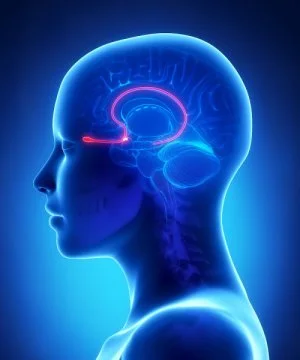
Olfactory bulb in brain illustration (stock image). Credit: © CLIPAREA.com / stock.adobe.com
October 14, 2021
Science Daily/Karolinska Institutet
The ability to detect and react to the smell of a potential threat is a precondition of our and other mammals' survival. Using a novel technique, researchers at Karolinska Institutet in Sweden have been able to study what happens in the brain when the central nervous system judges a smell to represent danger. The study, which is published in PNAS, indicates that negative smells associated with unpleasantness or unease are processed earlier than positive smells and trigger a physical avoidance response.
"The human avoidance response to unpleasant smells associated with danger has long been seen as a conscious cognitive process, but our study shows for the first time that it's unconscious and extremely rapid," says the study's first author Behzad Iravani, researcher at the Department of Clinical Neuroscience, Karolinska Institutet.
The olfactory organ takes up about five per cent of the human brain and enables us to distinguish between many million different smells. A large proportion of these smells are associated with a threat to our health and survival, such as that of chemicals and rotten food. Odour signals reach the brain within 100 to 150 milliseconds after being inhaled through the nose.
The survival of all living organisms depends on their ability to avoid danger and seek rewards. In humans, the olfactory sense seems particularly important for detecting and reacting to potentially harmful stimuli.
It has long been a mystery just which neural mechanisms are involved in the conversion of an unpleasant smell into avoidance behaviour in humans. One reason for this is the lack of non-invasive methods of measuring signals from the olfactory bulb, the first part of the rhinencephalon (literally "nose brain") with direct (monosynaptic) connections to the important central parts of the nervous system that helps us detect and remember threatening and dangerous situations and substances.
Researchers at Karolinska Institutet have now developed a method that for the first time has made it possible to measure signals from the human olfactory bulb, which processes smells and in turn can transmits signals to parts of the brain that control movement and avoidance behaviour.
Their results are based on three experiments in which participants were asked to rate their experience of six different smells, some positive, some negative, while the electrophysiological activity of the olfactory bulb when responding to each of the smells was measured.
"It was clear that the bulb reacts specifically and rapidly to negative smells and sends a direct signal to the motor cortex within about 300 ms," says the study's last author Johan Lundström, associate professor at the Department of Clinical Neuroscience, Karolinska Institutet. "The signal causes the person to unconsciously lean back and away from the source of the smell."
He continues:
"The results suggest that our sense of smell is important to our ability to detect dangers in our vicinity, and much of this ability is more unconscious than our response to danger mediated by our senses of vision and hearing."
The study was financed by the Knut and Alice Wallenberg Foundation, the National Institute on Deafness and Other Communication Disorders and the Swedish Research Council. There are no reported conflicts of interest.
https://www.sciencedaily.com/releases/2021/10/211014100139.htm
Warm milk makes you sleepy — peptides could explain why
October 13, 2021
Science Daily/American Chemical Society
According to time-honored advice, drinking a glass of warm milk at bedtime will encourage a good night's rest. Milk's sleep-enhancing properties are commonly ascribed to tryptophan, but scientists have also discovered a mixture of milk peptides, called casein tryptic hydrolysate (CTH), that relieves stress and enhances sleep. Now, researchers reporting in ACS' Journal of Agricultural and Food Chemistry have identified specific peptides in CTH that might someday be used in new, natural sleep remedies.
According to the U.S. Centers for Disease Control and Prevention, one-third of U.S. adults don't get enough sleep. Sedatives, such as benzodiazepines and zolpidem, are commonly prescribed for insomnia, but they can cause side effects, and people can become addicted to them. Many sedatives work by activating the GABA receptor, a protein in the brain that suppresses nerve signaling. Scientists have also discovered several natural peptides, or small pieces of proteins, that bind the GABA receptor and have anti-anxiety and sleep-enhancing effects. For example, treating a protein in cow's milk, called casein, with the digestive enzyme trypsin produces the mixture of sleep-enhancing peptides known as CTH. Within this mixture, a specific peptide known as α-casozepine (α-CZP) has been identified that could be responsible for some of these effects. Lin Zheng, Mouming Zhao and colleagues wondered if they could find other, perhaps more powerful, sleep-enhancing peptides in CTH.
The researchers first compared the effects of CTH and α-CZP in mouse sleep tests, finding that CTH showed better sleep-enhancing properties than α-CZP alone. This result suggested that other sleep-promoting peptides besides α-CZP exist in CTH. The team then used mass spectrometry to identify bioactive peptides released from CTH during simulated gastric digestion, and they virtually screened these peptides for binding to the GABA receptor and for the ability to cross the blood-brain barrier. When the strongest candidates were tested in mice, the best one (called YPVEPF) increased the number of mice that fell asleep quickly by about 25% and the sleep duration by more than 400% compared to a control group. In addition to this promising peptide, others in CTH should be explored that might enhance sleep through other pathways, the researchers say.
https://www.sciencedaily.com/releases/2021/10/211013104610.htm