
Burst of accumulated zinc shows how the mineral boosts immune function, suggesting ways to improve health
In mice, zinc helps thymus of the immune system regrow and immune-cell recovery after bone marrow transplant
March 31, 2022
Science Daily/Fred Hutchinson Cancer Research Center
Zinc's immune-boosting properties are well-established, but scientists haven't known exactly how it works. In a new study published online March 25 in the journal Blood, Fred Hutchinson Cancer Research Center scientists reveal two ways the mineral supports immunity and suggest how it could be used to improve health.
Using mice, the team discovered that zinc is needed for the development of disease-fighting immune cells called T cells and prompts regeneration of the thymus, the immune organ that produces T cells.
"This study adds to our knowledge of what zinc is actually doing in the immune system and suggests a new therapeutic strategy for improving recovery of the immune system," said senior author Dr. Jarrod Dudakov, an immunologist at Fred Hutch.
The study also revealed that an experimental compound that mimics zinc's action in this organ works even better than the natural mineral to promote immune recovery.
"We are now looking into how zinc may fit in with our other discoveries of how the immune system repairs itself and could eventually lead to therapies to improve immune function for people who receive a blood stem cell transplant for a blood cancer or people with chronic immune decline that accompanies aging," Dudakov said.
Thymic regeneration and immune function, and zinc
Previously, Dudakov and his team have outlined the molecular pathways and cell types that govern how the immune system's thymus repairs itself after injury. Such treatments could improve vaccine efficacy and hasten thymic regeneration after stressors like chemotherapy, blood stem cell transplant and radiation exposure.
Dudakov began studying zinc a few years ago when Dr. Lorenzo Iovino, the study's first author and a research associate at Fred Hutch, joined Dudakov's lab. Since the scientists knew that low levels of zinc are linked to fewer infection fighting T cells and a shrunken thymus, where T cells develop, Dudakov and Iovino explored how to supplement with zinc in mouse models where the immune system is damaged.
Iovino, who's also a blood stem cell transplant physician, had shown in a previous study that zinc could boost immune recovery in patients undergoing stem-cell transplants for the blood cancer multiple myeloma.
But the study didn't explain why zinc was helping.
Zinc is critical for T-cell development and thymic regeneration
As in humans, Iovino and Dudakov found that the thymuses of mice deprived of dietary zinc shrink and produce notably fewer mature T cells, even after as little as three weeks of a no-zinc diet. Iovino was able to show that without zinc, T cells cannot fully mature.
He also found that zinc deficiency slows recovery of T-cell numbers after mice receive immune-destroying treatments akin to those given to patients about to receive a blood stem cell transplant.
Conversely, extra zinc speeds this process, and T cells recover faster than normal. The team saw a similar result in a mouse model of blood stem cell transplant.
"So we had a consistent result of a better reconstitution of the thymus and also a better reconstitution of T cells in the peripheral blood after zinc supplementation," Iovino said. "But we still didn't know how exactly zinc was working."
Iovino discovered that it was the change in zinc levels around cells that release a key regenerative factor that seemed to kick off the thymus' renewal processes. T cells accumulate zinc as they develop, but release it after a damaging event -- like a burst of radiation -- kills them off.
Cells use a molecule called GPR39 to sense a change in external zinc, and Iovino found that an experimental compound that mimics rising external zinc levels by stimulating GPR39 could also promote renewal factor release and thymic regeneration.
"What we think is going on is, as you give zinc supplementation, that gets accumulated within the developing T cells. It gets stored and stored and stored, then the damage comes along and the zinc is released," Dudakov said. "Now you have more zinc than you normally would, and it can instigate this regenerative pathway. With the experimental compound we can just directly target GPR39 and basically get the same effect without any of that pretreatment."
Getting to the clinic
There's still a lot to learn before they can turn their findings to therapeutic strategies, the scientists said.
Transplant patients already receive mineral supplements, so if extra zinc were to be incorporated into their treatment regimens, it would be important to make sure that anyone receiving it is truly zinc-deficient. Iovino thinks many patients might be, but right now there isn't a good test to assess this. He's currently working on developing one, which would first be used to help researchers determine whether patients' zinc status correlates with immune recovery after blood stem cell transplant.
Dudakov will pursue GPR39-stimulating compounds as therapies to improve thymic recovery after acute injuries like pre-transplant radiation. The team is currently screening similar compounds to find any that may be more effective.
He and Iovino are also working to determine whether such compounds could help with thymic regeneration in other settings. Unfortunately, our thymuses also slowly shrink and reduce their T-cell output as we age. Dudakov and Iovino would also like to know whether this chronic degeneration could be slowed by boosting the organ's regenerative processes.
"Our lab is continuing to piece together the molecular players that contribute to thymus regrowth," Dudakov said. "Ultimately, we aim to develop therapies that trigger natural regeneration and restore immune health."
https://www.sciencedaily.com/releases/2022/03/220331185359.htm
Good hydration may reduce long-term risks for heart failure
Serum sodium levels may help identify adults with a greater chance of experiencing heart disease
March 29, 2022
Science Daily/NIH/National Heart, Lung and Blood Institute
Staying well-hydrated may be associated with a reduced risk for developing heart failure, according to researchers at the National Institutes of Health. Their findings, which appear in the European Heart Journal, suggest that consuming sufficient amounts of fluids throughout life not only supports essential body functioning but may also reduce the risk of severe heart problems in the future.
Heart failure, a chronic condition that develops when the heart does not pump enough blood for the body's needs, affects more than 6.2 million Americans, a little more than 2% of the population. It is also more common among adults ages 65 and older.
"Similar to reducing salt intake, drinking enough water and staying hydrated are ways to support our hearts and may help reduce long-term risks for heart disease," said Natalia Dmitrieva, Ph.D., the lead study author and a researcher in the Laboratory of Cardiovascular Regenerative Medicine at the National Heart, Lung, and Blood Institute (NHLBI), part of NIH.
After conducting preclinical research that suggested connections between dehydration and cardiac fibrosis, a hardening of the heart muscles, Dmitrieva and researchers looked for similar associations in large-scale population studies. To start, they analyzed data from more than 15,000 adults, ages 45-66, who enrolled in the Atherosclerosis Risk in Communities (ARIC) study between 1987-1989 and shared information from medical visits over a 25-year period.
In selecting participants for their retrospective review, the scientists focused on those whose hydration levels were within a normal range and who did not have diabetes, obesity, or heart failure at the start of the study. Approximately 11,814 adults were included in the final analysis, and, of those, the researchers found 1,366 (11.56%) later developed heart failure.
To assess potential links with hydration, the team assessed the hydration status of the participants using several clinical measures. Looking at levels of serum sodium, which increases as the body's fluid levels decrease, was especially useful in helping to identify participants with an increased risk for developing heart failure. It also helped identify older adults with an increased risk for developing both heart failure and left ventricular hypertrophy, an enlargement and thickening of the heart.
For example, adults with serum sodium levels starting at 143 milliequivalents per liter (mEq/L) -- a normal range is 135-146 mEq/L -- in midlife had a 39% associated increased risk for developing heart failure compared to adults with lower levels. And for every 1 mEq/L increase in serum sodium within the normal range of 135-146 mEq/L, the likelihood of a participant developing heart failure increased by 5%.
In a cohort of about 5,000 adults ages 70-90, those with serum sodium levels of 142.5-143 mEq/L at middle age were 62% more likely to develop left ventricular hypertrophy. Serum sodium levels starting at 143 mEq/L correlated with a 102% increased risk for left ventricular hypertrophy and a 54% increased risk for heart failure.
Based on these data, the authors conclude serum sodium levels above 142 mEq/L in middle age are associated with increased risks for developing left ventricular hypertrophy and heart failure later in life.
A randomized, controlled trial will be necessary to confirm these preliminary findings, the researchers said. However, these early associations suggest good hydration may help prevent or slow the progression of changes within the heart that can lead to heart failure.
"Serum sodium and fluid intake can easily be assessed in clinical exams and help doctors identify patients who may benefit from learning about ways to stay hydrated," said Manfred Boehm, M.D., who leads the Laboratory of Cardiovascular Regenerative Medicine.
Fluids are essential for a range of bodily functions, including helping the heart pump blood efficiently, supporting blood vessel function, and orchestrating circulation. Yet many people take in far less than they need, the researchers said. While fluid guidelines vary based on the body's needs, the researchers recommended a daily fluid intake of 6-8 cups (1.5-2.1 liters) for women and 8-12 cups (2-3 liters) for men. The Centers for Disease Control and Prevention also provides tips to support healthy hydration.
https://www.sciencedaily.com/releases/2022/03/220329114701.htm
Men with high blood pressure have a biased recognition of other people’s anger
March 31, 2022
Science Daily/University of Konstanz
Men with high blood pressure have a biased recognition of other people's anger, as shown in a new study.
Hypertension is a disease. However, in the majority of cases, there is no clear medical explanation, referred to as "essential hypertension." Could psychological factors play a role? In this context, Konstanz biological health psychologists Alisa Auer and Professor Petra Wirtz conducted a study in male participants over several years together with colleagues from Konstanz (Germany) and Switzerland. The researchers wanted to better understand the psychobiosocial mechanisms in hypertension, since previous work in this area has left many questions open.
In an article published in the Annals of Behavioral Medicine on 22nd March 2022, they show that compared to a healthy control group, men with essential hypertension more often recognized angry expressions when they looked into the faces of others. In addition, this anger recognition bias seems to contribute to blood pressure increases over time if someone tends to frequently and intensively experience anger. This tendency is called "trait anger."
Recognition of mixed emotions
In their study in 145 hypertensive and normotensive men, researchers presented different pictures of people who were angry. However, the pictures did not just display anger alone, but combined anger with one of three other emotions: fear, happiness, and sadness. The background for this approach is that, in everyday life, people's faces rarely show just one emotion. Mixed emotions are more prevalent. Each of the computer-morphed pictures showed two emotions with varying affect intensities. Participants were asked which emotion they saw in the pictures.
"Hypertensive men recognized anger more often than any other emotion," Alisa Auer says. "So, they overrated anger displayed in other people's faces as compared to our healthy control group." Petra Wirtz adds: "Overrating anger displayed by other persons seems to affect whether high 'trait anger' contributes to blood pressure increases over time." Hence, interpersonal factors seem to play a role in essential hypertension. The expectation of associations between hypertension and social aspects was one of the reasons why the study was supported by the Cluster of Excellence "Centre for the Advanced Study of Collective Behaviour."
Improving treatment of essential hypertension
Auer and Wirtz hope that their results will be examined and confirmed by other researchers. "Then, a next step would be to offer people with essential hypertension a more targeted support," says Alisa Auer, who is currently completing her doctorate in Psychology. Auer is thinking of "therapeutic treatments that address a person's perception of social environments in order to protect them from other people´s anger."
Such therapeutic interventions would be important, because blood pressure lowering medication only treats the consequences of hypertension, but does not address potential causes. In addition, hypertension is one of the major risk factors for cardiovascular disease. In 2020, as in previous years, the Federal Statistical Office (Destatis) listed cardiovascular disease as the leading cause of death in Germany. "338,001 deaths, or more than one third of all deaths (34%), can be attributed to cardiovascular disease," Destatis reports. Cardiovascular disease is especially deadly for older people: 93% of those who died of cardiovascular disease were 65 years or older.
What about women? The researchers hope that future studies will include women. Since women may possibly differ in their emotion recognition from men and as fewer women suffer from hypertension, the study initially focused on men.
https://www.sciencedaily.com/releases/2022/03/220331121236.htm
Classification of 16 adult sleep patterns based on large-scale sleep analysis
Expectations for application in sleep health checkups and sleep medicine
March 31, 2022
Science Daily/Japan Science and Technology Agency
A research group found that the human sleep patterns could be classified into 16 types by combining ACCEL, their original machine learning algorithm for sleep-wake classification, the dimension reduction method and the clustering method. The acceleration data of approximately 100,000 people in the UK Biobank were analyzed in detail, and some life-style-related patterns and insomnia-like patterns were reported.
In recent years, the number of people worldwide who are dissatisfied or anxious about their sleep has been increasing due to the diversification of lifestyles. Simple sleep measurement and quantitative understanding of individual sleep patterns are very important not only in the field of healthcare but also from the medical perspective, such as in the diagnosis of sleep disorders.
A research group of The University of Tokyo led by Professor Hiroki Ueda (also a Riken team leader) and Machiko Katori, and Assistant Professor Shoi Shi (RIKEN) used ACCEL(1), an original machine learning algorithm developed by their research laboratory, to determine sleep and waking states based on arm acceleration and converted the acceleration data of approximately 100,000 people in the UK Biobank(2) into sleep data, which was then analyzed in detail. They found that the sleep patterns of these 100,000 people could be classified into 16 different types.
The research group first focused on the arm acceleration data of approximately 100,000 people in the UK Biobank. This data was obtained from men and women in their 30s to 60s, mainly in the UK, who were measured for up to 7 days using wristband-type accelerometers. Using an algorithm (ACCEL) they had developed in 2022, the research group generated sleep data(3) for approximately 100,000 people from the acceleration data. The obtained sleep data were converted into 21 sleep indicators, and then, using dimension reduction(4) and clustering(5) methods, the sleep patterns were classified into 8 different clusters. These included clusters related to "social jet lag" and clusters characterized by mid-onset awakenings and considered insomnia, enabling the extraction of clusters related to lifestyles and to sleep disorders. Next, in order to examine sleep patterns associated with sleep disorders in more detail, the research group focused on 6 of the 21 sleep indicators, including sleep duration and intermediate waking time, which are known to be closely related to sleep disorders. By applying the same analysis to data where one indicator deviated significantly from general sleep (data in the upper 2.28th percentile or higher or the lower 2.28th percentile or lower (6) in the overall distribution), they were able to classify the data into 8 clusters. These included clusters related to morning-types and evening-types. They also identified several clusters associated with insomnia, and were able, along with the clustering using the entire dataset, to classify 7 types of sleep patterns associated with insomnia.
Thus, by analyzing sleep on a large scale, they have revealed the landscape of human sleep phenotype. This study has made it possible to quantitatively classify clusters related to lifestyle such as "social jet lag" and morning/evening types, which are usually difficult to determine with short-term PSG measurements(7), In addition, detailed analysis of outlier and classification of sleep patterns revealed 7 clusters related to insomnia. These clusters are classified based on new indicators differing from conventional methods, and are expected to be useful in the construction of new methods in terms of diagnosing insomnia and proposing treatment methods.
These results were obtained through the "Ueda Biological Timing Project," ERATO Program funded by the Japan Science and Technology Agency (JST). In this project, JST develops "systems biology that contributes to understanding human beings," using sleep-wake rhythms as a model system, and aims to understand in human sleep-wake behavior the "biological time" information that extends from molecules to individual humans living in society.
Notes:
(1) ACCEL : An original sleep determination algorithm developed by the research team. For details, refer to the following paper. "A jerk-based algorithm ACCEL for the accurate classification of sleep-wake states from arm acceleration" DOI: 10.1016/j.isci.2021.103727
(2) UK Biobank: A large research database containing genetic and health information on approximately 500,000 British participants. This study uses acceleration data for approximately 100,000 people as well as the linked gender and age data.
(3) Sleep data: Time-series data with intervals of 30 seconds labeled as sleeping or waking. PSG measurement uses diverse data measured by specialist technicians to create sleep data. In this study, sleep data was obtained by applying ACCEL to accelerometers.
(4) Dimension reduction method: A method to reduce the number of dimensions of data. This makes it possible to extract important information from the data and to capture the characteristics of the data. In this study, UMAP (Uniform Manifold Approximation and Projection) is used.
(5) Clustering method: A method of classifying data into clusters based on similarities among the data. There are two types of clustering methods: supervised clustering, which uses correct data for clustering, and unsupervised clustering, which does not. In this study, the unsupervised clustering method, DBSCAN (Density-Based Spatial Clustering of Applications with Noise) is used.
(6) Upper and lower percentiles:?The value in any given percent when the values are arranged in descending order is called the upper percentile. Conversely, the value in any given percent when the values are listed in ascending order is called the lower percentile. For instance, data above the upper 2.28th percentile or below the lower 2.28th percentile in normal distribution refers to data deviating from the mean by more than twice the standard deviation (2SD).
(7) Polysomnography (PSG): In PSG measurements, multiple electrodes and sensors are attached to the examinee to measure brain waves, eye movements, respiratory status, and electrocardiogram status. It is currently the most accurate measurement method used to determine human sleep patterns. It is also used to diagnose sleep disorders.
https://www.sciencedaily.com/releases/2022/03/220331101543.htm
The 25 happiest U.S. city park systems, ranked by scientists
Researchers measure the happiness effects of nature with digital technology
March 30, 2022
Science Daily/University of Vermont
Feeling unhappy? Go find a city park -- the bigger the better -- and try taking a walk outdoors.
That's the upshot of a major new study that measures the happiness effects of city parks in the 25 largest U.S. cities, from New York City to Los Angeles.
The happiness benefit of urban nature on users was so strong -- the team of University of Vermont scientists discovered -- it was roughly equivalent to the mood spike people experience on holidays like Thanksgiving or New Year's Day.
The research is the largest study of its kind -- using massive amounts of data from social media -- to quantify the mood boosting benefits on urban nature. It was published March 30 by PLOS One.
"These new findings underscore just how essential nature is for our mental and physical health," says University of Vermont scientist Taylor Ricketts. "These results are especially timely given our increased reliance on urban natural areas during the COVID pandemic."
New way to measure happiness
The study builds on the team's landmark San Francisco research, which used unlikely tools -- Twitter posts and geolocation data -- to create an effective method to quantify the happiness benefit that people get from nature.
The new study expanded the focus to the 25 largest American cities by population. The team analyzed a whopping 1.5 million Twitter posts to measure differences in online sentiment, comparing tweets posted inside city parks to those posted elsewhere.
The happiest place on Twitter? The great outdoors
Researchers found a powerful happiness benefit from city parks, which was present across all seasons, months, weeks, days, and times of the day -- not just weekends and summer holidays.
"We understand the irony of using Twitter and technology to measure happiness from nature," says lead author and recent UVM PhD student Aaron Schwartz, noting Twitter's reputation for 'doom-scrolling.' "But our goal is to use technology for the greater good -- to better understand the effect nature has on humans, which until now has been difficult to quantify in such large numbers."
Given the findings, the researchers argue that urban nature should be protected, expanded, and made as accessible as possible. City parks are the primary source of nature for millions of people, they add.
Whose parks make them happiest?
Researchers found that U.S. cities differed a lot in the size of the happiness benefit that their parks provided to users:
Indianapolis
Austin
Los Angeles
Jacksonville
Chicago
Dallas
Memphis
Denver
New York
San Diego
San Francisco
Philadelphia
Phoenix
San Jose
Detroit
Seattle
San Antonio
Houston
Fort Worth
Washington
Columbus
Charlotte
Boston
El Paso
Baltimore
Some surprises
Scientists were surprised by several top ranked cities in the study -- including Indianapolis, Austin and Jacksonville -- which have lower per capita funding levels for parks compared to some other cities on the list.
While people wrote far happier tweets in parks -- words like "beautiful," "fun," "enjoying," and "amazing" -- these top ranked cities saw people write dramatically fewer negative words on Twitter in parks -- such as "hate," "don't," and "not."
A more powerful predictor of happiness than park funding per capita (which previous research by others had suggested would be key) was park size. The happiness benefit was highest in parks over 100 acres in area, followed by parks 1 to 10 acres in size.
"Being in nature offers restorative benefits not available for purchase in a store, or downloadable on a screen," says UVM's Chris Danforth, a mathematics professor and Gund Fellow. "However, not all parks appear to be equal when it comes to happiness. The ability to immerse yourself in a larger, greener natural areas had a greater effect than smaller paved city parks."
"One possible explanation," the researchers write, "is that larger parks provide greater opportunities for mental restoration and separation from the taxing environment of the city."
https://www.sciencedaily.com/releases/2022/03/220330141440.htm
Audio files are being used as 'digital drugs'
March 30, 2022
Science Daily/RMIT University
A binaural beat is an illusionary tone created by the brain when presenting two tones separately to each ear that slightly differ in their frequency.
It's claimed binaural beats can have a psychoactive effect on the brain, although there's limited research on their efficacy and safety.
Now a new study published in Drug and Alcohol Review has captured how and why people use the tones.
Data comes from the Global Drug Survey 2021, which drew on responses from more than 30,000 people in 22 countries.
Respondents mainly used binaural beats to relax or fall asleep (72%) and to change their mood (35%), while 12% reported trying to get a similar effect to that of psychedelic drugs.
The study's lead author, Dr Monica Barratt of RMIT University in Melbourne, Australia, said the latter motivation was more commonly reported among those who used classic psychedelics.
"Much like ingestible substances, some binaural beats users were chasing a high," she said.
"But that's far from their only use. Many people saw them as a source of help, such as for sleep therapy or pain relief."
The audio tracks are often named for their intended use -- everything from mindfulness and meditation to tracks named after ingestible drugs like MDMA and cannabis.
The survey revealed binaural beat users were more likely to be younger and to report recent use of all prohibited drugs, compared to rest of the sample.
Most respondents sought to connect with themselves or something bigger than themselves through the experience.
The use of binaural beats to experience altered states was reported by 5% of the total sample.
In the United States 16% of respondents said they'd tried it, while in Mexico and Brazil countries reported use was also above average at 14% and 11.5% respectively.
Video streaming sites like YouTube and Vimeo were the most popular way to listen, followed by Spotify and other streaming apps.
Barratt said the illusionary tones had been accessible for more than a decade, but their popularity had only recently begun to grow.
"It's very new, we just don't know much about the use of binaural beats as digital drugs," she said.
"This survey shows this is going on in multiple countries.
"We had anecdotal information, but this was the first time we formally asked people how, why and when they're using them."
Barratt said the binaural beats phenomenon challenges the overall definition of a drug.
"We're starting to see digital experiences defined as drugs, but they could also be seen as complementary practices alongside drug use," she said.
"Maybe a drug doesn't have to be a substance you consume, it could be to do with how an activity affects your brain."
Despite binaural beat listeners being younger, Barratt said they're not necessarily a gateway to the use of ingestible drugs.
"In the survey, we found most people who listen were already using ingestible substances," she said.
"But that doesn't discount the need for more research, particularly to document and negate possible harms."
On the flipside, Barratt said perhaps binaural beats could be used as a therapy method, alongside traditional treatment.
"Evidence is mounting but it's still unclear, which is why more research is needed into any possible side effects," she said.
Although the Global Drug Survey is a non-representative sample, the self-reported use of binaural beats as digital drugs by respondents sets the course for more targeted research.
'Who uses digital drugs? An international survey of 'binaural beat' consumers', with co-authors Monica Barratt, Alexia Maddox, Naomi Smith, Jenny Davis, Lachlan Goold, Adam Winstock and Jason Ferris is published in Drug and Alcohol Review.
https://www.sciencedaily.com/releases/2022/03/220330130520.htm
Lack of sleep increases unhealthy abdominal fat
March 28, 2022
Science Daily/Mayo Clinic
New research from Mayo Clinic shows that lack of sufficient sleep combined with free access to food increases calorie consumption and consequently fat accumulation, especially unhealthy fat inside the belly.
Findings from a randomized controlled crossover study led by Naima Covassin, Ph.D., a cardiovascular medicine researcher at Mayo Clinic, show that lack of sufficient sleep led to a 9% increase in total abdominal fat area and an 11% increase in abdominal visceral fat, compared to control sleep. Visceral fat is deposited deep inside the abdomen around internal organs and is strongly linked to cardiac and metabolic diseases.
The findings are published in the Journal of the American College of Cardiology, and the study was funded by the National Heart, Lung and Blood Institute.
Lack of sufficient sleep is often a behavior choice, and this choice has become increasingly pervasive. More than one-third of adults in the U.S. routinely do not get enough sleep, in part due to shift work, and smart devices and social networks being used during traditional sleep times. Also, people tend to eat more during longer waking hours without increasing physical activity.
"Our findings show that shortened sleep, even in young, healthy and relatively lean subjects, is associated with an increase in calorie intake, a very small increase in weight, and a significant increase in fat accumulation inside the belly," says Virend Somers, M.D., Ph.D., the Alice Sheets Marriott Professor of Cardiovascular Medicine, and principal investigator of the study.
"Normally, fat is preferentially deposited subcutaneously or under the skin. However, the inadequate sleep appears to redirect fat to the more dangerous visceral compartment. Importantly, although during recovery sleep there was a decrease in calorie intake and weight, visceral fat continued to increase. This suggests that inadequate sleep is a previously unrecognized trigger for visceral fat deposition, and that catch-up sleep, at least in the short term, does not reverse the visceral fat accumulation. In the long term, these findings implicate inadequate sleep as a contributor to the epidemics of obesity, cardiovascular and metabolic diseases," says Dr. Somers.
The study cohort consisted of 12 healthy people who were not obese, each spending two 21-day sessions in the inpatient setting. Participants were randomly assigned to the control (normal sleep) group or restricted sleep group during one session and the opposite during the next session, after a three-month washout period. Each group had access to free choice of food throughout the study. Researchers monitored and measured energy intake; energy expenditure; body weight; body composition; fat distribution, including visceral fat or fat inside the belly; and circulating appetite biomarkers.
The first four days were an acclimation period. During this time, all participants were allowed nine hours in bed to sleep. For the following two weeks, the restricted sleep group was allowed four hours of sleep and the control group maintained with nine hours. This was followed by three days and nights of recovery with nine hours in bed for both groups.
The participants consumed more than 300 extra calories per day during sleep restriction, eating approximately 13% more protein and 17% more fat, compared to the acclimation stage. That increase in consumption was highest in the early days of sleep deprivation and then tapered off to starting levels during the recovery period. Energy expenditure stayed mostly the same throughout.
"The visceral fat accumulation was only detected by CT scan and would otherwise have been missed, especially since the increase in weight was quite modest -- only about a pound," Dr. Covassin says. "Measures of weight alone would be falsely reassuring in terms of the health consequences of inadequate sleep. Also concerning are the potential effects of repeated periods of inadequate sleep in terms of progressive and cumulative increases in visceral fat over several years."
Dr. Somers says behavioral interventions, such as increased exercise and healthy food choices, need to be considered for people who cannot easily avoid sleep disruption, such as shift workers. More study is needed to determine how these findings in healthy young people relate to people at higher risk, such as those who are already obese, or have metabolic syndrome or diabetes.
https://www.sciencedaily.com/releases/2022/03/220328165327.htm
Large study challenges the theory that light alcohol consumption benefits heart health
Any observed benefit likely results from other lifestyle factors common among light to moderate drinkers, say researchers
March 25, 2022
Science Daily/Massachusetts General Hospital
Observational research has suggested that light alcohol consumption may provide heart-related health benefits, but in a large study published in JAMA Network Open, alcohol intake at all levels was linked with higher risks of cardiovascular disease. The findings, which are published by a team led by researchers at Massachusetts General Hospital (MGH) and the Broad Institute of MIT and Harvard, suggest that the supposed benefits of alcohol consumption may actually be attributed to other lifestyle factors that are common among light to moderate drinkers.
The study included 371,463 adults -- with an average age of 57 years and an average alcohol consumption of 9.2 drinks per week -- who were participants in the UK Biobank, a large-scale biomedical database and research resource containing in-depth genetic and health information. Consistent with earlier studies, investigators found that light to moderate drinkers had the lowest heart disease risk, followed by people who abstained from drinking. People who drank heavily had the highest risk. However, the team also found that light to moderate drinkers tended to have healthier lifestyles than abstainers -- such as more physical activity and vegetable intake, and less smoking. Taking just a few lifestyle factors into account significantly lowered any benefit associated with alcohol consumption.
The study also applied the latest techniques in a method called Mendelian randomization, which uses genetic variants to determine whether an observed link between an exposure and an outcome is consistent with a causal effect -- in this case, whether light alcohol consumption causes a person to be protected against cardiovascular disease. "Newer and more advanced techniques in 'non-linear Mendelian randomization' now permit the use of human genetic data to evaluate the direction and magnitude of disease risk associated with different levels of an exposure," says senior author Krishna G. Aragam, MD, MS, a cardiologist at MGH and an associate scientist at the Broad Institute. "We therefore leveraged these new techniques and expansive genetic and phenotypic data from biobank populations to better understand the association between habitual alcohol intake and cardiovascular disease."
When the scientists conducted such genetic analyses of samples taken from participants, they found that individuals with genetic variants that predicted higher alcohol consumption were indeed more likely to consume greater amounts of alcohol, and more likely to have hypertension and coronary artery disease. The analyses also revealed substantial differences in cardiovascular risk across the spectrum of alcohol consumption among both men and women, with minimal increases in risk when going from zero to seven drinks per week, much higher risk increases when progressing from seven to 14 drinks per week, and especially high risk when consuming 21 or more drinks per week. Notably, the findings suggest a rise in cardiovascular risk even at levels deemed "low risk" by national guidelines from the U.S. Department of Agriculture (i.e. below two drinks per day for men and one drink per day for women).
The discovery that the relationship between alcohol intake and cardiovascular risk is not a linear one but rather an exponential one was supported by an additional analysis of data on 30,716 participants in the Mass General Brigham Biobank. Therefore, while cutting back on consumption can benefit even people who drink one alcoholic beverage per day, the health gains of cutting back may be more substantial -- and, perhaps, more clinically meaningful -- in those who consume more.
"The findings affirm that alcohol intake should not be recommended to improve cardiovascular health; rather, that reducing alcohol intake will likely reduce cardiovascular risk in all individuals, albeit to different extents based on one's current level of consumption," says Aragam.
https://www.sciencedaily.com/releases/2022/03/220325122708.htm
Good news for coffee lovers: Daily coffee may benefit the heart
Drinking two to three cups a day was associated with greatest heart benefits
March 24, 2022
Science Daily/American College of Cardiology
Drinking coffee -- particularly two to three cups a day -- is not only associated with a lower risk of heart disease and dangerous heart rhythms but also with living longer, according to studies being presented at the American College of Cardiology's 71stAnnual Scientific Session. These trends held true for both people with and without cardiovascular disease. Researchers said the analyses -- the largest to look at coffee's potential role in heart disease and death -- provide reassurance that coffee isn't tied to new or worsening heart disease and may actually be heart protective.
"Because coffee can quicken heart rate, some people worry that drinking it could trigger or worsen certain heart issues. This is where general medical advice to stop drinking coffee may come from. But our data suggest that daily coffee intake shouldn't be discouraged, but rather included as a part of a healthy diet for people with and without heart disease," said Peter M. Kistler, MD, professor and head of arrhythmia research at the Alfred Hospital and Baker Heart Institute in Melbourne, Australia, and the study's senior author. "We found coffee drinking had either a neutral effect -- meaning that it did no harm -- or was associated with benefits to heart health."
Kistler and his team used data from the UK BioBank, a large-scale prospective database with health information from over half a million people who were followed for at least 10 years. Researchers looked at varying levels of coffee consumption ranging from up to a cup to more than six cups a day and the relationship with heart rhythm problems (arrhythmias); cardiovascular disease, including coronary artery disease, heart failure and stroke; and total and heart-related deaths among people both with and without cardiovascular disease. Patients were grouped by how much coffee they reported drinking each day: 0, <1, 1, 2-3, 4-5, >5 cups/day. Coffee drinking was assessed from questionnaires completed upon entry into the registry. Overall, they either found no effect or, in many cases, significant reductions in cardiovascular risk after controlling for exercise, alcohol, smoking, diabetes and high blood pressure that could also play a role in heart health and longevity.
For the first study, researchers examined data from 382,535 individuals without known heart disease to see whether coffee drinking played a role in the development of heart disease or stroke during the 10 years of follow up. Participants' average age was 57 years and half were women. In general, having two to three cups of coffee a day was associated with the greatest benefit, translating to a 10%-15% lower risk of developing coronary heart disease, heart failure, a heart rhythm problem, or dying for any reason. The risk of stroke or heart-related death was lowest among people who drank one cup of coffee a day. Researchers did observe a U-shaped relationship with coffee intake and new heart rhythm problems. The maximum benefit was seen among people drinking two to three cups of coffee a day with less benefit seen among those drinking more or less.
The second study included 34,279 individuals who had some form of cardiovascular disease at baseline. Coffee intake at two to three cups a day was associated with lower odds of dying compared with having no coffee. Importantly, consuming any amount of coffee was not associated with a higher risk of heart rhythm problems, including atrial fibrillation (AFib) or atrial flutter, which Kistler said is often what clinicians are concerned about. Of the 24,111 people included in the analysis who had an arrhythmia at baseline, drinking coffee was associated with a lower risk of death. For example, people with AFib who drank one cup of coffee a day were nearly 20% less likely to die than non-coffee drinkers.
"Clinicians generally have some apprehension about people with known cardiovascular disease or arrhythmias continuing to drink coffee, so they often err on the side of caution and advise them to stop drinking it altogether due to fears that it may trigger dangerous heart rhythms," Kistler said. "But our study shows that regular coffee intake is safe and could be part of a healthy diet for people with heart disease."
Although two to three cups of coffee a day seemed to be the most favorable overall, Kistler said that people shouldn't increase their coffee intake, particularly if it makes them feel anxious or uncomfortable.
"There is a whole range of mechanisms through which coffee may reduce mortality and have these favorable effects on cardiovascular disease," he said. "Coffee drinkers should feel reassured that they can continue to enjoy coffee even if they have heart disease. Coffee is the most common cognitive enhancer -- it wakes you up, makes you mentally sharper and it's a very important component of many people's daily lives."
So how might coffee beans benefit the heart? People often equate coffee with caffeine, but coffee beans actually have over 100 biologically active compounds. These substances can help reduce oxidative stress and inflammation, improve insulin sensitivity, boost metabolism, inhibit the gut's absorption of fat and block receptors known to be involved with abnormal heart rhythms, Kistler said.
In a third study, researchers looked at whether there were any differences in the relationship between coffee and cardiovascular disease depending on whether someone drank instant or ground coffee or caffeinated or decaf. They found, once again, two to three cups a day to be associated with the lowest risk of arrhythmias, blockages in the heart's arteries, stroke or heart failure regardless of whether they had ground or instant coffee. Lower rates of death were seen across all coffee types. Decaf coffee did not have favorable effects against incident arrhythmia but did reduce cardiovascular disease, with the exception of heart failure. Kistler said the findings suggest caffeinated coffee is preferable across the board, and there are no cardiovascular benefits to choosing decaf over caffeinated coffees.
There are several important limitations to these studies. Researchers were unable to control for dietary factors that may play a role in cardiovascular disease, nor were they able to adjust for any creamers, milk or sugar consumed. Participants were predominantly white, so additional studies are needed to determine whether these findings extend to other populations. Finally, coffee intake was based on self-report via a questionnaire fielded at study entry. This should be considered when interpreting the study findings, though Kistler noted that research suggests people's dietary habits don't change much in adulthood or over time. Kistler said the results should be validated in randomized trials.
https://www.sciencedaily.com/releases/2022/03/220324104420.htm
How the gut communicates with the brain
March 23, 2022
Science Daily/Flinders University
New research has discovered how the enteric nervous system -- or 'second brain' -- can communicate with both the brain and spinal cord, which up until now had remained a major mystery. The study found specialized cells within the gut wall release serotonin when stimulated by food, which then acts on the nerves to communicate with the brain. The authors say as there is a direct connection between serotonin levels in our body and depression and how we feel, understanding how the gut communicates with the brain is of major importance.
How the 'second brain' -- the enteric nervous system in our gut -- communicates with our first brain has been one of the most challenging questions faced by enteric neuroscientists, until now.
New research from Flinders University has discovered how specialised cells within the gut can communicate with both the brain and spinal cord, which up until now had remained a major mystery.
"The gut-brain axis consists of bidirectional communication between the brain and the gut, which links emotional and cognitive centres of the brain with peripheral intestinal functions," says study author Professor Nick Spencer from the College of Medicine and Public Health.
"Recent advances in research have described the importance of gut microbiota in influencing these pathways but we had yet to uncover how the communication was working."
The study, published in the American Journal of Physiology, reveals a breakthrough discovery regarding how enterochromaffin cells communicate with sensory nerve endings.
"Within the gut wall lie specialised cells called enterochromaffin (EC) cells that produce and release hormones and neurotransmitters in response to particular stimuli that are ingested when we eat," says Professor Spencer.
"These EC cells release the vast majority of serotonin into the body, so our study has uncovered a major clue into how the food we eat stimulates the release of serotonin, which then acts on the nerves to communicate with the brain.
"There is a direct connection between serotonin levels in our body and depression and how we feel. So, understanding how the gut EC cells communicate with the brain is of major importance."
The team made the discovery using a neuronal tracing technique developed in their lab, not used anywhere else in the world, allowing them to see the sensory nerve endings with clarity, for the first time, in the gut wall.
"This has not been possible, until now, because there were so many other types of nerves also present in the gut -- it's like finding a needle in a haystack," says Professor Spencer.
The technique allowed the researchers to see that EC cells likely release substances by a process of diffusion, which then acts on the sensory nerves that communicate with the brain.
No direct physical connection between the EC cells and sensory nerve endings were found, contrary to some suggestions.
"The gut is the only organ with its own nervous system, known as the Enteric Nervous System or the second brain. We now have a better understanding of how the 'second brain' communicates with the 'first brain'," says Professor Spencer.
https://www.sciencedaily.com/releases/2022/03/220323130316.htm
New study explores relationship between psychedelics and consciousness
March 31, 2022
Science Daily/Johns Hopkins Medicine
Psychedelic drugs, like psilocybin, an ingredient found in so-called magic mushrooms, have shown promise in treating a range of addictions and mental health disorders. Yet, there's something mysterious and almost mystical about their effects, and they are commonly believed to provide unique insights into the nature of consciousness.
Now, a new study by Johns Hopkins Medicine researchers addresses the question of whether psychedelics might change the attribution of consciousness to a range of living and nonliving things.
The findings, published March 28 in Frontiers in Psychology, reveal that higher ratings of mystical type experiences, which often include a sense that everything is alive, were associated with greater increases in the attribution of consciousness.
"This study demonstrates that when beliefs change following a psychedelic experience, attributions of consciousness to various entities tend to increase," says Sandeep Nayak, M.D., postdoctoral research fellow at the Johns Hopkins Center for Psychedelic and Consciousness Research and one of the researchers involved in the study. "It's not clear why, whether that might be an innate drug effect, cultural factors or whether psychedelics might somehow expose innate cognitive biases that attribute features of the mind to the world."
For the study, the researchers analyzed data gathered between August 2020 and January 2021 on 1,606 people who have had a belief-changing psychedelic experience. Participants averaged 35 years of age and were predominately white (89%), male (67%) and from the United States (69%).
Study participants completed an internet-based survey that included questions focused on belief changes attributed to a single psychedelic experience with a classic psychedelic substance (e.g., psilocybin mushrooms, LSD, ayahuasca). The survey also included questions about demographics, psychedelic use, personality, and scientific knowledge and attitudes.
The study found that among people who have had a single psychedelic experience that altered their beliefs in some way, there were large increases in attribution of consciousness to a range of animate and inanimate things. For example, from before to after the experience, attribution of consciousness to insects grew from 33% to 57%, to fungi from 21% to 56%, to plants from 26% to 61%, to inanimate natural objects from 8% to 26% and to inanimate manmade objects from 3% to 15%.
"On average, participants indicated the belief-changing experience in question occurred eight years prior to taking the survey, so these belief changes may be long-lasting," says Nayak.
Classic psychedelics -- the pharmacological class of compounds that includes psilocybin and LSD -- produce visual and auditory illusions and profound changes in consciousness, altering a person's awareness of their surroundings and of their thoughts and feelings. These substances produce unusual and compelling changes in conscious experience, which have prompted some to propose that psychedelics may provide unique insights into the nature of consciousness itself.
"The results suggesting that a single psychedelic experience can produce a broad increase in attribution of consciousness to other things, raises intriguing questions about possible innate or experiential mechanisms underlying such belief changes," says Roland Griffiths, Ph.D., the Oliver Lee McCabe III, Ph.D., Professor in the Neuropsychopharmacology of Consciousness at the Johns Hopkins University School of Medicine, and founding director of the Johns Hopkins Center for Psychedelic and Consciousness Research. "The topic of consciousness is a notoriously difficult scientific problem that has led many to conclude it is not solvable."
https://www.sciencedaily.com/releases/2022/03/220331134240.htm
5 Essential Self-Care Tips to Get You Through the Early Days of Starting Your Side Hustle
Guest article by Sheila Johnson
If you recently started up your own side hustle, you may have noticed that the extra work can sometimes lead to higher levels of stress and even burnout. Whether you’re hoping to become a freelance writer in New York City or an online retailer in San Rafael, California, making self-care a priority during the early days of starting your side hustle can reduce your stress and help you stay healthy and focused. Here are five ways to look after yourself while getting your side hustle off the ground.
1. Make Your Health a Priority by Ensuring You Get High-Quality Sleep and Nutrition
In order to stay healthy while making your side hustle a success, checking off the basics is essential. Put your health first by getting to bed early every night to help ensure eight uninterrupted hours of high-quality sleep.
Additionally, fuel your mind and body to keep your energy up during the day by eating well. Make sure every meal includes lean protein, such as lentils or chicken, and complex carbohydrates, such as sweet potatoes or wild rice.
2. Kick Stress to the Curb by Making Relaxation a Part of Every Workday
According to one study, frequent stress can lead to detrimental neurological consequences. To keep your brain in tip-top shape as you build your side business, make relaxation a part of your workday. For instance, you could:
• Go for a half-hour jog or enjoy another form of exercise before starting work
• Eat your lunch outdoors to enjoy the fresh air
• Start a post-work relaxation routine to eliminate pent-up workday stress
3. Boost Your Comfort Levels and Self-Confidence With Functional and Cozy Clothing
When you feel comfortable, your self-confidence levels may increase. Choosing your workday outfits carefully can help you feel your best, no matter what the day brings.
Comb through your closet or hit up local shops to find clothes that offer comfort and elevate your mood while still allowing you to look stylish. For instance, some leggings, a lounging robe, or a lightweight dress can provide the comfort and style you need to feel confident, whether you’re tackling side hustle tasks, chasing your kids through the house, or relaxing after work.
4. Minimize Your Hassle by Operating Your Side Hustle as Efficiently as Possible
No matter your type of side hustle, staying efficient is key to hitting goals without wasting precious time. The more busy work and distractions you can eliminate, the better your side hustle could fit into your everyday life. Minimize your daily work hassle by:
• Working in short but focused bursts
• Prioritizing your tasks
• Setting realistic timetables for each task
• Delegating to-do items when possible
5. Intersperse Work Time With Personal Time and Consider Picking Up a New Hobby
To get your mind off of side hustle stress, schedule personal time into your week to enjoy a soothing hobby. For instance, you could unwind by:
• Going dancing
• Reading for pleasure
• Keeping a journal
• Gardening
• Learning to play a musical instrument
Starting a side hustle can require a lot of time and energy, but making room for self-care can help keep you healthy, focused, and efficient. With these five essential tips, the early days of your side will be smooth sailing.
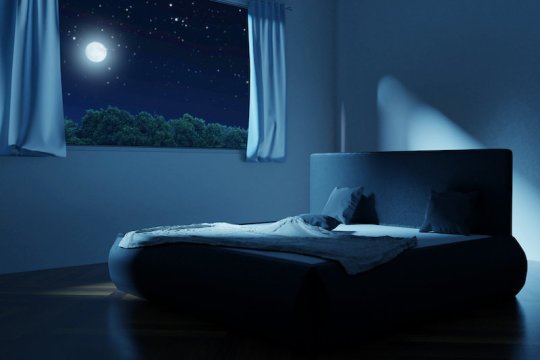
Even moderate light exposure during sleep harms heart health and increases insulin resistance
Credit: © Brilliant Eye / stock.adobe.com
Even moderate light exposure during sleep harms heart health and increases insulin resistance'
March 14, 2022
Science Daily/Northwestern University
Exposure to even moderate ambient lighting during nighttime sleep, compared to sleeping in a dimly lit room, harms your cardiovascular function during sleep and increases your insulin resistance the following morning, reports a new study. Just a single night of exposure to moderate room lighting during sleep can impair glucose and cardiovascular regulation, which are risk factors for heart disease, diabetes and metabolic syndrome
Close the blinds, draw the curtains and turn off all the lights before bed. Exposure to even moderate ambient lighting during nighttime sleep, compared to sleeping in a dimly lit room, harms your cardiovascular function during sleep and increases your insulin resistance the following morning, reports a new Northwestern Medicine study.
"The results from this study demonstrate that just a single night of exposure to moderate room lighting during sleep can impair glucose and cardiovascular regulation, which are risk factors for heart disease, diabetes and metabolic syndrome," said senior study author Dr. Phyllis Zee, chief of sleep medicine at Northwestern University Feinberg School of Medicine and a Northwestern Medicine physician. "It's important for people to avoid or minimize the amount of light exposure during sleep."
There is already evidence that light exposure during daytime increases heart rate via activation of the sympathetic nervous system, which kicks your heart into high gear and heightens alertness to meet the challenges of the day.
"Our results indicate that a similar effect is also present when exposure to light occurs during nighttime sleep," Zee said.
The study will be published March 14 in PNAS.
Heart rate increases in light room, and body can't rest properly
"We showed your heart rate increases when you sleep in a moderately lit room," said Dr. Daniela Grimaldi, a co-first author and research assistant professor of neurology at Northwestern. "Even though you are asleep, your autonomic nervous system is activated. That's bad. Usually, your heart rate together with other cardiovascular parameters are lower at night and higher during the day."
There are sympathetic and parasympathetic nervous systems to regulate our physiology during the day and night. Sympathetic takes charge during the day and parasympathetic is supposed to at night, when it conveys restoration to the entire body.
How nighttime light during sleep can lead to diabetes and obesity
Investigators found insulin resistance occurred the morning after people slept in a light room. Insulin resistance is when cells in your muscles, fat and liver don't respond well to insulin and can't use glucose from your blood for energy. To make up for it, your pancreas makes more insulin. Over time, your blood sugar goes up.
An earlier study published in JAMA Internal Medicine looked at a large population of healthy people who had exposure to light during sleep. They were more overweight and obese, Zee said.
"Now we are showing a mechanism that might be fundamental to explain why this happens," Zee said. "We show it's affecting your ability to regulate glucose."
The participants in the study weren't aware of the biological changes in their bodies at night.
"But the brain senses it," Grimaldi said. "It acts like the brain of somebody whose sleep is light and fragmented. The sleep physiology is not resting the way it's supposed to."
Exposure to artificial light at night during sleep is common
Exposure to artificial light at night during sleep is common, either from indoor light emitting devices or from sources outside the home, particularly in large urban areas. A significant proportion of individuals (up to 40%) sleep with a bedside lamp on or with a light on in the bedroom and/or keep the television on.
Light and its relationship to health is double edged.
"In addition to sleep, nutrition and exercise, light exposure during the daytime is an important factor for health, but during the night we show that even modest intensity of light can impair measures of heart and endocrine health," Zee said.
The study tested the effect of sleeping with 100 lux (moderate light) compared to 3 lux (dim light) in participants over a single night. The investigators discovered that moderate light exposure caused the body to go into a higher alert state. In this state, the heart rate increases as well as the force with which the heart contracts and the rate of how fast the blood is conducted to your blood vessels for oxygenated blood flow.
"These findings are important particularly for those living in modern societies where exposure to indoor and outdoor nighttime light is increasingly widespread," Zee said.
Zee's top tips for reducing light during sleep
(1) Don't turn lights on. If you need to have a light on (which older adults may want for safety), make it a dim light that is closer to the floor.
(2) Color is important. Amber or a red/orange light is less stimulating for the brain. Don't use white or blue light and keep it far away from the sleeping person.
(3) Blackout shades or eye masks are good if you can't control the outdoor light. Move your bed so the outdoor light isn't shining on your face.
Is my room too light?
"If you're able to see things really well, it's probably too light," Zee said.
Other Northwestern authors are co-first author said co-first author Ivy Mason, who at the time of the study was post-doctoral fellow at Northwestern and now is a research fellow at Harvard Medical School, Kathryn Reid, Chloe Warlick, Dr. Roneil Malkani and Dr. Sabra Abbott.
The research was supported, in part, by the National Center for Advancing Translational Sciences grant 8UL1TR000150-05, National Heart, Lung, and Blood Institute grant R01 HL140580, National Institute of Aging grant P01AG11412, all of the National Institutes of Health, and the American Heart Association.
https://www.sciencedaily.com/releases/2022/03/220314154355.htm
Exploring the therapeutic uses of ketamine
The drug could be a game changer in the treatment of mental illness
March 18, 2022
Science Daily/University of British Columbia Okanagan campus
First manufactured more than 50 years ago, ketamine is a fast-acting dissociative anesthetic often used in veterinary and emergency medicine. Ketamine also has a history of being an illicit party drug.
Now, ketamine is getting a closer look.
Researchers from UBC Okanagan and the University of Exeter have identified ketamine as a potentially powerful tool in the fight against mental illness.
In a recent study published in the British Journal of Psychiatry, the research team found ketamine to have significant anti-depressant and anti-suicidal effects. They also found evidence that suggests its benefits don't stop there.
Led by Psychology Professor Dr. Zach Walsh and doctoral student Joey Rootman -- both based in the Irving K. Barber Faculty of Arts and Social Sciences -- the research team arrived at this conclusion after analyzing more than 150 worldwide studies on the effects of sub-anesthetic ketamine doses for the treatment of mental illness. The study was co-led by Professor Celia Morgan and doctoral student Merve Mollaahmetoglu from the University of Exeter in the United Kingdom.
"We found strong evidence that indicates ketamine provides rapid and robust anti-depressant and anti-suicidal effects, but the effects were relatively short-lived," explains Rootman. "However, repeated dosing appeared to have the potential to increase the duration of positive effects."
Beyond these results, the study provides evidence that suggests ketamine may be helpful in the treatment of other disorders, including eating disorders, problematic substance use, post-traumatic stress and anxiety -- though the evidence in these areas is scarce.
"What our research provides is an up-to-date overview and synthesis of where the knowledge on ketamine is at right now," explains Rootman. "Our results signal that ketamine may indeed have a broader spectrum of potential applications in psychiatric treatment -- and that tells us that more investigation is needed."
This study serves as a foundation for fellow researchers looking to design ketamine-related projects and offers valuable data for clinicians considering using ketamine with their patients.
The results also help to satisfy the public's appetite for information on innovative and emerging psychiatric treatments, says Dr. Walsh, explaining the review provides a relatively compact document with evidence regarding which ketamine treatments may be helpful for diverse diagnoses.
"As many as one in five Canadians will experience a mental illness this year, and the reality is that existing treatments don't work for everyone," he says. "As a result, many Canadians are curious about new approaches to help with these serious conditions."
Overall, while Dr. Walsh acknowledges research into other treatment areas is just beginning, he finds the preliminary evidence encouraging.
"We need a lot more information on how these interventions could work -- for example, administering the drug is only a part of treatment. We need to figure out what amount and type of psychotherapy would best compliment the drug intervention to really maximize potential benefits," he explains. "With that being said, it is a truly exciting time for ketamine research. If it can deliver the relief that early evidence suggests it can, this could be among the most significant developments in mental health treatment in decades."
https://www.sciencedaily.com/releases/2022/03/220318161446.htm
Little evidence on how psilocybin therapy interacts with existing psychiatric treatments, review finds
Review comes as Oregon embarks on voter-approved initiative to legalize psilocybin services in 2023
March 18, 2022
Science Daily/Oregon Health & Science University
As Oregon embarks on a voter-approved initiative to permit psychoactive mushrooms in clinical use, a new systematic evidence review from Oregon Health & Science University reveals a lack of scientific research describing the interactions between widely used psychiatric medications and psychedelics like psilocybin and MDMA.
The scarcity of data is problematic for people believed to benefit most from psychedelics: those with mental health conditions such as depression, anxiety and post-traumatic stress disorder.
The review was published last week in the journal Psychopharmacology.
"There's a huge deficit in the scientific literature," said lead author Aryan Sarparast, M.D., assistant professor of psychiatry in the OHSU School of Medicine. "There's a major incongruence between the public enthusiasm and exuberance with psychedelic substances for mental health issues -- and what happens when they combine with the existing mental health treatments that we have now."
The researchers decided to conduct the evidence review because they wanted to learn more about interactions between widely prescribed medications such as antidepressants and psychedelics, including MDMA and psilocybin, known colloquially as magic mushrooms.
They found a total of 40 studies dating back to 1958, including 26 from randomized controlled studies, 11 case reports and three epidemiologic studies.
Researchers found only one study that examined how psilocybin interacts with antidepressant medications. Further, Sarparast noted that all of the clinical trials were conducted with healthy volunteers who were administered a psychiatric medication and a psychedelic at the same time -- a clear sign of the need for further research on the clinical outcomes of combining pharmaceutical medications with psilocybin.
Sarparast said he is concerned that the lack of evidence will lead many providers to direct patients to taper off existing medications before being offered clinical psilocybin therapy. Oregon regulators are currently in the process of developing rules to permit the clinical use of psilocybin products and services beginning Jan. 2, 2023.
Patients with mental health conditions may well benefit from psilocybin therapy, but Sarparast said he worries about the implications of stopping existing psychiatric treatment in order to receive psilocybin services. This may force vulnerable people into choosing between their existing medical treatment or psilocybin services.
"That's a very, very tough place to be," Sarparast said.
There's a considerable amount of important data not captured in a literature review related to real-world use, noted co-author Christopher Stauffer, M.D., assistant professor of psychiatry in the OHSU School of Medicine and a physician-scientist at the VA Portland Health Care System.
"Psilocybin has been around in Western society since the late 1950s, before many of our psychiatric medications have existed," Stauffer said. "Nonetheless, people attempting to navigate Oregon's psilocybin services in the context of ongoing psychiatric treatment should work closely with knowledgeable professionals."
https://www.sciencedaily.com/releases/2022/03/220318131632.htm
Marijuana for medical use may result in rapid onset of cannabis use disorder
The hype over medical marijuana for treating health problems may be exaggerated, researchers find.
March 18, 2022
Science Daily/Massachusetts General Hospital
A new study shows that using cannabis products to treat pain, anxiety and depression failed to improve these symptoms while doubling the risk of developing the addictive symptoms of cannabis use disorder. People seeking cannabis to treat symptoms of anxiety and depression were at greatest risk of CUD. Contrary to evidence-based medicine, people with medical marijuana cards choose their own products and dosing, suggesting the need for better controls over dispensing, use, and professional follow-up of these patients.
Obtaining a medical marijuana card (MMC) to use cannabis products to treat pain, anxiety, or depression symptoms led to the onset of cannabis use disorder (CUD) in a significant minority of individuals while failing to improve their symptoms, according to a study by Massachusetts General Hospital (MGH) researchers and published in JAMA Network Open. Researchers found that individuals at greatest risk of developing the addictive symptoms of CUD were those seeking relief from anxiety and depression, suggesting the need for stronger safeguards over the dispensing, use, and professional follow-up of people who legally obtain cannabis through MMCs.
"There have been many claims about the benefits of medical marijuana for treating pain, insomnia, anxiety and depression, without sound scientific evidence to support them," says lead author Jodi Gilman, PhD, with the Center for Addiction Medicine at MGH. "In this first study of patients randomized to obtain medical marijuana cards, we learned there can be negative consequences to using cannabis for medical purposes. People with pain, anxiety or depression symptoms failed to report any improvements, though those with insomnia experienced improved sleep." Particularly disturbing to Gilman was the fact individuals with symptoms of anxiety or depression -- the most common conditions for which medical cannabis is sought -- were most vulnerable to developing cannabis use disorder. CUD symptoms include the need for more cannabis to overcome drug tolerance, and continued use despite physical or psychological problems caused by the cannabis."
"Medical" cannabis has surged in popularity as 36 states and the District of Columbia have commercialized its use (as of December 2021) for myriad health conditions through medical marijuana cards. These cards require written approval of a licensed physician who, under the current system, is typically not the patient's primary care provider but a "cannabis doctor" who may provide authorization to patients with only a cursory examination, no recommendations for alternative treatments, and no follow-up. Indeed, the medical marijuana industry functions outside regulatory standards that apply to most fields of medicine.
MGH researchers began their trial in 2017 with 269 adults (average age of 37) from the greater Boston area who were interested in obtaining a medical marijuana card. One group was allowed to get MMCs immediately, while the second group, designed to serve as a control, was asked to wait 12 weeks before obtaining a card. Both groups were tracked over 12 weeks. The team found that the odds of developing CUD were nearly two times higher in the MMC cohort than in the wait list control group, and that by week 12, 10 percent of the MMC group had developed a CUD diagnosis, with the number rising to 20 percent in those seeking a card for anxiety or depression.
"Our study underscores the need for better decision-making about whether to begin to use cannabis for specific medical complaints, particularly mood and anxiety disorders, which are associated with an increased risk of cannabis use disorder," says Gilman. Regardless of the specific health condition for which cannabis is sought, Gilman believes that regulation and distribution of cannabis to people with medical marijuana cards must be greatly improved. "There needs to be better guidance to patients around a system that currently allows them to choose their own products, decide their own dosing, and often receive no professional follow-up care."
https://www.sciencedaily.com/releases/2022/03/220318110249.htm
Do 'behavioral psychedelics' help patients make lasting, positive change?
March 16, 2022
Science Daily/University of California - Los Angeles Health Sciences
Psychedelics may find new, legitimate roles in treatment for anxiety, depression, stress disorders, addiction, and other mental and behavioral health problems. But ensuring they do requires developing rigorous, standardized methods to study and apply the results, according to a new report.
Despite their reputation as illicit drugs, psychedelics may find new, legitimate roles in treatment for anxiety, depression, stress disorders, addiction, and other mental and behavioral health problems. But ensuring they do requires developing rigorous, standardized methods to study and apply the results, according to a new report.
In a perspective published in Frontiers in Psychiatry, researchers from UCLA Health and Harvard Medical School coin the term "behavioral psychedelics" -- "the study of psychedelics to foster intentional changes in habits and behaviors to improve health and resilience."
"Changing human behavior may sound simple but is exceedingly difficult, especially for behaviors that arise from years of thinking and acting in relatively rigid, routinized ways," write the authors, George Slavich, PhD, professor of psychiatry and behavioral sciences at UCLA and research scientist at the UCLA Semel Institute for Neuroscience and Human Behavior, and Edmund Neuhaus, PhD, assistant professor of psychology at Harvard. "One emerging strategy for accomplishing behavior change involves using psychedelic compounds to make the mind more malleable and open."
According to the authors, "psychedelics-assisted psychotherapy" may provide many health benefits and even cost savings, but the current therapeutic approach is poorly targeted.
"Looking forward, we believe that further refinement is needed to operationalize and test [the] components to establish a best-practice standard of care for treating psychiatric, addiction, somatic, and behavioral health problems," they said.
The authors say their behavioral psychedelics concept is intended to develop "targeted approaches for therapeutic change that help people achieve enduring functional improvements in self-care, social connection, and family, school, and community responsibilities to help them live the life they desire."
"Psychedelic compounds have the potential to turbocharge the process of transforming the mind, and the race to realize their benefits is in full swing. To maximize these benefits, we believe this work should include behavior as a treatment target with measurable treatment metrics to establish best practices and guidelines," Slavich and Neuhaus write.
https://www.sciencedaily.com/releases/2022/03/220316173309.htm
Largest ever psychedelics study maps changes of conscious awareness to neurotransmitter systems
March 16, 2022
Science Daily/McGill University
Psychedelics are now a rapidly growing area of neuroscience and clinical research, one that may produce much-needed new therapies for disorders such as depression and schizophrenia. Yet there is still a lot to know about how these drug agents alter states of consciousness.
In the world's largest study on psychedelics and the brain, a team of researchers from The Neuro (Montreal Neurological Institute-Hospital) and Department of Biomedical Engineering of McGill University, the Broad Institute at Harvard/MIT, SUNY Downstate Health Sciences University, and Mila -- Quebec Artificial Intelligence Institute have shown how drug-induced changes in subjective awareness are anatomically rooted in specific neurotransmitter receptor systems.
The researchers gathered 6,850 testimonials from people who took a range of 27 different psychedelic drugs. In a first-of-its-kind approach, they designed a machine learning strategy to extract commonly used words from the testimonials and link them with the neurotransmitter receptors that likely induced them. The interdisciplinary team could then associate the subjective experiences with brain regions where the receptor combinations are most commonly found -- these turned out to be the lowest and some of the deepest layers of the brain's information processing layers.
Using thousands of gene transcription probes, the team created a 3D map of the brain receptors and the subjective experiences linked to them, across the whole brain. While psychedelic experience is known to vary widely from person to person, the large testimonial dataset allowed the team to characterize coherent states of conscious experiences with receptors and brain regions across individuals. This supports the theory that new hallucinogenic drug compounds can be designed to reliably create desired mental states.
For example, a promising effect of some psychedelics for psychiatric intervention is ego-dissolution -- the feeling of being detached with the self. The study found that this feeling was most associated with the receptor serotonin 5-HT2A. However, other serotonin receptors (5-HT2C, 5-HT1A, 5-HT2B), adrenergic receptors Alpha-2A and Beta-2, as well as the D2 receptor were also linked with the feeling of ego-dissolution. A drug targeting these receptors may be able to reliably create this feeling in patients whom clinicians believe might benefit from it.
"Hallucinogenic drugs may very well turn out to be the next big thing to improve clinical care of major mental health conditions," says Professor Danilo Bzdok, the study's lead author "Our study provides a first step, a proof of principle that we may be able to build machine learning systems in the future that can accurately predict which neurotransmitter receptor combinations need to be stimulated to induce a specific state of conscious experience in a given person."
This study, published in the journal Science Advances on March 16, 2022, was funded with the help of the Brain Canada Foundation, through the Canada Brain Research Fund, as well as by NIH grant R01AG068563A and the Canadian Institutes of Health Research. Danilo Bzdok was also supported by the Healthy Brains Healthy Lives initiative (Canada First Research Excellence fund), and by the CIFAR Artificial Intelligence Chairs program (Canada Institute for Advanced Research), as well as Google.
https://www.sciencedaily.com/releases/2022/03/220316145736.htm
Many patients with severe COVID-19 recover consciousness, but recovery can take days or even weeks
Researchers find that low blood oxygen levels are linked with a longer time to regain consciousness
March 15, 2022
Science Daily/Massachusetts General Hospital
Researchers report on a multicenter study to better understand the recovery timeline and the causes of delayed recovery of consciousness in patients with severe COVID-19.
During the first wave of the COVID-19 pandemic, many patients in intensive care units did not recover consciousness after their breathing tubes were removed and their sedation was stopped, leaving clinicians and families with difficult decisions about whether to continue life-sustaining therapy. Remarkably, the majority of these patients ultimately recovered consciousness, but often after days or even weeks. To help provide accurate prognostic information moving forward, a team at Massachusetts General Hospital (MGH), NewYork-Presbyterian/Columbia University Irving Medical Center, Weill Cornell Medicine and NewYork-Presbyterian/Weill Cornell Medical Center launched a multicenter study to better understand the recovery timeline and the causes of delayed recovery of consciousness in patients with severe COVID-19.
The study, which is published in the Annals of Neurology, involved a retrospective analysis of 795 patients with severe COVID-19 who were treated with mechanical ventilators in the intensive care units of the investigators' medical centers for at least six days. After respiratory support ended, clinicians performed daily assessments to see whether patients could respond purposefully to a verbal command, a standard measure of consciousness.
Of the 795 patients, 72% survived and ultimately recovered consciousness prior to hospital discharge. For those who survived, 25% recovered consciousness 10 or more days after ventilator support was stopped, and 10% took more than three weeks to recover.
"When we examined the potential causes of delayed recovery of consciousness, we found that low blood oxygen levels correlated with the time to recovery, even after accounting for other factors such as exposure to sedatives," says co-senior author Brian L. Edlow, MD, associate director of the Center for Neurotechnology and Neurorecovery at MGH and associate professor of neurology at Harvard Medical School. "This relationship was dose-dependent -- the more episodes of low blood oxygen that a patient experienced, the longer it took them to wake up."
Most patients had normal brain scans, suggesting that the prolonged time to recover consciousness was not related to stroke, swelling, or bleeding in the brain. "These observations were consistent across all three medical centers and during the first and second surges of the COVID-19 pandemic," says Jan Claassen, MD, a co-leader of the study and associate professor of neurology at Columbia University Vagelos College of Surgeons and Physicians.
Additional research is needed to understand the mechanisms behind the link between low blood oxygen levels and prolonged time to recover consciousness. "We've seen similar phenomena in rare patients with cardiac arrest who were treated with hypothermia," says Nicholas D. Schiff, MD, a co-leader of the study and the Jerold B. Katz Professor of Neurology and Neuroscience in the Feil Family Brain and Mind Research Institute and co-director of the Consortium for the Advanced Study of Brain Injury (CASBI) at Weill Cornell Medicine and an attending neurologist at NewYork-Presbyterian/Weill Cornell Medical Center. "Hypothermia appears to protect cardiac arrest patients from neurological damage in ways we still don't understand. We're now moving forward with studies aimed at uncovering common underlying mechanisms of neuroprotection that might connect these two groups of patients."
Regardless of the underlying mechanisms yet to be uncovered, the study's results could have an immediate clinical impact. "These findings provide us with more accurate information to guide families who are deciding whether to continue life-sustaining therapy in unconscious COVID-19 patients," says Edlow. "The fact that delayed recovery of consciousness was consistently seen at three different medical centers, across two surges of COVID-19, suggests that we should consider the possibility of delayed recovery when making life-of-death decisions for these patients in the intensive care unit."
The results may also be applied to critically ill patients with other medical conditions. "We are trying to determine whether the lessons learned from patients with severe COVID-19 can inform our approach to oxygenation targets and sedation management in the intensive care unit for the broad spectrum of patients who require mechanical ventilation," says co-author Emery N. Brown, MD, PhD, professor of anesthesia at Harvard Medical School, anesthesiologist at MGH, and professor of medical engineering and computational neuroscience at Massachusetts Institute of Technology.
Co-first author Megan E. Barra, PharmD, a clinical pharmacy specialist in neurocritical care at MGH, notes that additional research is also needed to determine the degree of functional recovery in patients with COVID-19 or other conditions who experience prolonged unconsciousness after ventilator support is stopped. "We did not look at long-term recovery of cognition or functional independence in our study, but this is an important consideration for patients and their families," she says.
https://www.sciencedaily.com/releases/2022/03/220315105611.htm
In U.S., alcohol use disorder linked to 232 million missed workdays annually
Workplace absenteeism related to alcohol likely worsened during pandemic
March 17, 2022
Science Daily/Washington University School of Medicine
Heavy alcohol use is associated with missing work, but the scope of that relationship has not been well understood. Now, based on survey data from more than 110,000 U.S. adults with full-time jobs, researchers at Washington University School of Medicine in St. Louis have quantified the extent of the problem.
Among U.S. adults working full time, an estimated 9% -- almost 11 million full-time workers -- met the diagnostic criteria for alcohol use disorder, a medical condition characterized by an impaired ability to stop or control alcohol use despite adverse consequences in one's social life, work life or health.
The findings are published online March 17 in the journal JAMA Network Open.
Analyzing the survey data, the researchers found that people with severe alcohol use disorder reported missing 32 days of work each year because of illness, injury or simply skipping work, more than double the number of workdays missed by individuals without alcohol use disorder. In all, workers with alcohol use disorder missed more than 232 million work days annually.
"Alcohol use disorder is a major problem in the United States and a big problem in many workplaces, where it contributes to a significant number of workdays missed," said senior investigator Laura J. Bierut, MD, the Alumni Endowed Professor of Psychiatry. "The problem likely has worsened during the pandemic, and we need to try to do more to ensure that people can get the help they need to deal with alcohol use disorder. The new data also point to an economic incentive for employers and policymakers to address the issue."
Bierut and her colleagues analyzed data gathered from 2015 through 2019 via the National Survey on Drug Use and Health. The survey is administered every year by the Substance Abuse and Mental Health Services Administration, which asks individuals over age 12 about their use of alcohol and other drugs over the previous 12 months.
Alcohol use disorder is diagnosed using a series of questions -- such as whether an individual tried to stop drinking but couldn't, spent a great deal of time sick from drinking, or continued to drink even after having a memory blackout.
Those surveyed who did not meet criteria for alcohol use disorder missed about 13 days of work annually, but individuals with mild alcohol use disorder missed an average of almost 18 days. Meanwhile, those with moderate alcohol use disorder missed nearly 24 days, and those with severe alcohol use disorder reported missing 32 days of work each year.
"Often, people who miss that much work lose their jobs," said Bierut, who also directs the Washington University Health & Behavior Research Center. "But our hope is that the workplace might be a point of contact where intervention can occur. You're there eight hours a day, and when an employer begins seeing these difficulties, perhaps instead of firing a person, they could take action to assist with that individual's recovery."
The researchers found that although people with alcohol use disorder represented about 9.3% of the full-time workforce, those with drinking problems accounted for 14.1% of total workplace absences.
Alcohol use disorder was more common among men, younger people, those who identified as white or Hispanic and those with lower incomes. The analysis included only full-time workers.
With more people working remotely during the pandemic, problems with excessive absence may be harder for employers to spot. The pandemic changed many things about how people work, and it also changed alcohol consumption patterns. For example, in the early days of the pandemic, from March through September 2020, alcohol sales increased by 20% compared with the same period in 2019. Further, the latest data indicate that sales have remained at about that level ever since.
"We specifically chose to stop our data analysis the year before the pandemic began so that we could be more confident in our findings," said first author Ian C. Parsley, MD, a psychiatry resident. "Having more people working at home could change the associations we saw before the pandemic began. The amount of alcohol consumed since people have been working from home more has really just gone through the roof. That's not something that's just going to resolve itself, even as we slowly come out of this pandemic."
Bierut said it's likely that the loss of the routine of going to a job has contributed to problems.
"Work has the benefit of giving us structure: You get up in the morning, get dressed, go to work," she explained. "But many people lost their jobs during the pandemic while others worked at home and lost that structure. We've lost our guardrails for certain types of behaviors, so if anything, I think it's likely alcohol use disorder is having a greater impact on the population and on the workforce than it did in 2019. And as our findings show, it was having a big impact in 2019."
https://www.sciencedaily.com/releases/2022/03/220317111925.htm