
Patients with or without cancer use different forms of marijuana
March 26, 2019
NYU Langone Health / NYU School of Medicine
People with and without cancer are more likely, over time, to use a more potent form of medical marijuana with increasingly higher amounts of tetrahydrocannabinol (THC), a new study shows.
In a report publishing in the Journal of Palliative Medicine on March 26, researchers say that cancer patients were more likely to favor forms of medical marijuana with higher amounts of THC, which relieves cancer symptoms and the side effects of cancer treatment, including chronic pain, weight loss, and nausea.
By contrast, marijuana formulations higher in cannabidiol (CBD), which has been shown to reduce seizures and inflammation in other studies, were more popular among non-cancer patients, including those with epilepsy and multiple sclerosis, say the study authors.
Cancer patients were also more likely to prefer taking oil droplets containing medical marijuana under the tongue than "vaping."
"Although there is growing patient interest in medical cannabis, there is a scarcity of solid evidence about the benefits, risks, and patterns of use of marijuana products in various disease settings," says study lead investigator Arum Kim, MD, an assistant professor of medicine and rehabilitation medicine at NYU School of Medicine and director of the supportive oncology program at its Perlmutter Cancer Center. "Such information is important for delivering the best care."
Since 1996, 31 states, including New York in 2014, have legalized medical marijuana.
For the study, researchers analyzed data from 11,590 men and women in New York, of whom 1,990 (17.2 percent of the total patient cohort) were cancer patients who purchased and used cannabis products from Columbia Care LLC., a dispensary licensed in New York State, between January 2016 and December 2017.
The researchers caution that their data did not include the type of cancer the purchasers had, how much of what they bought was used, or whether marijuana was used for symptoms unrelated to the cancer. Nevertheless, the patterns of use among cancer patients were distinctly different from those of non-cancer patients.
Specifically, the study found that cancer and non-cancer patients used different dosages of cannabis formulations with dramatically different THC:CBD ratios. The two most common formulations contained THC and CBD, but one had twenty times more THC than CBD, whereas the other had the opposite ratio.
Over the two years of the study, the research team found that all types of patients increased their THC dose by approximately 0.20 milligrams per week.
"Our study provides valuable new information about how cancer patients are using marijuana," says study senior investigator Benjamin Han, MD, MPH, an assistant professor of medicine and population health at NYU School of Medicine. "In the absence of strong clinical research data for medical marijuana, identifying patterns of use offers some sense of how to guide patients who come in with questions for using medical marijuana, and what may or may not help them."
Researchers say they next plan to get more detailed information about how medical marijuana affects patient response to therapy and functional status at different stages of their disease, as well as the risks and side effects of treatment. Furthermore, the profiles of other cannabinoids besides THC and CBD in medical marijuana products warrant further research, according to the study authors.
Along with Kim and Han, another co-author from NYU School of Medicine and Perlmutter Cancer Center, which funded the study, was Zujun Li, MD. Other study authors include Christopher Kaufmann, PhD, MHS, at University of California San Diego; and Roxanne Ko, BA, BS, at the University of Hawaii.
https://www.sciencedaily.com/releases/2019/03/190326081343.htm
Surge in cannabis use among youth preceded legalization in Canada
March 25, 2019
Science Daily/University of Waterloo
National discussions on cannabis legalization, along with increased access to medical marijuana, may have encouraged more high school students to consume the drug years before it became legal in Canada.
A recent study using data from more than 230,000 questionnaires by Canadian high school students in grades 9 to 12 found that almost 10 per cent reported having used the drug at least once per week in 2017-18, with a further 18 per cent saying they had used it at least once in the last year.
Both weekly and occasional use reached their lowest points in 2014-15 (9 percent and 15 percent respectively) and have since been rising steadily.
"The problem was developing while legalization was being discussed, but well before concrete steps to change the law were taken," said lead author Alex Zuckermann, a post-doctoral fellow with the Public Health Agency of Canada working in the School of Public Health and Health Systems.
"With medicinal use more widespread and talk of total legalization starting, we saw a shift in public perception starting around 2014. Before that, youth cannabis use was declining. These changing social norms may have contributed to rising youth use."
The work used data from the COMPASS Study, an annual survey of high school students in grades 9 to 12 in Ontario and Alberta. The demographic groups that saw the biggest increases since 2014-15 were female and Indigenous youth. Weekly use for females went from 7 to 8 percent, and occasional use from 17 to 19 percent during this time period. Indigenous youth weekly use went from 23 to 25 percent, and occasional use from 18 to 21 percent.
"We often think of male youth when we talk about drug use, but here female students are driving increases. Historically, their use has been more stigmatized, so normalization may be having a bigger effect," said Zuckermann. "We also see that Indigenous youth start young and have by far the highest rates of current use, factors that will have long-term health implications and need to be addressed."
In 2017-18, rates of lifetime and past-year cannabis use were highest among male (33 and 29 percent) and Indigenous students (55 and 46 percent), and lowest among Asian students (17 and 14 percent). Female students stood at 31 percent for lifetime use and 26 percent in the past year.
"The ability to track multiple risk factors among youth over time and maintain ongoing data systems like COMPASS can provide valuable information to policymakers," added Scott Leatherdale, principal investigator and a professor in the School of Public Health and Health Systems. "It helps to provide the necessary evidence to learn from new policy implementation."
https://www.sciencedaily.com/releases/2019/03/190325120358.htm
Is anxiety in childhood and adolescence linked to later alcohol use disorders?
March 20, 2019
Science Daily/Wiley
In an Addiction analysis of relevant published studies, investigators found some evidence for a positive association between anxiety during childhood and adolescence with later alcohol use disorders.
Approximately 43 percent of associations were positive, meaning that anxiety was associated with a higher likelihood of later alcohol use disorders; however, 11 percent of associations were negative, with anxiety being associated with a lower likelihood of later alcohol use disorders. Approximately 30 percent of associations were equivocal and 15 percent were unclassifiable based on the information reported.
The authors of the analysis noted that it is important to establish which anxious individuals consume more alcohol and develop alcohol use disorders in order to develop targeted interventions.
"The evidence from prospective cohort studies is suggestive but not conclusive of a positive association between anxiety during childhood and adolescence and subsequent alcohol use disorder," said lead author Maddy Dyer, of the University of Bristol, in the UK. "Associations of anxiety with later drinking frequency or quantity and binge drinking were inconsistent. Further research is needed to understand why there are differences in associations for consumption levels versus problematic use, and to determine which individuals with anxiety develop alcohol problems."
https://www.sciencedaily.com/releases/2019/03/190320102030.htm
Medical marijuana laws linked to health and labor supply benefits in older adults
Findings show that pain declines, assessments of health improve and Americans remain in the workforce
March 19, 2019
Science Daily/Johns Hopkins University Bloomberg School of Public Health
A study that examined older Americans' well-being before and after medical marijuana laws were passed in their state found reductions in reported pain and increased hours worked. The study suggests medical marijuana laws could be improving older Americans' health.
The paper analyzed more than 100,000 responses from survey participants age 51 and older from 1992 to 2012. Researchers found a 4.8 percent decrease in reported pain and a 6.6 percent increase in reported very good or excellent health among respondents with a health condition that would qualify for medical marijuana after their states passed medical marijuana laws relative to similar respondents whose states did not pass a law.
The study appears in the Spring 2019 issue of the Journal of Policy Analysis and Management.
"Our study is important because of the limited availability of clinical trial data on the effects of medical marijuana," says Lauren Hersch Nicholas, PhD, assistant professor in the Bloomberg School's Department of Health Policy and Management. "While several studies point to improved pain control with medical marijuana, research has largely ignored older adults even though they experience the highest rates of medical issues that could be treated with medical marijuana."
Medical marijuana remains controversial as national support for it surges. Opponents continue to argue that legalizing medical marijuana would promote illegal use of the drug and increase misuse of related substances. Supporters highlight the potential health benefits of medical marijuana for pain management and other conditions. By the end of 2018, 33 states and Washington, D.C. had passed laws legalizing medical use of marijuana.
For their study, researchers used data from the 1992-2012 Health and Retirement Study (HRS), the largest nationally representative survey to have track health and labor market outcomes among older Americans. The researchers examined survey responses about symptoms that have a plausible link to one's ability to work: frequency of pain, whether health limits work, overall health assessment and depressive symptoms. At the time of the analysis, 20 states had medical marijuana laws in place.
The analysis matched medical marijuana law effective dates to the HRS interview responses, based on month and year, to track the possible effects of these policy changes. The analysis used 100,921 participant responses that represented individuals with one or more of four health conditions that would qualify for medical marijuana treatment under most state laws (arthritis, cancer, glaucoma and pain). The paper found that 55 percent of the study sample were suffering from one or more of these diagnoses.
The study found that medical marijuana laws lead to increases in full-time work in both samples.
In the sample that would qualify for medical marijuana treatment, the researchers found a greater increase in full-time work after medical marijuana laws were passed. In the full sample, researchers found a 5 percent increase in full-time work versus a 7.3 percent in the sample that qualified for medical marijuana. These results suggest that any decline in productivity resulting from medical marijuana usage -- such as not being able to work at capacity while under treatment -- is outweighed by increased capacity to work.
The study found no evidence that medical marijuana laws were associated with changes in daily activities such as getting dressed, going to the bathroom or walking.
"These findings underscore the close relationship between health policy and labor supply within older adults," says Nicholas. "When we're doing policy evaluations, we have to think not only about whether the policy is changing health outcomes, but also whether it does it in a way that supports labor force participation."
The results can help inform policy decisions about medical marijuana policy and broaden clinical support for additional research on marijuana as an effective medical treatment. This is important, the authors say, because marijuana is still illegal and classified as a schedule 1 drug at the federal level, and there remains limited clinical evidence available to inform medical marijuana policies and treatment options for many patients, especially older adults.
The study was supported by the National Institute on Aging.
https://www.sciencedaily.com/releases/2019/03/190319121750.htm
Go for a run or eat chocolate: A choice dictated by the cannabinoid receptors
March 19, 2019
INSERM (Institut national de la santé et de la recherche médicale)
Physical inactivity is a common factor in lifestyle diseases -- and one that is often linked to the excessive consumption of fatty and/or sugary foods. The opposite scenario of excessive physical activity at the expense of caloric intake can also be harmful, as cases of anorexia nervosa illustrate. These data therefore point to the crucial need to research the neurobiological processes that control the respective motivations for exercise and food intake. A study by Inserm and CNRS researchers published on March 7, 2019 in JCI Insight reveals that the cannabinoid type 1 (CB1) receptors play an essential role in the choice between running and eating chocolatey food.
The authors of this paper had previously reported that the cannabinoid type-1 (CB1) receptors, present on several types of neurons, play a key role in performance during physical activity in mice. A conclusion based on the performances achieved by animals with free access to an exercise wheel -- a model in which it was not possible to distinguish the mechanism involved (motivation, pleasure...). Given that the motivation for a reward can only be estimated by measuring the efforts that the individual -- whether human or animal -- is prepared to make to get that reward, the researchers devised a model in which each access to the wheel was conditional on a prior effort. This involved the animal repeatedly introducing its snout into a recipient, an essential prerequisite for unlocking the wheel. After a training period during which the level of effort required to unlock the wheel remained the same, the mice were confronted with a test in which the effort required was gradually increased. When exposed to this test, the mice lacking CB1 receptors showed an 80 % deficit in the maximum effort they were prepared to make to unlock the wheel, and without a decrease in performance during their access to it. This finding indicates that the CB1 receptors play a major role in controlling motivation for exercise. The use of other genetically-modified mice also enabled the researchers to demonstrate that these CB1 receptors controlling motivation for exercise are located on GABAergic neurons.
The researchers then examined whether the CB1 receptors in the GABAergic neurons control the motivation for another reward: chocolatey food (like humans, mice love it even when they are otherwise well-fed). While the CB1 receptors also play a role in motivation for food -- albeit to a lesser extent than in motivation for exercise -- the CB1 receptors located on the GABAergic neurons are not implicated in the motivation for eating chocolatey food.
In our daily life, we are faced with an ongoing choice between various rewards. A fact which has encouraged the researchers to develop a model in which following a learning period the mice had the choice -- in return for the efforts described above -- between exercise and chocolatey food. The motivation for exercise was greater than that for chocolatey food, with the exception of the mice lacking CB1 -- whether generally or just on GABAergic neurons -- whose preference was for the food.
In addition to these findings indicating that the cannabinoid receptor is essential for the motivation for exercise, this study opens up avenues for researching the neurobiological mechanisms behind pathological increases in this motivation. One illustration is provided by anorexia nervosa which often combines the decreased motivation to eat with an increased motivation to exercise.
https://www.sciencedaily.com/releases/2019/03/190319121721.htm
Most teens report using marijuana less often after legalization
March 18, 2019
Washington State University
Only one group of teenagers used marijuana more often after retail sales were legalized in Washington than they did before -- high school seniors who work 11 or more hours per week, according to new research led by a WSU College of Nursing professor.
Marijuana use went down significantly among 8th and 10th graders after legalization, and among 12th graders who didn't work. It stayed nearly even for high school seniors who work less than 11 hours per week.
The research on marijuana use and employment, led by WSU College of Nursing Assistant Professor Janessa Graves, appears in the Journal of Adolescent Health.
Washington was one of the first states to approve legalization of marijuana for retail sale, with recreational cannabis stores opening in mid?2014.
The authors were interested in knowing whether legalization in Washington made a difference in marijuana use among 8th, 10th, and 12th graders who work in jobs that don't include household chores, yard work or babysitting. They used data from the state's biennial Healthy Youth Survey from 2010 and 2016 in their study.
No matter what grade the students were in, those who worked 11 or more hours per week reported using marijuana more often than their non?working peers.
Post-legalization, 4.8 percent of non?working 8th graders reported using pot within the last 30 days, while 20.8 percent of their working peers did. Among 10th graders, 13.9 percent reported using marijuana within the last 30 days in 2016, versus 33.2 percent of 10th graders who worked 11 or more hours per week. The difference for 12th graders was 20.5 percent non?working, versus 36.7 percent working.
"Kids who work more often use substances, that's not a shock," Graves said, noting other studies have shown the same result. Teenagers who work usually come into contact with adults who aren't their coaches, teachers and parents, and they are often exposed to adult substance use. In addition, working teens have more disposable income than their non?working peers, the study notes.
So what's a parent of an older teen to do?
"Kids learn a lot by working, in terms of responsibility," Graves said. "But there are also pretty good data showing that kids who work engage in adult?like behaviors earlier. I would say this for any parent of working kids: It's important to know the quality of management and supervision at your child's job. Be thoughtful about the quality of a particular workplace."
The study also suggests that employers could take action by advertising and enforcing zero-tolerance policies of adult employees providing substances or endorsing substance use to their adolescent co-workers.
https://www.sciencedaily.com/releases/2019/03/190318102423.htm
Fast-acting psychedelic associated with improvements in depression/anxiety
March 18, 2019
Science Daily/Johns Hopkins Medicine
Johns Hopkins researchers have discovered that use of the synthetic psychedelic 5-methocy-N,-N-dimethyltryptamine (5-MeO-DMT) appears to be associated with unintended improvements in self-reported depression and anxiety when given in a ceremonial group setting. 5-MeO-DMT is a psychedelic that is found in the venom of Bufo Alvarius toads, in a variety of plants species, and can be produced synthetically.
In a survey of 362 adults, approximately 80 percent of respondents reported improvements in anxiety and depression after use. These improvements were related to more intense acute mystical effects during the 5-MeO-DMT experience, as well as increases in rating of the personal meaning and spiritual significance of the experience. Improvements were also related to stronger beliefs that the experience contributed to enduring well-being and life satisfaction. These results were published in The American Journal of Drug and Alcohol Abuse.
One of the unique properties of 5-MeO-DMT is the fast action and short duration of the psychedelic effects when compared to other psychedelics. "Research has shown that psychedelics given alongside psychotherapy help people with depression and anxiety. However, psychedelic sessions usually require 7 -- 8 hours per session because psychedelics typically have a long duration of action," says Alan K. Davis, Ph.D., a postdoctoral research fellow in the Behavioral Research Unit, at the Johns Hopkins University School of Medicine. "Because 5-MeO-DMT is short-acting and lasts approximately 30-90 minutes, it could be much easier to use as an adjunct to therapy because current therapies usually involve a 60 -- 90 minute session."
Last year, Davis published a study in Frontiers in Psychology that found that 5-MeO-DMT administered in a psychospiritual retreat setting produced comparable ratings of mystical experience as a high-dose psilocybin session in the laboratory setting. Another study by Davis that came out last year in The Journal of Psychopharmacology showed that 5-MeO-DMT had a safe profile of use and low risk for health and legal consequences.
"It is important to examine the short- and long-term effects of 5-MeO-DMT, which may enhance mood in general or may be particularly mood enhancing for those individuals experiencing clinically significant negative mood," says Davis. "Regardless, this research is in its infancy and further investigation is warranted in healthy volunteers."
The authors on this paper were Alan K. Davis, Sara So and Roland R. Griffiths of Johns Hopkins, Rafael Lancelotta of University of Wyoming and Joseph P. Barsuglia of New School Research.
The study was funded by grants from the National Institute on Alcohol Abuse (AA 007747) and the National Institute on Drug Abuse (T32 DA007209, R01 DA003889).
https://www.sciencedaily.com/releases/2019/03/190318132628.htm
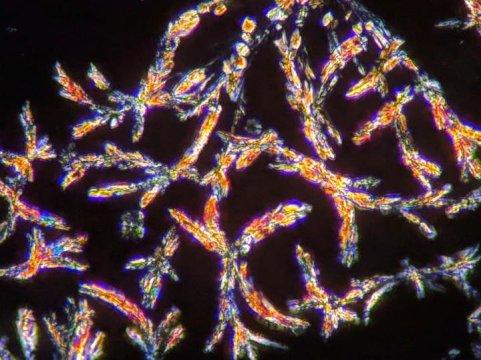
Psychedelic microdosing in rats shows beneficial effects
Crystals of N,N¬-dimethyltryptamine (DMT) imaged with polarizing microscopy. DMT is the active ingredient in the hallucinogenic drug ayahuasca. New studies from UC Davis using a rat model show that 'microdosing' or taking small doses of a psychedelic drug that do not cause hallucinations may have beneficial effects for mental health. Credit: Lindsay Cameron and Lee Dunlap
March 4, 2019
Science Daily/University of California - Davis
Microdosing -- taking tiny amounts of psychedelic drugs to boost mood and mental acuity -- is based on anecdotal reports of its benefits. Now, a study in rats suggests microdosing can provide relief for symptoms of depression and anxiety, but also has potential negative effects.
The growing popularity of microdosing -- taking tiny amounts of psychedelic drugs to boost mood and mental acuity -- is based on anecdotal reports of its benefits. Now, a study in rats by researchers at the University of California, Davis suggests microdosing can provide relief for symptoms of depression and anxiety, but also found potential negative effects. The work is published March 4 in the journal ACS Chemical Neuroscience.
"Prior to our study, essentially nothing was known about the effects of psychedelic microdosing on animal behaviors," said David Olson, assistant professor in the UC Davis departments of Chemistry and of Biochemistry and Molecular Medicine, who leads the research team. "This is the first time anyone has demonstrated in animals that psychedelic microdosing might actually have some beneficial effects, particularly for depression or anxiety. It's exciting, but the potentially adverse changes in neuronal structure and metabolism that we observe emphasize the need for additional studies."
Testing microdosing claims
Olson's group microdosed male and female rats with DMT, short for N,N-dimethyltryptamine. A psychedelic compound found in ayahuasca tea, DMT's molecular structure is embedded within the structures of popular microdosing drugs such as LSD and psilocybin. The researchers administered one-tenth of the estimated hallucinogenic dose in rats (1 milligram per kilogram of body weight) every third day for two months. Although there is no well-established definition of what constitutes a microdose, people who microdose tend to follow a similar schedule, taking one-tenth of a "trip" dose every three days. The rats were treated for two weeks before beginning behavioral tests relevant to mood, anxiety and cognitive function, and tests were completed during the two-day period between doses.
Olson's group found DMT microdosing helped rats to overcome a "fear response" in a test considered to be a model of anxiety and post-traumatic stress disorder (PTSD) in humans. The researchers also documented reduced immobility in an experiment that measures the effectiveness of antidepressant compounds. Less immobility is associated with antidepressant effects. In tests of cognitive function and sociability, the UC Davis researchers did not find any obvious impairments or improvements, which contrasts with human anecdotal reports.
Microdosing: potential risks
The team documented some potential risks: the dosing regimen significantly increased bodyweight in male rats, for example. It also caused neuronal atrophy in female rats. The latter change was unexpected, as previously Olson's group reported that rats treated with a single high dose of DMT showed increased neuronal growth. The results suggest an acute hallucinogenic dose and chronic, intermittent low doses of DMT produce very different biochemical and structural phenotypes, Olson said.
Despite the potential adverse effects of microdosing, the findings mean that it's possible to decouple the hallucinogenic effects from the therapeutic properties of these compounds.
"Our study demonstrates that psychedelics can produce beneficial behavioral effects without drastically altering perception, which is a critical step towards producing viable medicines inspired by these compounds," Olson said.
https://www.sciencedaily.com/releases/2019/03/190304100015.htm
Clues to brain differences between males and females
How male sex steroids play a key role in understanding behavioral development
March 1, 2019
Science Daily/University of Maryland School of Medicine
Researchers at the University of Maryland School of Medicine have discovered a mechanism for how androgens -- male sex steroids -- sculpt brain development. The research, conducted by Margaret M. McCarthy, Ph.D., who Chairs the Department of Pharmacology, could ultimately help researchers understand behavioral development differences between males and females.
The research, published in Neuron, discovered a mechanism for how androgens, male sex steroids, sculpt the brains of male rats to produce behavioral differences, such as more aggression and rougher play behavior. "We already knew that the brains of males and females are different and that testosterone produced during the second trimester in humans and late gestation in rodents contributes to the differences but we did not know how testosterone has these effects" said Dr. McCarthy.
Jonathan Van Ryzin, PhD, a Postdoctoral Fellow, was lead author on this research conducted in Dr. McCarthy's lab.
A key contributor to the differences in play behavior between males and females is a sex-based difference in the number of newborn cells in the part of the brain called the amygdala, which controls emotions and social behaviors. The research showed that males have fewer of these newborn cells, because they are actively eliminated by immune cells.
In females, the newborn cells differentiated into a type of glial cell, the most abundant type of cell in the central nervous system. In males however, testosterone increased signaling at receptors in the brain which bind endocannabinoids, causing immune cells to be activated. The endocannabinoids prompted the immune cells to effectively eliminate the newborn cells in males. Females rats in the study were unaffected, suggesting that the activation of the immune cells by the increased endocannabinoids in males was necessary for cell elimination. In this respect, this research shows that cannabis use, which stimulates endocannabinoids in the brain and nervous system, could impact brain development of the fetus and this impact could differ between male and female fetuses.
This study provides a mechanism for sex-based differences in social behaviors and suggests that differences in androgen and endocannabinoid signaling may contribute to individual differences in brain development and thus behavioral differences among people.
"These discoveries into brain development are critical as we work to tackle brain disorders as early in life as possible, even in pregnancy," said UMSOM Dean E. Albert Reece, MD, PhD, MBA, who is also the Executive Vice President for Medical Affairs, University of Maryland, and the John Z. and Akiko K. Bowers Distinguished Professor.
https://www.sciencedaily.com/releases/2019/03/190301160901.htm
Could medical marijuana help older people with their ailments?
New study shows it may be safe and effective for symptoms of chronic disease
February 28, 2019
Science Daily/American Academy of Neurology
Medical marijuana may bring relief to older people who have symptoms like pain, sleep disorders or anxiety due to chronic conditions including amyotrophic lateral sclerosis, Parkinson's disease, neuropathy, spinal cord damage and multiple sclerosis, according to a preliminary study released today that will be presented at the American Academy of Neurology's 71st Annual Meeting in Philadelphia, May 4 to 10, 2019. The study not only found medical marijuana may be safe and effective, it also found that one-third of participants reduced their use of opioids. However, the study was retrospective and relied on participants reporting whether they experienced symptom relief, so it is possible that the placebo effect may have played a role. Additional randomized, placebo-controlled studies are needed.
According to the Centers for Disease Control and Prevention, approximately 80 percent of older adults have at least one chronic health condition.
"With legalization in many states, medical marijuana has become a popular treatment option among people with chronic diseases and disorders, yet there is limited research, especially in older people," said study author Laszlo Mechtler, MD, of Dent Neurologic Institute in Buffalo, N.Y., and a Fellow of the American Academy of Neurology. "Our findings are promising and can help fuel further research into medical marijuana as an additional option for this group of people who often have chronic conditions."
The study involved 204 people with an average age of 81 who were enrolled in New York State's Medical Marijuana Program. Participants took various ratios of tetrahydrocannabinol (THC) to cannabidiol (CBD), the main active chemicals in medical marijuana, for an average of four months and had regular checkups. The medical marijuana was taken by mouth as a liquid extract tincture, capsule or in an electronic vaporizer.
Initially, 34 percent of participants had side effects from the medical marijuana. After an adjustment in dosage, only 21 percent reported side effects. The most common side effects were sleepiness in 13 percent of patients, balance problems in 7 percent and gastrointestinal disturbances in 7 percent. Three percent of the participants stopped taking the medical marijuana due to the side effects. Researchers said a ratio of one-to-one THC to CBD was the most common ratio among people who reported no side effects.
Researchers found that 69 percent of participants experienced some symptom relief. Of those, the most common conditions that improved were pain with 49 percent experiencing relief, sleep symptoms with 18 percent experiencing relief, neuropathy improving in 15 percent and anxiety improving in 10 percent.
Opioid pain medication was reduced in 32 percent of participants.
"Our findings show that medical marijuana is well-tolerated in people age 75 and older and may improve symptoms like chronic pain and anxiety," said Mechtler. "Future research should focus on symptoms like sleepiness and balance problems, as well as efficacy and optimal dosing."
The study was supported by the Dent Family Foundation.
https://www.sciencedaily.com/releases/2019/02/190228164023.htm
Junk food purchases increase after recreational marijuana legalization
February 28, 2019
Science Daily/University of Connecticut
It's an infamous pop culture portrayal. After smoking marijuana, the main characters in the movie go on an epic junk-food binge, consuming mass quantities of chips, cookies, and whatever other high-calorie, salt-or-sugar-laden snacks they can get. While some neuroscientists have hypotheses, there remains no formal causal evidence to support this notorious effect of marijuana on the human brain.
A study released this month from a UConn economist, however, did find a link between state recreational marijuana legalization and increased consumption of certain high-calorie foods, suggesting there may be something more substantial to the urban myth of "the munchies."
Assistant professor of economics Michele Baggio conducted the study in collaboration with Alberto Chong, a professor at Georgia State University's Andrew Young School of Policy Studies. Published by the Social Science Research Network, the study looked at data on monthly purchases of cookies, chips, and ice cream from grocery, convenience, drug, and mass distribution stores in more than 2,000 counties in the United States over a 10-year period. The data, largely taken from the Nielsen Retail Scanner database, covers 52 designated market areas in the 48 contiguous states.
The researchers compared purchasing trends to the implementation dates for recreational marijuana laws in states including Colorado, Oregon, and Washington. Their analysis showed that legalizing recreational marijuana led to a 3.1 percent increase in ice cream purchases, a 4.1 percent increase in cookie purchases, and a 5.3 percent increase in chip purchases immediately after recreational marijuana sales began. While increases in ice cream and chip purchases reduced slightly in the months following legalization, the increase for cookie purchases remains high.
"These might seem like small numbers," says Baggio. "But they're statistically significant and economically significant as well."
The trend was consistent across the three legalizing states included in the study. Additional states that have also legalized recreational marijuana were not included in the study because 18 months of purchasing data was not yet available for those states.
While Baggio initially set out to see whether ties existed between marijuana legalization and increased obesity rates, this study did not delve into an analysis of obesity rates, instead focusing strictly on trends in sales data. Further analysis of health trends may come at a later date, but he says that both the growing marijuana industry and policymakers may find the developing research around varying aspects of marijuana legalization of interest when considering future policies.
"I'm not an advocate for legalization or not," Baggio says. "I'm just interested in whether there are unintended consequences to the policy."
https://www.sciencedaily.com/releases/2019/02/190228134227.htm

Skip the Medication: Try These 6 Things to Boost Your Mental Health
While mental health is at the top of our priorities if often gets cast aside and then remedied with medication. More often than not, however, taking care of your mental well-beingcan be done without medicinal intervention. If you are looking for ways to boost your mental health without turning to drugs, take a look at these six tips.
1. Take Care of Your Body
Having a regular workout regimen, getting enough sleep, and eating healthy has long been proven to directly affect mental health. Working out releases endorphins into your body to help mitigate depression, and eating foods that are heavy in grease tend to make your body and mind sluggish and also have been proven to alter your hormones to leave you feeling anxious and depressed. These changes do not happen overnight so try and start slow. Consider starting each day with easy morning stretches and sun salutations and try and replace one meal a day filled with nutritious ingredients. Work your way up from there.
2. Create Attainable Goals
Constantly feeling like a failure because of setting unrealistic goals can take a toll on your mind. If you have a huge goal in mind, consider breaking that up into smaller, more realistic goals. Sometimes having a huge burden on your shoulders can make you paralyzed in fear, with crippling anxiety.
Try to recognize when you’re setting yourself up for failure when setting goals. For example, maybe you need to complete a project at work or need to fix a few things at home. Instead of trying to fix everything yourself, focus on the work you have to do yourself and set a goal to call your home repair company. Set goals that will challenge to become a better version of yourself, not a completely different version of yourself. If you aren’t a professional at something, don’t try to be—let others handle it for you.
3. Avoid Toxic Friends
Surround yourself with friends and family members that will lift you up, instead of feeding into negative thoughts that can bring you down. This may seem like a struggle depending on who your current social circle is filled with. If needed, try going to different meet-ups based on your interests to find new friends that emit positive energy.
4. Take Advantage of Daily Meditation
One of the biggest factors that affect your mental health is becoming bogged down with the day-to-day tasks that cause underlying stress and anxiety. What’s more? Depending on the industry your work in, it may be hard to unplug from work even after your shift. Take time each day for daily meditationto help clear your mind or to help work through what may be currently causing stress in your life, such as work, money, or social media. Consider creates goals in your daily meditation to help release parts of your life that are particularly stressful.
5. Change Up Your Routine
Having a change in your life helps you stay engaged and interested, instead of falling into complacency. Believe it or not, but boredom is a huge factor in anxiety and depression. If you can’t change your daily routine at work, consider trying a new hobby to look forward to, create a weekly meetup group, or join a sports team for weekend games. Discover what will help you get more engaged and go after it.
6. Learn When to Ask For Help
Keep track of how you’re feeling throughout these tasks and learn when you need professional intervention. These tips are not the “end-all-be-all” of mental health and sometimes medical intervention may be needed. If you usually use medication and want to try a more holistic approach, be sure to regularly check in with your therapist and document the success rate you feel you are making without medicine.

Supporting Your Terminally Ill Loved One in Hospice Care
Photo via Pixabay
Contribution by Scott Sanders
The vast majority of Americans would prefer to die at home surrounded by loved ones than in a medical facility, and hospice care makes this possible for people with a terminal illness. According to the National Hospice and Palliative Care Organization, over1.4 million seniorswith Medicare received hospice care in 2016 alone. Although hospice care teams provide medical, physical, emotional, and social support, there’s a lot that family members can do as well.
Making an End-of-Life Plan
It's smart to develop an end-of-life plan with your loved one as soon as possible. You may have tomake difficult decisionsfor your loved one, so it’s best to have an idea of what they want. For example, they may not want to be resuscitated or put on a ventilator, or they may prefer certain life-saving treatments over others. Talk to your loved one and write down what they want for their end-of-life care.
You should also take this opportunity to develop a funeral plan. Find out if your loved one would like to be cremated or buried, and what they would like in terms of a memorial service. According to Lincoln Heritage Funeral Advantage, the average funeral costs between$7,000 and $9,000. Your loved one may be concerned about burdening you with this expense, especially if they’re leaving behind medical bills as well. Find out if your loved one is eligible for burial insurance to help cover some of these costs and to give everyone some extra peace of mind.
Understanding the Goals of Hospice Care
Loved ones can also benefit from learning how hospice care works. Since the focus is on compassionate care rather than curing, hospice can look quite different than the medical care you're used to. People typicallyenter into hospicewhen their life expectancy is less than six months. They may choose to start hospice care because treatment is no longer effective or they simply wish to stop receiving treatment.
The priority of hospice care is to improve the patient’squality of life. This means stopping aggressive interventions, like chemotherapy or radiation, and focusing on symptom management. Quite often, one of the main goals is to relieve pain. With the patient’s best wishes in mind, the hospice team will do everything they can to keep your loved one as comfortable and independent as possible.
The Role of The Hospice Care Team
The hospice care team typically provides care at thepatient’s home— this allows the patient to enjoy the greatest quality of life and remain close to family. Thecare teamis composed of many specialists, including doctors, nurses, counselors, social workers, and physical therapists. These individuals will do everything from administering medications to guiding your loved one through the dying process. Counselors and social workers are also there to help family members cope with the emotions and stress involved in caring for a terminally ill loved one.
What You Can Do
You can provide a great deal of physical and emotional support to your loved one. On the physical side, try to tweak their environment tokeep them comfortable. It’s not uncommon for people who are dying to experience sudden body temperature changes, so add blankets if they seem cold or put a cool cloth on the forehead if they’re too warm. Your loved one may also struggle with skin and mouth dryness. Use lotion and lip balm, and moisten their mouth with a damp sponge if they’re not willing or able to drink water.
Providing emotional support is a little more personal. A Place for Mom recommends justsitting quietlywith them and sharing their presence. If they want to talk, listen to what they’re saying and offer words of comfort in return. You can ask them about how they feel and encourage them to talk about memories that they hold fondly. Most importantly of all, remind them that you love them.
Many family members and patients see hospice care as a blessing. It’s a huge help to have specialists come in and provide compassionate care to a dying loved one. Plus,Medicarewill cover the entire cost of hospice if your loved one remains in the home. While it may be difficult to learn that your loved one is entering hospice care, remember that it will give them the opportunity to spend their final days how they wish.
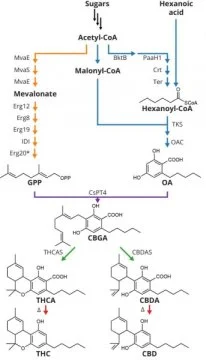
Yeast produce low-cost, high-quality cannabinoids
To produce cannabinoids in yeast (Saccharomyces cerevisiae), UC Berkeley synthetic biologists first engineered yeast's native mevalonate pathway to provide a high flux of geranyl pyrophosphate (GPP) and introduced a hexanoyl-CoA biosynthetic pathway combining genes from five different bacteria. They then introduced Cannabis genes encoding the enzymes involved in olivetolic acid (OA) biosynthesis, a previously undiscovered prenyl transferase enzyme (CsPT4) and cannabinoid synthases. The synthases converted cannabigerolic acid (CBGA) to the cannabinoid acids THCA and CBDA, which, upon exposure to heat, decarboxylate to tetrahydrocannabinol (THC) and cannabidiol (CBD), respectively. Credit: Jay Keasling lab, UC Berkeley
February 27, 2019
Science Daily/University of California - Berkeley
Synthetic biologists have created an enzymatic network in yeast that turns sugar into cannabinoids, including tetrahydrocannabinol and cannabidiol, but also novel cannabinoids not found in the marijuana plant itself. The yeast factories would be more environmentally friendly and less energy intensive than growing the plant and separating out the psychoactive and non-psychoactive ingredients. They may also yield cannabinoid derivatives with unexpected medical uses.
University of California, Berkeley, synthetic biologists have engineered brewer's yeast to produce marijuana's main ingredients -- mind-altering THC and non-psychoactive CBD -- as well as novel cannabinoids not found in the plant itself.
Feeding only on sugar, the yeast are an easy and cheap way to produce pure cannabinoids that today are costly to extract from the buds of the marijuana plant, Cannabis sativa.
"For the consumer, the benefits are high-quality, low-cost CBD and THC: you get exactly what you want from yeast," said Jay Keasling, a UC Berkeley professor of chemical and biomolecular engineering and of bioengineering and a faculty scientist at Lawrence Berkeley National Laboratory. "It is a safer, more environmentally friendly way to produce cannabinoids."
Cannabis and its extracts, including the high-inducing THC, or tetrahydrocannabinol, are now legal in 10 states and the District of Columbia, and recreational marijuana -- smoked, vaped or consumed as edibles -- is a multibillion-dollar business nationwide. Medications containing THC have been approved by the Food and Drug Administration to reduce nausea after chemotherapy and to improve appetite in AIDS patients.
CBD, or cannabidiol, is used increasingly in cosmetics -- so-called cosmeceuticals -- and has been approved as a treatment for childhood epileptic seizures. It is being investigated as a therapy for numerous conditions, including anxiety, Parkinson's disease and chronic pain.
But medical research on the more than 100 other chemicals in marijuana has been difficult, because the chemicals occur in tiny quantities, making them hard to extract from the plant. Inexpensive, purer sources -- like yeast -- could make such studies easier.
Plus, he added, there is "the possibility of new therapies based on novel cannabinoids: the rare ones that are nearly impossible to get from the plant, or the unnatural ones, which are impossible to get from the plant."
Keasling, the Philomathia Foundation Chair in Alternative Energy at Berkeley, and his colleagues will report their results online Feb. 27 in advance of publication in the journal Nature.
Plugging chemical pathways into yeast
Cannabinoids join many other chemicals and drugs now being produced in yeast, including human growth hormone, insulin, blood clotting factors and recently, but not yet on the market, morphine and other opiates.
One of the pioneers of synthetic biology, Keasling has long sought to exploit yeast and bacteria as "green" drug factories, eliminating the expensive synthetic or extractive processes common in the chemical industry and the often toxic or environmentally- damaging chemical byproducts.
Cannabis cultivation is a prime example of an energy-intensive and environmentally-destructive industry. Farms in northwest California have polluted streams with pesticide and fertilizer runoff and helped drain watersheds because marijuana plants are water-hungry. Illegal grows have resulted in clear-cutting and erosion.
Indoor cultivation under grow lights with ventilation fans uses a lot of energy, accounting for a growing percentage of annual power consumption. One study estimated that California's cannabis industry accounted for 3 percent of the state's electricity usage. Indoor grows have caused blackouts in some cities, and energy consumption can add more than $1,000 to the price of a pound of weed.
Hence Keasling's interest in finding a "green" way to produce the active chemicals in marijuana.
"It was an interesting scientific challenge," he admitted, that was akin to other challenges he and his team have successfully overcome in yeast: producing an antimalarial drug, artemisinin; turning plant waste into biofuels; synthesizing flavors and scents for the food and cosmetics industries and chemical intermediates for making new materials. "But when you read about cases of patients who have seizures and are helped by CBD, especially children, you realize there is some value in these molecules, and that producing cannabinoids in yeast could really be great."
With approval and oversight by the U.S. Drug Enforcement Agency -- cannabis is still illegal under federal law -- Berkeley postdoc Xiaozhou Luo and visiting graduate student Michael Reiter, who led the project, started assembling in yeast a series of chemical steps to produce, initially, the mother of all cannabinoids, CBGA (cannabigerolic acid). In both marijuana and yeast, the chemical reactions involve the acid form of the compounds: CBGA and its derivatives, THCA and CBDA. They readily convert to CBG, THC and CBD when exposed to light and heat.
Turning yeast into chemical factories involves co-opting their metabolism so that, instead of turning sugar into alcohol, for example, yeast convert sugar into other chemicals that are then modified by added enzymes to produce a new product, such as THC, that the yeast secrete into the liquid surrounding them. The researchers ended up inserting more than a dozen genes into yeast, many of them copies of genes used by the marijuana plant to synthesize cannabinoids.
One step, however, proved to be a roadblock for Keasling's group and competing groups: an enzyme that performs a key chemical step in making CBGA in the marijuana plant didn't work in yeast.
Rather than engineer a different synthetic pathway, Berkeley postdoc Leo d'Espaux and graduate student Jeff Wong went back to the plant itself and isolated a second enzyme, prenyl transferase, that does the same thing, and stuck it in the yeast.
"It worked like gangbusters," Keasling said.
Once they had yeast-producing CBGA, they added another enzyme to convert CBGA to THCA and a different enzyme to create a pathway to CBDA. Though the products the yeast produce are predominantly THC or CBD, Keasling said, each must still be separated from other chemicals present in tiny quantities.
They also added enzymes that made the yeast produce two other natural cannabinoids, CBDV (cannabidivarin) and THCV (tetrahydrocannabivarin), whose effects are not well understood.
Surprisingly, Xiaozhou and Michael discovered that the enzymatic steps involved in making CBGA in yeast are flexible enough to accept a variety of starter chemicals -- different fatty acids in place of the one used by the marijuana plant, hexanoic acid -- that generate cannabinoids that do not exist in the plant itself. They also got the yeast to incorporate chemicals into cannabinoids that could later be chemically altered in the lab, creating another avenue for producing never-before-seen, but potentially medically useful, cannabinoids.
Keasling subsequently founded an Emeryville, California, company, Demetrix Inc., which d'Espaux and Wong later joined, that licensed the technology from Berkeley to use yeast fermentation to make cannabinoids.
"The economics look really good," Keasling said. "The cost is competitive or better than that for the plant-derived cannabinoids. And manufacturers don't have to worry about contamination -- for example, THC in CBD -- that would make you high."
https://www.sciencedaily.com/releases/2019/02/190227131838.htm
THC found more important for therapeutic effects in cannabis than originally thought
Researchers measure product characteristics and associated effects with mobile app
February 26, 2019
Science Daily/University of New Mexico
Researchers recently solved a major gap in scientific literature by using mobile software technology to measure the real-time effects of actual cannabis-based products used by millions of people every day.
Contrary to popular media-reports and scientific dogma, the psychoactive chemical, tetrahydrocannabinol or "THC," showed the strongest correlation with therapeutic relief and far less evidence for the benefits of relying on the more socially acceptable chemical, cannabidiol or "CBD."
In a new study titled, "The Association between Cannabis Product Characteristics and Symptom Relief," published in the journal Scientific Reports, UNM researchers Sarah See Stith, assistant professor in the Department of Economics, and Jacob Miguel Vigil, associate professor in the Department of Psychology, found that THC and CBD contents were the most important factor for optimizing symptom relief for a wide variety of health conditions.
The findings were based on the largest database of real-time measurements of the effects of cannabis in the United States, collected with the ReleafApp, developed by co-authors Franco Brockelman, Keenan Keeling and Branden Hall.
Since its release in 2016, the commercially developed ReleafApp has been the only publicly available, incentive-free app for educating patients on how their type of product (e.g., flower or concentrate), combustion method, cannabis subspecies (indica, sativa, and hybrid), and major cannabinoid contents (THC and CBD) affect their symptom severity levels, essentially providing invaluable user feedback on their health status, medication choices, and the clinical outcomes of those choices as measured by symptom relief and side effects.
The study aimed to address the practical questions of knowing how fundamental characteristics of currently available and frequently used cannabis products, characteristics that often influence consumer choices, affect health symptom intensity levels. The average patient, across the roughly 20,000 measured user sessions and 27 measured symptom categories ranging from depression to seizure activity, showed an immediate symptom improvement of 3.5 points on a 0-10 scale. Dried flower was the most commonly used product and generally associated with greater symptom improvement than other types of products.
Cannabis is rapidly gaining popularity as a mid-level analgesic and promising substitute for prescription opioids and other classes of medications, which often carry undesirable side effects, dangerous drug interactions and risk of death. Presently, federal barriers restrict researchers from conducting cannabis administration studies in the U.S.
"We were able to fill the most significant absence in the previous medical literature, understanding the 'efficacy, dose, routes of administration, or side effects of commonly used and commercially available cannabis products in the United States,'" said Vigil, quoting from the recently released report from the National Academies of Sciences, Engineering, and Medicine, Committee on the Health Effects of Marijuana.
By studying products containing both THC and CBD, the authors were able to analyze the relative importance of these cannabinoids for symptom relief and side effect prevalence, advancing previous research examining either chemical in the absence of the other. One of the most striking patterns in the current results was that THC was generally associated with a more intense user experience, as measured by symptom relief and the prevalence of both positive and negative side effects.
"Despite the conventional wisdom, both in the popular press and much of the scientific community that only CBD has medical benefits while THC merely makes one high, our results suggest that THC may be more important than CBD in generating therapeutic benefits. In our study, CBD appears to have little effect at all, while THC generates measurable improvements in symptom relief. These findings justify the immediate de-scheduling of all types of cannabis, in addition to hemp, so that cannabis with THC can be more widely accessible for pharmaceutical use by the general public," said Vigil.
"More broadly understanding the relationship between product characteristics and patient outcomes is particularly important given the lack of medical guidance received by medical cannabis patients," said Stith. "Most receive only a referral for cannabis treatment from their healthcare provider with all other treatment advice coming from prior recreational experience, the internet, social interactions, and/or often minimally trained personnel working in dispensaries.
"This is very different from how patients receive treatment using conventional pharmaceuticals that come with clear dosing instructions and a standardized, uniform product," she added.
The authors caution that cannabis use does carry the risks of addiction and short-term impairments in cognitive and behavioral functioning, and may not be effective for everyone.
"However, I have seen many people use it as a primary medication for a full spectrum of health conditions as part of their broader desire to gain more control over their healthcare treatment," says Vigil, a perspective that seems to gaining momentum as cannabis appears to be re-emerging as one of the most widely used medications in the U.S.
This investigation was supported in part by public donations to the University of New Mexico Medical Cannabis Research.
https://www.sciencedaily.com/releases/2019/02/190226112353.htm
A 'joint' problem: Investigating marijuana and tobacco co-use
February 22, 2019
Science Daily/Medical University of South Carolina
A survey of marijuana and tobacco co-users investigators found that co-users with high degree of interrelatedness between their use of the two substances had greater tobacco dependence and smoked more cigarettes per day. However, the finding of a strong link between the two substances was not universal. These finding suggest that highly personalized treatments are needed for co-users who want to quit smoking.
Tobacco isn't the only thing being smoked in the Deep South, and for many, it's only half of their habit.
Marijuana, long thought to be a gateway drug to harder substances, turns out to be popular among cigarette smokers, with rates of co-use of the two substances increasing among adults from 2003-2012. Researchers don't yet know how much of a problem that could pose for people trying to quit tobacco.
As more states move to legalize medicinal marijuana and some to decriminalize recreational use, a better understanding is needed of how co-use of marijuana affects quit attempts by smokers.
To learn more, a team of addiction investigators at the Medical University of South Carolina (MUSC) led by Erin A. McClure, Ph.D., assistant professor in the Department of Psychiatry and Behavioral Sciences, conducted an online survey of those who had used both marijuana and tobacco within a 30-day period about their smoking habits. Their results were published online on November 27, 2018 in Addictive Behaviors.
"We focused on marijuana and tobacco because of the high prevalence of their co-use," says Saima Akbar, first author on the article. "We don't fully understand how these substances interact and what the implications are for treatment."
The MUSC team found that more participants used marijuana and tobacco sequentially than simultaneously. For example, more participants used a tobacco cigarette as a "chaser" to marijuana than smoked joints mixing both marijuana and tobacco, known as spiffs.
The study also found that the degree to which marijuana and tobacco use were interrelated differed greatly by user. However, 26 percent of users reported they had smoked most of their cigarettes around the time they were using marijuana or were high. They were more likely to have a greater tobacco dependence and to smoke more cigarettes per day.
"So, if somebody's trying to quit smoking cigarettes, but they always use marijuana and tobacco together, it's probably going to be much, much harder for them if they are still using marijuana than for somebody who uses both, but their use is not related in any way," says McClure.
The finding also raises the question of whether smoking tobacco after marijuana use enhances its subjective effects. More than 50 percent of those surveyed reported using tobacco cigarettes as a chaser. However, another 35 percent reported not doing so. It is possible that co-users of marijuana and tobacco who feel a more intense high because of the tobacco use would be more likely to use them closer together. They could have a harder time quitting smoking than those who did not feel such an enhanced high. This possibility requires further study.
What is clear from the researchers' findings is that everyone's habit is a little different, and cessation programs will need to be personalized if they are to be effective.
McClure hopes to focus on tobacco cessation as she continues her research but also identify the people who will likely struggle with quitting due to their marijuana use. She then plans to further tailor treatment to these individuals to improve the likelihood that their smoking cessation efforts will be successful.
"We need to tailor a treatment strategy for each individual rather than doing this one-size-fits-all approach that doesn't always work very well," says McClure.
For instance, in an age of medical marijuana and increasing legalization, not all users wanting to quit tobacco will want to discontinue marijuana as well. For some, with a lesser degree of interrelatedness between their use of the two substances, this may be possible. But for those with a higher degree of interrelatedness, dual cessation strategies could be needed.
McClure is pursuing funds for a prospective clinical trial that would further explore how marijuana co-use affects tobacco cessation and compare quit attempts and cessation rates in co-users and tobacco-only users.
"That trial would help us identify the people who are going to have more difficulty with quitting smoking cigarettes because of their marijuana use, and how we can tailor treatment for them," says McClure. "It would also help clarify how we can tailor treatment for those not interested in quitting marijuana so that they still have the best chances of stopping cigarette smoking."
https://www.sciencedaily.com/releases/2019/02/190222101426.htm
American drug overdose death rates the highest among wealthy nations
February 21, 2019
Science Daily/University of Southern California
A new study found that the United States has the highest drug overdose death rates among a set of high-income countries. The study found that drug overdose death rates in the United States are 3.5 times higher on average when compared to 17 other high-income counties. The study is the first to demonstrate that the drug overdose epidemic is contributing to the widening gap in life expectancy between the United States and other high-income countries.
In the most comprehensive international comparison of its kind, a USC study found that the United States has the highest drug overdose death rates among a set of high-income countries.
Drug overdose mortality has reached unprecedented levels in the United States, more than tripling over the past two decades. But is this a uniquely American epidemic, or are other high-income counties facing a similar crisis?
"The United States is experiencing a drug overdose epidemic of unprecedented magnitude, not only judging by its own history but also compared to the experiences of other high-income countries," said study author Jessica Ho, assistant professor at USC Leonard Davis School of Gerontology. "For over a decade now, the United States has had the highest drug overdose mortality among its peer countries."
The study, published February 21 in Population and Development Review, found that drug overdose death rates in the United States are 3.5 times higher on average when compared to 17 other high-income counties. The study is the first to demonstrate that the drug overdose epidemic is contributing to the widening gap in life expectancy between the United States and other high-income countries.
Drug overdose deaths cut into American life expectancy
The study found that prior to the early 2000s, Finland and Sweden had the highest levels of drug overdose mortality. Drug overdose mortality in the United States is now more than 27 times higher than in Italy and Japan, which have the lowest drug overdose death rates, and double that of Finland and Sweden, the countries with the next highest death rates.
By 2013, drug overdose accounted for 12 percent and 8 percent of the average life expectancy gap for men and women, respectively, between the United States and other high-income countries. Without drug overdose deaths, the increase in this gap between 2003 and 2013 would have been smaller: one-fifth smaller for men and one-third smaller for women.
"The American epidemic has important consequences for international comparisons of life expectancy. While the United States is not alone in experiencing increases in drug overdose mortality, the magnitude of the differences in levels of drug overdose mortality is staggering," said Ho.
In 2003, life expectancy at birth would have been 0.28 years higher for American men and 0.17 years higher for American women in the absence of drug overdose deaths. Ten years later, these figures had increased to 0.45 years for American men and 0.30 years for women. In both 2003 and 2013, the United States lost the most years of life from drug overdose among high-income countries, with the difference increasing dramatically over that time period.
"On average, Americans are living 2.6 fewer years than people in other high-income countries. This puts the United States more than a decade behind the life expectancy levels achieved by other high-income countries. American drug overdose deaths are widening this already significant gap and causing us to fall even further behind our peer countries," Ho said.
A uniquely American phenomena -- but will it stay that way?
Over 70,000 people died from drug overdoses in the United States in 2017, and the National Safety Council announced in January that Americans are now more likely to die of an accidental opioid overdose than in a car crash.
Potential drivers of the country's strikingly elevated drug overdose mortality levels include health care provision, financing and institutional structures, such as fee-for-service reimbursement systems and tying physician reimbursement to patient satisfaction. Additional factors include a well-documented marketing blitz by the manufacturers of Oxycontin, American cultural attitudes towards pain and the medical establishment, and the scarcity of substance abuse treatment in the United States, where only an estimated 10 percent of those with a substance abuse disorder receive treatment.
Despite its rapid ascent to the top of this tragic list, the United States may soon have competition for its dubious distinction. Ho points to the potential for drug overdose mortality to increase in other countries in the near future, noting similar and troubling patterns in Australia, Canada and the United Kingdom.
While opioids became a cornerstone of pain treatment in the late 1990s and early 2000s in the United States, other countries either didn't use strong opioids for pain relief or placed greater restrictions on their use. Exceptions include Australia, which experienced a switch from weak to strong opioids that is reflected in its 14-fold increase in oxycodone consumption between 1997 and 2008, and Ontario, Canada, which saw an 850 percent increase in oxycodone prescriptions between 1991 and 2007. Both countries also experienced large increases in drug overdose mortality.
Although the current American epidemic started with prescription opioids, it is now rapidly transitioning to heroin and fentanyl. European countries may be on the opposite trajectory, which could nonetheless result in more drug overdose deaths over time. "The use of prescription opioids and synthetic drugs like fentanyl are becoming increasingly common in many high-income countries and constitute a common challenge to be confronted by these countries," Ho said.
The USC study utilized data on cause of death from the Human Mortality Database and the World Health Organization Mortality Database for the set of 18 countries, along with additional data from vital statistics agencies in Canada and the United States to produce country-, year-, sex-, and age-specific drug overdose death rates between 1994 and 2015. Deaths from both legal and illegal drugs (not limited to opioids) and deaths of all intents were included.
https://www.sciencedaily.com/releases/2019/02/190221083419.htm
No evidence tougher policies deter adolescent cannabis use
February 19, 2019
Science Daily/University of Kent
A new study has found no evidence that teenage cannabis use is lower in countries with tougher
The study, by Alex Stevens, Professor in Criminal Justice in Kent's School for Social Policy, Sociology and Social Research, used data from the World Health Organisation's Health Behaviour in School-aged Children survey. This survey asked over 100,000 teenagers in 38 countries, including the UK, USA, Russia, France, Germany and Canada, about their cannabis use.
Professor Stevens's analysis of the data found no association between a country having a more liberal policy on cannabis use and higher rates of teenage cannabis use. The analysis controlled for differences between the countries, including their national income, and between the teenagers, including their gender, their affluence and psychological problems.
The new study was undertaken in response to a 2015 study that had concluded there was an association between policy liberalisation and a higher likelihood of adolescent cannabis use. This study has been used in the past to justify calls for tougher policies for cannabis use.
However, Professor Stevens found this was based on a misinterpretation of that study's own numerical results. When taking into account the differences in cannabis use between boys and girls in different countries, and using more of the available data, a statistically significant association between policy liberalisation and adolescent cannabis use cannot be found.
Professor Stevens said: 'My new study joins several others which show no evidence of a link between tougher penalties and lower cannabis use. This is useful information for governments as they consider the best way to deal with cannabis. As it is, the harms and costs of imposing criminal convictions on people who use cannabis do not seem to be justified by an effect in reducing cannabis use.'
https://www.sciencedaily.com/releases/2019/02/190219111730.htm
Parents: Keep medical marijuana dispensaries away from kids
About 3/4 of parents say dispensaries should not be near schools
February 18, 2019
Science Daily/Michigan Medicine - University of Michigan
Seven in 10 parents think they should have a say in whether dispensaries are located near their child's school or daycare and most say they should be banned within a certain distance of those facilities.
With medical marijuana now legal in about two-thirds of U.S. states, there's growing concern about how dispensaries may impact surrounding neighborhoods and communities.
And parents in a new national poll overwhelmingly agree on one place dispensaries should not be allowed: anywhere near children.
Seven in 10 parents think they should have a say in whether dispensaries are located near their child's school or daycare and most say they should be banned within a certain distance of those facilities, according to the C.S. Mott Children's Hospital National Poll on Children's Health at the University of Michigan.
Highest on the list of concerns was the risk impaired drivers may pose to children -- with nearly half of parents saying this was a significant worry. A recent study found that more than half of people taking cannabis for chronic pain report driving while high.
"Medical marijuana has become legal in the majority of states but there is wide variation in state and local policies that regulate the location and operation of dispensaries," says poll co-director Sarah Clark, M.P.H.
"The majority of parents feel strongly that they should give local input on decisions regarding where dispensaries may open and also support limitations on how close dispensaries could be to children's areas."
Aside from the top concern involving drivers under the influence, some parents also worried about the possibility of a child finding and ingesting edible marijuana inadvertently left behind by a dispensary customer (48 percent), and teens having easier opportunities accessing marijuana (49 percent.) Other dispensary concerns included setting a bad example for kids (45 percent) and bringing violent crime to the area (35 percent).
Three quarters of parents indicated general support for legal medical marijuana, including one third of parents who support the option for children. Just 26 percent of parents opposed medical marijuana.
At the same time, most parents agreed that dispensaries should be banned within a certain distance of elementary schools, middle and high schools, and daycare centers. Forty-four percent of parents also believed dispensaries should not be close to places of worship. Support for such bans was equally strong among both mothers and fathers, younger and older parents, and parents of higher and lower income.
"Most parents seem to understand that marijuana can have legitimate medical benefits, but parents also have major concerns about the risks that medical marijuana dispensaries might pose to children," Clark says. "When it comes to where dispensaries are located, many parents feel that any area near children is too close for comfort."
Most parents (77 percent) agreed that medical marijuana dispensaries should have the same regulations as liquor stores for where they can be located. Meanwhile, 52 percent of parents said dispensaries should have the same rights as other businesses. Nearly all parents (90 percent) felt dispensaries should undergo inspections to ensure they are following all regulations.
Nearly half of parents (45 percent) said that medical marijuana is legal in their state, and 24 percent knew there was at least one medical marijuana dispensary in their community. Only 20 percent reported that their state or community has regulations about where dispensaries can be located, while 59 percent did not know if such regulations exist.
While most parents wanted to be consulted about locating a dispensary near their child's school or daycare, this may prove difficult, Clark says. There is no consistent state or local framework to regulate the location and operations of dispensaries. Some states may have added legal complexities differentiating the sale of medical versus recreational marijuana.
It may also be confusing about whether parents need to contact elected officials or commissions, and if they should focus on the state or local level when an application is filed for a new dispensary. Decisions about the location of new dispensaries could be made through a state law, a local zoning regulation, or other action.
"Parents who want to share their views about dispensaries before any open in their school's neighborhood may have limited opportunities to do so. They may not even be aware that a specific dispensary location is under consideration until the decision has already been made," Clark says.
"The lack of established standards may lead officials to enact policies that may not address parents' concerns," Clark adds. "Parents who want to provide input about local dispensaries may need to take the initiative to learn about the rules for opening a dispensary in their community and what steps they should follow to be involved in these decisions."
https://www.sciencedaily.com/releases/2019/02/190218094005.htm
Teens living in US states allowing medical marijuana smoke less cannabis
February 14, 2019
Science Daily/Taylor & Francis Group
According to a large-scale study of American high school students, legalizing medicinal marijuana has actually led to a drop in cannabis use among teenagers. The study used the results of an anonymous survey given to more than 800,000 high school students across 45 states to calculate the number of teens who smoke cannabis.
The study, published today in the American Journal of Drug and Alcohol Abuse used the results of an anonymous survey given to more than 800,000 high school students across 45 states to calculate the number of teens who smoke cannabis.
It found that the number of teenage cannabis smokers was 1.1% less in states that had enacted medical marijuana laws (MML) compared to those that hadn't, even when accounting for other important variables such as tobacco and alcohol policies, economic trends, youth characteristics and state demographics.
"We found that for every group of 100 adolescents, one fewer will be a current user of marijuana following the enactment of medical marijuana laws," says Dr Rebekah Levine Coley, a Professor of psychology at Boston College, who led the study.
"When we looked at particular subgroups of adolescents, this reduction became even more pronounced. For example 3.9% less Black and 2.7% less Hispanic youths now use marijuana in states with MML."
As the survey was administered over a period of 16 years, the researchers were able to compare the changes in teenager's marijuana use in states that adopted MML with those that hadn't, allowing them to more precisely pinpoint the effects of the legislation. Intriguingly, the study found that the longer the laws had been in place, the greater the reduction in teen marijuana use.
The results shine a light on an important debate taking place in America about the relative benefits and risks of decriminalizing marijuana.
"Some people have argued that decriminalizing or legalizing medical marijuana could increase cannabis use amongst young people, either by making it easier for them to access, or by making it seem less harmful." says Dr Rebekah Levine Coley.
"However, we saw the opposite effect. We were not able to determine why this is, but other research has suggested that after the enactment of medical marijuana laws, youths' perceptions of the potential harm of marijuana use actually increased. Alternatively, another theory is that as marijuana laws are becoming more lenient, parents may be increasing their supervision of their children, or changing how they talk to them about drug use."
Importantly the study found that unlike medical marijuana laws, decriminalizing recreational marijuana had no noticeable effect on adolescents' cannabis use, except for a small decline in marijuana smoking among 14-year olds and people from Hispanic backgrounds, and an increase in use among white adolescents. Neither policies had any effect on frequent or heavy users of marijuana, suggesting that these students are not easily influenced by stat
e laws.
https://www.sciencedaily.com/releases/2019/02/190214191934.htm