
New method shows great potential for the treatment of Alzheimer's disease
November 3, 2020
Science Daily/Uppsala University
In Alzheimer's disease, a protein (peptide) forms clumps in the brain and causes sufferers to lose their memory. In a recently published article, a research group at Uppsala University described a new treatment method that increases the body's own degradation of the building blocks that lead to these protein clumps.
In Alzheimer's disease, the peptide amyloid-beta begins to form clumps in the brain. This process is called aggregation and the clumps so created are called aggregates. The treatment methods for Alzheimer's disease that are currently in clinical trials are attempts to bind to these disease-causing aggregates. But they are unable to bind to the smallest aggregates, which many now believe are the most toxic to neurons.
The treatment method developed in the new Uppsala research study using mice degrades the building blocks from which these aggregates form before they have a chance to aggregate. This treatment method therefore reduces the formation of all types of aggregates.
It has long been known that the peptide somatostatin, which was used by the researchers in the Uppsala group, can activate the body's own degradation of amyloid-beta, which is the peptide that forms the aggregates. However, it has not been possible to use somatostatin as a drug in the past because it has a very short half-life in the blood of only a few minutes, and does not cross the blood-brain barrier into the brain where the aggregates are formed.
"So to be able to use somatostatin as a treatment, we fused it to a brain transport protein which allows the somatostatin to enter the brain. This has proved very effective. When we used the transport protein, we also saw that the time that the somatostatin remained in the brain increased to several days, which is fantastic," says Fadi Rofo, doctoral student at the Department of Pharmaceutical Biosciences and the study's first author.
In the study, the researchers saw the greatest effect in hippocampus, the part of the brain that forms memories and the first part to be affected by Alzheimer's disease.
"The fact that we have seen that the effect is most evident in the hippocampus in particular is very good. Our hope is that this method will be able to act in a very targeted way and have few side effects, which have been a problem in other studies," says Greta Hultqvist, assistant professor at the Department of Pharmaceutical Biosciences, who led the research study.
The study was conducted in mice, but the researchers believe that somatostatin would have the same effect in humans and that this type of treatment could be more effective than those trialled so far.
https://www.sciencedaily.com/releases/2020/11/201103104719.htm
Over 80 percent of COVID-19 patients have vitamin D deficiency
Vitamin D deficiency was more prevalent in men
October 27, 2020
Science Daily/The Endocrine Society
Over 80 percent of 200 COVID-19 patients in a hospital in Spain have vitamin D deficiency, according to a new study published in the Endocrine Society's Journal of Clinical Endocrinology & Metabolism.
Vitamin D is a hormone the kidneys produce that controls blood calcium concentration and impacts the immune system. Vitamin D deficiency has been linked to a variety of health concerns, although research is still underway into why the hormone impacts other systems of the body. Many studies point to the beneficial effect of vitamin D on the immune system, especially regarding protection against infections.
"One approach is to identify and treat vitamin D deficiency, especially in high-risk individuals such as the elderly, patients with comorbidities, and nursing home residents, who are the main target population for the COVID-19," said study co-author José L. Hernández, Ph.D., of the University of Cantabria in Santander, Spain. "Vitamin D treatment should be recommended in COVID-19 patients with low levels of vitamin D circulating in the blood since this approach might have beneficial effects in both the musculoskeletal and the immune system."
The researchers found 80 percent of 216 COVID-19 patients at the Hospital Universitario Marqués de Valdecilla had vitamin D deficiency, and men had lower vitamin D levels than women. COVID-19 patients with lower vitamin D levels also had raised serum levels of inflammatory markers such as ferritin and D-dimer.
Other authors of the study include: Daniel Nan, José M. Olmos, Javier Crespo, and Víctor M. Martínez-Taboada of the University of Cantabria; Marta Fernandez-Ayala, Mayte García-Unzueta, Miguel A. Hernández-Hernández, Marcos López-Hoyos, Manuel Gutiérrez-Cuadra, and Juan J. Ruiz-Cubillán of the Hospital Marqués de Valdecilla-IDIVAL in Santander, Spain; Pedro Muñoz Cacho of the Servicio Cántabro de Salud in Santander, Spain;
https://www.sciencedaily.com/releases/2020/10/201027092216.htm
Study finds PTSD interacts with klotho gene, may cause premature aging in the brain
October 26, 2020
Science Daily/Boston University School of Medicine
Genetics and the environment (including psychiatric stress) may contribute to the pace of cellular aging, causing some individuals to have a biological age that exceeds their chronological age.
Researchers from the National Center for PTSD at VA Boston Healthcare System and Boston University School of Medicine (BUSM) now have found that a variant in the klotho gene, a gene previously associated with longevity, interacts with post-traumatic stress disorder (PTSD) to predict accelerated aging in brain tissue. These same researchers had previously shown this effect in living subjects when epigenetic age (biological age) was measured in blood, but this is the first time it has been studied in brain tissue.
Using data from individuals who donated their brains to the VA National PTSD Brain Bank, the researchers were able to examine how genetic variation and PTSD status interacted with each other to predict biological age and gene expression. They found that older adults with PTSD showed evidence of accelerated epigenetic aging in brain tissue if they had the "at risk" (variant) at a particular location in the klotho gene. Follow-up molecular experiments led by BUSM co-authors Cidi Chen, PhD, research associate professor and Carmela Abraham, PhD, professor of biochemistry, showed that this variant regulated the transcription of the klotho gene, suggesting functional consequences of the genetic variant.
Both PTSD and klotho impact inflammation, cardiometabolic conditions and neurodegeneration, including Alzheimer's disease. According to the researchers, better understanding how klotho and PTSD interact and the mechanisms linking both genes and traumatic stress to age-related health conditions is important for the development of novel therapeutics.
"This work allows us to better pinpoint who is at risk for accelerated cellular aging, and possibly, premature disease onset (such as neurodegeneration). This can help to identify the populations at greatest risk so that targeted treatments can be matched to the individuals who need it most. As well, the results point to potential therapeutic targets (klotho) in the development of pharmacological approaches to slow the pace of cellular aging," adds lead author Erika Wolf, PhD, clinical research psychologist for the National Center for PTSD at VA Boston Healthcare System and associate professor of psychiatry at BUSM.
https://www.sciencedaily.com/releases/2020/10/201026114208.htm
Scientists discover how a common mutation leads to 'night owl' sleep disorder
October 27, 2020
Science Daily/University of California - Santa Cruz
A new study by researchers at UC Santa Cruz shows how a genetic mutation throws off the timing of the biological clock, causing a common sleep syndrome called delayed sleep phase disorder.
People with this condition are unable to fall asleep until late at night (often after 2 a.m.) and have difficulty getting up in the morning. In 2017, scientists discovered a surprisingly common mutation that causes this sleep disorder by altering a key component of the biological clock that maintains the body's daily rhythms. The new findings, published October 26 in Proceedings of the National Academy of Sciences, reveal the molecular mechanisms involved and point the way toward potential treatments.
"This mutation has dramatic effects on people's sleep patterns, so it's exciting to identify a concrete mechanism in the biological clock that links the biochemistry of this protein to the control of human sleep behavior," said corresponding author Carrie Partch, professor of chemistry and biochemistry at UC Santa Cruz.
Daily cycles in virtually every aspect of our physiology are driven by cyclical interactions of clock proteins in our cells. Genetic variations that change the clock proteins can alter the timing of the clock and cause sleep phase disorders. A shortened clock cycle causes people to go to sleep and wake up earlier than normal (the "morning lark" effect), while a longer clock cycle makes people stay up late and sleep in (the "night owl" effect).
Most of the mutations known to alter the clock are very rare, Partch said. They are important to scientists as clues to understanding the mechanisms of the clock, but a given mutation may only affect one in a million people. The genetic variant identified in the 2017 study, however, was found in around one in 75 people of European descent.
How often this particular mutation is involved in delayed sleep phase disorder remains unclear, Partch said. Sleep behavior is complex -- people stay up late for many different reasons -- and disorders can be hard to diagnose. So the discovery of a relatively common genetic variation associated with a sleep phase disorder was a striking development.
"This genetic marker is really widespread," Partch said. "We still have a lot to understand about the role of lengthened clock timing in delayed sleep onset, but this one mutation is clearly an important cause of late night behavior in humans."
The mutation affects a protein called cryptochrome, one of four main clock proteins. Two of the clock proteins (CLOCK and BMAL1) form a complex that turns on the genes for the other two (period and cryptochrome), which then combine to repress the activity of the first pair, thus turning themselves off and starting the cycle again. This feedback loop is the central mechanism of the biological clock, driving daily fluctuations in gene activity and protein levels throughout the body.
The cryptochrome mutation causes a small segment on the "tail" of the protein to get left out, and Partch's lab found that this changes how tightly cryptochrome binds to the CLOCK:BMAL1 complex.
"The region that gets snipped out actually controls the activity of cryptochrome in a way that leads to a 24-hour clock," Partch explained. "Without it, cryptochrome binds more tightly and stretches out the length of the clock each day."
The binding of these protein complexes involves a pocket where the missing tail segment normally competes and interferes with the binding of the rest of the complex.
"How tightly the complex partners bind to this pocket determines how quickly the clock runs," Partch explained. "This tells us we should be looking for drugs that bind to that pocket and can serve the same purpose as the cryptochrome tail."
Partch's lab is currently doing just that, conducting screening assays to identify molecules that bind to the pocket in the clock's molecular complex. "We know now that we need to target that pocket to develop therapeutics that could shorten the clock for people with delayed sleep phase disorder," she said.
Partch has been studying the molecular structures and interactions of the clock proteins for years. In a study published earlier this year, her lab showed how certain mutations can shorten clock timing by affecting a molecular switch mechanism, making some people extreme morning larks.
She said the new study was inspired by the 2017 paper on the cryptochrome mutation from the lab of Nobel Laureate Michael Young at Rockefeller University. The paper had just come out when first author Gian Carlo Parico joined Partch's lab as a graduate student, and he was determined to discover the molecular mechanisms responsible for the mutation's effects.
https://www.sciencedaily.com/releases/2020/10/201027105354.htm
How exercise stalls cancer growth through the immune system
October 26, 2020
Science Daily/Karolinska Institutet
People with cancer who exercise generally have a better prognosis than inactive patients. Now, researchers at Karolinska Institutet in Sweden have found a likely explanation of why exercise helps slow down cancer growth in mice: Physical activity changes the metabolism of the immune system's cytotoxic T cells and thereby improves their ability to attack cancer cells. The study is published in the journal eLife.
"The biology behind the positive effects of exercise can provide new insights into how the body maintains health as well as help us design and improve treatments against cancer," says Randall Johnson, professor at the Department of Cell and Molecular Biology, Karolinska Institutet, and the study's corresponding author.
Prior research has shown that physical activity can prevent unhealth as well as improve the prognosis of several diseases including various forms of cancer. Exactly how exercise exerts its protective effects against cancer is, however, still unknown, especially when it comes to the biological mechanisms. One plausible explanation is that physical activity activates the immune system and thereby bolsters the body's ability to prevent and inhibit cancer growth.
In this study, researchers at Karolinska Institutet expanded on this hypothesis by examining how the immune system's cytotoxic T cells, that is white blood cells specialized in killing cancer cells, respond to exercise.
They divided mice with cancer into two groups and let one group exercise regularly in a spinning wheel while the other remained inactive. The result showed that cancer growth slowed and mortality decreased in the trained animals compared with the untrained.
Next, the researchers examined the importance of cytotoxic T cells by injecting antibodies that remove these T cells in both trained and untrained mice. The antibodies knocked out the positive effect of exercise on both cancer growth and survival, which according to the researchers demonstrates the significance of these T cells for exercise-induced suppression of cancer.
The researchers also transferred cytotoxic T cells from trained to untrained mice with tumors, which improved their prospects compared with those who got cells from untrained animals.
To examine how exercise influenced cancer growth, the researchers isolated T cells, blood and tissue samples after a training sessions and measured levels of common metabolites that are produced in muscle and excreted into plasma at high levels during exertion. Some of these metabolites, such as lactate, altered the metabolism of the T cells and increased their activity. The researchers also found that T cells isolated from an exercised animal showed an altered metabolism compared to T cells from resting animals.
In addition, the researchers examined how these metabolites change in response to exercise in humans. They took blood samples from eight healthy men after 30 minutes of intense cycling and noticed that the same training-induced metabolites were released in humans.
"Our research shows that exercise affects the production of several molecules and metabolites that activate cancer-fighting immune cells and thereby inhibit cancer growth," says Helene Rundqvist, senior researcher at the Department of Laboratory Medicine, Karolinska Institutet, and the study's first author. "We hope these results may contribute to a deeper understanding of how our lifestyle impacts our immune system and inform the development of new immunotherapies against cancer."
The researchers have received financing from the Knut and Alice Wallenberg Foundation, the Swedish Research Council, the Swedish Cancer Society, the Swedish Childhood Cancer Foundation, the Swedish Society of Medicine, Cancer Research UK and the Wellcome Trust.
https://www.sciencedaily.com/releases/2020/10/201026114229.htm
Hard physical work may significantly increase the risk of dementia
October 26, 2020
Science Daily/University of Copenhagen The Faculty of Health and Medical Sciences
Men in jobs with hard physical work have a higher risk of developing dementia compared to men doing sedentary work, new research reveals. The researchers therefore urge the health authorities to make their recommendations concerning physical activity more specific.
The muscles and joints are not the only parts of the body to be worn down by physical work. The brain and heart suffer too. A new study from the University of Copenhagen shows that people doing hard physical work have a 55-per cent higher risk of developing dementia than those doing sedentary work. The figures have been adjusted for lifestyle factors and lifetime, among other things.
The general view has been that physical activity normally reduces the risk of dementia, just as another study from the University of Copenhagen recently showed that a healthy lifestyle can reduce the risk of developing dementia conditions by half.
Here the form of physical activity is vital, though, says associate professor Kirsten Nabe-Nielsen from the Department of Public Health at the University of Copenhagen.
"Before the study we assumed that hard physical work was associated with a higher risk of dementia. It is something other studies have tried to prove, but ours is the first to connect the two things convincingly," says Kirsten Nabe-Nielsen, who has headed the study together with the National Research Centre for the Working Environment with help from Bispebjerg-Frederiksberg Hospital.
"For example, the WHO guide to preventing dementia and disease on the whole mentions physical activity as an important factor. But our study suggests that it must be a 'good' form of physical activity, which hard physical work is not. Guides from the health authorities should therefore differentiate between physical activity in your spare time and physical activity at work, as there is reason to believe that the two forms of physical activity have opposite effects," Kirsten Nabe-Nielsen says and explains that even when you take smoking, blood pressure, overweight, alcohol intake and physical activity in one's spare time into account, hard physical work is associated with an increased occurrence of dementia.
One of the study's co-authors is Professor MSO Andreas Holtermann from the National Research Centre for the Working Environment. He hopes the dementia study from the University of Copenhagen will contribute to shine a spotlight on the importance of prevention, as changes in the brain begin long before the person leaves the labour market.
"A lot of workplaces have already taken steps to improve the health of their staff. The problem is that it is the most well-educated and resourceful part of the population that uses these initiatives. Those with a shorter education often struggle with overweight, pain and poor physical fitness, even though they take more steps during the day and to a larger extent use their body as a tool. For workmen, it is not enough for example to avoid heavy lifts if they wish to remain in the profession until age 70. People with a shorter education doing manual labour also need to take preventive steps by strengthening the body's capacity via for example exercise and strength training," he says.
The study is based on data from the Copenhagen Male Study (CMS), which included 4,721 Danish men, who back in the 1970s reported data on the type of work they did on a daily basis. The study included 14 large Copenhagen-based companies, the largest being DSB, the Danish Defence, KTAS, the Postal Services and the City of Copenhagen.
Through the years, the researchers have compiled health data on these men, including data on the development of dementia conditions.
According to Kirsten Nabe-Nielsen, previous studies have suggested that hard physical work may have a negative effect on the heart blood circulation and thus also on the blood supply to the brain. This may for example lead to the development of cardiovascular diseases like high blood pressure, blood clots in the heart, heart cramps and heart failure.
The National Research Centre for the Working Environment continues to work on the results with a view to identifying healthier ways of doing hard physical work. They have therefore begun to collect data from social and healthcare assistants, child care workers and packing operatives, among others, in order to produce interventions meant to organise hard physical work in such a way that it has an 'exercise effect'.
They thus hope to see companies successfully change work procedures, ensuring for example that heavy lifts will have a positive effect rather than wear down the workers. The results will be published on an ongoing basis.
https://www.sciencedaily.com/releases/2020/10/201026114240.htm
How Does CBD Oil Make You Feel?
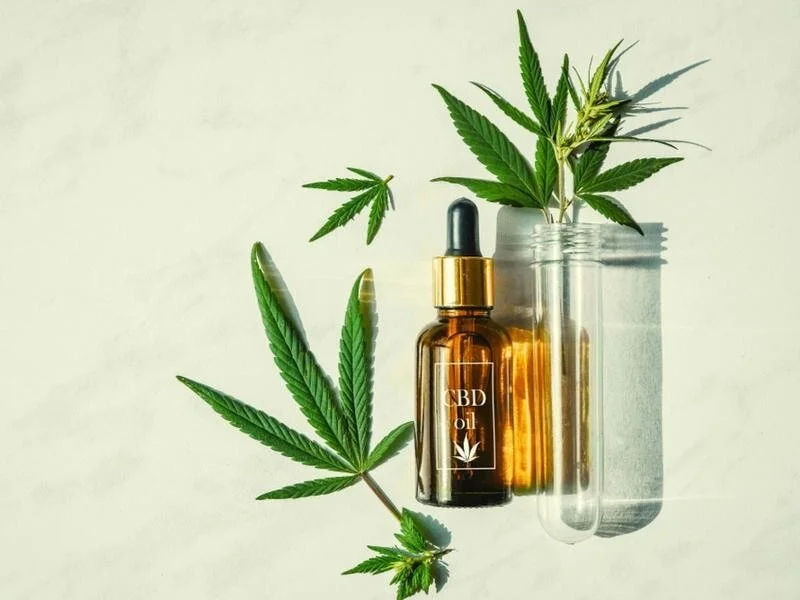
One of the most popular wellness ingredients today is cannabidiol (CBD). The compound is naturally found in hemp plants and is now being used for all sorts of possible therapeutic effects.
Though there is no shortage of testimonials on CBD gummies for sleep and its possible benefits, there may still be some confusion on how CBD oil makes you feel. Read more to learn about what to expect with top-shelf hemp products.
What are the Effects of CBD?
Before diving into how CBD feels, it is important to first discuss your body’s endocannabinoid system (ECS). This relatively unstudied system is made up of endocannabinoids (receptors), the cannabinoids that bind to them, and the enzymes that break them down.
THC is the cannabinoid known for producing the infamous marijuana high with its psychoactive effects. It works by activating the CB1 receptors of the ECS.
Cannabidiol, on the other hand, is non-psychoactive and has been observed to inhibit activity in these CB1 receptors and counteract THC’s effects.
Taken together, these naturally-occurring cannabinoids produce what is known as an entourage effect. This synergistic interaction is reported to produce heightened effects compared to taking just THC or CBD alone.
How CBD Feels
Ingesting hemp oil provides a more systemic effect and is the preferred method of consumers looking to benefit from its possible anti-anxiety and chronic pain-relieving effects.
Meanwhile, buying and using a CBD for pain is thought to produce more localized anti-inflammatory effects and pain relief, such as for joint pain.
Current research suggests that hemp has a very good safety profile and is well-tolerated by many people. People who have tried CBD have further compared its feeling to a runner’s high, or the natural rush of endorphins that lifts your mood.
Many consumers report feelings of relaxation and calmness after taking their cannabidiol fix. There is no standard formulation that works universally for everyone as its effects are dependent on several factors, including the type of CBD you are taking, the total cannabidiol content, and individual factors like tolerance, weight, and metabolism.
Different concentrations of hemp also influence their effects. Full-spectrum CBD is a formulation that contains up to 0.3 % THC as well as other cannabinoids like cannabinol (CBN) and cannabigerol (CBG). The level of THC in full-spectrum hemp is not enough to get you high but the presence of all-natural cannabinoids produces the desired entourage effect.
Broad-spectrum CBD produces a similar entourage effect but the formulation has the notable exclusion of THC. If you want to avoid any and all THC, then this formulation is best for you. Lastly, CBD isolates are processed to contain no other cannabinoids and terpenes but cannabidiol. This pure formulation is also popular but does not produce an entourage effect.
One formulation of hemp products that is gaining popularity contains a 1:1 CBD-to-THC ratio. Users report that this concentration is beneficial as a sleeping aid as it may produce an intoxicated feeling attributed to higher amounts of THC.
Does CBD Make You Hungry?
People curious about this cannabis substance also wonder about its other side effects like the “munchies,” a popular side effect of using marijuana. The munchies are actually effects of THC which alter the part of the brain that controls your appetite.
THC also increases levels of the ghrelin hormone, causing you to feel hungry.
As such, CBD does not cause the munchies. However, cannabidiol may relieve nausea and calm your digestive tract. By feeling less nauseated, you may end up feeling less pain overall and experience more fulfillment with your meals.
Of course, the effects of cannabidiol highly depend on how much you take. While there is a recommended CBD dosage, it’s best to consult a doctor.
Does CBD Give You Energy?
As to how CBD makes you feel, those you have tried industrial hemp oil report a mental clarity which is quite opposite from the feeling of intoxication.
According to them, cannabidiol can make you less distracted, sharpen your cognitive abilities, and make you more alert. It is this cognitive health benefit that many people desire when they take CBD.
Is CBD Oil Addictive?
It is understandable if you might think that CBD is addictive. After all, it comes from the cannabis plant. However, CBD is not addictive, and using it does not produce a “stoned” feeling that its cousin marijuana has become infamous for.
A study examined the abuse potential of CBD and it concluded that the compound does not display any signs of abuse potential.
What Happens When You Stop Using CBD Oil?
Cannabidiol may be effective in managing symptoms of anxiety but it should not replace the medications that you are already using. Frequent users of this substance who suddenly stop using it may also experience withdrawal symptoms including irritability, dizziness, nausea, and fogginess.
These statements have not been evaluated by the Food and Drug Administration. A CBD product is not intended to diagnose, treat, cure, or prevent any disease and must be taken as a supplement only.
High flavanol diet may lead to lower blood pressure
First study to use objective measure to look at 25,000 people's diet
October 21, 2020
Science Daily/University of Reading
People who consume a diet including flavanol-rich foods and drinks, including tea, apples and berries, could lead to lower blood pressure, according to the first study using objective measures of thousands of UK residents' diet.
The findings, published in Scientific Reports, studied the diet of more than 25,000 people in Norfolk, UK and compared what they ate with their blood pressure. In contrast to most other studies investigating links between nutrition and health, the researchers did not rely on study participants reporting their diet, but instead measured flavanol intake objectively using nutritional biomarkers -- indicators of dietary intake, metabolism or nutritional status that are present in our blood.
The difference in blood pressure between those with the lowest 10% of flavanol intake and those with the highest 10% of intake was between 2 and 4 mmHg. This is comparable to meaningful changes in blood pressure observed in those following a Mediterranean diet or Dietary Approaches to Stop Hypertension (DASH) diet. Notably, the effect was more pronounced in participants with hypertension.
Professor Gunter Kuhnle, a nutritionist at the University of Reading who led the study said:
"Previous studies of large populations have always relied on self-reported data to draw conclusions, but this is the first epidemiological study of this scale to objectively investigate the association between a specific bioactive compound and health. We are delighted to see that in our study, there was also a meaningful and significant association between flavanol consumption and lower blood pressure.
"What this study gives us is an objective finding about the association between flavanols -- found in tea and some fruits -- and blood pressure. This research confirms the results from previous dietary intervention studies and shows that the same results can be achieved with a habitual diet rich in flavanols. In the British diet, the main sources are tea, cocoa, apples and berries.
"The methodology of the study is of equal importance. This is one of the largest ever studies to use nutritional biomarkers to investigate bioactive compounds. Using nutritional biomarkers to estimate intake of bioactive food compounds has long been seen as the gold standard for research, as it allows intake to be measured objectively. The development, validation and application of the biomarker was only possible because of the long-term commitment of all collaborators. In contrast to self-reported dietary data, nutritional biomarkers can address the huge variability in food composition. We can therefore confidently attribute the associations we observed to flavanol intake."
An international team from the University of Reading, Cambridge University, the University of California Davis, and Mars, Incorporated studied 25,618 participants from the European Prospective Investigation into Cancer (EPIC) Norfolk study and found that the biggest difference was observed in participants with the highest blood pressure. This suggests if the general public increased its flavanol intake, there could be an overall reduction in cardiovascular disease incidence.
Hagen Schroeter, Chief Science Officer at Mars Edge, said:
"This study adds key insights to a growing body of evidence supporting the benefits of dietary flavanols in health and nutrition. But, perhaps even more exciting was the opportunity to apply objective biomarkers of flavanol intake at a large scale. This enabled the team to avoid the significant limitations that come with past approaches which rely on estimating intake based on self-reported food consumption data and the shortcomings of current food composition databases."
The study was supported with an unrestricted grant from Mars, Incorporated, and two co-authors are employees of Mars. The study worked with the EPIC Norfolk population cohort, which acknowledges funding from the Medical Research Council and Cancer Research UK.
https://www.sciencedaily.com/releases/2020/10/201021085109.htm
Scientist develops new way to test for COVID-19 antibodies
October 23, 2020
Science Daily/Seattle Children's
When Dr. Stephen Smith of Seattle Children's Research Institute came down with muscle aches, gastrointestinal distress and a sudden loss of smell in late February, he suspected he had COVID-19. The testing criteria had yet to be expanded to include individuals with Smith's symptoms and so he did what many scientists with his expertise would do: he developed a way to test himself.
The fruits of his curiosity, now published in The Journal of Infectious Diseases, offer a reliable way to quantify whether an individual has neutralizing antibodies that could prevent the novel coronavirus from infecting cells using a method that is more broadly applicable than those currently available.
"If you think you've had COVID-19 and go to the doctor, they can test your blood and tell you whether or not you have antibodies to COVID-19, but that doesn't tell you whether your antibodies are any good at functionally blocking the virus from binding to cells," Smith said. "There are tests on the market now that can tell you that, but they are expensive and take a long time to get results. We wanted to develop a way to give you additional information about your immune status without all the barriers that make it difficult to use in a community setting."
The newly developed diagnostic could have a range of potential commercial applications from broad community testing to assessing vaccine responses and screening for convalescent plasmas that have particularly high levels of neutralizing antibodies as a potential treatment.
advertisement
Physicians: ADHD In Teenagers - A Treatment For ADHD In Teens
Discover an ADHD Treatment & Get Full Prescribing Information Here. See more at Prescription treatment website
Cell-free test looks at protein interactions
The novel coronavirus enters cells when the viral spike protein binds to the ACE2 protein on the surface of human cells. Neutralizing antibodies that block this binding are thought to contribute to immunity to the virus in people who recover from COVID-19.
Smith applied a technique called immunoprecipitation detected by flow cytometry (IP-FCM) to study the interactions between the proteins and to look for evidence that antibodies were inhibiting the interaction and blocking the virus from binding to cells. Instead of relying on live cells and viruses like other available blood tests, IP-FCM uses recombinant -- or lab-made -- proteins and instruments commonly available in commercial serological labs.
"Other tests that provide insight into immunity work by taking antibodies from your blood and mixing them together with a virus and then exposing that mixture to live cells. Three days later they can determine immunity based on whether your blood prevented the viruses from infecting the cells or not," Smith said. "Our cell-free test can provide that same information overnight."
Collaborative science launches innovative study
Smith is among a small group of scientists in the U.S. who have pioneered IP-FCM to study the interactions between proteins. His lab in Seattle Children's Center for Integrative Brain Research uses IP-FCM to uncover new treatments for autism by studying the more than 100 genetic variations known to contribute to the condition. To apply his expertise to the current pandemic, Smith collaborated with Drs. Lisa Frenkel and Whitney Harrington from the research institute's Center for Global Infectious Global Disease Research who are following a community cohort of Seattle Children's employees who were never hospitalized and had recovered from mild to moderate COVID-19. The researchers hope by tracking their recovery and taking blood samples over time as part of the Seattle Children's Recovered SARS2 Cohort study they can shed light on the immune responses to the novel coronavirus.
Funding in part by Seattle Children's COVID-19 Research Fund helped Smith design and launch the study.
Using IP-FCM, Smith tested the blood samples from 24 cohort participants. The test showed that 92% of the participants had antibodies to the novel coronavirus at an average of a little over a month post-infection. Results were validated with 30 control samples.
"Not only did the participants have antibodies, but our test also showed that their antibodies were pretty effective at neutralizing the binding between the spike protein and the cell's receptor," he said. "It's consistent with other studies from cell-based tests showing that people who get COVID do make neutralizing antibodies."
Interestingly, when researchers looked at the test results against other data gathered from the cohort, they found that those who mounted a fever had higher levels of antibodies. The research team also plans to retest the samples to see how antibody levels change over time.
"It's going to be very important to look at people over a longer time period to track their antibody levels and whether or not they get re-infected," Smith said. "Until we do those studies, we really don't know how these clinical measures of antibody neutralization relate to susceptibility in the real world."
Identifying new drug candidates for COVID-19
In addition to exploring opportunities to commercialize the diagnostic, Smith and his team are now using the test to rapidly screen thousands of approved drugs that could potentially interfere with the binding between ACE2 and the spike protein.
Lab manager, Edward Gniffke, and Stanford University undergraduate and summer intern, Kaleb Tsegay, helped run the initial screen that could potentially identify drugs capable of preventing or treating COVID-19.
"We already have some compounds that look like they are inhibiting, which is pretty exciting," Smith said. "This first line screen will help us pinpoint the most promising agents for further tests."
https://www.sciencedaily.com/releases/2020/10/201022201404.htm
Aspirin use reduces risk of death in hospitalized COVID-19 patients
October 22, 2020
Science Daily/University of Maryland School of Medicine
Hospitalized COVID-19 patients who were taking a daily low-dose aspirin to protect against cardiovascular disease had a significantly lower risk of complications and death compared to those who were not taking aspirin, according to a new study led by researchers at the University of Maryland School of Medicine (UMSOM). Aspirin takers were less likely to be placed in the intensive care unit (ICU) or hooked up to a mechanical ventilator, and they were more likely to survive the infection compared to hospitalized patients who were not taking aspirin, The study, published today in the journal Anesthesia and Analgesia, provides "cautious optimism," the researchers say, for an inexpensive, accessible medication with a well-known safety profile that could help prevent severe complications.
"This is a critical finding that needs to be confirmed through a randomized clinical trial," said study leader Jonathan Chow, MD, Assistant Professor of Anesthesiology at UMSOM. "If our finding is confirmed, it would make aspirin the first widely available, over-the-counter medication to reduce mortality in COVID-19 patients."
To conduct the study, Dr. Chow and his colleagues culled through the medical records of 412 COVID-19 patients, age of 55 on average, who were hospitalized over the past few months due to complications of their infection. They were treated at the University of Maryland Medical Center in Baltimore and three other hospitals along the East Coast. About a quarter of the patients were taking a daily low-dose aspirin (usually 81 milligrams) before they were admitted or right after admission to manage their cardiovascular disease.
The researchers found aspirin use was associated with a 44 percent reduction in the risk of being put on a mechanical ventilator, a 43 percent decrease in the risk of ICU admission and -- most importantly -- a 47 percent decrease in the risk of dying in the hospital compared to those who were not taking aspirin. The patients in the aspirin group did not experience a significant increase in adverse events such as major bleeding while hospitalized.
The researchers controlled for several factors that may have played a role in a patient's prognosis including age, gender, body mass index, race, hypertension and diabetes. They also accounted for heart disease, kidney disease, liver disease and the use of beta blockers to control blood pressure.
COVID-19 infections increase the risk of dangerous blood clots that can form in the heart, lungs, blood vessels and other organs. Complications from blood clots can, in rare cases, cause heart attacks, strokes and multiple organ failure as well as death.
Doctors often recommend a daily low-dose aspirin for patients who have previously had a heart attack or stroke caused by a blood clot to prevent future blood clots. Daily use, however, can increase the risk of major bleeding or peptic ulcer disease.
"We believe that the blood thinning effects of aspirin provides benefits for COVID-19 patients by preventing microclot formation," said study co-author Michael A. Mazzeffi, MD, Associate Professor of Anesthesiology at UMSOM. "Patients diagnosed with COVID-19 may want to consider taking a daily aspirin as long as they check with their doctor first." Those at increased bleeding risk due to chronic kidney disease, for example, or because they regularly use certain medications, like steroids or blood thinners, may not be able to safely take aspirin, he added.
Researchers from Wake Forest School of Medicine, George Washington University School of Medicine, Northeast Georgia Health System, and Walter Reed National Military Medical Center also participated in this study.
"This study adds to the tremendous work our researchers are doing in the School of Medicine to help find new treatments against COVID-19 and save patients' lives," said E. Albert Reece, MD, PhD, MBA, Executive Vice President for Medical Affairs, UM Baltimore, and the John Z. and Akiko K. Bowers Distinguished Professor and Dean, University of Maryland School of Medicine. "While confirmatory studies are needed to prove that aspirin use leads to better outcomes in COVID-19, the evidence thus far suggests that patients may want to discuss with their doctor whether it is safe for them to take aspirin to manage potentially prevent serious complications."
https://www.sciencedaily.com/releases/2020/10/201022195637.htm
34% of older adults in the US are prescribed potentially inappropriate drugs
October 23, 2020
Science Daily/University at Buffalo
The prescription of potentially inappropriate medications to older adults is linked to increased hospitalizations, and it costs patients, on average, more than $450 per year, according to a new University at Buffalo study.
The research, which sought to determine the impact of potentially inappropriate medications on health care utilization and costs in the United States, also found that more than 34% of adults age 65 and older were prescribed these problematic drugs.
"Although efforts to de-prescribe have increased significantly over the last decade, potentially inappropriate medications continue to be prescribed at a high rate among older adults in the United States," says David Jacobs, PharmD, PhD, lead investigator and assistant professor of pharmacy practice in the UB School of Pharmacy and Pharmaceutical Sciences.
Collin Clark, PharmD, first author on the paper and clinical assistant professor in the School of Pharmacy and Pharmaceutical Sciences, adds, "The average age of the U.S. population is rising, and older adults account for a disproportionate amount of prescription medications. Harm to older adults caused by potentially inappropriate medications is a major public health challenge."
As the human body ages, the risk of experiencing harmful side effects from medications increases. Potentially inappropriate medications are drugs that should be avoided by older adults due to these risks outweighing the benefits of the medication, or when effective but lower risk alternative treatments are available.
The study, which was published in August in the Journal of the American Geriatrics Society, used the 2011-2015 Medical Expenditure Panel Survey -- conducted annually by the U.S. Public Health Service and the Centers for Disease Control and Prevention (CDC) -- to examine the prescription of 33 potentially inappropriate medications or classes of medications to adults 65 and older.
Among the potentially inappropriate medications examined were antidepressants, barbiturates, androgens, estrogens, nonsteroidal anti-inflammatory drugs, first-generation antihistamines, and antipsychotics.
Among the 218 million-plus older adults surveyed, more than 34% were prescribed at least one potentially inappropriate medication. Those patients were, on average, prescribed twice as many drugs, were nearly twice as likely to be hospitalized or visit the emergency department, and were more likely to visit a primary care physician compared to older adults who were not prescribed potentially inappropriate medication.
Patients who received these medications also spent an additional $458 on health care, including an extra $128 on prescription drugs.
"De-prescribing is currently at an early stage in the United States. Further work is needed to implement interventions that target unnecessary and inappropriate medications in older adults," says Jacobs.
https://www.sciencedaily.com/releases/2020/10/201023095850.htm
COVID-19 anxiety linked to body image issues
Study finds association between stress and anxiety, and negative body image
October 23, 2020
Science Daily/Anglia Ruskin University
A new study has found that anxiety and stress directly linked to COVID-19 could be causing a number of body image issues amongst women and men.
The research, led by Professor Viren Swami of Anglia Ruskin University (ARU) and published in the journal Personality and Individual Differences, involved 506 UK adults with an average age of 34.
Amongst women, the study found that feelings of anxiety and stress caused by COVID-19 were associated with a greater desire for thinness. It also found that anxiety was significantly associated with body dissatisfaction.
Amongst the male participants, the study found that COVID-19-related anxiety and stress was associated with greater desire for muscularity, with anxiety also associated with body fat dissatisfaction.
Negative body image is one of the main causes of eating disorders, such as anorexia and bulimia, and this new study adds to recent research indicating that fears around COVID-19, and the consequences of the restrictions introduced to help tackle it, could be contributing to a number of serious mental health issues.
Lead author Viren Swami, Professor of Social Psychology at Anglia Ruskin University (ARU), said: "In addition to the impact of the virus itself, our results suggest the pandemic could also be leading to a rise in body image issues. In some cases, these issues can have very serious repercussions, including triggering eating disorders.
"Certainly during the initial spring lockdown period, our screen time increased, meaning that we were more likely to be exposed to thin or athletic ideals through the media, while decreased physical activity may have heightened negative thoughts about weight or shape. At the same time, it is possible that the additional anxiety and stress caused by COVID-19 may have diminished the coping mechanisms we typically use to help manage negative thoughts.
"Our study also found that when stressed or anxious, our pre-occupations tend to follow gender-typical lines. During lockdown, women may have felt under greater pressure to conform to traditionally feminine roles and norms, and messaging about self-improvement may have led to women feeling dissatisfied with their bodies and having a greater desire for thinness.
"Similarly, our findings reflect the way in which stress and anxiety impact men's relationships with their bodies, particularly in terms of masculine body ideals. Given that masculinity typically emphasises the value of toughness, self-reliance, and the pursuit of status, COVID-19-related stress and anxiety may be leading men to place greater value on the importance of being muscular."
https://www.sciencedaily.com/releases/2020/10/201022201407.htm
Researchers discover neuroprotective treatment for chronic traumatic brain injury
Brief pharmacologic treatment one year after traumatic brain injury in mice reverses cognitive impairment
October 19, 2020
Science Daily/University Hospitals Cleveland Medical Center
TBI survivors are currently treated with extensive physical and cognitive rehabilitation, accompanied by medications that may mitigate symptoms yet do not halt or slow neurodegeneration. Now, researchers have found for the first time that this process can be pharmacologically reversed in an animal model of this chronic health condition, offering an important proof of principle in the field and a potential path to new therapy.
Traumatic brain injury (TBI) is a leading cause of cognitive impairment that affects millions of people worldwide. Despite growing awareness about the debilitating and lifelong progressive consequences of TBI, there are currently no treatments that slow the deteriorative process. TBI survivors are currently treated with extensive physical and cognitive rehabilitation, accompanied by medications that may mitigate symptoms yet do not halt or slow neurodegeneration.
Now, researchers have found for the first time that this process can be pharmacologically reversed in an animal model of this chronic health condition, offering an important proof of principle in the field and a potential path to new therapy. The findings from Harrington Discovery Institute at University Hospitals (UH), Case Western Reserve University (CWRU) School of Medicine, and Louis Stokes Cleveland VA Medical Center were recently published in the Proceedings of the National Academy of Sciences (PNAS) USA.
"TBI can lead to lifelong detrimental effects on multiple aspects of health," explains Andrew A. Pieper, MD, PhD, senior author on the study and Director of the Harrington Discovery Institute at UH Neurotherapeutics Center, Morley-Mather Chair in Neuropsychiatry, Professor of Psychiatry at CWRU, and Psychiatrist at the Louis Stokes Cleveland VA Medical Center Geriatrics Research Education and Clinical Center (GRECC). "Adverse long-term outcomes of TBI commonly include sensorimotor impairment, cognitive dysfunction, or emotional dysregulation, such as depression and anxiety, including worsened post-traumatic stress disorder. In addition, TBI significantly increases the risk of later developing aging-related forms of dementia, such as Alzheimer's and Parkinson's diseases."
Dr. Pieper and his team set out to test whether it was possible to reverse the lifelong chronic neurodegeneration and associated cognitive deficits after TBI, which had never been demonstrated before. They utilized a mouse model that mimicked concussive impact in middle-aged people suffering a TBI decades prior, and administered an energy-elevating neuroprotective compound, known as P7C3-A20, that they had previously shown to have therapeutic value in acute TBI. The research team waited for one year after injury and then administered the compound daily to mice for one month.
Strikingly, this brief treatment with P7C3-A20 restored normal cognitive function. They continued to observe the mice for an additional four months, during which time they did not administer any more compound. Remarkably, at the end of this period the mice still showed normal cognitive function. Thus, after just one month of treatment, cognitive function remained improved four months later.
"When we examined the brains under the microscope, we saw that chronic neurodegeneration after TBI had completely stopped in the mice that had been briefly-treated with P7C3-A20," said Edwin Vázquez-Rosa, PhD, co-first author on the study. "Then, under electron microscopy we discovered that P7C3-A20 had also facilitated repair of the endothelial cells lining the blood vessels of the brain."
"This is the first time we've seen that P7C3-A20 can protect endothelial cells at the interface of the cardiovascular system and the brain, known as the neurovascular unit (NVU)," explains Min-Kyoo Shin, PhD, co-first author on the study. Deterioration of the NVU occurs in almost all types of brain injury and disease, and is a well-known early and chronic feature of Alzheimer's disease. The team also showed that P7C3-A20 directly protects human brain microvascular endothelial cells cultured in the laboratory as well.
"Except for aging and genetics, TBI is the greatest risk factor for developing Alzheimer's disease," explains Matasha Dhar, PhD, co-first author on the study. "We speculate that preserving the blood-brain barrier at the NVU might be a way to protect TBI patients from this increased risk."
Robert A. Bonomo, MD, Associate Chief of Staff and Director of the Cleveland GRECC asserts, "These seminal findings have tremendous long-term impact on our veteran population that suffers from TBI."
There are currently no medicines available to patients that directly protect the blood brain barrier. A medicine with this property, such as one derived from the P7C3 series of compounds, would have broad applicability to numerous conditions of the brain, including TBI and Alzheimer's disease.
https://www.sciencedaily.com/releases/2020/10/201019155924.htm
Stigma impacts psychological, physical health of multiracial people
The multiracial population is one of the fastest-growing minority groups but faces stigma challenges
October 22, 2020
Science Daily/Rutgers University
Policy changes can help to fight stigmas of multiracial Americans, one of the fasting growing minority groups in the United States according to a Rutgers University-led study.
Published in the journal Policy Insights from the Behavioral and Brain Sciences, the study finds that such stigmas may be combated by legitimizing multiracial identities. Despite the increasing prominence of multiracial celebrities and leaders such as Barack Obama, Meghan Markle, and Bruno Mars, many multiracial people are physically isolated from their peers, said lead author Diana Sanchez, a Rutgers professor of psychology.
"Multiracial people encounter unique challenges because they straddle multiple racial groups," said Sanchez. "Sen. Kamala Harris is Black and South Asian, yet social media outlets vary to the extent to which they recognize her multiracial background. This lack of recognition for multiracial populations is common as is the tendency for fellow monoracial group members like South Asian or Black Americans to have trouble including a multiracial person in their group."
Multiracial people who report frequent racial identity denial also indicate more depressive symptoms, more stress, impaired motivation, and lower self-esteem -- compared with those who experience denial less frequently, according to research.
Multiracial people experience discrimination and everyday, often subtle, instances of these racist microaggressions that stem specifically from their identity -- such as being told that they cannot identify with certain racial identities or that they are not full members of their own racial communities.
The study suggests adopting policy changes that could increase population estimates that would allow for more for distribution of educational and health care resources and improve health care delivery for multiracial populations. Recommendations include:
Legitimizing multiracial identity by capitalizing the "M" in multiracial and adjusting guidelines that are set forth by, for example, the American Psychological Association and in writing style guides about race-appropriate language.
Being explicit about the consequences of listing a multiracial background on business loans and applications. There is a lack of transparency regarding how claiming a multiracial identity will affect eligibility.
Fully integrating check-all-that-apply racial measures for data collection. These have psychological benefits for multiracial people by recognizing and validating their identities.
Minority programs tailored to building community and facilitating positive racial socialization should integrate education for multiracial people by discussing how to respond to questions such as: "What are you?," "Are you sure your dad is really your dad?"
The U.S. Census 2020 marks the third assessment that allows residents to indicate belonging to more than one racial group. The 2010 U.S. Census data revealed that multiracial individuals represent one of the fastest growing minority groups in the United States, representing, at the time, roughly nine million Americans.
"Many people have argued that Harris's vice presidential nomination may be an opportunity to unite Black and South Asian communities who can jointly celebrate this candidacy, but we will first have to confront the issue that many have trouble with -- seeing multiracial people as legitimate members of their monoracial communities," said Sanchez.
https://www.sciencedaily.com/releases/2020/10/201022134725.htm
Vitamin A boosts fat burning in cold conditions
The conversion of white into brown adipose tissue is a promising target for obesity treatment
October 21, 2020
Science Daily/Medical University of Vienna
A recent study conducted by a research team led by Florian Kiefer from MedUni Vienna's Division of Endocrinology and Metabolism shows that cold ambient temperatures increase vitamin A levels in humans and mice. This helps convert "bad" white adipose tissue into "good" brown adipose tissue which stimulates fat burning and heat generation. This "fat transformation" is usually accompanied by enhanced energy consumption and is therefore considered a promising approach for the development of novel obesity therapeutics. The study has now been published in the journal Molecular Metabolism.
In humans and mammals, at least two types of fatty depots can be discerned, white and brown adipose tissue. During obesity development, excess calories are mainly stored in white fat. In contrast, brown fat burns energy and thereby generates heat. More than 90% of the body fat depots in humans are white which are typically located at the abdomen, bottom, and upper thighs. Converting white into brown fat could be a new therapeutic option to combat weight gain and obesity.
A research group led by Florian Kiefer from the Division of Endocrinology and Metabolism, Department of Medicine III at MedUni Vienna demonstrated now that moderate application of cold increases the levels of vitamin A and its blood transporter, retinol-binding protein, in humans and mice. Most of the vitamin A reserves are stored in the liver and cold exposure seems to stimulate the redistribution of vitamin A towards the adipose tissue. The cold-induced increase in vitamin A led to a conversion of white fat into brown fat ("browning"), with a higher rate of fat burning.
When Kiefer and his team blocked the vitamin A transporter "retinol-binding protein" in mice by genetic manipulation, both the cold-mediated rise in vitamin A and the "browning" of the white fat were blunted: "As a consequence, fat oxidation and heat production were perturbed so that the mice were no longer able to protect themselves against the cold," explains Kiefer. In contrast, the addition of vitamin A to human white fat cells led to the expression of brown fat cell characteristics, with increased metabolic activity and energy consumption.
"Our results show that vitamin A plays an important role in the function of adipose tissue and affects global energy metabolism. However, this is not an argument for consuming large amounts of vitamin A supplements if not prescribed, because it is critical that vitamin A is transported to the right cells at the right time," explains the MedUni Vienna researcher. "We have discovered a new mechanism by which vitamin A regulates lipid combustion and heat generation in cold conditions. This could help us to develop new therapeutic interventions that exploit this specific mechanism."
Scientists from Harvard University, Boston and Rutgers University, New Jersey were also involved in the study. The study was funded by the Austrian Science Fund (FWF), the Vienna Science and Technology Fund (WWTF) and the research fund of the Austrian Diabetes Society.
https://www.sciencedaily.com/releases/2020/10/201021112318.htm
Drinking green tea and coffee daily linked to lower death risk in people with diabetes
4 or more cups of green tea and 2 or more of coffee linked to 63% lower all cause mortality
October 20, 2020
Science Daily/BMJ
Drinking plenty of both green tea and coffee is linked to a lower risk of dying from any cause among people with type 2 diabetes, suggests research published in the online journal BMJ Open Diabetes Research & Care.
Drinking 4 or more daily cups of green tea plus 2 or more of coffee was associated with a 63% lower risk of death over a period of around 5 years, the findings show.
People with type 2 diabetes are more prone to circulatory diseases, dementia, cancer, and bone fractures. And despite an increasing number of effective drugs, lifestyle modifications, such as exercise and diet, remain a cornerstone of treatment.
Previously published research suggests that regularly drinking green tea and coffee may be beneficial for health because of the various bioactive compounds these beverages contain.
But few of these studies have been carried out in people with diabetes. The researchers therefore decided to explore the potential impact of green tea and coffee, separately and combined, on the risk of death among people with the condition.
They tracked the health of 4923 Japanese people (2790 men, 2133 women) with type 2 diabetes (average age 66) for an average of just over 5 years.
All of them had been enrolled in The Fukuoka Diabetes Registry, a multicentre prospective study looking at the effect of drug treatments and lifestyle on the lifespan of patients with type 2 diabetes.
They each filled in a 58-item food and drink questionnaire, which included questions on how much green tea and coffee they drank every day. And they provided background information on lifestyle factors, such as regular exercise, smoking, alcohol consumption and nightly hours of sleep.
Measurements of height, weight and blood pressure were also taken, as were blood and urine samples to check for potential underlying risk factors.
Some 607 of the participants didn't drink green tea; 1143 drank up to a cup a day; 1384 drank 2-3 cups; and 1784 drank 4 or more. Nearly 1000 (994) of the participants didn't drink coffee; 1306 drank up to 1 cup daily; 963 drank a cup every day; while 1660 drank 2 or more cups.
During the monitoring period, 309 people (218 men, 91 women) died. The main causes of death were cancer (114) and cardiovascular disease (76).
Compared with those who drank neither beverage, those who drank one or both had lower odds of dying from any cause, with the lowest odds associated with drinking higher quantities of both green tea and coffee.
Drinking up to 1 cup of green tea every day was associated with 15% lower odds of death; while drinking 2-3 cups was associated with 27% lower odds. Getting through 4 or more daily cups was associated with 40% lower odds.
Among coffee drinkers, up to 1 daily cup was associated with 12% lower odds; while 1 cup a day was associated with 19% lower odds. And 2 or more cups was associated with 41% lower odds.
The risk of death was even lower for those who drank both green tea and coffee every day: 51% lower for 2-3 cups of green tea plus 2 or more of coffee; 58% lower for 4 or more cups of green tea plus 1 cup of coffee every day; and 63% lower for a combination of 4 or more cups of green tea and 2 or more cups of coffee every day.
This is an observational study, and as such, can't establish cause. And the researchers point to several caveats, including the reliance on subjective assessments of the quantities of green tea and coffee drunk.
Nor was any information gathered on other potentially influential factors, such as household income and educational attainment. And the green tea available in Japan may not be the same as that found elsewhere, they add.
The biology behind these observations isn't fully understood, explain the researchers. Green tea contains several antioxidant and anti-inflammatory compounds, including phenols and theanine, as well as caffeine.
Coffee also contains numerous bioactive components, including phenols. As well as its potentially harmful effects on the circulatory system, caffeine is thought to alter insulin production and sensitivity.
"This prospective cohort study demonstrated that greater consumption of green tea and coffee was significantly associated with reduced all-cause mortality: the effects may be additive," the researchers conclude.
https://www.sciencedaily.com/releases/2020/10/201020190129.htm
Increasing sleep time after trauma could ease ill effects
October 22, 2020
Science Daily/Washington State University
Increasing the amount of time spent asleep immediately after a traumatic experience may ease any negative consequences, suggests a new study conducted by researchers at Washington State University's Elson S. Floyd College of Medicine.
Published today in Scientific Reports, the study helps build a case for the use of sleep therapeutics following trauma exposure, said William Vanderheyden, an assistant research professor and the lead author on the study. "Basically, our study has found that if you can improve sleep, you can improve function."
The finding holds particular promise for populations that are routinely exposed to trauma, such as military personnel and first responders, and may also benefit victims of accidents, natural disaster, violence, and abuse.
Vanderheyden made the discovery following a series of experiments in rats in which he and coauthor Christopher Davis examined the links between poor sleep and post-traumatic stress disorder (PTSD) -- a psychiatric condition that affects an estimated 8 million Americans each year.
"People with PTSD oftentimes experience nightmares and other types of sleep disturbances, such as frequent awakenings and insomnia," said Vanderheyden. "One thought was that those sleep disturbances may cause further cognitive impairment and worsen the effects of PTSD or the initial trauma. So we wanted to see whether repairing the sleep disturbances associated with trauma exposure could help alleviate the symptoms of PTSD."
Their study used methods reviewed and approved by Washington State University's Institutional Animal Care and Use Committee, which oversees all university animal research procedures to ensure animals' humane treatment throughout their lifecycle. This included a commonly used PTSD rodent model in combination with optogenetics, a technique that uses light-sensitive proteins to control the activity of brain cells.
After going through the PTSD protocol, rats were assigned to two groups. In one group, the researchers used optogenetic stimulation to activate melanin-concentrating hormone (MCH) -- a sleep-promoting brain cell type -- over a period of seven days. Animals in the second group served as controls.
Comparing the two groups, the researchers found that optogenetic stimulation increased the duration of rapid eye movement (REM) sleep -- the sleep phase thought to be important for learning and memory -- across the rats' rest and active phases.
The researchers then assessed the rats' behavior on a three-day classical conditioning experiment involving a memory task. On day one, rats learned to associate an audible tone with the mildly unpleasant experience of receiving a small foot shock immediately after hearing the tone. After several occurrences, rats would freeze after hearing the tone, anticipating the foot shock. On day two, they heard the tone 30 times without receiving the shock, allowing them to gradually extinguish that memory. On the third day, the researchers played the tone 10 times to test to what extent the previous day's memory extinction had stuck. They found that rats that had received optogenetic stimulation to increase their sleep time had more successfully extinguished the memory, freezing less than control rats.
"This highlights that there is a time-sensitive window when -- if you intervene to improve sleep -- you could potentially stave off the negative effects of trauma," Vanderheyden said. "Conversely, it seems likely that if you are kept awake after a trauma, this could potentially be harmful to your cognitive function, though we haven't directly tested this as part of our study."
As an example, he mentioned victims of traffic accidents, who may not get much opportunity to sleep as they are poked, prodded, examined, and treated after being hospitalized for injuries. Though prioritizing sleep may not be feasible in victims with potentially life-threatening injuries, increasing sleep in other trauma-exposed populations could practically be done. Military personnel coming back from patrol could be encouraged to sleep and potentially be given sleep-promoting drugs to help them stave off any trauma experienced during their patrol, Vanderheyden said.
Vanderheyden cautioned that although their experiments suggest that manipulating sleep immediately after a trauma may be beneficial, such an intervention may or may not be effective for traumatic experiences that occurred in the more distant past.
As a next step, Vanderheyden and Davis want to delve deeper into molecular mechanisms that improve function in response to increased sleep. Their goal is to pinpoint those molecules that are important for regulating sleep or learning and memory, which will help them identify targets for the development of better drugs to help trauma-exposed populations.
Based on their findings, Vanderheyden also suggested that the use of antidepressants known as selective serotonin reuptake inhibitors (SSRIs) in people with PTSD may need to be reexamined, as SSRIs are known to suppress REM sleep.
"We may be doing our trauma victims a disservice by prescribing a class of drugs that actually eliminates a potential therapeutic avenue for them by removing their REM sleep when our findings suggest that we should be increasing REM sleep," Vanderheyden said.
https://www.sciencedaily.com/releases/2020/10/201022125513.htm
Researchers identify how night-shift work causes internal clock confusion
Cell secretions during shift changes disrupt body clock alignment and raise risk of health issues
October 22, 2020
Science Daily University of Missouri-Columbia
Night-shift workers face an increased risk of obesity and diabetes, but the underlying reason for that has been a mystery. Now, University of Missouri School of Medicine researchers have found a potential cause for metabolic changes during night-shift work that creates confusion between cells in the body and the central clock in the brain.
"We hypothesized that the messages cells produce and send each other during night work are different than those sent during the day shift," said David Gozal, MD, the Marie M. and Harry L. Smith Endowed Chair of Child Health at the MU School of Medicine. "These messages come via microscopic packages called exosomes. Our study found these packages disrupt the synchronicity of the body's systems during night shifts and cause increased insulin resistance and other health issues."
Gozal and MU collaborator Abdelnaby Khalyfa, PhD, associate professor, studied 14 participants who were assigned to either a simulated day shift or night shift. After the participants spent three days on the simulated shift, researchers drew their blood every 3 hours, extracted the exosomes from the plasma and delivered them into naïve fat cells. The goal was to examine any potential changes to the fat cells and the key genes that affect metabolism. They found that exosomes taken from the night-shift participants reduced insulin sensitivity of the fat cells. They also discovered that those exosomes contained specialized gene regulators called microRNAs that shifted the internal clock of the fat cells.
"The cells in your body do not adjust as quickly as the central clock in the brain to shifts in sleep patterns," Gozal said. "So when night-shift workers abruptly shift back and forth to daytime hours on the weekend, the cells in the body continue to send messages to each other through exosomes that lag behind the central clock. It creates a condition called 'circadian misalignment,' which is associated with an increased risk for cancer, diabetes, cardiovascular disease and other illnesses."
Gozal believes using exosomes taken from the blood as a marker of circadian misalignment could play a key role in identifying treatments to prevent the long-term health complications of night-shift work.
"By sampling the blood of workers at different times of the day and examining their exosomes, we might be able to identify whether they are misaligned," Gozal said. "This could give us a lot of information about which workers are better suited to work night shift. And this discovery raises the possibility of developing personalized less risk-generating shift schedules and also gene-targeted therapeutic approaches to prevent the long-term health complications of night-shift work. "
https://www.sciencedaily.com/releases/2020/10/201022123116.htm
Bacterial metabolism of dietary soy may lower risk factor for dementia
October 22, 2020
Science Daily/University of Pittsburgh
A metabolite produced following consumption of dietary soy may decrease a key risk factor for dementia -- with the help of the right bacteria, according to a new discovery led by researchers at the University of Pittsburgh Graduate School of Public Health.
Their study, published today in the journal Alzheimer's & Dementia: Translational Research & Clinical Interventions, reports that elderly Japanese men and women who produce equol -- a metabolite of dietary soy created by certain types of gut bacteria -- display lower levels of white matter lesions within the brain.
"White matter lesions are significant risk factors for cognitive decline, dementia and all-cause mortality," said lead author Akira Sekikawa, M.D., Ph.D., associate professor of epidemiology at Pitt Public Health. "We found 50% more white matter lesions in people who cannot produce equol compared to people who can produce it, which is a surprisingly huge effect."
To obtain this result, Sekikawa's research team measured equol levels within the blood of 91 elderly Japanese participants with normal cognition. Participants were sorted by their equol production status, and then six to nine years later underwent brain imaging to detect levels of white matter lesions and deposits of amyloid-beta, which is the suspected molecular cause of Alzheimer's disease.
The researchers found that while equol production did not appear to impact levels of amyloid-beta deposited within the brain, it was associated with reduced white matter lesion volumes. Sekikawa's team also discovered that high levels of isoflavones -- soy nutrients that are metabolized into equol -- had no effect on levels of white matter lesions or amyloid-beta when equol wasn't produced.
According to Sekikawa, the ability to produce equol from soy isoflavones may be the key to unlocking protective health benefits from a soy-rich diet, and his team has previously shown that equol production is associated with a lower risk of heart disease. As heart disease is strongly associated with cognitive decline and dementia, equol production could help protect the aging brain as well as the heart.
Epidemiological studies in Japan, where soy is regularly consumed, have shown that dietary intake of soy isoflavones has been linked to a lower risk for heart disease and dementia. However, most clinical trials in America have failed to show this.
Sekikawa believes that this discrepancy may be due to the microbiome -- 40-70% of Japanese harbor gut bacteria that can convert dietary isoflavones into equol compared to only 20-30% of Americans.
Sekikawa said that equol supplements could one day be combined with existing diet-based prevention strategies that appear to lower the risk of dementia, particularly the Dietary Approaches to Stop Hypertension (DASH) and Mediterranean diets.
Though Sekikawa hopes to evaluate the neuroprotective effects of equol supplements in a future randomized clinical trial, in the meantime, he urges caution to anyone who might be tempted to purchase equol supplements to stave off dementia.
"This type of study always catches people's attention, but we cannot prove that equol protects against dementia until we get a randomized clinical trial with sufficient evidence," he said.
https://www.sciencedaily.com/releases/2020/10/201022083311.htm
Gut hormone blocks brain cell formation and is linked to Parkinson's dementia
October 22, 2020
Science Daily/Swansea University
A gut hormone, ghrelin, is a key regulator of new nerve cells in the adult brain, a Swansea-led research team has discovered. It could help pave the way for new drugs to treat dementia in patients with Parkinson's Disease.
Blood-borne factors such as hormones regulate the process of brain cell formation -- known as neurogenesis -- and cognition in adult mammals.
The research team focused on the gut hormone acyl-ghrelin (AG), which is known to promote brain cell formation. A structure change to the hormone results in two distinct forms: AG and unacylated-ghrelin (UAG).
The team, led by Dr Jeff Davies of Swansea University Medical School, studied both AG and UAG to examine their respective influences over brain cell formation.
This research is relevant to Parkinson's as a large proportion of those with the disease experience dementia, which is linked to a loss of new nerve cells in the brain. This loss leads to a reduction in nerve cell connectivity, which plays a vital role in regulating memory function.
The team's key overall findings were:
the UAG form of ghrelin reduces nerve cell formation and impairs memory
Individuals diagnosed with Parkinson's disease dementia have a reduced AG:UAG ratio in their blood
Dr Jeff Davies of Swansea University Medical School, lead researcher, said:
"Our work highlights the crucial role of ghrelin as a regulator of new nerve cells in the adult brain, and the damaging effect of the UAG form specifically.
This hormone represents an important target for new drug research, which could lead ultimately to better treatment for people with Parkinson's.
Our findings show that the AG:UAG ratio could also serve as a biomarker, allowing earlier identification of dementia in people with Parkinson's disease."
The team included collaborators from Newcastle University (UK) and Monash University (Australia). They examined the role of AG and UAG in the brain, and also compared blood collected from Parkinson's disease patients diagnosed with dementia with cognitively intact PD patients and a control group.
They found:
Higher levels of UAG, using both pharmacological and genetic methods, reduced hippocampal neurogenesis and brain plasticity.
AG helped reverse spatial memory impairments
UAG blocks the process of brain cell formation prompted by AG
The Parkinson's patients with dementia were the only one of the three patient groups examined to show a reduced AG:UAG ratio in their blood.
https://www.sciencedaily.com/releases/2020/10/201022183809.htm